

Babur Garden, Gandhara Travel Guide
Explore Kabul's Mughal heritage at Babur Garden, a serene terraced oasis and the final resting place of Emperor Babur.
Bagh-e Babur, also known as Babur's Garden, is a historic park in Kabul and the final resting place of the first Mughal emperor, Babur [3, 6]. Established in the 16th century, this terraced garden offers a serene escape and a glimpse into Afghanistan's rich cultural heritage [6, 15].
A brief summary to Babur Garden
- 34.503°N 69, Block 157-158 Walkway, Kabul, AF
- Click to display
- Monday 8 am-4 pm
- Tuesday 8 am-4 pm
- Wednesday 8 am-4 pm
- Thursday 8 am-4 pm
- Friday 8 am-4 pm
- Saturday 8 am-4 pm
- Sunday 8 am-4 pm

Know before you go
Hi, I'm Eve. Here are a few practical things to know before exploring Babur Garden.
- Dress modestly to respect local customs and traditions [14].
- Visit in spring (March to May) or autumn (September to November) for pleasant weather [14].
- Photography is allowed, so bring your camera to capture the garden's beauty [14].
Do you manage this location?
Take control to get all the benefits, like improved information, better appearance, and stronger visibility across AI-powered discovery. Learn more about listing your business on Evendo
Activate your presenceOther nearby places you may find interesting
The closest places of the same kind, if this one is not quite what you had in mind.
Explore Babur Garden on the Map
A handpicked selection of must-see spots near Babur Garden, mapped for you.
Getting There
-
Taxi/Ride-Share
From central Kabul, a taxi or ride-sharing service is the most convenient way to reach Babur's Garden [11, 12]. The journey typically takes 15-20 minutes, depending on traffic [11]. A one-way trip should cost approximately 150-300 AFN [11, 12]. Specify 'Bagh-e Babur' or 'Block 157-158 Walkway' to the driver [12]. Negotiate the fare beforehand [12]. Taxi fares are calculated with a base fee of 100 AFN and 50 AFN per kilometer [8, 18].
-
Public Transport
Local buses and shared taxis operate along major routes in Kabul [7, 11]. Look for buses heading towards Karte Char or buses that pass along Babur Road [11]. The fare for a bus is around 15-20 AFN [11]. From the nearest bus stop on Babur Road, it's a short walk to the garden entrance [11]. Be prepared for crowded conditions and limited English signage [11].
-
Walking
If you are already in the Shahrara neighborhood or nearby areas, walking to Babur's Garden is a viable option [12]. Follow the main roads leading towards the Sher Darwaza hillside [12]. Look for signs directing you to the garden [12]. The walk from Shahr-e Naw Park takes approximately 30-45 minutes [12]. Be aware of traffic and road conditions [11, 12].
Discover more about Babur Garden













Your all‑in‑one travel companion app
Explore expert travel guides, compare and book tours, experiences, hotels, and more—all from the palm of your hand. Download now for seamless trip planning wherever your wanderlust takes you.


Explore More of Gandhara
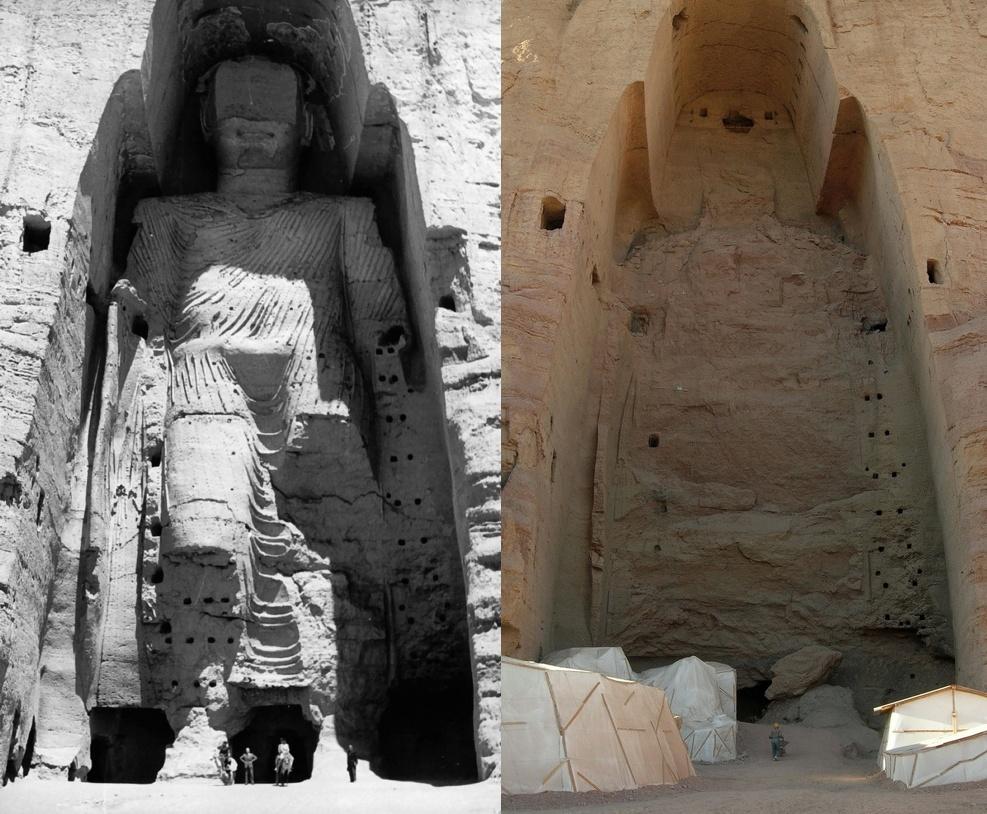
Looking beyond Babur Garden? Discover Gandhara for broader travel guides, local hot-spots, and regional highlights.
Explore Gandhara
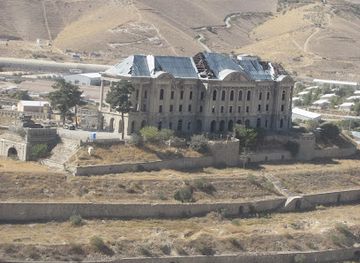
Explore Darul Aman Palace in Kabul, a neoclassical masterpiece reborn, symbolizing Afghanistan's rich history and unwavering spirit.

Hike Kabul's Asma'i Mountain for panoramic city views, historical insights, and a connection with Afghanistan's enduring spirit.
