

Gandhara, Afghanistan Travel Guide
Explore Gandhara, Afghanistan: A historical treasure trove where ancient Buddhist heritage meets stunning natural landscapes. Discover the art, culture, and history of this unique region.
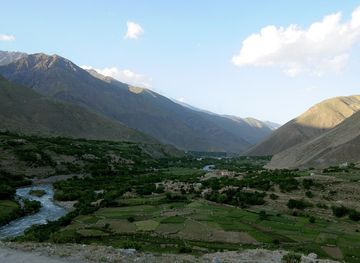
Nestled in the rugged terrains of Afghanistan, Gandhara stands as a testament to a rich tapestry of history and culture. This ancient region, once a thriving center of Buddhist civilization, offers a unique glimpse into the past. Visitors will encounter breathtaking ruins, grand stupas, and intricate carvings that tell the tales of a bygone era. Each site, from the awe-inspiring Bamiyan Buddhas to the serene monasteries, holds a piece of the historical puzzle that defines Gandhara. Beyond its archaeological wonders, Gandhara is a melting pot of cultural influences. The art and architecture here are a blend of Indian, Persian, and Greek styles, making it a fascinating destination for history buffs and art lovers alike. The region's museums house an impressive collection of artifacts, including statues, coins, and manuscripts that provide a deeper understanding of its rich heritage. For the adventurous, the surrounding landscapes offer stunning natural beauty. The rugged mountains and lush valleys are perfect for hiking and exploring. Gandhara is not just a journey through history; it’s an exploration of the soul of an ancient civilization.

Know before you go
Hi, I'm Eve. Here are a few practical things to know before exploring Gandhara.
- Visit in Spring or Autumn for the best weather conditions.
- Hire a local guide to get the most out of your visit to historical sites.
- Dress conservatively out of respect for local customs and traditions.
- Carry cash, as credit card facilities may be scarce in remote areas.
- Learn a few basic phrases in Dari or Pashto to enhance your interaction with locals.
Top City Travel Guides in Gandhara
The cities of Gandhara, and the easiest places to base yourself.

Destinations in Gandhara
Resorts, valleys and scenic spots worth a trip of their own.

Explore Gandhara: Things to Do, Places to Eat, Hotels & More
Handpicked recommendations for top attractions, local dining, accommodations, and more

Top Attractions & Sightseeing in Gandhara
Top-rated picks
Best Attractions

Herat Citadel
Explore the ancient Herat Citadel: a historic fortress with roots stretching back to Alexander the Great, offering stunning views and a glimpse into Afghan history.

Babur Garden
Explore Kabul's Mughal heritage at Babur Garden, a serene terraced oasis and the final resting place of Emperor Babur.

Kabul Zoo
Experience the resilience of wildlife and the spirit of Kabul at the historic Kabul Zoo, a poignant landmark in the heart of the city.

Band-e-Amir National Park
Discover Band-e-Amir National Park: a breathtaking landscape of turquoise lakes and dramatic canyons in the heart of Afghanistan's Bamyan Province.

Best landmarks in Gandhara
Top-rated picks
Best Landmarks

Takht-i-Bahi Buddhist Monastery
Discover the ancient Buddhist monastery of Takht-i-Bahi, a UNESCO World Heritage Site in Pakistan, offering a glimpse into the Gandhara civilization.

Herat Citadel
Explore the ancient Herat Citadel, a majestic fortress with roots in Alexander the Great's era, offering a glimpse into Afghanistan's rich history.

Babur Garden
Explore Kabul's Mughal heritage at Babur Garden, a historic oasis with serene gardens and stunning city views.

Band-e-Amir National Park
Discover Afghanistan's hidden gem: turquoise lakes, dramatic canyons, and a unique blend of natural beauty in Band-e-Amir National Park.

Best restaurants in Gandhara
Top-rated picks
Best Restaurants

Barg Continental Restaurant
Experience authentic Afghan cuisine at Barg Continental Restaurant in Kabul - where flavor meets tradition.

Bukhara Restaurant
Discover the flavors of Afghanistan at Bukhara Restaurant in Kabul, where tradition meets taste in every dish.

Ziyafat Restaurant
Experience authentic Afghani cuisine at Ziyafat Restaurant in Kabul - where every meal tells a story.

Herat Restaurant
Savor authentic Afghan flavors at Herat Restaurant in Kabul - where every meal is a taste of tradition and warmth.

Best bars in Gandhara
Top-rated picks
Best Bars

Herat Restaurant
Discover the authentic flavors of Afghanistan at Herat Restaurant, where traditional cuisine meets a welcoming atmosphere in the heart of Kabul.

Afghan Hotel & Restaurant (افغان هوټل اؤ رستورانت)
Experience the authentic taste of Afghanistan at Afghan Hotel & Restaurant in Jalalabad, where every dish tells a story.

حمام حاجي مير احمد
Discover the unique blend of Afghan culture and modern relaxation at حمام حاجي مير احمد, a must-visit bar in Kabul.

Habib Gulazar Company
Discover the lively atmosphere of Habib Gulazar Company, a popular bar in Jalalabad perfect for relaxing and socializing with locals and travelers.

Best nightclubs in Gandhara
Top-rated picks
Best Nightclubs

هرات افغانستان
Discover the vibrant nightlife of Herat, Afghanistan, where traditional culture meets modern entertainment in lively nightclubs.

حمام حاجي مير احمد
Experience the unique blend of tradition and modernity at حمام حاجي مير احمد, a must-visit bar in Kabul, Afghanistan.

Ziarat
Experience the pulse of Afghan nightlife at Ziarat, a vibrant nightclub in Pitav offering music, dance, and unforgettable moments.

iCue Snooker & Cafe
iCue Snooker & Cafe: Your Gateway to Snooker Excitement in Kabul, Afghanistan.

Best shops in Gandhara
Top-rated picks
Best Shops

Kabul City Center
Discover diverse shopping and local flavors at Kabul City Center, where modern retail meets the heart of Afghan culture.

Dawoodzai Shopping Mall
Discover a blend of local culture and modern shopping at Dawoodzai Shopping Mall in Kabul, featuring diverse stores and delicious dining options.

Naaz Boutique Afghani dresses store
Discover the rich heritage of Afghani fashion at Naaz Boutique, where tradition meets elegance in stunning dresses and textiles.

Afghan Mart-Afghanistan's Online Shopping فروشگاه افغان مارت
Explore Afghan Mart in Kabul for a unique blend of local handicrafts, modern goods, and a vibrant shopping experience that reflects Afghan culture.

Explore Gandhara on the Map
A handpicked selection of must-see spots in Gandhara, mapped for you.
Gandhara Essentials
-
Gandhara, which is situated in the modern-day provinces of Jalalabad and Nangarhar in Afghanistan, can be accessed via several routes. The nearest international airport is Hamid Karzai International Airport in Kabul. From Kabul, you can travel to Gandhara by road, which typically takes around 3 to 4 hours by car. There are also bus services that connect Kabul to Jalalabad. For those preferring a more scenic route, private taxis are available and can be hired for the journey.
-
Within Gandhara, local transportation options include taxis, minibuses, and auto-rickshaws. Taxis are widely available and can be hired for both short and long distances. Minibuses and auto-rickshaws are economical options and are commonly used by locals. For a more flexible travel experience, renting a car with or without a driver is also an option, though it's advisable to have a local driver due to unfamiliar road conditions.
-
The official currency in Afghanistan is the Afghan Afghani (AFN). Major hotels, restaurants, and shops in larger cities like Kabul and Jalalabad may accept credit cards, but cash is the preferred method of payment in most places. ATMs are available in major cities, but it is advisable to carry sufficient cash when traveling to more remote areas like Gandhara. Currency exchange services are available at the airport and in major cities.
-
While Gandhara is rich in historical and cultural significance, safety concerns should be taken seriously. It is advisable to avoid areas with high crime rates and to stay informed about the current political situation. Travel in groups, avoid traveling after dark, and keep your belongings secure. Security checkpoints are common, so always carry identification. Specific neighborhoods in Jalalabad and remote areas may have higher risks, so consult local advisories before traveling.
-
In case of an emergency, dial 119 for police assistance and 112 for medical emergencies. Major cities like Kabul and Jalalabad have hospitals and clinics, but medical facilities in remote areas may be limited. It's highly recommended to have travel insurance that covers medical emergencies and evacuation. Pharmacies are available in larger towns where you can purchase over-the-counter medications. Always keep a list of emergency contacts and the address of your country's embassy in Afghanistan.
-
Fashion: Do dress modestly; women should cover their heads and wear long sleeves, while men should avoid shorts. Religion: Do respect local customs and religious practices; always remove your shoes before entering mosques and religious sites. Public Transport: Do be respectful towards fellow passengers; avoid eating or drinking on public transport. Greetings: Do greet people with a handshake if appropriate, but be mindful that physical contact between men and women is often avoided. Eating & Drinking: Do try local cuisine and be gracious when offered food; it's considered impolite to refuse hospitality.
-
To experience Gandhara like a local, visit the bustling bazaars where you can purchase traditional Afghan crafts and foods. Engage with locals who are often eager to share their rich cultural heritage. Don't miss the ancient Buddhist stupas and monasteries that dot the landscape. For a unique experience, attend a local festival or cultural event. Always negotiate prices in markets, as bargaining is a common practice.
When is the best time to visit Gandhara?
Useful Local Phrases for Gandhara
You don't need to speak the language perfectly. Even learning a few simple words can make conversations warmer—and locals usually appreciate the effort.
— Eve

Here are the phrases I use most often in Gandhara. Try a few—you'll be surprised how far they go! 😊
❤️
-
- Helloسلام
[Salam] - Goodbyeخداحافظ
[Khuda hafiz] - Yesبله
[Bale] - Noنه
[Na] - Please/You're welcomeلطفا / خوش آمدید
[Lotfan / Khush amadid] - Thank youتشکر
[Tashakur] - Excuse me/Sorryببخشید
[Bebakhshid] - How are you?چطور هستید؟
[Chetor hastid?] - Fine. And you?خوبم. شما چطورید؟
[Khobam. Shoma chetorid?] - Do you speak English?آیا انگلیسی صحبت میکنید؟
[Aya Englisi sohbat mikonid?] - I don't understandمتوجه نمیشوم
[Motavajeh nemishavam]
- Helloسلام
-
- I'd like to see the menu, pleaseلطفاً منو را ببینم
[Lotfan menu ra bebinam] - I don't eat meatمن گوشت نمیخورم
[Man gusht nemikhoram] - Cheers!به سلامتی!
[Be salamati!] - I would like to pay, pleaseلطفاً میخواهم پرداخت کنم
[Lotfan mikhahm pardakht konam]
- I'd like to see the menu, pleaseلطفاً منو را ببینم
-
- Help!کمک!
[Komak!] - Go away!برو کنار!
[Boro kenar!] - Call the Police!پلیس را خبر کنید!
[Polis ra khabar konid!] - Call a doctor!دکتر را خبر کنید!
[Doktor ra khabar konid!] - I'm lostگم شدهام
[Gom shode-am] - I'm illمن بیمار هستم
[Man bimaar hastam]
- Help!کمک!
-
- I'd like to buy...میخواهم بخرم...
[Mikhaham bekharam...] - I'm just lookingفقط دارم نگاه میکنم
[Faghat daram negah mikonam] - How much is it?قیمتش چقدر است؟
[Gheymatesh chande?] - That's too expensiveاین خیلی گران است
[In kheili geran ast] - Can you lower the price?آیا میتوانید قیمت را پایین بیاورید؟
[Aya mitavanid gheymat ra paein biavarid?]
- I'd like to buy...میخواهم بخرم...
-
- What time is it?ساعت چند است؟
[Saat chand ast?] - It's one o'clockساعت یک است
[Saat yek ast] - Half past (10)نیم ساعت (10)
[Nim saat (10)] - Morningصبح
[Sobh] - Afternoonبعد از ظهر
[Bad az zohr] - Eveningعصر
[Asr] - Yesterdayدیروز
[Dirooz] - Todayامروز
[Emruz] - Tomorrowفردا
[Farda] - 1۱
[1] - 2۲
[2] - 3۳
[3] - 4۴
[4] - 5۵
[5] - 6۶
[6] - 7۷
[7] - 8۸
[8] - 9۹
[9] - 10۱۰
[10]
- What time is it?ساعت چند است؟
-
- Where's a/the...?کجا ... است؟
[Kuja ... ast?] - What's the address?آدرس چیست؟
[Address chist?] - Can you show me (on the map)?میتوانید به من نشان دهید (روی نقشه)؟
[Mitavanid be man neshan dahid (ruye naqsha)?] - When's the next (bus)?بعدی (اتوبوس) کی میآید؟
[Badi (otobus) ki miayad?] - A ticket (to ....)یک بلیط (به ....)
[Yek belit (be ....)]
- Where's a/the...?کجا ... است؟
History of Gandhara
-
Gandhara, located in present-day Afghanistan and Pakistan, was a prominent region known for its rich cultural and historical heritage. It served as a crossroads of cultural exchanges between ancient civilizations, including Greek, Persian, Indian, and Central Asian influences.
-
Gandhara became part of the Achaemenid Empire in the 6th century BCE under the rule of Darius the Great. During this period, it played a crucial role as a satrapy, contributing to the empire's wealth and military strength.
-
In 327 BCE, Alexander the Great invaded Gandhara during his campaign to conquer the Persian Empire. His arrival marked the beginning of Hellenistic influence in the region, leading to the fusion of Greek and local traditions, which significantly impacted Gandharan art and architecture.
-
After Alexander's death, Gandhara became part of the Mauryan Empire in the 3rd century BCE. Emperor Ashoka, a notable Mauryan ruler, embraced Buddhism and promoted the spread of the religion throughout his empire, including Gandhara. This period saw the establishment of numerous Buddhist stupas and monasteries.
-
In the 1st century CE, Gandhara came under the control of the Kushan Empire. The Kushans were instrumental in the development and spread of Gandharan art, characterized by its unique blend of Greco-Roman, Indian, and Central Asian influences. The region became a major center for Buddhist learning and culture.
-
Gandharan art is renowned for its distinctive style, combining elements from various cultures. The creation of Buddha statues with Hellenistic features, intricate reliefs depicting scenes from the Buddha's life, and the use of schist stone are hallmarks of this artistic tradition.
-
Gandhara played a pivotal role in the spread of Buddhism along the Silk Road. Monks and pilgrims from various regions visited Gandhara, contributing to the exchange of religious ideas and practices. Notable sites like the Bamiyan Buddhas and the Buddhist monasteries at Taxila are testaments to this period.
-
Gandhara's decline began in the 5th century CE with the invasions of the White Huns. Subsequent invasions by various groups, including the Arabs and the Turkic Ghaznavids, led to the gradual erosion of its cultural and religious significance. By the 10th century, Gandhara had largely faded from prominence.
-
In recent decades, archaeological excavations have unearthed significant artifacts and ruins in Gandhara, shedding light on its historical and cultural legacy. These discoveries have provided valuable insights into the region's past, attracting scholars and tourists interested in ancient civilizations.
Neighbouring Regions of Gandhara
The closest regions to Gandhara, if you have time for more than one.



Your all‑in‑one travel companion app
Explore expert travel guides, compare and book tours, experiences, hotels, and more—all from the palm of your hand. Download now for seamless trip planning wherever your wanderlust takes you.


Explore More of Afghanistan

Looking beyond Gandhara? Discover Afghanistan for broader travel guides, local hot-spots, and regional highlights.
Explore AfghanistanGandhara in Photos
Browse through our photo collection highlighting the charm and character of the destination.


Gandhara: The Cradle of Ancient Culture and Art
Nestled in the rugged terrains of Afghanistan, Gandhara stands as a testament to a rich tapestry of history and culture. This ancient region, once a thriving center of Buddhist civilization, offers a unique glimpse into the past. Visitors will encounter breathtaking ruins, grand stupas, and intricate carvings that tell the tales of a bygone era. Each site, from the awe-inspiring Bamiyan Buddhas to the serene monasteries, holds a piece of the historical puzzle that defines Gandhara. Beyond its archaeological wonders, Gandhara is a melting pot of cultural influences. The art and architecture here are a blend of Indian, Persian, and Greek styles, making it a fascinating destination for history buffs and art lovers alike. The region's museums house an impressive collection of artifacts, including statues, coins, and manuscripts that provide a deeper understanding of its rich heritage. For the adventurous, the surrounding landscapes offer stunning natural beauty. The rugged mountains and lush valleys are perfect for hiking and exploring. Gandhara is not just a journey through history; it’s an exploration of the soul of an ancient civilization.