
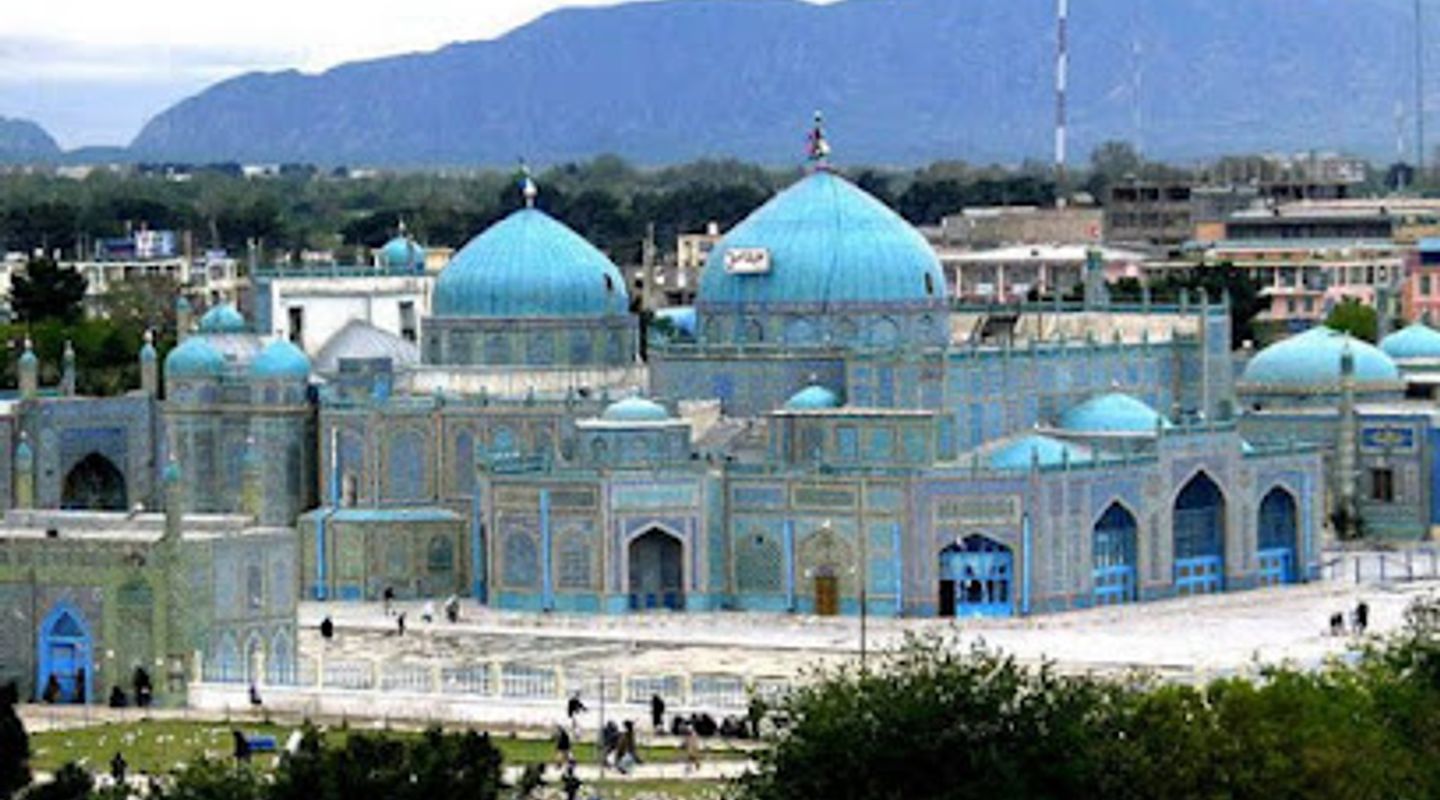
Rawza e Mubarak Museum, Ghor Travel Guide
Discover Afghanistan's rich cultural heritage at the Rawza e Mubarak Museum in Mazar-i-Sharif, a gateway to the region's past.
The Rawza e Mubarak Museum in Mazar-i-Sharif stands as a compelling testament to Afghanistan's rich historical and cultural heritage [3, 4]. Established in 1999, the museum showcases centuries of artistry, artifacts, and historical narratives, offering a gateway to understanding the unique traditions and narratives of the Afghan people [3].
A brief summary to Rawza e Mubarak Museum
- P456+M99, Mazar-i-Sharif, AF
- Click to display
- Monday 6:30 am-7 pm
- Tuesday 6:30 am-7 pm
- Wednesday 6:30 am-7 pm
- Thursday 6:30 am-7 pm
- Friday 6:30 am-7 pm
- Saturday 6:30 am-7 pm
- Sunday 6:30 am-7 pm

Know before you go
Hi, I'm Eve. Here are a few practical things to know before exploring Rawza e Mubarak Museum.
- Visit during the cooler months (spring or autumn) to avoid the extreme summer heat [12].
- Dress respectfully when visiting the museum, as it is located near the holy Blue Mosque [3, 4].
- Take your time to appreciate the serene surroundings and the local flora that adds to the beauty of the site [3].
Do you manage this location?
Take control to get all the benefits, like improved information, better appearance, and stronger visibility across AI-powered discovery. Learn more about listing your business on Evendo
Activate your presenceOther nearby places you may find interesting
The closest places of the same kind, if this one is not quite what you had in mind.


Explore Rawza e Mubarak Museum on the Map
A handpicked selection of must-see spots near Rawza e Mubarak Museum, mapped for you.
Getting There
-
Walking
The Rawza e Mubarak Museum is located within walking distance of the Blue Mosque (Shrine of Hazrat Ali) in the center of Mazar-i-Sharif [4, 11]. From anywhere near the Blue Mosque, simply walk towards the north-west corner of the complex. The museum is located within the same complex [11]. There is no cost associated with walking.
-
Taxi
Taxis are readily available throughout Mazar-i-Sharif [2, 8]. A short taxi ride from most locations in the city center to the Rawza e Mubarak Museum should cost approximately 30-50 AFN. Negotiate the price with the driver before setting off [6, 8].
Discover more about Rawza e Mubarak Museum













Your all‑in‑one travel companion app
Explore expert travel guides, compare and book tours, experiences, hotels, and more—all from the palm of your hand. Download now for seamless trip planning wherever your wanderlust takes you.


Explore More of Ghor
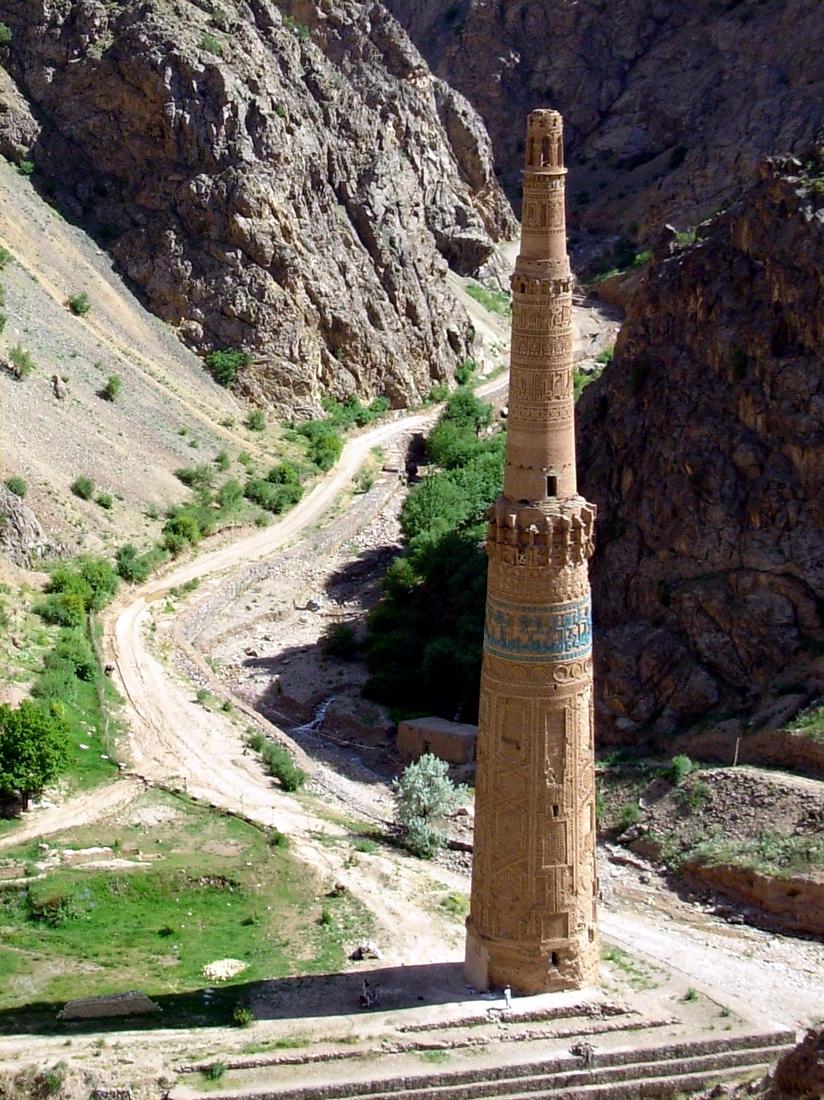
Looking beyond Rawza e Mubarak Museum? Discover Ghor for broader travel guides, local hot-spots, and regional highlights.
Explore Ghor
Explore the rich cultural heritage of Uzbekistan at the Termez Archaeological Museum, where history comes alive through ancient artifacts and exhibits.
Discover Bagh-e Umomi in Balkh: A historic Persian-style garden offering a tranquil escape and a glimpse into local Afghan culture.
