

Ghor, Afghanistan Travel Guide
Discover the untouched beauty and rich history of Ghor, Afghanistan's hidden gem, where ancient ruins meet breathtaking landscapes and warm hospitality.
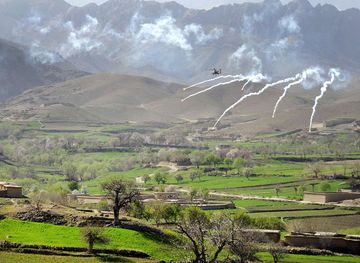
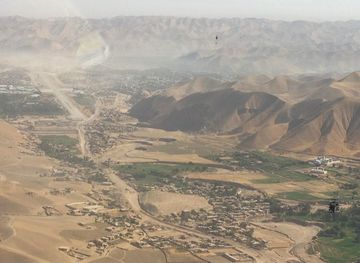
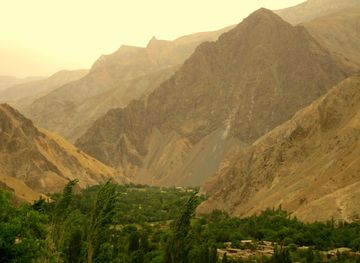
Ghor, located in central Afghanistan, is a land of rugged mountains, deep valleys, and ancient ruins. This remote province is known for its stunning natural scenery and rich history. As you journey through Ghor, you will encounter a landscape that seems almost untouched by time, offering a glimpse into a world that few tourists have experienced. The province is home to the historic city of Firuzkoh, once the capital of the Ghorid dynasty. Here, you can explore the remnants of the Great Minaret of Jam, a UNESCO World Heritage site. Standing at 65 meters tall, this 12th-century masterpiece is adorned with intricate brickwork and inscriptions, a testament to the architectural brilliance of the time. Nature lovers will be captivated by the scenic vistas of the Hari River, which winds through the valleys of Ghor. The river provides a lifeline to the local communities and a habitat for diverse wildlife. Hiking and trekking in this region offer unparalleled opportunities to connect with nature and experience the serene beauty of Afghanistan's highlands. Ghor's cultural heritage is equally compelling. The province is dotted with ancient fortresses, shrines, and relics that tell the story of its storied past. The local people, known for their hospitality, offer a warm welcome to visitors, providing a genuine glimpse into traditional Afghan life. Whether you're exploring historic sites, marveling at natural wonders, or engaging with local culture, Ghor promises an unforgettable adventure.

Know before you go
Hi, I'm Eve. Here are a few practical things to know before exploring Ghor.
- Respect local customs and dress modestly to honor the cultural norms.
- Hire a local guide to navigate the remote areas and uncover hidden historical sites.
- Visit during spring or autumn for the most pleasant weather conditions.
- Ensure you have necessary travel permits and check security advisories before planning your trip.
- Carry sufficient cash as ATMs and card payment facilities may not be widely available.
Explore Ghor: Things to Do, Places to Eat, Hotels & More
Handpicked recommendations for top attractions, local dining, accommodations, and more

Top Attractions & Sightseeing in Ghor
Top-rated picks
Best Attractions

Al Hakim At-Termizi Mausoleum
Explore the spiritual legacy of Al-Hakim at-Termizi, a revered Sufi theologian, at this historic mausoleum complex near Termez, Uzbekistan.

Peshawar Museum
Explore Gandharan art, Buddhist relics, and cultural heritage at the Peshawar Museum, a landmark of history and culture since 1907.

Swat Museum
Explore the ancient Gandhara civilization at the Swat Museum in Mingora, home to a vast collection of Buddhist art and Swati cultural artifacts.

Archaeological Museum
Discover millennia of history at the Termez Archaeological Museum, showcasing artifacts from the Stone Age to the Kushan Empire.

Best landmarks in Ghor
Top-rated picks
Best Landmarks

Herat Central Blue Mosque
Discover the mesmerizing Herat Central Blue Mosque, a masterpiece of Islamic architecture showcasing centuries of artistry and cultural heritage.

Babur Garden
Explore Kabul's historic Bagh-e Babur: a serene Mughal garden, final resting place of Emperor Babur, and a testament to Afghan heritage.

Band-e-Amir National Park
Discover Afghanistan's hidden gem: turquoise lakes, dramatic canyons, and serene beauty in Band-e-Amir National Park, the 'Grand Canyon of Afghanistan'.

Herat Citadel
Explore the ancient Herat Citadel, a historic fortress with roots in Alexander the Great's era, offering a glimpse into Afghanistan's rich past.

Best restaurants in Ghor
Top-rated picks
Best Restaurants

Barg Continental Restaurant
Experience authentic Afghan cuisine at Barg Continental Restaurant in Kabul - where every dish tells a story.

Bukhara Restaurant
Experience authentic Afghan cuisine at Bukhara Restaurant in Kabul – where tradition meets flavor in every dish.

Mr.cook fast food
Experience delicious Afghan fast food at Mr. Cook in Kabul – where every meal is served with warmth and hospitality.

Ziyafat Restaurant
Discover the essence of Afghani cuisine at Ziyafat Restaurant in Kabul – where every dish is a celebration of flavor.

Best bars in Ghor
Top-rated picks
Best Bars

رستورانت کلبه افغانستان
Experience the authentic taste of Afghanistan at رستورانت کلبه افغانستان in Sheberghan, a culinary gem serving traditional dishes with heart and warmth.

Qinat Resturant
Experience the rich flavors of Afghanistan at Qinat Restaurant in Sheberghan, a must-visit for food lovers and cultural enthusiasts.

گوز
Discover authentic Afghan cuisine at Guz in Dahane Qole Rama, where traditional flavors meet warm hospitality in a charming setting.
هتل و مسافر خانه دره تخت
Discover the rich flavors of Afghan cuisine at هتل و مسافر خانه دره تخت, a must-visit restaurant in Derreh-Ye Takht, Afghanistan.

Best nightclubs in Ghor
Top-rated picks
Best Nightclubs

هرات افغانستان
Discover the captivating nightlife of Herat, Afghanistan, where tradition meets modernity in a vibrant cultural experience.

حمام حاجي مير احمد
Experience the essence of Afghan culture at Hamam Hajji Mir Ahmad, a vibrant bar in Kabul offering local drinks and a welcoming atmosphere.

Ziarat
Experience the vibrant nightlife at Ziarat, a lively night club in Pitav, Afghanistan, where music and culture intertwine for an unforgettable evening.

کمیته مردمی کمیسیون برگزاری جشن استقلال
Explore the vibrant nightlife at کمیته مردمی کمیسیون برگزاری جشن استقلال in Kabul, where music and culture blend for an unforgettable experience.

Best shops in Ghor
Top-rated picks
Best Shops

Park Mall
Explore Park Mall in Kabul: A vibrant shopping destination blending local culture with international retail and dining experiences.

Naaz Boutique Afghani dresses store
Explore the vibrant world of Afghani fashion at Naaz Boutique, where tradition meets elegance in Kabul's Caravan Mall.

Habib Shopping Mall
Explore Habib Shopping Mall in Kabul, where shopping, dining, and local culture come together for an unforgettable experience.

Bewa Shopping place بازار بیوا
Discover the vibrant culture of Afghanistan at Bewa Shopping Place, a unique shopping mall filled with local crafts, delicious food, and a lively atmosphere.

Explore Ghor on the Map
A handpicked selection of must-see spots in Ghor, mapped for you.
Ghor Essentials
-
Ghor is a province in central Afghanistan. The nearest major airport is Herat International Airport, located approximately 370 kilometers to the west. From Herat, you can take a domestic flight to Chaghcharan Airport, the main airport in Ghor. Alternatively, you can travel by road from Kabul or Herat, but be aware that road conditions can be challenging and the journey may take several hours.
-
Within Ghor, transportation options are limited. Local taxis are available in the larger towns, but for more remote areas, hiring a private car and driver is recommended. Be sure to negotiate the fare in advance. Public buses and shared vans (known as 'falankoch') operate between major towns but may not be reliable. Renting a 4x4 vehicle can be a good option for exploring the rugged terrain.
-
The official currency in Afghanistan is the Afghan Afghani (AFN). Credit card acceptance is extremely limited, so it is essential to carry sufficient cash. ATMs are scarce in Ghor, so it is advisable to withdraw cash in larger cities like Kabul or Herat before traveling. Make sure to carry small denominations for easier transactions in local markets and shops.
-
Safety is a significant concern in Ghor, and travelers should exercise extreme caution. Avoid traveling at night and stay informed about the security situation from reliable sources. Certain areas may have a higher risk of crime and conflict, so it is crucial to consult local authorities or guides before venturing out. Always keep your belongings secure and be aware of your surroundings.
-
In case of emergency, the Afghan emergency number is 119, though response times can vary. Medical facilities in Ghor are limited, so it is advisable to have comprehensive travel insurance that includes medical evacuation. For minor health issues, there are local clinics and pharmacies, but for serious conditions, you may need to be transported to a larger city. Keep the contact details of your embassy or consulate handy.
-
Fashion: Do dress modestly; women should wear a headscarf and men should avoid shorts. Religion: Do show respect for local customs and religious practices. Avoid taking photographs near mosques without permission. Public Transport: Do be respectful and patient; public transport can be crowded and slow. Greetings: Do greet people with a handshake or a nod. Avoid direct eye contact with the opposite gender. Eating & Drinking: Do accept food and drink offerings graciously. Avoid eating or drinking in public during Ramadan.
-
To experience Ghor like a local, visit the bustling bazaars where you can purchase traditional goods and handicrafts. Engage with locals, who are often hospitable and willing to share insights about their culture and history. Don't miss visiting the Minaret of Jam, a UNESCO World Heritage Site. For a unique experience, explore the stunning landscapes and historical sites scattered across the province, but always do so with a local guide for safety reasons.
When is the best time to visit Ghor?
Useful Local Phrases for Ghor
You don't need to speak the language perfectly. Even learning a few simple words can make conversations warmer—and locals usually appreciate the effort.
— Eve

Here are the phrases I use most often in Ghor. Try a few—you'll be surprised how far they go! 😊
❤️
-
- Helloسلام
[Salam] - Goodbyeخداحافظ
[Khodahafez] - Yesبله
[Bale] - Noنه
[Na] - Please/You're welcomeلطفا/خوش آمدید
[Lotfan/Khosh amadid] - Thank youتشکر
[Tashakor] - Excuse me/Sorryببخشید
[Bebakhshid] - How are you?چطور هستید؟
[Chetor hastid?] - Fine. And you?خوبم. شما چطورید؟
[Khobam. Shoma chetorid?] - Do you speak English?آیا شما انگلیسی صحبت میکنید؟
[Aya shoma engilisi sohbat mikonid?] - I don't understandمن نمیفهمم
[Man nemifahmam]
- Helloسلام
-
- I'd like to see the menu, pleaseلطفا منو را نشان دهید
[Lotfan menu ra neshan dahid] - I don't eat meatمن گوشت نمیخورم
[Man gosht nemikhoram] - Cheers!به سلامتی!
[Be salamati!] - I would like to pay, pleaseلطفا میخواهم پرداخت کنم
[Lotfan mikhaham pardakht konam]
- I'd like to see the menu, pleaseلطفا منو را نشان دهید
-
- Help!کمک!
[Komak!] - Go away!برو دور!
[Boro dor!] - Call the Police!پلیس را صدا کنید!
[Polis ra seda konid!] - Call a doctor!یک دکتر را صدا کنید!
[Yek doktor ra seda konid!] - I'm lostگم شدهام
[Gom shode-am] - I'm illمن بیمار هستم
[Man bimār hastam]
- Help!کمک!
-
- I'd like to buy...میخواهم بخرم...
[Mikhaham bekharam...] - I'm just lookingفقط دارم نگاه میکنم
[Faghat daram negah mikonam] - How much is it?قیمتش چقدر است؟
[Gheymatash cheqadr ast?] - That's too expensiveاین خیلی گران است
[In khili geran ast] - Can you lower the price?آیا میتوانید قیمت را پایین بیاورید؟
[Aya mitavanid gheymat ra payin biavarid?]
- I'd like to buy...میخواهم بخرم...
-
- What time is it?ساعت چنده؟
[Sa'at chande?] - It's one o'clockساعت یک است
[Sa'at yek ast] - Half past (10)نیم ساعت (۱۰)
[Nim sa'at (10)] - Morningصبح
[Sob] - Afternoonبعد از ظهر
[Bad az zohr] - Eveningشام
[Sham] - Yesterdayدیروز
[Dirooz] - Todayامروز
[Emrooz] - Tomorrowفردا
[Farda] - 1یک
[Yek] - 2دو
[Do] - 3سه
[Se] - 4چهار
[Chahar] - 5پنج
[Panj] - 6شش
[Shesh] - 7هفت
[Haft] - 8هشت
[Hasht] - 9نه
[No] - 10ده
[Dah]
- What time is it?ساعت چنده؟
-
- Where's a/the...?کجا است ...؟
[Koja ast ...?] - What's the address?آدرس چیست؟
[Adres chist?] - Can you show me (on the map)?میتوانید به من نشان بدهید (روی نقشه)؟
[Mitavanid be man neshan bedehid (ruye naqsha)?] - When's the next (bus)?کی بعدی (اتوبوس) است؟
[Ki ba'di (otobus) ast?] - A ticket (to ....)یک بلیط (به ....)
[Yek belit (be ....)]
- Where's a/the...?کجا است ...؟
History of Ghor
-
Ghor, nestled in the heart of Afghanistan, is renowned for being the birthplace of the mighty Ghorid Empire. The Ghorids, originally a local dynasty, rose to significant prominence in the 12th century under the leadership of Sultan Alauddin Jahansoz and his successor, Sultan Ghiyath al-Din Muhammad. They captured Ghazni in 1173, marking the beginning of their expansion. The Ghorids later played a crucial role in the spread of Islam in the Indian subcontinent, leaving an indelible mark on the region's history.
-
One of Ghor’s most iconic historical landmarks is the Minaret of Jam, a UNESCO World Heritage Site. Built in 1190, this stunning 65-meter tall minaret is a masterpiece of Islamic architecture. It stands as a testament to the artistic and engineering prowess of the Ghorid Empire. The intricate Kufic inscriptions and geometric patterns embellishing the tower reflect the rich cultural and religious heritage of the era.
-
The decline of the Ghorid Empire began in the early 13th century, following the death of Sultan Ghiyath al-Din Muhammad in 1202. The empire was weakened by internal strife and external pressures, particularly from the Khwarezmian Empire. By 1215, the last stronghold of the Ghorids had been captured, leading to the eventual dissolution of their empire. Despite their fall, the Ghorids left a lasting legacy in the regions they once ruled.
-
After the fall of the Ghorid Empire, Ghor came under the control of the Timurids and later the Mughals. During these periods, the region served as a significant cultural and trade hub. The Timurids, known for their patronage of art and architecture, further enriched the cultural landscape of Ghor. The Mughals, while focusing more on consolidating their power in the Indian subcontinent, also left their mark on the region’s history.
-
In contemporary times, Ghor remains a region steeped in history and culture. Despite the challenges posed by modern conflicts, the people of Ghor have managed to preserve their rich heritage. The traditional crafts, music, and folklore of Ghor offer a glimpse into the region’s vibrant past. The Minaret of Jam and the remnants of ancient settlements continue to attract historians and tourists alike, making Ghor a fascinating destination for those interested in Afghanistan’s historical narrative.
Neighbouring Regions of Ghor
The closest regions to Ghor, if you have time for more than one.



Your all‑in‑one travel companion app
Explore expert travel guides, compare and book tours, experiences, hotels, and more—all from the palm of your hand. Download now for seamless trip planning wherever your wanderlust takes you.


Explore More of Afghanistan

Looking beyond Ghor? Discover Afghanistan for broader travel guides, local hot-spots, and regional highlights.
Explore AfghanistanGhor in Photos
Browse through our photo collection highlighting the charm and character of the destination.


Ghor: The Heart of Afghanistan's Enigmatic Beauty
Ghor, located in central Afghanistan, is a land of rugged mountains, deep valleys, and ancient ruins. This remote province is known for its stunning natural scenery and rich history. As you journey through Ghor, you will encounter a landscape that seems almost untouched by time, offering a glimpse into a world that few tourists have experienced. The province is home to the historic city of Firuzkoh, once the capital of the Ghorid dynasty. Here, you can explore the remnants of the Great Minaret of Jam, a UNESCO World Heritage site. Standing at 65 meters tall, this 12th-century masterpiece is adorned with intricate brickwork and inscriptions, a testament to the architectural brilliance of the time. Nature lovers will be captivated by the scenic vistas of the Hari River, which winds through the valleys of Ghor. The river provides a lifeline to the local communities and a habitat for diverse wildlife. Hiking and trekking in this region offer unparalleled opportunities to connect with nature and experience the serene beauty of Afghanistan's highlands. Ghor's cultural heritage is equally compelling. The province is dotted with ancient fortresses, shrines, and relics that tell the story of its storied past. The local people, known for their hospitality, offer a warm welcome to visitors, providing a genuine glimpse into traditional Afghan life. Whether you're exploring historic sites, marveling at natural wonders, or engaging with local culture, Ghor promises an unforgettable adventure.