Background

Koh-e Gharib: Sentinel of the Wakhan

Discover the untouched beauty of Koh-e Gharib in Afghanistan's Wakhan Corridor: a challenging trek through remote landscapes and ancient cultures, offering unparalleled adventure.

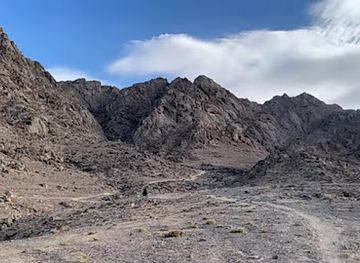
Koh-e Gharib, a majestic mountain peak in Afghanistan's remote Wakhan Corridor, offers a glimpse into a world untouched by time. Part of the Pamir mountain range, it presents a challenging yet rewarding experience for seasoned trekkers and adventure seekers. The region's isolation has preserved a unique cultural heritage, where the Wakhi and Kyrgyz people maintain their traditional way of life. Visiting Koh-e Gharib is not just about conquering a peak; it's about immersing oneself in the raw beauty of the Afghan Pamirs, experiencing the warmth of its people, and witnessing a landscape that has captivated explorers for centuries. Prepare for breathtaking vistas, challenging trails, and an unforgettable journey into the heart of Central Asia. Remember to respect local customs and prioritize safety when exploring this remote and culturally rich region.

A brief summary to Koh-e Gharib

  • AF

Local tips

  • Acclimatize properly to the high altitude before attempting the trek to Koh-e Gharib to avoid altitude sickness.
  • Hire a local guide familiar with the Wakhan Corridor for safe navigation and cultural insights.
  • Pack appropriate clothing for all weather conditions, including warm layers, waterproof gear, and sturdy hiking boots.
  • Respect local customs and traditions, dressing modestly and asking permission before taking photographs.
  • Obtain necessary permits and visas well in advance, and check the security situation before traveling.
widget icon

Getting There

  • Driving

    The final approach to Koh-e Gharib typically involves a challenging drive from Ishkashim, the main border crossing from Tajikistan. From Ishkashim, a 4x4 vehicle is essential to navigate the rough, unpaved roads that wind through the Wakhan Corridor. The journey can take several hours, depending on road conditions and the specific starting point for your trek. Along the way, you'll pass through small villages like Qala-e Panja. There are no tolls or parking fees associated with reaching the mountain's base, but fuel costs should be considered. Due to the remoteness, fuel availability can be limited, so it's advisable to stock up in Ishkashim. The cost of hiring a 4x4 with a driver for this journey can range from $300-$400, depending on the length of the trip and negotiation.

  • Special Transport

    Depending on the specific route and accessibility, the final stage might require hiring local transport such as a donkey or horse to carry equipment or assist with river crossings. These can be arranged in villages like Sarhad-e Broghil. Costs vary depending on the animal and duration, but expect to pay around $6-$12 per day including the owner. This is especially relevant if trekking to higher altitudes or remote base camps.

Unlock the Best of Koh-e Gharib

Buy tickets

    No tickets available

Book tours with entry

    No tours available

Book tours without entry

    No tours available

Discover more about Koh-e Gharib

Koh-e Gharib, meaning 'Lonely Mountain,' stands as a sentinel in the heart of Afghanistan's Wakhan Corridor, a remote and breathtakingly beautiful region nestled between the towering Pamir and Hindu Kush mountain ranges. This majestic peak, while not among the highest in the world, offers a unique and challenging experience for trekkers and adventurers seeking to explore one of the most isolated corners of the globe. The Wakhan Corridor itself is a geographical oddity, a narrow strip of land extending eastward from Afghanistan, bordering Tajikistan to the north and Pakistan to the south. This panhandle was created in the late 19th century as a buffer zone between the British and Russian empires during the 'Great Game,' preventing direct contact between the two powers. Today, it remains a sparsely populated region, characterized by rugged mountains, deep valleys, and a resilient population that has preserved its traditional way of life for centuries. Koh-e Gharib, rising to an elevation of approximately 3,252 meters (10,670 feet), presents a formidable challenge to climbers and trekkers. The ascent is not technically difficult but requires a good level of fitness and acclimatization to the high altitude. The rewards, however, are immense. From the summit, one can witness panoramic views of the surrounding Pamir landscape, with its snow-capped peaks, glaciers, and vast open valleys. The sense of isolation and remoteness is palpable, offering a truly unique and unforgettable experience. The journey to Koh-e Gharib is as much a part of the adventure as the climb itself. The Wakhan Corridor is accessible primarily through Tajikistan, crossing the border at Ishkashim. From there, a long and arduous journey by 4x4 vehicle is required to reach the base of the mountain. The road is rough and unpaved, often following the course of the Panj River, which forms the border between Tajikistan and Afghanistan. Along the way, travelers will pass through small Wakhi villages, where they can experience the warmth and hospitality of the local people. The Wakhi people, who inhabit the Wakhan Corridor, are an Ismaili Muslim community with their own distinct language and culture. They are known for their resilience, their strong sense of community, and their traditional way of life, which revolves around agriculture and animal husbandry. In the higher reaches of the Wakhan, nomadic Kyrgyz herders can also be found, grazing their yaks and sheep on the high-altitude pastures. Visiting Koh-e Gharib and the Wakhan Corridor is not without its challenges. The region is remote and underdeveloped, with limited infrastructure and basic amenities. Travelers should be prepared for long journeys, basic accommodation, and limited access to communication. It is also essential to be aware of the security situation in the region and to travel with a reputable guide who is familiar with the local customs and conditions. Despite these challenges, the rewards of visiting Koh-e Gharib are immense. The region offers a unique opportunity to experience a culture and landscape that has remained largely unchanged for centuries. The beauty of the Pamir mountains, the warmth of the Wakhi people, and the sense of adventure and isolation make this a truly unforgettable destination. For those planning a trip to Koh-e Gharib, it is essential to obtain the necessary permits and visas in advance. It is also recommended to travel with a local guide who can assist with logistics, translation, and cultural understanding. The best time to visit is during the summer months (June to September), when the weather is relatively mild and the mountain passes are open. While trekking to Koh-e Gharib, be prepared for varying weather conditions. Even in summer, temperatures can drop dramatically at night, and snow is always a possibility at higher altitudes. It is essential to pack appropriate clothing, including warm layers, waterproof gear, and sturdy hiking boots. It is also important to bring a sufficient supply of food and water, as these are not always readily available in the region. Respect for local customs and traditions is paramount when visiting the Wakhan Corridor. Dress modestly, ask permission before taking photographs, and be mindful of local religious practices. The Wakhi people are generally very welcoming and hospitable, but it is important to be respectful of their culture and way of life. Koh-e Gharib is more than just a mountain peak; it is a symbol of resilience, isolation, and the enduring beauty of the human spirit. A visit to this remote corner of Afghanistan is an experience that will stay with you long after you have left, a reminder of the power of nature and the importance of cultural understanding. As you stand on the summit of Koh-e Gharib, gazing out at the vast expanse of the Pamir mountains, you will feel a sense of accomplishment and awe. You will have conquered not just a peak, but also a challenge, and you will have witnessed a world that few others have seen. This is an adventure that will change you, a journey into the heart of Central Asia that will leave you with memories to last a lifetime. The stark beauty of the landscape is mesmerizing. The rugged terrain, sculpted by centuries of wind and weather, tells a story of geological forces and the slow passage of time. The silence is profound, broken only by the occasional cry of a bird or the rustling of the wind. Here, far from the noise and distractions of modern life, you can truly connect with nature and find a sense of peace and solitude. The people of the Wakhan Corridor are equally captivating. Their faces, weathered by the harsh climate, tell stories of hardship and resilience. Their eyes, however, sparkle with warmth and intelligence. They are proud of their culture and eager to share it with visitors. Spending time in their villages, sharing meals, and listening to their stories is an enriching experience that will broaden your understanding of the world. Koh-e Gharib and the Wakhan Corridor are not for everyone. This is a destination for adventurous travelers who are willing to step outside their comfort zone and embrace the challenges of a remote and underdeveloped region. But for those who are willing to make the effort, the rewards are immeasurable. This is a journey that will challenge you, inspire you, and leave you with a deep appreciation for the beauty and resilience of the human spirit.

Popular Experiences near Koh-e Gharib

Popular Hotels near Koh-e Gharib

Select Currency