

Herat: The Cultural Heart of Afghanistan
Discover Herat, Afghanistan's cultural heart, where ancient history meets vibrant arts, and stunning architecture tells tales of a rich Persian heritage.
Herat, located in the western region of Afghanistan, offers a captivating blend of history, culture, and architecture. Known as the cultural heart of Afghanistan, Herat boasts a rich tapestry of Persian influences, evident in its stunning architecture and vibrant arts scene. The city's history dates back to the era of the ancient Persian Empire, making it a treasure trove for history enthusiasts. One of the city's most iconic landmarks is the Herat Citadel, also known as the Citadel of Alexander. This historical fortress provides panoramic views of the city and offers a glimpse into Herat's storied past. Another must-visit site is the Great Mosque of Herat, also called the Friday Mosque, renowned for its intricate tile work and grandiose design. Beyond its historical sites, Herat is also a hub for traditional Afghan crafts. The city's bustling bazaars are filled with exquisite hand-woven carpets, intricate pottery, and delicate embroidery. Visitors can immerse themselves in local culture by exploring these markets and interacting with artisans who have honed their skills over generations.

Know before you go
Hi, I'm Eve. Here are a few practical things to know before exploring Herat.
- Visit early in the morning to avoid the midday heat and enjoy cooler temperatures.
- Dress modestly and respectfully to align with local customs and religious practices.
- Hire a local guide to gain deeper insights into the historical significance of landmarks.
- Try local Afghan dishes like 'mantu' and 'kebabs' at traditional eateries for an authentic culinary experience.
- Keep some local currency (Afghanis) on hand, as not all places accept credit cards.


Herat: The Cultural Heart of Afghanistan
Herat, located in the western region of Afghanistan, offers a captivating blend of history, culture, and architecture. Known as the cultural heart of Afghanistan, Herat boasts a rich tapestry of Persian influences, evident in its stunning architecture and vibrant arts scene. The city's history dates back to the era of the ancient Persian Empire, making it a treasure trove for history enthusiasts. One of the city's most iconic landmarks is the Herat Citadel, also known as the Citadel of Alexander. This historical fortress provides panoramic views of the city and offers a glimpse into Herat's storied past. Another must-visit site is the Great Mosque of Herat, also called the Friday Mosque, renowned for its intricate tile work and grandiose design. Beyond its historical sites, Herat is also a hub for traditional Afghan crafts. The city's bustling bazaars are filled with exquisite hand-woven carpets, intricate pottery, and delicate embroidery. Visitors can immerse themselves in local culture by exploring these markets and interacting with artisans who have honed their skills over generations.
Explore the best of what Herat has to offer









When is the best time to go to Herat?
Iconic landmarks you can’t miss

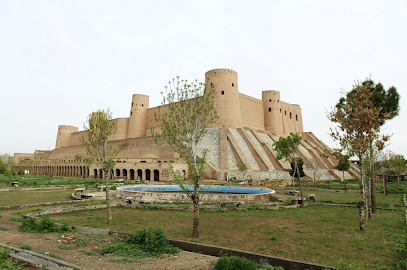
Herat Citadel
Explore the ancient Herat Citadel, a historic fortress with roots stretching back to Alexander the Great, offering stunning views and a glimpse into Afghanistan's rich past.
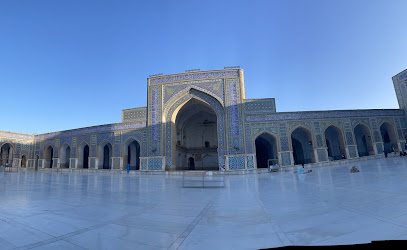
Herat Central Blue Mosque
Discover the mesmerizing Central Blue Mosque in Herat, Afghanistan, a timeless icon of Islamic art and cultural heritage with stunning blue tilework.
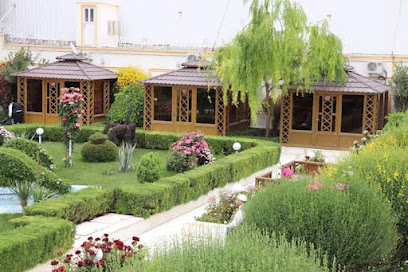
Arg Hotel
Experience modern comfort in the heart of historic Herat at Arg Hotel, your gateway to Afghan culture and landmarks.
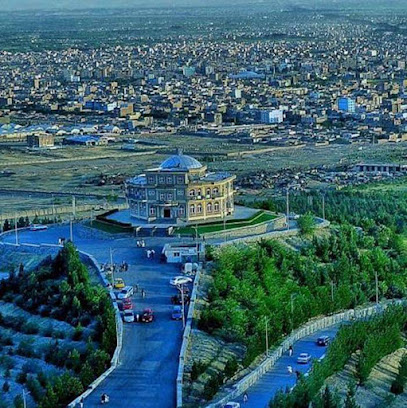
Takht-e-Safar Park.
Escape to Takht-e-Safar Park in Herat for panoramic city views, lush greenery, and a tranquil retreat steeped in history.
مجتمع تفریحی باغ ملت
Experience the beauty and tranquility of Herat's Bagh-e-Mellat, a vibrant park offering a green escape and cultural immersion.
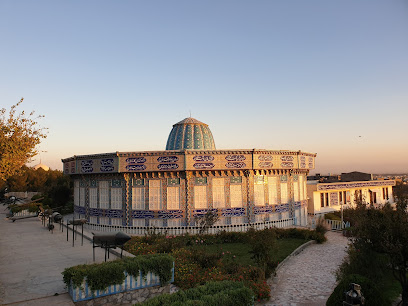
Khwaja Abdullah Ansari Shrine
Discover the spiritual legacy of Khwaja Abdullah Ansari at this revered shrine in Herat, a testament to Islamic art and Sufi traditions.
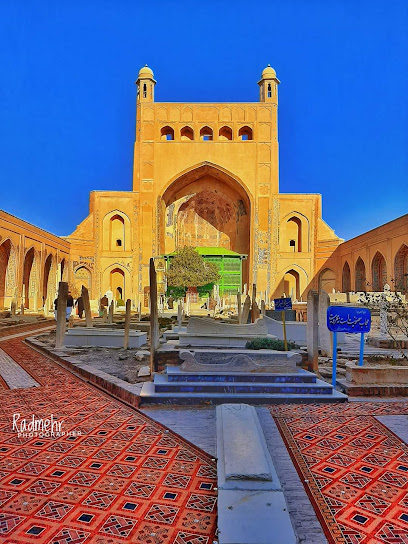
National Museum
Discover millennia of Afghan history and culture within the walls of the ancient Herat Citadel.
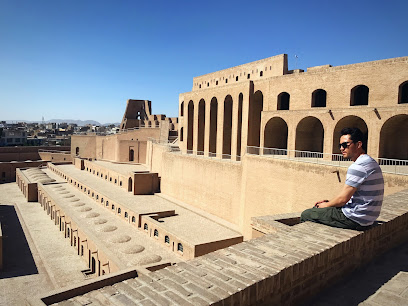
Malan Bridge
Discover the timeless beauty of Malan Bridge in Herat, a historic marvel connecting cultures and eras along the ancient Silk Road.
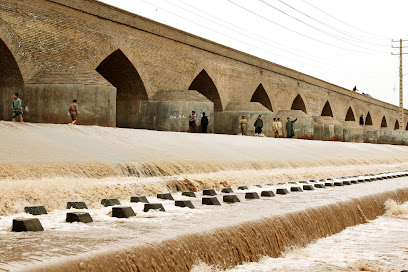
Herat Afghanistan
Explore Herat, the 'Pearl of Khorasan': A Silk Road city with ancient citadels, stunning mosques, and a vibrant cultural legacy.
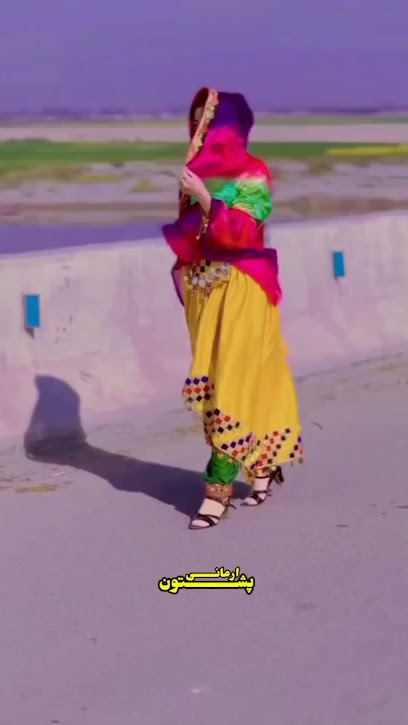
Unmissable attractions to see

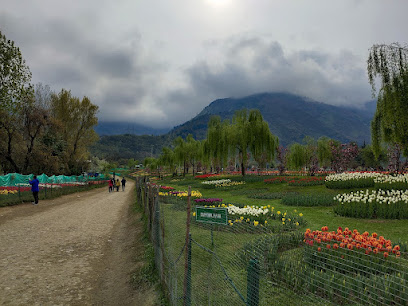
Tulip Garden Srinagar
Experience the breathtaking beauty of Asia's largest tulip garden in Srinagar, with over a million tulips in full bloom every spring.
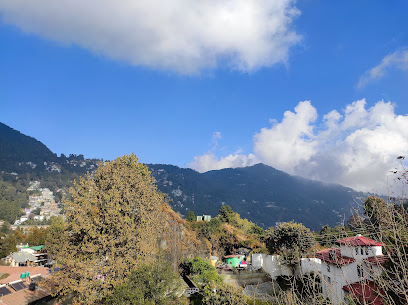
Eco Cave Park
Discover Nainital's Eco Cave Park: Explore natural caves, hanging gardens, and a musical fountain in this subterranean adventure for all ages.
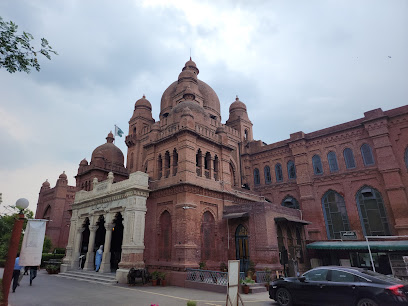
Lahore Museum
Explore Pakistan's rich history and cultural heritage at the Lahore Museum, home to a vast collection of artifacts and artistic treasures.
State War Memorial
A solemn tribute to Himachal's war heroes, the State War Memorial in Dharamshala offers a place for reflection and remembrance amidst serene beauty.
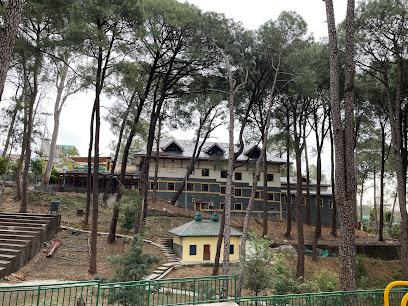
Nehru Kund
Experience tranquility at Nehru Kund, Manali: a natural spring named after India's first Prime Minister, offering pristine waters and scenic beauty.
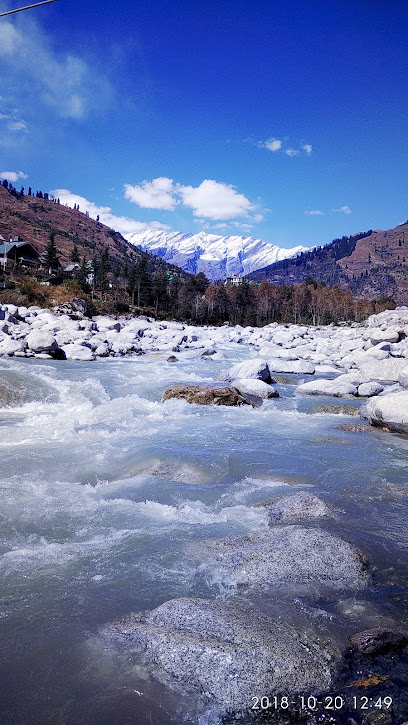
Garden of Fragrance
Experience a sensory escape in Chandigarh's Garden of Fragrance, where aromatic blooms and lush greenery create a tranquil urban oasis.
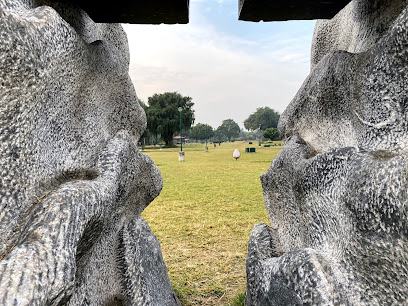
Hari Parbat
Explore Hari Parbat in Srinagar: A historic fort, stunning views, and spiritual shrines converge on this iconic hill overlooking Dal Lake.
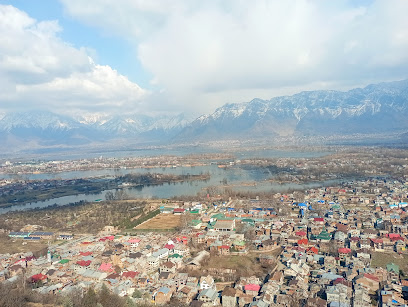
Peshawar Museum
Explore millennia of history and art at the Peshawar Museum, home to a world-renowned Gandhara art collection and cultural treasures.
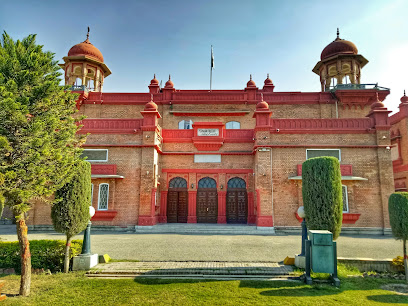
Namgyal Monastery
Discover Tibetan Buddhism at Namgyal Monastery, the Dalai Lama's personal sanctuary in McLeod Ganj. A spiritual haven and cultural treasure.
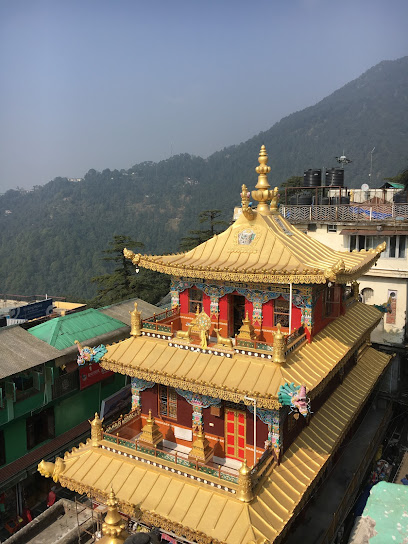
Herat Citadel
Explore the ancient Herat Citadel: a historic fortress with roots in Alexander the Great's era, offering stunning city views.
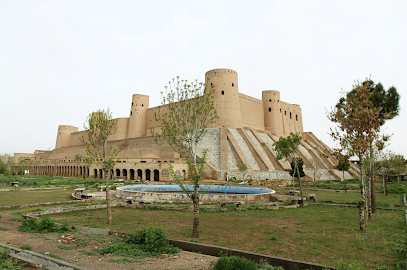
Herat Central Blue Mosque
Discover the Herat Central Blue Mosque, a masterpiece of Islamic architecture with stunning blue tiles and a rich history in the heart of Herat, Afghanistan.
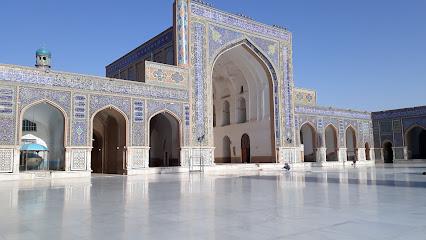
Herat Central Blue Mosque
Discover the mesmerizing Herat Central Blue Mosque, a timeless icon of Islamic art and Afghan heritage, showcasing stunning blue tilework and serene ambiance.
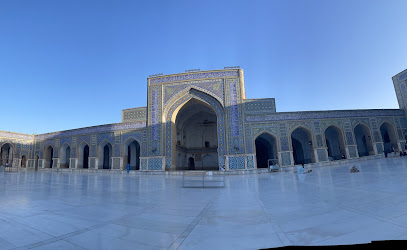
Fakir Khana Museum
Discover a treasure trove of art and history at the Fakir Khana Museum, a captivating journey through Lahore's rich cultural heritage.

Kamran's Baradari
Explore Lahore's oldest Mughal monument: Kamran's Baradari, a historic riverside pavilion with stunning Mughal architecture and serene gardens.
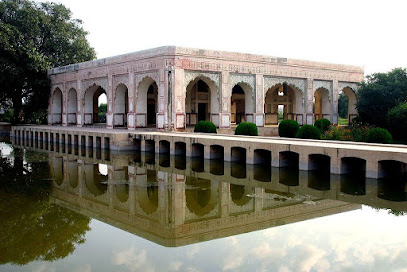
مجتمع تفریحی باغ ملت
Discover Baghe Mellat in Herat: A serene park offering lush greenery, cultural events, and a peaceful escape for families and tourists alike, open daily.
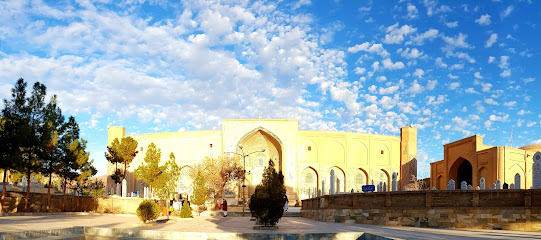
Essential places to dine

38 Barracks Restaurant and Bar
Experience the best of North Indian and Chinese cuisines at 38 Barracks - where great food meets vibrant entertainment in Connaught Place.
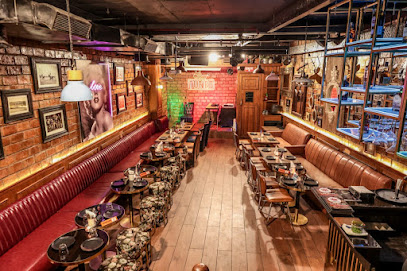
Howdy Islamabad
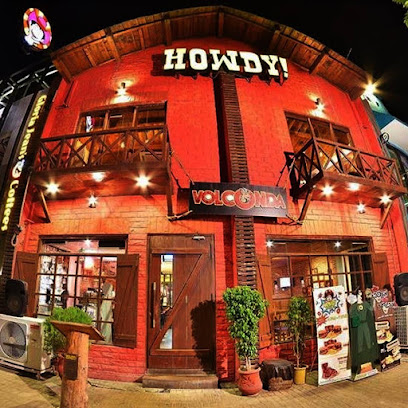
Experience the best of fast food at Howdy Islamabad, where delicious chicken wings and burgers meet a fun cowboy-themed ambiance.
Parikrama The Revolving Restaurant
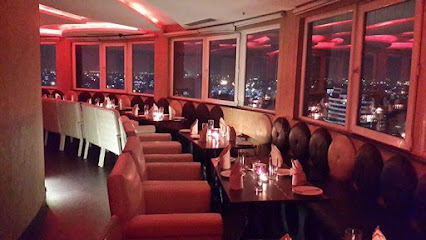
Experience exquisite dining at Parikrama The Revolving Restaurant with stunning panoramic views of New Delhi's skyline.
1969 Restaurant
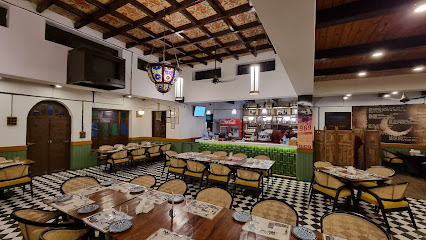
Discover exquisite Pakistani cuisine at 1969 Restaurant in Islamabad - where tradition meets modern elegance.
Ox & Grill Steakhouse
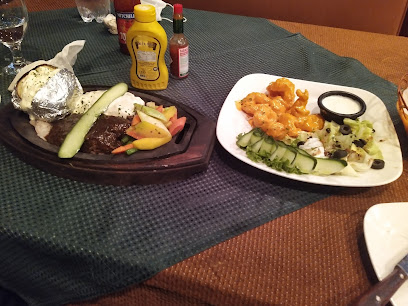
Experience fine dining at Ox & Grill Steakhouse in Islamabad - where premium steaks meet exceptional service.
Burma Burma Restaurant & Tea Room
Discover authentic Burmese cuisine at Burma Burma Restaurant & Tea Room – where tradition meets modern dining in Gurugram's vibrant DLF Cyber Hub.
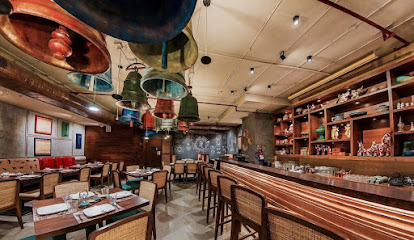
Ahdoos Restaurant
Experience authentic Kashmiri cuisine at Ahdoos Restaurant in Srinagar – where tradition meets taste in every dish.
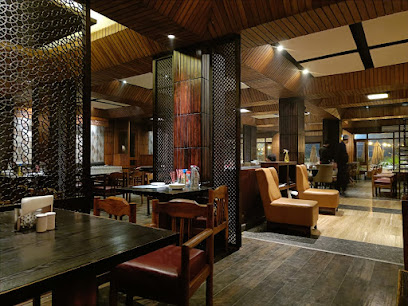
Khoka Khola
Discover authentic Pakistani cuisine in Islamabad at Khoka Khola, where tradition meets taste in a cozy setting.
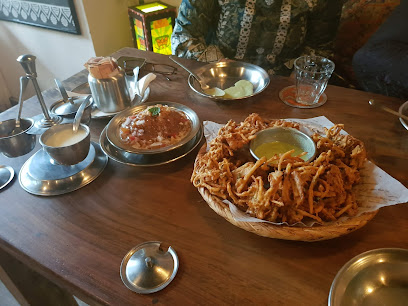
The Lost Tribe
Discover the vibrant flavors of Lahore at The Lost Tribe – where culinary heritage meets modern dining in an unforgettable setting.
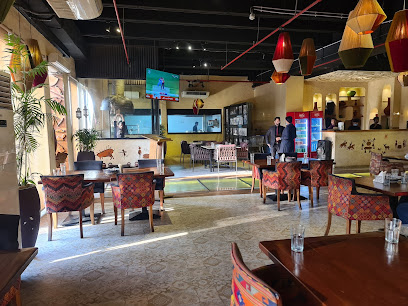
The Balcony Lahore
Discover exquisite dining at The Balcony Lahore with stunning city views and a diverse menu blending local flavors and international cuisine.
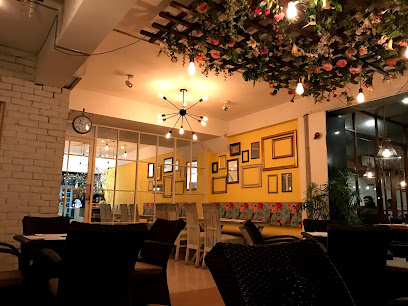
Marine Dine
Experience authentic Kashmiri cuisine at Marine Dine in Srinagar - where tradition meets taste.
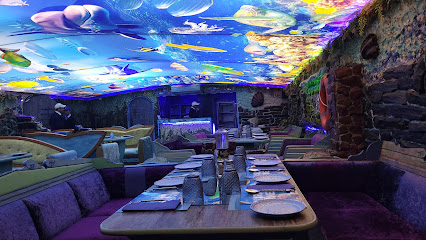
Pace Restaurant
Discover the rich flavors of Pakistani cuisine at Pace Restaurant in Dera Ismail Khan—where every dish tells a story.
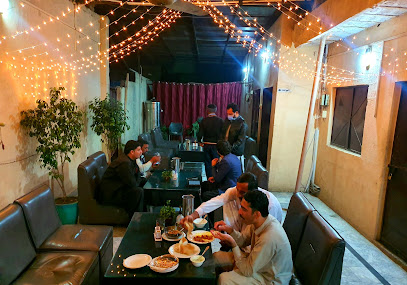
The Platform Restaurant
Discover delicious vegetarian cuisine at The Platform Restaurant in Panchkula, where every dish is crafted with fresh ingredients and passion.
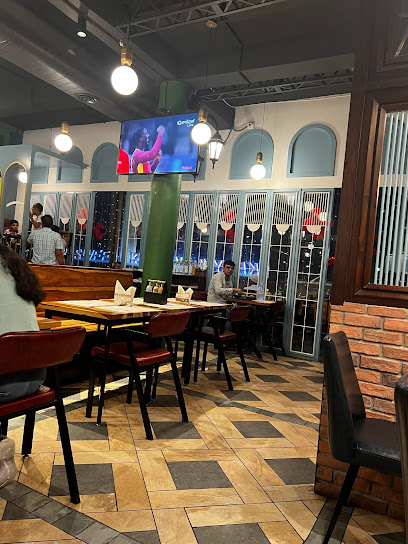
GreenShade Restaurant
Discover family-friendly dining at GreenShade Restaurant in Lahore - where delicious food meets warm hospitality in a vibrant atmosphere.
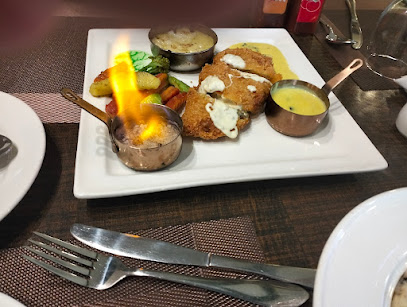
Herat Restaurant
Discover the rich flavors of Afghanistan at Herat Restaurant in Kabul - where every dish tells a story.
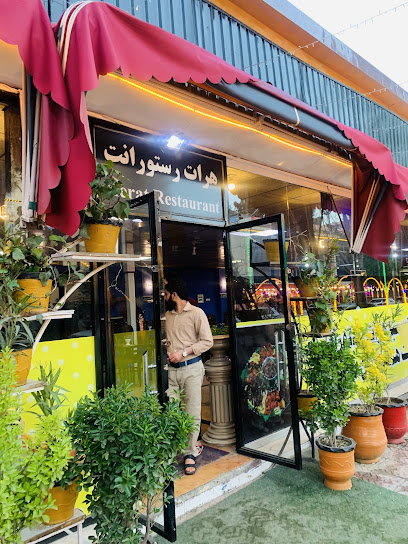
Markets, malls and hidden boutiques

گالری امیری
Explore گالری امیری in Herat, Afghanistan for a unique blend of traditional handicrafts and modern shopping experiences.
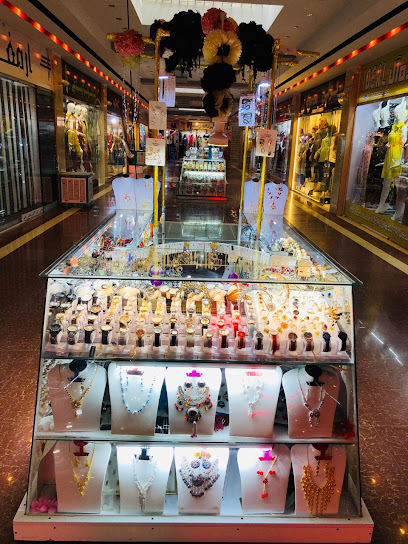
Herat Saffron Store, Afghanistan Saffron Company
Discover the essence of Afghanistan with premium saffron and spices at Herat Saffron Store, where every visit is a flavorful journey.
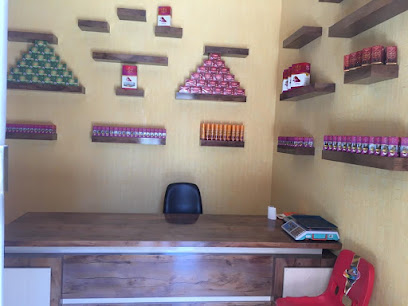
فروشگاه رسولی
Explore the vibrant offerings of فروشگاه رسولی in Herat, where local culture meets quality shopping in an inviting atmosphere.
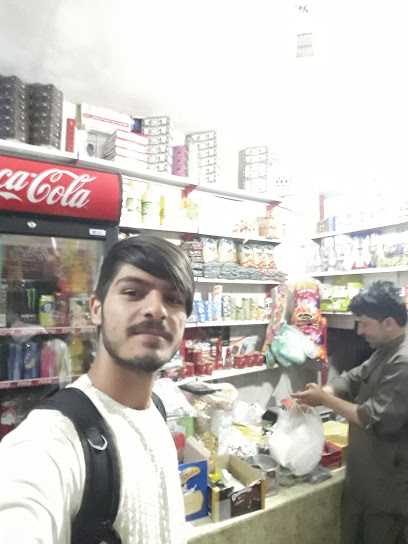
فروشگاه طلای سفید - White Gold Store
Explore exquisite jewelry at White Gold Store, where Afghan craftsmanship meets elegance in the heart of Herat.

جاده مهتاب نفش گذرقلعه نوی
Discover authentic Afghan culture and flavors at Jaddeh Mahtab Nafsh Gozar Qal'e Nowi, a vibrant supermarket in Herat, brimming with local goods.
فروشگاه ملودی
Explore the vibrant clothing styles and unique accessories at Melodi Store in Herat, a must-visit for fashion lovers and cultural enthusiasts.
Herat Mini Shop
Explore the vibrant Herat Mini Shop for unique Afghan crafts, local souvenirs, and an immersive shopping experience in the heart of Herat.
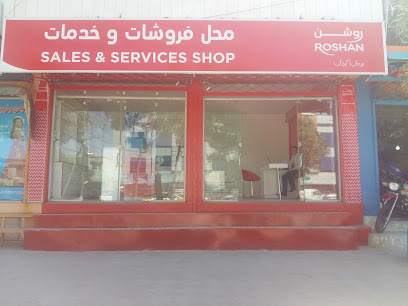
فروشگاه حجت
Explore the vibrant shopping experience at فروشگاه حجت in Herat, where local culture and convenience meet.
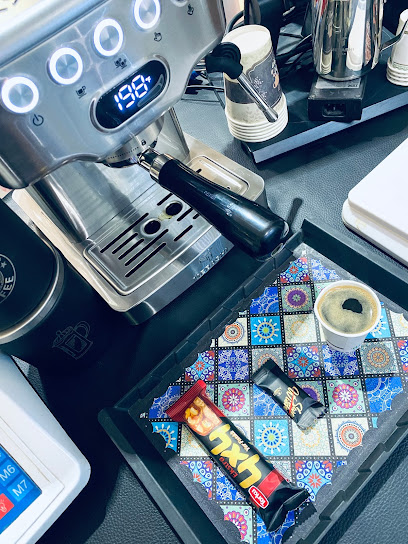
بازار مبل هرات bazar moble herat
Discover exquisite Afghan craftsmanship at Bazar Moble Herat, a unique furniture store showcasing traditional and modern designs.
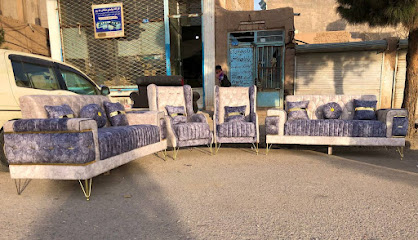
زعفران طلای هرات
Explore the enchanting world of saffron at Zafaran Talaee Herat, where quality meets tradition in Afghanistan's spice capital.
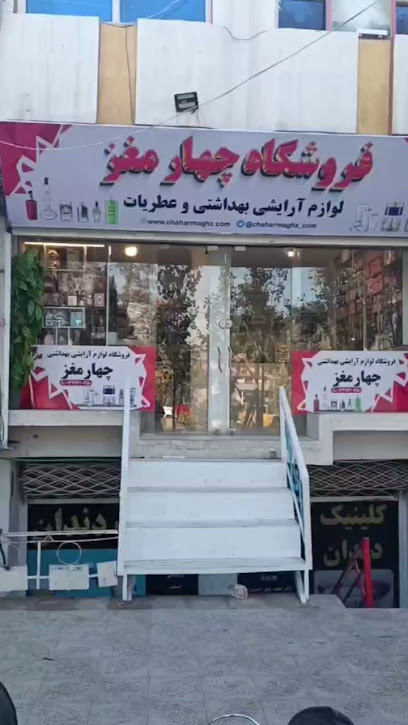
فروشگاه چهارمغز
Explore the exquisite fragrances of فروشگاه چهارمغز in Herat, Afghanistan, where every scent tells a story and enhances your beauty journey.
سوپر ایسکریم بهارستان
Discover the flavors of Herat at سوپر ایسکریم بهارستان, where every scoop is a taste of happiness!
Herat afghan
Discover the vibrant markets of Herat, Afghanistan, where history, culture, and local flavors blend into an unforgettable experience.
چای زعفران کوهی کریستال شعبه دوم
Experience the essence of Herat with organic saffron-infused teas at Saffron Tea Crystal, a must-visit destination for health-conscious travelers.
عطریات آوا
Explore the enchanting scents of عطریات آوا in Herat, where traditional Afghan perfumery meets exquisite craftsmanship.
Essential bars & hidden hideouts

Herat Central Blue Mosque
Discover the Herat Central Blue Mosque, a stunning example of Islamic architecture adorned with intricate blue tiles in the heart of Afghanistan.
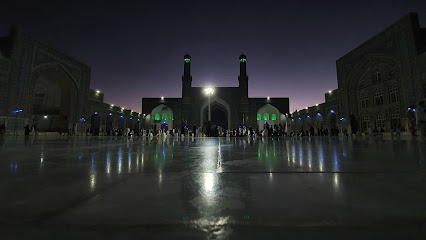
Fifty Fifty Restaurant
Experience the rich flavors of Afghan cuisine at Fifty Fifty Restaurant in Herat, where every meal is a culinary adventure.
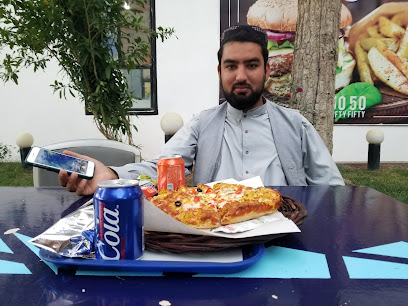
Herat Restaurant
Discover the authentic flavors of Afghanistan at Herat Restaurant, where traditional cuisine meets a welcoming atmosphere in the heart of Kabul.
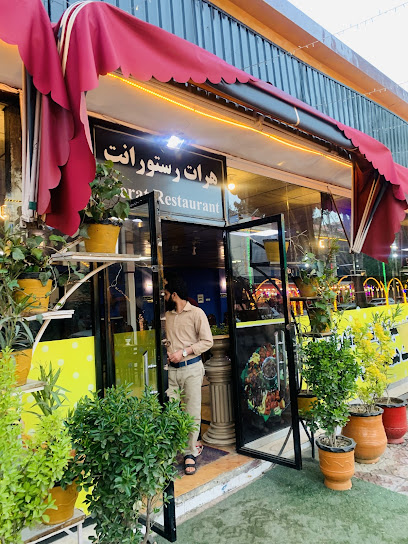
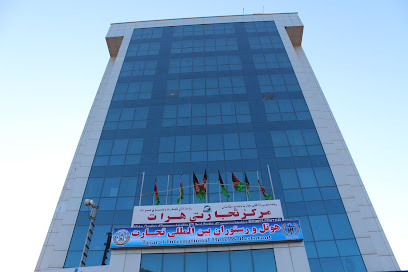
Tejarat International Hotel
Experience luxury and comfort at Tejarat International Hotel in Herat, Afghanistan, your gateway to exploring the rich cultural heritage of the region.
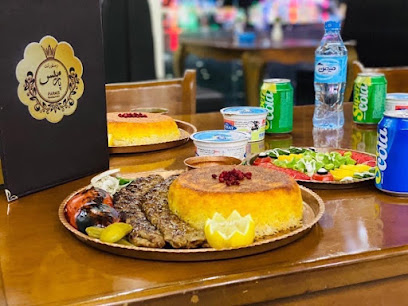
PARMIS Luxury Restaurant
Discover Herat's finest dining at PARMIS Luxury Restaurant, where exquisite Afghan flavors meet luxurious ambiance.
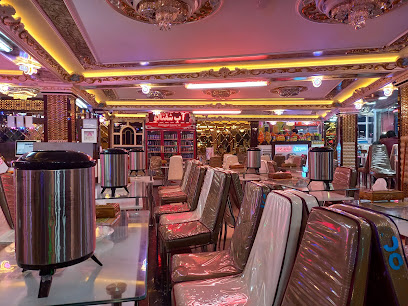
آبمیوه چهارفصل شعبه اول
Experience the refreshing flavors of Four Seasons Juice Bar in Herat, where delicious ice creams and fresh juices await every visitor.
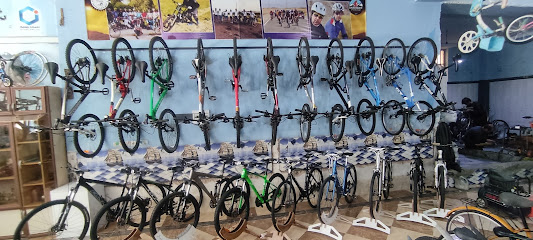
دنیای بایسکل
Experience the vibrant atmosphere of دنیای بایسکل, Herat's premier sports bar for fans and tourists alike, where every game is a celebration!
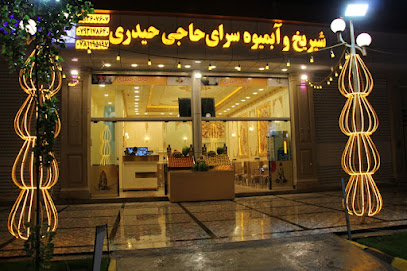
شیریخ و آبمیوه سرای حاجی حیدری
Discover the delightful flavors of حاجی حیدری Ice Cream Parlor in Herat - a sweet escape for every traveler!
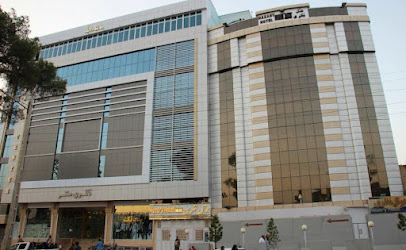
Nazary Four Star Hotel
Nazary Four Star Hotel: Where Comfort Meets Afghan Hospitality in the Heart of Herat.
کاپیسا
Experience the charm of Kapisah in Herat, a vibrant bar perfect for relaxation and cultural immersion in the heart of Afghanistan.
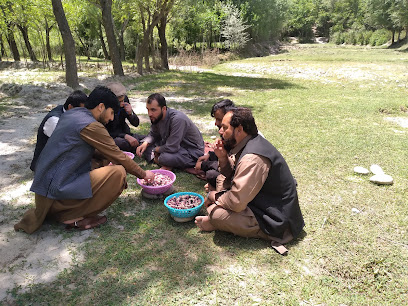
آهنگساز و نوازنده
Discover the enchanting ambiance of Herat's Piano Bar, where live music and local culture create an unforgettable evening of relaxation.
Cafe greeko
Experience the rich flavors of Herat at Café Greeko, an espresso bar offering a cozy ambiance and expertly crafted coffee drinks.
کمپنی بی نام
Experience the essence of Afghan cuisine at شرکت بی نام, where every grill tells a story and flavors come alive.
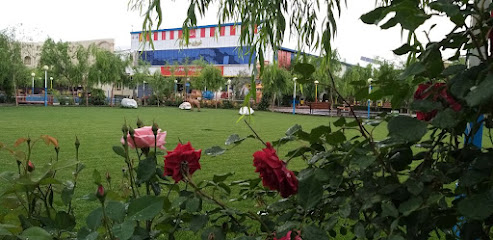
Dark home
Discover the unique ambiance of Dark Home Pub in Herat, Afghanistan, where local culture meets a vibrant nightlife experience.
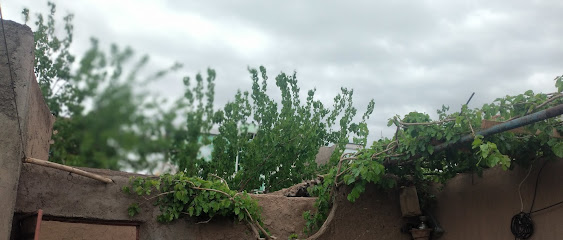
Network
Experience the lively bar culture in Herat, Afghanistan, where tradition meets modernity in a vibrant setting.


Local Phrases
You don't need to speak the language perfectly. Even learning a few simple words can make conversations warmer—and locals usually appreciate the effort.
— Eve

Here are the phrases I use most often in Herat. Try a few—you'll be surprised how far they go! 😊
❤️
-
- Helloسلام
[salaam] - Goodbyeخداحافظ
[khodahafez] - Yesبله
[baleh] - Noنه
[na] - Please/You're welcomeلطفا
[lotfan] - Thank youتشکر
[tashakor] - Excuse me/Sorryببخشید
[bebakhshid] - How are you?حال شما چطور است؟
[haal-e shoma chetor ast?] - Fine. And you?خوبم. شما چطور؟
[khobam. shoma chetor?] - Do you speak English?آیا شما انگلیسی صحبت می کنید؟
[aya shoma engelisi sohbat mikonid?] - I don't understandمن نمی فهمم
[man nemifahmam]
- Helloسلام
-
- I'd like to see the menu, pleaseلطفا منو را ببینید
[lotfan menu ra bebinid] - I don't eat meatمن گوشت نمی خورم
[man goosht nemikhoram] - Cheers!سلامتی!
[salamati!] - I would like to pay, pleaseلطفا می خواهم پرداخت کنم
[lotfan mikham pardakht konam]
- I'd like to see the menu, pleaseلطفا منو را ببینید
-
- Help!کمک!
[komak!] - Go away!برو!
[boro!] - Call the Police!پلیس را صدا کنید!
[polis ra seda konid!] - Call a doctor!یک دکتر صدا کنید!
[yek doctor seda konid!] - I'm lostگم شده ام
[gom shode am] - I'm illمن بیمار هستم
[man bimar hastam]
- Help!کمک!
-
- I'd like to buy...من مایلم بخرم...
[man mayelam bokhoram...] - I'm just lookingمن فقط دارم نگاه می کنم
[man faqat daram negah mikonam] - How much is it?این چقدر است؟
[in cheghadr ast?] - That's too expensiveاین خیلی گران است
[in kheili geran ast] - Can you lower the price?می توانید قیمت را پایین بیاورید؟
[mitavanid gheymat ra paein biavarid?]
- I'd like to buy...من مایلم بخرم...
-
- What time is it?ساعت چند است؟
[sa'at chand ast?] - It's one o'clockیک است
[yek ast] - Half past (10)نیمه (ده)
[nimeh (dah)] - Morningصبح
[sobh] - Afternoonعصر
[asr] - Eveningشام
[sham] - Yesterdayدیروز
[diruz] - Todayامروز
[emruz] - Tomorrowفردا
[farda] - 1یک
[yek] - 2دو
[do] - 3سه
[se] - 4چهار
[char] - 5پنج
[panj] - 6شش
[shesh] - 7هفت
[haft] - 8هشت
[hasht] - 9نه
[noh] - 10ده
[dah]
- What time is it?ساعت چند است؟
-
- Where's a/the...?کجاست ...؟
[kojast ...?] - What's the address?آدرس چیست؟
[adres chist?] - Can you show me (on the map)?می توانید به من نشان دهید (روی نقشه)؟
[mitavanid be man neshan dahid (ruye naghsheh)?] - When's the next (bus)?بعدی چه زمانی است (اتوبوس)؟
[ba'di che zamanist (otobus)?] - A ticket (to ....)یک بلیط (به ...)
[yek bilit (be ...)]
- Where's a/the...?کجاست ...؟
History of Herat
-
Herat's history dates back to the times of the Achaemenid Empire in the 6th century BCE. It was then called 'Artacoana' and served as a significant settlement in the region. The city was known for its strategic location along the trade routes connecting Persia to Central Asia.
-
In 330 BCE, Alexander the Great captured Herat during his conquest of the Persian Empire. The city was renamed 'Alexandria in Aria' and became a part of the Hellenistic world, which influenced its culture, architecture, and urban planning.
-
Herat flourished under the Sassanian Empire, becoming an important center of trade and culture. With the advent of Islam in the 7th century, the city transitioned into an Islamic hub, playing a crucial role in the spread of the new religion in the region.
-
In the 12th century, Herat became a prominent city under the Ghurid Dynasty. This period marked a golden age for the city, with significant developments in art, architecture, and learning. The Ghurid rulers constructed many of Herat's iconic monuments, including the Great Mosque.
-
Herat suffered significant destruction during the Mongol invasions in the 13th century. However, it rose from the ashes under the Timurid Dynasty in the 14th and 15th centuries. Timur's son, Shah Rukh, and his wife, Gawhar Shad, transformed Herat into a center of Persian culture and learning, establishing the city as the capital of the Timurid Empire.
-
In the 16th century, Herat became a contested city between the Safavid and Mughal empires. The Safavids ultimately gained control, and the city became a provincial capital in their realm. This period saw the blending of Persian and Mughal influences in Herat's architecture and culture.
-
Herat continued to be a significant city in Afghanistan through the 19th and 20th centuries, enduring various political changes and conflicts. Today, it is known for its rich historical heritage, vibrant bazaars, and beautiful monuments, attracting visitors from around the world.
Herat Essentials
-
Herat is accessible via Herat International Airport, which offers flights to and from major cities in Afghanistan and select international destinations. Alternatively, you can reach Herat by road from Kabul, though this journey can be lengthy and may require a stopover in cities like Kandahar or Farah. There are also bus services and private car hires available from neighboring cities.
-
Within Herat, taxis are a common and convenient mode of transportation. There are also minivans and buses that operate on fixed routes across the city. For a more immersive experience, consider hiring a local guide with a vehicle. Walking is feasible in the city center where many attractions are clustered, but be cautious of traffic.
-
The official currency in Afghanistan is the Afghan Afghani (AFN). While some hotels and larger establishments may accept credit cards, it is advisable to carry cash. ATMs are available in Herat, but their reliability can vary, so it is wise to have sufficient cash on hand for your expenses.
-
Herat is relatively safe compared to some other regions in Afghanistan, but it is still critical to exercise caution. Avoid traveling alone at night and steer clear of unfamiliar areas. Neighborhoods such as Guzara and Shindand have reported higher crime rates, so tourists should be particularly cautious in these areas. Always stay updated on local news and follow travel advisories.
-
In case of emergency, dial 119 for police assistance or 112 for medical emergencies. Herat Regional Hospital is the primary medical facility in the area. It is strongly recommended to have comprehensive travel insurance that covers medical evacuation. For minor health issues, pharmacies are available in the city.
-
Fashion: Do dress modestly; women should cover their heads and avoid wearing revealing clothes. Men should avoid shorts. Religion: Do respect Islamic customs; always remove your shoes before entering mosques and religious sites. Public Transport: Do be respectful and offer your seat to elderly passengers. Don't eat or drink on public transport. Greetings: Do greet people with a handshake; men should wait for women to extend their hand first. Eating & Drinking: Do try local dishes and accept food and drink offerings graciously. Don't refuse hospitality, as it can be considered impolite.
-
To experience Herat like a local, visit the Friday Mosque and Herat Citadel to soak in the city's rich history. Stroll through the local bazaars where you can buy traditional Afghan crafts and spices. Don't miss the chance to enjoy a cup of tea in a local chaikhana (tea house) and engage in conversations with friendly locals who are often eager to share their culture and stories.
Nearby Cities to Herat
-
 Things To Do in Bayramaly
-
Things To Do in Mary
-
Things To Do in Mazar-i-Sharif
-
Things To Do in Ashgabat
-
Things To Do in Qarshi
-
Things To Do in Bukhara
-
Things To Do in Kabul
-
Things To Do in Quetta
-
Things To Do in Shakhrisabz
-
Things To Do in Navoi
-
Things To Do in Tursunzoda
-
Things To Do in Samarkand
-
Things To Do in Panjakent
-
Things To Do in Dushanbe
-
Things To Do in Vahdat