Fayaztepe, Jowzjan Travel Guide
Explore Fayaz Tepe, an ancient Buddhist monastery on the Silk Road near Termez, Uzbekistan, revealing a rich history and spiritual heritage.
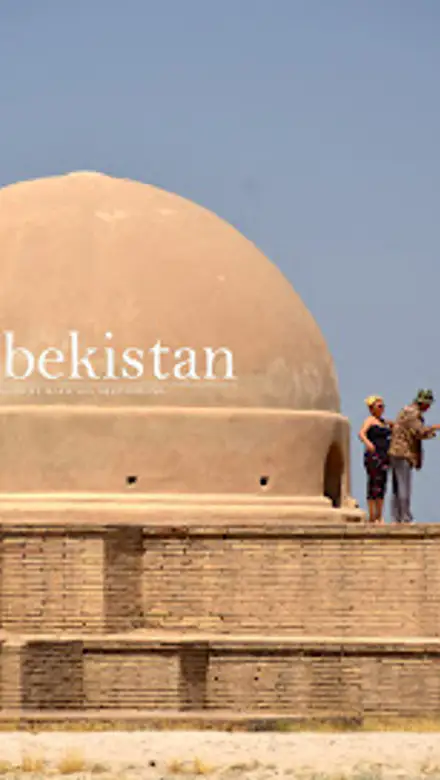
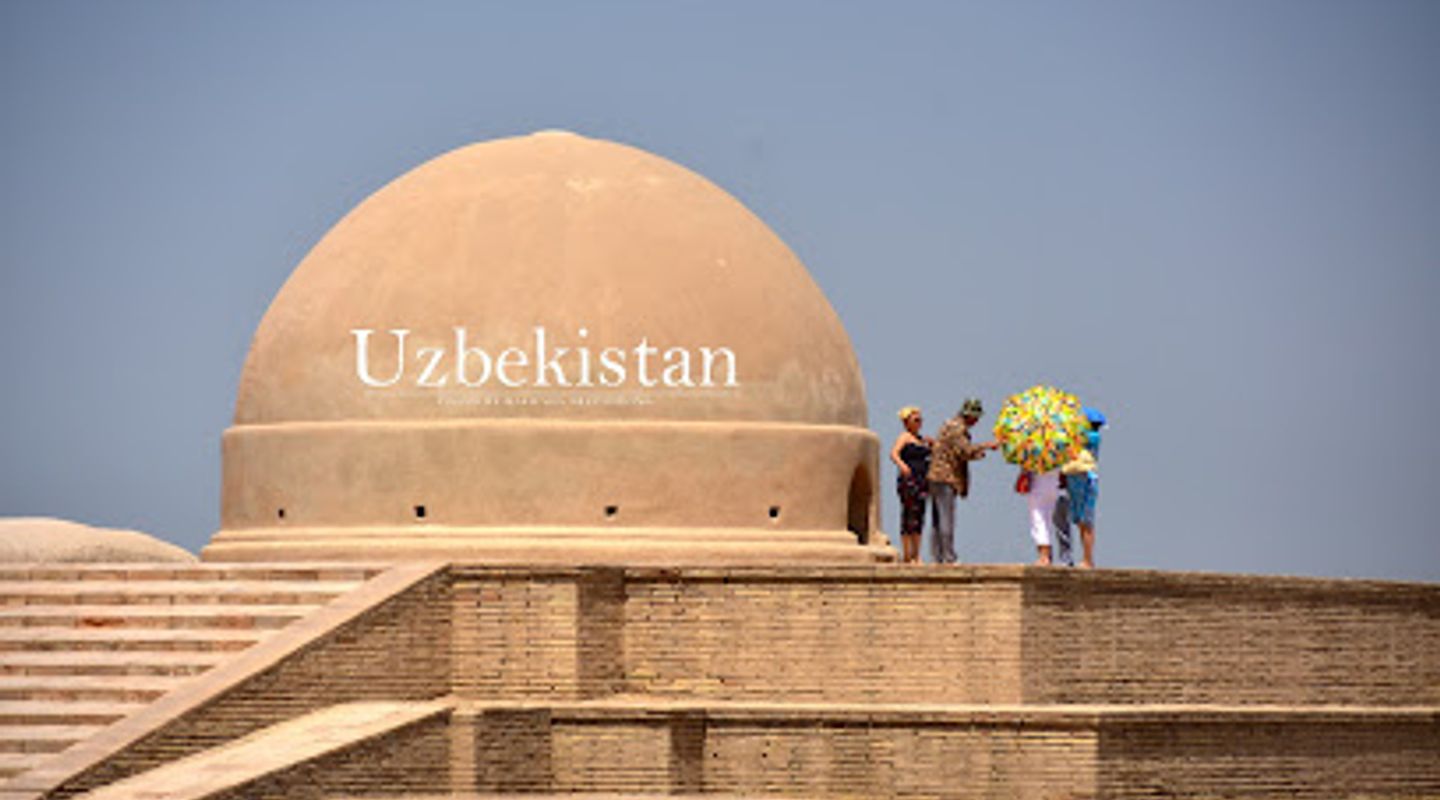
Fayaz Tepe, near Termez, Uzbekistan, is an ancient Buddhist monastery complex dating back to the 1st century CE [3, 5]. Flourishing until the 5th century CE, it provides a glimpse into the religious and cultural exchanges of Central Asia during the Kushan Empire [3]. The site features a temple, monastery, and utility buildings, showcasing a blend of Indian, Greek, and Bactrian influences [3].
A brief summary to Fayaztepe
- 75PQ+H28, Kaftarkhana, Surxondaryo Region, UZ
- Click to display

Know before you go
Hi, I'm Eve. Here are a few practical things to know before exploring Fayaztepe.
- Combine your visit with a trip to the Termez Archaeological Museum to see artifacts from the site and gain deeper insights into its history [3, 17].
- Wear comfortable shoes, as you'll be walking on uneven ground and exploring the ruins [3].
- Bring water and sun protection, especially during the hot summer months, as there is limited shade at the site [3].
- Be mindful of the proximity to the Afghanistan border and avoid straying too far from the main site [3, 8].
Do you manage this location?
Take control to get all the benefits, like improved information, better appearance, and stronger visibility across AI-powered discovery. Learn more about listing your business on Evendo
Activate your presenceOther nearby places you may find interesting
The closest places of the same kind, if this one is not quite what you had in mind.

Explore Fayaztepe on the Map
A handpicked selection of must-see spots near Fayaztepe, mapped for you.
Getting There
-
Public Transport
From Termez, take bus number 15 towards the M39 highway [3, 5, 8]. The bus will pass the turn-off to Fayaz Tepe [3, 5, 8]. From the turn-off, it is approximately a 1 km walk to the site, and be prepared for a walk without shade [3, 5, 8]. The bus fare is minimal, typically a few thousand Uzbekistani Sum [3].
-
Taxi/Ride-Share
A taxi or ride-sharing service from Termez city center to Fayaz Tepe is a convenient option [3]. Negotiate the fare beforehand, expect to pay around 20,000 to 30,000 UZS for the one-way trip [3]. Ensure the driver is familiar with the location [3].
Discover more about Fayaztepe













Your all‑in‑one travel companion app
Explore expert travel guides, compare and book tours, experiences, hotels, and more—all from the palm of your hand. Download now for seamless trip planning wherever your wanderlust takes you.


Explore More of Jowzjan
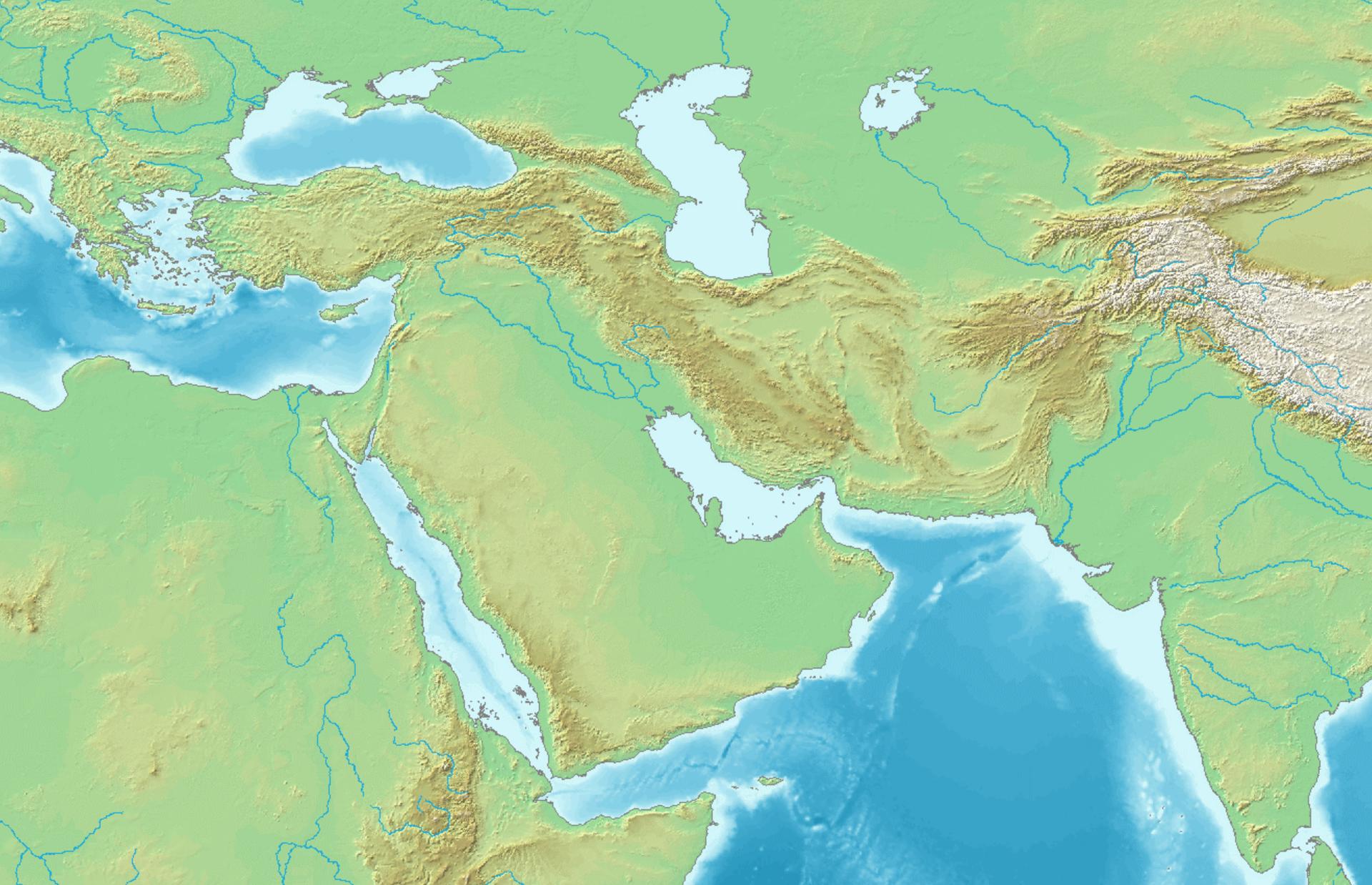
Looking beyond Fayaztepe? Discover Jowzjan for broader travel guides, local hot-spots, and regional highlights.
Explore Jowzjan
Discover the spiritual beauty and architectural charm of Masjed Jame Hazrat-e Abulfazl in Mazar-i-Sharif, Afghanistan. A cultural gem!
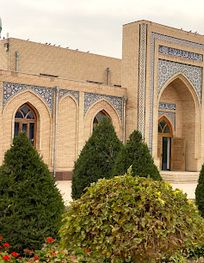
Explore the spiritual legacy of a Sufi saint at this historical mausoleum complex in Termez, a serene pilgrimage and cultural landmark.