

Free Jowzjan Travel Guide & Mobile App
Explore Jowzjan with free travel guides. Discover regional history, expert tips, proposed trips, and audio guides on web or mobile app.


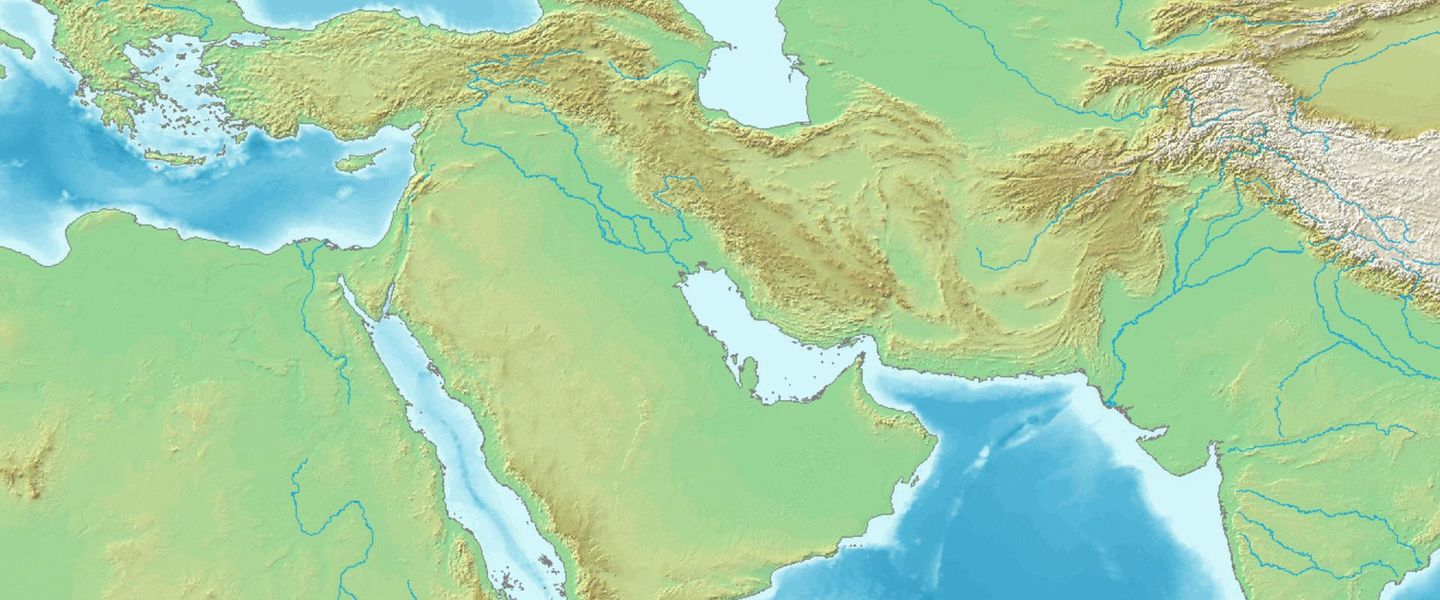
Jowzjan in northern Afghanistan combines ancient Bactrian archaeology, steppe landscapes, Sheberghan’s gas heritage and Central Asian cultural connections.
Read more about Jowzjan
When is the best time to visit Jowzjan?
Best: April–May, October · 24–29°C| Month | High (°C) | Rainfall (mm) |
|---|---|---|
| January | 9 | 10 |
| February | 12 | 10 |
| March | 18 | 15 |
| April (best) | 24 | 15 |
| May (best) | 29 | 10 |
| June | 34 | 5 |
| July | 37 | 5 |
| August | 36 | 5 |
| September | 31 | 5 |
| October (best) | 24 | 10 |
| November | 16 | 10 |
| December | 8 | 10 |
Getting to and around Jowzjan
How to get there
Transportation
Best attractions in Jowzjan
Jowzjan’s principal attractions are archaeological, historical and geographical rather than conventional recreational facilities. Tillya Tepe, near Sheberghan, is the province’s defining archaeological reference point, associated with the extraordinary Bactrian gold discoveries and the cross-cultural networks of ancient Central Asia; the site itself is not a standard visitor attraction and access requires authoritative permission. Sheberghan offers insight into northern Afghanistan’s urban life and natural-gas industry, while Aqcha reflects the commercial role of historic market towns serving agricultural districts. Beyond the towns, the province consists largely of open plains, irrigated farmland, grazing country and settlements shaped by the Amu Darya frontier and its wider basin. These landscapes may interest specialist researchers, photographers working with permission and humanitarian or development professionals, but roads, services and security arrangements are limited. There is no dependable leisure-tourism infrastructure comparable with established destinations elsewhere, and visitors should not assume that archaeological, industrial or rural locations are accessible. Any proposed excursion requires current local authorisation, route-specific security planning and sensitivity to communities living and working in the area.
-
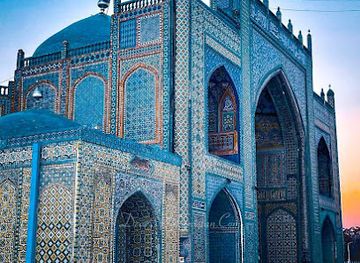
Shrine of Hazrat Ali
Discover the spiritual heart of Mazar-i-Sharif at the Shrine of Hazrat Ali, a mesmerizing testament to Islamic history and architectural artistry.
-
Qala-i-Jangi
Explore Qala-i-Jangi, a 19th-century Afghan fortress near Mazar-i-Sharif, and witness a powerful symbol of resilience and a poignant reminder of the nation's turbulent history.
-
Yajun
Discover Yajun, a challenging mountain peak in Afghanistan's Hindu Kush, offering breathtaking views and a glimpse into untouched natural beauty.
-
Wadi-ye Yumgan
Discover the untouched beauty of Wadi-ye Yumgan, a remote Afghan ravine offering dramatic landscapes, serene atmosphere, and a glimpse into the region's rich history.


Best landmarks in Jowzjan
Tillya Tepe is Jowzjan’s most internationally recognisable landmark, not because of monumental architecture but because its burial mounds yielded the celebrated Bactrian gold and established the province as a major reference point in Central Asian archaeology. Sheberghan’s urban and industrial landscape is another defining feature: the city represents the administrative centre of the province and the location associated with Afghanistan’s principal natural-gas fields and related infrastructure. Aqcha’s historic role as a market town gives it a different significance, reflecting the network of commerce linking farming communities with northern routes. The broad plains and irrigation landscapes are geographical landmarks in their own right, shaped by the Amu Darya basin, seasonal water management and the transition towards steppe. Border and energy installations may be prominent in the landscape but are restricted places, not sightseeing sites. Access to archaeological areas, government buildings, gas facilities and frontier zones must be secured in advance and should never be assumed from their visibility beside a public road.
-
 Hotel
Zohak Village
Experience tranquility and comfort at Zohak Village, a serene escape in the heart of Kabul, blending hospitality with rich cultural exploration.
-
Religious destination
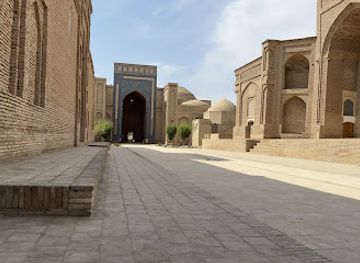
Sultan Saodat Mausoleum
Explore the historical Sultan Saodat Mausoleum in Termez, a sacred complex of mausoleums, mosques, and khanakas of the Sayyid dynasty.
-
Bridge
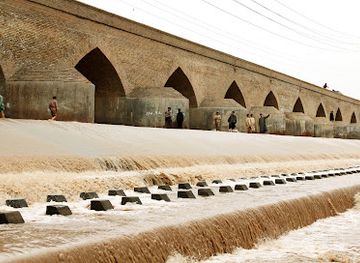
Malan Bridge
Discover the historic Malan Bridge in Herat, a symbol of Afghan resilience and architectural ingenuity, connecting cultures across the Hari River.
-
Archaeological site
Fayaztepe
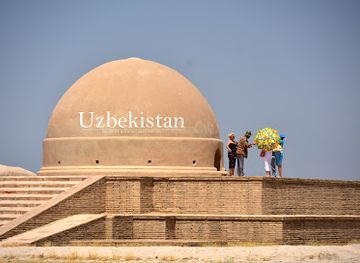
Explore Fayaz Tepe, an ancient Buddhist monastery on the Silk Road near Termez, Uzbekistan, revealing a rich history and spiritual heritage.
Explore Jowzjan on the map
Plan your trip on one map. See where the top cities, national parks and sights are, and book hotels and experiences in a few clicks.
Best hotels in Jowzjan
Best restaurants in Jowzjan
Jowzjan’s food culture belongs to the culinary world of northern Afghanistan, where rice dishes, flatbreads, dairy products, legumes, vegetables and grilled meats are central to everyday meals. Uzbek and Turkmen influences are especially relevant in the north, with pilau, filled or folded breads, noodles, soups and meat-based dishes appearing in local settings alongside broader Afghan cooking. Sheberghan and Aqcha have the greatest concentration of eating places and tea houses, but standards, opening arrangements and hygiene conditions can vary, and establishments may not be suitable for unaccompanied foreign visitors. Meals are often social and hospitality is important, while green tea and black tea are common refreshments. Food availability in rural districts is more limited and seasonal. Travellers on authorised visits should use arrangements recommended by their host organisation, carry medically appropriate supplies and take care with untreated water and uncooked food. Alcohol is prohibited under Afghan law.
-
Afghani
Ziyafat Restaurant
Experience authentic Afghan cuisine at Ziyafat Restaurant in Kabul - where rich flavors and warm hospitality meet.
-
Afghani
Sufi Mahal Restaurant ( رستورانت صوفی محل )
Experience authentic Afghan cuisine at Sufi Mahal Restaurant, where tradition meets taste in the heart of Kabul.
-
Afghani
Herat Restaurant
Discover authentic Afghani cuisine at Herat Restaurant—where every dish tells a story of tradition and flavor.
-
Restaurant
Afghan Hotel & Restaurant (افغان هوټل اؤ رستورانت)
Experience authentic Afghan cuisine at Afghan Hotel & Restaurant in Jalalabad - a culinary journey through rich flavors and warm hospitality.



Best bars in Jowzjan
Jowzjan does not have a conventional bar or nightclub scene. Alcohol is prohibited under Afghan law, and evening social life is more likely to centre on family homes, tea houses, guesthouses and restaurants serving tea and simple meals. Sheberghan provides the province’s largest concentration of urban services, but public evening activity is constrained by security conditions, social expectations and changing local restrictions. In smaller towns and rural districts, people generally return home after work or gather in private settings rather than attend commercial nightlife venues. Foreign visitors should not seek alcohol, unlicensed entertainment or informal parties, and should follow the advice of their host organisation about movement after dark. Any cultural or social invitation must be approached respectfully, with attention to gender arrangements, photography and local authority requirements.
-
Barg Continental Restaurant
Discover the authentic taste of Afghanistan at Barg Continental Restaurant, where delicious cuisine and warm hospitality await every guest.
-
Bar
حمام حاجي مير احمد
Experience the warmth of Afghan culture at حمام حاجي مير احمد, a unique bar in Kabul offering traditional drinks and a cozy ambiance.
-
Rokhan Sport House and Tikwando Club
Explore the vibrant atmosphere of Rokhan Sport House and Tikwando Club, a top destination for sports enthusiasts in Jalalabad, Afghanistan.
-
Bar
چوک شهر ولسوالی قرقین
Discover the vibrant culture and local flavors at چوک شهر ولسوالی قرقین, an unmissable market experience in Qarqin, Afghanistan.


Best shops in Jowzjan
Shopping in Jowzjan is primarily practical and locally oriented, with bazaars and market streets in Sheberghan and Aqcha supplying clothing, household goods, food, livestock-related products and everyday provisions. Visitors may encounter northern Afghan textiles, embroidery, woollen goods, carpets and locally made clothing, although quality, provenance and availability vary and specialist purchases require careful inspection. Dried fruit, nuts, tea, spices and other shelf-stable foods can be more suitable souvenirs than fragile crafts, but customs and export rules should be checked before departure. Jowzjan is not a destination for large shopping centres, luxury retail or dependable tourist-oriented shops. Bargaining may occur in markets, but it should remain courteous and proportionate. Do not buy antiquities, coins, fragments or archaeological objects: illicit excavation and export damage Afghanistan’s heritage and can carry serious legal consequences. Foreign visitors should shop only with arrangements approved by their host organisation and should avoid photographing stalls or traders without permission.
-
Clothing store
Naaz Boutique Afghani dresses store
Discover the beauty of traditional Afghani dresses at Naaz Boutique, your premier destination for authentic fashion in Kabul.
-
Discount store
Rio super stores
Explore unbeatable prices and local flavors at Rio Super Stores in Sheberghan, Afghanistan's top discount shopping destination.
-
Grocery store
مغازه قاری محمداللهShG
Experience the rich flavors of Afghanistan at مغازه قاری محمداللهShG, your local grocery store in Khan Chahar Bagh.
-
Oriental rug store
Kardash Oriental Rugs
Explore the artistry of Kardash Oriental Rugs in Sheberghan, Afghanistan, where every rug tells a story and embodies a rich cultural heritage.


Get your free copy of our complete guide to Jowzjan, delivered straight to you.
Everything on this page, from attractions and restaurants to essentials and local phrases, in one PDF you can read offline, print or share.
Already have an account? Sign in
Your Jowzjan guide is ready.
We'll send it to · Not you? Sign out

Getting your guide ready…
We are putting together a fresh copy of the Jowzjan guide. This can take up to a minute.
This can take a few moments. If your browser asks, choose Allow so the download can start. You'll find the guide in your Downloads folder.
Nothing happened? Download it again
Sorry, the guide is taking longer than usual. Please try again in a minute, or get it by email instead.
Jowzjan essentials
Currency and Payment
Safety
Emergency Situations
Do's and Don'ts
Local Tips
From Eve
Local phrases worth knowing
You don't need to get them perfect. A few words go a long way, and locals appreciate the effort.
Basics
| English | Local | Say it |
|---|---|---|
| Hello | سلام | [Salam] |
| Goodbye | خداحافظ | [Khuda hafiz] |
| Yes | بله | [Bale] |
| No | نه | [Na] |
| Please/You're welcome | لطفا/خوش آمدید | [Lotfan/Khosh amadid] |
| Thank you | تشکر | [Tashakor] |
| Excuse me/Sorry | ببخشید | [Bebakhshid] |
| How are you? | چطوری؟ | [Chetori?] |
| Fine. And you? | خوبم. شما چطورید؟ | [Khobam. Shoma chetorid?] |
| Do you speak English? | آیا انگلیسی صحبت میکنید؟ | [Aya Englisi sohbat mikonid?] |
| I don't understand | من نمیفهمم | [Man nemifahmam] |
Eating & Drinking
| English | Local | Say it |
|---|---|---|
| I'd like to see the menu, please | لطفاً منو را ببینم | [Lotfan menu ra bebinam] |
| I don't eat meat | من گوشت نمیخورم | [Man gusht nemikhoram] |
| Cheers! | به سلامتی! | [Be salamati!] |
| I would like to pay, please | لطفاً میخواهم پرداخت کنم | [Lotfan mikhahm pardakht konam] |
Emergencies
| English | Local | Say it |
|---|---|---|
| Help! | کمک! | [Komak!] |
| Go away! | برو کنار! | [Boro kenar!] |
| Call the Police! | پلیس را صدا کنید! | [Police ra seda konid!] |
| Call a doctor! | دکتر را صدا کنید! | [Doctor ra seda konid!] |
| I'm lost | من گم شدهام | [Man gom shode-am] |
| I'm ill | من بیمار هستم | [Man bimar hastam] |
Shopping
| English | Local | Say it |
|---|---|---|
| I'd like to buy... | میخواهم بخرم... | [Mikhaaham bekharam...] |
| I'm just looking | فقط دارم نگاه میکنم | [Faghat daram negah mikonam] |
| How much is it? | قیمتش چقدر است؟ | [Gheymatash chande ast?] |
| That's too expensive | این خیلی گران است | [In kheili geran ast] |
| Can you lower the price? | آیا میتوانید قیمت را پایین بیاورید؟ | [Aya mitavanid gheymat ra paeen biavarid?] |
Time & Numbers
| English | Local | Say it |
|---|---|---|
| What time is it? | ساعت چند است؟ | [Saat chand ast?] |
| It's one o'clock | ساعت یک است | [Saat yek ast] |
| Half past (10) | نیم ساعت ده | [Nim saat dah] |
| Morning | صبح | [Sob] |
| Afternoon | بعد از ظهر | [Ba'd az zohr] |
| Evening | عصر | [Asr] |
| Yesterday | دیروز | [Diruz] |
| Today | امروز | [Emruz] |
| Tomorrow | فردا | [Farda] |
| 1 | یک | [Yek] |
| 2 | دو | [Do] |
| 3 | سه | [Se] |
| 4 | چهار | [Chahar] |
| 5 | پنج | [Panj] |
| 6 | شش | [Shesh] |
| 7 | هفت | [Haft] |
| 8 | هشت | [Hasht] |
| 9 | نه | [Nah] |
| 10 | ده | [Dah] |
Transport & Directions
| English | Local | Say it |
|---|---|---|
| Where's a/the...? | کجا ... است؟ | [Koja ... ast?] |
| What's the address? | آدرس چیست؟ | [Address chist?] |
| Can you show me (on the map)? | میتوانید به من نشان دهید؟ | [Mitavanid be man neshan dahid?] |
| When's the next (bus)? | کی اتوبوس بعدی میآید؟ | [Ki otobus ba'di miayad?] |
| A ticket (to ....) | یک بلیط (به ...) | [Yek belit (be ...)] |
History of Jowzjan
Ancient Bactrian and Steppe Connections
Jowzjan lies within the broader cultural region historically associated with Bactria, the fertile country around the Oxus, or Amu Darya, and with the mobile pastoral worlds of the Central Asian steppe. Its position encouraged contact between Iranian-speaking settled communities, nomadic groups and traders moving between northern Afghanistan, Transoxiana and the interior. Archaeological evidence from the province and neighbouring northern areas reflects changing political and artistic influences rather than a single uninterrupted civilisation. Irrigated agriculture, metalworking, horse culture and long-distance exchange all helped shape the region before the rise of Islam.
The Tillya Tepe Burials
Tillya Tepe, near Sheberghan, is the most celebrated archaeological site in Jowzjan. Excavations conducted in 1978 uncovered six richly furnished burials dating broadly to the first centuries before and after the beginning of the Common Era. Their gold ornaments, coins, weapons and decorative objects combine motifs associated with Bactria, the Iranian world, India, China and the Mediterranean. The burials are important because they reveal the cosmopolitan character of elite culture along Central Asian exchange routes. The discoveries also became vulnerable to loss and dispersal during the later political turmoil in Afghanistan.
Islamisation and Medieval Northern Afghanistan
Islam spread through northern Afghanistan over several centuries, interacting with established urban, agricultural and trading communities. Jowzjan became part of the historic Islamic cultural sphere linked to cities and routes across Khurasan and Transoxiana. Political authority shifted between regional dynasties and larger empires, while Persian literary and administrative traditions remained influential. Medieval settlement patterns were sustained by irrigation and caravan movement, although warfare and changes in river channels repeatedly affected the northern plains. The province’s present-day towns retain the importance of this long relationship between agriculture, commerce and Central Asian routes.
Mongol and Timurid Transformations
The Mongol conquests of the thirteenth century brought major political and economic disruption across northern Afghanistan, followed by the incorporation of the area into successor states. Later Timurid rule helped reconnect parts of the region to the commercial and cultural networks centred on Herat, Balkh and Transoxiana. The effects in Jowzjan were uneven: urban and agricultural settlements could benefit from renewed administration and trade, while rural communities remained exposed to warfare and shifting control. These centuries contributed to the layered Persianate and Turkic cultural influences visible across northern Afghanistan.
Uzbek and Afghan State Formation
From the early modern period, northern Afghanistan was shaped by Uzbek political influence, local khanates and the expanding authority of Afghan rulers. Communities speaking Dari, Uzbek and Turkmen, among other languages, developed within a region where seasonal movement and settled farming overlapped. Incorporation into the modern Afghan state was gradual and involved changing administrative arrangements, taxation and military control. Towns such as Aqcha and Sheberghan served as local centres for trade and governance, while the northern frontier remained connected to the political currents of Central Asia.
Twentieth-Century Gas Development
Natural gas deposits around Sheberghan became commercially important during the twentieth century, particularly after exploration and development supported by foreign technical assistance. Gas production supplied domestic industry and energy projects, although output and infrastructure were repeatedly affected by war, political instability and maintenance difficulties. The sector gave Jowzjan a role beyond agriculture and transport, linking the province to national debates about energy and regional connectivity. Pipelines, processing facilities and associated settlements form part of the modern industrial landscape, but access to such installations is controlled and not a normal visitor activity.
War, Displacement and the Contemporary Province
Jowzjan has been directly affected by the conflicts that reshaped Afghanistan from the late twentieth century onwards. Soviet intervention, civil war, Taliban rule, the international military presence and subsequent political change brought shifting authorities, displacement and damage to infrastructure. The province’s northern location also made it relevant to cross-border security and armed mobilisation. Communities have experienced disruption to farming, schooling, commerce and public services. Contemporary Jowzjan must therefore be understood through both its archaeological and economic importance and the serious humanitarian and security pressures that continue to influence daily life.
Jowzjan in Photos
Browse through our photo collection highlighting the charm and character of the destination.
Neighbouring regions of Jowzjan
The closest regions to Jowzjan, if you have time for more than one.
-

-

-

-
-


Swipe for more regions
Explore more

Explore more of Afghanistan
Discover Afghanistan's rich history, stunning landscapes, and diverse cultures. From ancient cities to breathtaking nature, this Central Asian gem offers a unique travel experience.
Explore Afghanistan