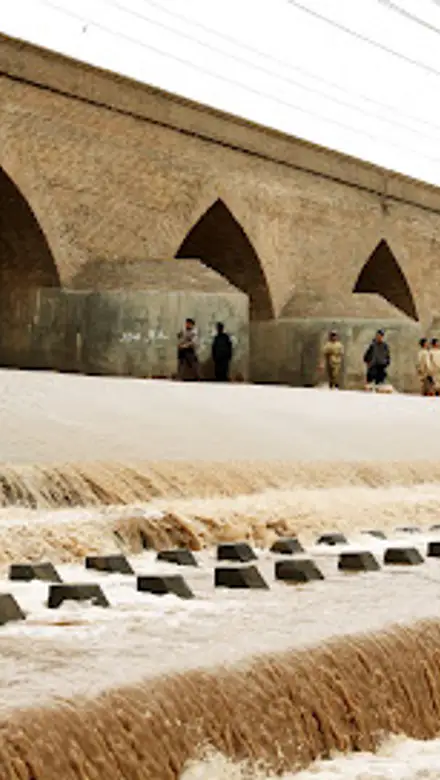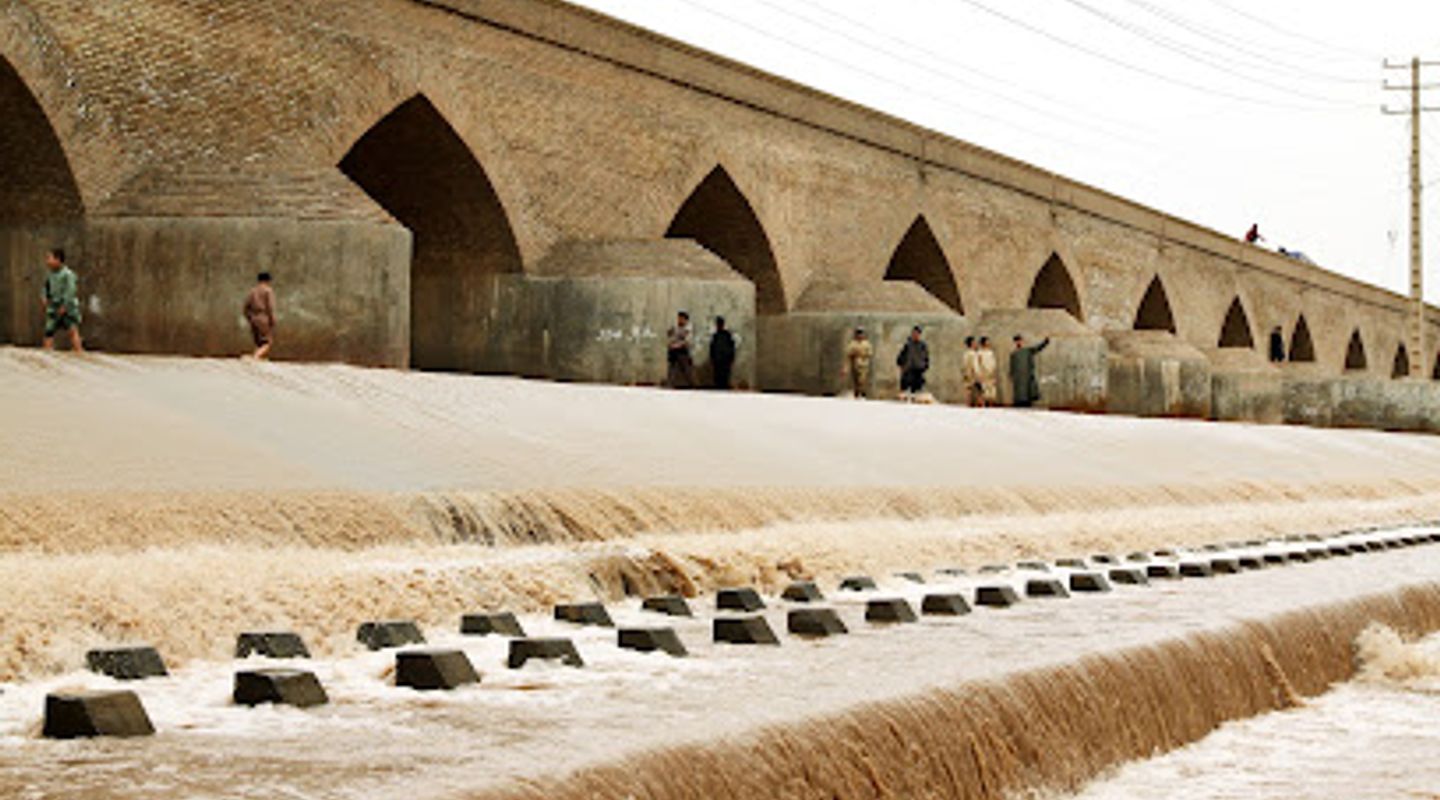
Malan Bridge, Jowzjan Travel Guide
Discover the historic Malan Bridge in Herat, a symbol of Afghan resilience and architectural ingenuity, connecting cultures across the Hari River.
Malan Bridge, or Pul-i-Malan, is a historic bridge in Herat, Afghanistan, known for its stunning architecture and cultural significance. Constructed in the 12th century, it has served as a vital link across the Hari River, connecting districts and facilitating trade for centuries [4, 7, 8].
A brief summary to Malan Bridge
- 75PR+HGW، Unnamed Road, Herat, AF
- Click to display

Know before you go
Hi, I'm Eve. Here are a few practical things to know before exploring Malan Bridge.
- Visit during the day to fully appreciate the bridge's architecture and the surrounding landscape.
- Engage with local residents to gain insights into the bridge's cultural significance and daily life in Herat.
- Take photographs to capture the beauty of the bridge and its picturesque setting.
Do you manage this location?
Take control to get all the benefits, like improved information, better appearance, and stronger visibility across AI-powered discovery. Learn more about listing your business on Evendo
Activate your presenceOther nearby places you may find interesting
The closest places of the same kind, if this one is not quite what you had in mind.

Explore Malan Bridge on the Map
A handpicked selection of must-see spots near Malan Bridge, mapped for you.
Getting There
-
Taxi
From Herat city center, a taxi is the most convenient way to reach Malan Bridge, approximately 12 km (7.5 miles) south [4, 8, 10]. Taxis are readily available in Herat [13, 19]. A 12km taxi ride will cost approximately 1350 AFN [5, 6, 16, 18]. Be sure to negotiate the fare beforehand [5, 6].
-
Public Transport
Local buses travel from Herat city towards the south [13, 19]. Inquire about buses heading in the direction of Guzara District [4, 8, 10]. The fare for a local bus is typically very affordable [13]. However, note that bus schedules may be infrequent, and the drop-off point might require a further walk to the bridge [13].
Discover more about Malan Bridge













Your all‑in‑one travel companion app
Explore expert travel guides, compare and book tours, experiences, hotels, and more—all from the palm of your hand. Download now for seamless trip planning wherever your wanderlust takes you.


Explore More of Jowzjan
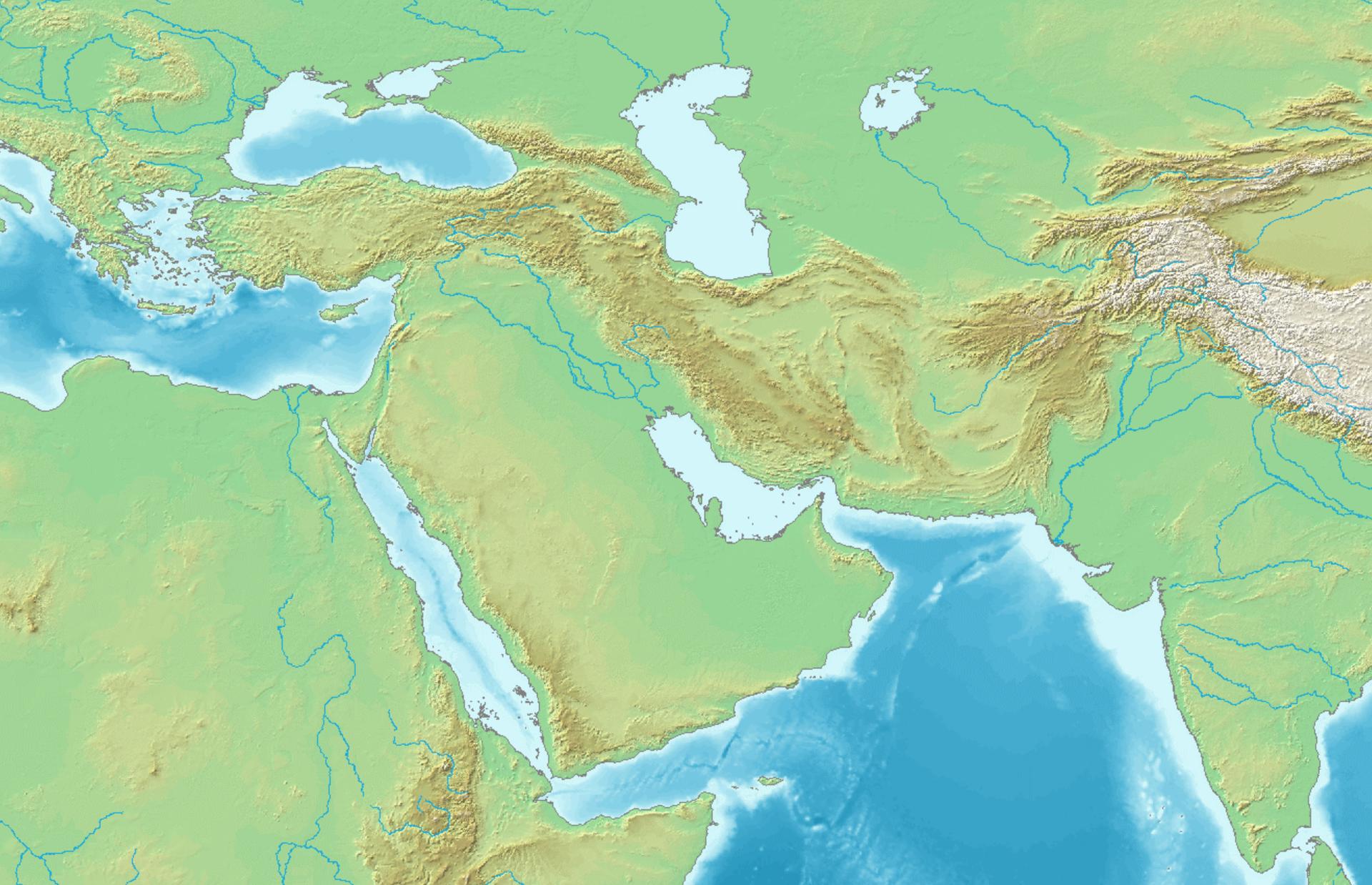
Looking beyond Malan Bridge? Discover Jowzjan for broader travel guides, local hot-spots, and regional highlights.
Explore Jowzjan
Explore the ancient Herat Citadel, a historic fortress with roots stretching back to Alexander the Great, offering stunning views and a glimpse into Afghanistan's rich past.
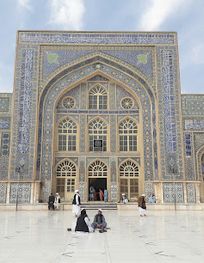
Discover the mesmerizing Herat Central Blue Mosque, a stunning display of Islamic art and architecture in the heart of Afghanistan.