Nuristan National Park: Afghanistan's Untamed Heart
Discover Afghanistan's hidden gem: Nuristan National Park, a land of dramatic landscapes, rich culture, and unparalleled natural beauty.
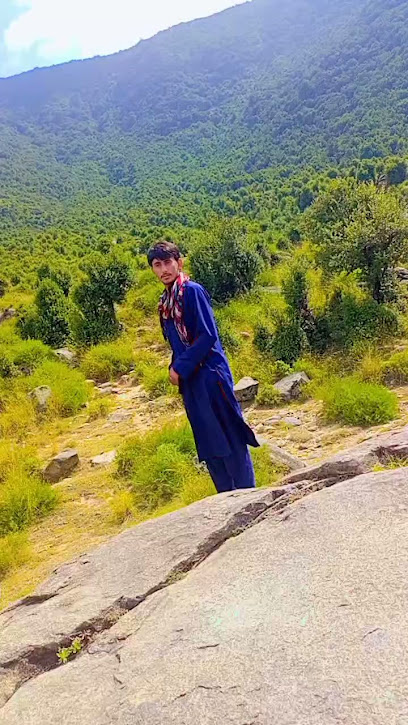
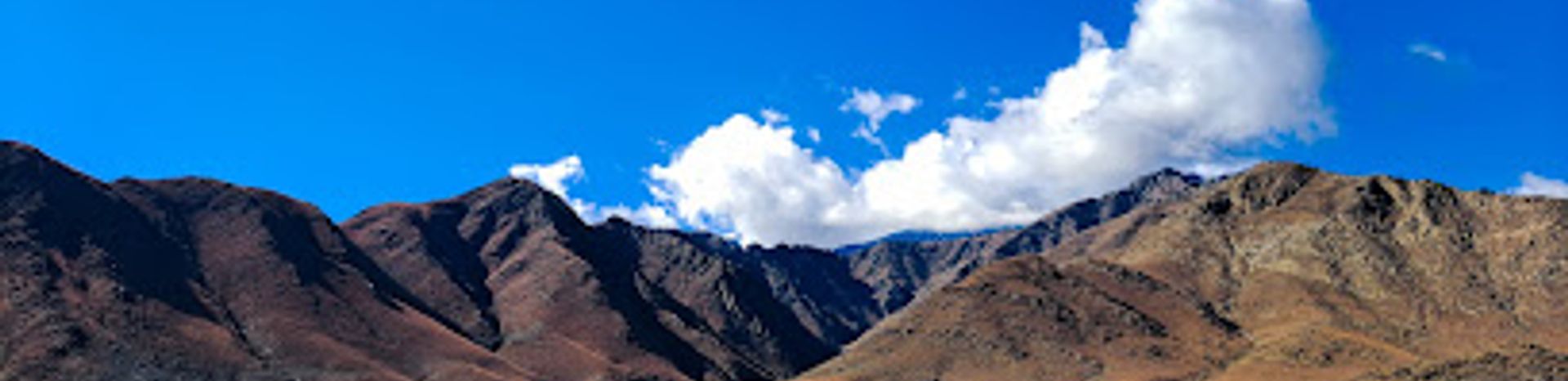
Nuristan National Park, nestled in the Hindu Kush mountains of eastern Afghanistan, is a remote and stunning region known for its dramatic landscapes, dense forests, and pristine rivers [4, 5]. Established in 2020, the park offers a unique glimpse into Afghanistan's natural beauty and the rich cultural heritage of the Nuristani people [6, 11].
A brief summary to Nuristan National Park
- 4PF8+QPX, Wama, AF
Local tips
- Travel during late spring or early autumn (April-June or September-November) for the most pleasant weather and accessible roads [3, 4].
- Hire a local guide to navigate the park's remote terrain, learn about the local culture, and ensure your safety [4, 8].
- Be prepared for basic infrastructure and limited facilities; pack sufficient water, food, and appropriate gear [4, 8].
- Respect local customs and traditions when interacting with the Nuristani people; dress modestly, especially when visiting religious sites or local villages [4, 14].
- Check the current security situation and travel advisories before planning your trip [4, 8].

Getting There
-
Public Transport
To reach Nuristan National Park using public transport, begin in Asadabad, the capital of Kunar province [8]. From Asadabad's main bus terminal, look for a local bus or shared taxi heading towards Wama [8]. The fare typically costs around 200 AFN (Afghan Afghani) and the journey takes approximately 1 to 1.5 hours [8]. Upon arrival in Wama, hire a local taxi or tuk-tuk to take you to the park entrance at coordinates 4PF8+QPX [8]. This final leg should cost between 300-500 AFN, depending on your negotiation skills and the distance [8]. Be prepared for potentially bumpy roads [8].
-
Taxi/Ride-Share
From Asadabad, you can hire a private taxi to take you directly to the entrance of Nuristan National Park [8]. Negotiate the fare beforehand, as prices can vary [8]. Expect to pay between 1500-2500 AFN for the entire journey, depending on the vehicle and your bargaining skills [8]. The trip should take around 2-3 hours, depending on road conditions [8]. Ensure the driver is familiar with the route to Wama and the park's location (4PF8+QPX) [8].
-
Driving
The final approach to Nuristan National Park typically starts from Parun, the provincial capital [10]. From Parun, follow the main road leading southwest [10]. The park's boundaries are loosely defined, but aiming for the general area around the coordinates 35.3250223 latitude and 70.9071236 longitude will get you into the heart of the park [10]. The journey from Parun is approximately 10 kilometers and may take around 20-30 minutes, depending on road conditions [10]. A 4x4 vehicle is highly recommended due to the rough terrain [10]. There are no specific parking fees, but be mindful of where you park to avoid obstructing local traffic [4, 10].
-
Walking
If you are already in Parun and prefer to walk, the park is about a 2 to 3-hour hike from the town center [10]. Take the main road heading southwest, and follow any available trails or paths that lead towards the park [10]. Keep an eye out for local residents who can assist with directions along the way [10]. Ensure you are well-prepared with water and appropriate gear [10]. There are no entrance fees to access the park by walking [10].
Discover more about Nuristan National Park
Iconic landmarks you can’t miss

Dranak
13.6 km
Discover the breathtaking beauty and cultural richness of Dranak Ridge, a hidden gem in Afghanistan offering stunning landscapes and adventurous trails.

Kantiwa
21.2 km
Discover tranquility at Kantiwa Park, a lush green oasis in Parun, Afghanistan, perfect for relaxation, picnics, and nature walks amidst the stunning landscapes of Nuristan.
Nangalam Bazar
23.8 km
Discover the vibrant culture of Afghanistan at Nangalam Bazar, a bustling marketplace offering local crafts, traditional cuisine, and a glimpse into the heart of Nangalam.
مرکزي پل Main Bridge
25.4 km
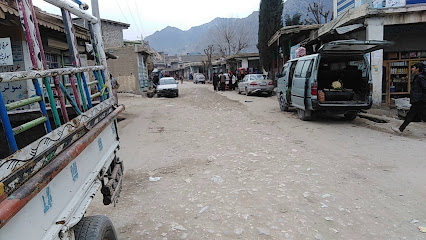
Cross the Main Bridge in Parun, Nuristan, and discover a region of stunning beauty, resilient people, and a unique cultural heritage nestled in the heart of the Hindu Kush mountains.
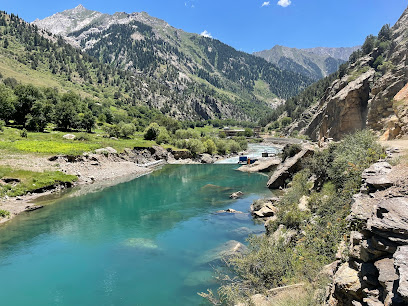
محل شهادت امير حبيب الله خان
34.4 km
Explore the historical site in Nangaresh, Afghanistan, where Amir Habibullah Khan was assassinated, offering insights into a pivotal era of Afghan history.
Nuristan province National Army Lawa نورستان ولايت لوا
35.2 km
Explore the National Army Lawa in Nuristan Province, a symbol of resilience and military heritage amidst Afghanistan's breathtaking landscapes.
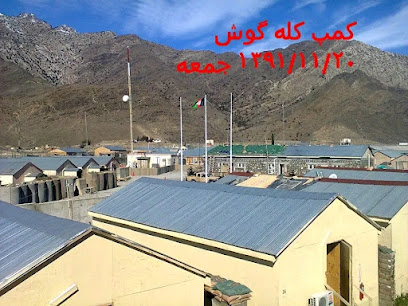
Nuristan
52.4 km
Discover Nuristan: A remote Afghan province offering stunning alpine scenery, unique cultural heritage, and a glimpse into a world untouched by time. An adventure for the intrepid traveler.
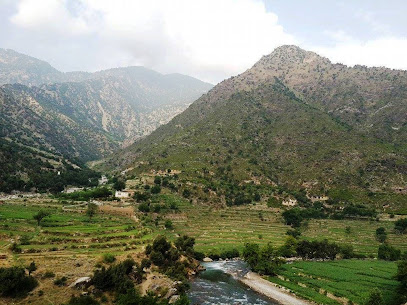
Site of Battle of Kamdesh
64.7 km
Visit the Site of the Battle of Kamdesh in Nuristan, Afghanistan, a poignant reminder of courage and sacrifice amidst stunning, remote landscapes, offering a unique historical and cultural experience.
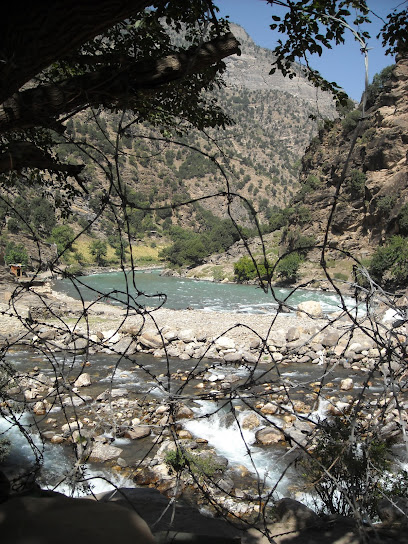
Qala-e-Seraj
68.8 km
Discover the historical charm of Qala-e-Seraj in Mitarlam, a royal palace turned park offering a serene glimpse into Afghanistan's rich cultural heritage and architectural beauty.
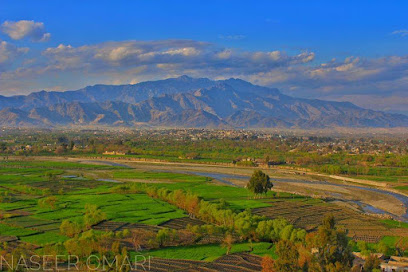
Danish Abad- دانش آباد
69.6 km
Discover the tranquil landscapes and rich culture of Danish Abad, a hidden gem in Dahan-e Giran, Afghanistan, perfect for nature lovers and adventurers.
Mersmel
71.7 km
Discover Mersmel, Afghanistan's majestic mountain peak, offering breathtaking views, thrilling outdoor adventures, and a unique cultural experience in a serene natural setting.
Kunar
78.0 km
Discover the Kunar River, a breathtaking Afghan treasure offering stunning scenery, rich culture, and thrilling adventures in the heart of the Hindu Kush mountains, a lifeline for local communities.
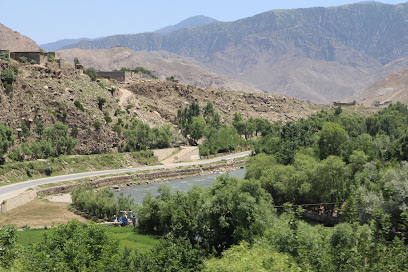
Nangarhar University
78.7 km
Explore Nangarhar University in Jalalabad, a vibrant institution combining education, culture, and stunning landscapes in Afghanistan.
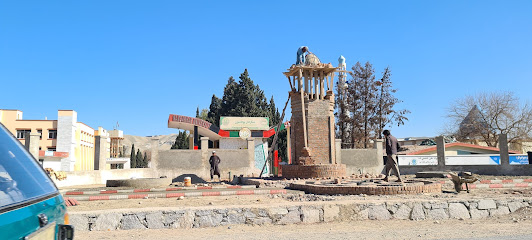
ننګرهار کرېکټ اکېډمي Nangarhar Cricket Academy
80.0 km
Discover the thrill of cricket at Nangarhar Cricket Academy in Jalalabad, where local talent shines and sportsmanship thrives.
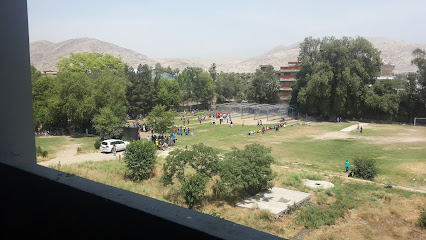
Afghanistan Tablighi Markaz Jalalabad افغانستان عمومي تبلیغي مرکز
80.2 km
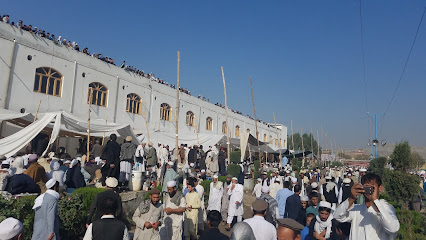
Discover the spiritual heart of Jalalabad at the Afghanistan Tablighi Markaz, a serene mosque offering insights into Islamic culture, Afghan traditions, and community engagement.
Unmissable attractions to see

Bastalah
18.2 km
Discover Bastalah, Afghanistan: A serene escape into stunning landscapes and rich cultural heritage in the heart of Kunar province, offering an authentic Afghan experience.
Shomash Hill
23.5 km
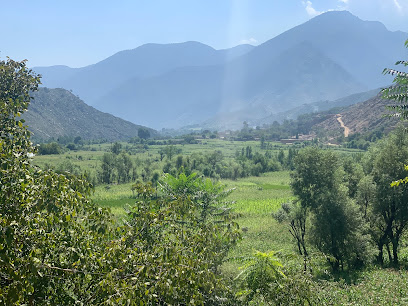
Experience the breathtaking views and natural beauty of Shomash Hill in Parun, Afghanistan, a perfect destination for nature lovers and adventure seekers.
محل شهادت امير حبيب الله خان
34.4 km
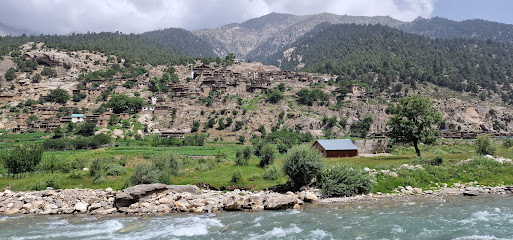
Explore the site of Amir Habibullah Khan's assassination in Nangaresh, Afghanistan, and delve into the history of a pivotal era in Afghan modernization and political intrigue.
Mosque of Shenegam شينګام جامع جومات
39.8 km
Explore the Mosque of Shenegam, an exquisite piece of Islamic architecture in Samir Kot, Afghanistan, reflecting rich cultural heritage and serene spirituality.
Sutan, Dara-e-Noor
45.9 km
Discover the serene beauty and cultural richness of Sutan in Afghanistan's Dara-e-Noor district, a hidden gem offering an authentic rural experience.
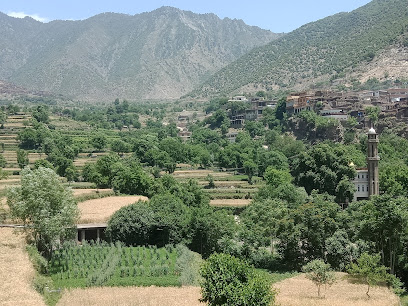
The Great Mosque of Kunar د کنړ جامع جومات
48.9 km
Discover the spiritual heart of Asadabad at the Great Mosque of Kunar, a cultural landmark showcasing exquisite Islamic architecture and offering a serene glimpse into Afghan heritage.
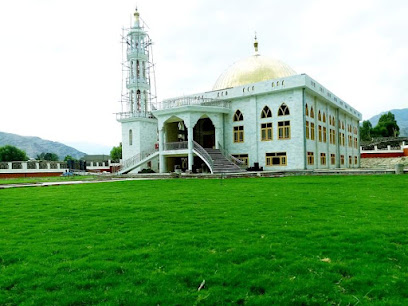
Yajun
72.5 km
Discover Yajun, a challenging mountain peak in Afghanistan's Hindu Kush, offering breathtaking views and a glimpse into untouched natural beauty.
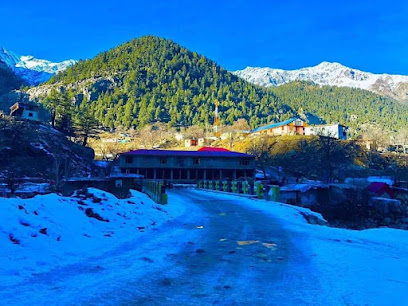
Abdul Haq Park
79.7 km
Discover a tranquil escape in Jalalabad at Abdul Haq Park, a vibrant green space offering serene landscapes, cultural experiences, and stunning mountain views for an unforgettable visit.
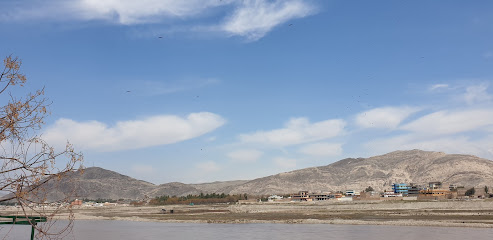
Amir Shaheed Garden
80.7 km
Discover a serene escape in Jalalabad's Amir Shaheed Garden, a historical oasis blending Mughal heritage with Afghan resilience and natural beauty.
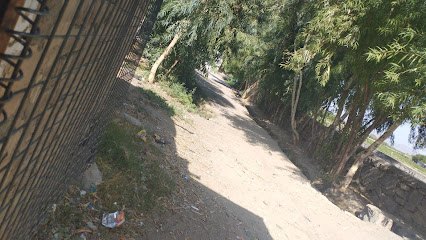
Panjshir Province ولایت پنجشیر
80.9 km
Discover Panjshir Province, Afghanistan: A land of breathtaking mountain scenery, rich history, and resilient culture, offering an unforgettable journey into the heart of the Hindu Kush.
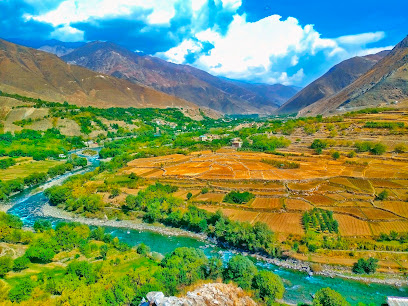
Imran Khan
81.0 km
Discover the Imran Khan monument in Jalalabad, a captivating tourist attraction steeped in rich Afghan history and cultural significance.
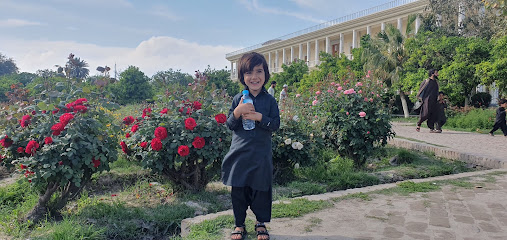
Ghundai Khadamai
81.2 km
Experience the rich culture and breathtaking landscapes of Ghundai Khadamai in Bajaur Agency, Khyber Pakhtunkhwa, Pakistan – a true hidden gem for travelers.
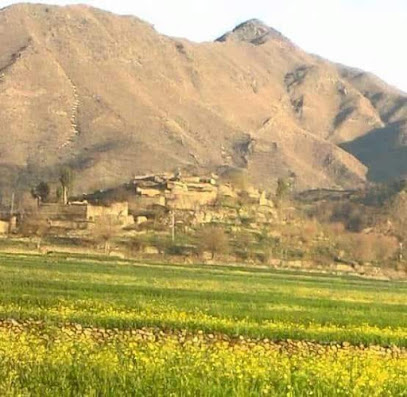
Shah Naser Aghan(شاه ناصر اغا غونډی)
84.1 km
Explore the rich history and stunning architecture of Shah Naser Aghan, a must-visit tourist attraction in Banda-i-Bemaran, Afghanistan.
Muharram Ghundai Iwazee Shah Section Alizai UTK
84.5 km
Explore the enchanting Muharram Ghundai in Bajaur Agency, where breathtaking landscapes and rich cultural heritage await adventurous travelers.
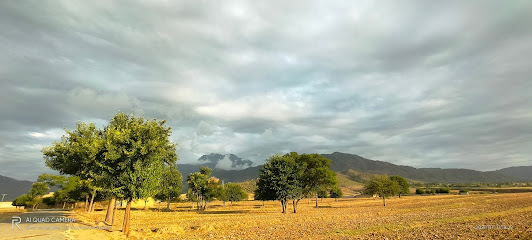
Bamwardar بام وردار
88.9 km
Discover Bamwardar, Afghanistan: An enchanting escape into mesmerizing landscapes and rich cultural history, offering a unique and authentic travel experience off the beaten path.
Essential places to dine

Restaurant
25.4 km
Discover authentic Afghan cuisine at this charming restaurant in Parun—an unforgettable culinary journey awaits every visitor.
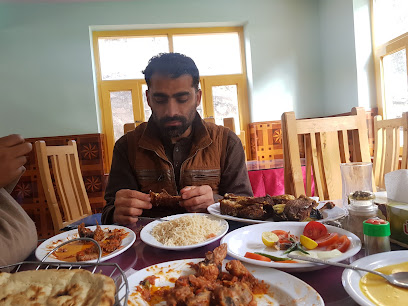
پارون ښاروالۍ ملمستون
25.4 km
Experience authentic Afghan cuisine at پارون ښاروالۍ ملمستون in Parun – where tradition meets taste in every dish.
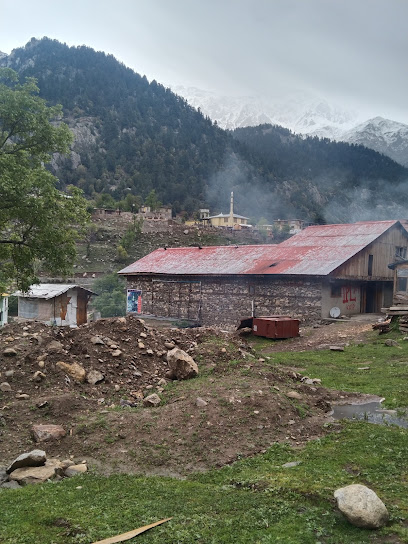
Shinwari Restaurant & Ice cream
48.3 km
Discover authentic Afghan cuisine and delightful ice cream at Shinwari Restaurant in Asadabad—an essential stop for every traveler.
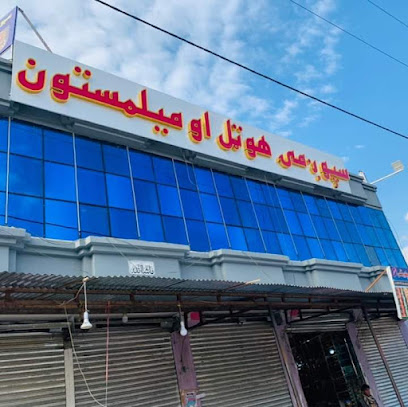
Spogmai Restaurant سپوږمۍ هوټل او مېلمستون
48.3 km
Discover authentic Afghan flavors at Spogmai Restaurant in Asadabad, where every meal is a celebration of culture and taste.
Chief Burger Hostel & Restaurant
48.5 km
Discover the rich flavors of Afghan cuisine blended with international favorites at Chief Burger Hostel & Restaurant in Asadabad.
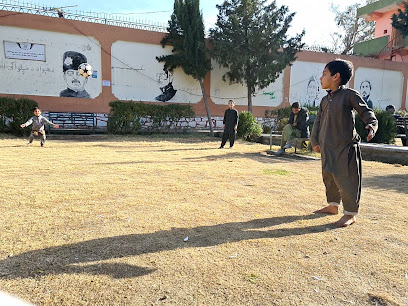
Kunar River View restaurant & hotel(د سیند د غاړی هوټل او رسټورانټ)
53.5 km
Experience authentic Afghan cuisine with breathtaking views at Kunar River View Restaurant & Hotel - where culture meets nature.
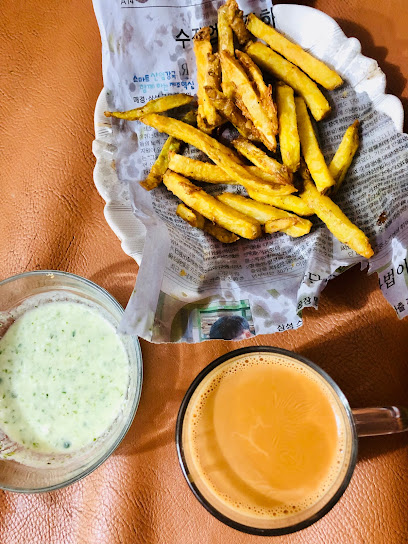
Zaland Khatiz Restaurant /ځلاند ختیځ ریستورانت
69.3 km
Experience authentic Afghan flavors at Zaland Khatiz Restaurant in Mitarlam - a true culinary treasure.
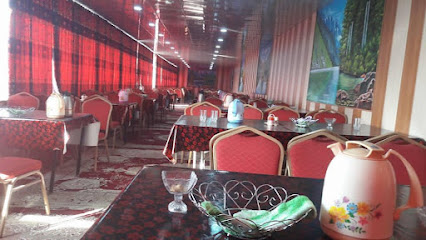
Bilal Momand Restaurant
78.2 km
Experience authentic Afghan flavors at Bilal Momand Restaurant in Darūntah – where tradition meets taste.
behsoodBridge بهسودو پل
79.4 km
Experience authentic Afghan barbecue at Behsood Bridge in Jalalabad—where culinary tradition meets stunning scenery.
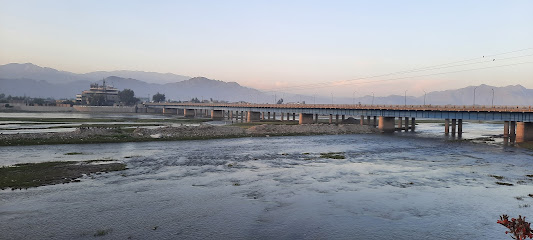
Narange Shinwari restaurant نارنج شینواري ریسټورانټ
79.4 km
Experience the authentic flavors of Afghanistan at Narange Shinwari restaurant in Jalalabad – where tradition meets taste.
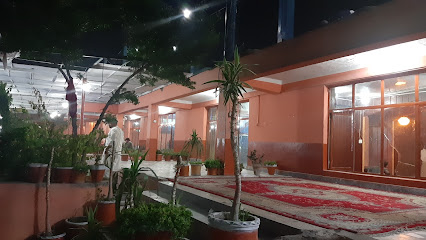
Spinghar restaurant
79.4 km
Discover authentic Afghan flavors at Spinghar Restaurant in Jalalabad, where every dish tells a story.
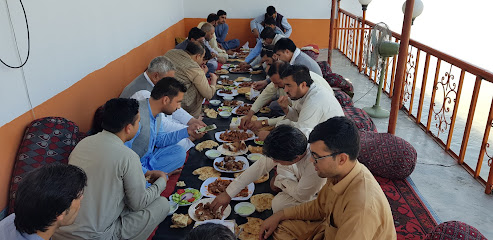
Naseeb Tur Restaurant
80.1 km
Discover the authentic taste of Afghani cuisine at Naseeb Tur Restaurant in Jalalabad—where every meal tells a story.
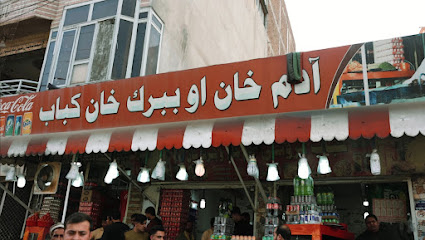
Adam Khan and Babrak Khan Chapli Kabab
80.3 km
Experience authentic Afghan cuisine at Adam Khan and Babrak Khan Chapli Kabab in Jalalabad – home of delicious chapli kebabs.
Baba Wali Hotel بابا ولې هوټل
80.6 km
Discover the heart of Afghan cuisine at Baba Wali Hotel, where every dish tells a story of tradition and flavor.
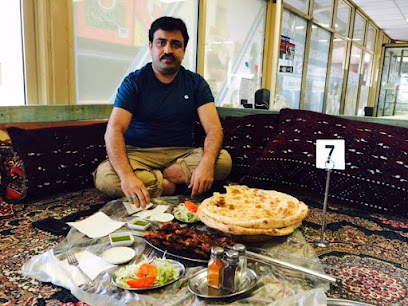
Afghan Hotel & Restaurant (افغان هوټل اؤ رستورانت)
80.6 km
Experience authentic Afghan cuisine at Afghan Hotel & Restaurant in Jalalabad - where every meal tells a story.
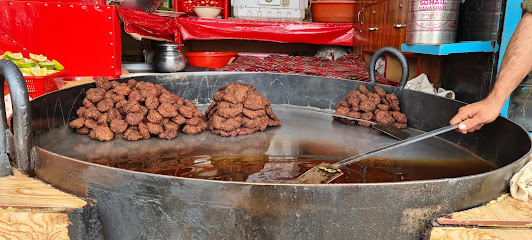
Markets, malls and hidden boutiques

Gujrat
23.0 km
Explore the enchanting world of literature at Gujrat bookstore in Kendar, Afghanistan, a treasure trove of books reflecting local culture.
Arshad arman shop
23.7 km
Explore the vibrant Arshad Arman Shop in Nangalam for authentic Afghan goods and a glimpse into local life.
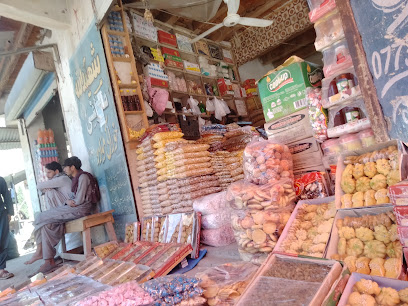
حامد او مبارک د مشروباتو پلورنځی
23.8 km
Experience the heart of Nangalam through local beverages at حامد او مبارک د مشروباتو پلورنځی, a charming stop for every traveler.
Shafiqullah Shop center
24.9 km
Discover unique handcrafted treasures at Shafiqullah Shop Center in Nangalam, a vibrant hub of local culture and artistry.
4VVR+GCH Aranas
25.4 km
Discover the heart of Parun at 4VVR+GCH Aranas Store, where local culture and unique products come together to create an unforgettable shopping experience.
مارکيت زنانه ، شهرداری پارون
28.2 km
Discover the rich culture and craftsmanship at Parun's Women's Market, a vibrant hub of local artisans and traditional Afghan flavors.
Kalagush Super Market
28.2 km
Explore local flavors at Kalagush Super Market in Nurgram, a vibrant grocery store offering fresh produce and Afghan delicacies.
Rub Tawaqal General and Karyana Store
30.3 km
Discover local flavors and daily essentials at Rub Tawaqal General and Karyana Store in Lalamusa, a unique shopping experience in Afghanistan.
عنایت الله
32.1 km
Discover the essence of Afghan culture at the vibrant store of عنایت الله in Samandur, where tradition meets local craftsmanship.
Alhaj Khanzala shop
32.1 km
Discover the essence of Afghan culture at Alhaj Khanzala Shop in Bar Kanday, where local crafts and traditions come alive.
Sajad safi
32.1 km
Explore the vibrant local culture of Bar Kanday at Sajad Safi Grocery Store, where traditional Afghan flavors come to life.
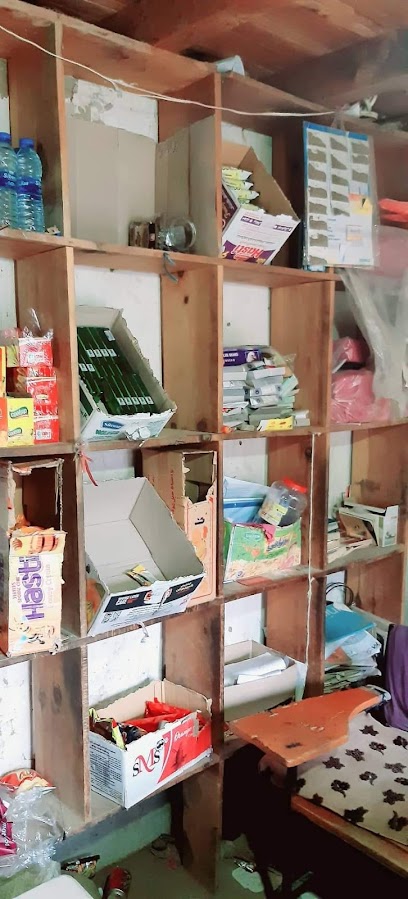
General store
32.4 km
Experience the essence of Afghanistan at the General Store, where local culture and unique products come together.
انجینر امین الله خان دوکان /Shop
32.4 km
Experience the vibrant culture of Afghanistan at انجینر امین الله خان دوکان, a local shop in Dara e offering unique crafts and friendly local interactions.
Parun Walayta
37.9 km
Experience authentic Afghan flavors and immerse yourself in local culture at Parun Walayta, a charming grocery store in Parun.
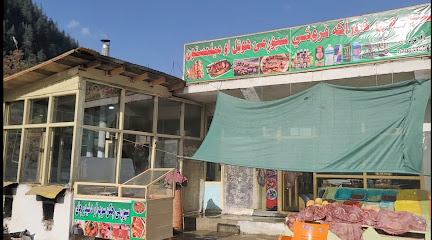
Parun
37.9 km
Experience the unique flavors and culture of Afghanistan at Parun, your go-to grocery store for authentic local products.
Essential bars & hidden hideouts

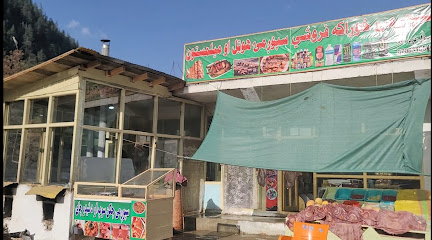
Want wigal
19.2 km
Discover the vibrant local culture at Want Wigal Pub in Marogal Khwar, a perfect spot for drinks, food, and live music.
ارشاد رستورانت
25.0 km
Discover the rich and diverse flavors of Asian cuisine at Ershad Restaurant in Parun, Afghanistan, an essential stop for food enthusiasts.
ارشاد رستورانت
25.0 km
Savor authentic Asian cuisine at Arshad Restaurant, a true culinary delight in the heart of Parun, Afghanistan.
پارون ښاروالۍ ملمستون
25.4 km
Experience the flavors of Afghanistan at Parun City Municipality Restaurant - the perfect spot for authentic local cuisine in a welcoming environment.
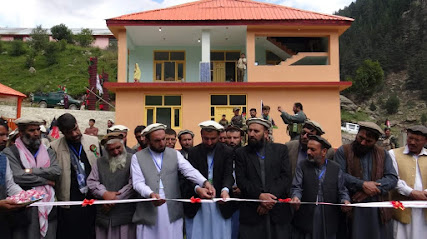
جماميش بزنس سنټر
37.9 km
Discover the authentic taste of Afghanistan at جماميش بزنس سنټر in Parun, where tradition meets flavor in a cozy setting.
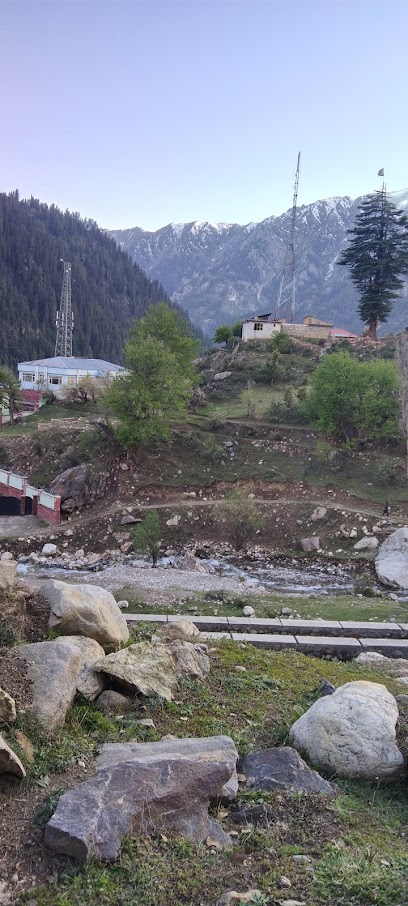
Kachary Khor
45.3 km
Discover the warmth of Afghan hospitality at Kachary Khor, a local bar offering a vibrant atmosphere and authentic drinks in 'Alingar.
safiullah khan
45.8 km
Discover the essence of Afghan cuisine at Safiullah Khan in Alingar, a delightful restaurant offering authentic flavors and warm hospitality.
مومند ژاله فروشی
48.4 km
Experience the authentic flavors of Afghanistan at مومند ژاله فروشی, where every dish tells a story of tradition and taste.
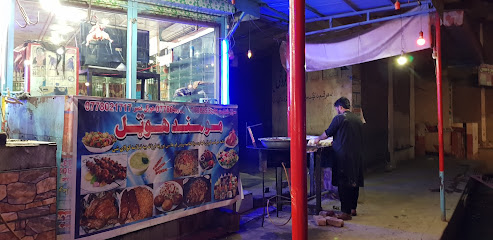
Alkhair Aslami Uonani Dsoakhsna
48.4 km
Experience a delightful array of fresh salads at Alkhair Aslami Uonani Dsoakhsna, a must-visit culinary gem in Asadabad, Afghanistan.
Green Hotel and Restaurant
48.4 km
Experience authentic Afghan flavors at Green Hotel and Restaurant in Asadabad, where local cuisine meets warm hospitality in a cozy setting.
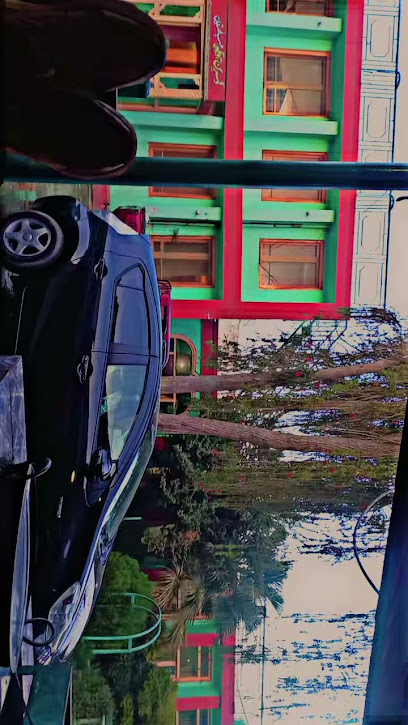
Swatai Barbecue سواتی کباب
48.6 km
Discover the authentic taste of Afghan barbecue at Swatai Barbecue in Asadabad, where every dish tells a story of tradition and flavor.
Sports outlet سپورتي وسایلو پلورنځی
48.7 km
Experience the vibrant sports culture at Sports Outlet in Asadabad, where every game is a celebration and every visitor is treated like family.
Speen Ghar Restaurant(سپین غر ریسټورانټ)
53.5 km
Discover the essence of Afghan cuisine at Speen Ghar Restaurant in Kunar, where every meal is a celebration of flavors and traditions.
Zamindar Restaurant(زمیندار ریسټورانټ)
53.5 km
Experience the essence of Afghan cuisine at Zamindar Restaurant in Kunar, where every dish tells a story of tradition and flavor.
Shokat
55.4 km
Experience the vibrant nightlife of Kuz Kunar at Shokat, where local culture comes alive in a welcoming bar atmosphere.