

Free Kafiristan Travel Guide & Mobile App
Explore Kafiristan with free travel guides. Discover regional history, expert tips, proposed trips, and audio guides on web or mobile app.


Explore Kafiristan through the history, languages and mountain landscapes of Afghanistan’s remote Nuristan region, where travel remains highly restricted.
Read more about Kafiristan
When is the best time to visit Kafiristan?
Best: May, September–October · 22–29°C| Month | High (°C) | Rainfall (mm) |
|---|---|---|
| January | 10 | 31 |
| February | 12 | 29 |
| March | 17 | 32 |
| April | 22 | 36 |
| May (best) | 28 | 30 |
| June | 32 | 21 |
| July | 35 | 15 |
| August | 34 | 17 |
| September (best) | 29 | 19 |
| October (best) | 22 | 25 |
| November | 15 | 32 |
| December | 9 | 34 |
Getting to and around Kafiristan
How to get there
Transportation
Destinations in Kafiristan
Resorts, valleys and scenic spots worth a trip of their own.

Swipe for more destinations
Best attractions in Kafiristan
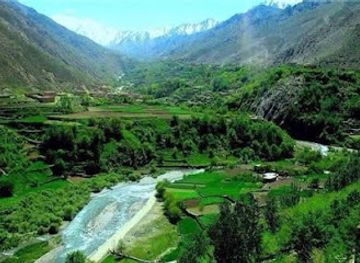
Kafiristan has no established attraction circuit, and contemporary access to its valleys is unsafe and highly restricted. Its principal significance is cultural and historical: the steep valleys of modern Nuristan, including the Parun, Pech, Bashgal and Waigal areas, preserve a landscape in which distinct Nuristani languages, settlement patterns and memories of pre-Islamic traditions developed. Wooden houses, mountain paths, river valleys and locally distinctive village environments are important subjects for researchers, although visits require exceptional permissions and security arrangements. The region’s natural setting includes high Hindu Kush ridges, forested slopes and narrow valleys, but these are not developed for hiking, camping or wildlife tourism. There are no dependable visitor facilities, marked trails or public interpretation centres comparable with those in established destinations. Those seeking to understand the area are better served by academic work on Nuristani languages and religion, museum collections, historical photography and cultural documentation produced with local consent. The Kalasha valleys of Chitral are sometimes discussed alongside Kafiristan in popular writing, but they are in Pakistan and should not be presented as attractions within Afghanistan’s historic region.
-
Nuristan National Park
Discover Afghanistan's hidden gem: Nuristan National Park, a land of dramatic landscapes, rich culture, and unparalleled natural beauty.
-
Shomash Hill
Discover breathtaking views and serene landscapes at Shomash Hill in Nuristan, Afghanistan, a hidden gem for nature lovers and adventure seekers.
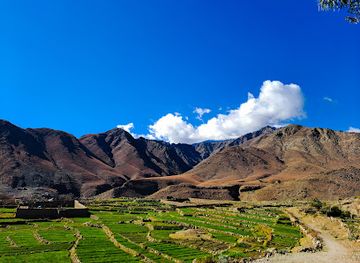

Best landmarks in Kafiristan
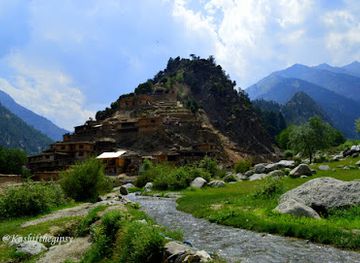
The most important landmarks associated with Kafiristan are geographical and cultural rather than formally developed monuments. The high valleys and ridgelines of modern Nuristan express the region’s defining relationship with the Hindu Kush, while Parun serves as the provincial capital and administrative centre. Traditional settlement forms and timber architecture are historically significant because they reflect adaptation to steep terrain, scarce level ground and long periods of local autonomy, although individual buildings may be altered, damaged or inaccessible. The region’s rivers and mountain passes also function as historical landmarks: routes through the Pech, Bashgal and Waigal valleys shaped contact between communities and neighbouring territories. Older carved objects, ritual structures and descriptions of pre-Islamic sacred places are important to the history of Kafiristan, but many are not preserved as public monuments and their locations should not be sought without expert permission. References to the Kalasha valleys, Chitral or other celebrated Hindu Kush sites concern places outside Afghanistan and should be treated as neighbouring comparative contexts, not Nuristani landmarks.
-
Nature preserve
Nuristan National Park
Discover Afghanistan's hidden gem: Nuristan National Park, a land of dramatic landscapes, rich culture, and unparalleled natural beauty.
-
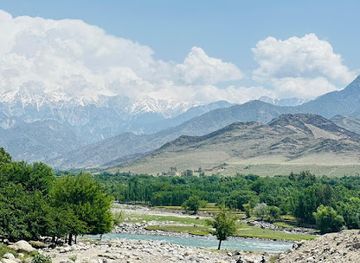
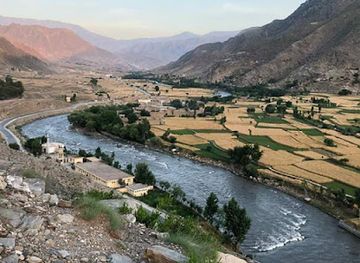
River
Kunar
Explore the Kunar River: A lifeline of Afghanistan, offering stunning landscapes and rich cultural heritage.
-
Ravine
Bumburet
Discover the unique culture and stunning landscapes of Bumburet Valley, the most accessible gateway to the Kalash Valleys in Pakistan.
-
Mountain peak
Mersmel
Discover Mersmel, Afghanistan's majestic mountain peak, offering breathtaking views and thrilling outdoor adventures in a serene natural setting.
Explore Kafiristan on the map
Plan your trip on one map. See where the top cities, national parks and sights are, and book hotels and experiences in a few clicks.
Best hotels in Kafiristan
Best restaurants in Kafiristan
Kafiristan does not possess a tourist restaurant scene. In Nuristan, food is prepared mainly in homes and local communities, with availability shaped by season, harvests, livestock and difficult supply routes rather than by visitor demand. Meals in the wider Afghan context commonly draw on rice, bread, pulses, vegetables, dairy products and meat, but it would be misleading to claim a single standardised “Kafiristani cuisine” or to attribute particular dishes to the historic region without strong evidence. In any authorised field setting, food arrangements would normally need to be organised in advance, with attention to local hospitality customs, religious requirements, supply limitations and safe water. Larger Afghan towns offer a broader choice of cafés and restaurants, but they are outside Kafiristan and should not be confused with facilities in Nuristan. Visitors should not expect cafés, markets, licensed dining, reliable refrigeration or dietary alternatives in remote valleys.
-
Restaurant
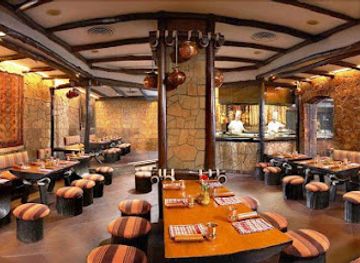
Bukhara Restaurant
Experience authentic Afghan and Indian cuisine at Bukhara Restaurant in Kabul - where every meal tells a story.
-
Restaurant
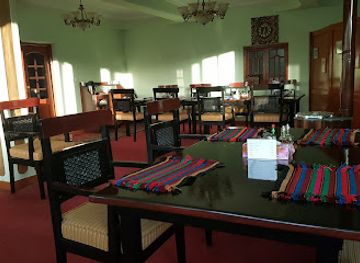
Silk Road Hotel Restaurant
Discover exquisite Asian flavors at Silk Road Hotel Restaurant in Bamyan—where culinary tradition meets breathtaking riverside views.
-
Asian
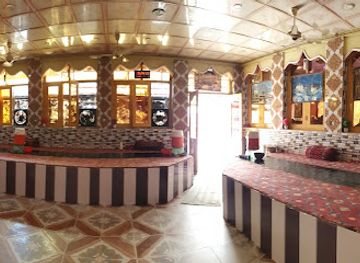
Zeenat Restaurant زینت رستورانت
Discover the rich flavors of Afghanistan at Zeenat Restaurant in Jalalabad – a culinary journey through authentic Asian cuisine.
-
Restaurant
Afghan Hotel & Restaurant (افغان هوټل اؤ رستورانت)
Savor the authentic flavors of Afghanistan at Jalalabad's premier dining destination - Afghan Hotel & Restaurant.
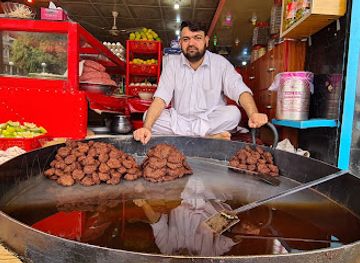
Best bars in Kafiristan
Kafiristan has no conventional nightlife for visitors. As part of Afghanistan, Nuristan is shaped by Islamic social norms, rural settlement patterns and severe security constraints; bars and nightclubs are not a realistic feature of travel there. Evening social life, where conditions permit, is more likely to centre on family homes, community gatherings and conversation rather than commercial entertainment. There are no dependable tourist venues, music circuits or late-night transport arrangements in the province. In larger Afghan cities outside the region, cafés and restaurants may provide limited evening activity, but those urban scenes should not be projected onto Nuristan. Any authorised visitor should plan to remain in secure accommodation after dark and follow local guidance, as movement, communications and security conditions can change rapidly.
-
Bar
حمام حاجي مير احمد
Discover the charm of Afghan culture at حمام حاجي مير احمد, a tranquil bar experience in the heart of Kabul.
-
Sports bar
Rokhan Sport House and Tikwando Club
Discover the energetic pulse of Jalalabad at Rokhan Sport House and Taekwondo Club, where sports and community come together.
-
Habib Gulazar Company
Discover the vibrant Habib Gulazar Company in Jalalabad, where locals and visitors gather to enjoy refreshing drinks and lively conversations.
-
Restaurant
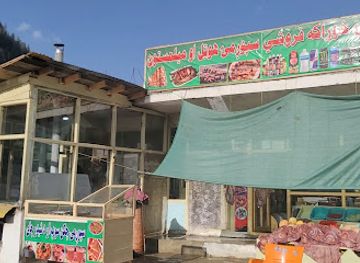
Spogmai Restaurant سپوږمۍ هوټل او مېلمستون
Experience the rich flavors of Afghan cuisine at Spogmai Restaurant, the perfect dining destination in Asadabad for tourists and locals alike.
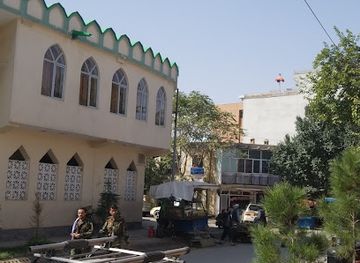
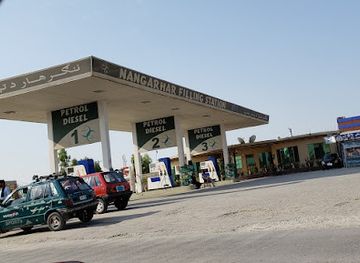
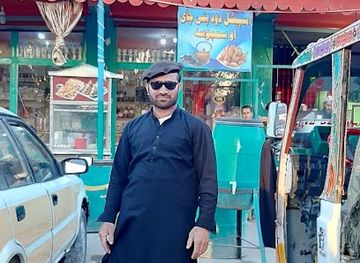
Best nightclubs in Kafiristan
Kafiristan has no conventional nightlife for visitors. As part of Afghanistan, Nuristan is shaped by Islamic social norms, rural settlement patterns and severe security constraints; bars and nightclubs are not a realistic feature of travel there. Evening social life, where conditions permit, is more likely to centre on family homes, community gatherings and conversation rather than commercial entertainment. There are no dependable tourist venues, music circuits or late-night transport arrangements in the province. In larger Afghan cities outside the region, cafés and restaurants may provide limited evening activity, but those urban scenes should not be projected onto Nuristan. Any authorised visitor should plan to remain in secure accommodation after dark and follow local guidance, as movement, communications and security conditions can change rapidly.
-
Sports bar
Rokhan Sport House and Tikwando Club
Discover the vibrant sports culture at Rokhan Sport House and Taekwondo Club in Jalalabad, where fitness meets community spirit.
-
Night club
Ziarat
Discover the vibrant nightlife of Ziarat, a premier night club in Pitav, Afghanistan, offering lively music, dance, and memorable experiences.
-
Night club
کمیته مردمی کمیسیون برگزاری جشن استقلال
Discover Kabul's nightlife at کمیته مردمی کمیسیون برگزاری جشن استقلال, where music and dance unite in a vibrant social hub.

Best shops in Kafiristan
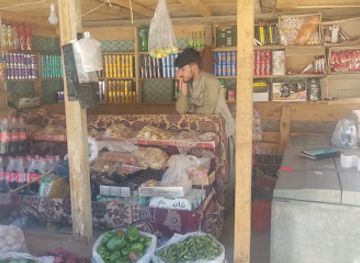
Kafiristan is not a shopping destination and has no established visitor retail infrastructure. In Nuristan, shops and markets are primarily concerned with everyday necessities, and supply can be irregular because roads and communications are difficult. Visitors should not expect craft quarters, galleries, reliable souvenir outlets or formal produce markets. Traditional wooden objects, textiles and household items may appear in historical or ethnographic collections, but removing antiquities or culturally significant material from Afghanistan is illegal or ethically unacceptable and can contribute to heritage loss. Any purchase of locally made goods would require permission, fair dealing and careful attention to cultural sensitivities. For books, research materials and Afghan handicrafts, larger cities outside the region provide more practical options, although availability and export rules can change. Kafiristan’s most appropriate “souvenirs” are therefore responsibly obtained publications and photographs made with consent, rather than objects taken from remote communities or archaeological contexts.
-
Grocery store
Mohammad grocery shop
Discover local flavors and authentic Afghan culture at Mohammad Grocery Shop in Watapur, where every visit is a taste of community spirit.
-
 Store
Storeshahid shaheen stor shop
Discover authentic Afghan crafts and local goods at Shahid Shaheen Store in Naray, the perfect stop for unique souvenirs.
-
Store
PHLAWAN1 SHOP
Discover the essence of Asadabad at PHLWAN1 Shop, where local treasures and authentic craftsmanship await every traveler.
-
Grocery store
Parun Walayta
Explore the essence of Afghan culture at Parun Walayta, a vibrant grocery store offering fresh local produce and a taste of daily life.
Get your free copy of our complete guide to Kafiristan, delivered straight to you.
Everything on this page, from attractions and restaurants to essentials and local phrases, in one PDF you can read offline, print or share.
Already have an account? Sign in
Your Kafiristan guide is ready.
We'll send it to · Not you? Sign out

Getting your guide ready…
We are putting together a fresh copy of the Kafiristan guide. This can take up to a minute.
This can take a few moments. If your browser asks, choose Allow so the download can start. You'll find the guide in your Downloads folder.
Nothing happened? Download it again
Sorry, the guide is taking longer than usual. Please try again in a minute, or get it by email instead.
Kafiristan essentials
Currency and Payment
Safety
Emergency Situations
Do's and Don'ts
Local Tips
From Eve
Local phrases worth knowing
You don't need to get them perfect. A few words go a long way, and locals appreciate the effort.
Basics
| English | Local | Say it |
|---|---|---|
| Hello | سلام | [Salam] |
| Goodbye | خداحافظ | [Khuda hafiz] |
| Yes | بله | [Baleh] |
| No | نه | [Na] |
| Please/You're welcome | لطفاً / خوش آمدید | [Lotfan / Khush amadid] |
| Thank you | تشکر | [Tashakur] |
| Excuse me/Sorry | ببخشید | [Bebakhshid] |
| How are you? | چطور هستید؟ | [Chetor hastid?] |
| Fine. And you? | خوبم. و شما؟ | [Khobam. Va shoma?] |
| Do you speak English? | آیا شما انگلیسی صحبت می کنید؟ | [Aya shoma Engilisi sohbat mikonid?] |
| I don't understand | من نمی فهمم | [Man nemifahmam] |
Eating & Drinking
| English | Local | Say it |
|---|---|---|
| I'd like to see the menu, please | لطفاً منوی را ببینم | [Lotfan menu ra bebinam] |
| I don't eat meat | من گوشت نمی خورم | [Man gusht nemikhoram] |
| Cheers! | به سلامتی! | [Be salamat!] |
| I would like to pay, please | لطفاً می خواهم پرداخت کنم | [Lotfan mikhahum pardakht konam] |
Emergencies
| English | Local | Say it |
|---|---|---|
| Help! | کمک! | [Komak!] |
| Go away! | برو برو! | [Boro boro!] |
| Call the Police! | پلیس را صدا کنید! | [Polis ra seda konid!] |
| Call a doctor! | دکتر را صدا کنید! | [Doktor ra seda konid!] |
| I'm lost | من گم شده ام | [Man gom shode am] |
| I'm ill | من مریض هستم | [Man mariz hastam] |
Shopping
| English | Local | Say it |
|---|---|---|
| I'd like to buy... | می خواهم بخرم... | [Mikhaham bekharam...] |
| I'm just looking | فقط دارم نگاه می کنم | [Faghat daram negah mikonam] |
| How much is it? | قیمتش چقدر است؟ | [Gheymatesh chandeh ast?] |
| That's too expensive | این خیلی گران است | [In kheili gheran ast] |
| Can you lower the price? | آیا می توانید قیمت را پایین بیاورید؟ | [Aya mitavanid gheymat ra payin biavarid?] |
Time & Numbers
| English | Local | Say it |
|---|---|---|
| What time is it? | ساعت چند است؟ | [Sa'at chand ast?] |
| It's one o'clock | ساعت یک است | [Sa'at yek ast] |
| Half past (10) | نیم ساعت (۱۰) | [Nim sa'at (10)] |
| Morning | صبح | [Sob] |
| Afternoon | بعد از ظهر | [Bad az zuhr] |
| Evening | عصر | [Asr] |
| Yesterday | دیروز | [Dirooz] |
| Today | امروز | [Emruz] |
| Tomorrow | فردا | [Farda] |
| 1 | یک | [Yek] |
| 2 | دو | [Do] |
| 3 | سه | [Se] |
| 4 | چهار | [Chahar] |
| 5 | پنج | [Panj] |
| 6 | شش | [Shesh] |
| 7 | هفت | [Haft] |
| 8 | هشت | [Hasht] |
| 9 | نه | [No] |
| 10 | ده | [Dah] |
Transport & Directions
| English | Local | Say it |
|---|---|---|
| Where's a/the...? | کجاست ...؟ | [Kojast ...?] |
| What's the address? | آدرس چیست؟ | [Address chist?] |
| Can you show me (on the map)? | آیا می توانید به من نشان دهید (در نقشه)؟ | [Aya mitavanid be man neshan dahid (dar naqsha)?] |
| When's the next (bus)? | کی اتوبوس بعدی است؟ | [Ki otobus ba'di ast?] |
| A ticket (to ....) | یک بلیط (به ....) | [Yek belit (be ....)] |
History of Kafiristan
Ancient Hindu Kush Communities
The valleys later known as Kafiristan were inhabited by highland communities whose languages and religious traditions differed from those of many surrounding Muslim populations. Their precise ancient origins remain debated, and claims that they were simply descendants of a single classical army or civilisation are not securely established. Archaeological evidence in the wider Hindu Kush indicates long periods of movement, exchange and cultural contact, while the mountains also allowed local customs to endure. The region’s history is therefore best approached through linguistics, oral traditions, material culture and cautious comparison with neighbouring areas.
Pre-Islamic Religious Traditions
Before the late nineteenth century, communities in Kafiristan followed varied local religions involving deities, sacred places, ritual specialists, seasonal ceremonies and distinctive forms of social organisation. Practices differed between valleys rather than forming a single uniform system. Wooden carvings, shrines, ceremonial buildings and oral traditions were recorded by visitors, although much of this material was collected after outside contact and may reflect interpretation as well as observation. These traditions are historically significant because they preserve evidence of religious and cultural patterns that had disappeared from much of the surrounding region.
Mountain Trade and Relations with Neighbours
Kafiristan was never completely isolated. Paths through the Hindu Kush connected its valleys, albeit with difficulty, to Nuristan’s neighbouring regions, the Kunar basin, Badakhshan and Chitral. Trade, livestock movement, raiding, marriage alliances and political rivalry linked local communities with larger powers. The terrain limited central control, and authority was often distributed among settlements, elders and influential families. Accounts from neighbouring Muslim polities frequently described the inhabitants through religious labels, making the historical record valuable but also partial and politically charged.
The Conquest and Forced Conversion, 1895–1896
Amir Abdur Rahman Khan incorporated Kafiristan into the Afghan state in a campaign generally dated to 1895–96. The conquest brought military occupation, destruction and the forced conversion of much of the population to Islam. The region was renamed Nuristan, and administrative as well as religious institutions were established to consolidate Afghan authority. This was a decisive transformation: it ended the political independence of the valley communities and altered their religious landscape, while many local languages, social distinctions and architectural traditions continued in modified form.
Nuristan under the Afghan State
During the twentieth century, Nuristan remained remote from Afghanistan’s main urban and agricultural centres. Government administration expanded unevenly, while roads, schools and state services reached some valleys only slowly. The region’s difficult terrain and distinct languages contributed to its separate identity within Afghanistan. During the later twentieth-century wars, Nuristan experienced fighting, displacement and the growth of armed political movements, further limiting development and outside access. Parun became the provincial capital, but the province remained among Afghanistan’s most geographically isolated areas.
Conflict and Contemporary Isolation
Since the late twentieth century, Nuristan has repeatedly been affected by the Soviet–Afghan war, civil conflict, Taliban expansion, international military operations and subsequent political change. Security conditions have varied between valleys but have consistently restricted normal tourism and complicated humanitarian work. Roads, communications and public services remain fragile, and the presence of armed groups and unexploded ordnance creates serious risks. Contemporary Kafiristan is consequently a subject of cultural and historical study rather than an established visitor circuit.
Kafiristan in Photos
Browse through our photo collection highlighting the charm and character of the destination.
Neighbouring regions of Kafiristan
The closest regions to Kafiristan, if you have time for more than one.
-

-

-

-

-


Swipe for more regions
Explore more

Explore more of Afghanistan
Discover Afghanistan's rich history, stunning landscapes, and diverse cultures. From ancient cities to breathtaking nature, this Central Asian gem offers a unique travel experience.
Explore Afghanistan