Kunar, Nuristan Travel Guide
Explore the Kunar River: A lifeline of eastern Afghanistan, offering stunning scenery and cultural immersion in a rugged landscape.
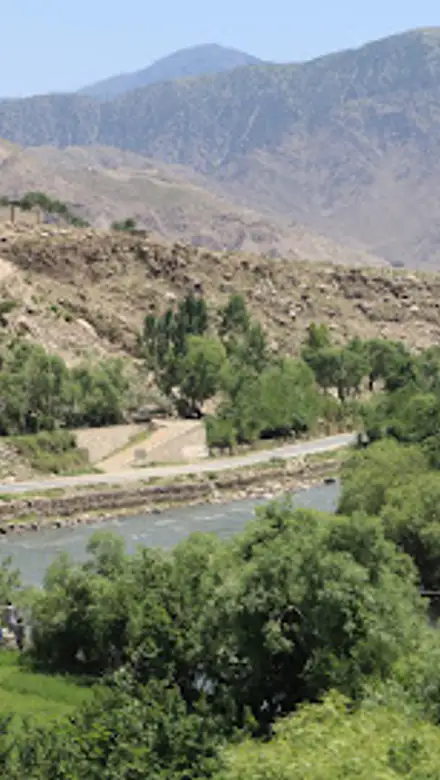
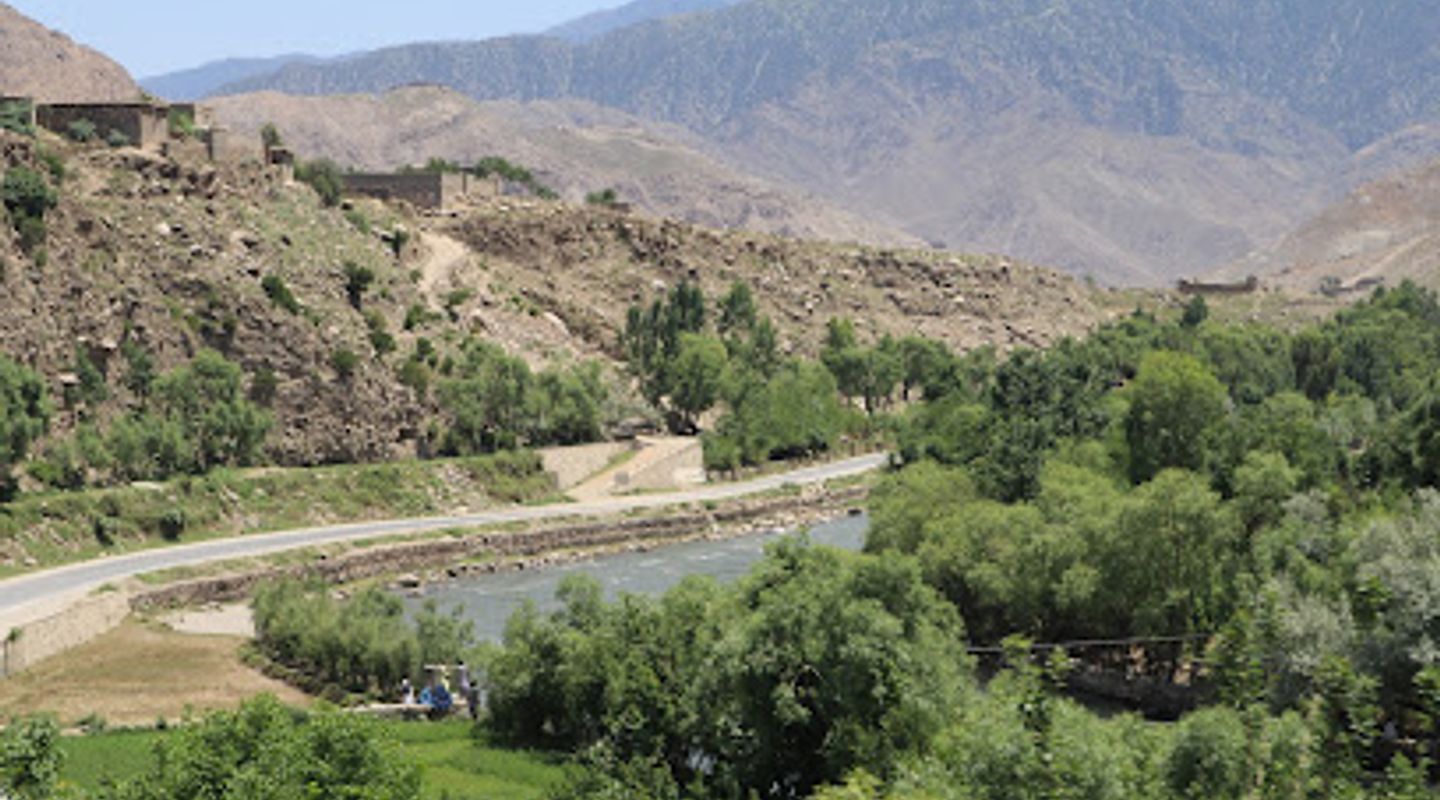
The Kunar River, a 480-kilometer waterway, is a vital geographical and cultural landmark in eastern Afghanistan [8]. Originating in the Hindu Kush mountains, it flows through Kunar Province, merging with the Kabul River near Jalalabad before eventually joining the Indus River [3, 8]. The river sustains life and traditions along its banks, offering stunning landscapes and a glimpse into Afghan culture [3, 8].
A brief summary to Kunar

Know before you go
Hi, I'm Eve. Here are a few practical things to know before exploring Kunar.
- Visit during the spring or early summer for mild weather and vibrant scenery [3, 6].
- Engage with local guides to learn about the cultural significance and history of the Kunar River [3].
- Pack essentials like water, snacks, and sunscreen, as amenities may be limited in rural areas [3].
- Respect local customs and traditions, dressing modestly and being mindful of surroundings [3].
- Bring a camera to capture the stunning landscapes and unique flora along the riverbanks [3].
Do you manage this location?
Take control to get all the benefits, like improved information, better appearance, and stronger visibility across AI-powered discovery. Learn more about listing your business on Evendo
Activate your presenceOther nearby places you may find interesting
The closest places of the same kind, if this one is not quite what you had in mind.
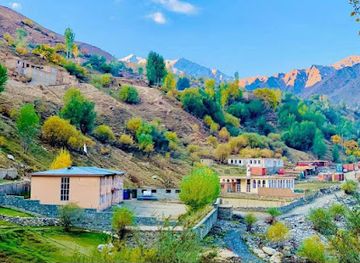

Explore Kunar on the Map
A handpicked selection of must-see spots near Kunar, mapped for you.
Getting There
-
Driving
The most practical way to reach specific points along the Kunar River is generally by driving from Asadabad, the capital of Kunar Province [3]. Roads follow the river valley, but conditions can vary significantly, with many being unpaved and potentially hazardous, especially during winter or periods of heavy rain [3]. It's essential to hire a local driver familiar with the terrain and road conditions [3]. Due to security concerns and the underdeveloped nature of the region, travel with a trusted local guide is highly recommended [3]. There are no tolls [3].
-
Public Transport
Local minibuses or shared taxis are available between major towns and villages in the Kunar Valley [3]. These are an affordable option but can be crowded and unreliable [3]. From Asadabad, you can find minibuses heading to various districts along the river [3]. Fares are typically low, ranging from 50-150 AFN per person, depending on the distance [3]. Be prepared for a potentially bumpy and slow journey [3]. Check local transport hubs for the latest schedules and availability [3].
Discover more about Kunar













Your all‑in‑one travel companion app
Explore expert travel guides, compare and book tours, experiences, hotels, and more—all from the palm of your hand. Download now for seamless trip planning wherever your wanderlust takes you.


Explore More of Nuristan
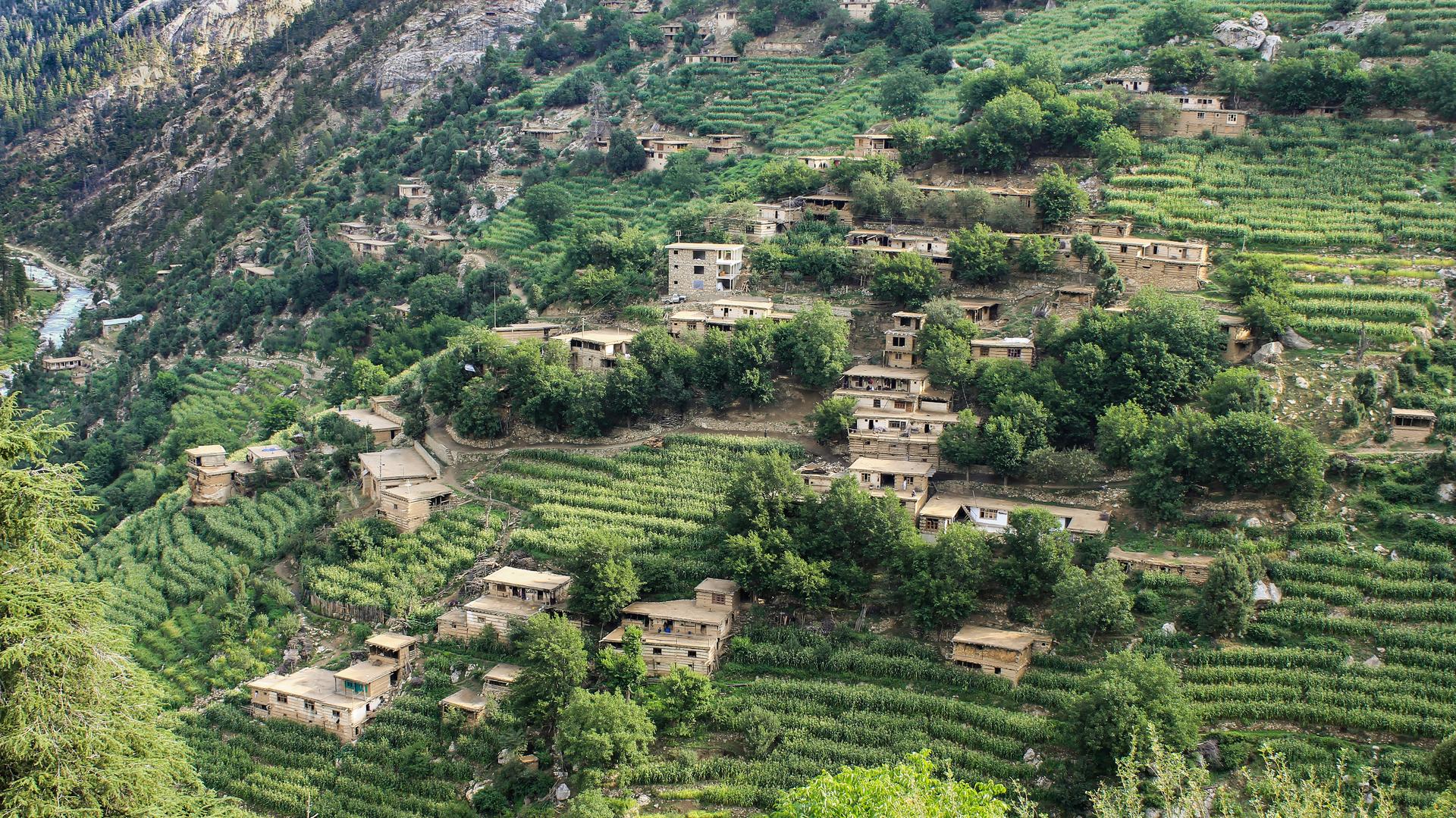
Looking beyond Kunar? Discover Nuristan for broader travel guides, local hot-spots, and regional highlights.
Explore Nuristan
Discover the serene beauty of Chitrāl at Governer Cottage, a tranquil hotel surrounded by breathtaking mountains and lush landscapes, ideal for relaxing getaways.

Visit the Site of the Battle of Kamdesh in Nuristan, Afghanistan, to witness history amidst stunning landscapes, a testament to courage and sacrifice.