Kabul Zoo, Logar Travel Guide
Discover Afghan wildlife and resilience at Kabul Zoo, a historic sanctuary in the heart of the capital city.
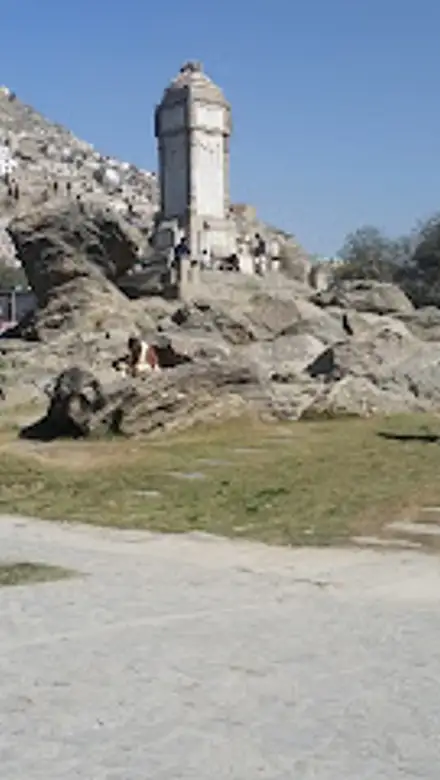
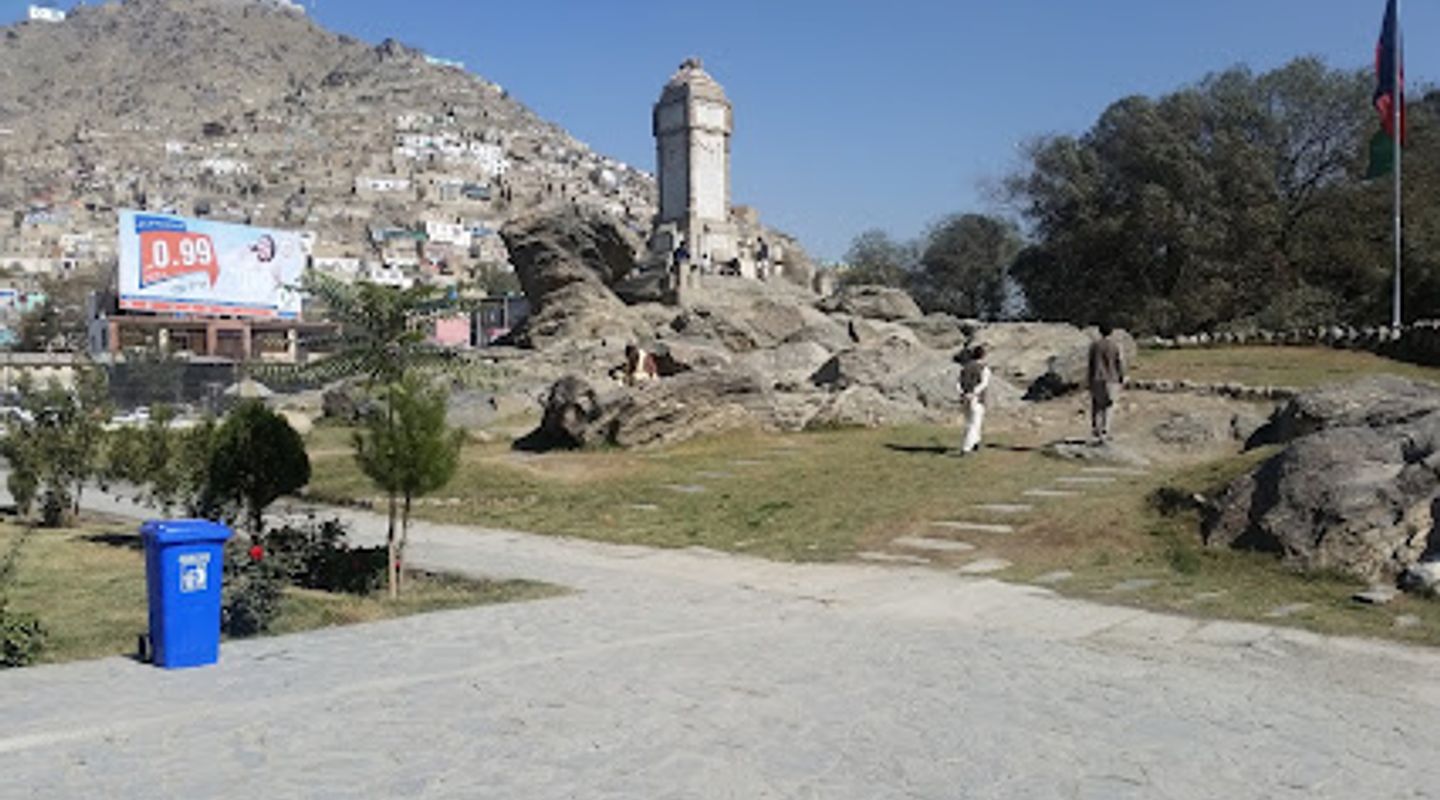
Kabul Zoo, established in 1967, has been a popular attraction for locals and tourists, offering a connection with nature amidst the bustling city [3, 4]. Despite facing immense challenges during the civil war, it has been rehabilitated and continues to provide a recreational and educational resource for the people of Kabul [4, 10, 18].
A brief summary to Kabul Zoo
- G553+VWJ, Asmayi Rd, Kabul, AF
- Click to display
- Click to display
- Monday 8 am-4:30 pm
- Tuesday 8 am-4:30 pm
- Wednesday 8 am-4:30 pm
- Thursday 8 am-4:30 pm
- Friday 8 am-4:30 pm
- Saturday 8 am-4:30 pm
- Sunday 8 am-4:30 pm

Know before you go
Hi, I'm Eve. Here are a few practical things to know before exploring Kabul Zoo.
- Check the latest opening hours and security situation before planning your visit, as they may vary [22].
- Dress modestly in respect of local culture and wear comfortable walking shoes [22].
- Carry local currency (Afghan Afghani) to cover entrance fees and other expenses [23].
Do you manage this location?
Take control to get all the benefits, like improved information, better appearance, and stronger visibility across AI-powered discovery. Learn more about listing your business on Evendo
Activate your presenceOther nearby places you may find interesting
The closest places of the same kind, if this one is not quite what you had in mind.
Explore Kabul Zoo on the Map
A handpicked selection of must-see spots near Kabul Zoo, mapped for you.
Getting There
-
Taxi
Taxis are a common mode of transport in Kabul [6, 7, 14]. From a central location like the Kabul Serena Hotel, a taxi to Kabul Zoo will cost approximately 150-250 AFN, depending on traffic and negotiation [6, 8, 15]. Ensure to agree on the fare before starting your journey. The ride takes about 15-20 minutes, depending on traffic conditions [16, 20].
-
Public Transport
While Kabul has a public bus system, it may not be the most convenient option for tourists due to limited routes and potential delays [7, 14, 17]. However, if you choose this option, the fare is around 10-20 AFN [20]. Check local bus routes for the most up-to-date information. From a major transport hub, board a Millie Bus, and expect a journey of approximately 30-45 minutes to reach the zoo [7].
-
Walking
If you are already near the Deh Mazang Circle or City Park, walking to Kabul Zoo is a viable option. Follow Asmayi Road to reach the zoo's entrance [3]. Be aware of your surroundings and local traffic conditions. No costs are involved.
Discover more about Kabul Zoo













Your all‑in‑one travel companion app
Explore expert travel guides, compare and book tours, experiences, hotels, and more—all from the palm of your hand. Download now for seamless trip planning wherever your wanderlust takes you.


Explore More of Logar

Looking beyond Kabul Zoo? Discover Logar for broader travel guides, local hot-spots, and regional highlights.
Explore Logar