

Logar, Afghanistan Travel Guide
Discover Logar: An enchanting blend of ancient history and natural splendor in Afghanistan's eastern heartland.
Logar, a province in eastern Afghanistan, is a treasure trove of history and natural beauty. The region is known for its lush valleys, rugged mountains, and ancient archaeological sites. It offers a unique blend of cultural heritage and scenic landscapes, making it a must-visit for adventurous travelers. One of the highlights of Logar is the Mes Aynak site, an ancient Buddhist city that dates back over 2,000 years. The site is not only an archaeological wonder but also a testament to the region's rich history. Visitors can explore the ancient monasteries, stupas, and artifacts that tell the story of a bygone era. For nature enthusiasts, Logar's picturesque landscapes offer ample opportunities for hiking, trekking, and experiencing the great outdoors. The province's green valleys and clear rivers provide a serene escape from the hustle and bustle of city life. The local hospitality and traditional Afghan villages add to the charm, offering a glimpse into the daily lives of the people who call Logar home.

Know before you go
Hi, I'm Eve. Here are a few practical things to know before exploring Logar.
- Visit Mes Aynak early in the morning to avoid the heat and have the site mostly to yourself.
- Dress modestly and respect local customs to ensure a warm welcome from the local communities.
- Hire a local guide to gain deeper insights into the historical and cultural significance of the sites.
- Carry sufficient water and snacks, as amenities can be sparse in more remote areas.
- Check travel advisories and ensure you have the necessary permits for certain areas.
Top City Travel Guides in Logar
The cities of Logar, and the easiest places to base yourself.

Explore Logar: Things to Do, Places to Eat, Hotels & More
Handpicked recommendations for top attractions, local dining, accommodations, and more

Top Attractions & Sightseeing in Logar
Top-rated picks
Best Attractions

Azra Logar
Explore Afghanistan's cultural heritage at the Azra Logar Museum in Kabul, showcasing artifacts and art that narrate the nation's vibrant history.

Waghjan Mosque دواغجان جومات
Discover the spiritual heart of Dewalak at Waghjan Mosque, showcasing Afghan culture, community, and local traditions in a serene sanctuary.

Best landmarks in Logar
Top-rated picks
Best Landmarks

Herat Central Blue Mosque
Discover the mesmerizing Herat Central Blue Mosque, a masterpiece of Islamic architecture with stunning blue tilework and rich history.

Babur Garden
Discover Kabul's Mughal heritage at Babur's Garden, a peaceful terraced oasis and the final resting place of Emperor Babur.

Band-e-Amir National Park
Discover Afghanistan's hidden gem: Band-e-Amir National Park, a stunning landscape of turquoise lakes and dramatic canyons.
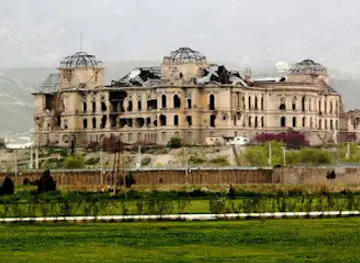
DarulAman Palace
Explore the majestic Darul Aman Palace in Kabul, a symbol of Afghanistan's resilience and a testament to its rich, turbulent history.

Best restaurants in Logar
Top-rated picks
Best Restaurants

Istanbul Family Restaurant & Cafe
Discover authentic Turkish and Afghan cuisine at Istanbul Family Restaurant & Cafe in Kabul - where flavors meet tradition.

Qasr Suliman Restaurant
Experience authentic Afghan flavors at Qasr Suliman Restaurant in Kabul - where tradition meets taste.
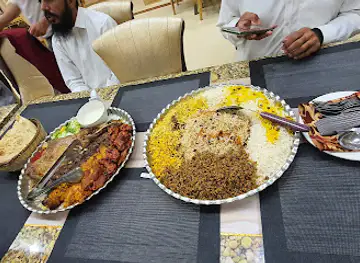
رستورانت قصر سليمان - Sulaiman's Palace Restaurant
Experience authentic Afghan flavors at Sulaiman's Palace Restaurant in Kabul—where culinary tradition meets warm hospitality.

Sufi Mahal Restaurant ( رستورانت صوفی محل )
Experience authentic Afghan cuisine at Sufi Mahal Restaurant in Kabul – where every dish tells a story.

Best bars in Logar
Top-rated picks
Best Bars

حمام حاجي مير احمد
Experience relaxation and Afghan culture at Hamam Hajji Mir Ahmad, a traditional bathhouse in Kabul offering an authentic and rejuvenating escape.

Pol E Campany
Experience Kabul's nightlife at Pol E Campany, where great drinks meet a welcoming atmosphere in the heart of Dasht-e-Barchi.

Qaharamanan Complex
Experience the vibrant bar culture at Qaharamanan Complex, where Afghan hospitality meets a unique local atmosphere in the heart of Kabul.

Alfalah Restaurant
Experience the flavors of Afghanistan at Alfalah Restaurant, a gem in Pol-e Alam serving authentic dishes in a warm, inviting atmosphere.

Best nightclubs in Logar
Top-rated picks
Best Nightclubs

حمام حاجي مير احمد
Discover the unique charm of حمام حاجي مير أحمد in Kabul, a serene bar offering a blend of Afghan culture and relaxation.

Pol E Campany
Pol E Campany - Experience Afghan hospitality in a cozy bar, serving a variety of drinks in the heart of Kabul.

Refuel Juice Bar
Discover the vibrant atmosphere of Refuel Juice Bar in Kabul, where fresh juices meet local culture in a lively and refreshing setting.

کاکا وحيد برګر پواينټ
Discover Kabul's vibrant dining scene at Kaka Wahid Burger Point, where delicious burgers and local hospitality await.

Best shops in Logar
Top-rated picks
Best Shops

Afghan Mart-Afghanistan's Online Shopping فروشگاه افغان مارت
Explore Afghan Mart in Kabul for an unforgettable shopping experience, blending local craftsmanship with international styles in a vibrant atmosphere.

Logar Shop
Explore the taste of Afghanistan at Logar Shop, a delightful grocery store offering local produce and unique regional specialties.

Zadran shop
Discover authentic Afghan flavors and local crafts at Zadran Shop in Zaydabad, a must-visit grocery store for tourists seeking cultural immersion.

د حاجي سید امير لوګري پلاز اHaji Said Amir Logari Plaza
Immerse yourself in Afghan culture at Haji Said Amir Logari Plaza – a vibrant market offering unique crafts, delicious food, and local charm.

Explore Logar on the Map
A handpicked selection of must-see spots in Logar, mapped for you.
Logar Essentials
-
Logar is located in eastern Afghanistan, approximately 60 kilometers south of Kabul. The nearest international airport is Hamid Karzai International Airport in Kabul. From Kabul, you can take a taxi or arrange for a private car to travel to Logar. The journey typically takes around 1.5 to 2 hours by road, depending on traffic and security conditions. It is advisable to check the security situation before traveling, as the region can be volatile.
-
Transportation options within Logar are limited. Most travelers rely on private cars or taxis for getting around. Public buses are available but can be infrequent and crowded. For greater flexibility and safety, renting a car with a local driver is recommended. Ensure that your driver is familiar with the local routes and security checkpoints.
-
The official currency in Afghanistan is the Afghan Afghani (AFN). Credit cards are rarely accepted outside major hotels and some restaurants in Kabul, so it is essential to carry cash. ATMs are scarce in Logar, so it is advisable to withdraw sufficient cash in Kabul before traveling. Ensure you have small denominations, as larger bills can be difficult to break in rural areas.
-
Safety is a significant concern in Logar due to ongoing conflict and instability. It is crucial to stay updated on the current security situation and follow advice from local authorities and your embassy. Avoid traveling alone, especially after dark, and do not venture into areas known for high crime rates or insurgent activity. Always have a local guide or trusted local contact.
-
In case of emergency, dial 119 for police assistance. The local hospital in Pul-e-Alam, the provincial capital, can provide basic medical care. However, for serious medical issues, it is recommended to evacuate to Kabul, where better medical facilities are available. Ensure you have comprehensive travel insurance that includes coverage for medical evacuation.
-
Fashion: Do dress modestly. Men should avoid shorts, and women should cover their heads with a scarf and wear long sleeves and long skirts or trousers. Avoid wearing flashy jewelry or expensive accessories. Religion: Do respect local customs and religious practices. Always remove your shoes before entering a mosque and avoid taking photos inside. Public Transport: Do be mindful of local customs and gender segregation in public transport. Women should sit in designated areas if available. Greetings: Do greet people with a handshake if offered, but note that some may prefer not to shake hands with the opposite gender. A simple verbal greeting is often sufficient. Eating & Drinking: Do try local Afghan cuisine and accept food and drink offerings graciously. Don't eat with your left hand, as it is considered impolite.
-
To experience Logar like a local, visit the local bazaars where you can buy traditional Afghan goods and interact with local vendors. Engage with locals to learn about their daily lives and traditions. For a unique experience, explore the historical sites such as the Mes Aynak archaeological site, which has remnants from the Bronze Age and Buddhist period. Always travel with a local guide for a more insightful and safe experience.
When is the best time to visit Logar?
Useful Local Phrases for Logar
You don't need to speak the language perfectly. Even learning a few simple words can make conversations warmer—and locals usually appreciate the effort.
— Eve

Here are the phrases I use most often in Logar. Try a few—you'll be surprised how far they go! 😊
❤️
-
- Helloسلام
[Salam] - Goodbyeخدا حافظ
[Khuda Hafiz] - Yesبله
[Bale] - Noنه
[Na] - Please/You're welcomeلطفاً/خوش آمدید
[Lotfan/Khosh Amadid] - Thank youتشکر
[Tashakor] - Excuse me/Sorryببخشید
[Bebakhshid] - How are you?چطور هستید؟
[Chetor Hastid?] - Fine. And you?خوب هستم. شما چطورید؟
[Khob Hastam. Shoma Chetorid?] - Do you speak English?آیا انگلیسی صحبت میکنید؟
[Aya Englisi Sokhat Mikonid?] - I don't understandمن نمیفهمم
[Man Nemi-Fahmam]
- Helloسلام
-
- I'd like to see the menu, pleaseلطفاً منوی غذا را ببینم
[Lotfan Menuye Ghaza Ra Bbinam] - I don't eat meatمن گوشت نمیخورم
[Man Gusht Nemi-Khoram] - Cheers!به سلامتی!
[Be Salamati!] - I would like to pay, pleaseلطفاً میخواهم پرداخت کنم
[Lotfan Mikham Pardakht Konam]
- I'd like to see the menu, pleaseلطفاً منوی غذا را ببینم
-
- Help!کمک!
[Komak!] - Go away!برو برو!
[Boro Boro!] - Call the Police!پلیس را صدا کنید!
[Police Ra Seda Konid!] - Call a doctor!یک دکتر را صدا کنید!
[Yek Doctor Ra Seda Konid!] - I'm lostمن گم شدهام
[Man Gom Shode-Am] - I'm illمن بیمار هستم
[Man Bimar Hastam]
- Help!کمک!
-
- I'd like to buy...میخواهم بخرم...
[Mikham Bekharam...] - I'm just lookingفقط دارم نگاه میکنم
[Faghat Daram Negah Mikonam] - How much is it?این چقدر است؟
[In Chaqadr Ast?] - That's too expensiveاین خیلی گران است
[In Kheili Giran Ast] - Can you lower the price?آیا میتوانید قیمت را پایین بیاورید؟
[Aya Mitavanid Gheimat Ra Pain Biavarid?]
- I'd like to buy...میخواهم بخرم...
-
- What time is it?ساعت چند است؟
[Saat Chand Ast?] - It's one o'clockساعت یک است
[Saat Yak Ast] - Half past (10)نصف ساعت (۱۰)
[Nisf Saat (10)] - Morningصبح
[Sob] - Afternoonبعد از ظهر
[Bad Az Zohr] - Eveningعصر
[Asr] - Yesterdayدیروز
[Diruz] - Todayامروز
[Emruz] - Tomorrowفردا
[Farda] - 1یک
[Yak] - 2دو
[Do] - 3سه
[Se] - 4چهار
[Chahar] - 5پنج
[Panj] - 6شش
[Shash] - 7هفت
[Haft] - 8هشت
[Hasht] - 9نه
[Na] - 10ده
[Dah]
- What time is it?ساعت چند است؟
-
- Where's a/the...?کجا ... است؟
[Koja ... Ast?] - What's the address?آدرس چیست؟
[Address Chist?] - Can you show me (on the map)?میتوانید به من نشان دهید؟
[Mitavanid Be Man Neshan Dahi?] - When's the next (bus)?بعدی (اتوبوس) کی میآید؟
[Badi (Otobus) Ki Miaiyad?] - A ticket (to ....)یک بلیط (به ...)
[Yak Belit (Be ...)]
- Where's a/the...?کجا ... است؟
History of Logar
-
Logar's history dates back to the ancient Aryan tribes who settled in the region during the second millennium BCE. These early inhabitants contributed to the rich tapestry of culture and tradition that characterizes Logar today. Their legacy is evident in the archaeological sites scattered throughout the province.
-
During the first few centuries CE, Logar was part of the Kushan Empire, a powerful Buddhist state that played a crucial role in spreading Buddhism across Central Asia. The remnants of Buddhist stupas and monasteries in the region are a testament to this era of spiritual and cultural flourishing.
-
In the 10th century, Logar came under the control of the Ghaznavid Empire following the Islamic conquest of Afghanistan. The Ghaznavids, known for their patronage of the arts and architecture, left a lasting impact on the region. Numerous Islamic architectural sites can still be found in Logar, reflecting the rich cultural heritage of the time.
-
The 13th century saw the Mongol invasion of Afghanistan, which brought significant upheaval to Logar. The Mongols destroyed many of the region's architectural treasures and disrupted the local way of life. However, Logar's resilient communities managed to rebuild and preserve their cultural identity in the aftermath.
-
During the 15th century, Logar experienced a period of cultural renaissance under the Timurid Empire. The Timurids were great patrons of the arts, and their influence is seen in the exquisite Islamic architecture and intricate tilework that adorn many historical sites in Logar. This period also saw a flourishing of Persian literature and arts.
-
In the 18th century, Logar became part of the Durrani Empire, founded by Ahmad Shah Durrani, who is often regarded as the founder of modern Afghanistan. This era marked the beginning of Afghan independence and the consolidation of the nation. Logar played a strategic role due to its location and resources.
-
In the late 20th century, Logar witnessed significant conflict during the Soviet invasion of Afghanistan. The province became a focal point of resistance, and its rugged terrain provided a strategic advantage for the Mujahideen fighters. This period of turmoil had a profound impact on the local population and infrastructure.
-
Today, Logar is a blend of ancient traditions and modern influences. The province is known for its rich cultural heritage, including traditional music, dance, and crafts. Efforts are being made to preserve its historical sites and promote tourism, allowing visitors to experience the unique history and culture of Logar.
Neighbouring Regions of Logar
The closest regions to Logar, if you have time for more than one.


Your all‑in‑one travel companion app
Explore expert travel guides, compare and book tours, experiences, hotels, and more—all from the palm of your hand. Download now for seamless trip planning wherever your wanderlust takes you.


Explore More of Afghanistan

Looking beyond Logar? Discover Afghanistan for broader travel guides, local hot-spots, and regional highlights.
Explore AfghanistanLogar in Photos
Browse through our photo collection highlighting the charm and character of the destination.


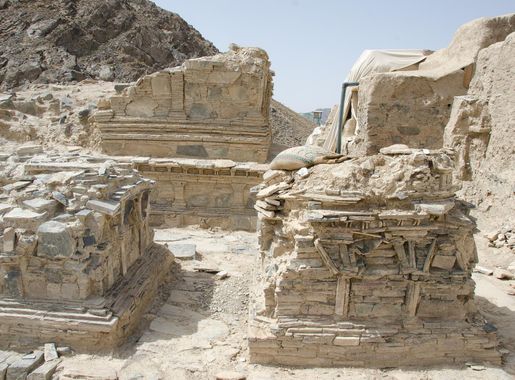


Logar: Afghanistan's Hidden Gem
Logar, a province in eastern Afghanistan, is a treasure trove of history and natural beauty. The region is known for its lush valleys, rugged mountains, and ancient archaeological sites. It offers a unique blend of cultural heritage and scenic landscapes, making it a must-visit for adventurous travelers. One of the highlights of Logar is the Mes Aynak site, an ancient Buddhist city that dates back over 2,000 years. The site is not only an archaeological wonder but also a testament to the region's rich history. Visitors can explore the ancient monasteries, stupas, and artifacts that tell the story of a bygone era. For nature enthusiasts, Logar's picturesque landscapes offer ample opportunities for hiking, trekking, and experiencing the great outdoors. The province's green valleys and clear rivers provide a serene escape from the hustle and bustle of city life. The local hospitality and traditional Afghan villages add to the charm, offering a glimpse into the daily lives of the people who call Logar home.