
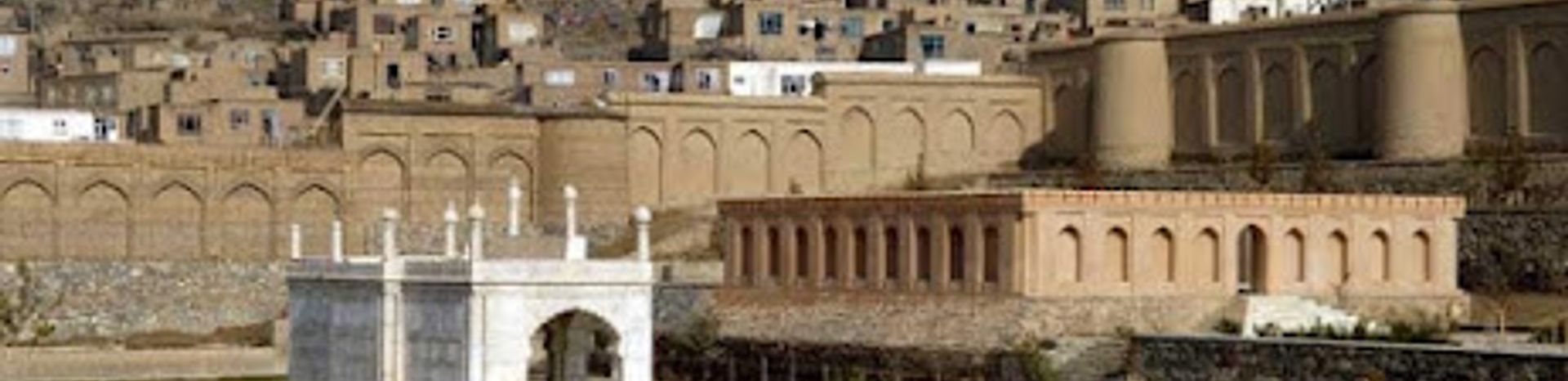
Babur Garden: A Mughal Oasis in Kabul
Explore Kabul's Mughal heritage at Babur Garden, a serene oasis with stunning views, historic architecture, and the emperor's tomb.
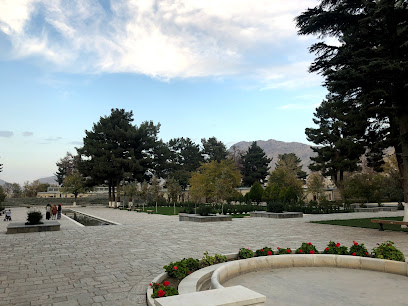
Bagh-e Babur, also known as Babur's Garden, is a historic park in Kabul and the final resting place of the first Mughal emperor, Babur [5, 7, 13]. Dating back to the 16th century, this sprawling garden offers a tranquil escape from the bustling city, blending natural beauty and historical significance [7, 13].
A brief summary to Babur Garden
- 34.503°N 69, Block 157-158 Walkway, Kabul, AF
- +93787344528
Local tips
- Visit during the spring (March to May) or autumn (September to November) for pleasant weather and blooming flowers [7, 10, 13].
- Dress modestly to respect local customs when visiting this historical site [10, 13].
- Hire a local guide for a deeper understanding of the garden's history and significance [7, 10, 13].
- Bring water and snacks, as options inside the garden may be limited [10].
- Check for any special events or cultural exhibitions happening during your visit for a richer experience [10].

Getting There
-
Walking
If you are near Kabul River Road, walking to Babur Garden is feasible [10]. Head south until you see the large green space on your right. The entrance is marked with signage [10]. From the intersection of Wazir Akbar Khan Street and Kabul River Road, it's approximately a 500-meter walk [10]. Be aware of your surroundings and local traffic conditions [10].
-
Public Transport
Kabul has a public bus system [9, 20]. Check local routes and schedules for the nearest bus stop to Babur Garden [16]. Bus fares in Kabul are approximately 20 AFN [3, 16].
-
Taxi/Ride-Share
Taxis and ride-sharing services are available in Kabul [7, 9]. A short taxi ride within the city may cost around 20 AFN for a 20-30 minute trip [3]. Negotiate the fare before starting your journey.
Discover more about Babur Garden
Iconic landmarks you can’t miss

کوچه آغاصاحب ها
0.6 km
Explore the historical charm of Kochah Aghasahib Ha in Kabul, reflecting Afghanistan's rich cultural heritage and artistic legacy.

AOUB KHAN MINA ایوب خان مینه
0.8 km
Explore Ayoub Khan Mina in Kabul, a historical landmark reflecting Afghanistan's rich cultural heritage and complex history.
Galaxy continental
1.3 km
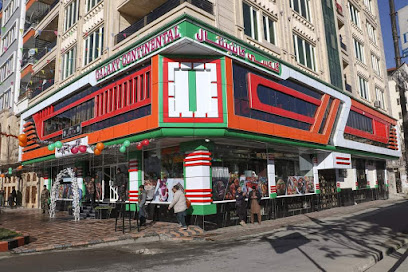
Experience a culinary journey in Kabul with Galaxy Continental's diverse menu, elegant ambiance, and exceptional service. A local favorite!
Ice Land
1.7 km
Discover Afghan flavors with a modern twist at Ice Land Restaurant in Kabul, a cozy spot perfect for experiencing local cuisine.
تالار عروسی ماریوت (Marriot Wedding Hall)
1.7 km
Experience Afghan celebrations at Marriot Wedding Hall in Kabul, a blend of modern elegance and traditional culture in the heart of Kart-e-Char.
Pamir Cinema
1.8 km
A resilient symbol of Kabul's cultural history, offering a mix of Bollywood and local films on bustling Maiwand Road.
Sakhi Tomb
2.1 km
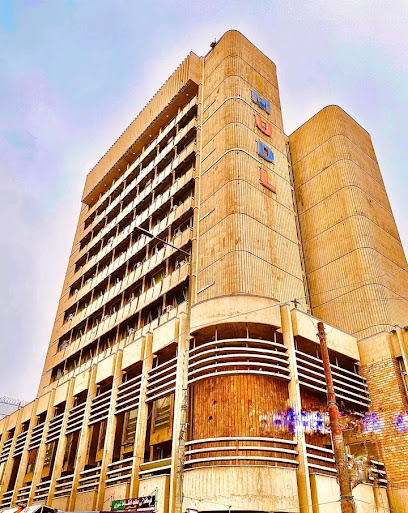
Discover Kabul's spiritual heart at Sakhi Tomb, a stunning shrine of cultural significance, adorned with intricate designs and serene gardens.
Sakhi Shrine
2.2 km
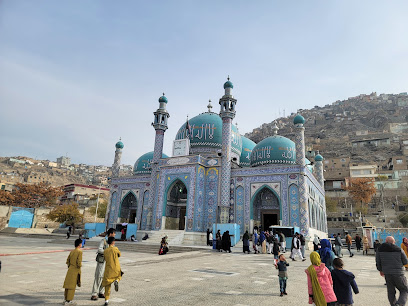
Discover Kabul's spiritual heart at Sakhi Shrine, a historic mosque and pilgrimage site with stunning architecture and deep cultural significance.
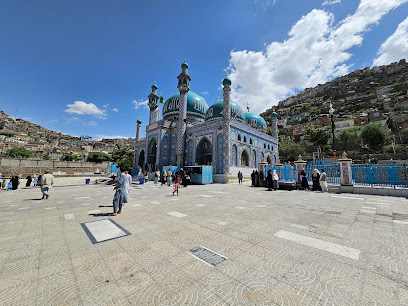
Tomb of Timur Shah Durani
2.2 km
Explore the Tomb of Timur Shah Durani in Kabul, a historical landmark and the resting place of a significant Afghan ruler.
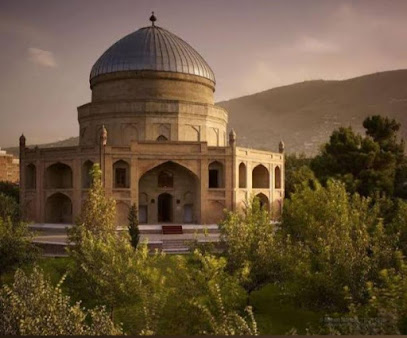
Samangan Hotel
2.5 km
Experience Afghan hospitality at Samangan Hotel, your cozy base for exploring Kabul's vibrant culture and historical Shur Bazar neighborhood.
Pashtun Market
2.6 km
Experience the vibrant culture and commerce of Kabul at Pashtun Market, a traditional торговый центр offering a taste of Afghan life.
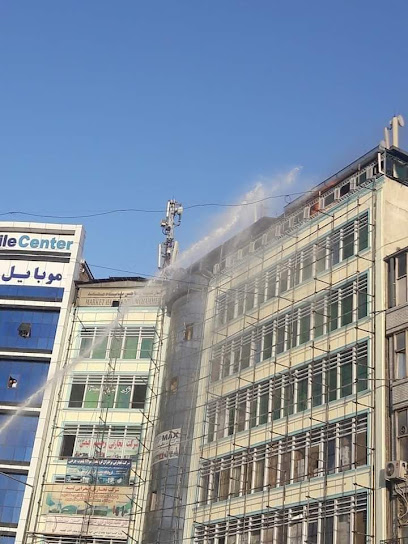
Abdur Rahman Mausoleum
2.6 km
Explore the historical Abdur Rahman Khan Mausoleum in Kabul's serene Zarnegar Park, a testament to Afghan royalty and architectural heritage.
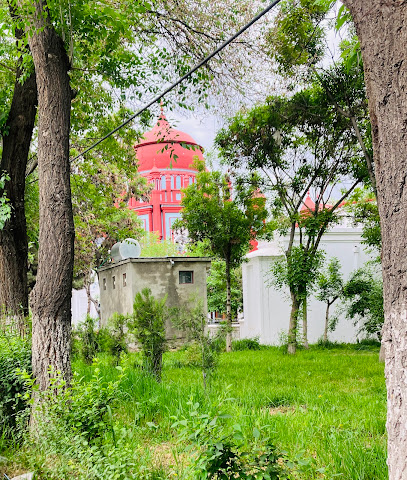
Golbahar Business Center
2.7 km
Experience modern Afghan commerce and culture at Kabul's Golbahar Business Center, a vibrant hub in the heart of the city.
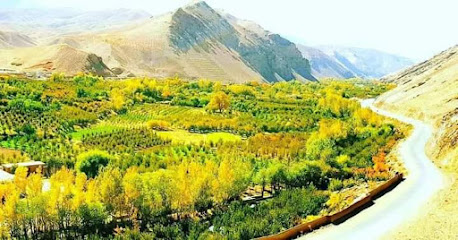
Madina clothing
2.7 km
Explore Afghan fashion at Madina Clothing in Kabul: traditional garments meet modern styles in a vibrant cultural hub.
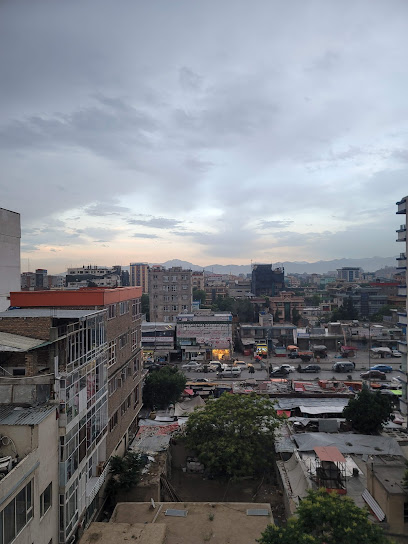
Bush Bazaar
3.0 km
Experience the vibrant culture and commerce of Kabul at Bush Bazaar, a bustling marketplace with diverse goods and authentic Afghan flavors.
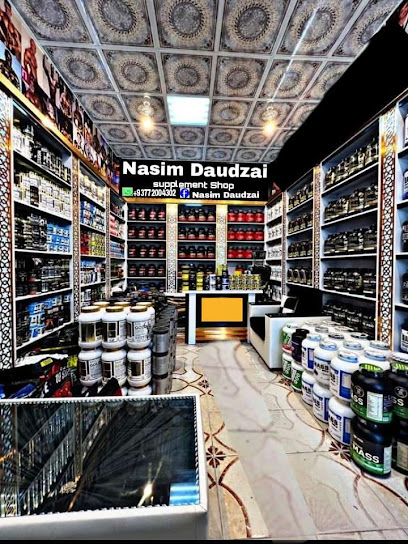
Unmissable attractions to see

Kabul Zoo
0.8 km
Discover Kabul Zoo, a resilient wildlife sanctuary in the heart of Afghanistan, offering a unique glimpse into the nation's spirit and natural beauty.
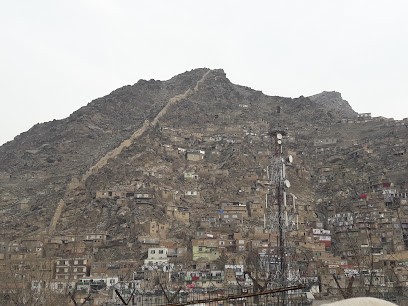
City park
1.0 km
Escape the city bustle at Kabul's City Park: a green haven with gardens, amusement rides, and cultural experiences for everyone.
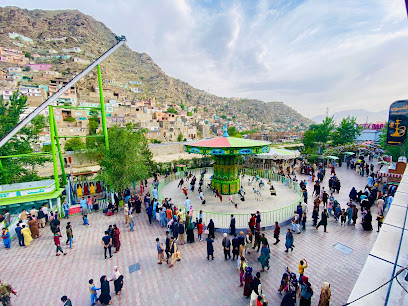
Asma'i Mountain-کوه آسمائی
1.1 km
Hike Kabul's Asma'i Mountain for panoramic city views, historical insights, and a connection with Afghanistan's enduring spirit.
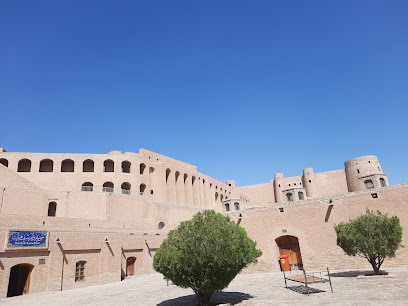
دیوار زمبورگ شاه
1.5 km
Explore the ancient Zambur Shah Wall in Kabul, a historic landmark with panoramic views and a glimpse into Afghanistan's past.
Kabul Water Park
1.8 km
Experience thrilling water slides and refreshing pools at Kabul Water Park, a family-friendly oasis in the heart of Kabul.
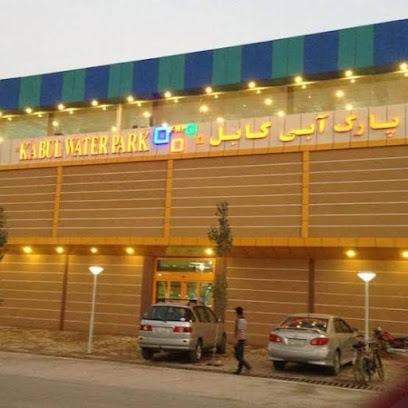
Shah e Du shamshira Mosque
1.9 km
Explore Kabul's iconic Shah e Du Shamshira Mosque, a unique fusion of Islamic and European architecture reflecting Afghanistan's rich cultural heritage.
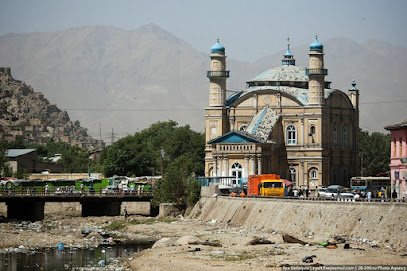
Pole Sorkh
2.2 km
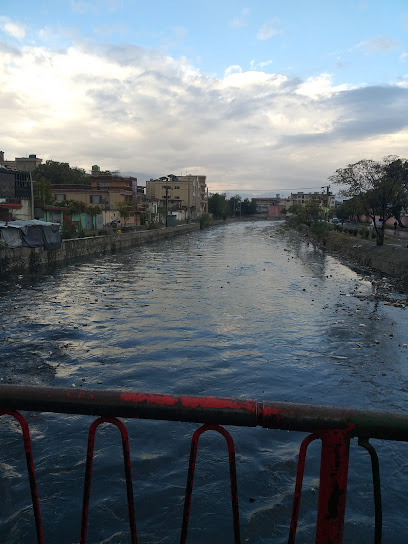
Experience the vibrant heart of Kabul at Pole Sorkh, a bustling town square where Afghan culture comes to life [4].
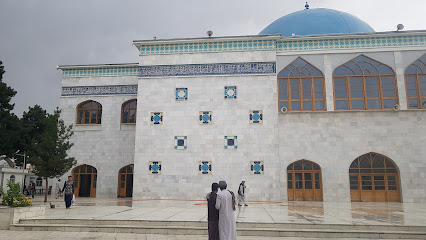
Pul-e Kheshti Mosque
2.5 km
Kabul's largest mosque, featuring a stunning blue dome and intricate Afghan artistry, is a symbol of faith and resilience.
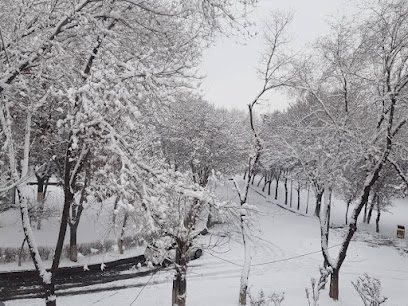
Zarnegar park
2.6 km
Discover Kabul's green heart: a historic park offering tranquility and a glimpse into Afghanistan's rich cultural heritage.
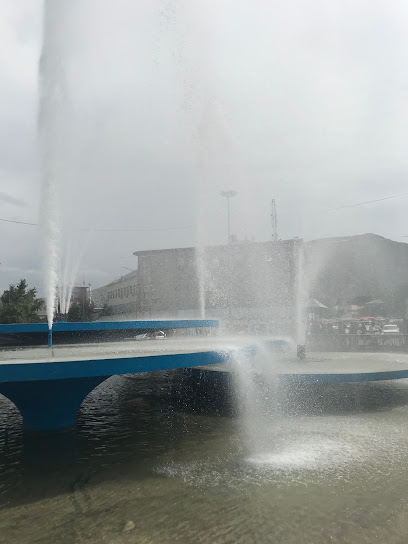
Pashtunistan Square
2.8 km
Experience the vibrant heart of Kabul at Pashtunistan Square, a historic landmark embodying Afghan culture, resilience, and daily life.
Qale'H-Ye-Balahissar
3.1 km
Explore Qale'H-Ye-Balahissar, Kabul's ancient fortress with panoramic views, rich history, and ongoing restoration, offering a glimpse into Afghanistan's past.
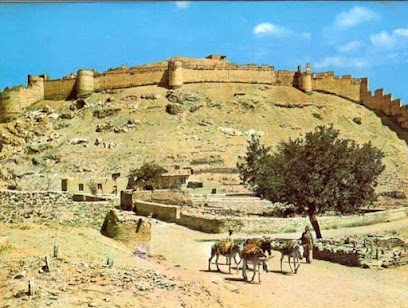
Kabul Fortress
3.1 km
Explore Kabul Fortress, a historic citadel with roots in the 5th century, offering a glimpse into Afghanistan's rich and complex past.
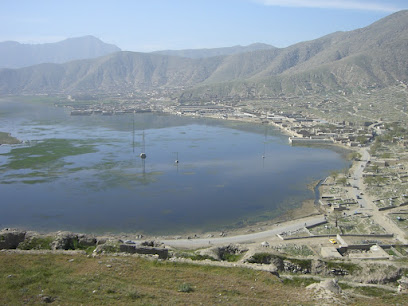
Shahr-e Naw Park
3.5 km
Discover a tranquil escape in Kabul's Shahr-e Naw Park, a vibrant green space offering relaxation, recreation, and cultural experiences for all.
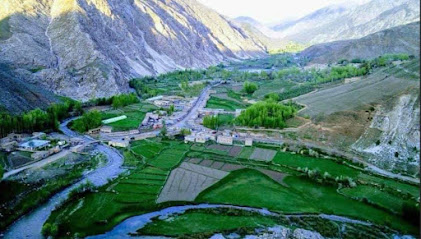
Ghazi Stadium
3.7 km
Experience Afghan sports and history at Ghazi Stadium in Kabul, a symbol of resilience and national pride, where echoes of the past meet the hopes for the future.
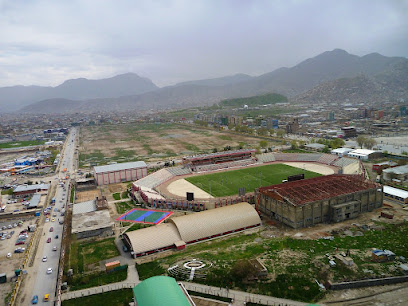
Chehelseton Garden
3.8 km
Discover Chehelseton Garden in Kabul: A historic oasis of tranquility, blending natural beauty with Afghanistan's rich cultural heritage.
Essential places to dine

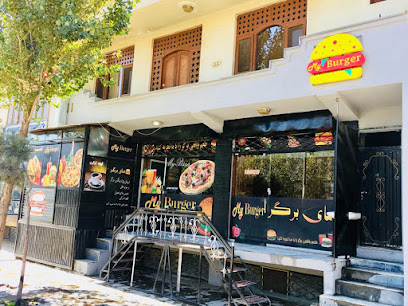
My Burger
0.8 km
Experience the best burgers in Kabul at My Burger – where local flavors meet international tastes in a warm and welcoming setting.
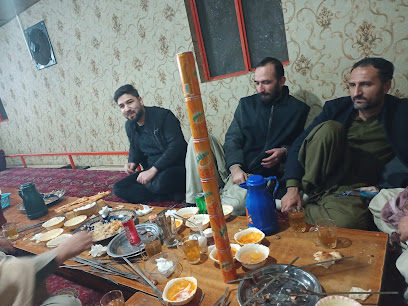
Turkman Restaurant
0.8 km
Discover authentic Afghan flavors at Turkman Restaurant in Kabul – where every meal tells a story.
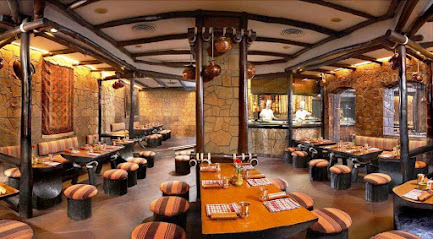
Bukhara Restaurant
1.2 km
Experience authentic Afghan cuisine at Bukhara Restaurant in Kabul—where every dish tells a story of tradition and flavor.
رستورانت گلکسی
1.3 km
Discover authentic Afghan cuisine at رستورانت گلکسی in Kabul – where every dish tells a story of tradition and flavor.
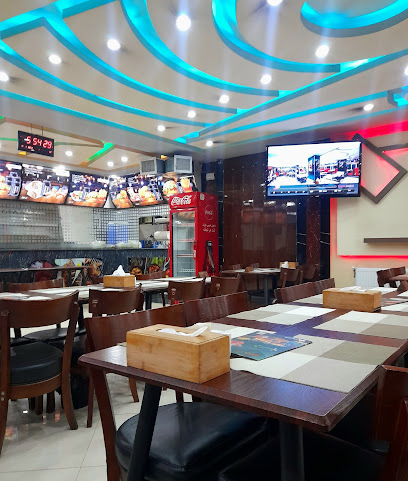
Bukhara Restaurant - Karte 4 Branch
1.3 km
Experience the rich flavors of Afghanistan at Bukhara Restaurant in Kabul—where fast food meets tradition.
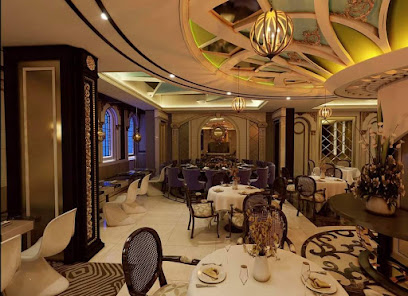
Faryab Restaurant
1.4 km
Discover authentic Afghan flavors at Faryab Restaurant in Kabul, where warm hospitality meets delicious cuisine.
The Kitchen
1.5 km
Experience authentic Afghan flavors at The Kitchen, a charming restaurant offering delightful dishes and warm hospitality in Kabul.
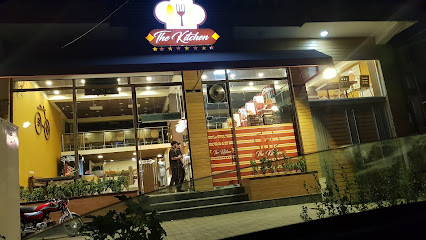
Greenfood Restaurant
1.6 km
Discover the vibrant flavors of Afghanistan at Greenfood Restaurant - where local meets international cuisine in Kabul.
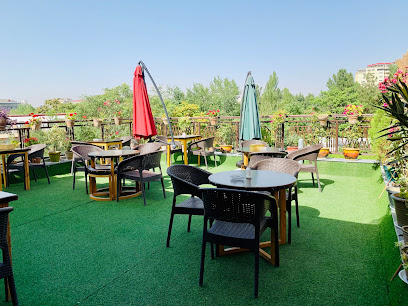
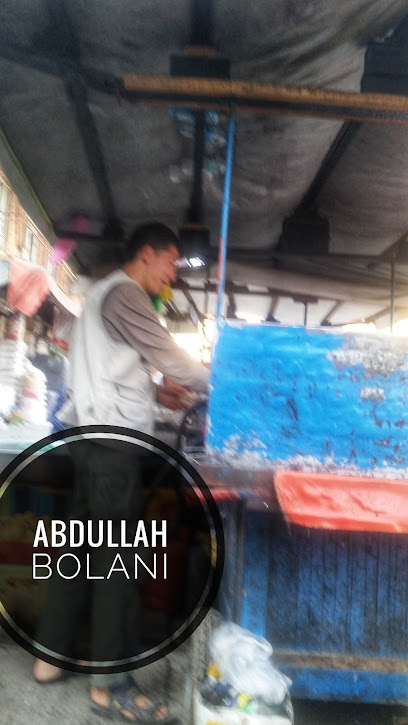
Abdullah Bolani
1.9 km
Experience authentic Afghan breakfast at Abdullah Bolani in Kabul – where traditional flavors meet warm hospitality.
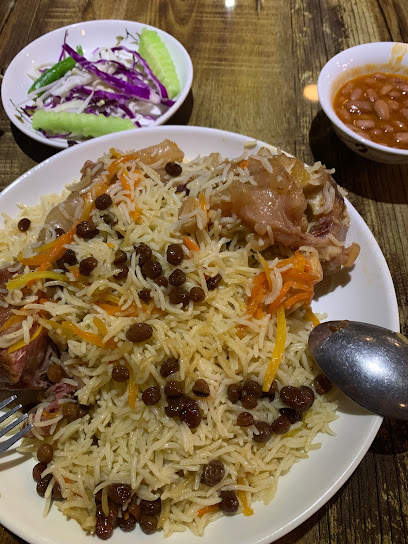
Uzbek Palaw Resturant
2.2 km
Experience authentic Uzbek cuisine at Uzbek Palaw Restaurant in Kabul, where traditional flavors meet warm hospitality.
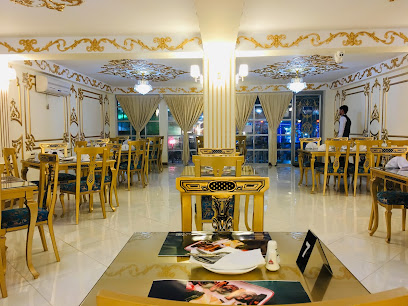
Mehran Restaurant & Catering
2.2 km
Discover authentic Afghan cuisine at Mehran Restaurant & Catering in Kabul's vibrant Pul Sorkh Square.
Turkmenistan Restaurant
2.2 km
Experience authentic Central Asian cuisine at Turkmenistan Restaurant in Kabul - a hidden gem offering delicious dishes and warm hospitality.
Baghlan Restaurant
2.2 km
Experience authentic Afghan cuisine at Baghlan Restaurant in Kabul, where rich flavors meet warm hospitality.
Pamir Restaurant
2.4 km
Savor authentic Afghan cuisine at Pamir Restaurant in Kabul, where tradition meets flavor in every delightful dish.
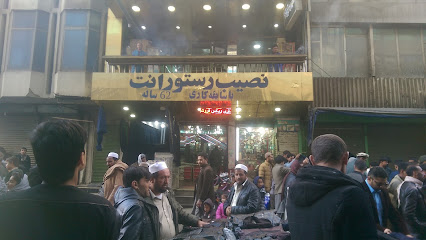
Naseeb Restaurant
2.4 km
Discover authentic Afghan cuisine at Naseeb Restaurant in Kabul – where every dish is steeped in tradition and flavor.
Markets, malls and hidden boutiques

Belawrin
1.3 km
Explore the essence of Afghan fashion at Belawrin, a women's clothing store in Kabul, celebrating local craftsmanship and unique styles.
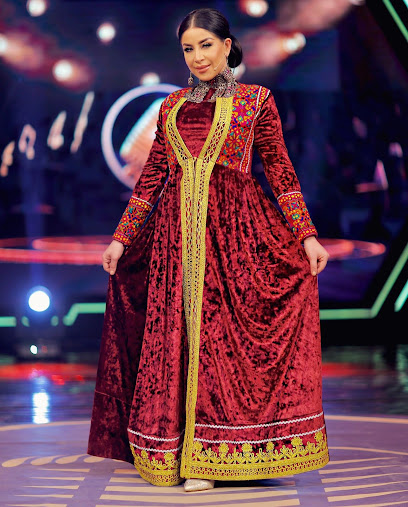
Jama Designing Center
1.4 km
Explore the vibrant culture of Afghanistan through fashion at the Jama Designing Center in Kabul, where tradition meets contemporary design.
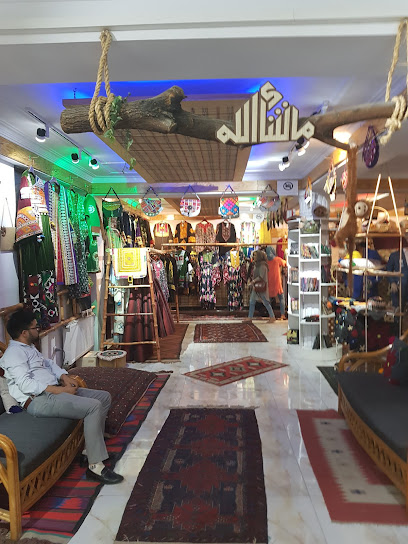
پوشاک استانبول
1.5 km
Explore the rich cultural heritage of Afghan fashion at پوشاک استانبول, offering unique styles and traditional garments in Kabul.
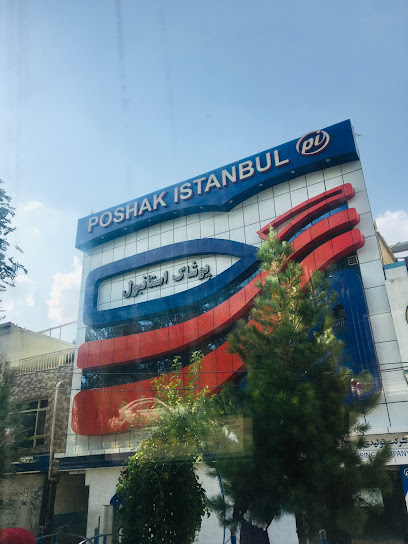
Luxorian Market
1.5 km
Immerse yourself in the vibrant atmosphere of Luxorian Market, a bustling shopping destination in Kabul showcasing Afghan culture and artisan crafts.
Kabul Day to Day Supermarket
1.7 km
Discover the vibrant flavors and local products of Afghanistan at Kabul Day to Day Supermarket, a must-visit for every traveler.
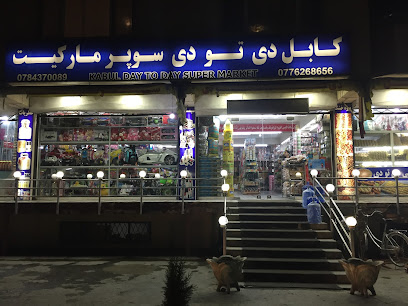
Zahir Rice Store
1.8 km
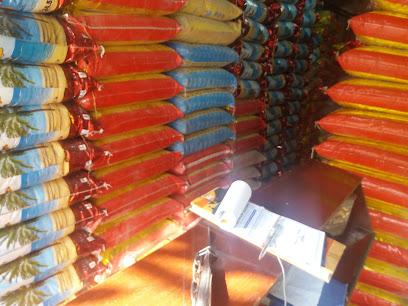
Explore the Zahir Rice Store in Kabul, where Afghan culture flourishes through an exquisite selection of rice and local specialties.
Kite Travel Boutique
2.1 km
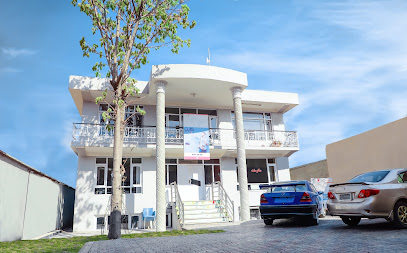
Discover Afghanistan through Kite Travel Boutique, your trusted partner for personalized travel experiences, expert guidance, and unforgettable adventures.
فروشگاه آنلاین مزایاMazaya Online Shopping
2.1 km
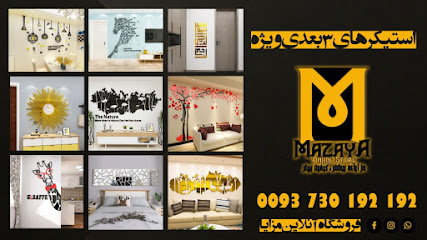
Explore the vibrant offerings of Mazaya Online Shopping in Kabul, where local culture meets diverse shopping choices for every traveler.
Khoosha gallery
2.2 km
Discover exquisite handcrafted jewelry at Khoosha Gallery, a cultural gem in Kabul that offers a unique glimpse into Afghan artistry.
Afghan Turk Center افغان ترک سنتر
2.2 km
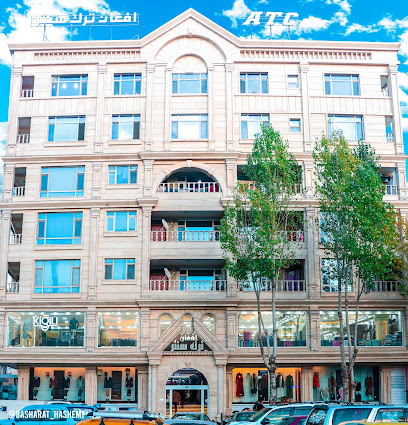
Discover the Afghan Turk Center in Kabul for an authentic shopping experience featuring clothing, cosmetics, and unique fashion accessories.
فروشگاه محب زاده
2.3 km
Discover the vibrant culture of Kabul at فروشگاه محب زاده, where traditional fabrics meet local grocery delights.
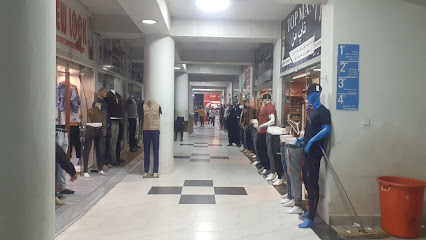
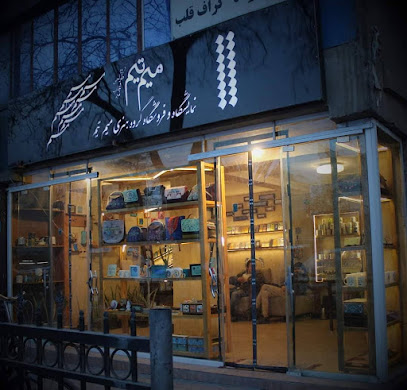
Mim Gallery گالری میم (Mim Team - میم تیم)
2.3 km
Discover unique handcrafted gifts and cultural treasures at Mim Gallery, Kabul's premier gift shop showcasing Afghanistan's rich artistry.
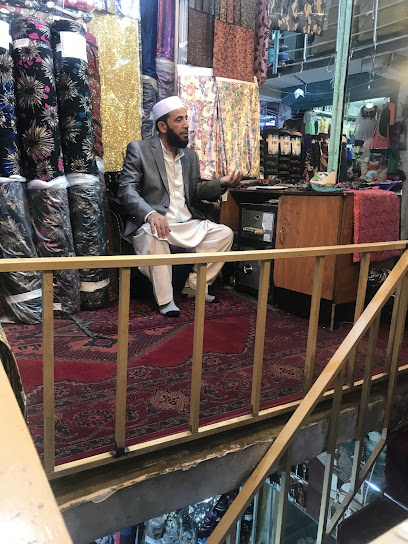
Hazar Gul Market
2.5 km
Explore Hazar Gul Market in Kabul for an authentic Afghan shopping experience filled with vibrant culture, unique handicrafts, and traditional clothing.
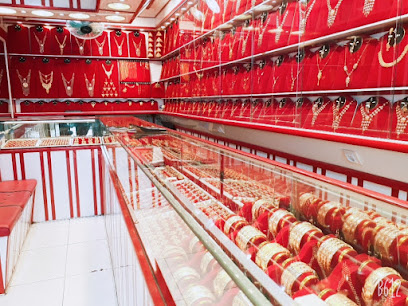
Afghan Dubai jewelry
2.5 km
Explore the exquisite craftsmanship of Afghan Dubai Jewelry, where tradition meets elegance in the heart of Kabul.
مارکت تجارتی حمیدی
2.6 km
Explore Kabul's Hamidi Commercial Market for exquisite jewelry and authentic Afghan craftsmanship that captures the essence of local culture.
Essential bars & hidden hideouts

رستورانت اندخوی باستان
1.2 km
Experience authentic Afghan cuisine and rich cultural ambiance at Indkhoy Ancient Restaurant in Kabul, a must-visit for every food lover.
Alfa blast
1.3 km
Experience the vibrant nightlife of Kabul at Alfa Blast, a lively bar offering a unique drink selection and a welcoming atmosphere.
The Cafeteria Kart-e-char
1.7 km
Discover exquisite fast food flavors at The Cafeteria Kart-e-char in Kabul's vibrant Kart-e-char district.
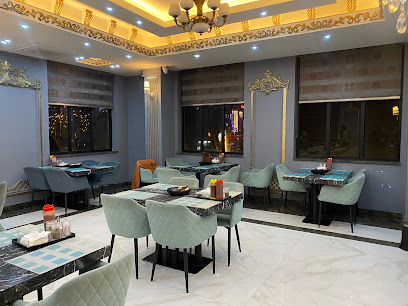
Abrisham Restaurant
1.7 km
Experience the best of Asian culinary traditions at Abrisham Restaurant in Kabul, where every dish tells a story.
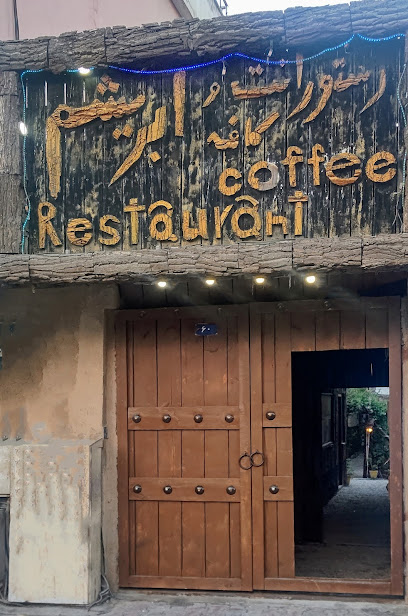
CMG Baby Drip TalibanK coalition
2.2 km
Experience the vibrant nightlife of Kabul at CMG Baby Drip TalibanK Coalition, a unique bar blending local culture and eclectic vibes in a lively atmosphere.
Bun burger bar
2.3 km
Discover the unique flavors of Kabul at Bun Burger Bar, where gourmet burgers meet traditional Afghan cuisine in a vibrant setting.
BBQ Tonight- Kabul
2.3 km
Experience the best of Afghan cuisine at BBQ Tonight in Kabul, where every meal is a flavorful journey through the heart of Afghanistan.
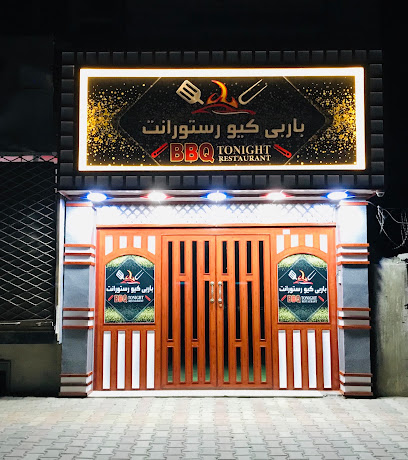
Le Bistro
3.1 km
Experience the best of Afghan and international cuisine at Le Bistro in Kabul, where every dish tells a story of flavor and tradition.
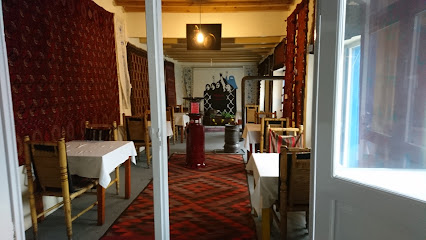
Faryab Turkman Restaurant
3.2 km
Discover the authentic tastes of Afghanistan at Faryab Turkman Restaurant in Kabul, where tradition meets flavor in every dish.
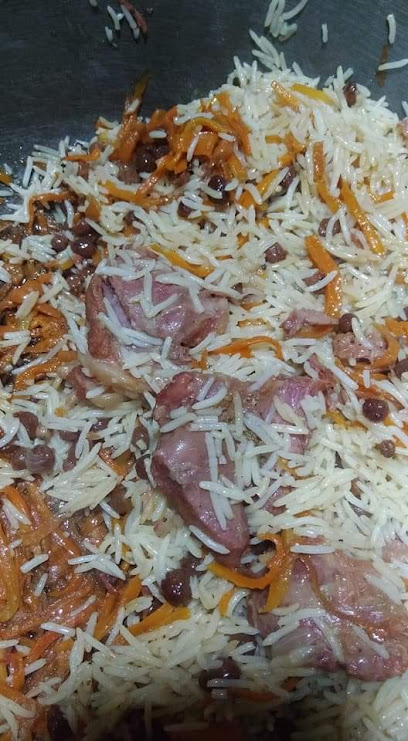
Yummy Fast Food
3.3 km
Experience a fusion of Afghan flavors and fast-food delights at Yummy Fast Food in Kabul, the perfect stop for food-loving travelers.
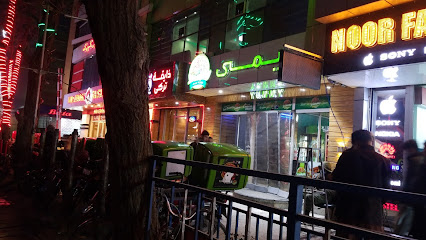
Shaam Kabul Restaurant / شام کابل
3.3 km
Experience authentic Afghan cuisine at Shaam Kabul Restaurant, where rich flavors and traditional hospitality meet in the heart of Kabul.
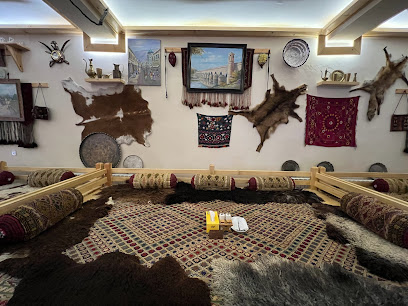
Mr.cook fast food
3.3 km
Experience the delicious fusion of local Afghan cuisine and fast food favorites at Mr. Cook Fast Food in Kabul.
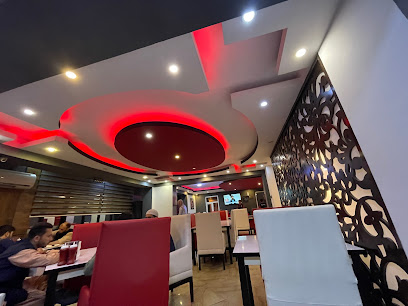
Safi Landmark Hotel
3.3 km
Experience the elegance and comfort of Safi Landmark Hotel in Kabul, your perfect base for exploring Afghanistan's rich culture and history.
ACBAR
3.5 km
Discover ACBAR in Kabul: A non-governmental organization dedicated to humanitarian aid and community development in Afghanistan.
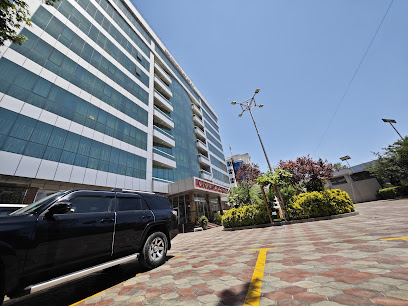
Kabul Star Hotel & Restaurant
3.6 km
Experience luxury and local culture at Kabul Star Hotel & Restaurant, your premier destination in the heart of Kabul, Afghanistan.
Nightclubs & after hour spots

کمیته مردمی کمیسیون برگزاری جشن استقلال
1.4 km
Discover the pulsating heart of Kabul's nightlife at کمیته مردمی کمیسیون برگزاری جشن استقلال, where music and culture collide for an unforgettable experience.
Pamir game zoone
2.4 km
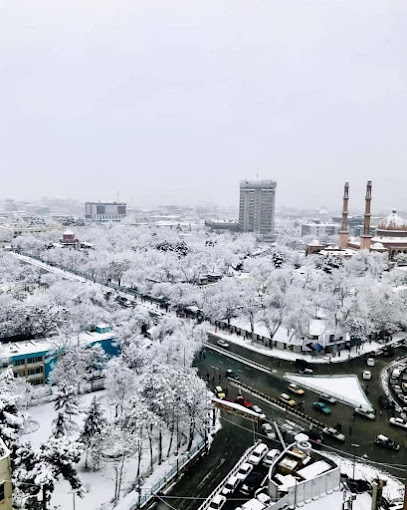
Experience the vibrant nightlife of Kabul at Pamir Game Zone, where music, dancing, and culture come together for an unforgettable night.
شرنوال هوتل
3.4 km
Discover the vibrant nightlife at شرنوال هوتل, Kabul's premier night club offering a lively atmosphere, music, and dance.
میرویس پلازا
3.8 km
Discover Kabul’s nightlife at میرویس پلازا, a lively night club where music and culture collide for an unforgettable experience.
خانه حاجی گل
4.7 km
Discover the vibrant nightlife of Kabul at خانه حاجی گل, a premier adult entertainment club where culture and fun intertwine.
charsi
5.1 km
Discover Kabul's vibrant nightlife at Charsi, a unique night club where music and culture blend for an unforgettable experience.


