Mahipar, Parwan Travel Guide
Discover Mahipar: Where stunning mountain views meet Afghanistan's rich history along the ancient Kabul-Jalalabad highway.
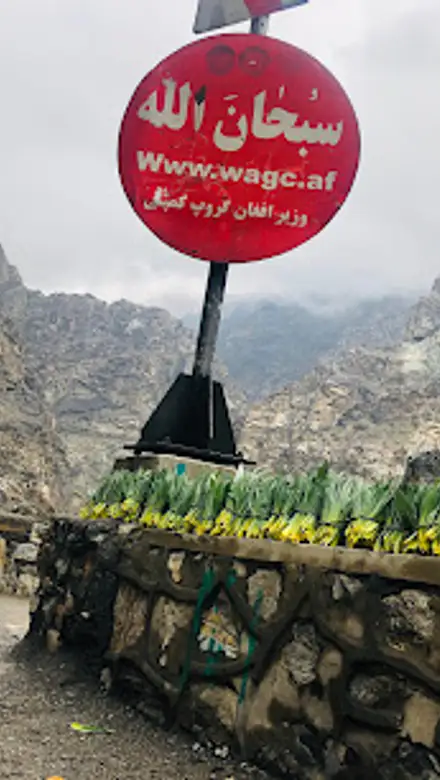
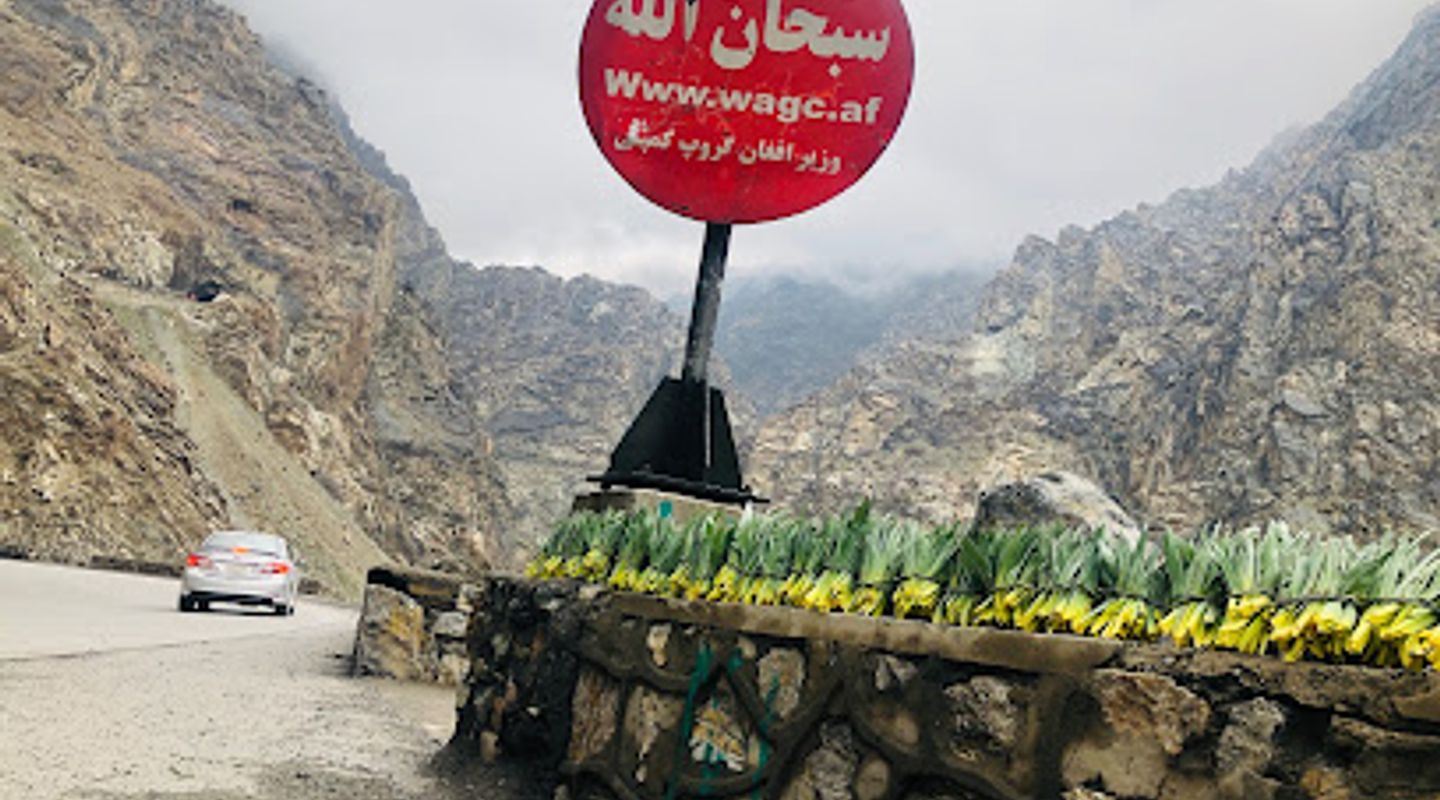
Mahipar, meaning 'Fish Crossing,' is a scenic location along the Kabul-Jalalabad highway, offering breathtaking views of the Kabul River and rugged Afghan landscape. Historically a vital rest stop, it provides a serene escape and a glimpse into Afghanistan's natural beauty and strategic past [3].
A brief summary to Mahipar
- AF

Know before you go
Hi, I'm Eve. Here are a few practical things to know before exploring Mahipar.
- Visit during the early morning or late afternoon for the best light for photography of the stunning landscapes [3].
- Engage with local residents to learn about their culture and traditions, always being respectful of customs [3].
- Check the weather forecast and road conditions before your visit, as landslides can temporarily close the Kabul-Jalalabad highway [3].
Do you manage this location?
Take control to get all the benefits, like improved information, better appearance, and stronger visibility across AI-powered discovery. Learn more about listing your business on Evendo
Activate your presenceOther nearby places you may find interesting
The closest places of the same kind, if this one is not quite what you had in mind.
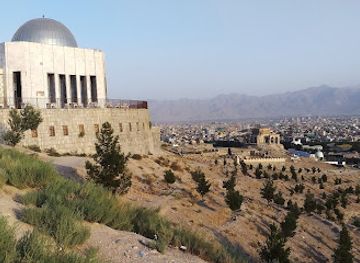
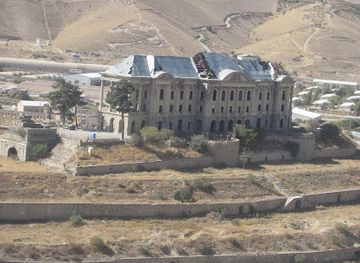
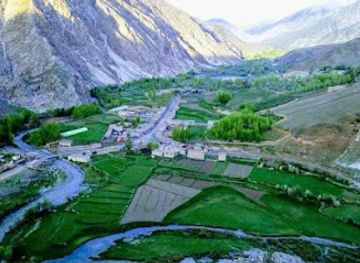
Explore Mahipar on the Map
A handpicked selection of must-see spots near Mahipar, mapped for you.
Getting There
-
Public Transport
From Kabul, shared taxis or local buses (often called 'bakhshis') heading towards Jalalabad can drop you off at Mahipar [3]. Inform the driver of your destination. The fare is approximately 50-100 Afghani, and the journey takes about 1-1.5 hours, depending on traffic [3]. Be prepared for a short walk from the main road to the scenic viewpoints [3].
-
Taxi/Ride-Share
A taxi or ride-share from Kabul to Mahipar will offer a more direct and comfortable journey [3]. Negotiate the fare beforehand, as meters are uncommon. Expect to pay around 1500-2500 Afghani for a one-way trip [3]. The journey typically takes about an hour, depending on traffic conditions [3]. Ensure the driver is aware of the exact location you wish to reach within Mahipar [3].
-
Driving
If driving from Kabul, head east on the Kabul-Jalalabad highway [3]. Mahipar is located approximately 30 km from Kabul [3]. Be aware that the roads can be narrow and winding in certain sections. Exercise caution and drive defensively [3]. Parking may be limited, especially during peak times. Check for any road closures due to landslides before you travel [3]. There are no tolls [3].
Discover more about Mahipar













Your all‑in‑one travel companion app
Explore expert travel guides, compare and book tours, experiences, hotels, and more—all from the palm of your hand. Download now for seamless trip planning wherever your wanderlust takes you.


Explore More of Parwan
Looking beyond Mahipar? Discover Parwan for broader travel guides, local hot-spots, and regional highlights.
Explore Parwan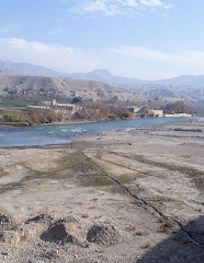
Discover the serene beauty of Sarobi Dam near Kabul, Afghanistan – a perfect blend of nature, engineering, and local culture.

Experience local life at Raees Momand Superstore in Kabul, offering a wide selection of groceries, local delicacies, and everyday essentials for everyone.