

Free Parwan Travel Guide & Mobile App
Explore Parwan with free travel guides. Discover regional history, expert tips, proposed trips, and audio guides on web or mobile app.


Parwan, north of Kabul, combines ancient Kapisa, Charikar's valleys and the strategic Salang corridor amid Afghanistan's Hindu Kush landscapes.
Read more about Parwan
When is the best time to visit Parwan?
Best: April–May, October · 22–29°C| Month | High (°C) | Rainfall (mm) |
|---|---|---|
| January | 9 | 30 |
| February | 11 | 35 |
| March | 18 | 40 |
| April (best) | 23 | 45 |
| May (best) | 29 | 30 |
| June | 34 | 20 |
| July | 37 | 15 |
| August | 35 | 15 |
| September | 30 | 20 |
| October (best) | 22 | 25 |
| November | 15 | 30 |
| December | 9 | 35 |
Getting to and around Parwan
How to get there
Transportation
Top city travel guides in Parwan
The cities of Parwan, and the easiest places to base yourself.

Swipe for more cities
Best attractions in Parwan
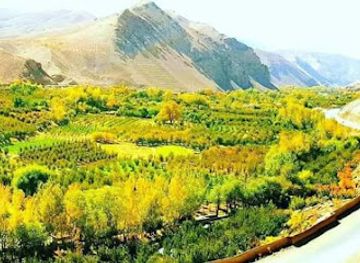
Parwan's attractions are primarily archaeological, historical and geographical rather than commercial. Near Charikar, the Topdara stupa represents the province's Buddhist-era heritage and the wider cultural connections of ancient Kapisa, although access, conservation and security conditions must be verified before any approach. The Bagram area is historically important for the remains of the ancient settlement associated with Kapisa, but modern military sensitivities mean that it cannot be treated as a conventional open archaeological park. The fertile plains around Charikar and Bagram contrast with the narrower cultivated valleys leading towards the Hindu Kush. The Ghorband and Salang landscapes offer dramatic mountain scenery, but roads can be hazardous and rural travel requires professional planning. The Salang Tunnel and its approaches are significant pieces of modern infrastructure, not casual tourist viewpoints. Markets, orchards and irrigated agricultural areas provide insight into local life, though visitors should avoid intrusive photography and unplanned stopping. Parwan has no dependable leisure-attraction network, and any visit should be organised around a legitimate purpose, current permissions, security assessment and respect for residents and sensitive sites.
-
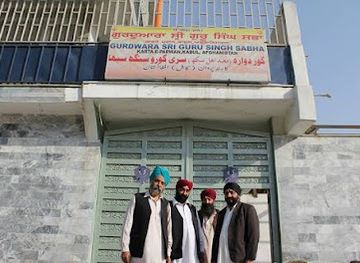
Karte Parwan Gurdwara
Discover the Karte Parwan Gurdwara in Kabul, a symbol of Sikh resilience and heritage amidst Afghanistan's turbulent history.
-
 Tourist attraction
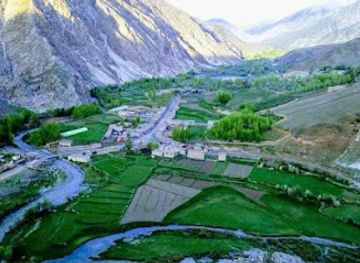
Pawaz paein
Discover the beauty and culture of Afghanistan at Pawaz Paein in Shaikh Ali, a serene escape with stunning landscapes and rich traditions.
Best landmarks in Parwan
The Topdara stupa near Charikar is Parwan's most distinctive surviving ancient monument, a Buddhist structure linked to the period when the province formed part of the wider Kapisa cultural sphere. Its form and setting point to the importance of religious institutions along routes crossing the Hindu Kush, although the site is not a fully developed visitor facility. The Bagram archaeological area is another major historical landmark: ancient Kapisa occupied a strategic plain and connected Afghanistan with Central Asian and South Asian networks. It should be distinguished from the modern Bagram military airfield, whose security significance makes photography and access highly sensitive. The Salang Tunnel and its mountain approaches form a landmark of twentieth-century engineering and national transport history, cutting through one of the most formidable barriers between Kabul and northern Afghanistan. Around Charikar, the contrast between irrigated fields, orchards and steep mountain walls is itself a defining geographical feature. These places require restraint, permission and current security advice rather than spontaneous sightseeing.
-
Shopping mall
Golbahar Business Center
Experience modern Afghan commerce and culture at Kabul's Golbahar Business Center, a vibrant hub in the heart of the city.
-
Park
Shahr-e Naw Park
A tranquil green space in Kabul's heart, offering respite and recreation for locals and tourists alike.
-
International airport
Kabul International Airport
Afghanistan's primary international airport, connecting Kabul to the world with modern facilities and ongoing development.
-
Historical place
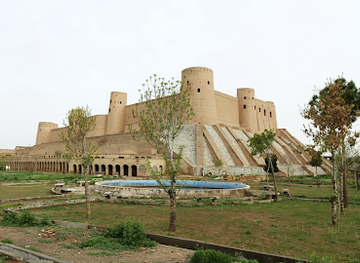
Herat Citadel
Explore the ancient Herat Citadel, a historic fortress with roots stretching back to Alexander the Great, offering stunning views and a glimpse into Afghan history.
Explore Parwan on the map
Plan your trip on one map. See where the top cities, national parks and sights are, and book hotels and experiences in a few clicks.
Best hotels in Parwan
Best restaurants in Parwan
Parwan's food culture reflects the wider culinary traditions of northern and central Afghanistan, with local meals shaped by wheat, rice, pulses, yoghurt, herbs, fruit and meat. In Charikar and other larger settlements, visitors may encounter kabuli palaw, mantu, ashak, kebabs, bolani, naan and stews, though menus and hygiene standards vary and should be assessed carefully. The province's irrigated plains and valleys support orchards and agricultural production, while grapes and other seasonal fruit are associated with the region's fertile areas. Tea is central to social hospitality, but visitors should use bottled or reliably treated water and take medical dietary needs seriously. Dining is generally informal, with family-run eateries, market food and private hospitality more significant than a formal restaurant scene. There is no dependable international dining infrastructure, and alcohol is prohibited under the current legal and religious environment. Food arrangements should be planned in advance for journeys towards Salang or remote valleys.
-
Restaurant
Barg Continental Restaurant
Discover authentic Afghan cuisine at Barg Continental Restaurant in Kabul - where flavor meets hospitality in every dish.
-
Restaurant
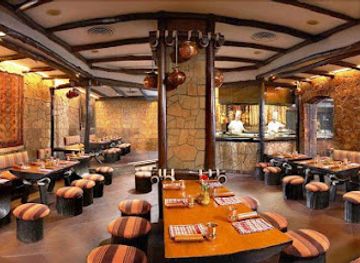
Bukhara Restaurant
Discover authentic Afghan cuisine at Bukhara Restaurant in Kabul - a culinary treasure offering delicious dishes and rich cultural experiences.
-
Restaurant
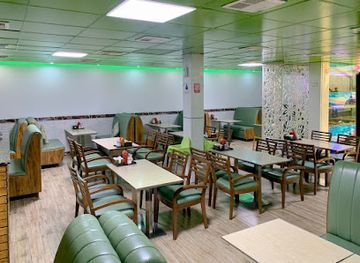
Yummy Fast Food
Experience culinary delight at Yummy Fast Food - where local flavors meet global fast-food favorites in the heart of Kabul.
-
Turkish
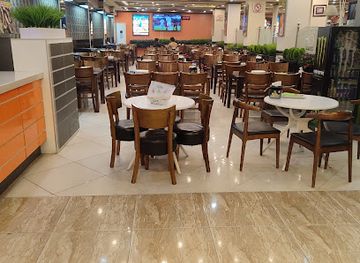
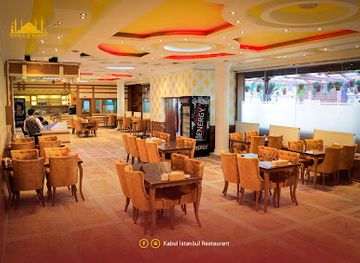
Istanbul Family Restaurant & Cafe
Experience authentic Turkish and Afghan flavors at Istanbul Family Restaurant & Cafe in Kabul – a perfect dining destination for travelers.
Best bars in Parwan
Parwan has no conventional bar or nightclub scene. Evening social life is centred on tea houses, family gatherings, market activity and informal hospitality rather than alcohol-based entertainment, and visitors should not expect a tourist nightlife district. Charikar may offer modest cafés or eateries where people meet during the day and early evening, but opening arrangements, permissibility and security can change without notice. Alcohol is prohibited under the current legal and religious environment, and public behaviour should remain discreet and respectful. Rural areas become quiet after dark, with limited lighting, transport and emergency support. Foreign visitors should not wander after nightfall or use evening outings as an opportunity for unplanned exploration; any movement should be authorised, accompanied and coordinated with a trusted local security contact.
-
Restaurant
حمام حاجي مير احمد
Experience the essence of Afghan culture at حمام حاجي میر احمد, a unique bar in Kabul offering a blend of traditional ambiance and modern delights.
-
Ensaf Restaurant
Experience the rich flavors of Afghan cuisine at Ensaf Restaurant, a local favorite for breakfast in Saiad, Afghanistan.
-
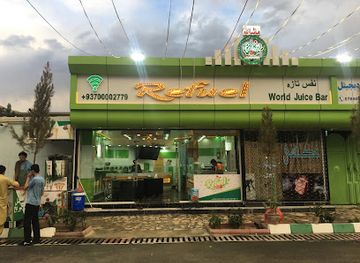
Refuel Juice Bar
Experience the vibrant flavors of Refuel Juice Bar in Kabul, where fresh juices and healthy snacks rejuvenate your spirit.
-
Pol E Campany
Discover the vibrant nightlife of Kabul at Pol E Campany, a lively bar offering a unique blend of local and international drinks.
Best nightclubs in Parwan
Parwan has no conventional bar or nightclub scene. Evening social life is centred on tea houses, family gatherings, market activity and informal hospitality rather than alcohol-based entertainment, and visitors should not expect a tourist nightlife district. Charikar may offer modest cafés or eateries where people meet during the day and early evening, but opening arrangements, permissibility and security can change without notice. Alcohol is prohibited under the current legal and religious environment, and public behaviour should remain discreet and respectful. Rural areas become quiet after dark, with limited lighting, transport and emergency support. Foreign visitors should not wander after nightfall or use evening outings as an opportunity for unplanned exploration; any movement should be authorised, accompanied and coordinated with a trusted local security contact.
-
Bar
حمام حاجي مير احمد
Discover the vibrant atmosphere of حمام حاجي مير احمد, a premier bar in Kabul offering local drinks and a taste of Afghan culture.
-
Rokhan Sport House and Tikwando Club
Discover the vibrant sports culture at Rokhan Sport House and Tikwando Club in Jalalabad, where martial arts meet community spirit.
-
Bar
Refuel Juice Bar
Refuel Juice Bar in Kabul offers refreshing juices and smoothies in a cozy atmosphere, perfect for health-conscious travelers seeking a break.
-
Bar
Pol E Campany
Discover the vibrant atmosphere of Pol E Campany, a bar in Kabul offering a mix of local and international drinks, perfect for unwinding after a day of exploration.



Best shops in Parwan
Shopping in Parwan is concentrated in Charikar's bazaars and the commercial settlements along the main road, where visitors may find everyday clothing, household goods, fresh produce, bread, dried fruit, nuts and locally traded agricultural products. The province's fertile plains and orchards make seasonal fruit and related produce more characteristic purchases than luxury retail or specialist souvenir shopping. Small markets near rural valleys serve local communities and may have limited stock, irregular hours and little capacity for card payment. Travellers should avoid photographing stalls or customers without permission and should not assume that an item described as antique has a verified archaeological provenance. There is no broad modern shopping district designed for international visitors, and buying archaeological objects, old coins or military memorabilia can create legal and ethical problems. Secure cash handling, modest bargaining and respect for local commercial customs are advisable, while essential medicines, technical equipment and specialist travel supplies should be obtained before entering the province.
-
Shopping mall
Park Mall
Explore Park Mall, Kabul's premier shopping destination, blending local culture with modern retail experiences.
-
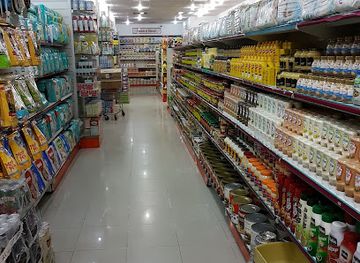
Grocery store
Afghan Spinneys Supermarket
Discover a vibrant mix of local and international grocery products at Afghan Spinneys Supermarket in Kabul, an essential stop for every traveler.
-
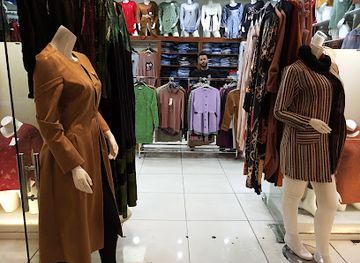
Clothing store
Naaz Boutique Afghani dresses store
Explore the vibrant culture of Afghanistan through stunning Afghani dresses at Naaz Boutique in Kabul, a must-visit for fashion enthusiasts.
-
Shopping mall
Afghan Mart-Afghanistan's Online Shopping فروشگاه افغان مارت
Discover the vibrant spirit of Afghanistan at Afghan Mart, Kabul's premier shopping destination for local goods and unique souvenirs.
Get your free copy of our complete guide to Parwan, delivered straight to you.
Everything on this page, from attractions and restaurants to essentials and local phrases, in one PDF you can read offline, print or share.
Already have an account? Sign in
Your Parwan guide is ready.
We'll send it to · Not you? Sign out

Getting your guide ready…
We are putting together a fresh copy of the Parwan guide. This can take up to a minute.
This can take a few moments. If your browser asks, choose Allow so the download can start. You'll find the guide in your Downloads folder.
Nothing happened? Download it again
Sorry, the guide is taking longer than usual. Please try again in a minute, or get it by email instead.
Parwan essentials
Currency and Payment
Safety
Emergency Situations
Do's and Don'ts
Local Tips
From Eve
Local phrases worth knowing
You don't need to get them perfect. A few words go a long way, and locals appreciate the effort.
Basics
| English | Local | Say it |
|---|---|---|
| Hello | سلام | [Salam] |
| Goodbye | خداحافظ | [Khuda hafiz] |
| Yes | بله | [Bale] |
| No | نه | [Na] |
| Please/You're welcome | لطفا/خوش آمدید | [Lotfan/Khosh amadid] |
| Thank you | تشکر | [Tashakur] |
| Excuse me/Sorry | ببخشید | [Bebakhshid] |
| How are you? | چطور هستید؟ | [Chetor hastid?] |
| Fine. And you? | خوبم. شما چطورید؟ | [Khobam. Shoma chetorid?] |
| Do you speak English? | آیا انگلیسی صحبت میکنید؟ | [Aya Englisi sohbat mikonid?] |
| I don't understand | من نمیفهمم | [Man nemifahmam] |
Eating & Drinking
| English | Local | Say it |
|---|---|---|
| I'd like to see the menu, please | لطفا منو را ببینم | [Lotfan menu ra bebinam] |
| I don't eat meat | من گوشت نمیخورم | [Man gusht nemikhoram] |
| Cheers! | به سلامتی! | [Be salamati!] |
| I would like to pay, please | لطفا میخواهم پرداخت کنم | [Lotfan mikhahham pardakht konam] |
Emergencies
| English | Local | Say it |
|---|---|---|
| Help! | کمک! | [Komak!] |
| Go away! | برو برو! | [Boro boro!] |
| Call the Police! | پلیس را صدا بزنید! | [Polis ra seda bezanid!] |
| Call a doctor! | دکتر را صدا بزنید! | [Doktor ra seda bezanid!] |
| I'm lost | گم شدهام | [Gom shode-am] |
| I'm ill | بیمار هستم | [Bimar hastam] |
Shopping
| English | Local | Say it |
|---|---|---|
| I'd like to buy... | میخواهم بخرم... | [Mikhahham bekharam...] |
| I'm just looking | فقط دارم نگاه میکنم | [Faghat daram negah mikonam] |
| How much is it? | قیمتش چقدر است؟ | [Gheymatesh chande?] |
| That's too expensive | این خیلی گران است | [In khayli geran ast] |
| Can you lower the price? | آیا میتوانید قیمت را کاهش دهید؟ | [Aya mitavanid gheymat ra kahesh dahid?] |
Time & Numbers
| English | Local | Say it |
|---|---|---|
| What time is it? | ساعت چند است؟ | [Saat chand ast?] |
| It's one o'clock | ساعت یک است | [Saat yek ast] |
| Half past (10) | نیم ساعت (۱۰) | [Nim saat (10)] |
| Morning | صبح | [Sob] |
| Afternoon | بعد از ظهر | [Bad az zohr] |
| Evening | عصر | [Asr] |
| Yesterday | دیروز | [Dirooz] |
| Today | امروز | [Emrooz] |
| Tomorrow | فردا | [Farda] |
| 1 | یک | [Yek] |
| 2 | دو | [Do] |
| 3 | سه | [Se] |
| 4 | چهار | [Chahar] |
| 5 | پنج | [Panj] |
| 6 | شش | [Shesh] |
| 7 | هفت | [Haft] |
| 8 | هشت | [Hasht] |
| 9 | نه | [Nah] |
| 10 | ده | [Dah] |
Transport & Directions
| English | Local | Say it |
|---|---|---|
| Where's a/the...? | کجاست ...؟ | [Kojas ...?] |
| What's the address? | آدرس چیست؟ | [Adras chist?] |
| Can you show me (on the map)? | میتوانید به من نشان دهید (روی نقشه)؟ | [Mitavanid be man neshan dahid (ruye naqsha)?] |
| When's the next (bus)? | باری بعدی کی میآید؟ | [Bari badi ki miayad?] |
| A ticket (to ....) | یک بلیط (به ...) | [Yek belit (be ...)] |
History of Parwan
Ancient Kapisa and the Bagram Settlement
The plain around modern Bagram was associated with ancient Kapisa, a major settlement in the Kabul-region crossroads between Central Asia, the Iranian plateau and the Indian subcontinent. Its position gave it commercial and political importance long before the modern province existed. Archaeological evidence from the Bagram area indicates a cosmopolitan society connected to distant trading networks. The ancient settlement should not be confused with the modern military airfield that later occupied part of the same broad area.
Buddhist Parwan in the Kushan Age
During the Kushan period, roughly from the first to the third centuries, Buddhism flourished across the wider Kabul and Hindu Kush region. Monasteries, sculptures and stupas reflected the movement of ideas and goods along routes linking Afghanistan with Gandhara, Central Asia and northern India. The Topdara stupa near Charikar is a surviving expression of this landscape. Its presence demonstrates that the Parwan plain was part of a sophisticated religious and artistic world rather than an isolated mountain frontier.
Islamic Kingdoms and Mountain Trade Routes
After the gradual spread of Islam, the valleys north of Kabul were incorporated into successive political systems based in Afghanistan and adjoining regions. Local agriculture and routes through the Hindu Kush remained important, while settlements and fortifications developed around access to the Kabul basin. Parwan's historical identity during the medieval and early modern periods is therefore tied less to one continuously dominant capital than to changing rulers, valley communities and the strategic value of routes towards Bamyan, the north and Central Asia.
Charikar and the First Anglo-Afghan War
Charikar became a significant settlement on the approaches north of Kabul and was drawn into the conflicts of the nineteenth century. During the First Anglo-Afghan War, Afghan resistance in the Charikar area contributed to the weakening of British influence around Kabul. In 1841, British and Indian troops stationed at Charikar faced a serious uprising and withdrew after heavy fighting. The episode formed part of the wider crisis that culminated in the disastrous British retreat from Kabul in 1842.
The Salang Route and Modern State Infrastructure
The development of the Salang road and tunnel in the mid-twentieth century transformed travel between Kabul and northern Afghanistan. The route reduced the barrier presented by the Hindu Kush and became one of the country's most important transport links. It also acquired military significance during later conflicts. The tunnel and its mountain approaches remain symbols of Afghanistan's difficult geography and of the strategic importance of Parwan's northern districts.
War, Military Installations and Displacement
Parwan was deeply affected by the Soviet war, the civil conflicts that followed and the international military presence after 2001. The Bagram airfield became a major base and detention site during the latter period, fundamentally altering the surrounding area's political and physical landscape. Military operations, insecurity, displacement and restrictions affected communities across the province. Since the Taliban returned to power in 2021, the security and administrative environment has again changed, while the legacies of conflict remain visible in infrastructure, livelihoods and access to land.
Parwan in Photos
Browse through our photo collection highlighting the charm and character of the destination.
Neighbouring regions of Parwan
The closest regions to Parwan, if you have time for more than one.
-

-

-

-

-


Swipe for more regions
Explore more

Explore more of Afghanistan
Discover Afghanistan's rich history, stunning landscapes, and diverse cultures. From ancient cities to breathtaking nature, this Central Asian gem offers a unique travel experience.
Explore Afghanistan