Herat Citadel, Pushtunistan Travel Guide
Explore the ancient Herat Citadel, a historic fortress with roots tracing back to Alexander the Great, offering stunning views and rich history.
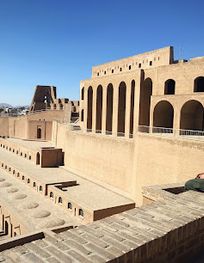
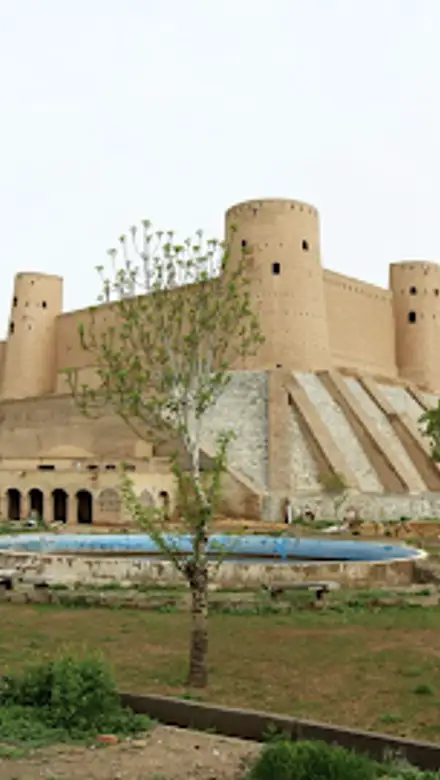
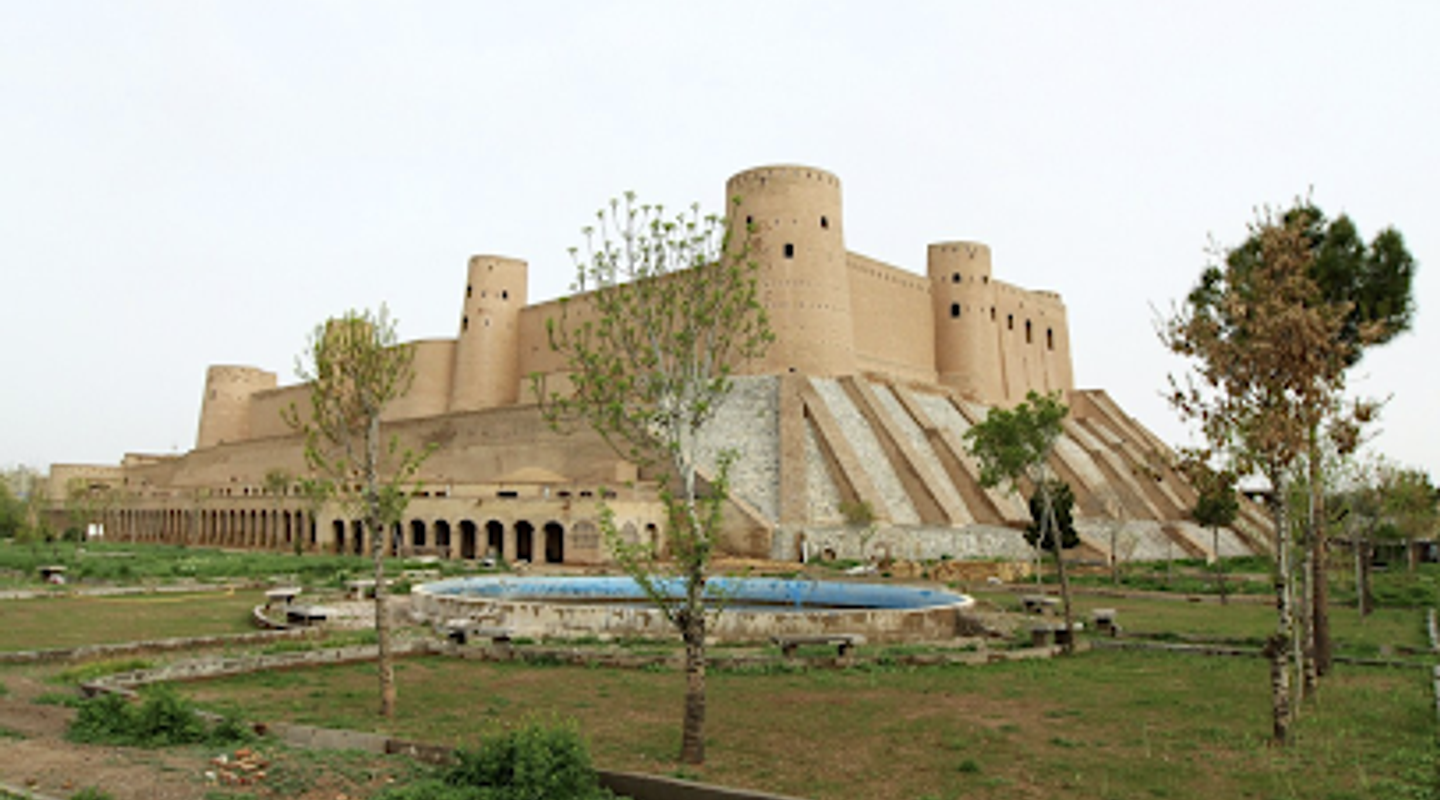
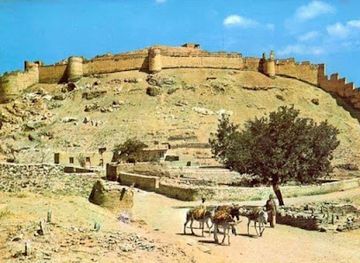
The Herat Citadel, also known as the Citadel of Alexander, is a historic fortress in the heart of Herat, Afghanistan [3, 12]. Believed to have been founded by Alexander the Great in 330 BC, it has been a strategic point for empires throughout history [3, 5]. The citadel features impressive architecture, including tall walls, strong towers, and large courtyards, offering visitors a glimpse into Afghanistan's rich cultural heritage [7].
A brief summary to Herat Citadel
- 85WQ+753 قلعه اختیارالدین (ارگ تاریخی هرات)، جاده انصاری, Herat, Pay-e-Hesar, AF
- Click to display
- Monday 10 am-12 am
- Tuesday 10 am-12 am
- Wednesday 10 am-12 am
- Thursday 10 am-12 am
- Friday 12 am-12 am
- Saturday 10 am-4 am
- Sunday 10 am-12 am

Know before you go
Hi, I'm Eve. Here are a few practical things to know before exploring Herat Citadel.
- Visit in the late afternoon for stunning sunset views over Herat from the citadel ramparts [10].
- Wear comfortable shoes, as you'll be doing a lot of walking on uneven surfaces within the citadel [10].
- Check local sources for the most up-to-date opening hours, as they can vary [10].
- Consider hiring a local guide to gain deeper insights into the historical significance of the citadel [10].
Do you manage this location?
Take control to get all the benefits, like improved information, better appearance, and stronger visibility across AI-powered discovery. Learn more about listing your business on Evendo
Activate your presenceOther nearby places you may find interesting
The closest places of the same kind, if this one is not quite what you had in mind.
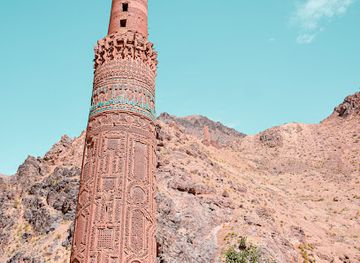
Explore Herat Citadel on the Map
A handpicked selection of must-see spots near Herat Citadel, mapped for you.
Getting There
-
Walking
From most central locations in Herat, the Citadel is easily accessible on foot [10]. Orient yourself toward the city center and look for the prominent raised mound upon which the Citadel sits [10]. As you approach, follow the main roads leading towards the Pay-e-Hesar area [10]. The Citadel is a short walk from major landmarks like the Great Mosque of Herat [10]. Be mindful of traffic and pedestrian conditions.
-
Taxi/Ride-Share
Taxis and ride-sharing services are readily available in Herat [10, 11]. Provide the driver with the destination 'Herat Citadel' or 'Qala Ikhtyaruddin' [10]. The ride from most points within the city center should be relatively short [10]. Expect to pay between 50 to 150 AFN depending on the distance and time of day [10]. Confirm the fare before starting your journey [10].
Discover more about Herat Citadel













Your all‑in‑one travel companion app
Explore expert travel guides, compare and book tours, experiences, hotels, and more—all from the palm of your hand. Download now for seamless trip planning wherever your wanderlust takes you.


Explore More of Pushtunistan
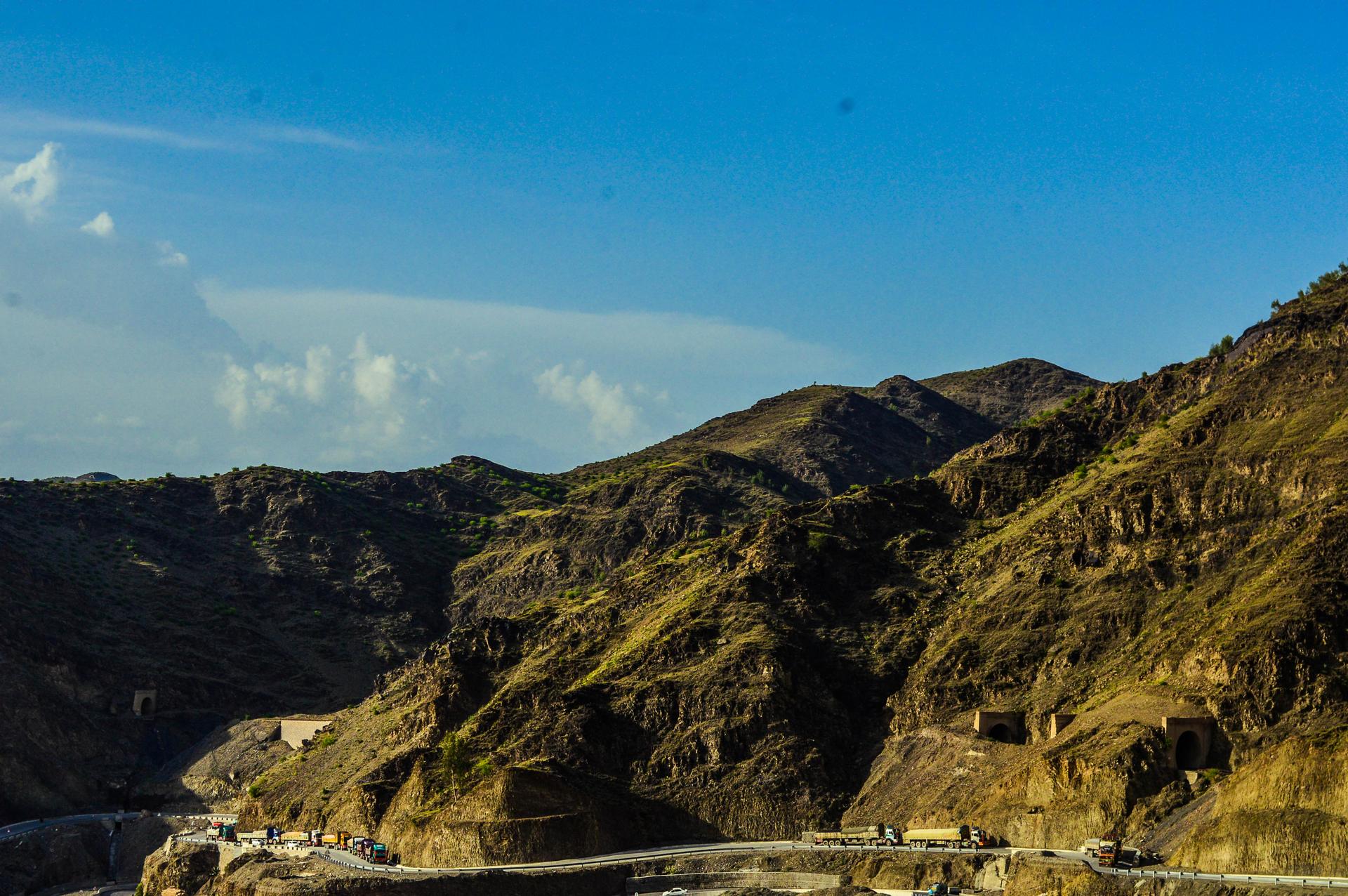
Looking beyond Herat Citadel? Discover Pushtunistan for broader travel guides, local hot-spots, and regional highlights.
Explore Pushtunistan