

Pushtunistan, Afghanistan Travel Guide
Discover Pushtunistan: A Cultural Tapestry of Afghanistan's Majestic Landscape and Timeless Traditions.
Pushtunistan, nestled in the heart of Afghanistan, offers an extraordinary glimpse into the rich culture and history of the Pashtun people. This region, with its rugged mountains and pastoral valleys, is a tapestry woven with tradition, hospitality, and natural beauty. The landscape is dotted with ancient forts, bustling bazaars, and serene villages, each telling a story of resilience and heritage. Visitors to Pushtunistan can immerse themselves in the local way of life, enjoying traditional Pashtun cuisine and experiencing the famed Pashtun hospitality. The region's folklore, music, and dance add a vibrant layer to the cultural experience. The breathtaking scenery, from the peaks of the Hindu Kush to the lush green valleys, offers numerous opportunities for trekking and exploration. Historically, Pushtunistan has been a crossroads of various civilizations, and its strategic location has influenced its cultural and architectural landscape. The area is home to several historical landmarks, including ancient mosques, shrines, and the remnants of old trade routes. Pushtunistan's unique blend of natural beauty, cultural richness, and historical significance makes it a captivating destination for any traveler seeking an off-the-beaten-path adventure.

Know before you go
Hi, I'm Eve. Here are a few practical things to know before exploring Pushtunistan.
- Learn a few basic Pashto phrases to engage with locals and show respect for their culture.
- Dress modestly and respect local customs, as Pushtunistan is a conservative region.
- Visit local bazaars early in the morning for the freshest produce and unique handicrafts.
- Hire a local guide for trekking to ensure safety and gain deeper insights into the region.
- Try traditional dishes like Kabuli Pulao and Mantu for an authentic culinary experience.
Explore Pushtunistan: Things to Do, Places to Eat, Hotels & More
Handpicked recommendations for top attractions, local dining, accommodations, and more

Top Attractions & Sightseeing in Pushtunistan
Top-rated picks
Best Attractions

DarulAman Palace
Explore Darul Aman Palace in Kabul, a neoclassical masterpiece reborn, symbolizing Afghanistan's rich history and unwavering spirit.

Pashtunistan Square
Experience the vibrant heart of Kabul at Pashtunistan Square, a historic landmark embodying Afghan culture, resilience, and daily life.

Best landmarks in Pushtunistan
Top-rated picks
Best Landmarks

Herat Citadel
Explore the ancient Herat Citadel, a historic fortress with roots tracing back to Alexander the Great, offering stunning views and rich history.
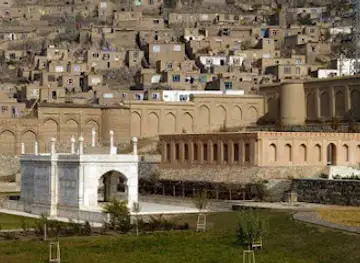
Babur Garden
Explore Kabul's Mughal heritage at Babur Garden, a peaceful terraced oasis and the final resting place of Emperor Babur.
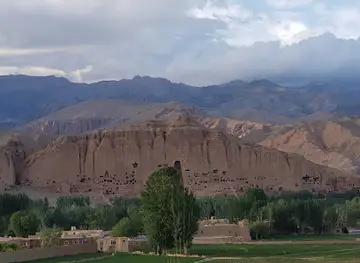
Band-e-Amir National Park
Discover Afghanistan's hidden gem: stunning turquoise lakes, dramatic canyons, and a unique blend of natural beauty and cultural significance.

Khwaja Abdullah Ansari Shrine
Explore the spiritual legacy of Khwaja Abdullah Ansari at this historic shrine in Herat, a beacon of Islamic art and Sufi tradition.

Best restaurants in Pushtunistan
Top-rated picks
Best Restaurants

Bukhara Restaurant
Discover the authentic taste of Afghanistan at Bukhara Restaurant in Kabul, where tradition meets flavor in every dish.

Ziyafat Restaurant
Experience authentic Afghan cuisine at Ziyafat Restaurant in Kabul - a culinary journey filled with rich flavors and warm hospitality.

Sufi Mahal Restaurant ( رستورانت صوفی محل )
Experience authentic Afghan cuisine at Sufi Mahal Restaurant in Kabul—where tradition meets flavor in every dish.

Herat Restaurant
Experience authentic Afghan cuisine at Herat Restaurant – where every dish tells a story of tradition and flavor.

Best bars in Pushtunistan
Top-rated picks
Best Bars

Sufi Mahal Restaurant ( رستورانت صوفی محل )
Experience the authentic taste of Afghanistan at Sufi Mahal Restaurant, where traditional flavors and warm hospitality come together in Kabul.

Chinar Restaurant & Café
Experience authentic Afghan cuisine at Chinar Restaurant & Café, a cultural gem in Kabul offering delightful dishes and a warm atmosphere.

Naseeb Restaurant (رستورانت نصیب)
Experience the authentic taste of Afghanistan at Naseeb Restaurant, where fresh ingredients meet traditional recipes in a warm Kabul setting.

Le Bistro
Experience the essence of Afghan cuisine at Le Bistro, where local flavors meet international culinary delights in a warm and inviting atmosphere.

Best nightclubs in Pushtunistan
Top-rated picks
Best Nightclubs

Ziarat
Experience the vibrant nightlife at Ziarat, a premier night club in Pitav, Afghanistan, blending local culture with exhilarating entertainment.

کمیته مردمی کمیسیون برگزاری جشن استقلال
Experience the vibrant nightlife of Kabul at کمیته مردمی کمیسیون برگزاری جشن استقلال, a lively night club with energetic music and a welcoming atmosphere.

مشترکہ ٹینٹ ایشٹوپ سروس
Uncover the vibrant nightlife of Nili at مشترکہ ٹینٹ ایشٹوپ سروس, where music, dance, and culture intertwine for an unforgettable experience.

Best shops in Pushtunistan
Top-rated picks
Best Shops

Naaz Boutique Afghani dresses store
Explore traditional Afghani elegance at Naaz Boutique in Kabul, where vibrant dresses and rich craftsmanship come together to celebrate Afghan culture.

Rahmanian Shopping Center
Discover a shopping paradise at Rahmanian Shopping Center, where local culture meets diverse retail offerings in the heart of Kabul.

فروشگاه رحيمي Rahimi store
Explore the vibrant Rahimi Store in Kabul, where tradition meets modern style through exquisite clothing and exceptional local craftsmanship.
Luxorian Market
Explore the bustling Luxorian Market in Kabul—your gateway to unique Afghan crafts, delicious cuisine, and vibrant local culture.

Explore Pushtunistan on the Map
A handpicked selection of must-see spots in Pushtunistan, mapped for you.
Pushtunistan Essentials
-
Pushtunistan is located in the eastern part of Afghanistan. The nearest international airport is Hamid Karzai International Airport (KBL) in Kabul. From Kabul, you can take a domestic flight to Jalalabad Airport (JAA), which is the closest airport to Pushtunistan. Alternatively, you can travel by road from Kabul to Pushtunistan, which typically takes around 3-4 hours by car. Be aware that road conditions can vary and it is advisable to hire a local driver familiar with the area.
-
Within Pushtunistan, transportation options include taxis, private cars, and local buses. Taxis are readily available in major towns and cities, but it's recommended to negotiate the fare before starting your journey. For exploring rural areas, renting a car with a local driver is a convenient option. Local buses and minibuses (known as 'Vans') connect various parts of Pushtunistan, though they can be crowded and less comfortable. Walking is also a viable option for short distances within towns.
-
The official currency in Afghanistan is the Afghan Afghani (AFN). Credit cards are not widely accepted, so it is essential to carry cash. ATMs are available in larger towns, but it is advisable to withdraw sufficient cash in Kabul or Jalalabad before traveling to Pushtunistan. Be prepared for limited banking facilities in rural areas.
-
While Pushtunistan is generally welcoming to tourists, there are safety considerations to keep in mind. Avoid traveling alone after dark and stay away from isolated areas. Some neighborhoods in larger towns may have higher crime rates, especially targeting tourists. It is best to seek advice from locals or guides about areas to avoid. Always keep your belongings secure and be vigilant in crowded places.
-
In case of an emergency, dial 119 for police assistance or 112 for medical emergencies. Major towns have hospitals and clinics, but medical facilities may be limited in rural areas. It is crucial to have travel insurance that covers medical emergencies and evacuation. For minor health issues, pharmacies are available in towns where you can purchase over-the-counter medications.
-
Fashion: Do dress modestly, covering shoulders and knees. Avoid wearing revealing clothing. Religion: Do respect local customs and traditions. Always remove your shoes before entering a mosque. Public Transport: Do be respectful and give up your seat to elderly passengers. Don't eat or drink on public transport. Greetings: Do greet people with a polite 'Salaam'. A handshake is common among men, but avoid physical contact when greeting women. Eating & Drinking: Do try local delicacies and accept food offerings graciously. Don't refuse hospitality, as it is considered impolite.
-
To experience Pushtunistan like a local, visit the bustling bazaars where you can buy traditional crafts and fresh produce. Engage with locals, who are often friendly and eager to share their culture and history. Don't miss visiting historical sites such as the Tora Bora caves and the ancient city of Jalalabad. For a unique experience, attend a local festival or traditional Pashto music performance, which are vibrant displays of the region's cultural heritage.
When is the best time to visit Pushtunistan?
Useful Local Phrases for Pushtunistan
You don't need to speak the language perfectly. Even learning a few simple words can make conversations warmer—and locals usually appreciate the effort.
— Eve

Here are the phrases I use most often in Pushtunistan. Try a few—you'll be surprised how far they go! 😊
❤️
-
- Helloسلام
[Salam] - Goodbyeخداحافظ
[Khuda Hafiz] - Yesهو
[Ho] - Noنه
[Na] - Please/You're welcomeلطفاً/خوش آمدید
[Lutfan/Khosh Amadid] - Thank youمننه
[Manana] - Excuse me/Sorryبښنه غواړم
[Bakhshna Ghuaram] - How are you?ته څنګه یی؟
[Ta Tsenga Ye?] - Fine. And you?ښه. ته څنګه یی؟
[Kha. Ta Tsenga Ye?] - Do you speak English?ته انګلیسي خبرې کوې؟
[Ta Angilisi Khapare Kawai?] - I don't understandزه نه پوهیږم
[Za Na Pohiğum]
- Helloسلام
-
- I'd like to see the menu, pleaseلطفاً منو ته کتنه کوم
[Lutfan Menu Ta Katna Kum] - I don't eat meatزه غوښه نه خورم
[Za Ghosh Na Khuram] - Cheers!صحت ته!
[Sehat Ta!] - I would like to pay, pleaseلطفاً زه پیسې ورکول غواړم
[Lutfan Za Pesay Warkol Ghuaram]
- I'd like to see the menu, pleaseلطفاً منو ته کتنه کوم
-
- Help!مرسته!
[Mresta!] - Go away!لیرې شه!
[Lere She!] - Call the Police!پولیس ته زنګ ووهئ!
[Police Ta Zang Wohe!] - Call a doctor!ډاکټر ته زنګ ووهئ!
[Doctor Ta Zang Wohe!] - I'm lostزه ورکه یم
[Za Warka Yam] - I'm illزه ناروغ یم
[Za Narogh Yam]
- Help!مرسته!
-
- I'd like to buy...زه غواړم چې ... واخلم
[Za Ghuaram Che ... Wakhlam] - I'm just lookingزه یوازې کتل کوم
[Za Yawazai Katal Kum] - How much is it?دا څو پیسې دي؟
[Da Tso Pesay De?] - That's too expensiveدا ډیر ګران دی
[Da Der Garan De] - Can you lower the price?تاسو قیمت کمولی شی؟
[Taso Qeemat Kamoli Shi?]
- I'd like to buy...زه غواړم چې ... واخلم
-
- What time is it?اوس څو بجې دي؟
[Os Tso Baje De?] - It's one o'clockدا یوه بجې دي
[Da Yawa Baje De] - Half past (10)نیمه (۱۰) بجې
[Nima (10) Baje] - Morningسهار
[Sahar] - Afternoonغرمه
[Gharma] - Eveningماښام
[Makham] - Yesterdayپرون
[Parun] - Todayنن
[Nan] - Tomorrowسبا
[Sabaa] - 1یو
[Yow] - 2دو
[Do] - 3درې
[Dre] - 4څلور
[Tsalaor] - 5پنځه
[Panjza] - 6شپږ
[Shpag] - 7اووه
[Awah] - 8اته
[Ata] - 9نو
[No] - 10لس
[Las]
- What time is it?اوس څو بجې دي؟
-
- Where's a/the...?چیرته ... شته؟
[Chirta ... Shte?] - What's the address?پته څه ده؟
[Pata Tsa De?] - Can you show me (on the map)?تاسې کولی شئ چې (نقشه کې) ماته وښایئ؟
[Tasie Koli Shi Che (Naqsha Ke) Mata Wakhai?] - When's the next (bus)?راتلونکی (بس) کله دی؟
[Ratlonki (Bus) Kala De?] - A ticket (to ....)یو ټکټ (ته ....)
[Yow Ticket (Ta ....)]
- Where's a/the...?چیرته ... شته؟
History of Pushtunistan
-
Pushtunistan, nestled in the heart of Afghanistan, has a history that traces back to the ancient Aryan tribes. The Pashtuns, who are the predominant ethnic group in the region, are believed to have descended from these early settlers. Evidence of their presence can be found in the region's archaeological sites, such as the ruins of ancient settlements and artifacts that date back to the Bronze Age.
-
During the first millennium BCE, Pushtunistan was part of the Gandhara civilization, which was a major center of Buddhist culture and learning. The influence of Gandhara can be seen in the region's ancient art and architecture, including the famous Bamiyan Buddhas, which stood as a testament to the region's rich cultural and religious heritage until their destruction in 2001.
-
The Islamic conquests of the 7th and 8th centuries brought significant changes to Pushtunistan. The region became a vital part of the Islamic world, and the Pashtuns began to emerge as a distinct group. Their conversion to Islam played a crucial role in shaping their identity and culture, which is deeply intertwined with Islamic traditions and values.
-
In the 10th and 12th centuries, Pushtunistan was under the rule of the Ghaznavid and Ghurid empires. These empires expanded the region's influence and facilitated the spread of Persian culture and language. The Ghaznavid capital, Ghazni, became a center of Islamic learning and culture, attracting scholars, poets, and artists from across the Islamic world.
-
In the 18th century, Pushtunistan became the heartland of the Durrani Empire, founded by Ahmad Shah Durrani. This empire is often considered the foundation of modern Afghanistan. Ahmad Shah Durrani, also known as Ahmad Shah Baba, is revered as the father of the nation. His leadership united the Pashtun tribes and established a strong, centralized state that laid the groundwork for Afghanistan's future.
-
The 19th and early 20th centuries saw Pushtunistan embroiled in the Anglo-Afghan Wars, as the British Empire sought to expand its influence in the region. The fierce resistance of the Pashtuns during these conflicts is legendary, exemplified by battles such as the Battle of Maiwand in 1880, where Afghan forces, led by Ayub Khan, decisively defeated the British. These wars played a significant role in shaping the region's modern borders and its relationship with colonial powers.
-
The Soviet invasion of Afghanistan in 1979 marked another tumultuous period in Pushtunistan's history. The region became a hotbed of resistance, with Pashtun mujahideen fighters playing a key role in the struggle against Soviet forces. Pushtunistan's rugged terrain and the fierce independence of its people made it a formidable battleground, contributing to the eventual withdrawal of Soviet troops in 1989.
-
Today, Pushtunistan continues to be a region rich in cultural heritage. The Pashtunwali code, a traditional set of ethics guiding Pashtun life, remains a cornerstone of local society. This code emphasizes values such as hospitality, honor, and justice. Traditional music, dance, and poetry, particularly the works of famous Pashto poets like Khushal Khan Khattak, are celebrated and preserved, offering a glimpse into the enduring cultural legacy of the Pashtun people.
Neighbouring Regions of Pushtunistan
The closest regions to Pushtunistan, if you have time for more than one.



Your all‑in‑one travel companion app
Explore expert travel guides, compare and book tours, experiences, hotels, and more—all from the palm of your hand. Download now for seamless trip planning wherever your wanderlust takes you.


Explore More of Afghanistan

Looking beyond Pushtunistan? Discover Afghanistan for broader travel guides, local hot-spots, and regional highlights.
Explore AfghanistanPushtunistan in Photos
Browse through our photo collection highlighting the charm and character of the destination.


The Enigmatic Realm of Pushtunistan
Pushtunistan, nestled in the heart of Afghanistan, offers an extraordinary glimpse into the rich culture and history of the Pashtun people. This region, with its rugged mountains and pastoral valleys, is a tapestry woven with tradition, hospitality, and natural beauty. The landscape is dotted with ancient forts, bustling bazaars, and serene villages, each telling a story of resilience and heritage. Visitors to Pushtunistan can immerse themselves in the local way of life, enjoying traditional Pashtun cuisine and experiencing the famed Pashtun hospitality. The region's folklore, music, and dance add a vibrant layer to the cultural experience. The breathtaking scenery, from the peaks of the Hindu Kush to the lush green valleys, offers numerous opportunities for trekking and exploration. Historically, Pushtunistan has been a crossroads of various civilizations, and its strategic location has influenced its cultural and architectural landscape. The area is home to several historical landmarks, including ancient mosques, shrines, and the remnants of old trade routes. Pushtunistan's unique blend of natural beauty, cultural richness, and historical significance makes it a captivating destination for any traveler seeking an off-the-beaten-path adventure.