منارههای هرات (MANAR Ha), Gandhara Travel Guide
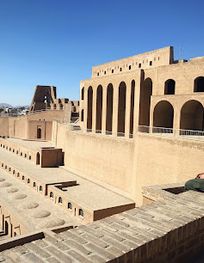
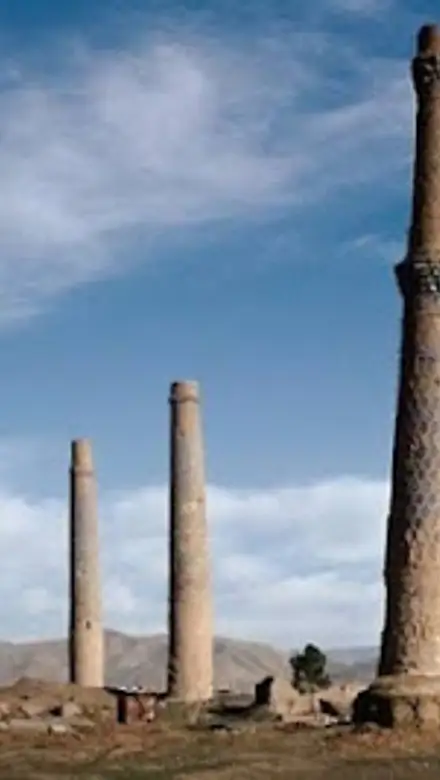
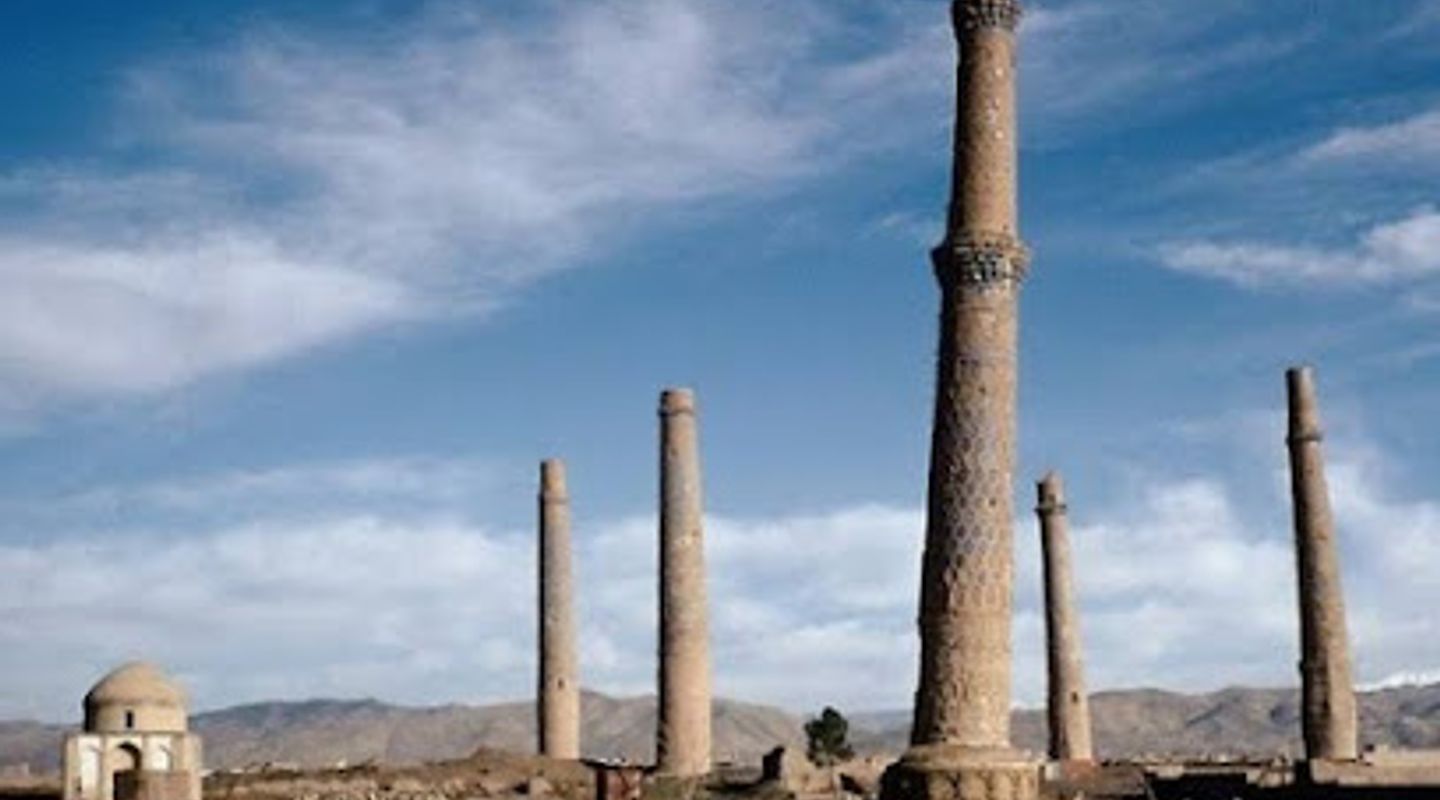
Discover the majestic Minarets of Herat, remnants of the Timurid dynasty, showcasing Islamic architecture and Afghan heritage in Herat's heart.
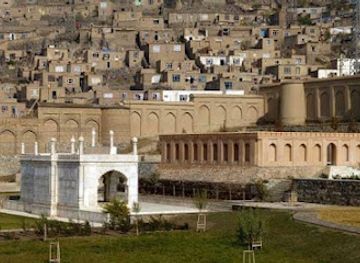
The Minarets of Herat, remnants of the Musalla Complex, stand as testaments to the Timurid dynasty's golden age in the 15th century [7]. These majestic structures, adorned with intricate tilework and calligraphy, offer a glimpse into Afghanistan's rich cultural and artistic heritage [3, 8].
A brief summary to منارههای هرات (MANAR Ha)
- 955P+PG7, AH1, Herat, AF

Know before you go
Hi, I'm Eve. Here are a few practical things to know before exploring منارههای هرات (MANAR Ha).
- Wear comfortable shoes, as the area around the minarets can be uneven and dusty.
- Visit during the early morning or late afternoon for the best light and fewer crowds.
- Respect local customs and dress modestly when visiting the site.
Do you manage this location?
Take control to get all the benefits, like improved information, better appearance, and stronger visibility across AI-powered discovery. Learn more about listing your business on Evendo
Activate your presenceOther nearby places you may find interesting
The closest places of the same kind, if this one is not quite what you had in mind.


Explore منارههای هرات (MANAR Ha) on the Map
A handpicked selection of must-see spots near منارههای هرات (MANAR Ha), mapped for you.
Getting There
-
Walking
From the Herat National Museum, walk approximately 1.5 kilometers northeast along the main road (AH1). The minarets will become visible on your left, set back from the road. The walk takes about 20-25 minutes. There are no specific entrance fees for the immediate area, but consider a small donation for upkeep.
-
Taxi
Taxis are readily available in Herat. A short taxi ride from the city center (e.g., from near the Herat Citadel) to the Minarets of Herat costs approximately 150-200 AFN. Agree on the fare before starting your journey. The ride takes around 10-15 minutes, depending on traffic.
Discover more about منارههای هرات (MANAR Ha)
More to explore near منارههای هرات (MANAR Ha)













Your all‑in‑one travel companion app
Explore expert travel guides, compare and book tours, experiences, hotels, and more—all from the palm of your hand. Download now for seamless trip planning wherever your wanderlust takes you.


Explore More of Gandhara
Looking beyond منارههای هرات (MANAR Ha)? Discover Gandhara for broader travel guides, local hot-spots, and regional highlights.
Explore Gandhara