Sipsey Wilderness: Alabama's Natural Escape
Discover Alabama's wild side in the Sipsey Wilderness: hiking, waterfalls, and natural beauty await in this pristine forest.
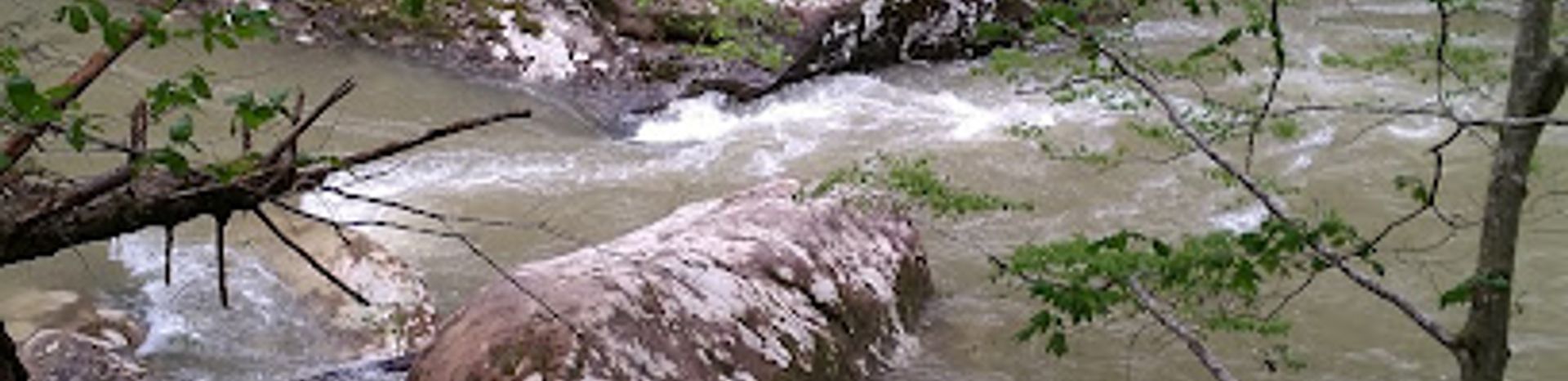
The Sipsey Wilderness, nestled within Bankhead National Forest, is a 24,922-acre natural haven known as the 'Land of 1000 Waterfalls' [8, 17]. It's Alabama's largest and most visited wilderness area, offering a unique landscape of canyons, bluffs, and diverse forests [8].
A brief summary to Sipsey Wilderness
- Mt Hope, Alabama, 35651, US
- +1205-489-5111
- Visit website
Local tips
- Wear sturdy hiking boots, as the trails can be rocky and slippery, especially after rain [1].
- Bring plenty of water, especially during warmer months, as the Sipsey Wilderness can be humid [1].
- Pay close attention to trail signs and markers, as there are numerous intersecting paths within the wilderness area [1].
- Practice Leave No Trace principles by packing out everything you pack in and camping at least 200 feet from water sources [1].

Getting There
-
Driving
The Sipsey Wilderness is accessible via several trailheads, including the Sipsey River Picnic Area, Randolph Trailhead, and Borden Creek Trailhead [8]. From Moulton, Alabama, travel south on AL Highway 33 for 13.8 miles, then turn right onto Winston County Road 60 [7]. For Borden Creek Trailhead, turn right onto FS224 and travel 2.2 miles to the parking area [7]. Parking is free at most trailheads, except for Sipsey River Trailhead, where a $3/day fee is required [10, 19]. Limited parking is available at some trailheads [13].
-
Walking
From the Sipsey River Picnic Area, follow Trail 209 along the Sipsey River [2]. The trail is well-marked but can be rocky and slippery in places [1]. Be prepared to ford the river at several points [14]. The distance to popular landmarks such as the 'Fat Man Squeeze' and various waterfalls ranges from 1 to 3 miles [7]. No fees are required for accessing the trail on foot after parking.
Discover more about Sipsey Wilderness
Iconic landmarks you can’t miss

Warrior Mountain Historic Marker
8.8 km
Explore the Warrior Mountain Historic Marker, a historical landmark in Alabama that unveils the region's cultural heritage and tranquil landscapes.
William B. Bankhead National Forest
27.4 km
Explore Alabama's Bankhead National Forest: Waterfalls, wilderness, and outdoor adventures await in this natural paradise.

Crooked Creek Civil War Museum
43.6 km
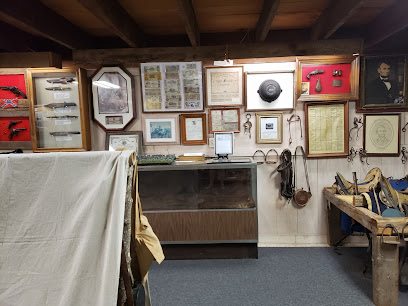
Discover the Crooked Creek Civil War Museum in Vinemont, Alabama, where history comes alive through engaging exhibits and personal stories from the Civil War era.
Historic Freeman House
44.4 km
Explore the Historic Freeman House in Tuscumbia, Alabama - a captivating landmark showcasing rich history and architectural beauty.
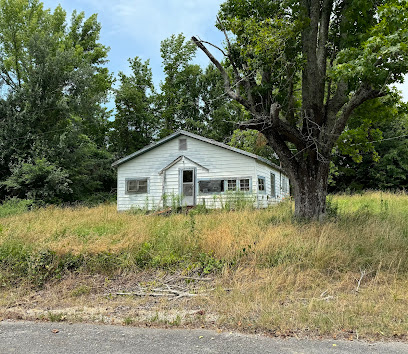
Chuck E. Cheese
46.7 km
Decatur's premier family fun center with pizza, arcade games, and birthday celebrations for lasting memories.
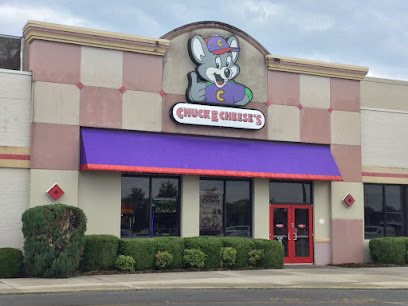
Matt Sandlin Mountain
48.4 km
Experience the natural beauty and historical significance of Matt Sandlin Mountain, a must-visit landmark in Crane Hill, Alabama.
The Moody Crab
49.5 km
Decatur's premier seafood restaurant, serving fresh catches and flavorful boils in a relaxed, nautical-themed atmosphere.
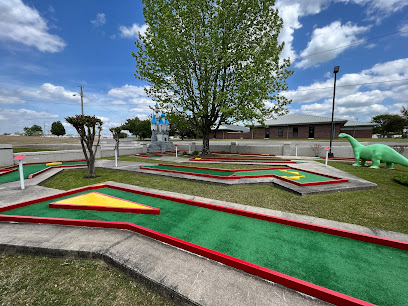
Funland Mini Golf
49.6 km
Experience classic miniature golf at Funland Mini Golf in Decatur, AL, a family-friendly destination with colorful courses and engaging themes.
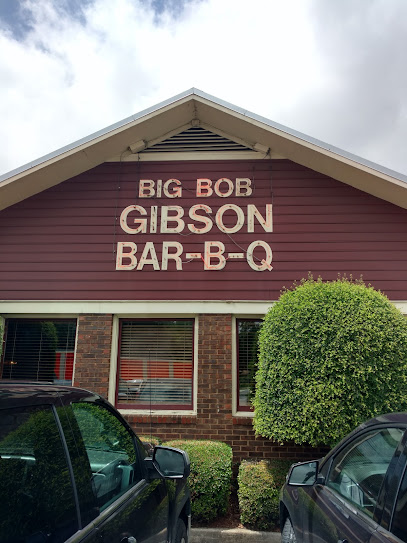
Big Bob Gibson Bar-B-Q
50.1 km
Experience world-championship BBQ at Big Bob Gibson's in Decatur, AL, home of the legendary Alabama white sauce and hickory-smoked meats since 1925.
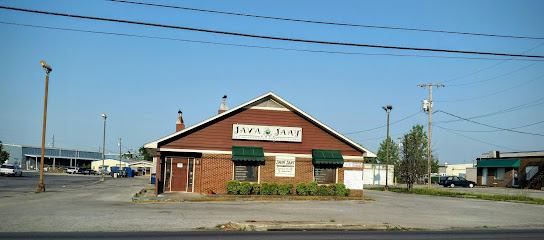
Java Jaay Cafe
50.1 km
Experience Decatur's cozy community hub at Java Jaay Cafe, where expertly crafted coffee and homemade treats create a warm, inviting atmosphere.
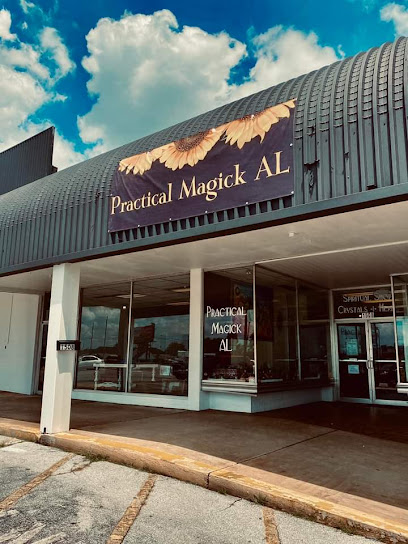
Practical Magick AL New Age
50.3 km
Your one-stop shop in Decatur, AL, for spiritual supplies, crystals, herbs, tarot, and New Age essentials for seasoned and novice practitioners alike.
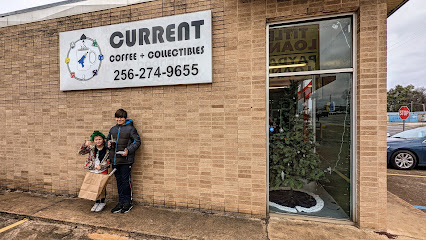
Current: Coffee + Collectibles
50.4 km
Decatur's unique spot for coffee, collectibles, and community, offering a diverse selection of trading cards, games, and vegetarian delights.
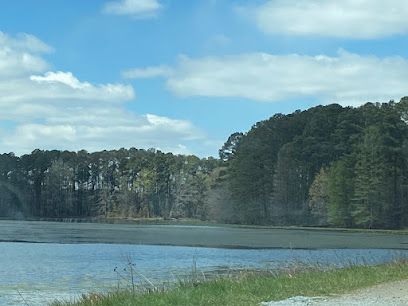
Wheeler National Wildlife Refuge Visitor Center
50.4 km
Discover Alabama's natural beauty at Wheeler National Wildlife Refuge, a haven for migratory birds and diverse wildlife along the Tennessee River.
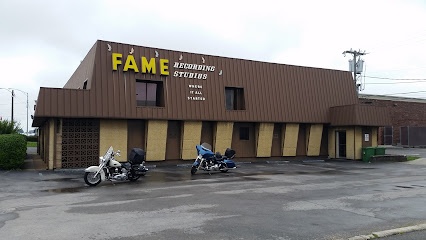
Fame Recording Studios
50.6 km
Experience the soulful sounds of Muscle Shoals at FAME Recording Studios, where music history comes alive. Tours available!
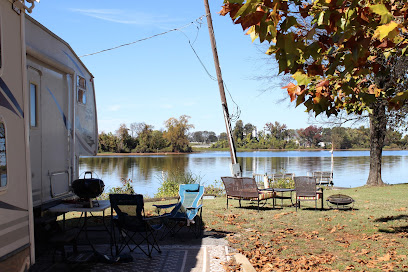
Jay Landings Marina & RV Park
50.7 km
Discover lakeside serenity and outdoor adventures at Jay Landings Marina & RV Park in Decatur, Alabama. Your perfect Tennessee River escape!
Unmissable attractions to see

Bee Branch Scenic Area
1.4 km
Discover Alabama's natural beauty at Bee Branch Scenic Area: hike through lush forests, explore stunning waterfalls, and witness the majestic 'Big Tree'.
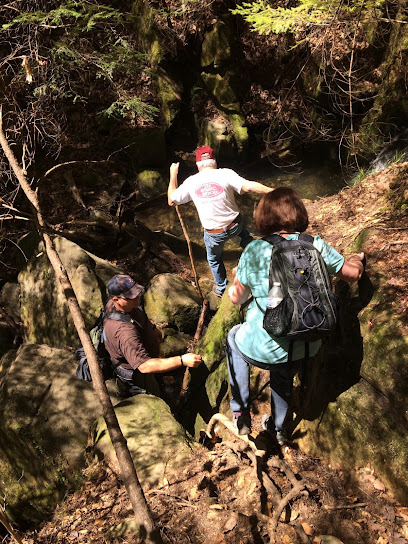
Eye of the Needle / Ship Rock
3.2 km
Discover the majestic Eye of the Needle and Ship Rock in Alabama's Bankhead National Forest for hiking, camping, and stunning natural beauty.
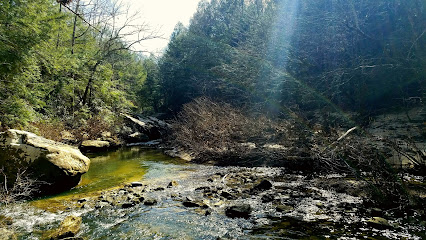
Thompson Trailhead
3.5 km
Explore Alabama's Sipsey Wilderness: Hike through stunning landscapes, discover hidden waterfalls, and immerse yourself in nature's tranquility at Thompson Trailhead.
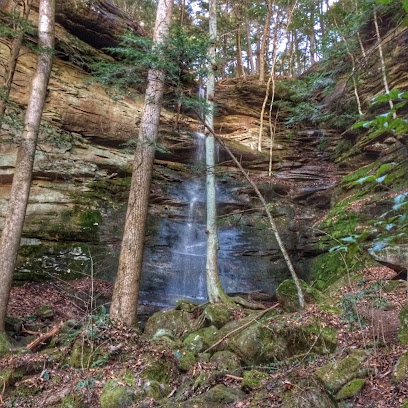
Gum Pond Trailhead
3.7 km
Explore the trails of Bankhead National Forest from Gum Pond Trailhead, a starting point for hiking and horseback riding adventures in Alabama.
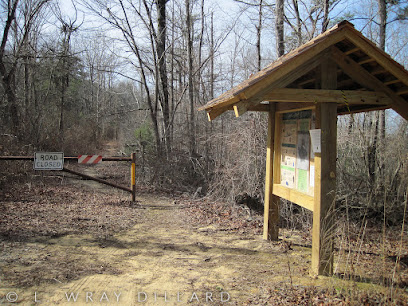
Braziel Trailhead
4.6 km
Explore the Sipsey Wilderness: Hike, run, or ride from Braziel Trailhead in Bankhead National Forest, Alabama.
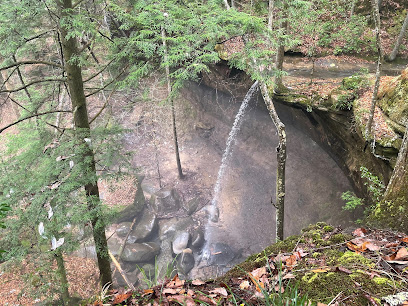
Fall Creek Falls
4.6 km
Discover the beauty of Fall Creek Falls in Alabama: scenic trails, stunning waterfalls, and nature's tranquility await in Bankhead National Forest.
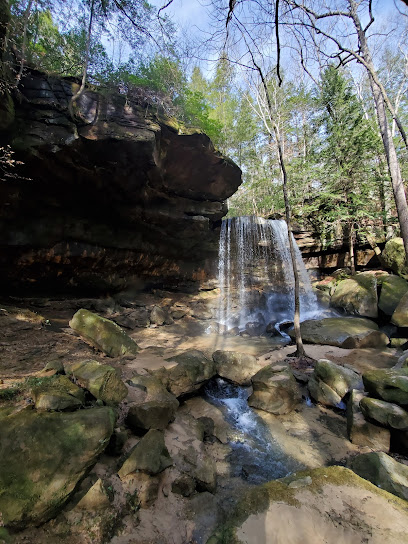
Borden Trailhead
4.8 km
Explore scenic trails, waterfalls, and natural beauty at Borden Trailhead, your entry point to Alabama's Sipsey Wilderness.
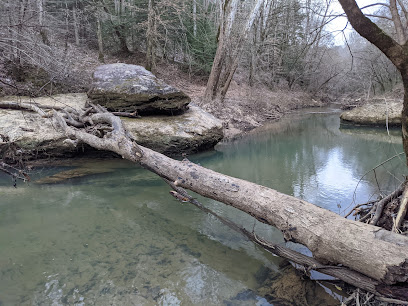
Eagle Creek Falls
4.9 km
Discover the serene beauty of Eagle Creek Falls, a hidden treasure within Alabama's Bankhead National Forest.
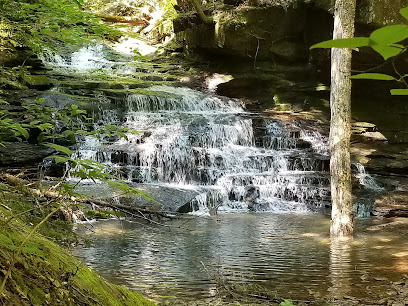
Trailhead for Eagle Falls
5.4 km
Discover the serene beauty of Eagle Falls in Ashridge, Alabama, a perfect hiking destination for nature lovers and adventure seekers.
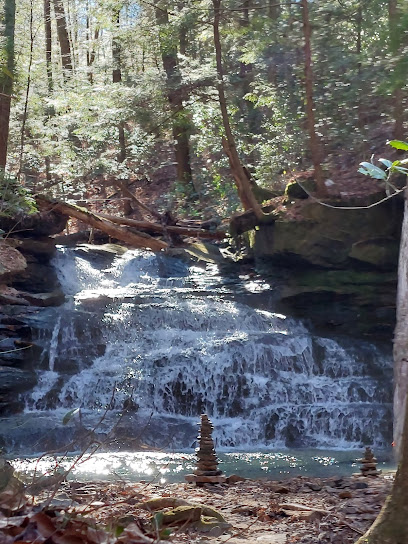
Wolfpen Hunt Camp
5.5 km
Experience primitive camping and hiking adventures in Alabama's Bankhead National Forest at Wolfpen Hunt Camp near Double Springs.
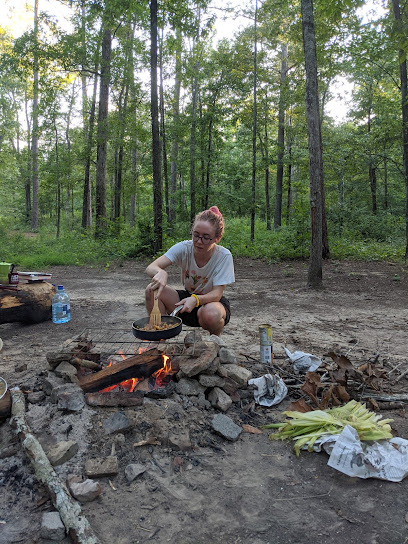
Randolph Trail Head Parking, Bankhead National Forest
5.9 km
Explore the Sipsey Wilderness! Hiking, waterfalls, and natural beauty await in Bankhead National Forest.
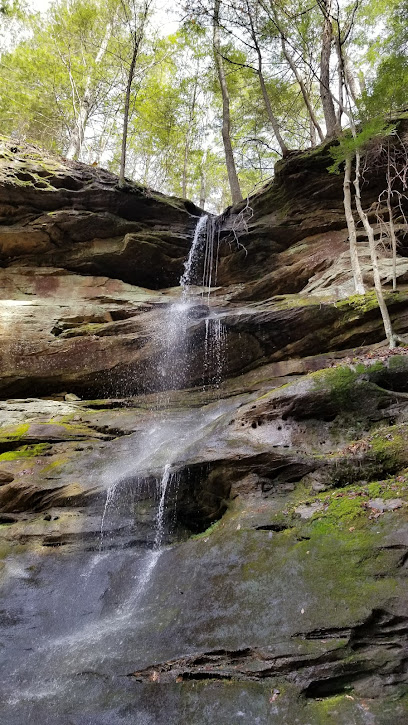
Mize Mill Falls
5.9 km
Discover the serene beauty of Mize Mill Falls in Alabama's Bankhead National Forest, a hidden gem with a tranquil cascade.
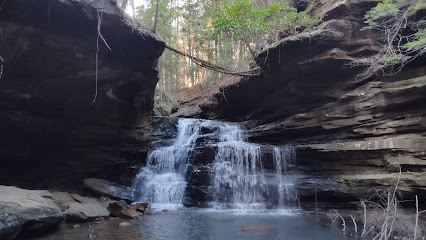
Flannagin Trailhead
6.0 km
Explore Alabama's wilderness: Hike scenic trails, discover hidden waterfalls, and connect with nature at Flannagin Trailhead in Bankhead National Forest.
Sipsey River Picnic Area
6.1 km
Explore Alabama's natural beauty at Sipsey River Picnic Area: Hike scenic trails, paddle the Sipsey Fork, and discover the wonders of Bankhead National Forest.
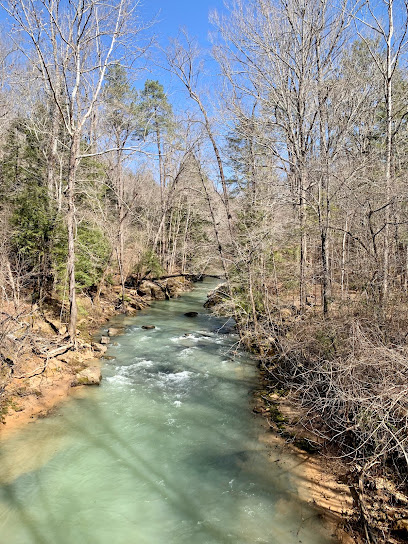
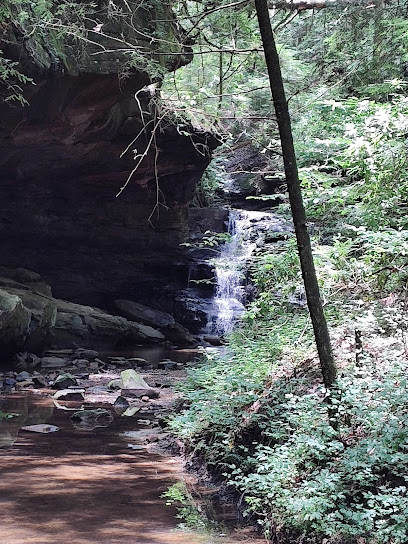
Mize Mills Falls Trailhead
6.1 km
Discover the serene beauty of Mize Mills Falls in Bankhead National Forest, a perfect escape for nature lovers and photographers alike.
Essential places to dine

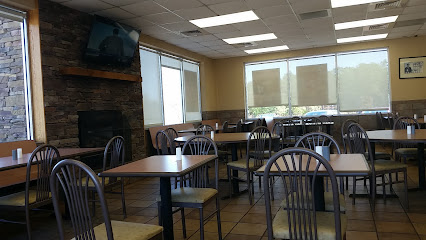
Jack's
19.6 km
Discover the heart of Southern fast food at Jack's in Double Springs – where delicious breakfasts meet mouthwatering burgers.
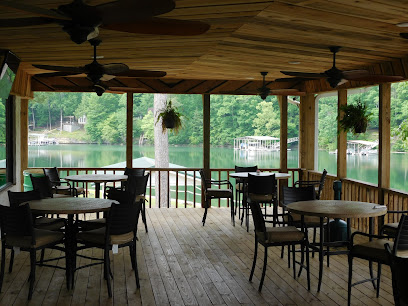
Lakeshore Inn Restaurant
23.9 km
Discover Lakeshore Inn Restaurant: where American cuisine meets stunning lakeside views in Double Springs, Alabama.
Chili's Grill & Bar
46.8 km
Experience vibrant American and Tex-Mex cuisine at Chili's Grill & Bar in Decatur - perfect for families and casual gatherings.
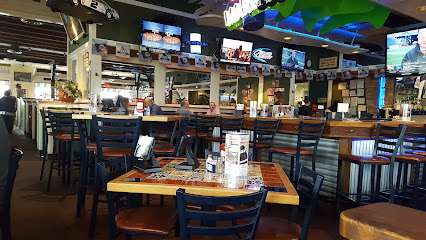
Chick-fil-A
46.8 km
Savor the flavors of Southern hospitality at Chick-fil-A in Decatur - where every meal is made with care.
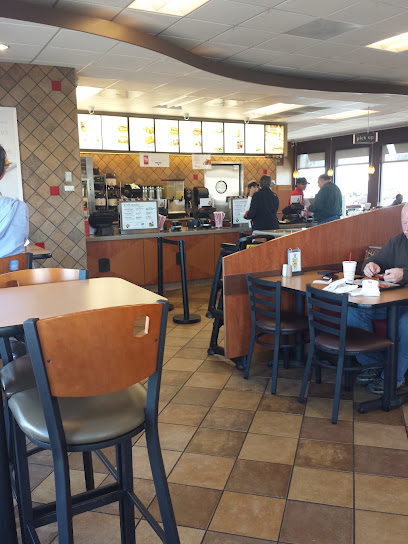
Applebee's Grill + Bar
46.9 km
Experience American cuisine at its best at Applebee's Grill + Bar in Decatur - where flavor meets family-friendly fun!
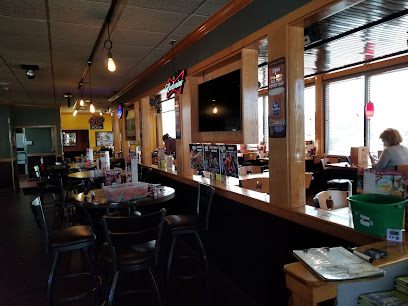
Logan's Roadhouse
46.9 km
Experience hearty American cuisine at Logan's Roadhouse in Decatur – where every meal feels like home!
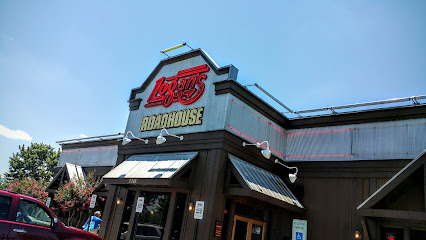
L Patron Mexican Grill and Cantina
46.9 km
Savor authentic Mexican cuisine at L Patron Mexican Grill and Cantina in Decatur – where every meal is a festive celebration of flavor!
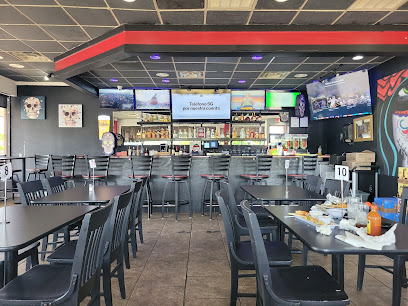
Chow King Grill & Buffet
47.0 km
Savor an all-you-can-eat adventure at Chow King Grill & Buffet in Decatur - where diverse cuisines meet affordability!
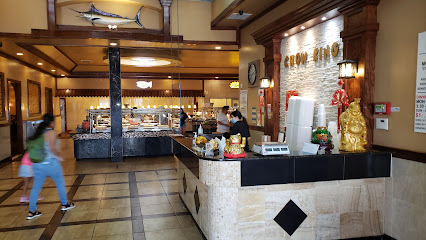
Las Vias - 1000 Beltline Rd Ste. Q
47.1 km
Experience authentic Mexican flavors at Las Vias in Decatur, Alabama – where every dish tells a story.
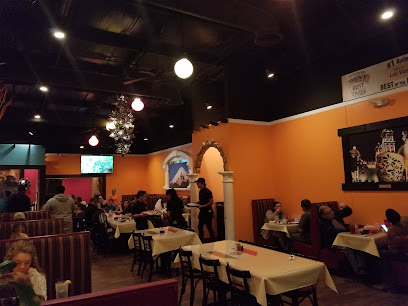
Wings and seafood
47.3 km
Experience fresh seafood delights in Decatur at Wings and Seafood – where flavor meets Southern charm in every bite.
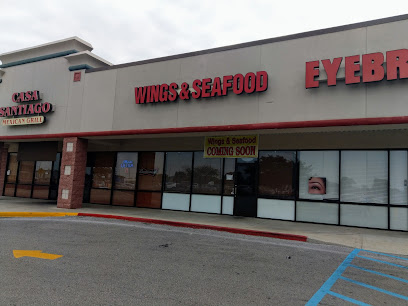
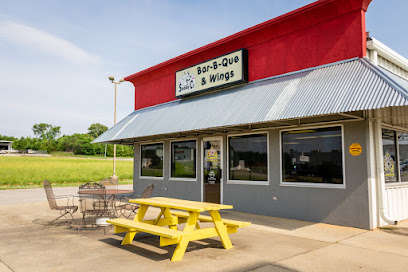
Smokey C's Bar-B-Que & Wings
47.4 km
Experience the authentic taste of Southern barbecue at Smokey C's Bar-B-Que & Wings in Decatur, AL – where flavor meets hospitality.
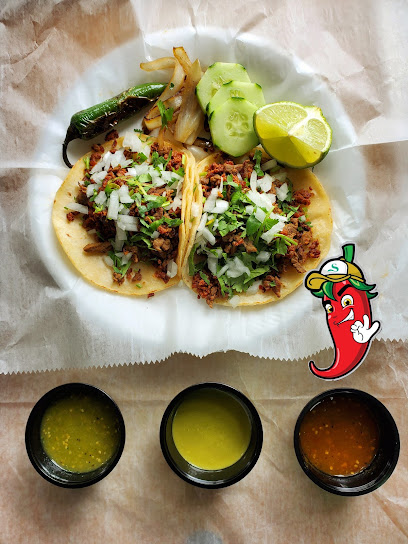
Serrano's Mexican
47.5 km
Discover the rich flavors of Mexico at Serrano's Mexican in Decatur – where every meal is a fiesta!
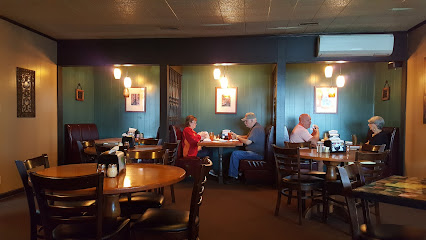
Alfonso's Pizza & Italian Restaurant
47.5 km
Savor the taste of Italy at Alfonso's Pizza & Italian Restaurant in Decatur, where every slice tells a story of tradition and flavor.
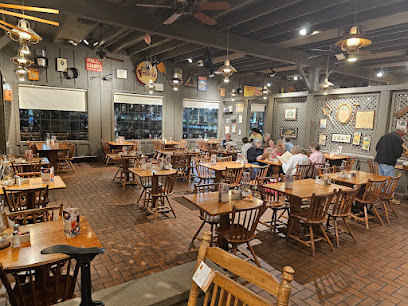
Cracker Barrel Old Country Store
47.8 km
Experience authentic Southern comfort food and unique gifts at Cracker Barrel Old Country Store in Decatur - where every meal feels like home.
The Grille at Trident Marina
48.3 km
Experience exceptional lakeside dining at The Grille at Trident Marina with stunning views and delicious local cuisine.
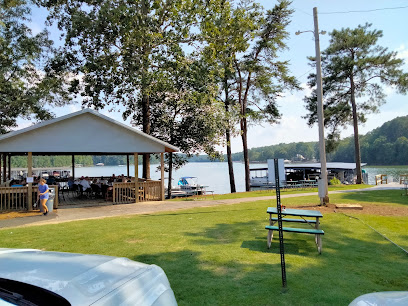
Markets, malls and hidden boutiques

Wood For You Furniture Outlet & Gifts
12.8 km
Explore the charm of Wood For You Furniture Outlet & Gifts, where unique furnishings meet delightful gifts in Haleyville, Alabama.
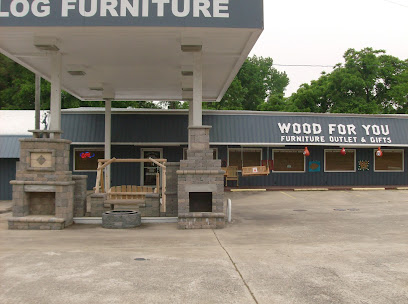
Dollar General
17.8 km
Explore Dollar General in Haleyville for great deals on everyday essentials, beauty supplies, and seasonal goods—perfect for budget-conscious travelers!
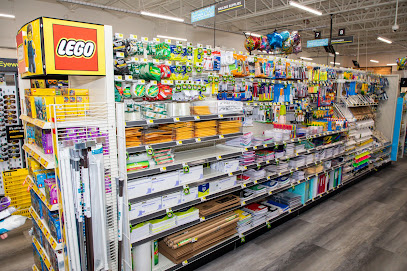
Walmart Supercenter
18.2 km
Explore Walmart Supercenter in Haleyville: A comprehensive shopping experience with groceries, clothing, electronics, and more.

Dollar Tree
18.3 km
Explore Dollar Tree in Haleyville for unbeatable deals on everything from groceries to party supplies, all at just one dollar each.
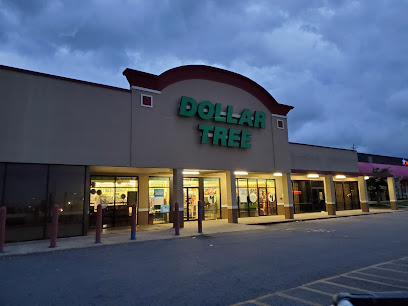
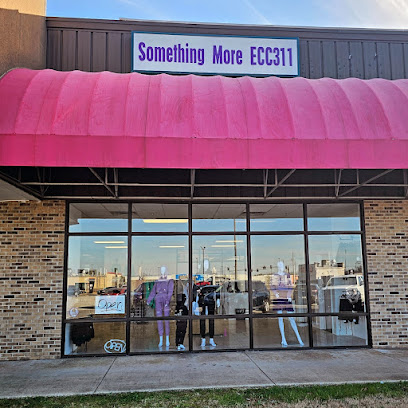
Something More ECC311
18.4 km
Explore the unique charm of Something More ECC311 in Haleyville, Alabama, where local crafts and treasures await every visitor.
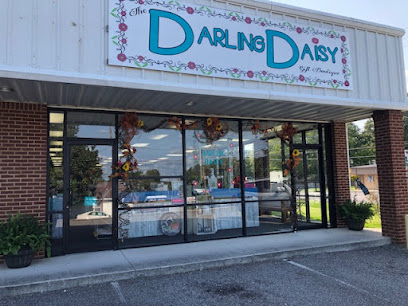
The Darling Daisy
20.1 km
Discover unique local crafts and stylish finds at The Darling Daisy, the charming boutique in Haleyville, Alabama that captures the essence of Southern hospitality.
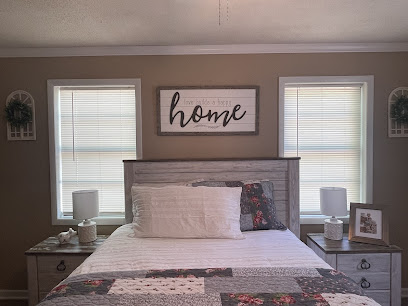
Farmers Home Furniture | Haleyville, AL
20.2 km
Discover quality furniture, appliances, and home goods at Farmers Home Furniture in Haleyville, AL – a shopper's paradise for home essentials.
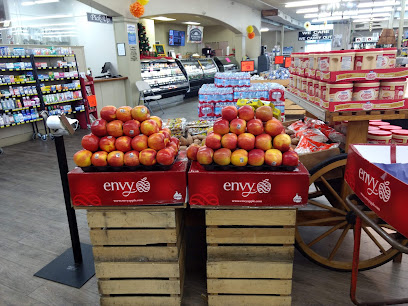
Goar's Supermarket
20.5 km
Discover local flavors and fresh produce at Goar's Supermarket in Haleyville, Alabama, a must-visit for grocery shopping and regional specialties.
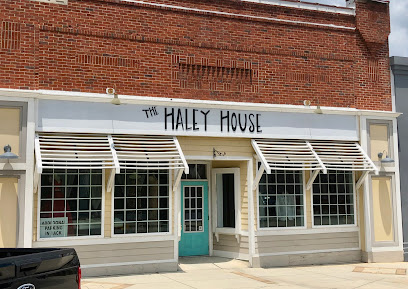
Haley House
20.9 km
Explore Haley House in Haleyville, Alabama for exceptional formal wear, personalized styling, and an unforgettable shopping experience.
Basse Trading Company
21.2 km
Explore the rich history and unique antiques at Basse Trading Company, a hidden gem in Moulton, Alabama.
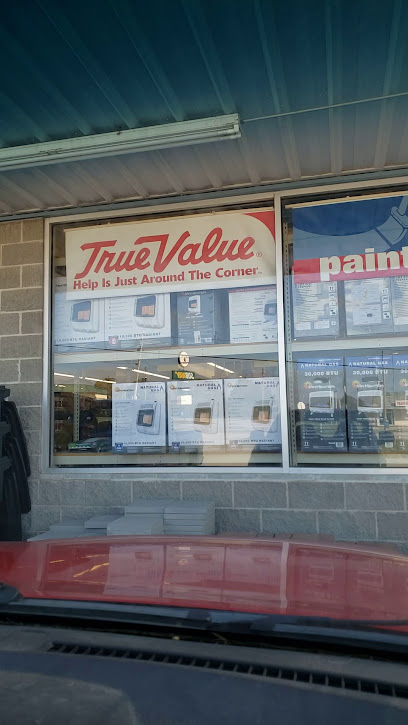
Elliott True Value
21.2 km
Explore Elliott True Value in Haleyville, Alabama, your go-to destination for DIY supplies, tools, and expert home improvement advice.
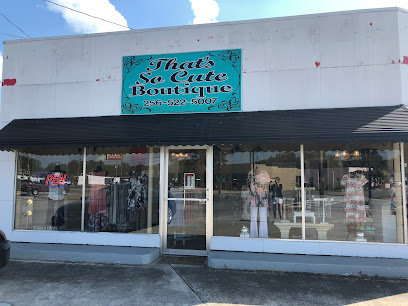
That’s so cute boutique
21.3 km
Explore unique fashion and accessories at That’s So Cute Boutique, a charming shopping destination in Moulton, Alabama.
Unique Apparel
21.4 km
Explore Unique Apparel in Haleyville for exclusive clothing that captures the essence of local fashion and style.
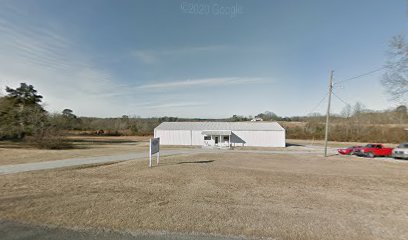
The Market
21.7 km
Unearth unique antiques and local treasures at The Market in Moulton, Alabama - a charming shopping destination for every traveler.
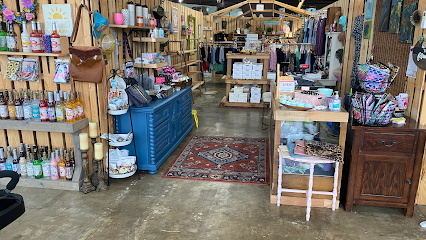
Mays Wholesale Flowers
21.8 km
Discover the enchanting world of fresh blooms at Mays Wholesale Flowers in Haleyville, Alabama, where quality meets beauty.
Essential bars & hidden hideouts

Rockin' P. BBQ & Catfish
16.9 km
Experience the mouthwatering flavors of Southern barbecue and fresh catfish at Rockin' P. BBQ & Catfish in Haleyville, Alabama.
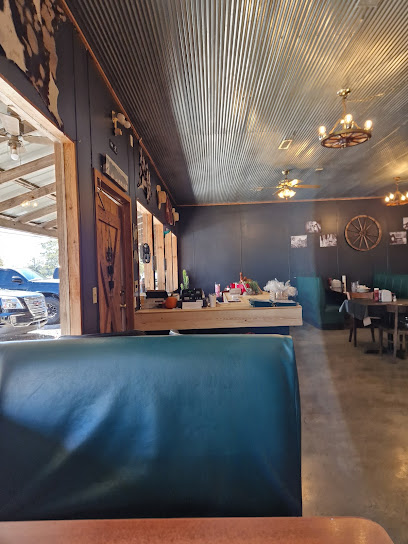
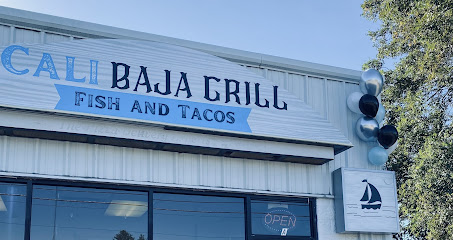
Cali Baja Grill
17.5 km
Discover the vibrant flavors of Baja California at Cali Baja Grill, where Mexican and American cuisines meet in a delightful dining experience.
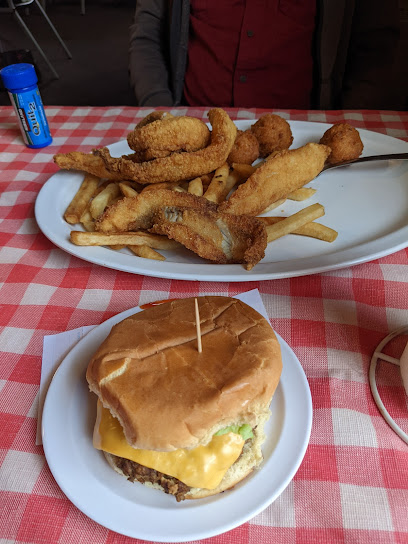
B and J Cafe
18.0 km
Discover the heart of Southern cuisine at B and J Cafe in Phil Campbell, Alabama, where comfort food and warm hospitality await.
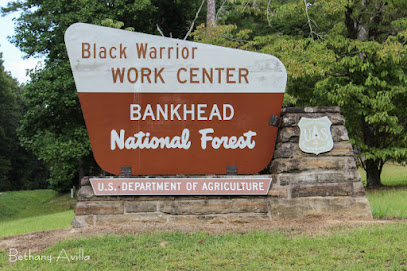
Bankhead Ranger District
18.1 km
Discover the serene landscapes and vibrant wildlife of Bankhead Ranger District, Alabama's premier outdoor adventure destination.
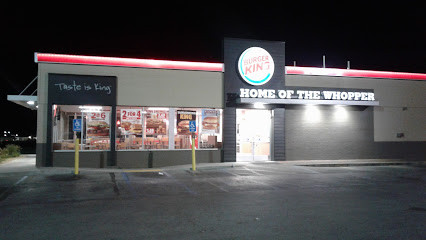
Burger King
18.3 km
Indulge in delicious flame-grilled burgers and fast-food favorites at Burger King in Haleyville, Alabama, perfect for a quick and satisfying meal.
Taco Bell
18.3 km
Savor the delicious flavors of Taco Bell in Haleyville, offering fast, affordable Mexican-inspired meals for every taste.

Guthries
18.3 km
Experience the rich flavors of Southern hospitality at Guthries, where delicious fried chicken meets a warm, inviting atmosphere in Haleyville, Alabama.
Sapore Grill
18.7 km
Experience authentic Italian flavors at Sapore Grill, where fresh ingredients meet traditional recipes in a warm, inviting atmosphere.
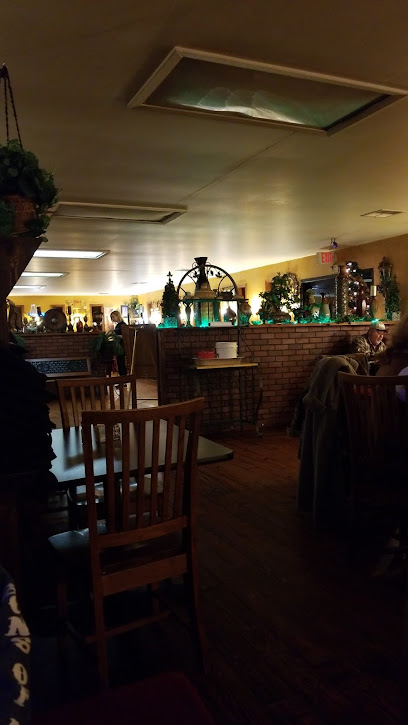
Buena Vista
19.2 km
Discover the authentic flavors of Mexico at Buena Vista, a beloved restaurant in Double Springs, Alabama, perfect for every taco lover.
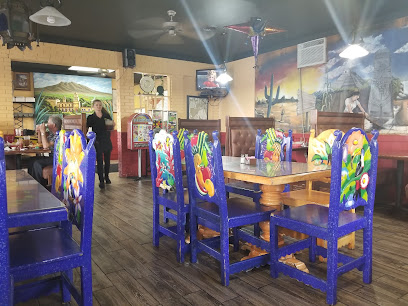
Subway
19.3 km
Discover fresh, customizable sandwiches and quick meals at Subway in Double Springs, Alabama, perfect for tourists craving delicious flavors.
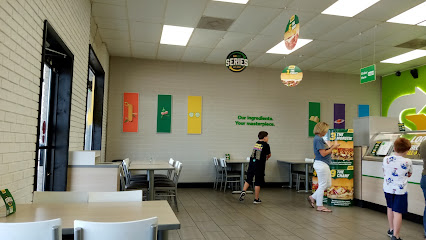
Cazadores Grill
20.0 km
Experience the vibrant flavors of Mexico at Cazadores Grill in Haleyville, where authentic dishes and a warm atmosphere await every food lover.
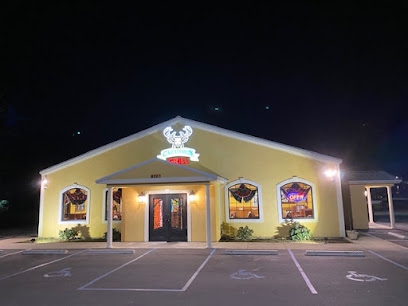
Haleyville Sno Biz
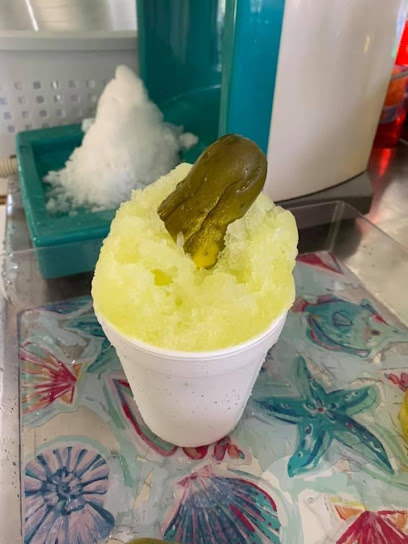
20.4 km
Experience the sweet and refreshing delights of Haleyville Sno Biz, your go-to destination for scrumptious snow cones and beverages in Alabama.
Russell's Rising Smoke
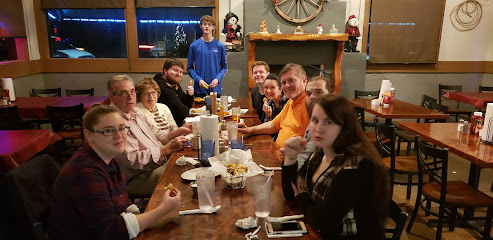
20.5 km
Discover authentic southern cuisine at Russell's Rising Smoke in Haleyville, where every meal is a celebration of flavor and tradition.
Restaurante Guatemex
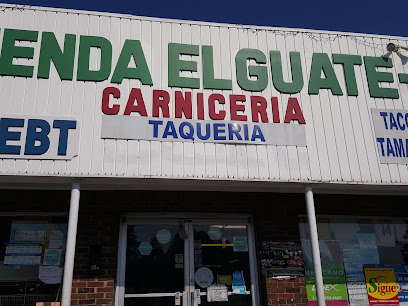
20.5 km
Experience the vibrant flavors of Guatemala at Restaurante Guatemex, Haleyville's culinary gem for authentic dishes and warm hospitality.
Don Jose’s Pizza
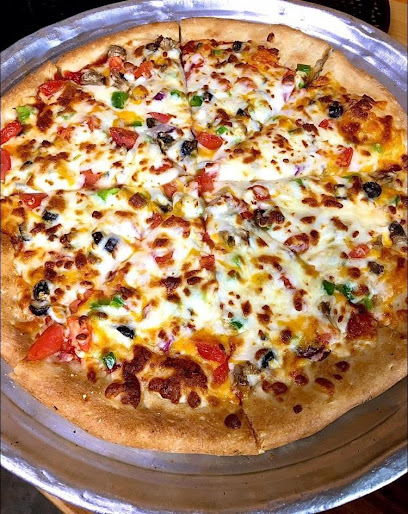
20.5 km
Experience the authentic taste of pizza at Don Jose’s Pizza in Haleyville, Alabama, where every slice is made with love and fresh ingredients.
Nightclubs & after hour spots

Stagger Lee's Lounge
45.8 km
Discover the lively Stagger Lee's Lounge in Tuscumbia, AL, a unique blend of hotel comfort and vibrant nightlife for an unforgettable experience.
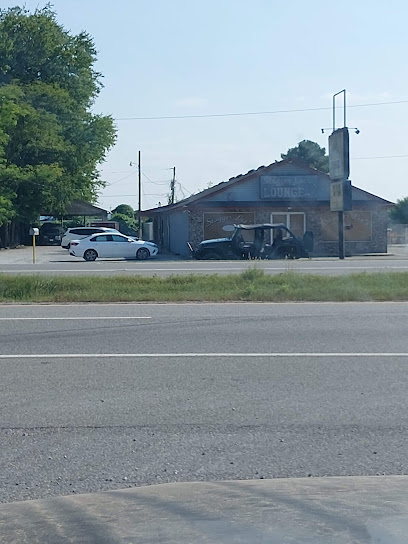
Waynes World
46.6 km
Dive into the exhilarating nightlife at Waynes World, Decatur's premier night club, where music and fun come together for an unforgettable experience.
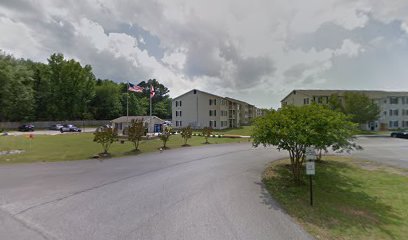
Club Explosions
47.9 km
Unleash your energy at Club Explosions, Decatur's top nightlife spot for unforgettable music, dancing, and vibrant atmosphere.
TOP TIER LATINAS LOUNGE
47.9 km
Experience the vibrant nightlife at Top Tier Latinas Lounge in Decatur, AL, where music, dance, and great drinks come together for an unforgettable evening.

113 Club
50.9 km
Discover a premier cigar shop in Decatur, Alabama, offering an exquisite selection of premium cigars and a welcoming atmosphere for enthusiasts.
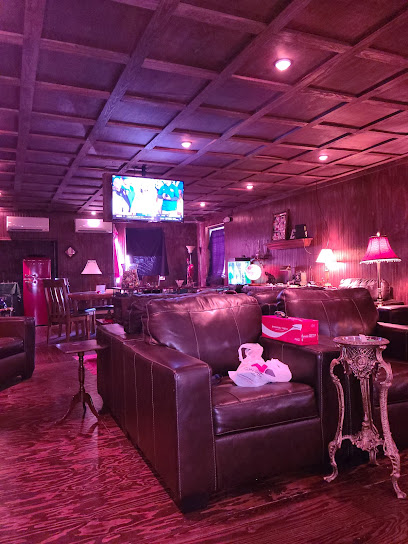
TP Country Club
51.5 km
Experience leisure and elegance at TP Country Club, where scenic views and exceptional amenities create an unforgettable getaway in Cullman, Alabama.
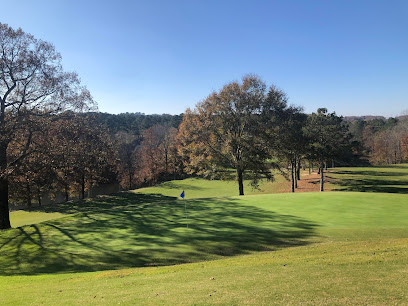
Midnight Special Incorporated
57.6 km
Discover the heartbeat of Jasper's nightlife at Midnight Special Incorporated, a lively night club offering music, dancing, and a welcoming atmosphere.
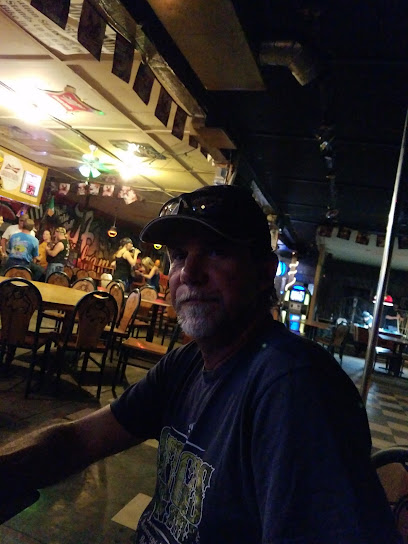
Alabama Distillery Co.
58.0 km
Explore Alabama's rich distilling heritage at Alabama Distillery Co., where every sip tells a story of craftsmanship and tradition.
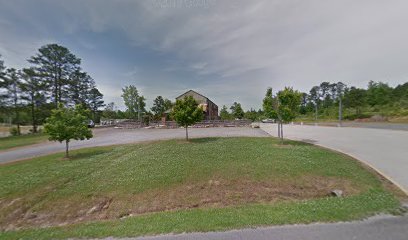
The Barn At Lake Catoma
59.8 km
Discover The Barn At Lake Catoma, a charming bar and event venue in Cullman, Alabama, perfect for weddings and memorable gatherings.
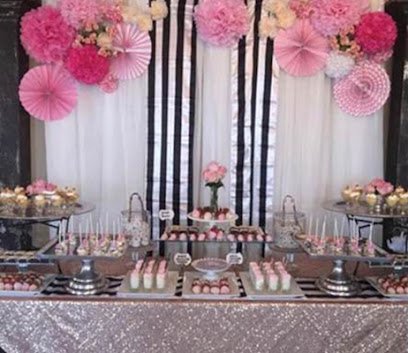
Jack Aces clubhouse
61.2 km
Experience the vibrant nightlife at Jack Aces Clubhouse in Cullman, Alabama, where great drinks and friendly vibes await every visitor.
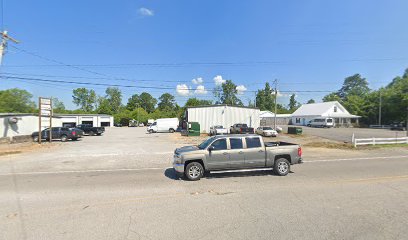
J & S Karaoke Place
61.3 km
Experience the vibrant energy and music at J & S Karaoke Place, Hanceville's favorite spot for singing your heart out with friends.
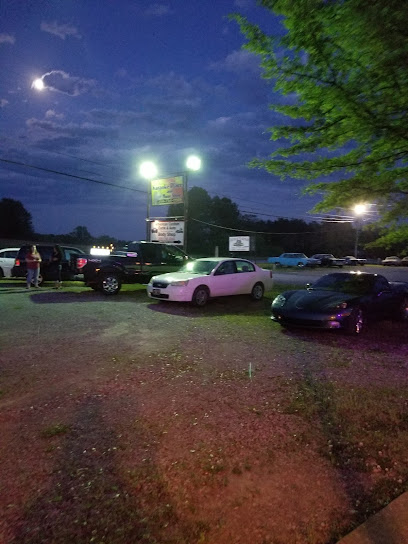
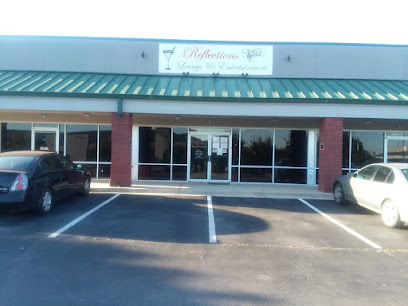
Reflections Lounge & Entertainment
74.3 km
Experience the vibrant nightlife of Madison at Reflections Lounge & Entertainment - where cocktails meet captivating performances.
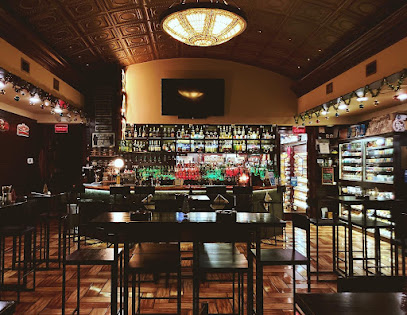
Vintage Cigar Lounge
81.8 km
Explore the Vintage Cigar Lounge in Huntsville for premium cigars and crafted cocktails in a sophisticated atmosphere.
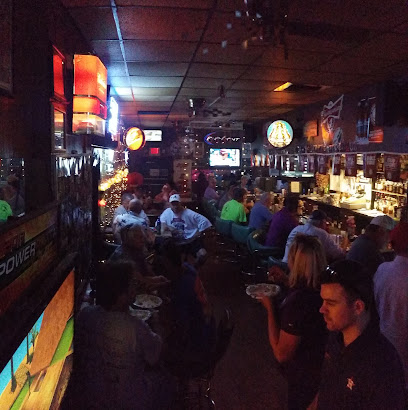
Cat & Mouse Club
86.1 km
Experience the vibrant atmosphere at Cat & Mouse Club, a dive bar in Huntsville offering great drinks, sports entertainment, and a welcoming vibe.
HHK The Spot
86.6 km
Explore Huntsville's vibrant nightlife at HHK The Spot, a chic lounge offering music, dancing, and expertly crafted cocktails.