Splinter Hill Bog Preserve: A Carnivorous Wonderland
Explore Alabama's Splinter Hill Bog Preserve: a unique landscape of carnivorous plants, diverse wildlife, and scenic trails along the Gulf Coast.
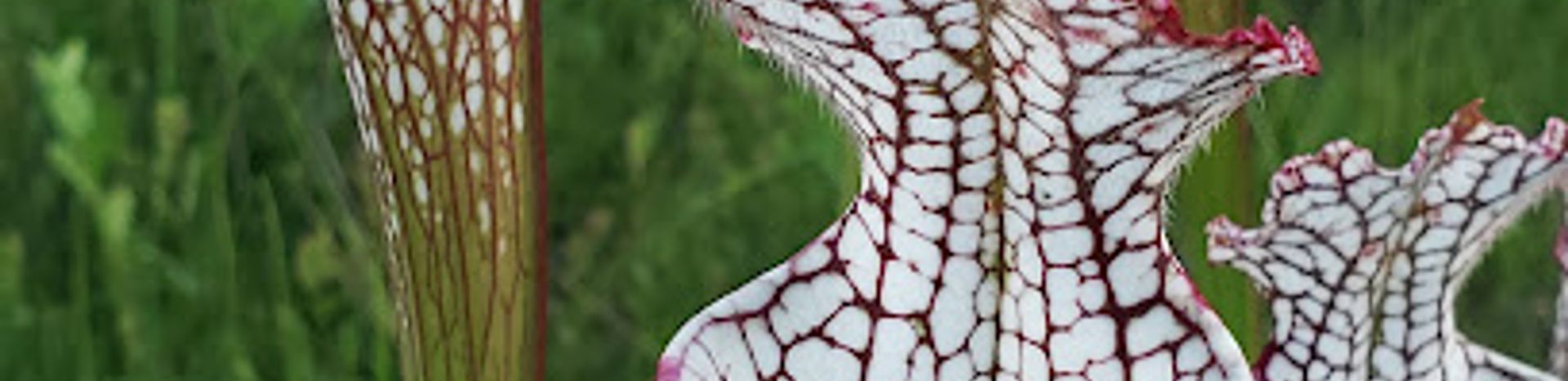
Discover a unique ecosystem at Splinter Hill Bog Preserve in Alabama, home to diverse plant and animal life, including 12 species of carnivorous plants. Explore scenic trails and witness the beauty of the Gulf Coast's most intact seepage bogs [4, 9].
A brief summary to Splinter Hill Bog Preserve
- Co Rd 47, Bay Minette, Alabama, 36507, US
- +1205-917-7822
- Visit website
Local tips
- Visit during the spring or summer to witness the peak blooming season of the pitcher plants and other wildflowers [9].
- Bring binoculars to enhance your birdwatching experience, as Splinter Hill is a stop on the Alabama Coastal Birding Trail [9].
- Wear waterproof shoes or boots, as the trails can be wet, especially in the bog areas [9].
- Apply insect repellent before your visit, particularly during warmer months, to protect against mosquitoes and other biting insects [9].
- Check the Nature Conservancy's website for any temporary closures due to controlled burns or other management activities [9].

Getting There
-
Driving
From Interstate 65, take Exit 45 (Perdido/Rabun) [2, 3, 6]. Travel west on County Road 47 for approximately 2 miles [4]. The parking area for the George W. Folkerts Bog Trail will be on the left (south) side of the road, approximately 200 yards past Dyas Creek [4, 7]. Parking is free [7].
Discover more about Splinter Hill Bog Preserve
Iconic landmarks you can’t miss

Bottle Creek Indian Mounds Trailhead
23.8 km
Explore ancient Mississippian culture at Bottle Creek Indian Mounds Trailhead, a historic landmark in Alabama's Mobile-Tensaw Delta.
Fort Blakeley Battlefield
37.5 km
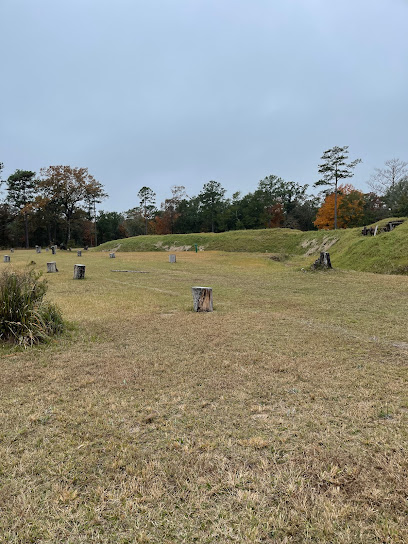
Explore the site of the Civil War's last major battle and walk in the footsteps of history at Fort Blakeley Battlefield in Spanish Fort, AL.
Janino's Pizza Daphne
46.1 km
Experience authentic Italian cuisine at Janino's Pizza in Daphne, AL, where fresh ingredients and traditional recipes create unforgettable flavors.
Jubilee Square
46.3 km
Discover diverse shopping, dining, and entertainment at Jubilee Square in Daphne, AL, a vibrant hub for community and commerce on the Eastern Shore.
Lake Forest
46.5 km
Discover Lake Forest in Daphne, AL: a vibrant community with golf, swimming, and easy access to Mobile Bay and nearby cities.
Hilton Garden Inn Mobile East Bay / Daphne
46.5 km
A comfortable and convenient Daphne hotel with modern amenities, on-site dining, and easy access to Mobile Bay area attractions.

Boudreaux's Cajun Grill
47.0 km
Experience authentic Cajun cuisine with waterfront views at Boudreaux's Cajun Grill, a Daphne favorite for Louisiana flavors and Southern hospitality.
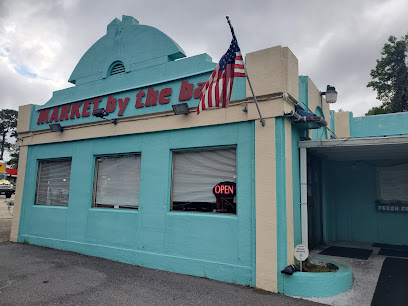
MARKET BY THE BAY!
47.1 km
Daphne's premier seafood destination, serving fresh, locally-sourced Gulf Coast flavors in a casual and inviting atmosphere.
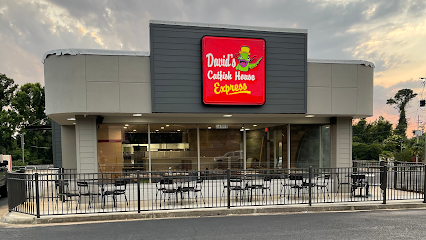
David's Catfish House
47.3 km
Daphne's David's Catfish House: Serving Southern seafood traditions since 1983, a local favorite for catfish and hospitality.
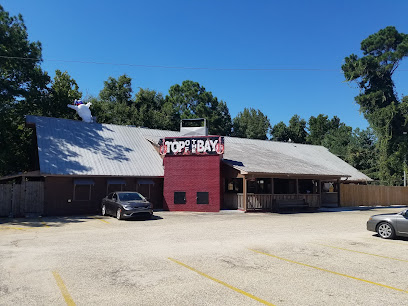
Top of the Bay
47.3 km
Daphne's go-to spot for delicious grilled food, live music, and a vibrant atmosphere, open late for unforgettable nights.
The 901 to Bama
47.4 km
Experience Southern cuisine with a modern twist at The 901 to Bama in Daphne, Alabama. Fresh flavors and a cozy atmosphere await!
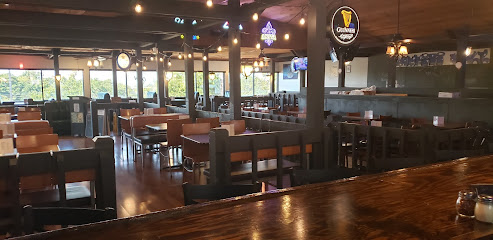
Pour Nelson's Pub
47.4 km
Experience Daphne's vibrant nightlife at Pour Nelson's Pub, where live music, friendly faces, and cold drinks await!
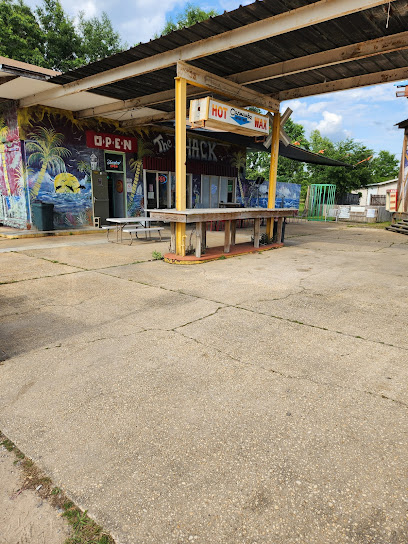
Magazine Point
47.7 km
Discover Magazine Point in Mobile, AL: Where the story of Africatown and the last slave ship Clotilda began, shaping a legacy of resilience.
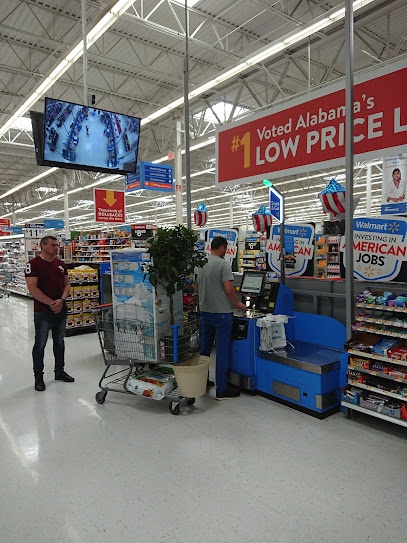
What's Cluckin Wings & Fries (Daphne)
47.8 km
Daphne's go-to spot for flavorful wings and crispy fries, offering a diverse menu in a casual, family-friendly atmosphere.
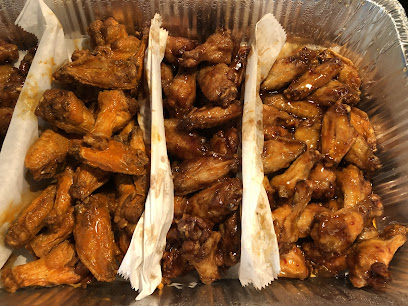
Africatown Historic District
48.5 km
Discover the profound legacy of the Africatown Historic District, a landmark that celebrates the resilience and rich culture of Mobile's African American community.
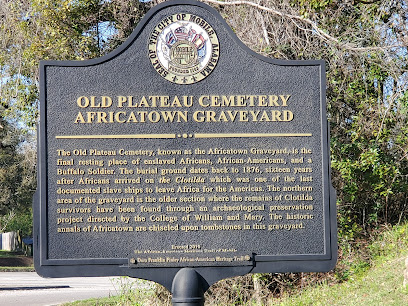
Unmissable attractions to see

Splinter Hill Bog Forever Wild Tract
1.9 km
Explore Alabama's wild side: Discover rare pitcher plant bogs, diverse birdlife, and scenic trails at Splinter Hill Bog Forever Wild Tract.
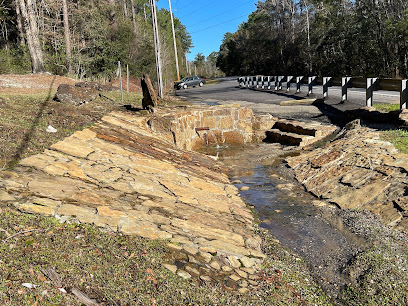
Red Hill Spring
16.0 km
Discover the refreshing waters and tranquil beauty of Red Hill Spring in Stockton, Alabama – a natural oasis offering a peaceful escape.
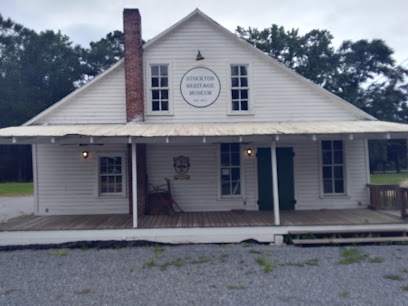
Stockton Heritage Museum
16.7 km
Discover Stockton, Alabama's heritage: Explore exhibits on early settlements, timber industry, and local history at the Stockton Heritage Museum.
Heritage Park
18.2 km
Discover Atmore's heritage at this park featuring historic buildings, a splash pad, playground, and community events in the heart of Alabama.
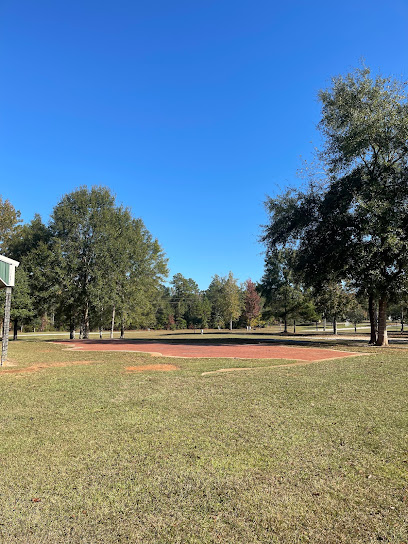
Baldwin County Bicentennial Park
18.3 km
Discover Baldwin County's heritage at Bicentennial Park: a blend of history, nature, and family fun in a scenic 367-acre setting.
Live Oak Landing Forever Wild Tract
19.1 km
Discover the natural beauty of Alabama's Mobile-Tensaw Delta at Live Oak Landing, a Forever Wild Tract offering outdoor adventures and tranquil escapes.

Raines Creek
19.2 km
Discover tranquility at Raines Creek Park in Stockton, Alabama – a perfect escape for nature lovers and outdoor enthusiasts.
DeadLakeIslandCampingPlatform
22.1 km
Discover tranquility at Dead Lake Island Camping Platform: Camping, fishing, kayaking, and nature await near Mt. Vernon, Alabama.
Fort Mims
22.5 km
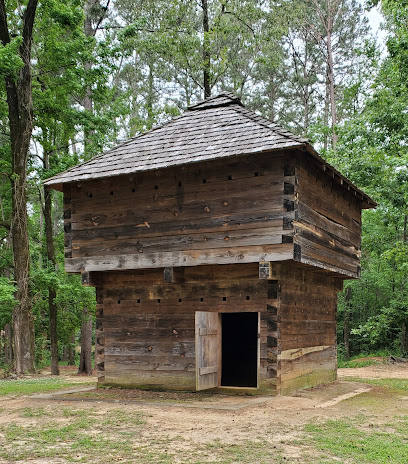
Explore the site of the 1813 Fort Mims massacre, a pivotal event in the Creek War, with reconstructed fort and interpretive exhibits.
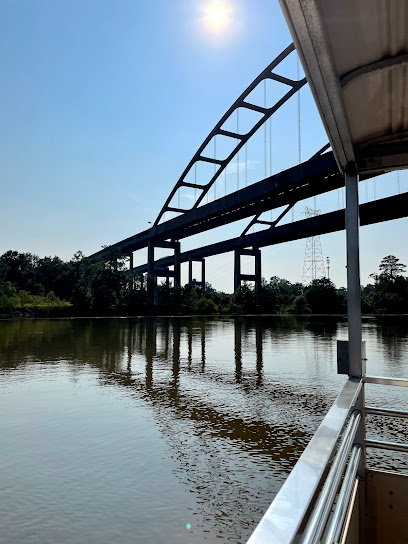
General W.K. Wilson Jr. Bridge
29.3 km
Experience the scenic beauty of the Mobile-Tensaw River Delta on this landmark bridge, a vital transportation artery and an Alabama icon.
Mobile County River Delta Nature Walk
31.0 km
Discover Alabama's natural beauty at Mobile County River Delta Nature Walk: serene trails, diverse wildlife, and tranquil ecosystems await.
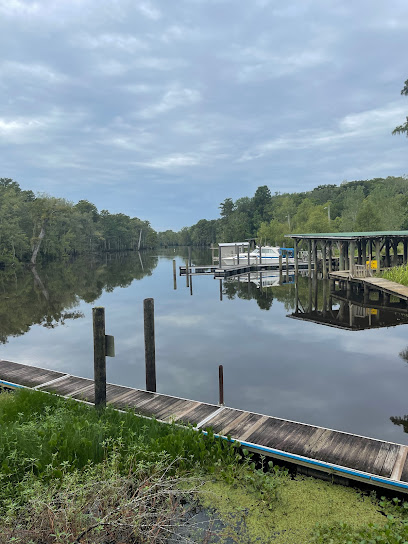
Mobile Tensaw Delta Wildlife Management Area (coastal birding trail site 37)
31.6 km
Discover Alabama's natural beauty at Mobile Tensaw Delta Wildlife Management Area: birdwatching, hiking, and delta exploration await!
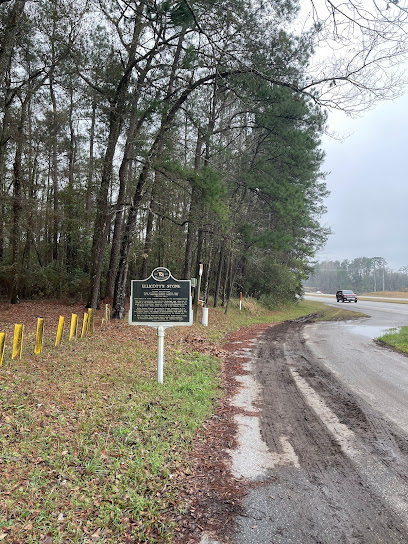
Ellicott's Stone Historical Park
32.3 km
Discover the historic Ellicott's Stone in Axis, Alabama, marking a crucial boundary in early American history and land surveying.
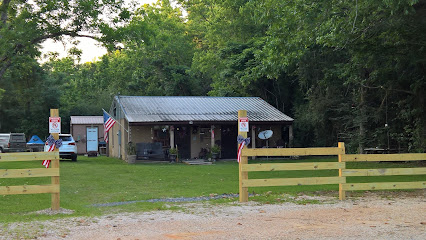
Dovetail Grove RV Park
34.3 km
Escape to Dovetail Grove RV Park in Calvert, AL, for a serene nature retreat with spacious sites and easy access to local attractions.
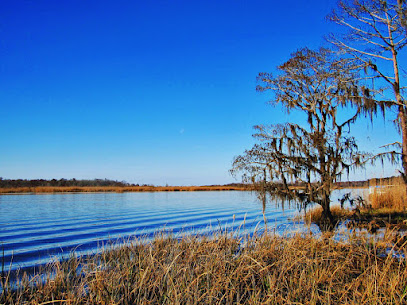
Historic Blakeley State Park
38.4 km
Discover Alabama's past and natural beauty: Explore Civil War history, a ghost town, and the Mobile-Tensaw Delta at Historic Blakeley State Park.
Essential places to dine

Island Wing Company - Daphne
43.7 km
Experience the vibrant flavors of American cuisine at Island Wing Company - Daphne; where every bite is a celebration.
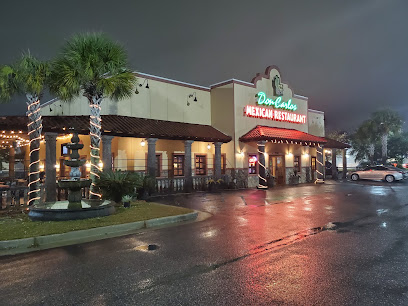
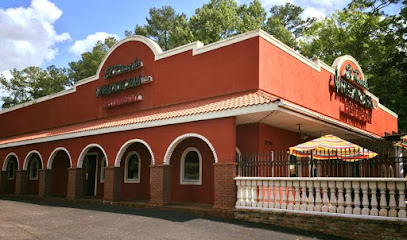
Don Carlos Méxican Restaurant
43.8 km
Discover authentic Mexican flavors at Don Carlos Mexican Restaurant in Daphne, AL - where every dish tells a story.
Rayza's Restaurant
44.3 km
Discover Rayza's Restaurant in Daphne: A Culinary Haven with Unique Flavors Awaiting Your Taste Buds!
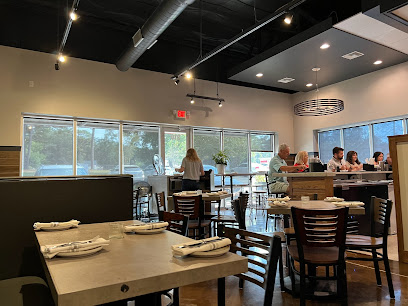
Taco Mama - Daphne
46.1 km
Discover authentic Mexican flavors at Taco Mama in Daphne - where every bite transports you to Mexico's vibrant culinary landscape.
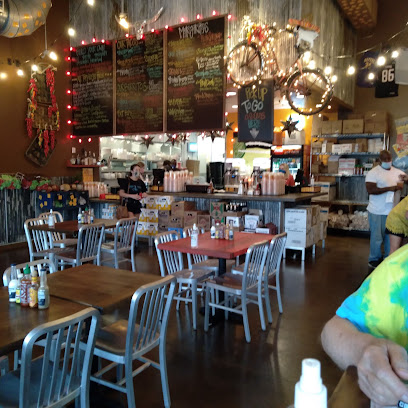
LongHorn Steakhouse
46.2 km
Experience the heart of Southern dining at LongHorn Steakhouse in Daphne—where every meal is a celebration of flavor and hospitality.
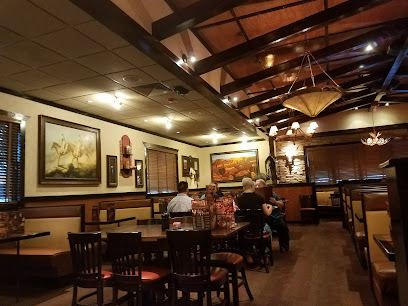
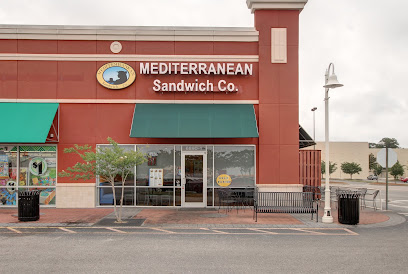
Mediterranean Sandwich Co. Daphne
46.3 km
Discover authentic Mediterranean flavors at Mediterranean Sandwich Co. Daphne - your go-to spot for delicious and affordable fast food.
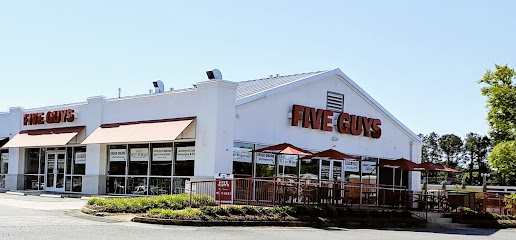
Five Guys
46.4 km
Experience the taste of fresh burgers and fries at Five Guys in Daphne - where customization meets quality in American fast food.
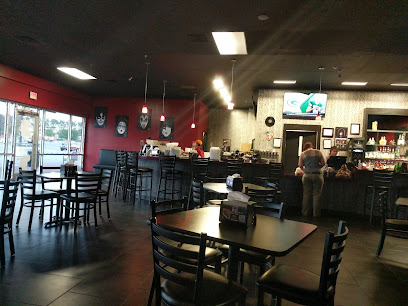
Rock N Roll Sushi
46.4 km
Discover Rock N Roll Sushi in Daphne: Where Fresh Flavors Meet Musical Vibes for an Unforgettable Dining Experience.
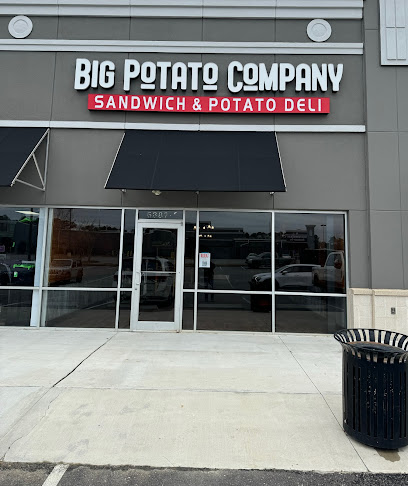
Big Potato Company - Daphne, AL
46.4 km
Experience deliciously loaded baked potatoes and more at Big Potato Company in Daphne, AL – a must-visit for food lovers!
Baumhower's Victory Grille
46.5 km
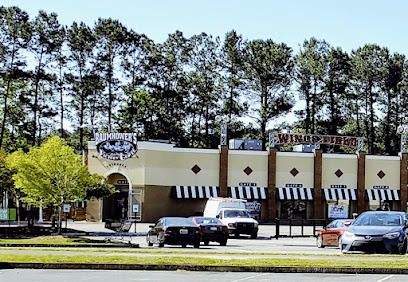
Discover Baumhower's Victory Grille in Daphne: Your go-to spot for delicious American food and vibrant sports culture!
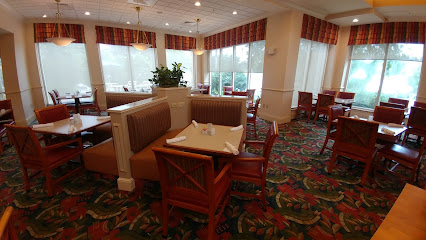
The Garden Inn Grille & Bar
46.5 km
Experience delightful Southern cuisine at The Garden Inn Grille & Bar in Daphne—where flavor meets hospitality.
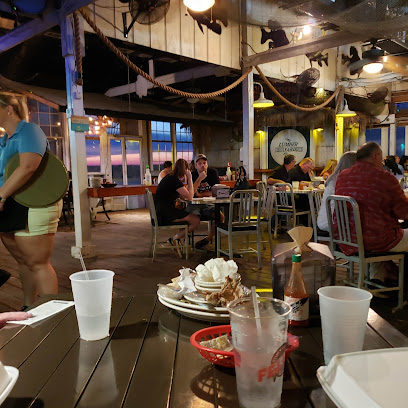
BLUEGILL Restaurant
46.9 km
Experience the best of coastal dining at BLUEGILL Restaurant in Spanish Fort, Alabama - where fresh seafood meets stunning waterfront views.
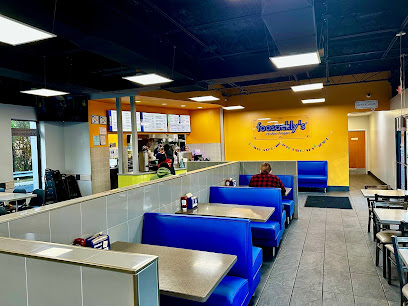
foosackly's - Daphne
47.0 km
Experience the taste of Southern comfort at Foosackly's - Daphne’s favorite fast food chicken restaurant offering crispy delights at affordable prices.
El Rancho Mexican Restaurant
47.3 km
Discover the authentic taste of Mexico at El Rancho Mexican Restaurant in Daphne - where every meal is a celebration of flavor!
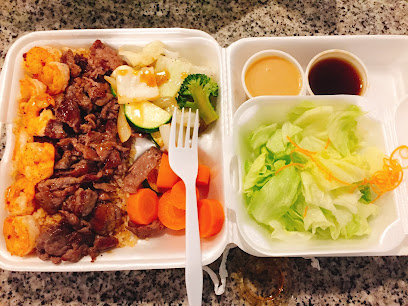
Hibachi On the Go
47.5 km
Experience an interactive Japanese hibachi dining adventure at Hibachi On the Go in Daphne, AL - where flavor meets entertainment.
Markets, malls and hidden boutiques

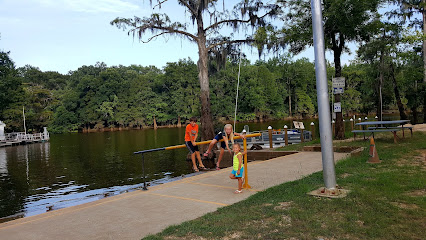
Mike's Bait & Shop
33.0 km
Discover the best bait and fishing gear at Mike's Bait & Shop, your go-to spot for fishing adventures in Malcolm, Alabama.
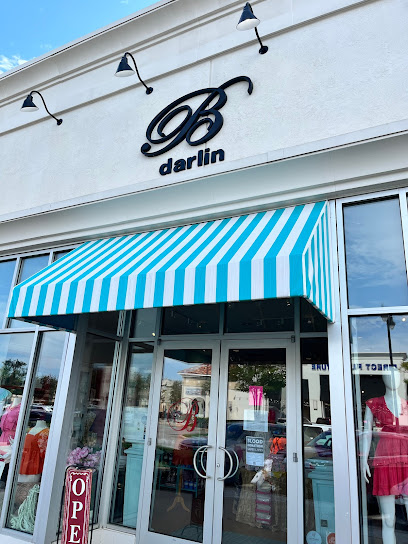
B darlin
42.5 km
Discover B darlin, a charming boutique in Spanish Fort, Alabama, offering stylish women's clothing and accessories for every occasion.
Eastern Shore Centre
42.6 km
Explore Eastern Shore Centre, the ultimate shopping mall in Spanish Fort, AL, offering retail therapy, dining delights, and family-friendly entertainment.
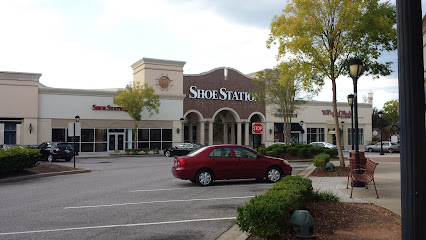
Daphne Commons
46.1 km
Experience the bustling energy of Daphne Commons, Alabama's vibrant shopping mall featuring diverse stores and dining options for the perfect day out.
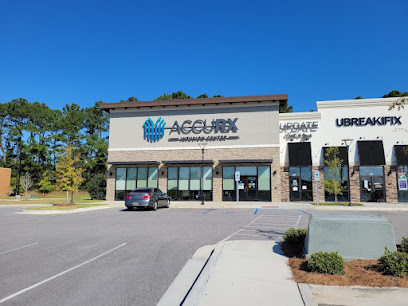
John George Jewelry
46.1 km
Explore the exquisite selection of handcrafted jewelry at John George Jewelry, where timeless elegance meets exceptional customer service in Daphne, Alabama.
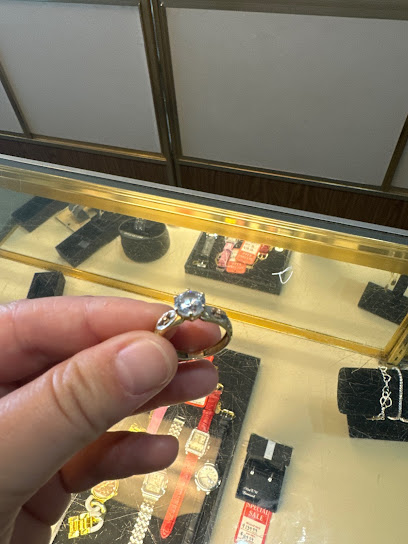
Hobby Lobby
46.3 km
Discover a world of creativity at Hobby Lobby, your ultimate destination for arts, crafts, and home decor in Daphne, Alabama.
Coastal Outfitters
46.4 km
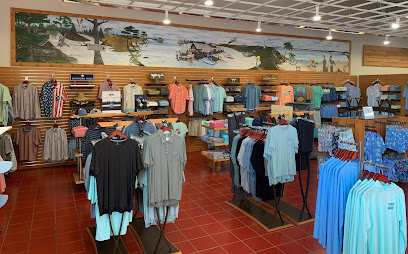
Discover stylish coastal clothing at Coastal Outfitters in Daphne, Alabama, perfect for beach days, adventures, and beyond.
DICK'S Sporting Goods
46.4 km
Explore a vast selection of sports gear, outdoor apparel, and exercise equipment at DICK'S Sporting Goods in Daphne, Alabama.

Brown Eyed Girl
46.5 km
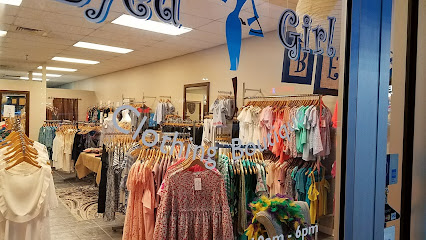
Explore trendy fashion and unique gifts at Brown Eyed Girl Boutique in Daphne, Alabama, where southern charm meets contemporary style.
T.J. Maxx
46.5 km
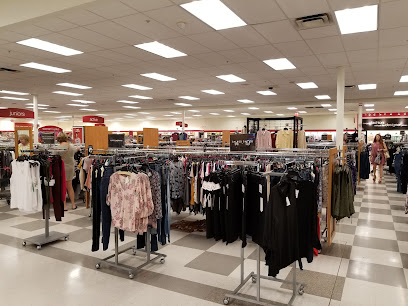
Explore T.J. Maxx in Daphne, AL for unbeatable deals on stylish clothing, accessories, and home goods for the whole family.
Five Below
46.5 km
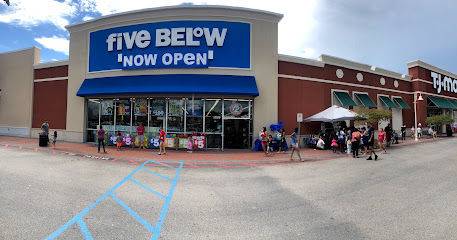
Discover the joy of shopping at Five Below in Daphne, AL, where everything is $5 or less, offering a variety of toys, fashion, and candy.
St. Paul's Thrift Shop
47.4 km
Explore the charm of St. Paul's Thrift Shop in Daphne, AL - a hidden gem for unique finds and community support.
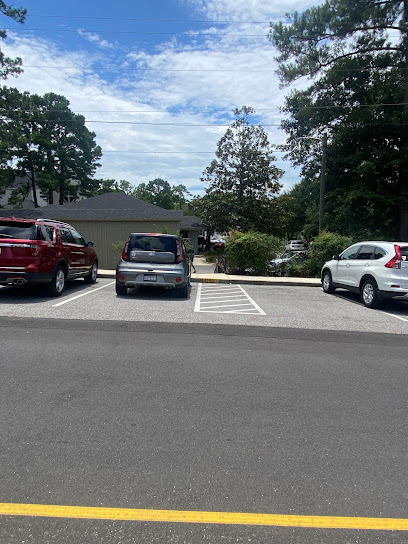
Moon smoke shop
47.5 km
Explore Moon Smoke Shop in Daphne, Alabama - your go-to destination for a wide selection of vaporizers and exceptional customer service.
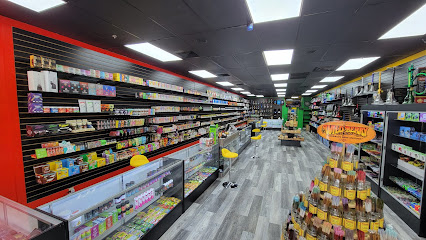
Up n smoke
47.8 km
Discover Up N Smoke in Daphne, Alabama: your ultimate destination for vaporizers, cigars, and hookah supplies.
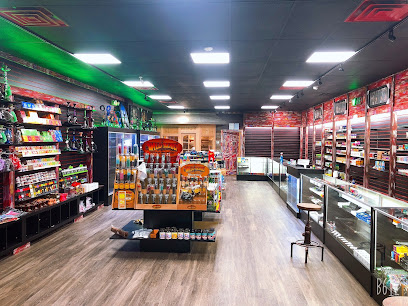
Walmart Supercenter
49.2 km
Discover convenience at Walmart Supercenter in Daphne, your go-to destination for groceries, clothing, and more, all in one affordable location.

Essential bars & hidden hideouts

Stagecoach Cafe
16.8 km
Discover delicious Southern cuisine at Stagecoach Cafe, a family-friendly buffet restaurant in Stockton, Alabama, perfect for all ages.
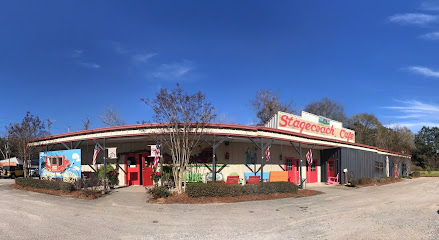
Bar Code Sports Bar and Lounge
16.9 km
Join the excitement at Bar Code Sports Bar and Lounge in Stockton, Alabama – your ultimate destination for live sports, great food, and vibrant atmosphere.
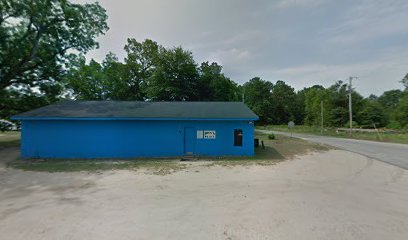
Vfw 3568
18.0 km
Discover the vibrant atmosphere of Vfw 3568, where great drinks and a friendly community come together in Bay Minette, Alabama.

The Publican
18.2 km
Experience the vibrant atmosphere and delicious offerings at The Publican, a must-visit pub in Atmore, Alabama, perfect for every tourist.
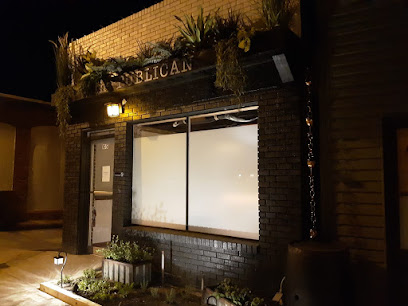
The River Pub
26.9 km
Explore Bay Minette's nightlife at The River Pub: a lively bar with live music, delicious drinks, and a welcoming atmosphere for all.
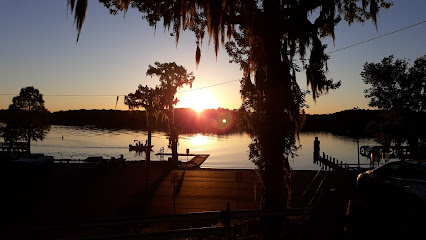
OakTree Lounge
32.7 km
Experience the welcoming ambiance and local flavors at OakTree Lounge, a hidden gem in Mt. Vernon, Alabama, perfect for relaxation and fun.
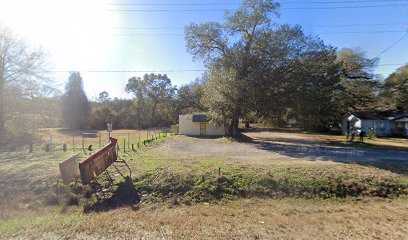
La Frontera Mexican Grill
34.1 km
Savor the authentic taste of Mexico at La Frontera Mexican Grill in Calvert, Alabama, where vibrant flavors meet a welcoming atmosphere.
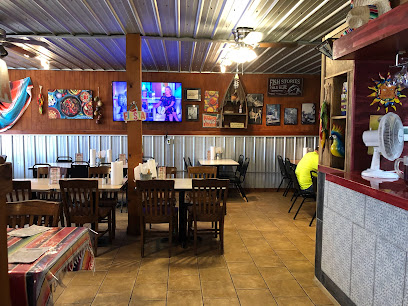
The Trap Snack Shop
38.6 km
Discover The Trap Snack Shop in McIntosh, Alabama, where delightful local flavors and a cozy atmosphere await every visitor.
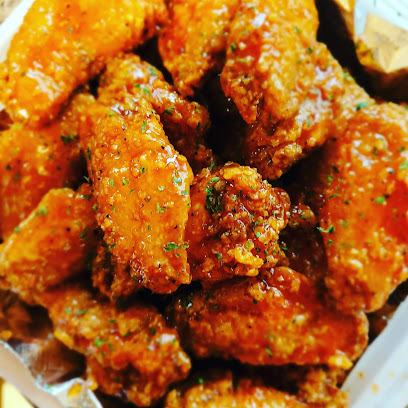
Twist 181 Lounge
42.5 km
Experience the lively atmosphere of Twist 181 Lounge in Spanish Fort, Alabama, where cocktails, sports, and good vibes meet for a perfect night out.
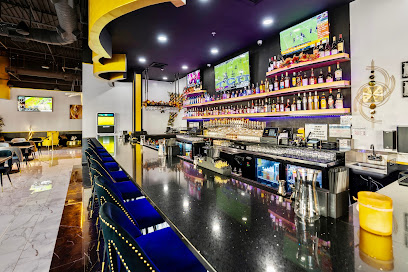
CJ's Kitchen
42.6 km
Discover the heart of southern cuisine at CJ's Kitchen in McIntosh, Alabama, where comfort food meets warm hospitality.
Johnson’s Sugar Shack
42.9 km
Experience the heart of Southern hospitality at Johnson’s Sugar Shack, where homemade treats and comfort food create unforgettable memories in McIntosh, Alabama.
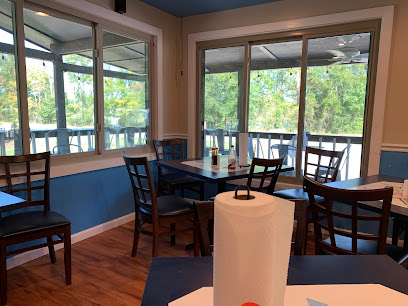
Bay House Pub
47.4 km
Experience the vibrant nightlife and warm hospitality of Bay House Pub in Daphne, Alabama, where good times and great drinks await.
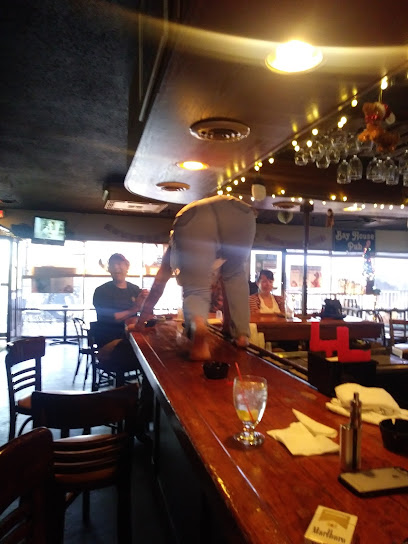
Louie's Bar
48.6 km
Discover the local charm and vibrant atmosphere of Louie's Bar in Molino, Florida, a perfect spot for drinks and entertainment.
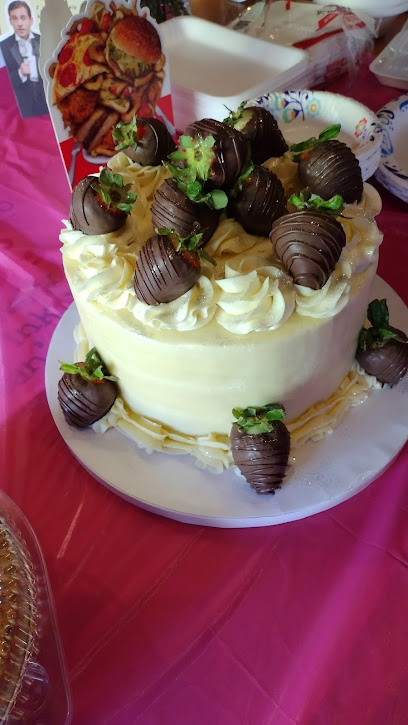
Royal Street Tavern
50.2 km
Discover the lively ambiance of Royal Street Tavern, a must-visit bar in Mobile, Alabama, known for its craft cocktails and vibrant local culture.
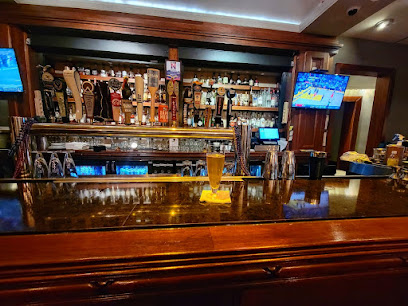
The Haberdasher
50.3 km
Experience the vibrant nightlife of Mobile, Alabama at The Haberdasher, where expertly crafted cocktails and a cozy atmosphere await.
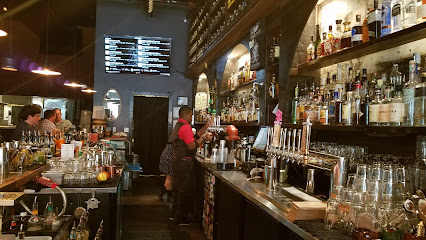
Nightclubs & after hour spots

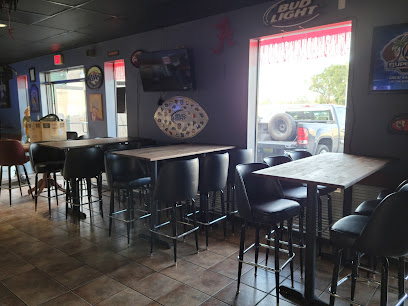
Sea Hut Lounge
43.1 km
Experience the lively atmosphere at Sea Hut Lounge in Saraland, Alabama, where great drinks, music, and good company await you.
Club Love
50.5 km
Discover Mobile's nightlife at Club Love, a vibrant bar offering innovative cocktails, live music, and an electrifying atmosphere.
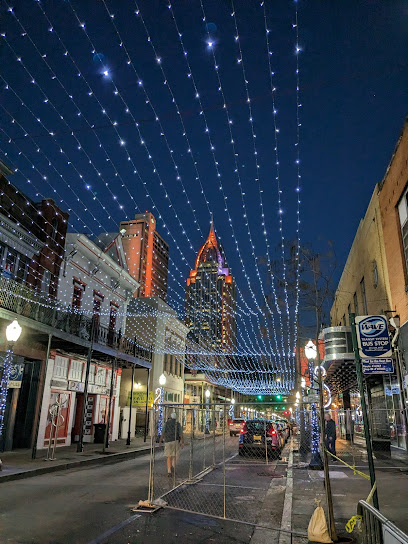
B-Bob's Downtown
50.5 km
Discover the vibrant nightlife and delicious cuisine at B-Bob's Downtown, Mobile's premier gay night club and restaurant, where fun meets flavor!

Lit Cigar Lounge
50.5 km
Discover the charm of Lit Cigar Lounge in Mobile, a perfect blend of relaxation, premium cigars, and a lively bar atmosphere.
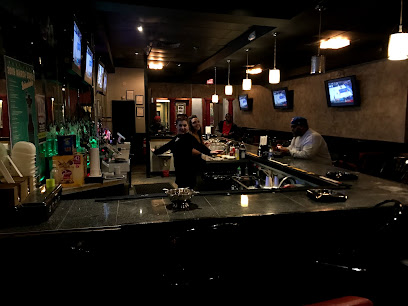
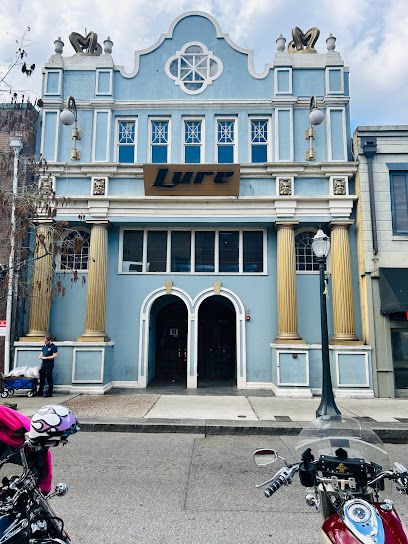
Lure
50.6 km
Explore Lure in Mobile's Central Business District for unique local finds, artisanal crafts, and a taste of the vibrant culture of Alabama.
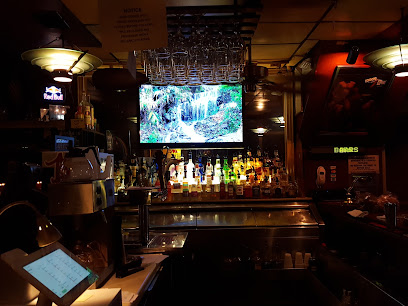
Gabriel's Downtown
50.6 km
Experience the vibrant nightlife at Gabriel's Downtown, Mobile's premier gay bar, where fun, inclusivity, and great drinks await.
The Lady's Room & Lounge
50.9 km
Experience the vibrant nightlife of Mobile at The Lady's Room & Lounge, where chic ambiance meets lively entertainment.
HitHouseChronicles
51.0 km
Experience the vibrant nightlife of Mobile at HitHouseChronicles, the ultimate lounge destination for cocktails and entertainment.
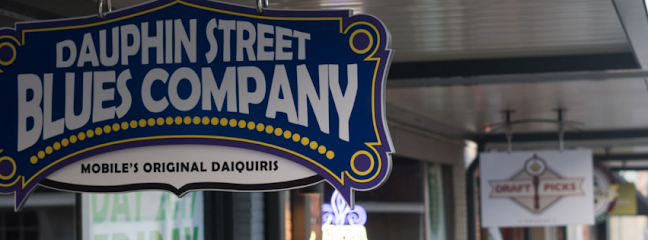
Dauphin Street Blues Company
51.0 km
Discover the heart of Mobile's music scene at Dauphin Street Blues Company, where live blues and Southern charm come together for an unforgettable night.
Pause Lounge and Grill
51.6 km
Discover a vibrant atmosphere at Pause Lounge and Grill in Mobile, Alabama, where delicious food and refreshing drinks await in a cozy setting.

Club Elegance
51.9 km
Discover the vibrant nightlife at Club Elegance in Mobile, Alabama, where great music and a lively atmosphere await every night.
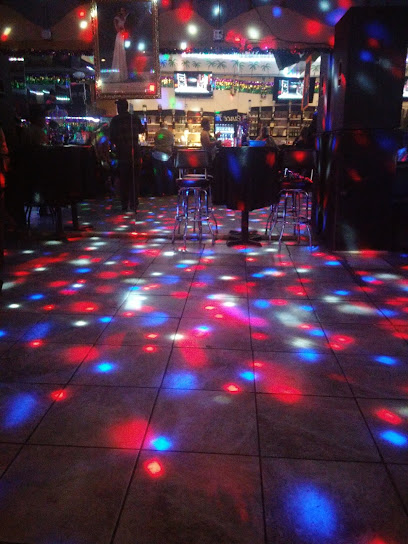
Anthony Tyrell Ramaey
52.4 km
Discover the vibrant nightlife at Anthony Tyrell Ramaey, Mobile's premier night club, where music and excitement await every visitor.
The Den/Mingo's Social Club
54.4 km
Experience the vibrant nightlife at The Den/Mingo's Social Club in Mobile, Alabama, where great music and an energetic atmosphere await.
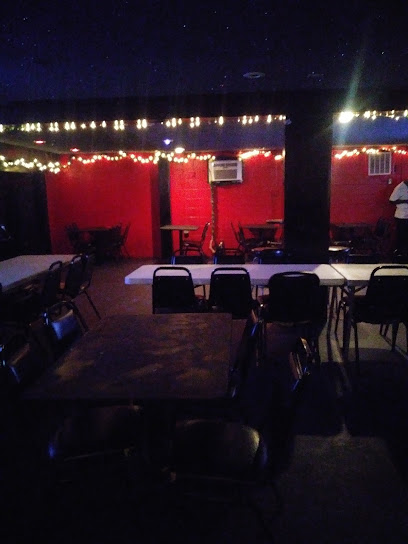
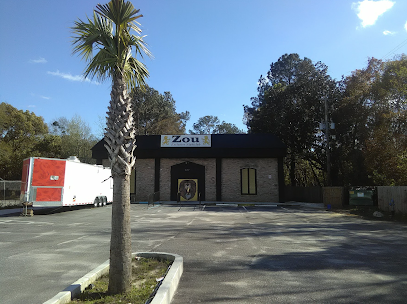
ZOU
54.8 km
Discover the electrifying atmosphere of ZOU, Mobile's premier night club, where unforgettable nights and vibrant music come together.
POST on the Hill
57.3 km
Experience Mobile's cocktail scene at POST on the Hill, where creativity meets flavor in a vibrant atmosphere.