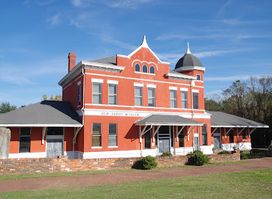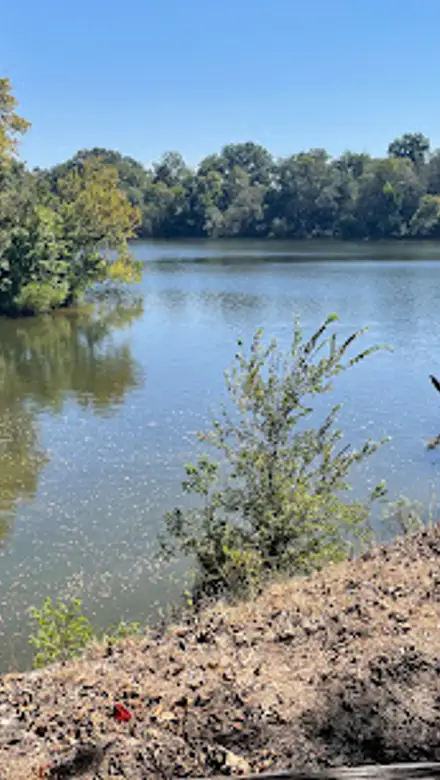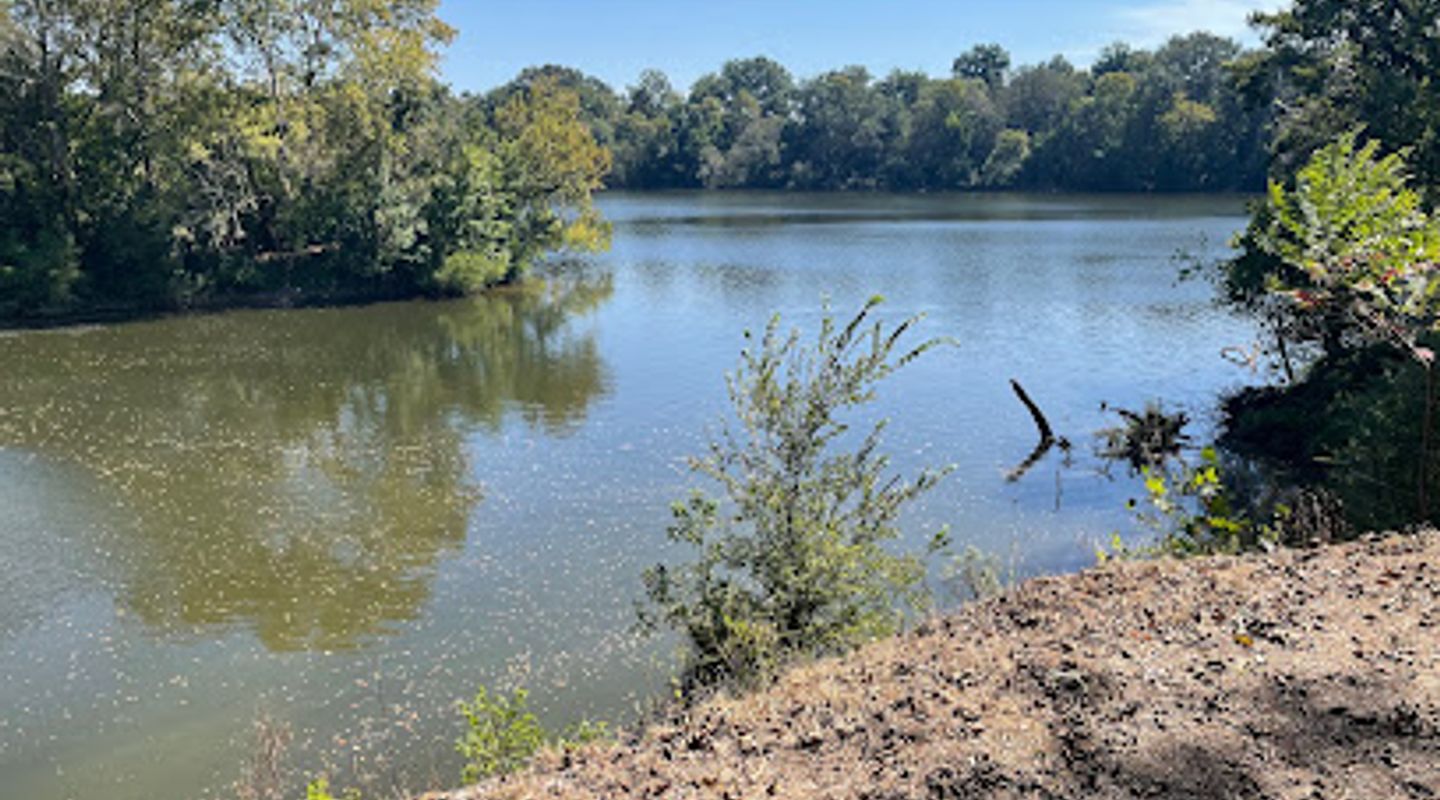
Old Cahawba Archaeological Park, Cahaba River Travel Guide
Discover Alabama's captivating past in the ghostly ruins of its first capital, a unique archaeological treasure.
Explore the haunting ruins of Cahawba, Alabama's first permanent state capital from 1820-1825, now an archaeological park. Wander through abandoned streets, discover moss-covered ruins, and contemplate the town's mysterious disappearance after the Civil War [2, 3].
A brief summary to Old Cahawba Archaeological Park
- 9518 Cahaba Rd, Orrville, Alabama, 36767, US
- Click to display
- Click to display
- Monday 10 am-5 pm
- Thursday 10 am-5 pm
- Friday 10 am-5 pm
- Saturday 10 am-5 pm
- Sunday 10 am-5 pm

Know before you go
Hi, I'm Eve. Here are a few practical things to know before exploring Old Cahawba Archaeological Park.
- Wear comfortable shoes for walking and exploring the grounds [7].
- Consider bringing a hat, sunscreen, and bug spray, especially during warmer months [7].
- Borrow bicycles at the visitor center to explore the park's five miles of paved and gravel roads [5, 8].
Do you manage this location?
Take control to get all the benefits, like improved information, better appearance, and stronger visibility across AI-powered discovery. Learn more about listing your business on Evendo
Activate your presenceOther nearby places you may find interesting
The closest places of the same kind, if this one is not quite what you had in mind.
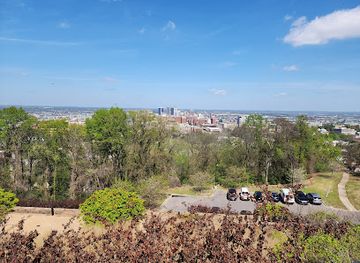
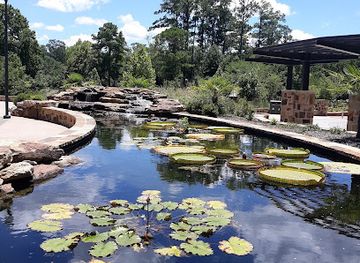
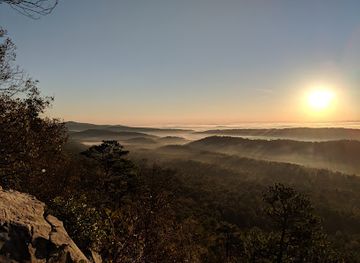
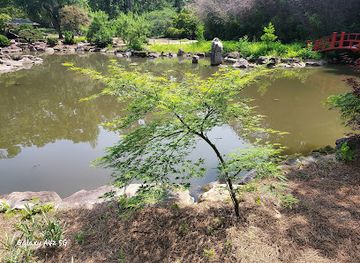
Explore Old Cahawba Archaeological Park on the Map
A handpicked selection of must-see spots near Old Cahawba Archaeological Park, mapped for you.
Getting There
-
Driving
From Selma, Alabama, take AL-22 West for approximately 9 miles [3, 16]. Turn left onto County Road 9 and continue for 5 miles [3, 16]. Then, turn left onto County Road 2, which leads directly into the Old Cahawba Archaeological Park [3]. Parking is available near the Visitor Center.
Discover more about Old Cahawba Archaeological Park
More to explore near Old Cahawba Archaeological Park
-

Best experiences near Old Cahawba Archaeological Park
-

Best hotels near Old Cahawba Archaeological Park
-

Best landmarks near Old Cahawba Archaeological Park
-

Best shops near Old Cahawba Archaeological Park
-

Best restaurants near Old Cahawba Archaeological Park
-

Best bars near Old Cahawba Archaeological Park







Your all‑in‑one travel companion app
Explore expert travel guides, compare and book tours, experiences, hotels, and more—all from the palm of your hand. Download now for seamless trip planning wherever your wanderlust takes you.


Explore More of Cahaba River
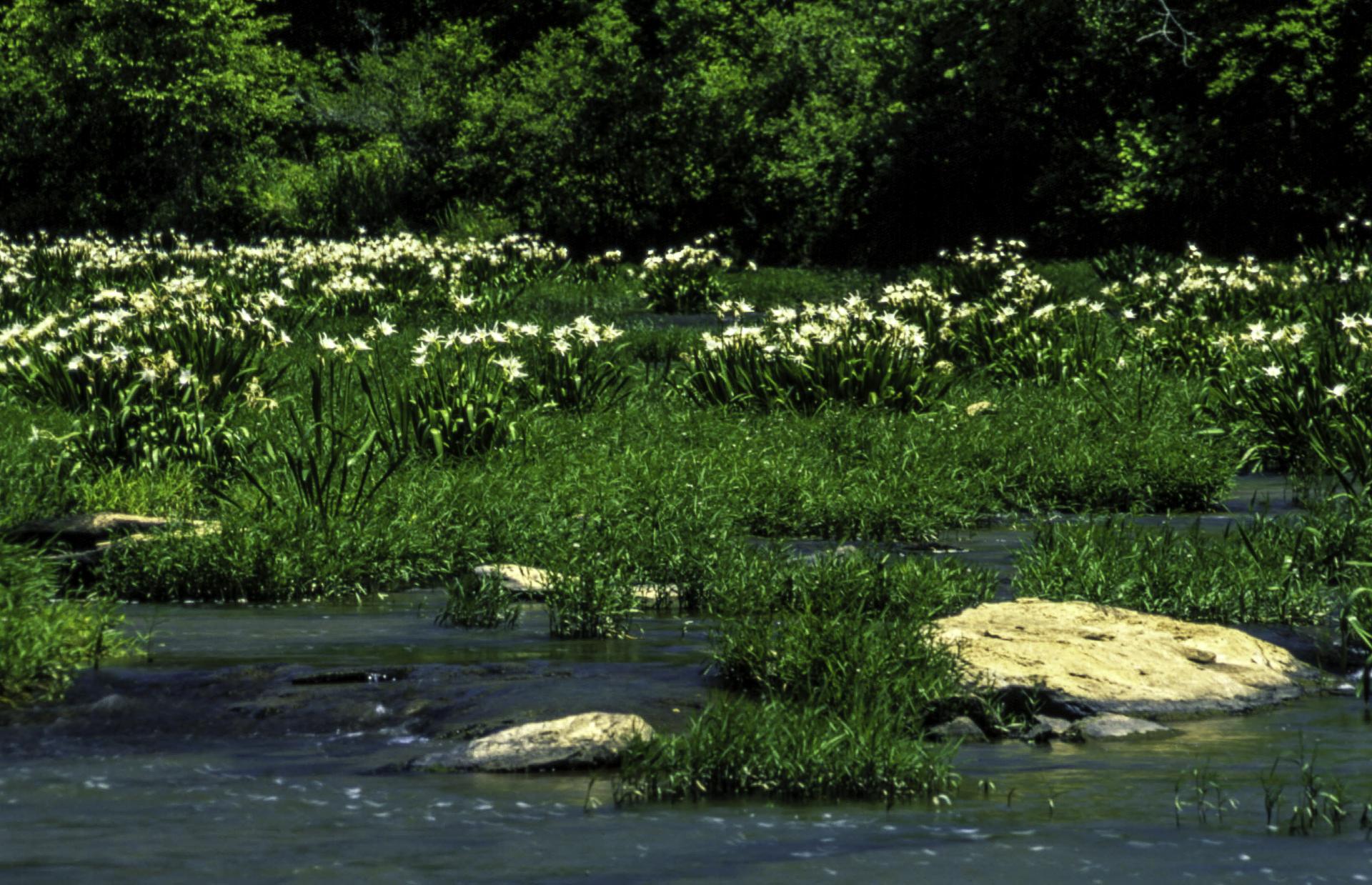
Looking beyond Old Cahawba Archaeological Park? Discover Cahaba River for broader travel guides, local hot-spots, and regional highlights.
Explore Cahaba River