Heaviest Corner On Earth, Cahaba River Travel Guide
Discover Birmingham's 'Heaviest Corner on Earth,' where architectural marvels from the early 1900s stand as a testament to the city's industrial boom and enduring spirit.
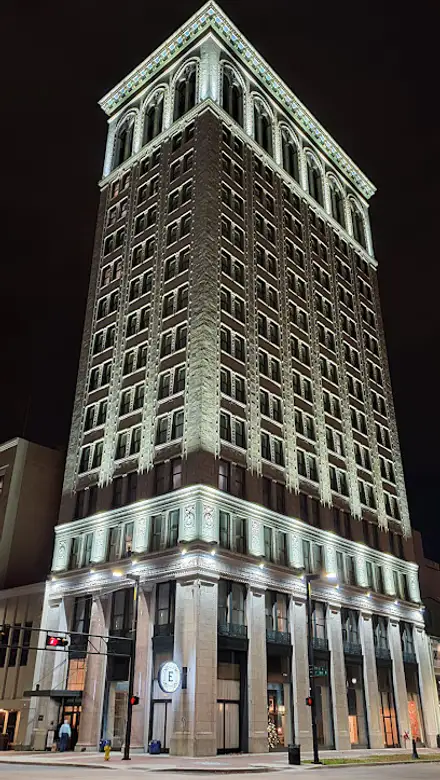
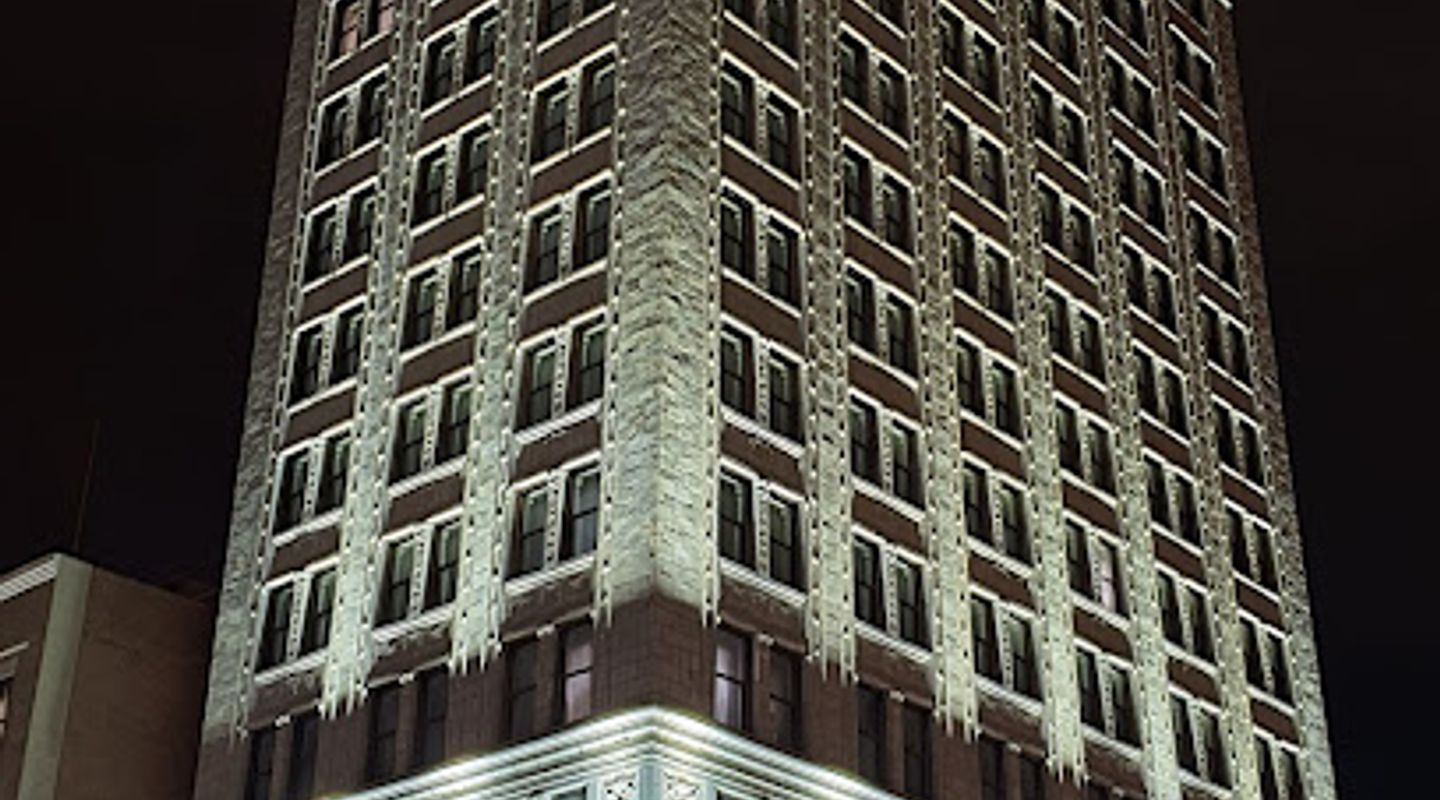
The 'Heaviest Corner on Earth' in Birmingham, Alabama, marks the intersection of 1st Avenue North and 20th Street, where four landmark skyscrapers were erected between 1902 and 1912. These buildings—the Woodward Building, Brown Marx Building, Empire Building (now the Elyton Hotel), and John A. Hand Building—symbolized Birmingham's rapid industrial growth and architectural ambition at the turn of the 20th century. Boasting unique architectural styles, from Chicago School to Neoclassical, they collectively showcase the city's vibrant past. Today, the Heaviest Corner remains a testament to Birmingham's historical significance and a captivating destination for architecture enthusiasts and history buffs alike. Explore the grandeur of these early skyscrapers and immerse yourself in the stories of a city that once aspired to weigh the most on earth. The area is easily accessible and offers a glimpse into a pivotal era of Birmingham's development.
A brief summary to Heaviest Corner On Earth
- The Woodward Building, 20th St N, Birmingham, Central City, Alabama, 35203, US
- Monday 12 am-12 am
- Tuesday 12 am-12 am
- Wednesday 12 am-12 am
- Thursday 9 am-5 pm
- Friday 12 am-12 am
- Saturday 12 am-12 am
- Sunday 12 am-12 am

Know before you go
Hi, I'm Eve. Here are a few practical things to know before exploring Heaviest Corner On Earth.
- Explore the architectural details of each building; the Woodward Building showcases Chicago-style design, while the Elyton Hotel (formerly the Empire Building) features Neoclassical elements.
- Visit the Birmingham Historical Society marker near the Elyton Hotel to learn more about the history and significance of the 'Heaviest Corner on Earth'.
- Combine your visit with a stroll through downtown Birmingham to appreciate the city's blend of historic and modern architecture.
Do you manage this location?
Take control to get all the benefits, like improved information, better appearance, and stronger visibility across AI-powered discovery. Learn more about listing your business on Evendo
Activate your presenceOther nearby places you may find interesting
The closest places of the same kind, if this one is not quite what you had in mind.

Explore Heaviest Corner On Earth on the Map
A handpicked selection of must-see spots near Heaviest Corner On Earth, mapped for you.
Unlock the Best of Heaviest Corner On Earth
Buy tickets
-
No tickets available
Book tours with entry

Book tours without entry
-
No tours available
Getting There
-
Walking
If you are already in downtown Birmingham, the Heaviest Corner on Earth is easily accessible on foot. From the Birmingham–Jefferson Convention Complex (BJCC), head south on 20th Street North for approximately 0.3 miles. The intersection of 20th Street and 1st Avenue North, where the four historic buildings stand, will be on your left. Look for the Woodward Building on the southwest corner to orient yourself.
-
Public Transport
MAX Transit, Birmingham's public transportation system, offers several bus routes that stop near the Heaviest Corner on Earth. The Magic City Connector (MCC) runs along 20th Street and has stops close to the intersection. Check the MAX Transit website or app for the most up-to-date schedules and route information. A single ride fare is around $1.50.
-
Taxi/Ride-Share
Taxis and ride-sharing services like Uber and Lyft are readily available in Birmingham. A ride from popular downtown locations such as the BJCC or the Civil Rights Institute to the Heaviest Corner on Earth will typically cost between $8 and $12, depending on traffic and demand.
-
Driving
If driving, navigate to the intersection of 20th Street North and 1st Avenue North in downtown Birmingham. Parking is available in nearby parking decks and on-street metered spots. The Allright Parking Deck at 1901 First Ave. N is one option. Metered parking typically costs $1.50 per hour, with rates varying in parking decks. Be aware that parking can be limited during peak hours.
Discover more about Heaviest Corner On Earth
More to explore near Heaviest Corner On Earth













Your all‑in‑one travel companion app
Explore expert travel guides, compare and book tours, experiences, hotels, and more—all from the palm of your hand. Download now for seamless trip planning wherever your wanderlust takes you.


Explore More of Cahaba River

Looking beyond Heaviest Corner On Earth? Discover Cahaba River for broader travel guides, local hot-spots, and regional highlights.
Explore Cahaba River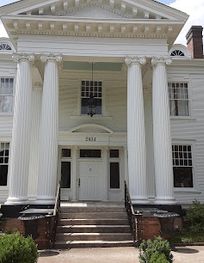
Discover the elegance of Birmingham's past at the Jordan Home, a Neo-Classical landmark reflecting the city's history and architectural heritage.
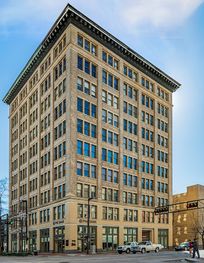
Birmingham's first skyscraper, the Woodward Building, showcases Chicago-style architecture and stands as a landmark of the 'Heaviest Corner on Earth'.