Wheeler National Wildlife Refuge Visitor Center
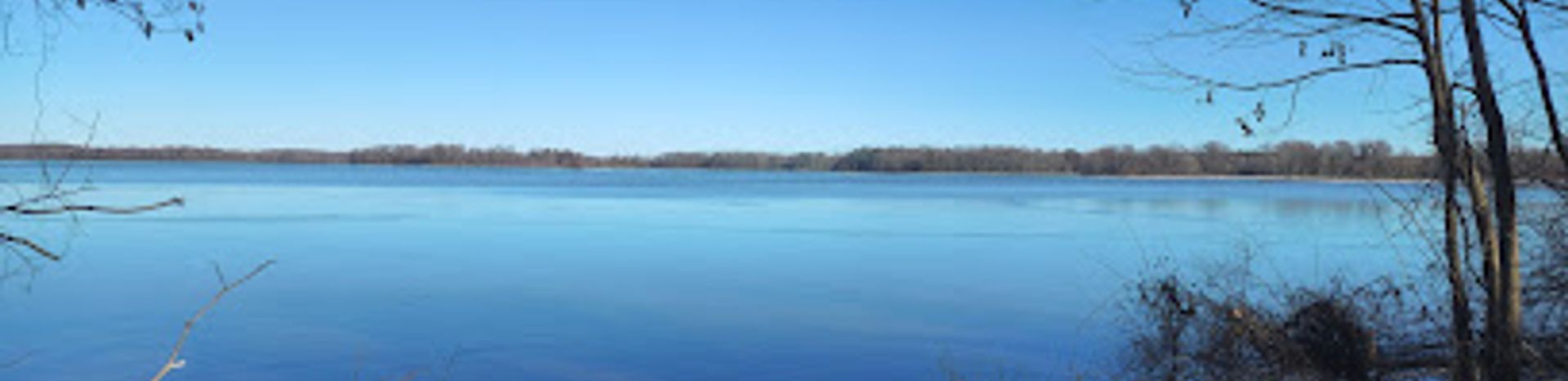
Discover Alabama's natural beauty at Wheeler National Wildlife Refuge, a haven for migratory birds and diverse wildlife along the Tennessee River.
The Wheeler National Wildlife Refuge Visitor Center serves as the gateway to a 35,000-acre natural wonderland along the Tennessee River near Decatur, Alabama [2, 7]. Established in 1938, the refuge provides critical habitat for wintering and migrating birds, including ducks, geese, sandhill cranes, and the endangered whooping crane [2, 6, 7, 9, 14].
A brief summary to Wheeler National Wildlife Refuge Visitor Center
- 3121 Visitors Center Rd, Decatur, Alabama, 35603, US
- +1256-350-6639
- Visit website
- Tuesday 9 am-4 pm
- Wednesday 9 am-4 pm
- Thursday 9 am-4 pm
- Friday 9 am-4 pm
- Saturday 9 am-4 pm
Local tips
- Visit during winter (December-February) for the best chance to see thousands of Sandhill Cranes and possibly the endangered Whooping Cranes [4, 9, 12, 23].
- Bring binoculars and a camera to fully appreciate the diverse birdlife and capture stunning photos [3, 23].
- Check the refuge's event calendar for guided bird walks, photography workshops, and the annual Festival of the Cranes [23].
- Explore the accessible trails behind the Visitor Center, including the Wildlife Observation Trail and the Atkeson Cypress Boardwalk [3, 5, 23].
- Stop by the two-story Wildlife Observation Building for panoramic views of the refuge and its abundant waterfowl [3, 23].

Getting There
-
Driving
From Decatur, head east on AL-67/US-31 S [15, 23]. Continue on AL-67 E for approximately 2 miles. The entrance to the Wheeler National Wildlife Refuge Visitor Center will be on your right, clearly marked with signage [15, 23]. There is ample free parking available at the Visitor Center [23].
-
Taxi/Ride-Share
From downtown Decatur, a taxi or ride-share service (Uber/Lyft) to the Wheeler National Wildlife Refuge Visitor Center will cost approximately $15-25 USD, depending on traffic and demand [23]. The journey takes around 10-15 minutes. Confirm the fare before you start your trip [23].
-
Public Transport
Public transportation options to the Wheeler National Wildlife Refuge Visitor Center are limited [15]. NARCOG Transit provides public transportation services in the City of Decatur [15]. To utilize this service to get to the refuge, schedule a ride at least 24 hours in advance by calling (256) 580-2088 [15]. Standard fares within the service area are $2.00 for 0 to 5.0 miles [15].
Discover more about Wheeler National Wildlife Refuge Visitor Center
Iconic landmarks you can’t miss

The Moody Crab
2.3 km
Decatur's premier seafood restaurant, serving fresh catches and flavorful boils in a relaxed, nautical-themed atmosphere.
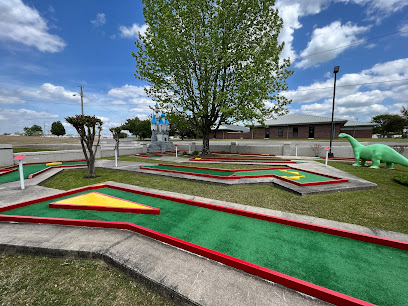
Funland Mini Golf
4.3 km
Experience classic miniature golf at Funland Mini Golf in Decatur, AL, a family-friendly destination with colorful courses and engaging themes.
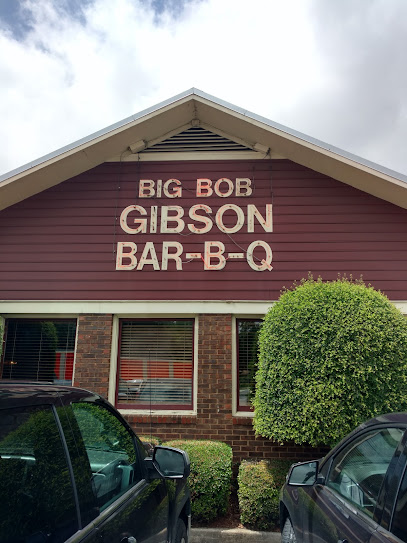
Big Bob Gibson Bar-B-Q
4.3 km
Experience world-championship BBQ at Big Bob Gibson's in Decatur, AL, home of the legendary Alabama white sauce and hickory-smoked meats since 1925.
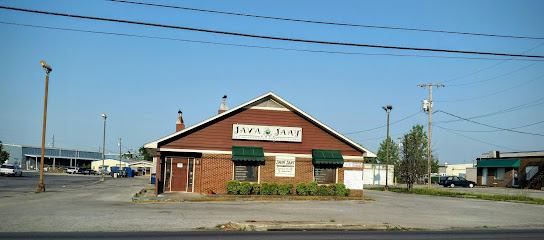
Java Jaay Cafe
4.4 km
Experience Decatur's cozy community hub at Java Jaay Cafe, where expertly crafted coffee and homemade treats create a warm, inviting atmosphere.
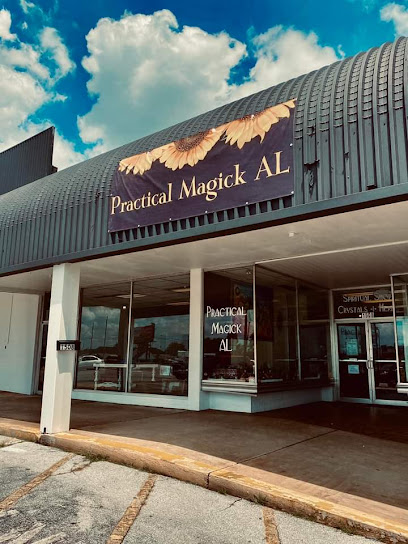
Practical Magick AL New Age
4.8 km
Your one-stop shop in Decatur, AL, for spiritual supplies, crystals, herbs, tarot, and New Age essentials for seasoned and novice practitioners alike.
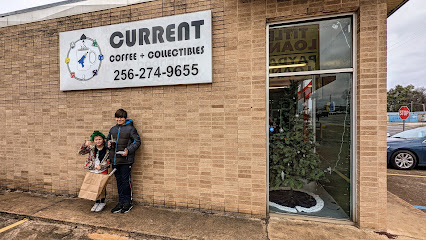
Current: Coffee + Collectibles
5.2 km
Decatur's unique spot for coffee, collectibles, and community, offering a diverse selection of trading cards, games, and vegetarian delights.
Albany Heritage Neighborhood Historic District
6.0 km
Discover Decatur, Alabama's Albany Heritage Neighborhood: Where Victorian, Colonial Revival, and Craftsman architecture whispers tales of a bygone era.
Alabama Mountain Lakes Tourist Association
6.5 km
Discover North Alabama's scenic beauty, rich history, and vibrant culture with the Alabama Mountain Lakes Tourist Association in Decatur, Alabama.
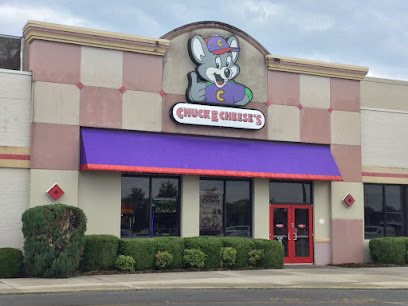
Chuck E. Cheese
6.7 km
Decatur's premier family fun center with pizza, arcade games, and birthday celebrations for lasting memories.
Studio 9 inn suites
6.7 km
Budget-friendly motel in Decatur, offering essential amenities and a convenient city-center location.

High Point Market
6.8 km
Experience Decatur's charm at High Point Market: a blend of local artisan goods, Honduran coffee, and community spirit in a cozy downtown setting.
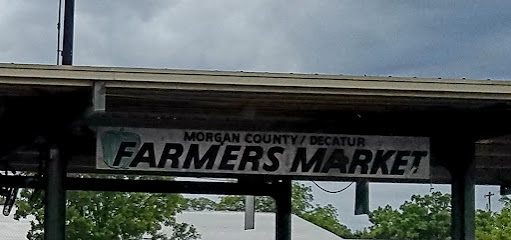
The Morgan County-Decatur Farmers Market
6.8 km
Experience fresh, local produce and artisanal goods at the heart of Decatur, Alabama's historic farmers market. Open seasonally!
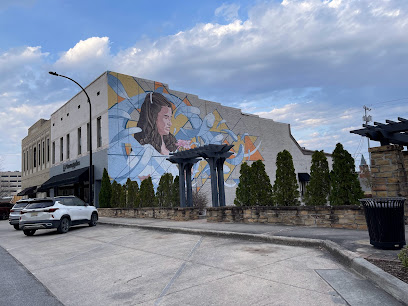
Pineapples
6.9 km
Discover unique gifts, home décor, and locally crafted treasures at Pineapples, a charming boutique in the heart of downtown Decatur, Alabama.
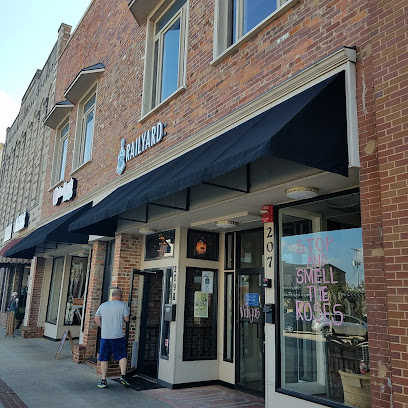
The RailYard
6.9 km
Decatur's hottest spot for Southern comfort food, craft beer, and great times in a historic downtown setting.
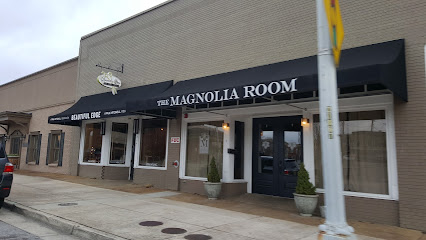
The Magnolia Room
7.0 km
Decatur's premier event space blending historic charm with modern elegance, perfect for weddings, banquets, and unforgettable celebrations.
Unmissable attractions to see

Point Mallard Park
3.0 km
Discover year-round fun at Point Mallard Park in Decatur, AL: wave pool, golf, trails, ice complex, and family adventures await!
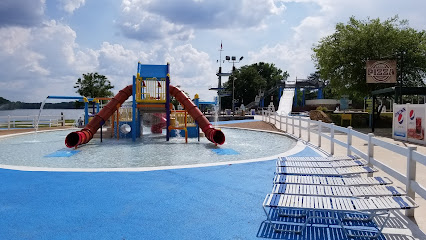
Wilson Morgan Park
3.9 km
A 100-acre recreational oasis in Decatur, AL, featuring sports facilities, walking trails, a dog park, and community events; currently undergoing expansion [3, 8].
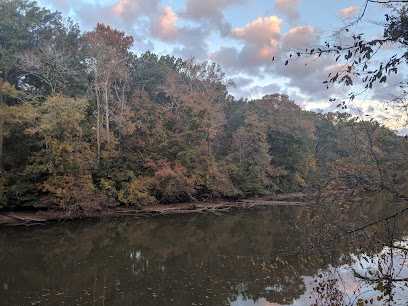
Wheeler NWR - Dancy Bottoms Nature Trail
4.4 km
Explore the serene Dancy Bottoms Nature Trail in Wheeler National Wildlife Refuge, a haven for birdwatching and wildlife observation.
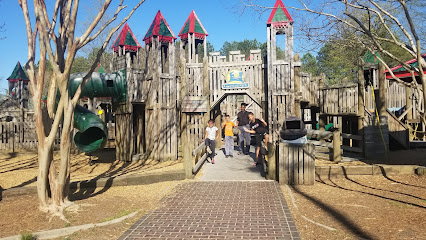
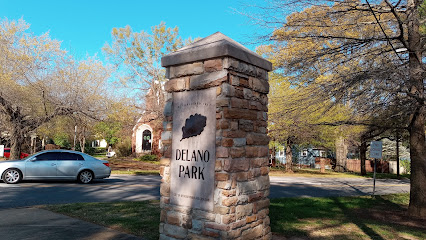
Delano Park
6.1 km
Discover Decatur's oldest park: a historic oasis with gardens, playgrounds, and art, perfect for recreation and community events.
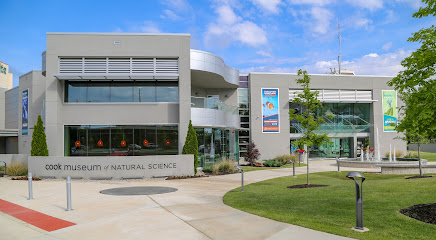
Cook Museum of Natural Science
7.0 km
Explore the wonders of nature at the Cook Museum of Natural Science in Decatur, Alabama, where learning and adventure go hand in hand.
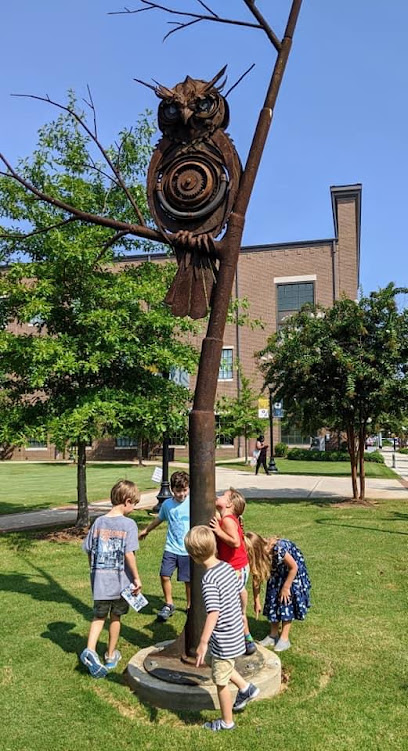
Downtown Turtle Trail
7.1 km
Discover Decatur's history in a fun, interactive way! Follow the Downtown Turtle Trail and uncover the stories behind the bronze turtles.
Frazier Park
7.4 km
Discover tranquility in Decatur's Frazier Park: a blend of Japanese gardens and historic charm in the heart of the Old Decatur Historic District.
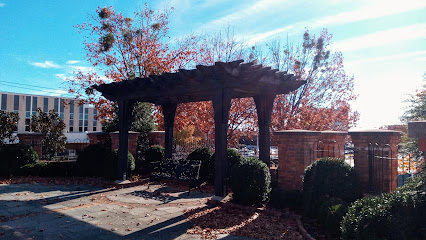
Daikin Garden
7.4 km
Discover a tranquil Japanese garden in Decatur's historic district, offering a serene escape and cultural experience for all visitors.
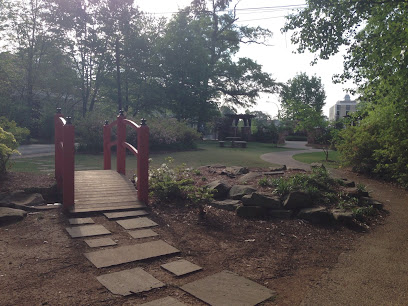
GoFAR USA Park
7.5 km
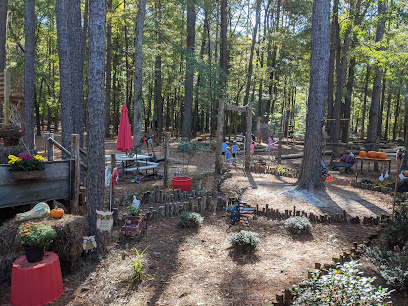
Decatur's premier outdoor adventure park with ziplines, obstacle courses, petting zoo, and trails for all ages. Get Out and Play!
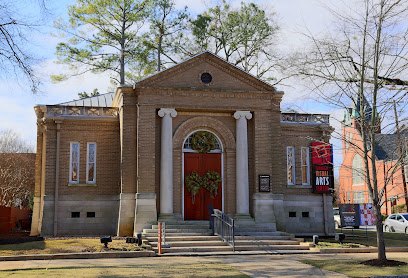
Carnegie Visual Arts Center
7.7 km
Explore diverse art exhibits and engage in creative programs at Decatur's historic Carnegie Visual Arts Center. Free admission for all!
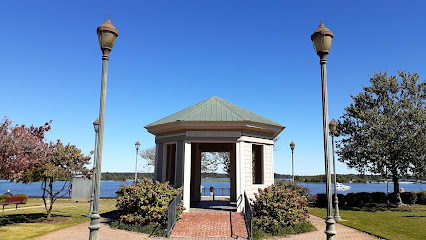
Rhodes Ferry Park
7.9 km
Discover Decatur's riverfront gem: Rhodes Ferry Park, where history meets recreation on the banks of the Tennessee River, offering scenic views and community events [3, 4].
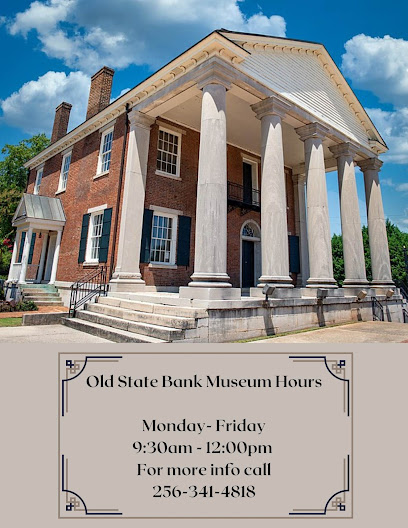
Old State Bank
8.0 km
Discover Alabama's banking history at the Old State Bank in Decatur, a resilient landmark since 1833. Closed for restoration, reopening soon!
Historic Decatur Union Depot
8.0 km
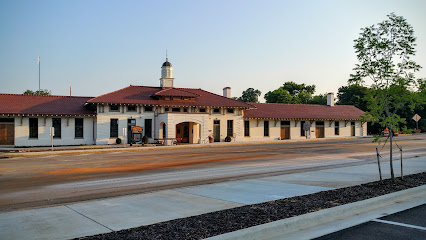
Explore Decatur's railroad heritage at the beautifully restored Historic Union Depot, a museum showcasing artifacts, model trains, and local history.
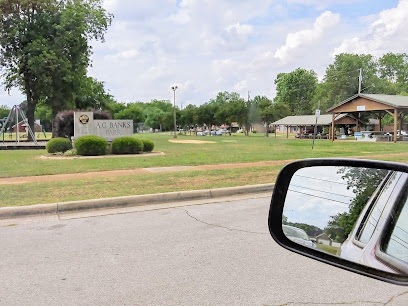
A.C. Banks Park
8.5 km
Discover scenic riverfront views, playgrounds, and community events at Decatur's A.C. Banks Park. A perfect spot for family fun and outdoor activities!
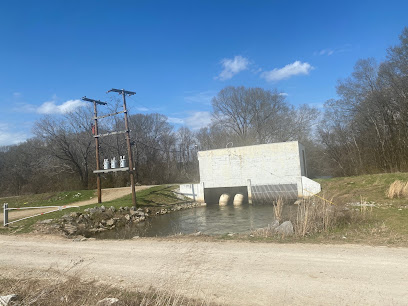
Wheeler NWR, Rock House Caves and Bluffs
10.2 km
Discover natural beauty at Wheeler NWR's Rock House Caves and Bluffs: scenic views, unique rock formations, and diverse wildlife viewing opportunities.
Essential places to dine

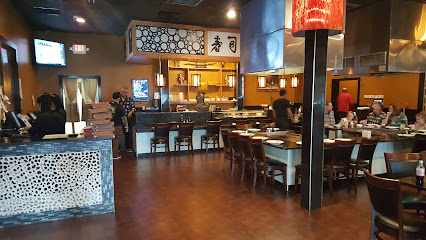
Ninja Japanese Restaurant
2.2 km
Experience authentic Japanese cuisine at Ninja Japanese Restaurant in Decatur – where every meal is a journey through flavors.
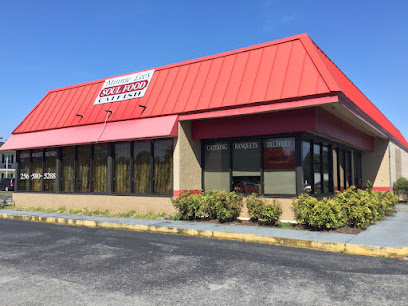
Minnie Lee's Soul Food Diner
2.2 km
Discover authentic Southern cuisine at Minnie Lee's Soul Food Diner in Decatur, Alabama – where comfort food meets warm hospitality.
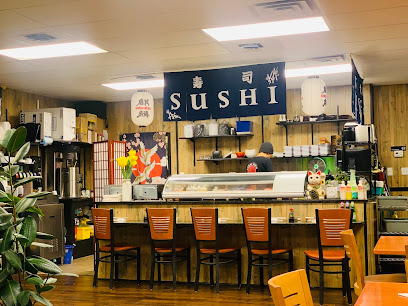
Sushi Sumo
2.3 km
Experience authentic Japanese cuisine at Sushi Sumo in Decatur - where fresh ingredients meet culinary artistry.
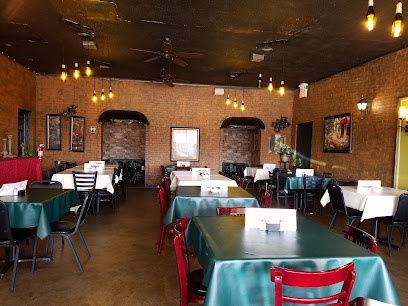
Francesco's Italian Restaurant
2.4 km
Discover authentic Italian cuisine at Francesco's Italian Restaurant in Decatur, AL - where every dish tells a story.
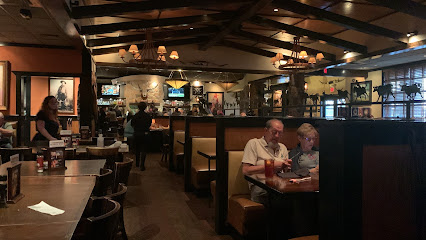
LongHorn Steakhouse
2.4 km
Discover delicious steaks and traditional American cuisine at LongHorn Steakhouse in Decatur - perfect for families and meat lovers alike.
Camino Real Mexican Restaurant
2.4 km
Experience authentic Mexican cuisine at Camino Real Mexican Restaurant in Decatur – a delightful blend of flavor and culture awaits you.
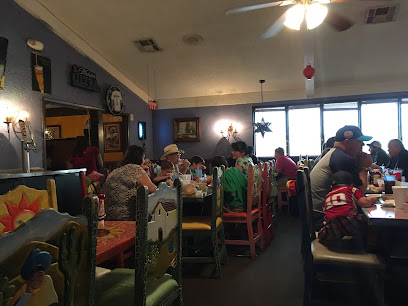
Rock N Roll Sushi
2.6 km
Discover the vibrant fusion of flavors at Rock N Roll Sushi in Decatur - where traditional sushi meets modern creativity.
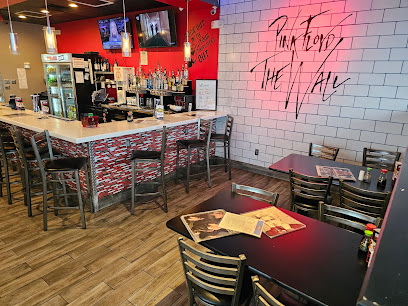
Olive Garden Italian Restaurant
2.9 km
Experience authentic Italian flavors at Olive Garden in Decatur - where family dining meets culinary excellence with gluten-free options.
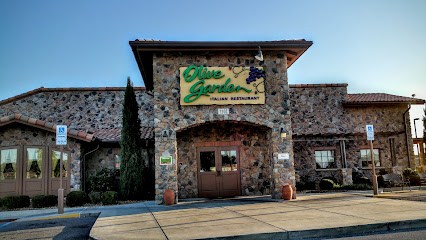
Texas Roadhouse
2.9 km
Experience Southern hospitality at Texas Roadhouse in Decatur - savor delicious steaks & enjoy lively atmosphere.
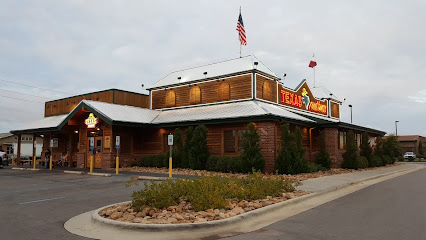
Las Vias
3.0 km
Experience the vibrant flavors of Mexico at Las Vias in Decatur—where authentic cuisine meets affordability.
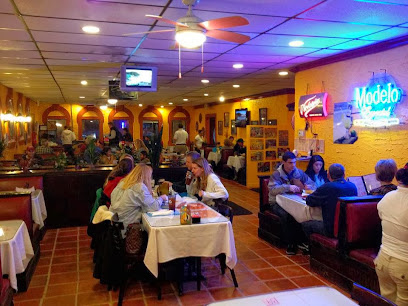
Waffle House
3.1 km
Experience the charm of American diner culture at Waffle House in Decatur - where delicious breakfasts are served 24/7.
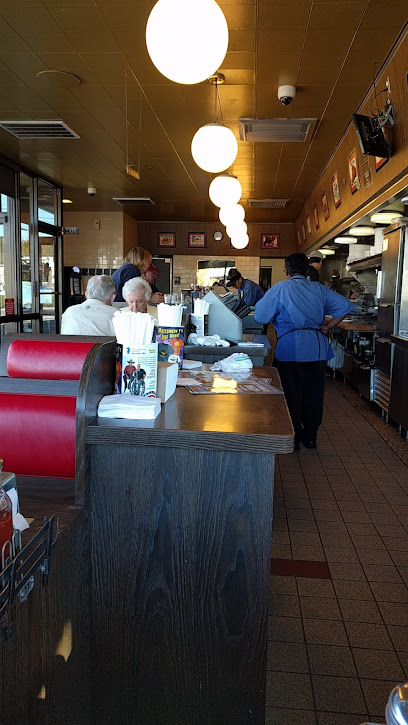
HWY 67 Roadhouse Bar and Grill
3.1 km
Discover Southern hospitality at HWY 67 Roadhouse Bar and Grill with delicious food, live music, karaoke nights, and vibrant atmosphere.
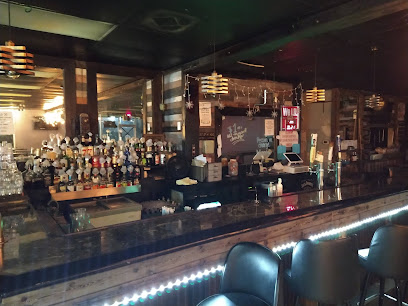
Cracker Barrel Old Country Store
3.9 km
Experience authentic Southern comfort food and unique gifts at Cracker Barrel Old Country Store in Decatur - where every meal feels like home.
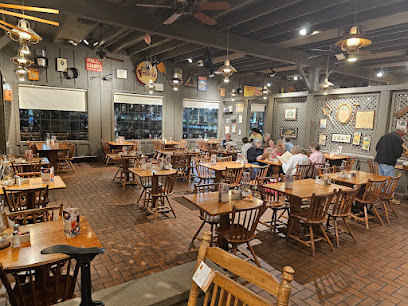
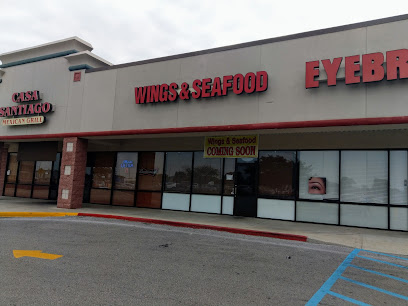
Wings and seafood
4.2 km
Experience fresh seafood delights in Decatur at Wings and Seafood – where flavor meets Southern charm in every bite.
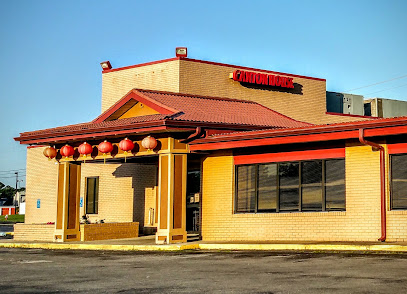
Canton House
4.3 km
Discover authentic Chinese flavors at Canton House in Decatur - where every dish tells a story of tradition and taste.
Markets, malls and hidden boutiques

The Crossings Of Decatur
2.3 km
Discover the ultimate shopping experience at The Crossings of Decatur, where diverse stores and delightful dining options await in Alabama.
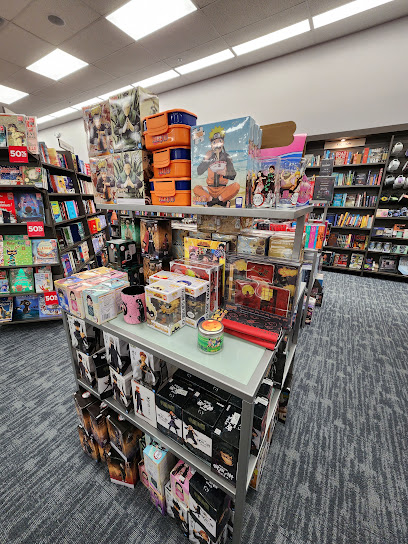
Cheldens Gift Emporium
3.7 km
Discover unique gifts and local treasures at Cheldens Gift Emporium in Decatur, Alabama - a must-visit for any traveler.
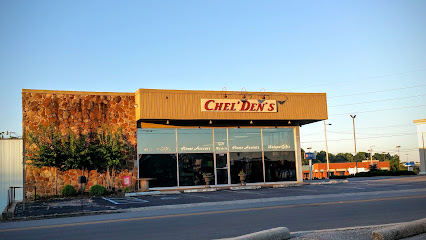
Wiley's Trading Company
3.8 km
Explore the great outdoors with quality gear from Wiley's Trading Company in Decatur, Alabama - your ultimate destination for outdoor clothing and equipment.
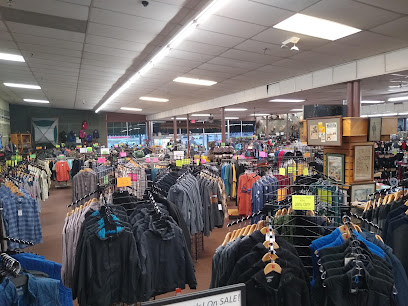
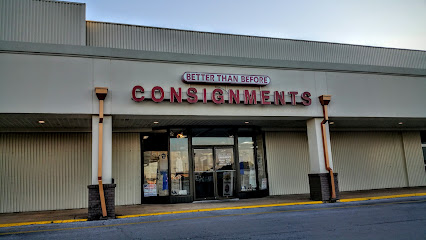
Better Than Before Consignments
3.8 km
Shop sustainably and stylishly at Better Than Before Consignments, Decatur's top destination for unique, pre-loved fashion finds.
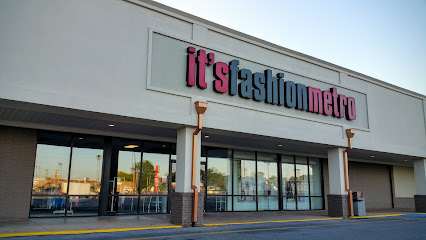
It's Fashion
3.8 km
Discover trendy and affordable fashion at It's Fashion in Decatur, Alabama, your ultimate shopping destination for clothing and accessories.
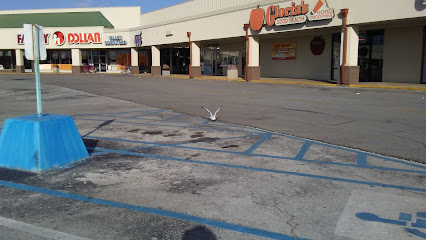
Gateway Shopping Center
3.9 km
Discover a diverse shopping experience at Gateway Shopping Center in Decatur, AL, blending retail, dining, and entertainment in one vibrant location.
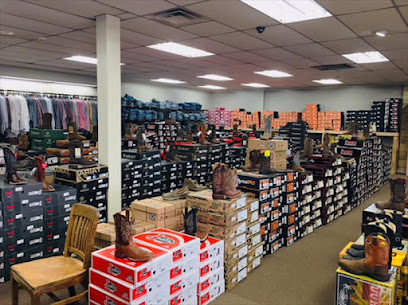
Trading Post Western & Outdoor - Decatur
4.1 km
Discover authentic western apparel and boots at Trading Post Western & Outdoor in Decatur, Alabama — where the cowboy spirit lives on.
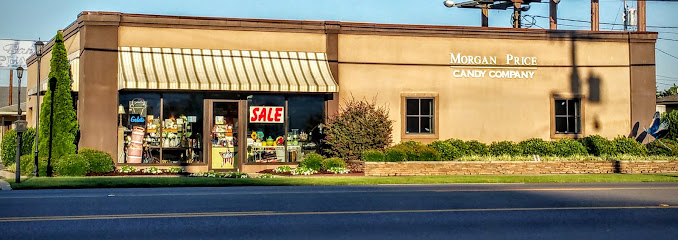
Morgan Price Candy Company
4.3 km
Explore the delightful world of handmade chocolates, nostalgic candies, and beautiful gift baskets at Morgan Price Candy Company in Decatur, Alabama.
A Great Baby
4.5 km
Explore A Great Baby - the premier destination for all your baby essentials, offering quality products and expert advice for new parents.

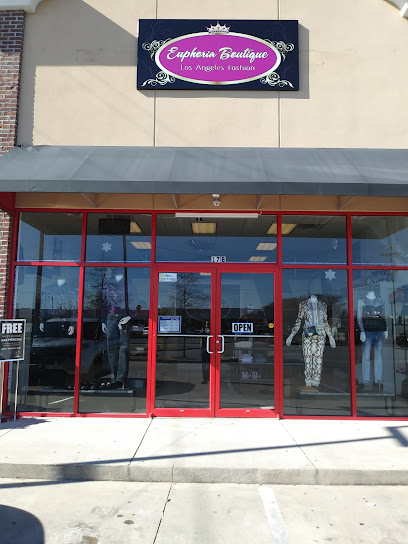
Euphoria Boutique LA
4.6 km
Discover trendy fashion and unique styles at Euphoria Boutique LA in Decatur, Alabama, a must-visit for every style-savvy traveler.
Decatur Shopping Center
4.7 km
Discover the Decatur Shopping Center in Alabama – a vibrant mall with diverse shopping, dining, and family-friendly entertainment options.
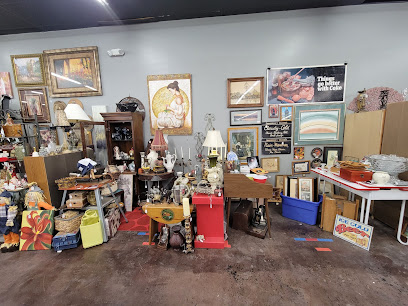
Firehouse Antiques and Collectibles Station #2
4.8 km
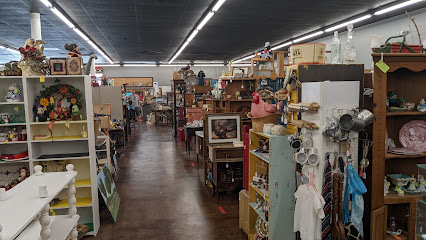
Explore a treasure trove of history at Firehouse Antiques and Collectibles Station #2 in Decatur, Alabama, where vintage meets charm.
Cricket By the Creek
4.8 km
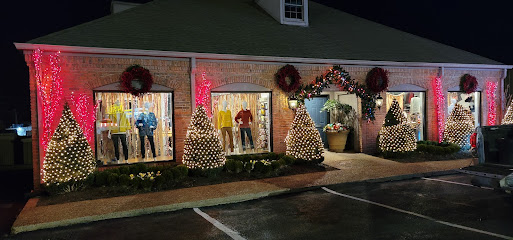
Explore stunning women's fashion at Cricket By the Creek in Decatur, Alabama, where unique styles meet exceptional service.
River-City Pickers
5.9 km
Explore River-City Pickers, a charming antique store in Decatur, Alabama, filled with vintage treasures and unique collectibles for every enthusiast.
Home Decor Store DBA River-City Pickers
5.9 km
Explore River-City Pickers in Decatur, AL – a unique antique store filled with timeless treasures and charming home decor that tells a story.
Essential bars & hidden hideouts

Noches latinas night club
2.5 km
Discover the vibrant nightlife and Latin rhythms at Noches Latinas Night Club in Decatur, Alabama, for an unforgettable evening of fun and dance.
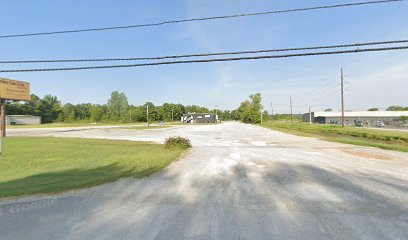
6 Pockets Billiards
4.0 km
Experience the lively atmosphere of 6 Pockets Billiards in Decatur, AL, where fun and games come together in an inviting bar setting.
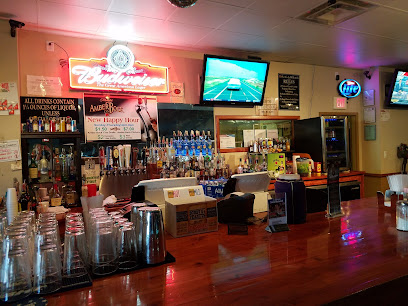
Buffalo Wild Wings
5.0 km
Experience the thrill of sports and the taste of delicious wings at Buffalo Wild Wings in Decatur, Alabama.
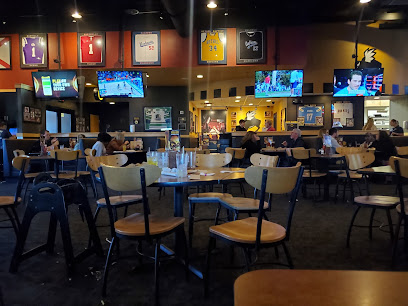
Geno's Pub
5.6 km
Experience the thrill of the game at Geno's Pub, a vibrant sports bar in Decatur, Alabama, offering delicious food and a friendly atmosphere.
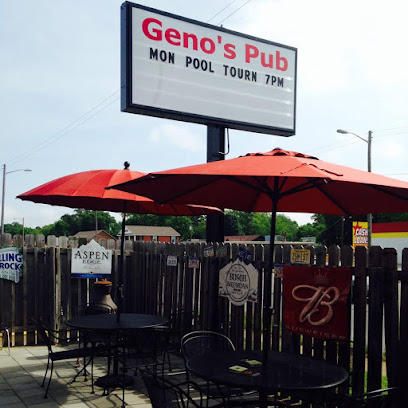
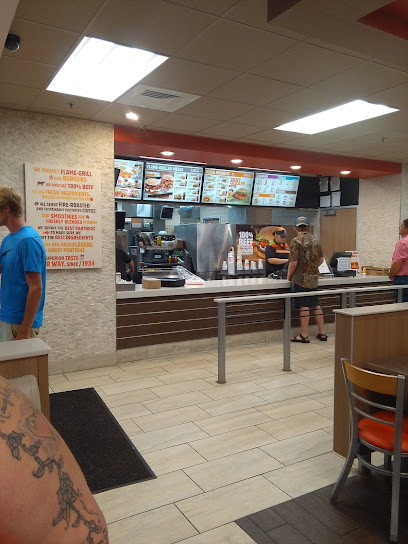
Burger King
30.4 km
Enjoy delicious flame-grilled burgers and fast-food favorites at Burger King in Moulton, Alabama, perfect for a quick and satisfying meal on the go.
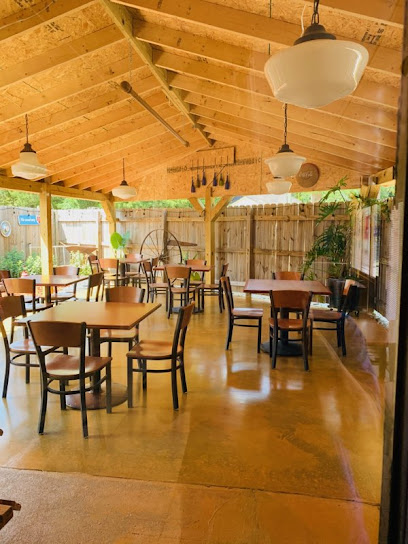
The Hot Spot
31.6 km
Experience the best of Southern cuisine at The Hot Spot, a must-visit restaurant in Moulton, Alabama, offering delicious dishes and a warm atmosphere.
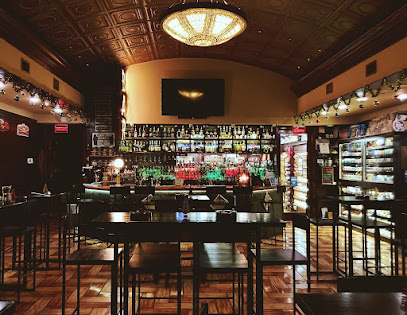
Vintage Cigar Lounge
31.7 km
Experience the charm of Vintage Cigar Lounge in Huntsville, where premium cigars and expertly crafted cocktails create a perfect retreat for enthusiasts.
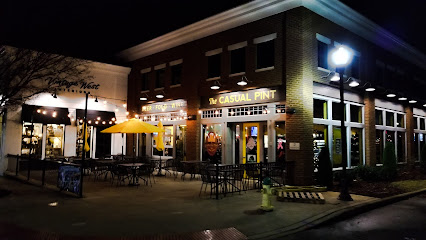
The Casual Pint of Huntsville
32.9 km
Discover a world of craft beers and delicious food at The Casual Pint of Huntsville, where every sip tells a story.
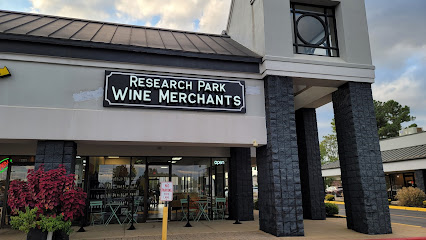
Research Park Wine Merchants
33.1 km
Discover Huntsville's hidden gem for wine lovers, featuring exquisite selections and a cozy atmosphere perfect for tastings and gatherings.
Jeff & Blues
33.2 km
Experience the vibrant nightlife at Jeff & Blues, a premier bar and pub in Huntsville, AL, offering great drinks, live music, and a welcoming atmosphere.
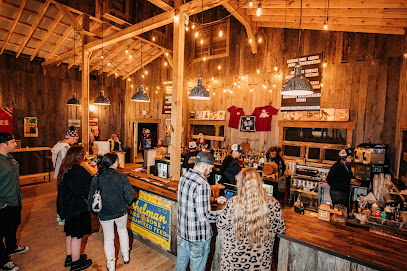
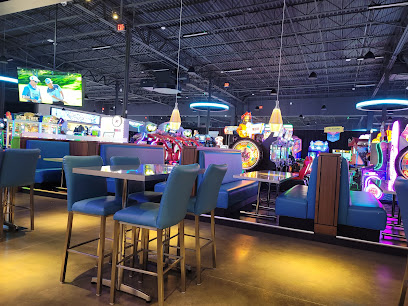
Dave & Buster's Huntsville
33.7 km
Discover a thrilling blend of dining and entertainment at Dave & Buster's Huntsville, where fun meets flavor in a vibrant atmosphere.
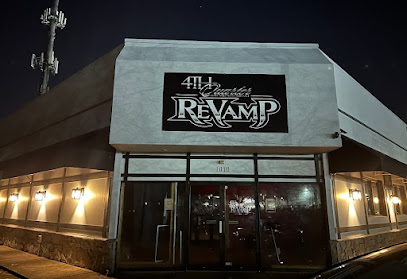
4th Quarter REVAMP
34.2 km
Discover the vibrant flavors and inviting atmosphere of 4th Quarter REVAMP, a top grill destination in Huntsville, AL, perfect for casual dining.
Ruggby's Food & Spirits
34.5 km
Savor delicious grilled dishes and sandwiches at Ruggby's Food & Spirits, a top casual dining spot in Huntsville, Alabama.
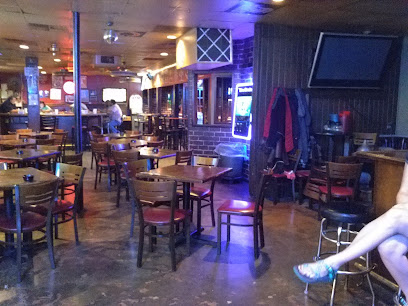
Maggie Meyers Irish Pub
35.7 km
Discover the heart of Ireland at Maggie Meyers Irish Pub, where great drinks and warm hospitality meet in the heart of Huntsville.
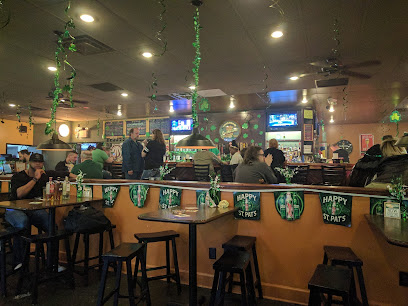
The Nook
36.0 km
Experience the culinary charm of The Nook in Huntsville, Alabama, where delicious grill specialties meet a welcoming atmosphere.
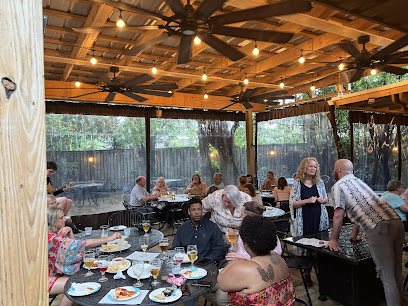
Nightclubs & after hour spots

TOP TIER LATINAS LOUNGE
2.5 km
Experience the vibrant nightlife at Top Tier Latinas Lounge in Decatur, AL, where music, dance, and great drinks come together for an unforgettable evening.

Club Explosions
2.6 km
Unleash your energy at Club Explosions, Decatur's top nightlife spot for unforgettable music, dancing, and vibrant atmosphere.
113 Club
6.8 km
Discover a premier cigar shop in Decatur, Alabama, offering an exquisite selection of premium cigars and a welcoming atmosphere for enthusiasts.
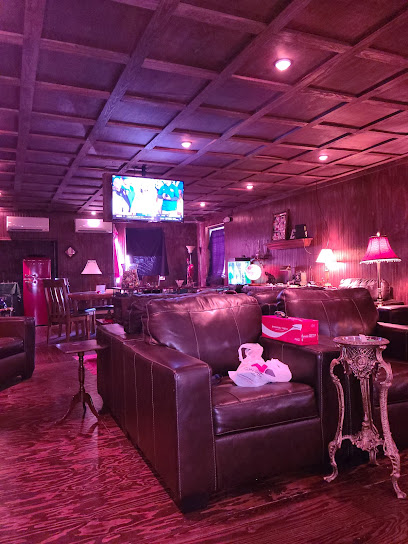
Waynes World
9.1 km
Dive into the exhilarating nightlife at Waynes World, Decatur's premier night club, where music and fun come together for an unforgettable experience.
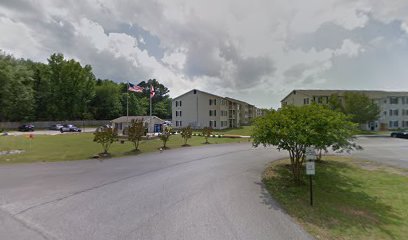
Reflections Lounge & Entertainment
24.1 km
Experience the vibrant nightlife of Madison at Reflections Lounge & Entertainment - where cocktails meet captivating performances.
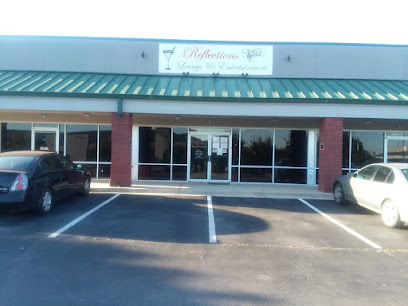
Cat & Mouse Club
35.8 km
Experience the vibrant atmosphere at Cat & Mouse Club, a dive bar in Huntsville offering great drinks, sports entertainment, and a welcoming vibe.
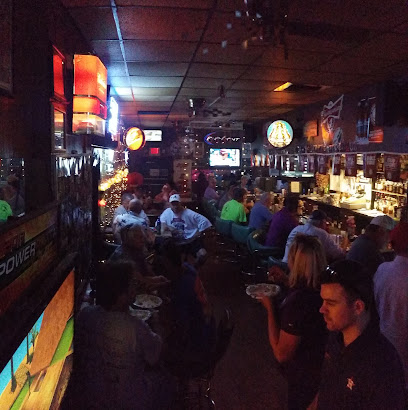
TP Country Club
36.2 km
Experience leisure and elegance at TP Country Club, where scenic views and exceptional amenities create an unforgettable getaway in Cullman, Alabama.
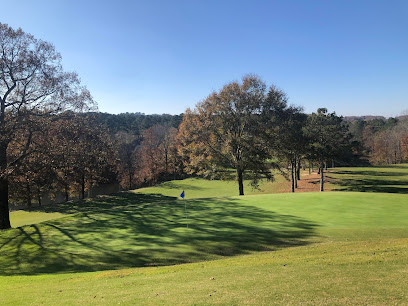
Club 3208
36.3 km
Discover the vibrant nightlife of Huntsville at Club 3208, a night club where music, dance, and fun collide in an unforgettable experience.
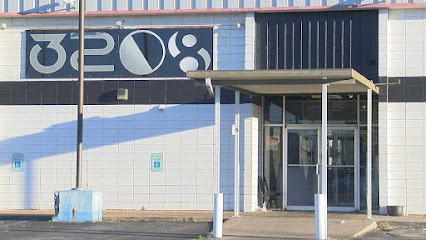
HHK The Spot
36.4 km
Explore Huntsville's vibrant nightlife at HHK The Spot, a chic lounge offering music, dancing, and expertly crafted cocktails.
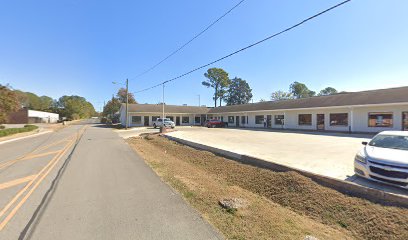
Club Forty7 Bar and Grill
36.7 km
Experience the vibrant nightlife at Club Forty7 Bar and Grill, blending delicious dining with exciting entertainment in Huntsville, Alabama.
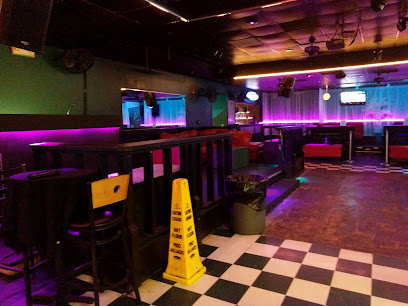
Lotus Lounge
36.7 km
Experience the vibrant nightlife of Huntsville at Lotus Lounge, your go-to destination for cocktails and great ambiance.

Club Guac
36.8 km
Discover the electrifying nightlife at Club Guac in Huntsville, Alabama, where unforgettable music and vibrant energy come together.
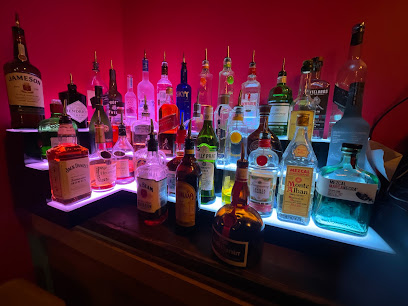
Ok Corral
37.7 km
Discover the vibrant nightlife at Ok Corral, Huntsville's top dance club, where music and culture create unforgettable experiences.
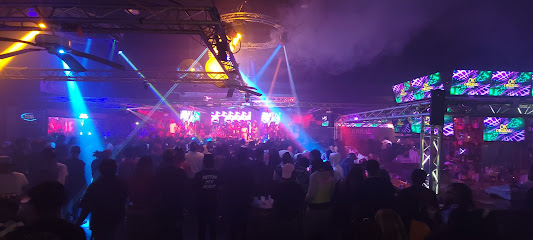
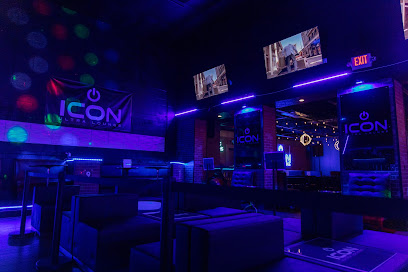
Icon Ultra Lounge
38.4 km
Experience the best nightlife in Huntsville at Icon Ultra Lounge, where exceptional cocktails and vibrant entertainment await you.
Vibes of Huntsville
38.8 km
Discover the electrifying nightlife at Vibes of Huntsville, where great music meets an unforgettable atmosphere for an incredible night out.