

Free Decatur Travel Guide & Mobile App
Plan your Decatur trip with Evendo. Get free guides to top attractions, restaurants, hotels, and bars. Web access or download the mobile app.


Decatur, Alabama, pairs Tennessee River scenery with Civil War history, Old State Bank, Cook Museum, barbecue traditions and adventures near Wheeler Refuge.
A River City with Deep Roots
Decatur stands on the south bank of the Tennessee River in northern Alabama, where broad waterways, wooded reserves and a long industrial history shape the city's identity. Established in 1820 around Rhodes Ferry and named for naval officer Stephen Decatur, it developed as a strategic river crossing and later as a railway and manufacturing centre. Its past remains visible in the Old State Bank, one of Alabama's oldest surviving bank buildings, and in the streets of the Old Decatur Historic District, where nineteenth-century homes and commercial buildings reflect the city's periods of prosperity and upheaval.Read more about Decatur
Historic Streets and Cultural Life
River Landscapes and Local Traditions
When is the best time to visit Decatur?
Best: April–May, October · 22–28°C| Month | High (°C) | Rainfall (mm) |
|---|---|---|
| January | 11 | 120 |
| February | 13 | 120 |
| March | 18 | 140 |
| April (best) | 23 | 130 |
| May (best) | 28 | 120 |
| June | 32 | 110 |
| July | 33 | 130 |
| August | 32 | 110 |
| September | 29 | 120 |
| October (best) | 22 | 100 |
| November | 16 | 120 |
| December | 11 | 130 |
Getting to and around Decatur
How to get there
Transportation
Best attractions in Decatur
Decatur's principal attractions combine local history, science, art and outdoor recreation. The Old State Bank provides an intimate introduction to the city's antebellum commercial life, while the Old Decatur Historic District places historic homes and civic buildings within a walkable streetscape. At the Cook Museum of Natural Science, geology, wildlife and hands-on displays make the natural history of Alabama accessible to families and curious adults alike. The Carnegie Visual Arts Center presents changing exhibitions in a former Carnegie library, and the Princess Theatre adds live performance and film to downtown's cultural life. Delano Park offers formal gardens, lawns and shaded paths, while Point Mallard Park extends the recreational choice with sports facilities, water attractions and open space. Beyond the urban centre, Wheeler National Wildlife Refuge brings wetlands, woodland and seasonal birdlife close to the city, offering a contrasting landscape to Decatur's historic streets and industrial river setting.
-
Tourist attraction
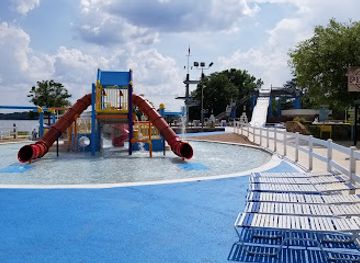
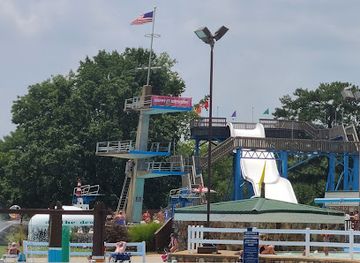
Point Mallard Park
Discover year-round fun at Point Mallard Park in Decatur, AL: wave pool, golf, trails, ice complex, and family adventures await!
15 min drive · 5.0 km from city centre
-
Tourist attraction
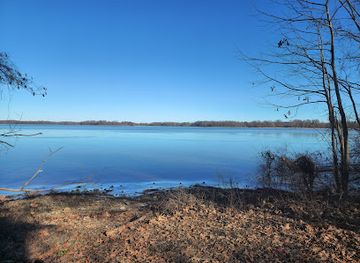
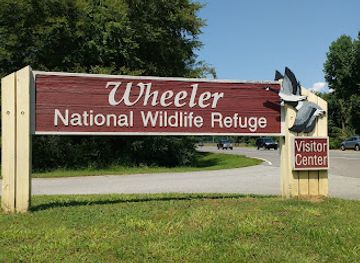
Wheeler National Wildlife Refuge Visitor Center
Discover Alabama's natural beauty at Wheeler National Wildlife Refuge, a haven for migratory birds and diverse wildlife along the Tennessee River.
14 min drive · 4.5 km from city centre
-
Tourist attraction
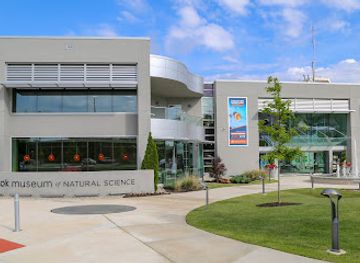
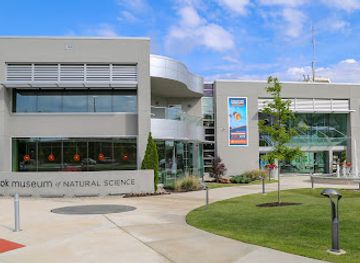
Cook Museum of Natural Science
Explore nature up close through interactive exhibits and live animals at Decatur's Cook Museum of Natural Science. A world of wonder awaits!
11 min drive · 3.6 km from city centre
-
Tourist attraction
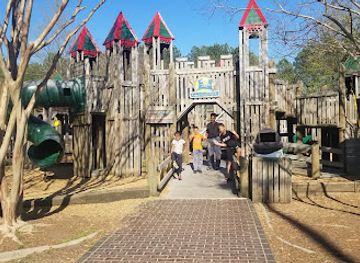
Wilson Morgan Park
A 100-acre recreational oasis in Decatur, AL, featuring sports facilities, walking trails, a dog park, and community events; currently undergoing expansion [3, 8].
15 min walk · 1.2 km from city centre
Best landmarks in Decatur
Decatur's landmarks trace its development as a river crossing, commercial town and industrial centre. The Old State Bank, completed in 1833, is the city's clearest surviving architectural link with its early banking economy and is among Alabama's notable antebellum bank buildings. The Princess Theatre, a historic downtown performance venue, represents the continuing civic role of entertainment architecture, while the former Carnegie library now occupied by the Carnegie Visual Arts Center reflects the early twentieth-century spread of public cultural institutions. Delano Park is significant as a designed civic landscape, with formal planting and paths that have long served the community. The Old Decatur Historic District adds residences and commercial structures from the town's nineteenth-century expansion, and the Tennessee River remains the geographic landmark underlying Decatur's trade, wartime importance and industrial growth.
-
Barbecue
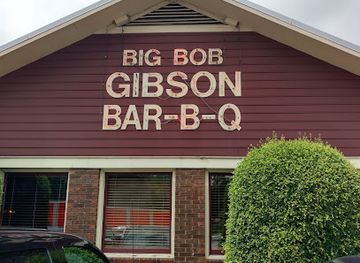
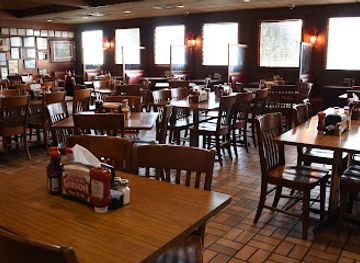
Big Bob Gibson Bar-B-Q
Experience world-championship BBQ at Big Bob Gibson's in Decatur, AL, home of the legendary Alabama white sauce and hickory-smoked meats since 1925.
16 min walk · 1.3 km from city centre
-
Water park
Point Mallard Park
Discover year-round fun at Point Mallard Park in Decatur, AL: home to America's first wave pool, championship golf, scenic trails, and outdoor adventures.
15 min drive · 5.0 km from city centre
-
Wildlife refuge
Wheeler National Wildlife Refuge Visitor Center
Discover Alabama's natural beauty and diverse wildlife at Wheeler National Wildlife Refuge, a haven for migratory birds and nature enthusiasts.
14 min drive · 4.5 km from city centre
-
Science museum
Cook Museum of Natural Science
Explore nature up close at the Cook Museum of Natural Science in Decatur, AL. Interactive exhibits, live animals, and family fun await!
11 min drive · 3.6 km from city centre
Explore Decatur on the map
Plan your Decatur trip on one map. See where the top attractions, landmarks, restaurants, bars and hotels are, find what's near where you're staying, and book hotels and experiences in a few clicks.
Best hotels in Decatur
Best restaurants in Decatur
Decatur's food culture is closely tied to northern Alabama comfort cooking and the city's best-known barbecue tradition. Big Bob Gibson Bar-B-Q, established in Decatur in 1925, helped popularise pit-cooked pork and the region's distinctive white barbecue sauce, a tangy mayonnaise-based accompaniment often served with smoked meats and chicken. Local dining also includes pulled pork, ribs, catfish, fried chicken, burgers, biscuits and vegetable plates, reflecting the broader cooking of the Tennessee Valley. Downtown restaurants and cafés provide a more contemporary setting for casual meals, while seasonal markets and independent food businesses add locally produced goods when operating. The atmosphere is generally relaxed rather than formal, with family restaurants, counter-service spots and traditional barbecue alongside newer menus. Regional ingredients and Southern hospitality matter as much as elaborate presentation, and restaurant choices are often concentrated around downtown and the city's principal commercial corridors.
-
Barbecue
Big Bob Gibson Bar-B-Q
Experience the authentic taste of Southern barbecue at Big Bob Gibson Bar-B-Q in Decatur, Alabama - where tradition meets flavor!
16 min walk · 1.3 km from city centre
-
Steak
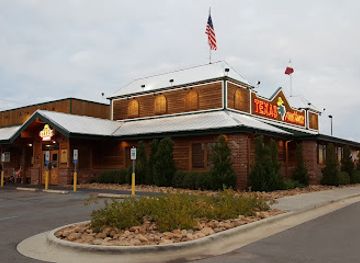
Texas Roadhouse
Experience Southern hospitality at Texas Roadhouse in Decatur - savor delicious steaks & enjoy lively atmosphere.
5 min drive · 1.6 km from city centre
-
Italian
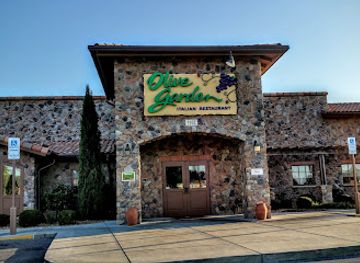
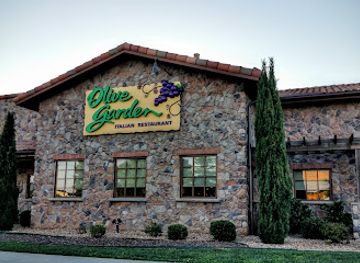
Olive Garden Italian Restaurant
Experience authentic Italian flavors at Olive Garden in Decatur - where family dining meets culinary excellence with gluten-free options.
5 min drive · 1.7 km from city centre
-
Fast Food
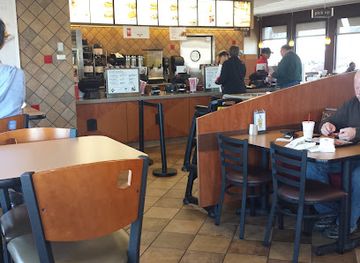
Chick-fil-A
Savor the flavors of Southern hospitality at Chick-fil-A in Decatur - where every meal is made with care.
7 min drive · 2.4 km from city centre
Best bars in Decatur
Decatur's evening scene is modest and locally oriented rather than centred on large nightclubs. Downtown restaurants and bars provide places for a relaxed drink, conversation and occasional live music, while community events and performances at the Princess Theatre bring a broader cultural dimension after dark. The theatre's programme can include music, comedy, film and other presentations, giving the city an evening option that does not depend on nightlife districts. Seasonal festivals, outdoor events and activities around Point Mallard Park may also extend the day's social life, although schedules vary. Visitors should expect early-closing restaurants and a quieter atmosphere in many residential and riverfront areas, with the most dependable concentration of evening activity in and around the historic commercial centre. Local etiquette is generally casual, and standard Alabama alcohol regulations apply.
-
Italian
Olive Garden Italian Restaurant
Discover the essence of Italian dining at Olive Garden, where every meal is a celebration of flavor and family.
5 min drive · 1.7 km from city centre
-
American
The RailYard
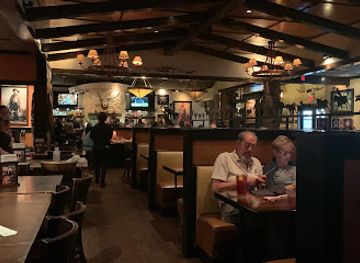
Discover The RailYard in Decatur, AL—where Southern hospitality meets delicious American cuisine in a charming pub setting.
10 min drive · 3.3 km from city centre
-
Steak
LongHorn Steakhouse
Discover the ultimate steak experience at LongHorn Steakhouse in Decatur, Alabama, where quality meets tradition in a family-friendly setting.
6 min drive · 2.1 km from city centre
-
Deli
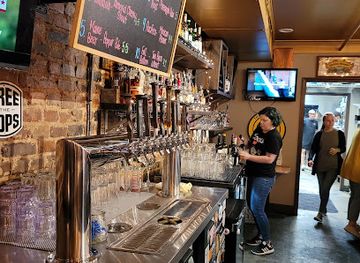
The Brick Deli & Tavern
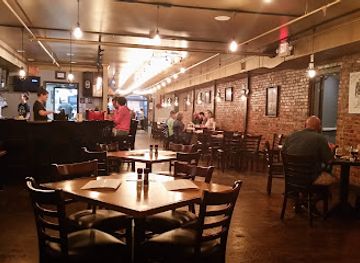
Experience the perfect blend of deli delights and pub charm at The Brick Deli & Tavern in Decatur, Alabama.
10 min drive · 3.5 km from city centre
Best nightclubs in Decatur
Decatur's evening scene is modest and locally oriented rather than centred on large nightclubs. Downtown restaurants and bars provide places for a relaxed drink, conversation and occasional live music, while community events and performances at the Princess Theatre bring a broader cultural dimension after dark. The theatre's programme can include music, comedy, film and other presentations, giving the city an evening option that does not depend on nightlife districts. Seasonal festivals, outdoor events and activities around Point Mallard Park may also extend the day's social life, although schedules vary. Visitors should expect early-closing restaurants and a quieter atmosphere in many residential and riverfront areas, with the most dependable concentration of evening activity in and around the historic commercial centre. Local etiquette is generally casual, and standard Alabama alcohol regulations apply.
-
American
The RailYard
Discover the flavors of Southern cuisine at The RailYard, a lively pub and restaurant in Decatur, Alabama, perfect for food lovers and social gatherings.
10 min drive · 3.3 km from city centre
-
Bar
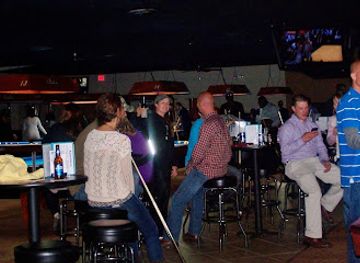
6 Pockets Billiards
Discover the lively nightlife at 6 Pockets Billiards in Decatur, AL - a vibrant bar and pool hall for casual fun and serious competition.
13 min walk · 1.0 km from city centre
-
Bar
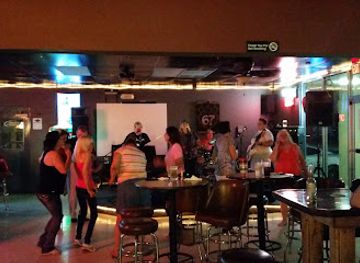
HWY 67 Roadhouse Bar and Grill
Discover the lively HWY 67 Roadhouse Bar and Grill in Decatur, AL, where delicious food meets live music and unforgettable fun.
23 min drive · 7.5 km from city centre
-
Bar
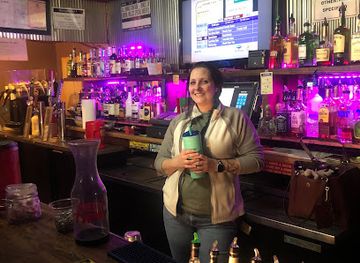
Geno's Pub
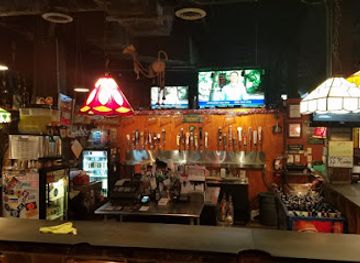
Experience the vibrant atmosphere and southern hospitality at Geno's Pub, Decatur's favorite bar and sports destination.
7 min drive · 2.3 km from city centre
Best shops in Decatur
Shopping in Decatur is concentrated around downtown streets, commercial corridors and seasonal community markets rather than a single major retail quarter. The historic centre offers independent boutiques, gift shops, art-related businesses, antiques and locally made items alongside cafés and restaurants, while larger everyday shopping is found along the city's main roads. Visitors may find Alabama-themed goods, regional food products, handmade crafts, artwork and souvenirs that reflect the Tennessee Valley rather than mass-produced attractions. Farmers' markets and special events can bring growers, bakers and makers into public spaces, although their timing changes with the season. The city's shopping character is practical and community-based, with historic buildings providing the setting for small businesses and galleries. For more extensive chain retail, Decatur's surrounding commercial areas are more useful than the compact heritage core.
-
Shopping mall
Decatur Mall
Discover Decatur Mall, Alabama's shopping gem with diverse stores, delicious dining, and family-friendly entertainment options for everyone.
8 min drive · 2.5 km from city centre
-
Department store
Belk
Discover a world of fashion and home goods at Belk in Decatur, Alabama, where style meets affordability for every shopper.
7 min drive · 2.5 km from city centre
-
Clothing store
Martin's Family Clothing
Explore Martin's Family Clothing in Decatur, Alabama - your one-stop destination for stylish apparel for the whole family.
10 min drive · 3.2 km from city centre
-
Shopping mall
Gateway Shopping Center
Discover a diverse shopping experience at Gateway Shopping Center in Decatur, AL, blending retail, dining, and entertainment in one vibrant location.
18 min walk · 1.4 km from city centre
Get your free copy of our complete guide to Decatur, delivered straight to you.
Everything on this page, from attractions and restaurants to essentials and local phrases, in one PDF you can read offline, print or share.
Already have an account? Sign in
Your Decatur guide is ready.
We'll send it to · Not you? Sign out

Getting your guide ready…
We are putting together a fresh copy of the Decatur guide. This can take up to a minute.
This can take a few moments. If your browser asks, choose Allow so the download can start. You'll find the guide in your Downloads folder.
Nothing happened? Download it again
Sorry, the guide is taking longer than usual. Please try again in a minute, or get it by email instead.
Decatur essentials
Currency and Payment
Safety
Emergency Situations
Do's and Don'ts
Local Tips
From Eve
Local phrases worth knowing
You don't need to get them perfect. A few words go a long way, and locals appreciate the effort.
Basics
| English | Local | Say it |
|---|---|---|
| Hello | Hey y'all | [Hey y'all] |
| Goodbye | See ya later | [See ya later] |
| Yes | Yessir | [Yessir] |
| No | Naw | [Naw] |
| Please/You're welcome | Please/You're welcome | [Please/You're welcome] |
| Thank you | Thank ya | [Thank ya] |
| Excuse me/Sorry | Beg your pardon/My bad | [Beg your pardon/My bad] |
| How are you? | How y'all doin'? | [How y'all doin'] |
| Fine. And you? | Fine. And you? | [Fine. And you?] |
| Do you speak English? | Ya speak English? | [Ya speak English?] |
| I don't understand | I ain't gettin' it | [I ain't gettin' it] |
Eating & Drinking
| English | Local | Say it |
|---|---|---|
| I'd like to see the menu, please | Can I see the menu, please | [Can I see the menu, please] |
| I don't eat meat | I don't eat meat | [I don't eat meat] |
| Cheers! | Cheers! | [Cheers!] |
| I would like to pay, please | I'd like to pay, please | [I'd like to pay, please] |
Emergencies
| English | Local | Say it |
|---|---|---|
| Help! | Help! | [Help!] |
| Go away! | Git outta here! | [Git outta here!] |
| Call the Police! | Call the Po-lice! | [Call the Po-lice!] |
| Call a doctor! | Call a doc! | [Call a doc!] |
| I'm lost | I done lost | [I done lost] |
| I'm ill | I'm sick | [I'm sick] |
Shopping
| English | Local | Say it |
|---|---|---|
| I'd like to buy... | I wanna buy... | [I wanna buy...] |
| I'm just looking | I'm just lookin' | [I'm just lookin'] |
| How much is it? | How much does it cost? | [How much does it cost?] |
| That's too expensive | That's too pricey | [That's too pricey] |
| Can you lower the price? | Can ya lower the price? | [Can ya lower the price?] |
Time & Numbers
| English | Local | Say it |
|---|---|---|
| What time is it? | What time is it? | [What time is it?] |
| It's one o'clock | It's one o'clock | [It's one o'clock] |
| Half past (10) | Half past (10) | [Half past (10)] |
| Morning | Mornin' | [Mornin'] |
| Afternoon | Afternoon | [Afternoon] |
| Evening | Evenin' | [Evenin'] |
| Yesterday | Yesterday | [Yesterday] |
| Today | Today | [Today] |
| Tomorrow | Tomorrow | [Tomorrow] |
| 1 | One | [One] |
| 2 | Two | [Two] |
| 3 | Three | [Three] |
| 4 | Four | [Four] |
| 5 | Five | [Five] |
| 6 | Six | [Six] |
| 7 | Seven | [Seven] |
| 8 | Eight | [Eight] |
| 9 | Nine | [Nine] |
| 10 | Ten | [Ten] |
Transport & Directions
| English | Local | Say it |
|---|---|---|
| Where's a/the...? | Where's a/the...? | [Where's a/the...?] |
| What's the address? | What's the address? | [What's the address?] |
| Can you show me (on the map)? | Can you show me (on the map)? | [Can you show me (on the map)?] |
| When's the next (bus)? | When's the next (bus)? | [When's the next (bus)?] |
| A ticket (to ....) | A ticket (to ....) | [A ticket (to ....)] |
History of Decatur
Indigenous Landscapes and Rhodes Ferry
The Tennessee River corridor around present-day Decatur was used by Indigenous peoples long before the town was established. The waterway provided transportation, fishing and access through northern Alabama, while later territorial histories involved peoples including the Chickasaw and Cherokee. The site became known to Euro-American settlers through Rhodes Ferry, a crossing that connected routes on either side of the river. Its position at the river and at an important overland junction encouraged settlement after the United States acquired the territory and opened much of the region to new development. The river crossing, rather than an isolated inland location, explains why Decatur emerged as a place of commerce and strategic importance.
Founding an Alabama River Town
Decatur was founded in 1820 and named for Commodore Stephen Decatur, the celebrated American naval officer. The settlement was incorporated in 1826, as Alabama's early communities sought to turn river access into commercial advantage. Warehouses, ferries and businesses grew around the Tennessee River, while the town served as the county seat of Morgan County. Flooding, fire and the difficulties of transport affected early progress, but Decatur's location continued to attract merchants and settlers. The Old State Bank, completed in 1833, survives as a particularly important reminder of this formative period, when banking and river trade helped establish the town's civic and commercial framework.
Railways, Trade and Expansion
Decatur's importance increased in the nineteenth century as railways joined the Tennessee River to wider markets. The Tuscumbia, Courtland and Decatur Railroad reached the town in the 1850s, strengthening its position as a transfer point between river and rail transport. Commercial growth brought warehouses, financial institutions, homes and public buildings, many of which contributed to the historic districts visible today. Decatur also became part of the wider economic transformation of northern Alabama, where cotton, river commerce and railway connections encouraged urban expansion. The town's built environment from this era reflects both practical trade and the confidence of a growing regional centre.
Civil War Destruction and Reconstruction
Decatur's position on the Tennessee River and its railway connections made it strategically important during the American Civil War. Union and Confederate forces contested the area, and the Battle of Decatur took place from 26 to 29 October 1864, when Confederate troops attacked the Union-held town but were unable to capture it. Fighting and military occupation caused severe damage, leaving much of Decatur destroyed by the end of the conflict. Reconstruction was consequently a period of physical rebuilding as well as political and economic change. The survival of the Old State Bank and other later historic buildings gives present-day Decatur an especially clear sense of what was lost and rebuilt.
Industry, the Tennessee Valley and Modern Decatur
During the late nineteenth and twentieth centuries, Decatur grew beyond its river-and-rail origins into an industrial city. Manufacturing, agriculture and transport remained important, while the development of the Tennessee Valley brought new infrastructure and economic opportunities. Wheeler Dam, completed by the Tennessee Valley Authority in 1936, altered the river landscape and supported navigation, power generation and recreation. Decatur's modern identity was shaped by chemical production, manufacturing and logistics alongside established civic institutions and neighbourhoods. Cultural projects, historic preservation and the creation of parks and interpretation sites have since helped connect the industrial present with the river town and wartime community that came before it.
Decatur in Photos
Browse through our photo collection highlighting the charm and character of the destination.
Cities near Decatur
The closest cities to Decatur, if you have time for more than one stop.
-

-

-

-

-


Swipe for more cities
Explore more

Explore more of Alabama
Discover Alabama: A Southern state rich in history, culture, and natural beauty, offering unforgettable experiences from vibrant cities to serene beaches and majestic mountains.
Explore Alabama