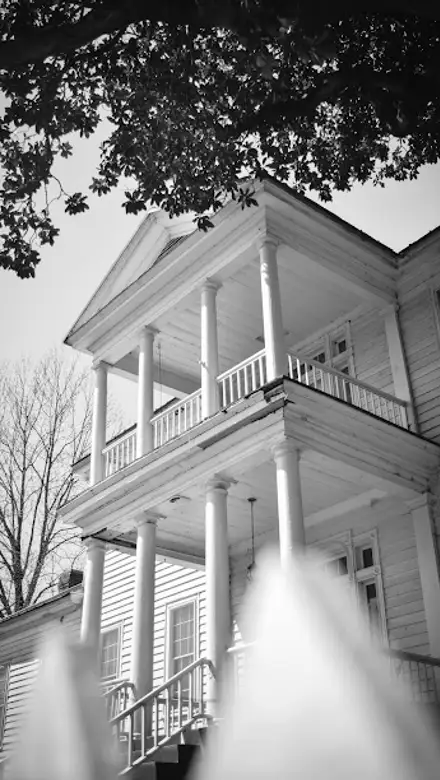
Dancy-Polk House, Decatur Travel Guide
Discover Decatur's oldest home, the Dancy-Polk House, a beautifully preserved landmark showcasing Early Classical Revival architecture and Civil War history.
The Dancy-Polk House, built in 1829 for Colonel Francis Dancy, is the oldest standing home in Decatur, Alabama. This Early Classical Revival mansion witnessed the Civil War and later served as a boarding house, offering a unique window into the city's history.
A brief summary to Dancy-Polk House
- 901 Railroad St NW, Decatur, Alabama, 35601, US

Know before you go
Hi, I'm Eve. Here are a few practical things to know before exploring Dancy-Polk House.
- Check the Decatur Convention and Visitors Bureau website for seasonal events and guided tour schedules.
- Combine your visit with a walk through Decatur's historic downtown to see other well-preserved antebellum architecture.
- Consider visiting during the annual Civil War reenactment for a more immersive historical experience.
Do you manage this location?
Take control to get all the benefits, like improved information, better appearance, and stronger visibility across AI-powered discovery. Learn more about listing your business on Evendo
Activate your presenceOther nearby places you may find interesting
The closest places of the same kind, if this one is not quite what you had in mind.

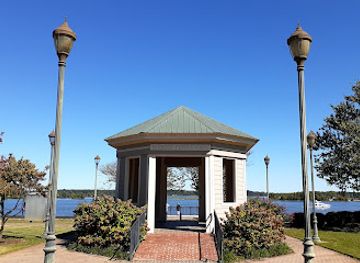
Explore Dancy-Polk House on the Map
A handpicked selection of must-see spots near Dancy-Polk House, mapped for you.
Getting There
-
Walking
From the Morgan County Archives, head east on Railroad Street NW. The Dancy-Polk House will be on your left, a short walk down the street. The walk is approximately 0.2 miles and should take less than 5 minutes.
-
Driving
If driving from downtown Decatur, take US-31/6th Ave NW north. Turn left onto Railroad St NW. The Dancy-Polk House will be on the left. Limited street parking is available near the house. Parking is free.
Discover more about Dancy-Polk House













Your all‑in‑one travel companion app
Explore expert travel guides, compare and book tours, experiences, hotels, and more—all from the palm of your hand. Download now for seamless trip planning wherever your wanderlust takes you.


Explore More of Decatur
Looking beyond Dancy-Polk House? Discover Decatur for broader travel guides, local hot-spots, and regional highlights.
Explore Decatur
Discover North Alabama's scenic beauty, rich history, and vibrant culture with the Alabama Mountain Lakes Tourist Association in Decatur, Alabama.
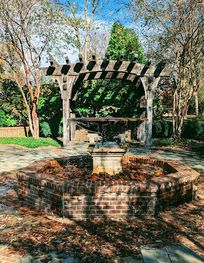
A serene urban park in Decatur, AL, honoring Etta Freeman with a fountain, gazebos, and benches for relaxation and reflection.