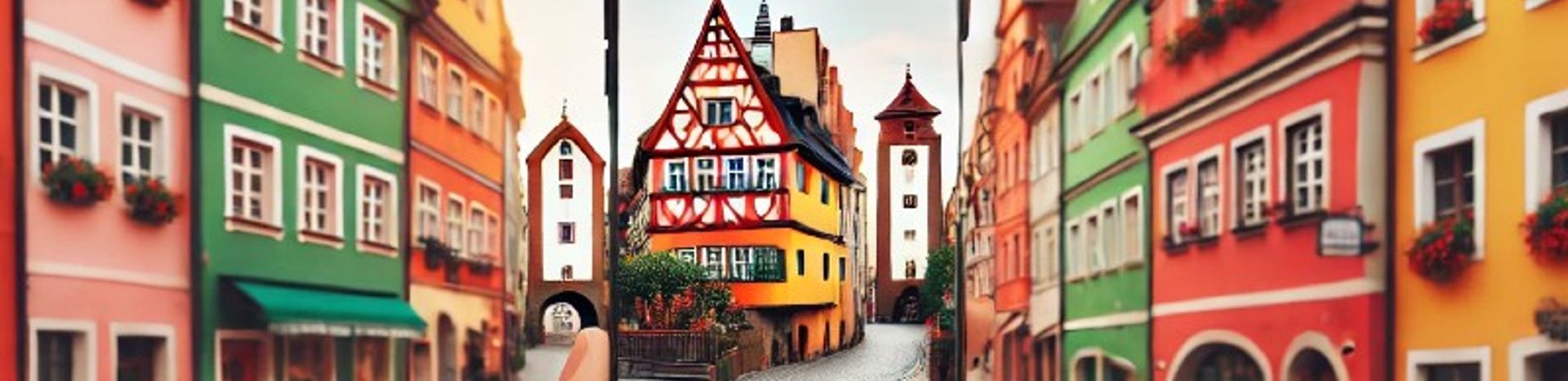
Highland Historic District: Birmingham's Architectural Gem
Explore Birmingham's Highland Historic District: a captivating blend of architectural styles, lush parks, and a vibrant community steeped in history.
The Highland Historic District in Birmingham, Alabama, showcases the city's late 19th and early 20th-century architectural evolution. Developed as a suburban retreat, it became a vibrant residential hub with diverse architectural styles, reflecting the tastes of different eras.
A brief summary to HIGHLAND HISTORIC DISTRICT
- Birmingham, Alabama, 35213, US
Local tips
- Explore the district on foot to fully appreciate the architectural details and charming streetscapes.
- Visit Rhodes, Rushton, and Caldwell Parks for a relaxing break and a glimpse of the neighborhood's green spaces.
- Check the Virginia Samford Theatre's schedule for upcoming performances.
- Take a stroll along Highland Avenue, the district's central artery, to admire the grand mansions and historic homes.

Getting There
-
Walking
The Highland Historic District is easily explored on foot. From nearby Five Points South, head east along Highland Avenue. The district begins a few blocks east of 20th Street South. Enjoy the historic homes and parks along the way.
-
Public Transport
Several bus routes serve the Highland Avenue area. Check the MAX (Metro Area Express) bus schedule for routes and times. From downtown Birmingham, take a bus heading south/east on Highland Avenue.
-
Ride Share
Ride-sharing services like Uber and Lyft are readily available in Birmingham. A ride from downtown Birmingham to the Highland Historic District will typically cost between $8 and $15, depending on traffic and demand.
Discover more about HIGHLAND HISTORIC DISTRICT
Iconic landmarks you can’t miss

HIGHLAND HISTORIC DISTRICT
0.0 km
Explore Birmingham's Highland Historic District: a blend of architectural styles, lush parks, and a vibrant community in the heart of the Magic City.

Oldest house in Shades Valley/Irondale Furnace Commissary
1.2 km
Explore Birmingham's oldest home, a preserved 19th-century commissary offering a glimpse into the lives of early settlers and the region's industrial heritage.
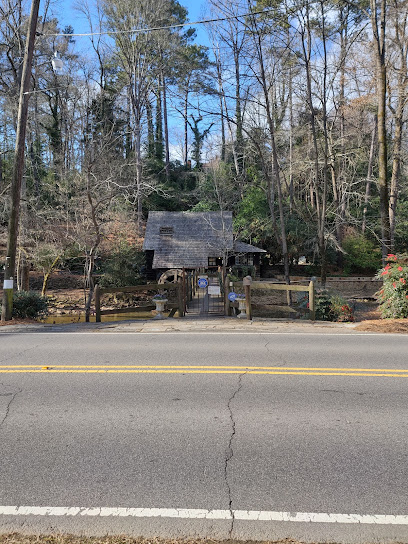
The Old Mill
2.5 km
Discover the historic charm of The Old Mill in Mountain Brook, a picturesque landmark offering a glimpse into Birmingham's past and a tranquil escape into nature's beauty.
Avondale Park Historic District
3.1 km
Discover historic architecture, vibrant green spaces, and a rich cultural heritage in Birmingham's charming Avondale Park Historic District.
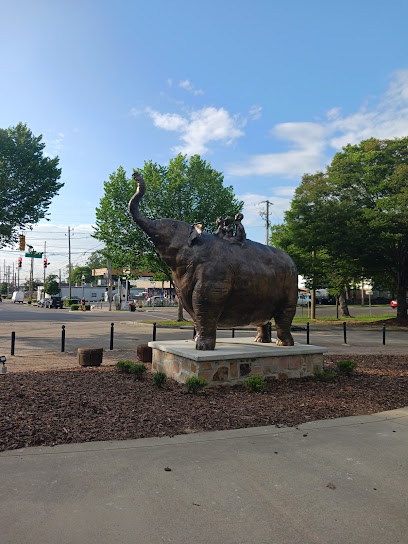
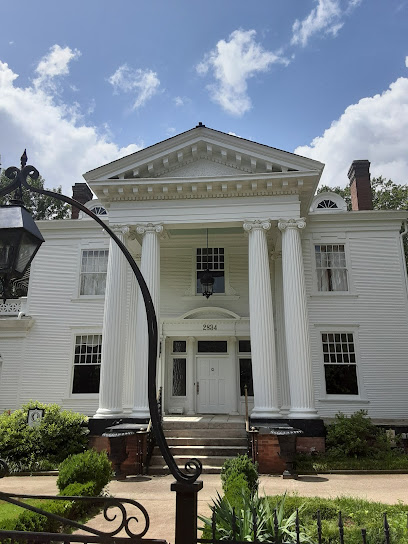
The Jordan Home (Dr. Mortimer Jordan)
3.4 km
Discover the elegance of Birmingham's past at the Jordan Home, a Neo-Classical landmark in the historic Highland Park neighborhood.
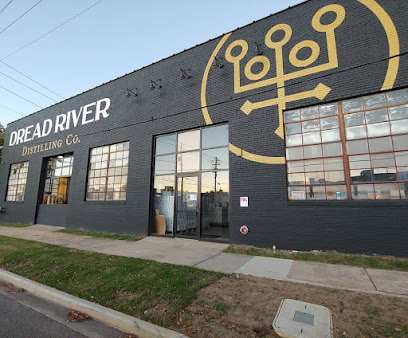
Dread River Distilling Company
4.5 km
Discover the vibrant flavors of Dread River Distilling Company in Birmingham, AL, where craft spirits meet culinary excellence in a lively atmosphere.
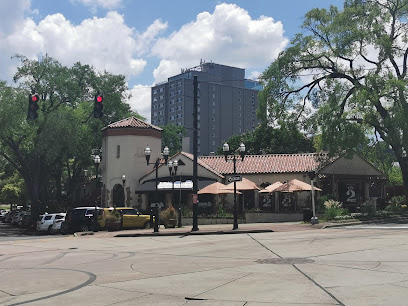
Five Points South Historical Marker
4.6 km
Discover the vibrant history of Birmingham's Five Points South, a charming neighborhood with stunning architecture, culinary delights, and a lively atmosphere.
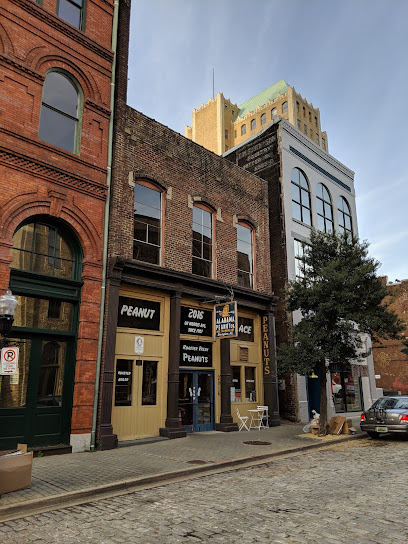
Alabama Peanut Co.
5.5 km
Birmingham's oldest peanut shop, roasting and boiling unique flavors since 1907 on historic Morris Avenue. A taste of tradition!
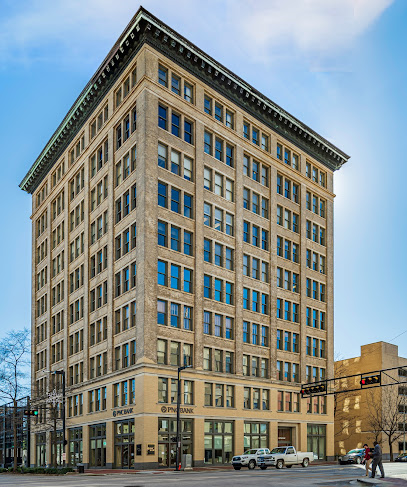
The Woodward Building
5.6 km
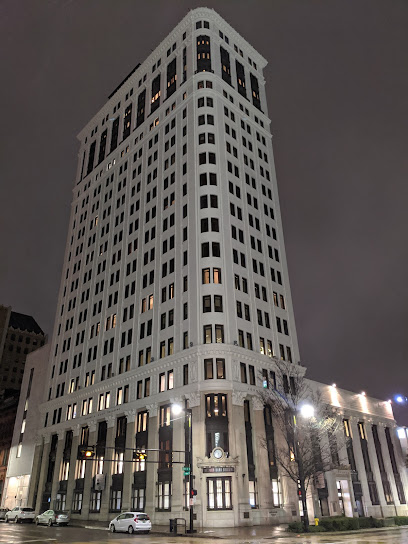
Birmingham's first skyscraper, the Woodward Building, showcases Chicago-style architecture and stands as a landmark of the 'Heaviest Corner on Earth'.
Civil Rights Freedom Riders Marker
6.0 km
Honoring the brave Freedom Riders who challenged segregation in 1961, marking a pivotal moment in the Civil Rights Movement.
Historic 4th Avenue Business District
6.2 km
Discover Birmingham's Historic 4th Avenue Business District: A vibrant center of Black culture, entrepreneurship, and civil rights history.
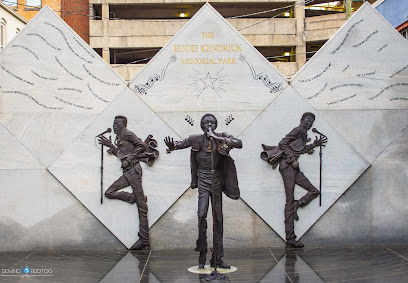
Alabama Sports Hall of Fame
6.4 km
Explore the rich history of sports at Alabama Sports Hall of Fame, where legends come alive through captivating exhibits and memorabilia.
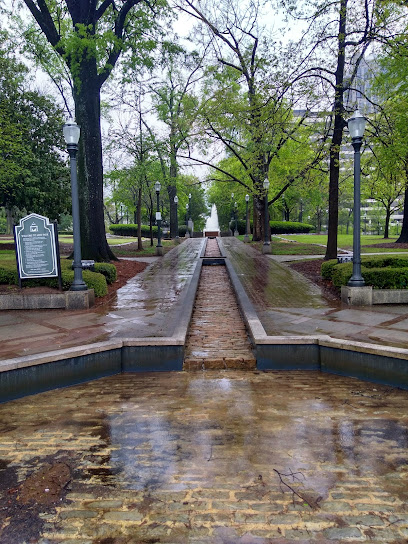
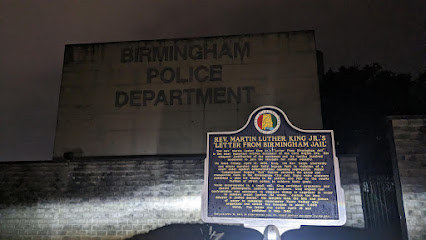
Rev. Martin Luther King Jr.’s ‘Letter From Birmingham Jail’ Marker
7.0 km
A marker commemorating Martin Luther King Jr.'s powerful 'Letter From Birmingham Jail,' a cornerstone of the Civil Rights Movement, located in front of the former Birmingham City Jail.
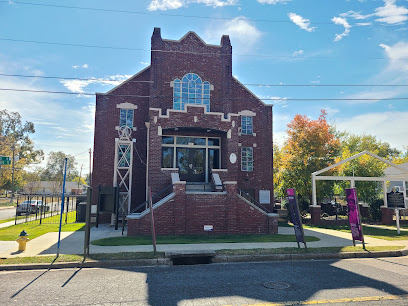
The Historic Bethel Baptist Church
7.4 km
Visit the epicenter of the non-violent Civil Rights Movement in Birmingham, AL, and explore the historic church of Reverend Fred L. Shuttlesworth.
Pratt City Carline Historic District
13.2 km
Explore Birmingham's Pratt City Carline Historic District: A charming journey through time, showcasing well-preserved architecture and rich local heritage.
Unmissable attractions to see

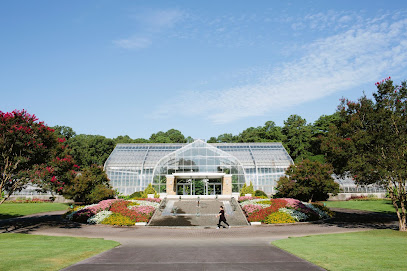
Birmingham Botanical Gardens
2.8 km
Explore diverse flora, themed gardens, and tranquil landscapes at Birmingham's free botanical sanctuary.
Avondale Park
3.2 km
Discover Birmingham's historic Avondale Park: a vibrant green space with walking trails, an amphitheater, and a rich cultural heritage.
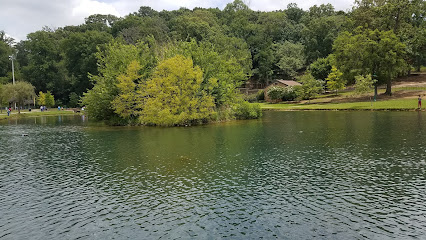
Birmingham Zoo
3.5 km
Discover wildlife from around the world at the Birmingham Zoo, Alabama's premier zoological destination. Open Wednesday - Sunday!
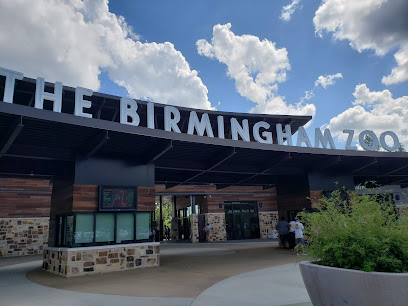
Alabama Veterans Memorial Park
3.7 km
A place of honor and reflection, the Alabama Veterans Memorial Park pays tribute to the service and sacrifice of Alabama's veterans.
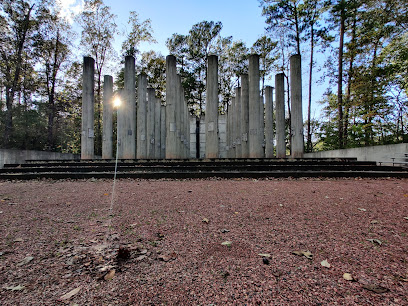
Cahaba River Walk Park
3.9 km
Escape to Cahaba River Walk Park: scenic trails, river access, dog park, and recreational activities for a refreshing outdoor experience.
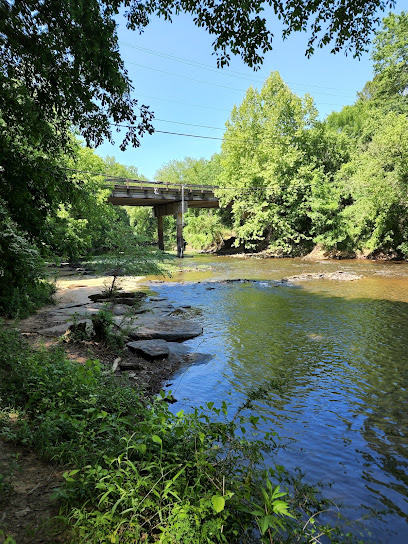
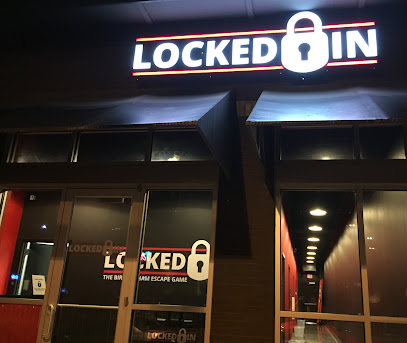
Locked In: The Birmingham Escape Game
4.0 km
Experience thrilling escape room adventures in Birmingham! Solve puzzles, find clues, and race against the clock at Locked In escape game.
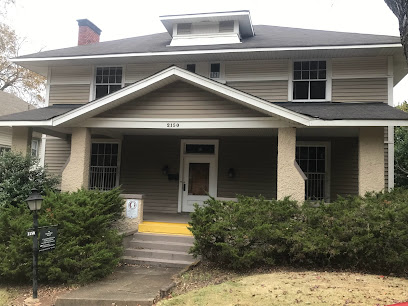
Samuel Ullman Museum
4.1 km
Discover the inspiring life and legacy of Samuel Ullman, the Birmingham humanitarian whose poem 'Youth' touched the world.
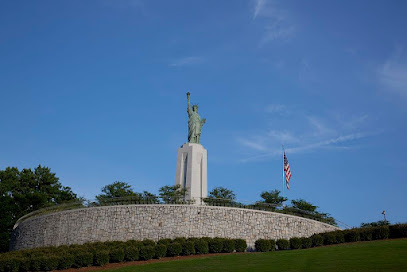
Liberty Park
4.3 km
Discover Liberty Park in Vestavia Hills: A scenic blend of nature and history with walking trails, lakes, and the iconic Statue of Liberty replica, perfect for family outings and community events.
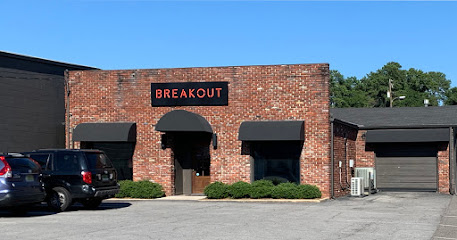
Breakout Games - Birmingham
4.4 km
Experience immersive escape room adventures at Breakout Games Birmingham. Perfect for team building, family fun, and unforgettable memories!
Sloss Furnaces National Historic Landmark
4.6 km
Explore Birmingham's industrial heritage at Sloss Furnaces, a unique National Historic Landmark offering a glimpse into the Magic City's past.
Vulcan Park and Museum
4.7 km
Discover Birmingham's history and iconic cast-iron statue at Vulcan Park and Museum, offering stunning city views and interactive exhibits.
“Before I die” wall
5.5 km
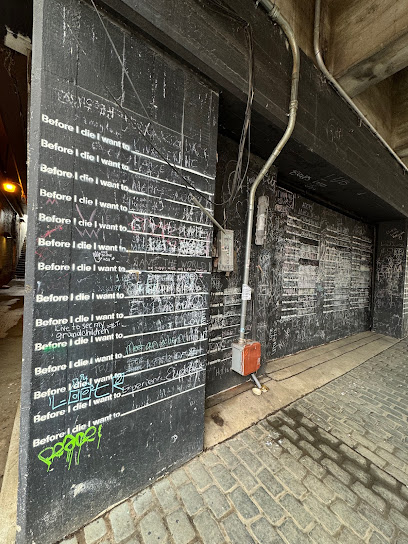
Reflect on life's aspirations at Birmingham's interactive "Before I die" wall on historic Morris Avenue. A space for community and dreams.
Red Mountain
5.6 km
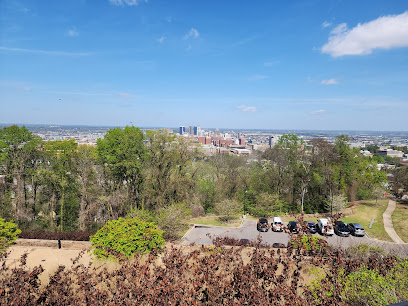
Explore Birmingham's iconic Red Mountain: Hike through history, discover stunning views, and experience the legacy of the Magic City's iron ore heritage.
Heaviest Corner On Earth
5.6 km
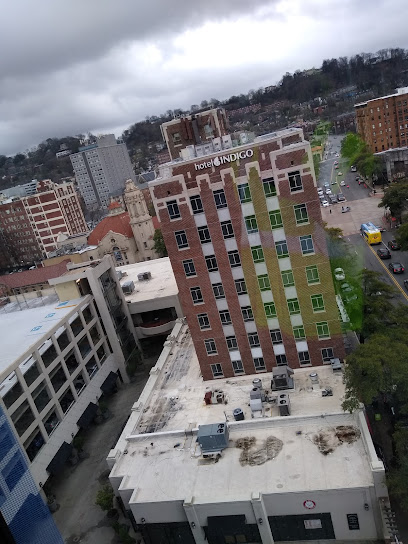
Discover Birmingham's 'Heaviest Corner on Earth,' a landmark showcasing early 20th-century architectural ambition and industrial might.
Negro Southern League Museum
5.8 km
Discover the inspiring history of African-American baseball at Birmingham's Negro Southern League Museum, a tribute to the Negro Southern League.
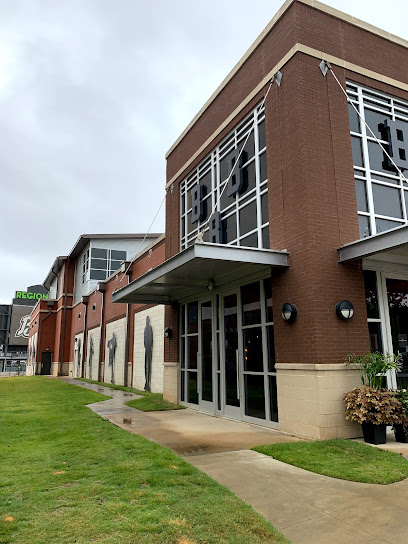
Essential places to dine

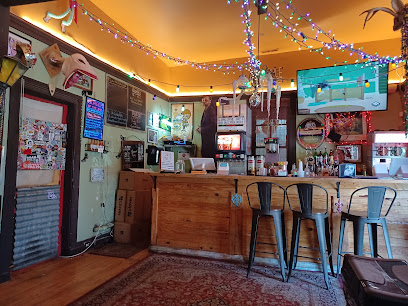
The Rougaroux
2.9 km
Experience authentic Cajun cuisine at The Rougaroux in Birmingham – where every dish tells a story.
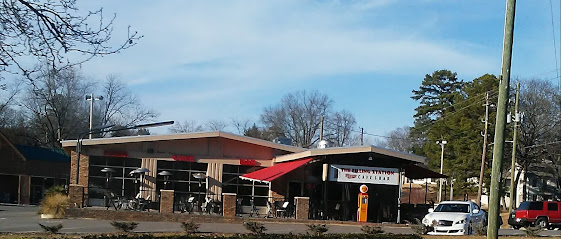
The Filling Station Bham
3.0 km
Discover the heart of Birmingham dining at The Filling Station Bham – where delicious pizzas meet Italian charm in Crestwood.
Habitat Feed & Social
3.0 km
Discover modern American cuisine at Habitat Feed & Social in Mountain Brook – where local flavors meet creative culinary artistry.
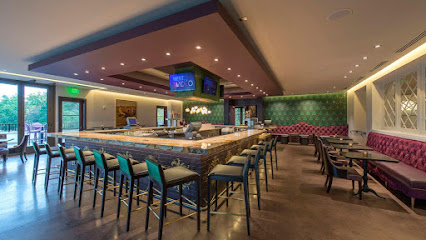
Chez Lulu
3.3 km
Experience authentic French cuisine at Chez Lulu in Birmingham—where culinary art meets Southern charm in an inviting setting.
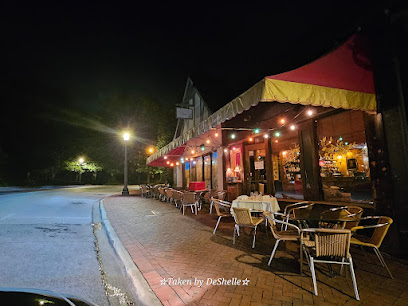
SAW’s Soul Kitchen
3.5 km
Discover authentic Southern barbecue at SAW's Soul Kitchen in Birmingham – where flavor meets hospitality in every bite.
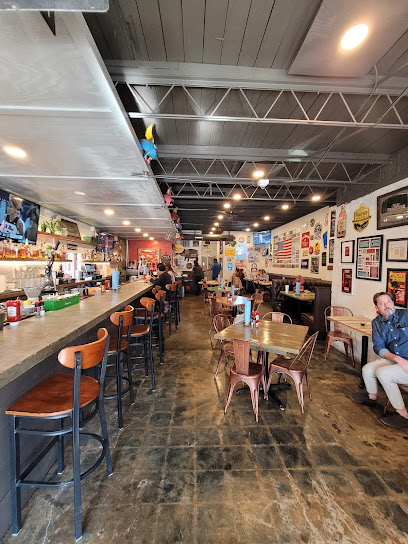
Bricktop's
3.8 km
Discover Bricktop's: A premier restaurant in Birmingham serving exquisite American cuisine in an elegant atmosphere perfect for any occasion.
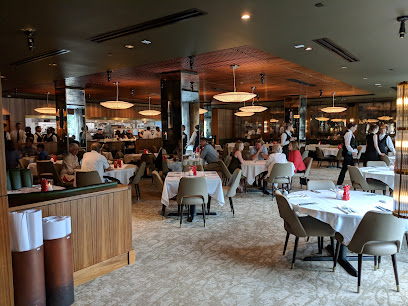
Jack Brown's Beer & Burger Joint Birmingham
4.0 km
Experience unique burgers and an extensive craft beer selection at Jack Brown's Beer & Burger Joint in Birmingham.
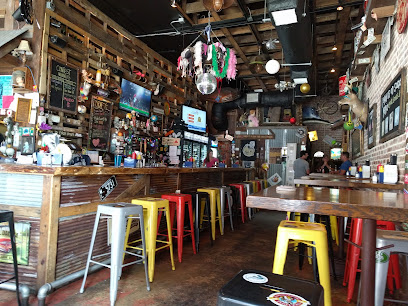
Galley & Garden
4.1 km
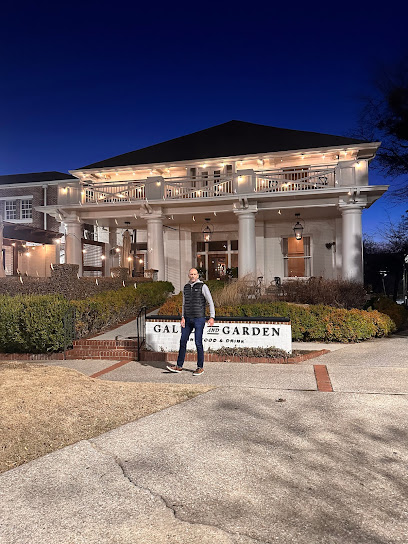
Experience exquisite fine dining at Galley & Garden in Birmingham - where Southern hospitality meets culinary excellence.
Blueprint on 3rd
4.2 km
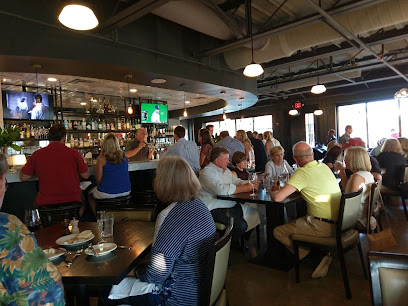
Experience exquisite American cuisine at Blueprint on 3rd in Birmingham - where tradition meets innovation in every dish.
OvenBird
4.4 km
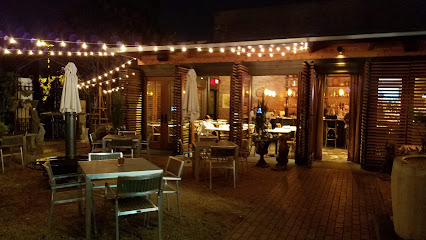
Discover OvenBird: A Birmingham culinary gem specializing in live-fire cooking and innovative cocktails in a cozy yet elegant setting.
Mudtown Eat & Drink
4.8 km
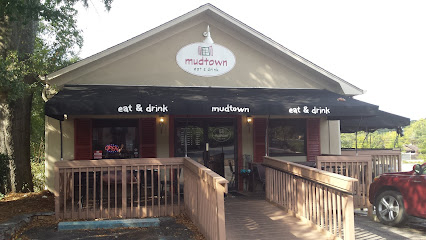
Experience the best of Southern cuisine at Mudtown Eat & Drink in Birmingham – where every meal is a celebration of flavor.
Martin's Bar-B-Que Joint
5.2 km
Experience the rich flavors of Southern barbecue at Martin's Bar-B-Que Joint in Cahaba Heights - where tradition meets taste.
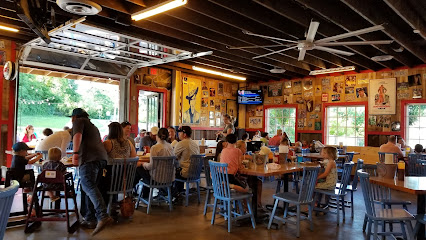
Foodbar
5.3 km
Experience the best of American cuisine at Foodbar in Vestavia Hills - where every meal is crafted with passion and flavor.
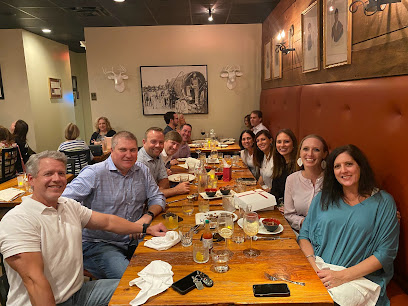
Satterfield's Restaurant
5.5 km
Experience the best of American cuisine at Satterfield's Restaurant in Birmingham—where Southern hospitality meets fine dining elegance.
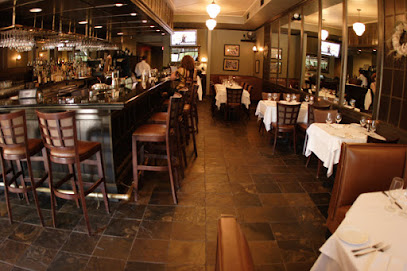
The Alabama Biscuit Co., Cahaba Heights
5.6 km
Savor homemade biscuits and authentic Southern breakfast at The Alabama Biscuit Co., a must-visit spot in Birmingham's Cahaba Heights.
Markets, malls and hidden boutiques

Urban Suburban Antiques
3.0 km
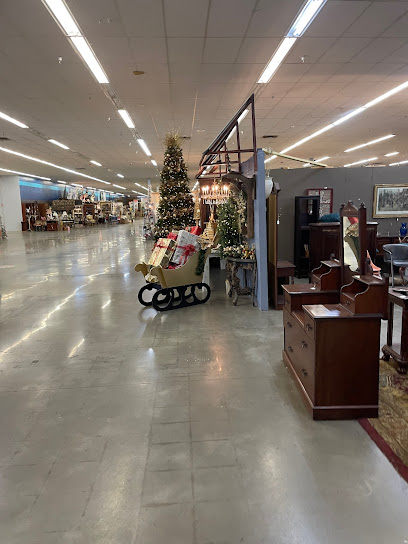
Discover unique antiques and art at Urban Suburban Antiques in Birmingham, a treasure trove for vintage lovers and gift seekers.
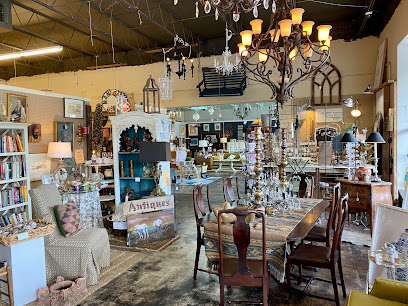
Sojourns
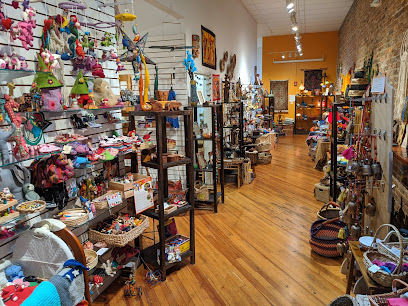
3.1 km
Explore Sojourns in Birmingham for unique gifts and local crafts that embody the spirit of Alabama's artistry and creativity.
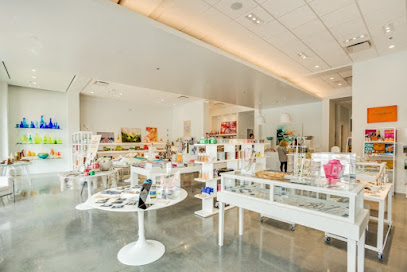
A'Mano
3.1 km
Discover unique handcrafted gifts at A'Mano in Mountain Brook, where local artistry meets charming ambiance, perfect for all occasions.
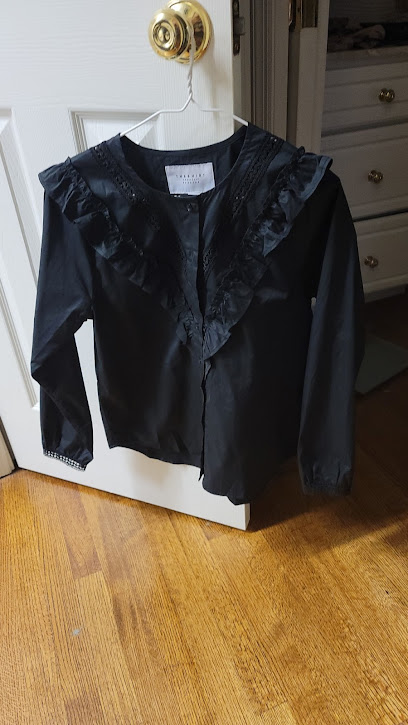
Stella Blu
3.3 km
Experience the unique charm of Stella Blu Boutique in Mountain Brook, Alabama, where local fashion and style come together in a delightful shopping atmosphere.
Hanna Antiques Mall
4.4 km
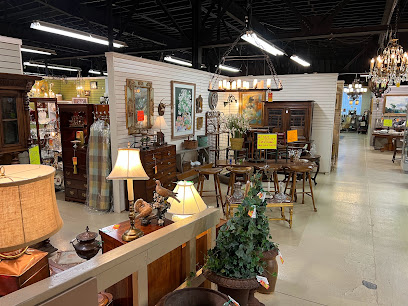
Explore the rich history and unique treasures at Hanna Antiques Mall in Birmingham, Alabama – a collector's paradise.
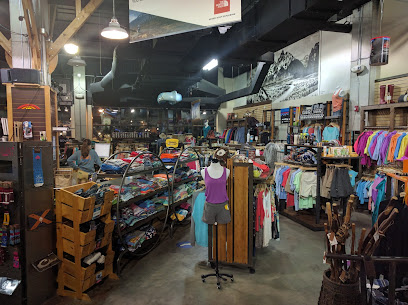
Mountain High Outfitters
4.6 km
Explore outdoor adventures with quality gear at Mountain High Outfitters, Birmingham's top destination for camping, kayaking, and more.
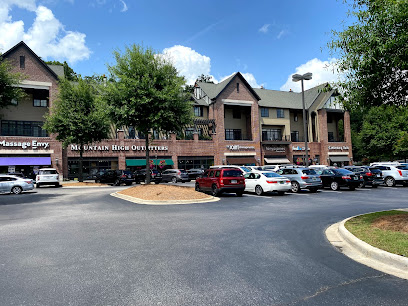
Cahaba Village
4.7 km
Explore Cahaba Village, a vibrant business center in Mountain Brook, Alabama, filled with unique shops, delicious dining, and community charm.
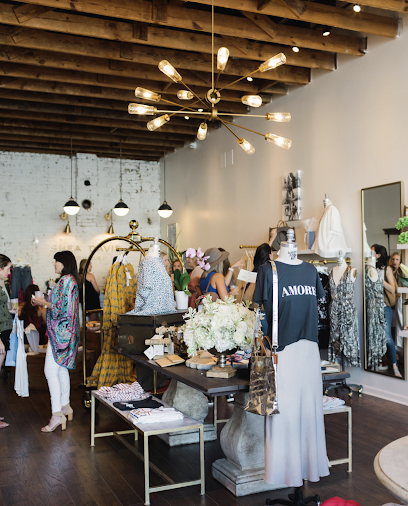
Shea Davis Boutique
4.8 km
Explore Shea Davis Boutique, a stylish women's clothing store in Homewood, Alabama, offering unique fashion and personalized shopping experiences.
Soca Clothing
4.9 km
Explore Soca Clothing, a boutique in Homewood, AL, where style meets Southern charm with unique women's fashion and personalized service.
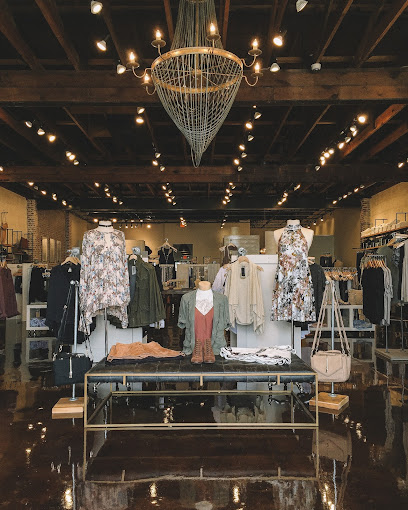
Alabama Goods
4.9 km
Explore the charm of Alabama through unique souvenirs, gift baskets, and handcrafted treasures at Alabama Goods in Homewood.
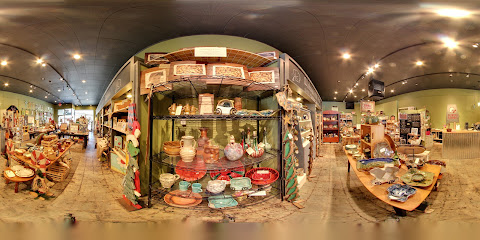
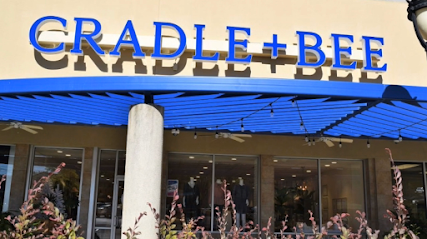
Clover + Bee
5.3 km
Discover unique gifts, women's fashion, and local craftsmanship at Clover + Bee in Birmingham, AL's Heights Village.
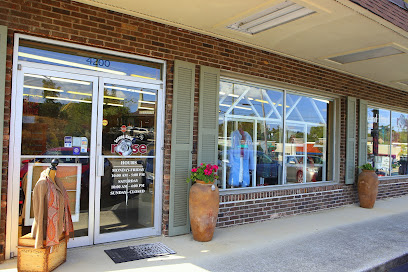
Second Hand Rose
5.3 km
Discover unique fashion treasures at Second Hand Rose, your go-to consignment shop in Cahaba Heights, Vestavia Hills, for stylish and sustainable finds.
Irondale Pickers
5.7 km
Explore Irondale Pickers for unique antiques, vintage treasures, and a charming shopping experience in Alabama's antique haven.
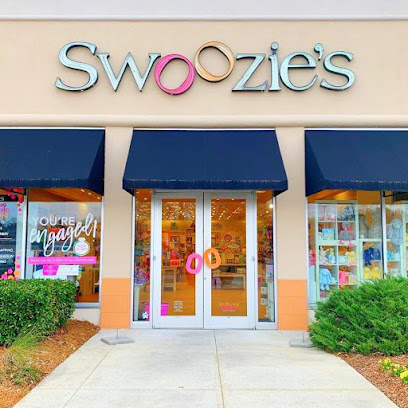
Swoozie's
6.1 km
Explore Swoozie's in Birmingham, Alabama - your ultimate destination for unique gifts, party supplies, and personalized invitations.
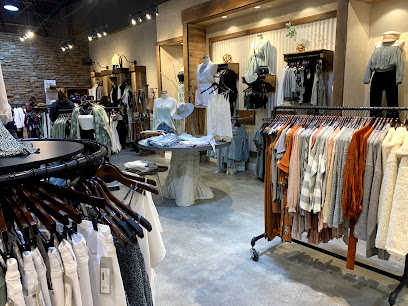
Lizard Thicket
6.3 km
Discover trendy women's fashion at Lizard Thicket in Birmingham, Alabama – a must-visit destination for stylish apparel and accessories.
Essential bars & hidden hideouts

Juniper
2.9 km
Discover Juniper, Birmingham's premier cocktail bar, where innovative drinks and a cozy atmosphere create unforgettable moments.
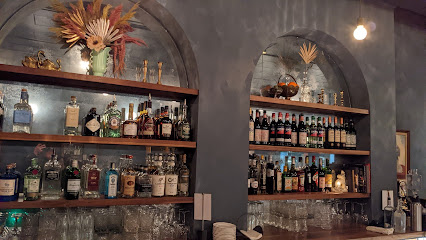
The Marble Ring
3.3 km
Experience the vibrant atmosphere and exquisite cocktails at The Marble Ring, Birmingham's premier speakeasy cocktail bar.
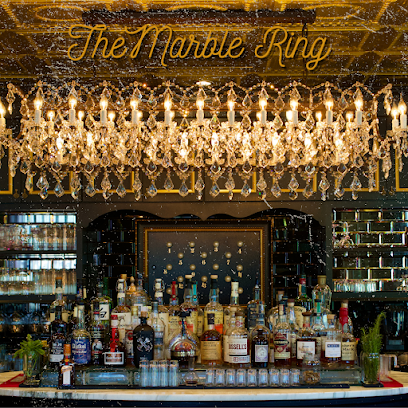
Key Circle Commons
3.3 km
Discover the vibrant cocktail culture at Key Circle Commons, a stylish bar in Mountain Brook offering handcrafted drinks and a cozy atmosphere.
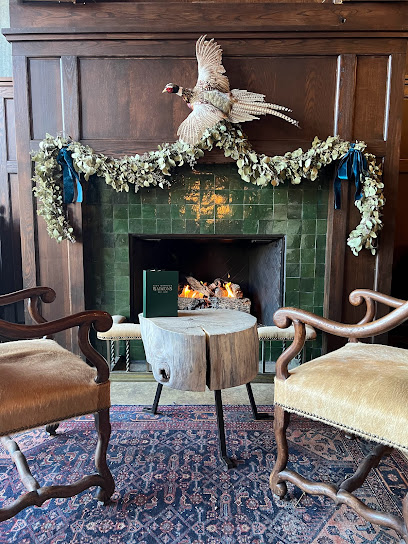
Mayawell Bar
4.2 km
Experience the energetic vibes and craft cocktails of Mayawell Bar in Birmingham, AL, where local culture meets nightlife excitement.
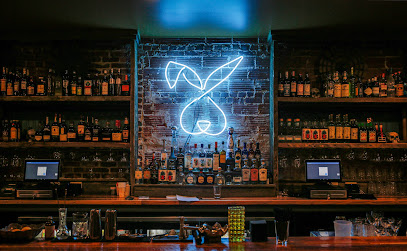
Red Lion Lounge
4.6 km
Discover the vibrant atmosphere and affordable drinks at Red Lion Lounge, the perfect bar for tourists exploring Homewood, Alabama.
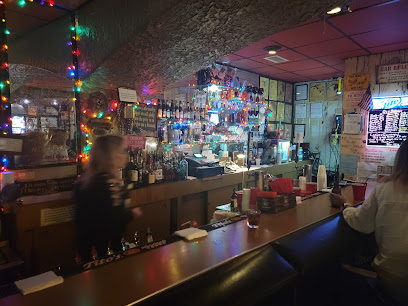
Black Market Bar + Grill
4.6 km
Experience the best of Southern cuisine at Black Market Bar + Grill in Birmingham, where delicious food meets a vibrant atmosphere.
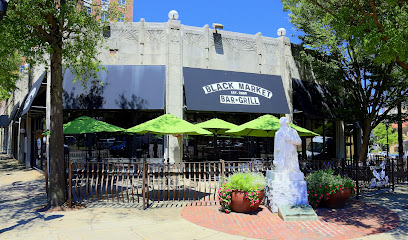
Oak Hill Bar & Grill
4.8 km
Experience the heart of Southern dining with live music and a warm atmosphere at Oak Hill Bar & Grill in Homewood, Alabama.
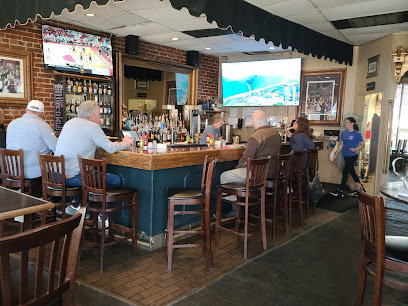
Carrigan's Public House [21+ Only]
5.1 km
Discover Carrigan's Public House, a premier gastropub in Birmingham, offering a unique blend of gourmet dining and lively bar experiences for adults only.
![Carrigan's Public House [21+ Only]](https://evendo-location-media.s3.amazonaws.com/BarImages/7367605d-795a-46b6-ae50-1825e1d76fb0)
House of Found Objects
5.5 km
Experience the eclectic charm of The House of Found Objects, Birmingham's must-visit bar for unique cocktails and vibrant atmosphere.
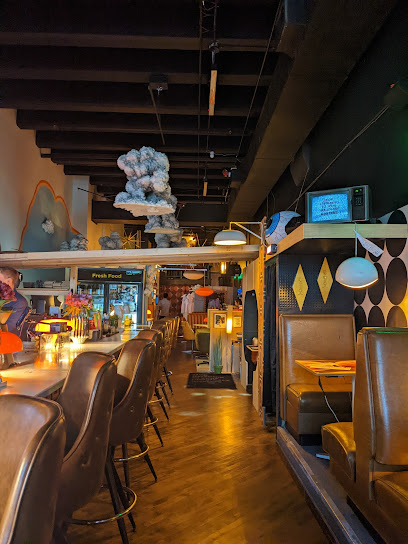
Pilcrow Cocktail Cellar
5.6 km
Discover Pilcrow Cocktail Cellar in Birmingham, AL, where expertly crafted cocktails meet a cozy, vibrant atmosphere for an unforgettable night out.
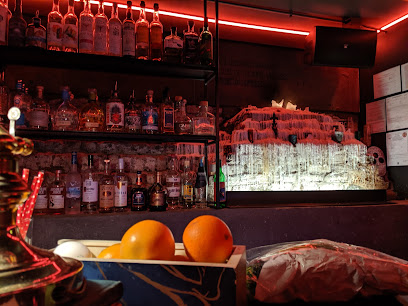
On Tap Sports Cafe Liberty Park
5.7 km
Experience the thrill of sports with delicious food and drink at On Tap Sports Cafe in Vestavia Hills, Alabama.
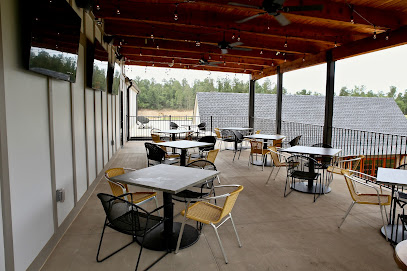
Black Market
7.3 km
Experience the vibrant flavors of Black Market Grill in Birmingham, Alabama, where delicious food meets a lively atmosphere for every occasion.
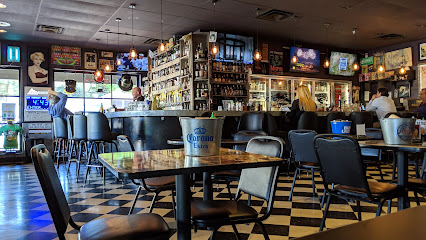
The Upper Deck
7.5 km
Experience the vibrant nightlife at The Upper Deck, Birmingham's go-to sports bar for food, drinks, and entertainment in a lively atmosphere.
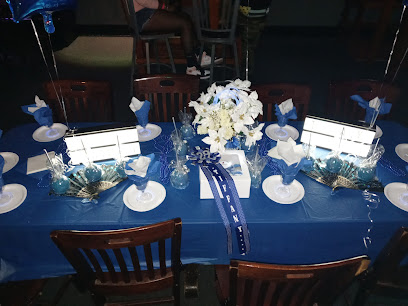
StirCrazy
8.2 km
Experience the vibrant nightlife at StirCrazy, a lively bar in Birmingham, Alabama, perfect for cocktails and good company.
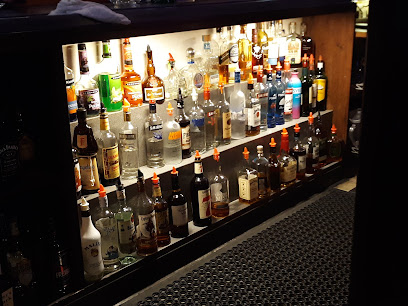
The Ridge Eat & Drink
9.0 km
Experience the best of American cuisine at The Ridge Eat & Drink in Vestavia Hills, Alabama, where delicious food meets a warm, inviting atmosphere.