

Free Greater Birmingham Travel Guide & Mobile App
Explore Greater Birmingham with free travel guides. Discover regional history, expert tips, proposed trips, and audio guides on web or mobile app.


Greater Birmingham combines Alabama civil rights history, industrial heritage, Southern food, lively districts and accessible mountain landscapes.
Read more about Greater Birmingham
When is the best time to visit Greater Birmingham?
Best: April–May, October · 24–28°C| Month | High (°C) | Rainfall (mm) |
|---|---|---|
| January | 13 | 116 |
| February | 16 | 122 |
| March | 19 | 130 |
| April (best) | 24 | 110 |
| May (best) | 28 | 115 |
| June | 32 | 105 |
| July | 33 | 130 |
| August | 33 | 115 |
| September | 30 | 110 |
| October (best) | 25 | 95 |
| November | 19 | 105 |
| December | 14 | 120 |
Getting to and around Greater Birmingham
How to get there
Transportation
Top city travel guides in Greater Birmingham
The cities of Greater Birmingham, and the easiest places to base yourself.
-

-

-

-

-

-


Swipe for more cities
Destinations in Greater Birmingham
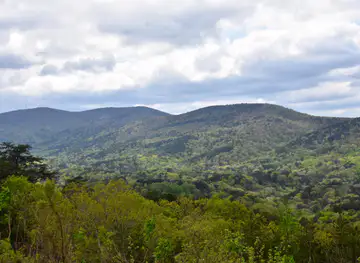
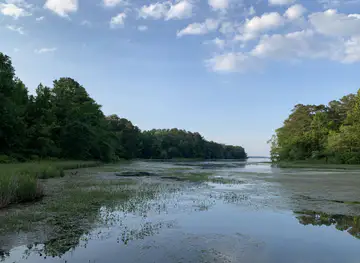
Resorts, valleys and scenic spots worth a trip of their own.
-
-

-

-
-

-


Swipe for more destinations
Best attractions in Greater Birmingham
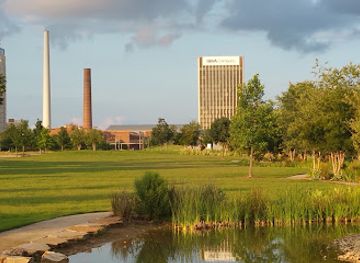
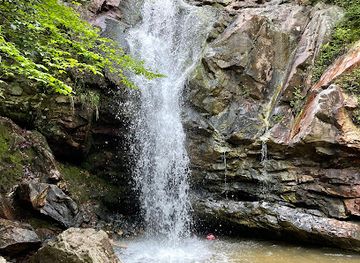
Greater Birmingham’s attractions span civil rights history, industrial archaeology, art, motorsport and accessible outdoor recreation. In downtown Birmingham, the Birmingham Civil Rights Institute, 16th Street Baptist Church and Kelly Ingram Park create a concentrated heritage experience centred on the events and activism of 1963. The Birmingham Museum of Art provides a broad cultural counterpoint, while Railroad Park offers landscaped public space beside the central business district. Sloss Furnaces National Historic Landmark preserves a substantial nineteenth-century ironworks, and Vulcan Park and Museum explains the city’s industrial origins from its hilltop setting. For outdoor activities, Ruffner Mountain offers wooded trails within Birmingham, Red Mountain Park combines paths with industrial remnants, and Oak Mountain State Park south of the city provides hiking, cycling, boating and wildlife habitats. Moss Rock Preserve in Hoover is popular for bouldering, rock formations and woodland walks. In Leeds, the Barber Vintage Motorsports Museum presents an exceptional collection of motorcycles alongside a major racing venue. The result is a varied attraction landscape in which historical interpretation and urban renewal sit close to foothill scenery.
-
Zoo
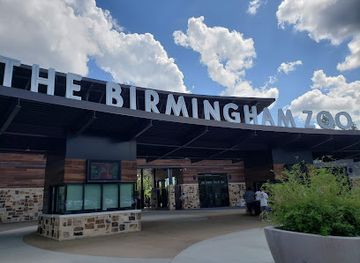
Birmingham Zoo
Explore diverse animal habitats, conservation efforts, and family-friendly fun at Alabama's largest zoo, a Birmingham landmark since 1955.
-
Museum
Vulcan Park and Museum
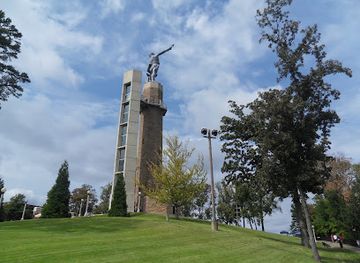
Discover Birmingham's history and breathtaking views at Vulcan Park and Museum, home to the world's largest cast iron statue.
-
Park
Railroad Park Foundation
Discover Birmingham's vibrant heart at Railroad Park: a blend of history, nature, and community in a revitalized urban space.
-
Tourist attraction
Breakout Games - Birmingham
Experience immersive escape room adventures at Breakout Games Birmingham. Perfect for team building, family fun, and unforgettable memories!

Best landmarks in Greater Birmingham
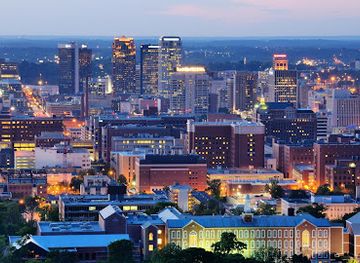
Vulcan, the cast-iron Roman god of fire commissioned for Birmingham’s display at the 1904 Louisiana Purchase Exposition, is the region’s most recognisable symbol of its ironmaking past and stands above the city at Vulcan Park and Museum. Sloss Furnaces preserves blast furnaces, casting sheds and industrial structures that embody the scale of Birmingham’s nineteenth-century metal industry. In the Civil Rights District, 16th Street Baptist Church is both an active place of worship and a landmark of the 1963 movement; its bombing became one of the defining tragedies of the struggle against segregation. Kelly Ingram Park’s sculptures and commemorative spaces reinforce that historical setting. The Alabama Theatre, a richly decorated 1920s movie palace in downtown Birmingham, represents the city’s historic entertainment architecture, while the surrounding commercial streets reveal layers of urban development. Outside the centre, Red Mountain and the wooded ridges around Ruffner Mountain preserve the geological and industrial landscape that helped make Birmingham possible. These landmarks are significant not simply for appearance, but because they connect the region’s natural resources, civic history, labour, culture and continuing redevelopment.
-
Zoo
Birmingham Zoo
Discover wildlife from around the world at the Birmingham Zoo, Alabama's premier zoological destination. Open Wednesday - Sunday, 9am-4pm!
-
Museum
Vulcan Park and Museum
Discover Birmingham's history and breathtaking views at Vulcan Park and Museum, home to the world's largest cast-iron statue.
-
 Science museum
McWane Science Center
Explore interactive science exhibits, an aquarium, and an IMAX Dome Theater in Birmingham's vibrant downtown at McWane Science Center.
-
State park
Oak Mountain State Park
Explore Alabama's largest state park: hiking, biking, lakes, wildlife, and endless outdoor adventures await near Birmingham.

Explore Greater Birmingham on the map
Plan your trip on one map. See where the top cities, national parks and sights are, and book hotels and experiences in a few clicks.
Best hotels in Greater Birmingham
Best restaurants in Greater Birmingham
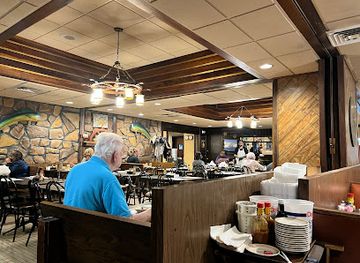
Greater Birmingham’s dining culture combines Alabama staples with an increasingly broad metropolitan food scene. Barbecue is central, with smoked pork and other meats commonly served alongside beans, slaw, greens and cornbread, while fried catfish, biscuits, chicken, pecan desserts and other Southern dishes remain familiar across the region. Alabama’s proximity to the Gulf of Mexico also supports seafood restaurants, although Birmingham is inland rather than a coastal city. Downtown, Five Points South, Avondale, Homewood and other established dining areas offer contemporary Southern cooking, international cuisines, bakeries, coffee shops and independent casual restaurants. Farmers’ markets and specialist food shops can be useful for finding regional produce, preserves and baked goods, while suburban communities add family restaurants and diverse immigrant cuisines. Dress ranges from casual to polished depending on the establishment, and reservations are sensible for popular restaurants around weekends, sporting events and major cultural occasions.
-
Seafood
Pappadeaux Seafood Kitchen
Experience the best of Gulf Coast cuisine at Pappadeaux Seafood Kitchen in Birmingham - fresh seafood dishes served with Southern flair.
-
Restaurant
Niki's West
Discover the authentic flavors of Southern seafood at Niki's West in Birmingham – where tradition meets taste!
-
Chicken
Hattie B's Hot Chicken - Birmingham
Experience authentic Southern cuisine at Hattie B's Hot Chicken in Birmingham—home of mouthwatering spicy fried chicken and soulful sides.
-
Seafood
The Fish Market | Southside
Experience fresh seafood delights at The Fish Market | Southside in Birmingham - where every dish captures the essence of coastal flavors.



Best bars in Greater Birmingham
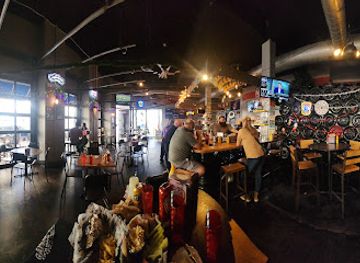
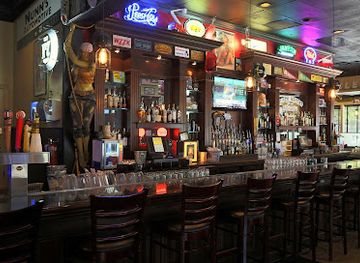
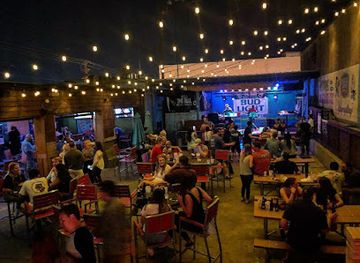
Nightlife in Greater Birmingham is concentrated in a collection of districts rather than one continuous entertainment quarter. Downtown Birmingham offers bars, restaurants, live music and cultural events, while Five Points South and nearby areas have long been associated with evening dining and student-oriented activity. Avondale has a mixture of breweries, bars, music venues and restaurants, and Homewood provides a more suburban setting for cocktails, casual drinks and dining. The region’s historic pub tradition coexists with craft beer, spirits and contemporary cocktail culture, but evening life is not limited to alcohol-focused venues; theatres, concerts and sporting events also shape the calendar. Nightclubs exist, although the metropolitan area is better known for varied bars, live music and late dining than for a concentrated club scene. Opening arrangements and event schedules change, so checking individual venues is advisable.
-
Bar
The Southern Kitchen And Bar
Experience the essence of Southern hospitality at The Southern Kitchen And Bar in Birmingham, where delicious comfort food meets a vibrant atmosphere.
-
Grill
Paramount
Experience the perfect fusion of delicious grilled cuisine and exciting gaming at Paramount in Birmingham.
-
Grill
Black Market Bar+Grill (Avondale)
Experience the lively atmosphere and delicious flavors at Black Market Bar+Grill, a top spot in Avondale, Birmingham for great food and drinks.
-
Live music bar
Tin Roof
Discover Birmingham's Tin Roof, where live music meets delicious dining in a vibrant atmosphere perfect for every occasion.

Best nightclubs in Greater Birmingham
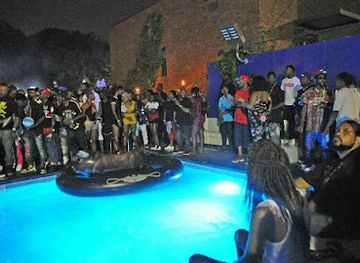
Nightlife in Greater Birmingham is concentrated in a collection of districts rather than one continuous entertainment quarter. Downtown Birmingham offers bars, restaurants, live music and cultural events, while Five Points South and nearby areas have long been associated with evening dining and student-oriented activity. Avondale has a mixture of breweries, bars, music venues and restaurants, and Homewood provides a more suburban setting for cocktails, casual drinks and dining. The region’s historic pub tradition coexists with craft beer, spirits and contemporary cocktail culture, but evening life is not limited to alcohol-focused venues; theatres, concerts and sporting events also shape the calendar. Nightclubs exist, although the metropolitan area is better known for varied bars, live music and late dining than for a concentrated club scene. Opening arrangements and event schedules change, so checking individual venues is advisable.
-
Cocktail bar
The Onyx of Birmingham
Experience the vibrant nightlife of Birmingham at The Onyx, where creative cocktails and a lively atmosphere await.
-
Gay night club
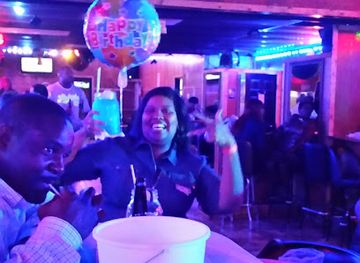
The Quest Club
Experience the vibrant nightlife at The Quest Club, Birmingham's premier gay night club, offering lively events and a welcoming atmosphere.
-
Night club
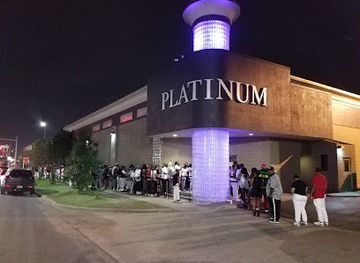
Platinum of Birmingham
Experience the vibrant nightlife of Birmingham at Platinum of Birmingham, where music, dancing, and fun await every night.
-
Night club
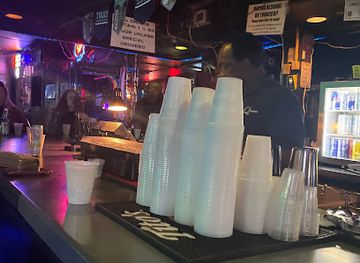
Handsome Brutes
Discover the lively nightlife at Handsome Brutes in Birmingham, AL, where great music, affordable drinks, and unforgettable moments await!
Best shops in Greater Birmingham
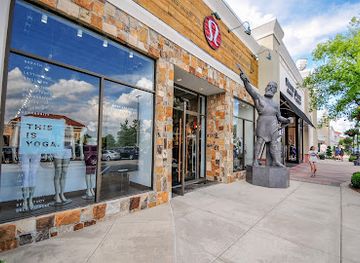
Shopping in Greater Birmingham ranges from independent urban boutiques and galleries to suburban retail centres and practical markets. Downtown and nearby neighbourhoods offer books, clothing, design goods, records, art and locally made products, while Homewood is known for a walkable concentration of independent shops, cafés and gift stores. Avondale and other revitalised districts have smaller specialist businesses whose stock and opening arrangements can change. Farmers’ markets and seasonal markets are useful for Alabama produce, baked goods, preserves, flowers and locally produced food, though dates vary through the year. Visitors seeking regional gifts can look for Birmingham-themed items, Alabama crafts, pottery, artwork, food products and books on civil rights or Southern history. Larger commercial areas in Hoover and surrounding suburbs provide mainstream retail, department stores and dining, but the region’s more distinctive purchases tend to come from independent shops, galleries, markets and specialist food retailers rather than from generic shopping centres.
-
Shopping mall
The Summit Birmingham
Explore The Summit Birmingham, a vibrant shopping mall with diverse stores, delicious dining, and entertainment options for a perfect day out.
-
Outlet mall
The Shops of Grand River
Experience shopping bliss at The Shops of Grand River, featuring top brands, delicious dining, and family-friendly entertainment in Leeds, Alabama.
-
Shopping mall
Shops of the Colonnade
Explore the Shops of the Colonnade, a vibrant shopping mall in Birmingham, Alabama, where delightful shops and dining await every visitor.
-
Department store
Kohl's
Explore Kohl's Birmingham for unbeatable prices on fashion and home essentials in a friendly shopping environment.


Get your free copy of our complete guide to Greater Birmingham, delivered straight to you.
Everything on this page, from attractions and restaurants to essentials and local phrases, in one PDF you can read offline, print or share.
Already have an account? Sign in
Your Greater Birmingham guide is ready.
We'll send it to · Not you? Sign out

Getting your guide ready…
We are putting together a fresh copy of the Greater Birmingham guide. This can take up to a minute.
This can take a few moments. If your browser asks, choose Allow so the download can start. You'll find the guide in your Downloads folder.
Nothing happened? Download it again
Sorry, the guide is taking longer than usual. Please try again in a minute, or get it by email instead.
Greater Birmingham essentials
Currency and Payment
Safety
Emergency Situations
Do's and Don'ts
Local Tips
From Eve
Local phrases worth knowing
You don't need to get them perfect. A few words go a long way, and locals appreciate the effort.
Basics
| English | Local | Say it |
|---|---|---|
| Hello | Hey | [Hey] |
| Goodbye | See ya | [See ya] |
| Yes | Yep | [Yep] |
| No | Nah | [Nah] |
| Please/You're welcome | Please / No problem | [Please / No problem] |
| Thank you | Thanks | [Thanks] |
| Excuse me/Sorry | Excuse me / Sorry | [Excuse me / Sorry] |
| How are you? | How ya doin'? | [How ya doin'?] |
| Fine. And you? | I’m good. And you? | [I’m good. And you?] |
| Do you speak English? | Do you talk English? | [Do you talk English?] |
| I don't understand | I don’t get it | [I don’t get it] |
Eating & Drinking
| English | Local | Say it |
|---|---|---|
| I'd like to see the menu, please | Can I see the menu, please? | [Can I see the menu, please?] |
| I don't eat meat | I don't do meat | [I don't do meat] |
| Cheers! | Cheers! | [Cheers!] |
| I would like to pay, please | Can I get the check, please? | [Can I get the check, please?] |
Emergencies
| English | Local | Say it |
|---|---|---|
| Help! | Help! | [Help!] |
| Go away! | Leave me alone! | [Leave me alone!] |
| Call the Police! | Call the cops! | [Call the cops!] |
| Call a doctor! | Get a doctor! | [Get a doctor!] |
| I'm lost | I’m kinda lost | [I’m kinda lost] |
| I'm ill | I ain't feelin' well | [I ain't feelin' well] |
Shopping
| English | Local | Say it |
|---|---|---|
| I'd like to buy... | I wanna buy... | [I wanna buy...] |
| I'm just looking | Just lookin' | [Just lookin'] |
| How much is it? | What’s the price? | [What’s the price?] |
| That's too expensive | That's too pricey | [That's too pricey] |
| Can you lower the price? | Can ya drop the price? | [Can ya drop the price?] |
Time & Numbers
| English | Local | Say it |
|---|---|---|
| What time is it? | What time is it? | [What time is it?] |
| It's one o'clock | It’s one o’clock | [It’s one o’clock] |
| Half past (10) | Half past ten | [Half past ten] |
| Morning | Mornin' | [Mornin'] |
| Afternoon | Afternoon | [Afternoon] |
| Evening | Evenin' | [Evenin'] |
| Yesterday | Yesterday | [Yesterday] |
| Today | Today | [Today] |
| Tomorrow | Tomorrow | [Tomorrow] |
| 1 | One | [One] |
| 2 | Two | [Two] |
| 3 | Three | [Three] |
| 4 | Four | [Four] |
| 5 | Five | [Five] |
| 6 | Six | [Six] |
| 7 | Seven | [Seven] |
| 8 | Eight | [Eight] |
| 9 | Nine | [Nine] |
| 10 | Ten | [Ten] |
Transport & Directions
| English | Local | Say it |
|---|---|---|
| Where's a/the...? | Where’s the...? | [Where’s the...?] |
| What's the address? | What’s the address? | [What’s the address?] |
| Can you show me (on the map)? | Can you show me on the map? | [Can you show me on the map?] |
| When's the next (bus)? | When's the next bus? | [When's the next bus?] |
| A ticket (to ....) | A ticket to... | [A ticket to...] |
History of Greater Birmingham
Indigenous Alabama and Early Settlement
The Birmingham area lies within lands long inhabited and used by Indigenous peoples, including the Creek and Choctaw, before the growth of the modern city. Native trails, waterways and ridgelines influenced later movement through central Alabama, although much of the visible urban landscape dates from the nineteenth century onwards. Following the forced removal of many Southeastern Indigenous communities, American settlers expanded farms, transport routes and small communities across the region. This earlier history is essential context for understanding that Birmingham’s founding did not mark the beginning of human activity in the area.
The Founding of Birmingham, 1871
Birmingham was founded in 1871 at the crossing of railway lines near deposits of coal, iron ore and limestone. The combination was unusually favourable for iron production and gave the new city a powerful economic rationale, even though its early development was difficult and speculative. Rail connections linked the industrial district with markets across the Southeast, and Birmingham soon attracted investment, workers and migrants. The planned industrial city grew rapidly, earning the nickname the Magic City, a reference to the speed of its expansion rather than to a single historical event.
Iron, Coal and Industrial Expansion
During the late nineteenth and early twentieth centuries, mining, ironmaking, foundries and associated rail enterprises defined Greater Birmingham’s economy. Sloss Furnaces preserves the remains of one of the region’s major pig-iron producers and conveys the scale and harsh conditions of the work. Industrial employment drew a diverse population, including African American workers and migrants from Europe and elsewhere in the United States. The region’s prosperity was also marked by dangerous labour, racial inequality and environmental damage, subjects that form part of the broader industrial legacy visible in Birmingham’s museums and historic sites.
The Great Depression and the New Deal
The Depression exposed the vulnerability of a city dependent on heavy industry and mining. Birmingham and surrounding communities experienced unemployment, poverty and hardship, while New Deal programmes brought public investment and employment to Alabama. Civic buildings, parks and infrastructure from this era contributed to the metropolitan landscape, even where their original social purpose has changed. The period also sharpened debates about labour, economic security and racial inequality, issues that continued to influence Birmingham’s political and industrial life in the decades that followed.
Birmingham and the Civil Rights Movement
Birmingham became one of the pivotal places in the American civil rights movement. In 1963, campaigns led by local activists and national figures including Martin Luther King Jr. challenged segregation through demonstrations, boycotts and civil disobedience. The violent response, including the bombing of 16th Street Baptist Church that killed four girls, drew international attention. Kelly Ingram Park, the Birmingham Civil Rights Institute and the church now form the core of a district where visitors can examine the movement’s local organisation, its human cost and its influence on federal civil rights legislation.
Postwar Change and Metropolitan Growth
After the Second World War, Birmingham’s economy and geography changed as heavy industry declined, manufacturing diversified and suburban development accelerated. Communities such as Hoover, Homewood, Mountain Brook, Pelham, Leeds and Trussville became important residential, commercial and institutional centres linked to the central city by major roads. The metropolitan area remained a regional medical, educational and business hub even as older industrial sites were closed or repurposed. The growth of parks, museums, sports facilities and revitalised districts reflects an ongoing effort to connect Birmingham’s industrial past with a broader contemporary economy.
Preserving Heritage and Expanding Cultural Life
From the late twentieth century onwards, Greater Birmingham increasingly invested in interpreting its industrial and civil rights history while developing arts, food, sports and outdoor recreation. Sloss Furnaces, Vulcan Park and Museum, the Birmingham Civil Rights Institute and the Barber Vintage Motorsports Museum present distinct aspects of the region’s identity. Downtown public spaces such as Railroad Park and restored neighbourhood commercial areas have supported new cultural and dining activity. This modern transformation has not erased the region’s difficult history; instead, it has made preservation and public interpretation central to Birmingham’s civic character.
Greater Birmingham in Photos
Browse through our photo collection highlighting the charm and character of the destination.
Neighbouring regions of Greater Birmingham
The closest regions to Greater Birmingham, if you have time for more than one.
-

-

-

-

-


Swipe for more regions
Explore more

Explore more of Alabama
Discover Alabama: A Southern state rich in history, culture, and natural beauty, offering unforgettable experiences from vibrant cities to serene beaches and majestic mountains.
Explore Alabama