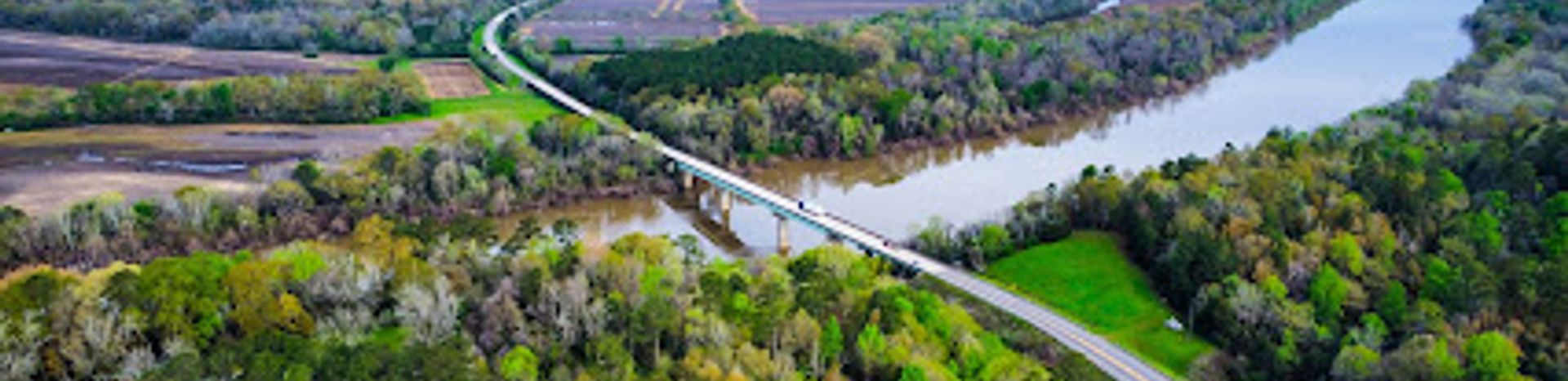
Claiborne Historical Marker: Echoes of Alabama's Frontier
Reflect on Alabama's past at the Claiborne Historical Marker, commemorating a fort and a once-thriving river town.
The Claiborne Historical Marker commemorates the site of Fort Claiborne and the once-thriving town of Claiborne, a significant settlement in early Alabama history. It recalls the area's role in the Creek War and its subsequent rise as a major commercial center before its eventual decline.
A brief summary to Claiborne Historical Marker
- AL-12, Frisco City, Alabama, 36445, US
Local tips
- Read the marker carefully to understand the historical significance of Fort Claiborne and the town that once stood here.
- Consider visiting nearby Perdue Hill to see the Masonic Lodge and William Barrett Travis House, which were moved from Claiborne.
- Take a drive along the Alabama River to imagine what life was like when Claiborne was a bustling port.

Getting There
-
Driving
The Claiborne Historical Marker is located on AL-12 in Frisco City. From Frisco City, head east on AL-12. The marker will be on your right. There is no dedicated parking area, but you can pull over on the shoulder of the road. Be cautious of traffic. There are no fees to visit the historical marker.
Discover more about Claiborne Historical Marker
Iconic landmarks you can’t miss

"Claiborne" Historical Marker
0.0 km
Reflect on Alabama's past at the Claiborne Historical Marker, commemorating a fort and a once-thriving river town.
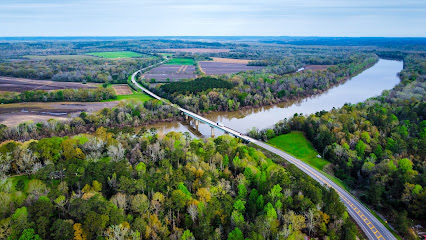
Alabama River
44.1 km
Explore the historic and scenic Alabama River, a vital waterway offering recreation, natural beauty, and a glimpse into the state's rich past.
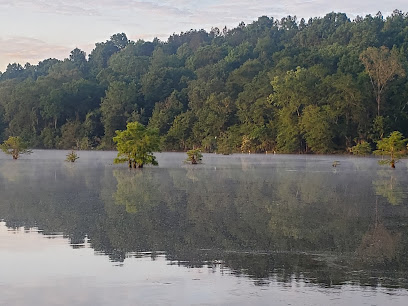
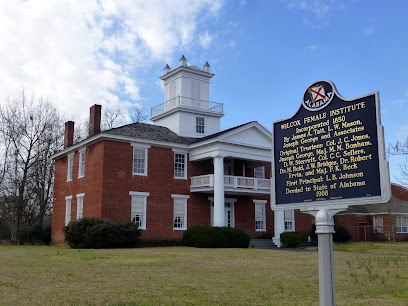
Wilcox Historical Society
54.1 km
Preserving Wilcox County's heritage through education, preservation, and community engagement at the historic Wilcox Female Institute.
Bottle Creek Indian Mounds Trailhead
71.8 km
Explore ancient Mississippian culture at Bottle Creek Indian Mounds Trailhead, a historic landmark in Alabama's Mobile-Tensaw Delta.
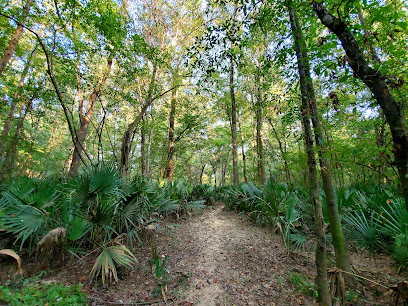
Conecuh National Forest
85.9 km
Explore the tranquil beauty and rich biodiversity of Conecuh National Forest, a perfect retreat for nature lovers and adventure seekers in Alabama.
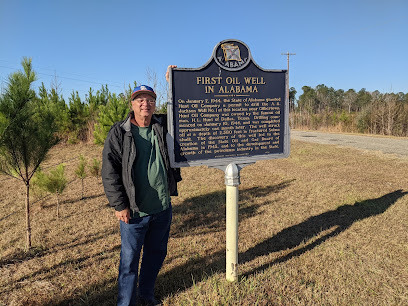
First Oil Well in Alabama
87.1 km
Explore the First Oil Well in Alabama, a historical landmark that captures the essence of the state's pioneering oil industry and its impact on American history.
Adams Grove Presbyterian Church
92.8 km
Explore a historic Greek Revival church in rural Alabama, complete with original architecture and a serene, storied cemetery.
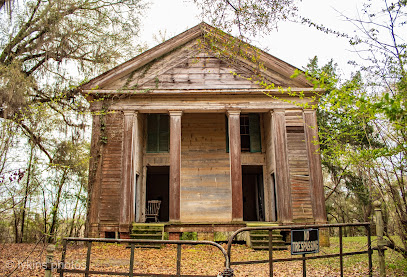
Old Cahawba Prairie Preserve
93.5 km
Discover Alabama's Black Belt prairie: Hike, birdwatch, and explore the natural beauty of Old Cahawba Prairie Preserve.
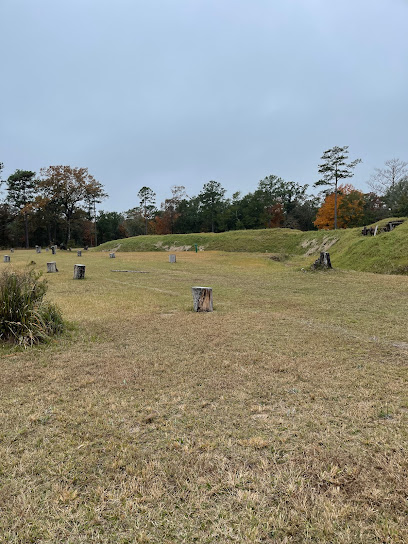
Fort Blakeley Battlefield
96.2 km
Explore the site of the Civil War's last major battle and walk in the footsteps of history at Fort Blakeley Battlefield in Spanish Fort, AL.
Unmissable attractions to see

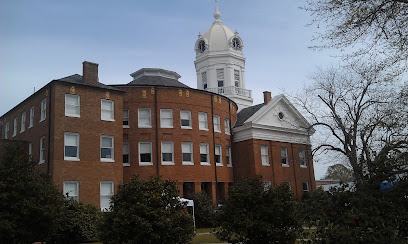
Old Courthouse Museum
18.0 km
Discover the inspiration behind 'To Kill a Mockingbird' at this historic courthouse museum in Monroeville, Alabama, the literary capital of the state.
Maubila Scout Reservation
29.3 km
Discover outdoor adventure and scouting traditions at Maubila Scout Reservation in Grove Hill, Alabama. A perfect getaway for families and nature enthusiasts.
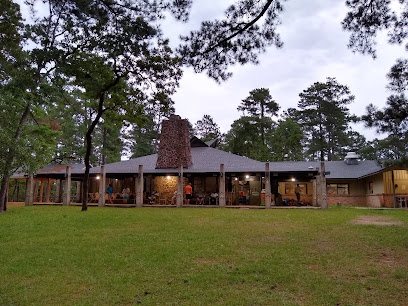
Clarke Co Historical Museum
31.0 km
Discover Southwest Alabama's history at the Clarke County Historical Museum in Grove Hill, featuring exhibits from prehistoric times to pioneer life.
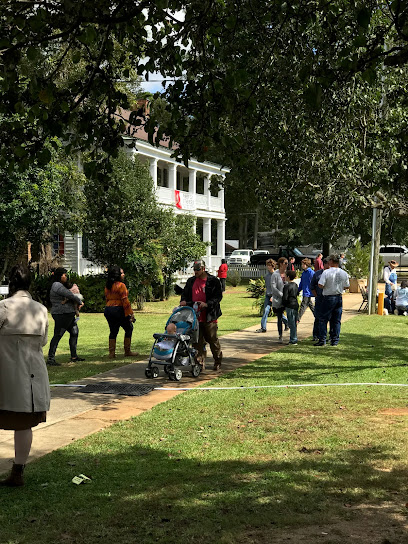
H.W. Pearce, Jr. Memorial Park
36.1 km
Discover a serene escape in Jackson, Alabama, with lush gardens, memorials, and recreational activities at H.W. Pearce, Jr. Memorial Park.
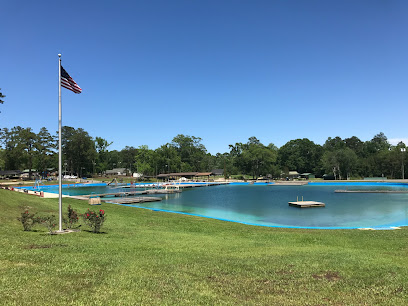
Kimball House
36.1 km
Explore the history of Jackson, Alabama, at the Kimball House, a preserved pioneer home with stories from the 1800s.
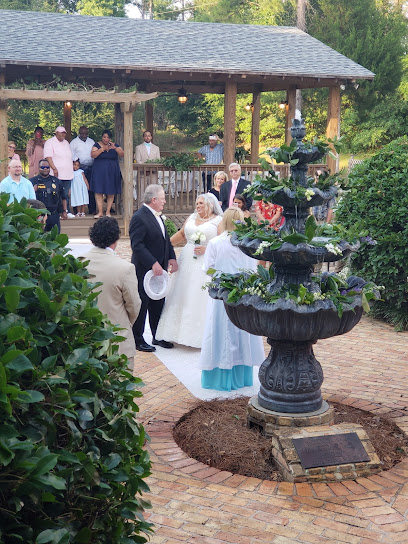
Rikard's Mill Historical Park
38.1 km
Discover 19th-century life at this historic water-powered gristmill and folk traditions park in Beatrice, Alabama.
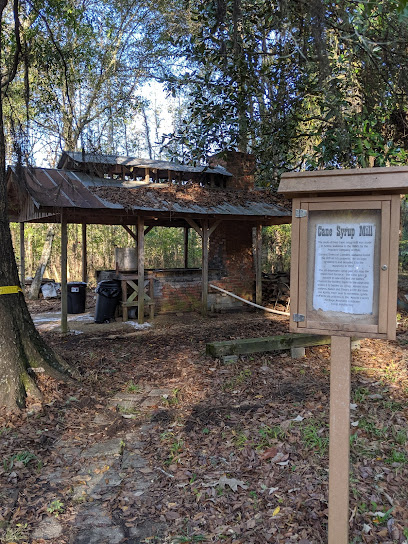
Dinosaur Adventure Land
38.2 km
Explore dinosaurs, science, and the Bible at Dinosaur Adventure Land in Repton, Alabama—a unique family destination where faith meets prehistoric fun.
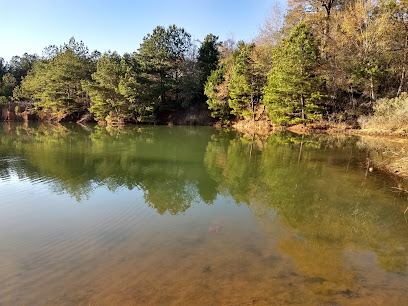
Thomasville City Park
43.3 km
Thomasville City Park: Recreation, relaxation, and community spirit in the heart of Thomasville, Alabama.
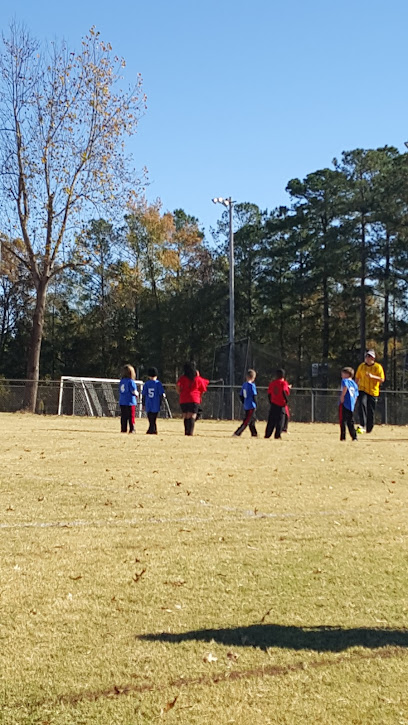
Prestwick Preservation Park
44.7 km
Discover Washington County's hidden stories at Prestwick Preservation Park, a tribute to local history and African American heritage.
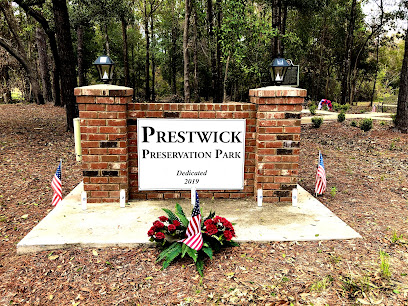
Richardson Farms
45.0 km
Experience rural charm at Richardson Farms in Leroy, AL: pick fresh produce, enjoy seasonal festivals, and create lasting family memories.

Katie Hearn Oaks
45.0 km
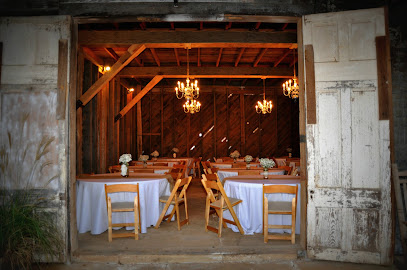
A charming event venue in Leroy, Alabama, specializing in weddings and special occasions with rustic Southern elegance.
St. Stephens Historical Park
49.7 km
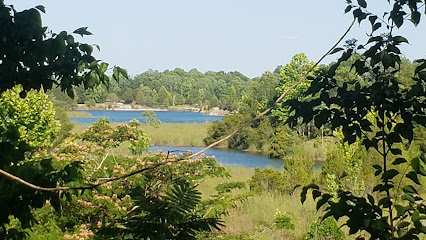
Discover Alabama's territorial roots at St. Stephens Historical Park: history, archaeology, and outdoor adventure on the Tombigbee River.
Fort Mims
51.0 km
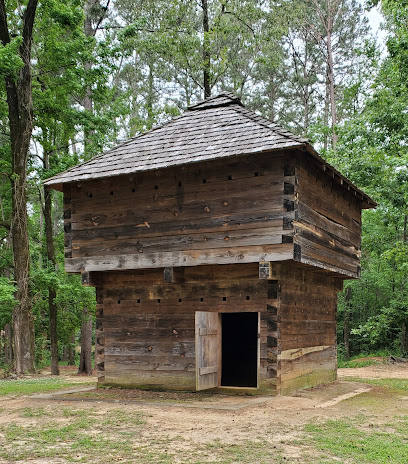
Explore the site of the 1813 Fort Mims massacre, a pivotal event in the Creek War, with reconstructed fort and interpretive exhibits.
Bessie W Munden Recreational Park
52.6 km
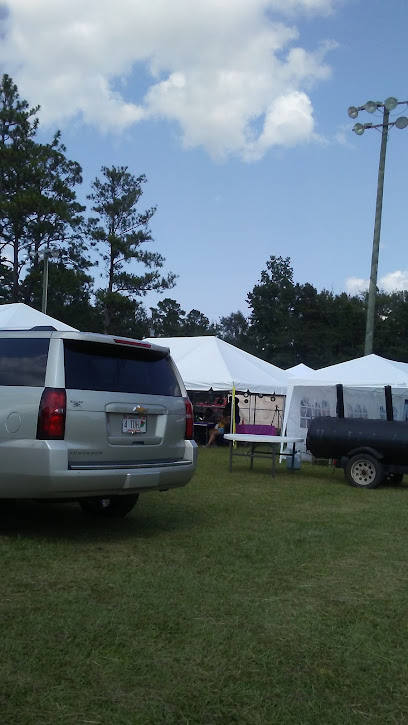
A historic park in Camden, Alabama, offering green spaces, playgrounds, and picnic areas for family fun and community gatherings.
Oak Hill Historic District (Oak Hill, Alabama)
58.4 km
Discover Alabama's past in Oak Hill: A historic district showcasing 19th & 20th-century architecture and rural Southern charm.
Essential places to dine

Vikyna Mexican Restaurant
18.9 km
Discover the vibrant flavors of Mexico at Vikyna Mexican Restaurant in Monroeville, Alabama - where every dish tells a delicious story.
Arby's
49.9 km
Experience classic American fast food at Arby's in Evergreen, AL - where delicious sandwiches meet quick service.
Tombigbee River
51.3 km
Explore Alabama's Tombigbee River - A Nature Lover's Paradise with Scenic Views and Outdoor Adventures Awaiting You.
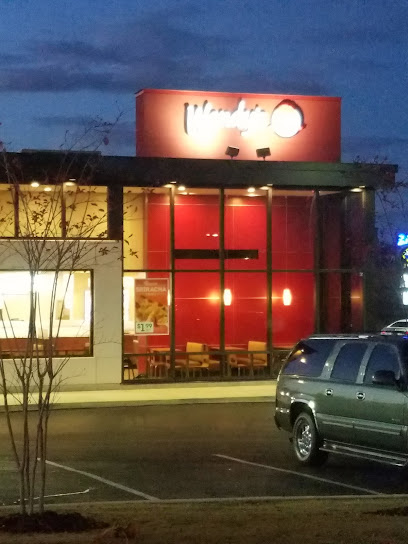
Wendy's
53.0 km
Discover delicious fast food at Wendy's in Evergreen—home of fresh ingredients and irresistible flavors.
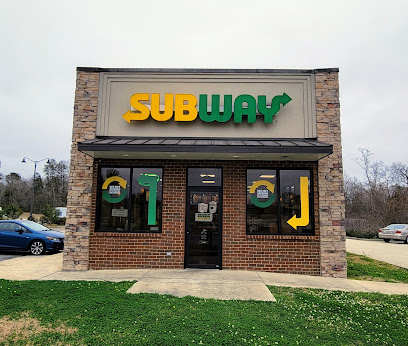
Subway
53.1 km
Discover fresh and flavorful sandwiches at Subway in Evergreen – the perfect stop for quick meals while exploring Alabama's charm.
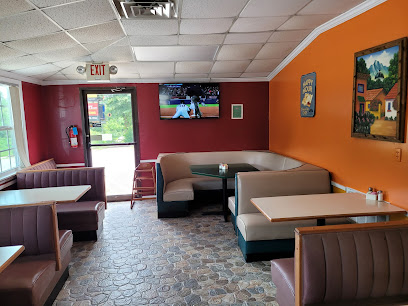
Jalisco Mexican Restaurant
53.5 km
Discover authentic flavors at Jalisco Mexican Restaurant in Evergreen - where every bite takes you on a culinary journey through Mexico.
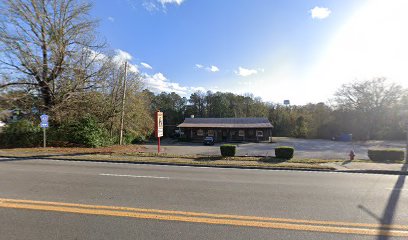
Star's BBQ
55.2 km
Experience authentic Southern barbecue at Star's BBQ in Evergreen, Alabama - where flavor meets tradition.
Fatdawgs Country Barbecue
77.0 km
Experience authentic Southern barbecue at Fatdawgs Country Barbecue in McKenzie, Alabama – where smoky flavors meet warm hospitality.
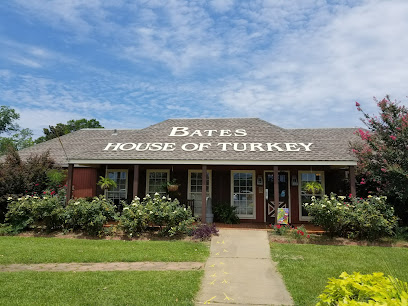
Bates House of Turkey
89.2 km
Discover the authentic taste of Southern cuisine at Bates House of Turkey in Greenville, Alabama - where tradition meets deliciousness.
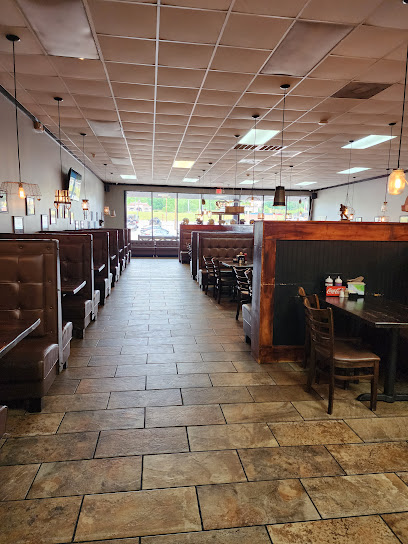
Golden Rule BBQ & Grill of Andalusia
99.6 km
Experience authentic Southern barbecue at Golden Rule BBQ & Grill in Andalusia - where flavor meets tradition in every bite.
Markets, malls and hidden boutiques

The Bird's Nest
18.0 km
Explore The Bird's Nest in Monroeville, Alabama: a charming gift shop filled with unique treasures and local artistry.
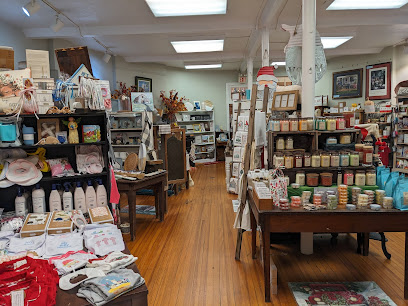
A Little Bird Boutique
29.9 km
Explore unique fashion and gifts at A Little Bird Boutique in Grove Hill, Alabama, your ultimate shopping destination for stylish finds.
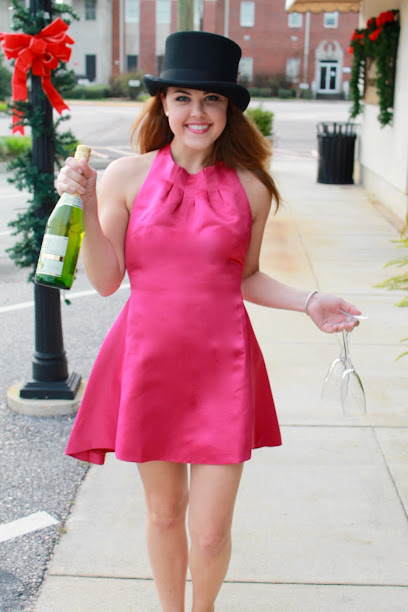
The Gift Gallery
31.1 km
Discover unique gifts and local treasures at The Gift Gallery in Grove Hill, Alabama - a must-visit for every tourist seeking memorable souvenirs.

Blissful Lifestyle Boutique
32.1 km
Shop at Blissful Lifestyle Boutique for unique women's fashion and accessories that embody the charm of Grove Hill, Alabama.

Sereniti's Blessings Boutique
34.5 km
Explore Sereniti's Blessings Boutique for stylish women's clothing in Jackson, Alabama, where local charm meets contemporary fashion.
Southern Traditions
35.2 km
Discover unique, locally crafted gifts and experience the charm of Southern hospitality at Southern Traditions in Jackson, Alabama.
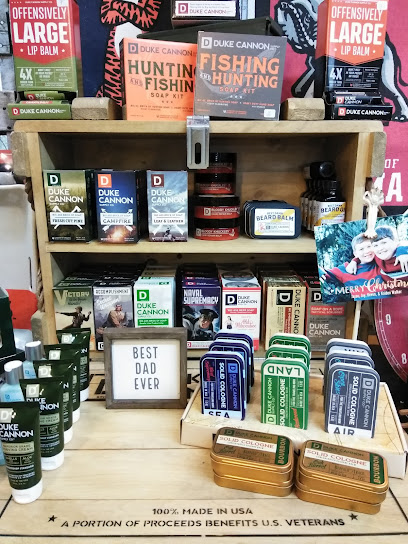
Bolodaily.com
35.5 km
Explore Jackson, Alabama with Bolodaily.com - your premier internet shop for local insights and connectivity.
Factory Connection
35.7 km
Discover affordable fashion for the whole family at Factory Connection in Jackson, Alabama, your ultimate clothing destination.
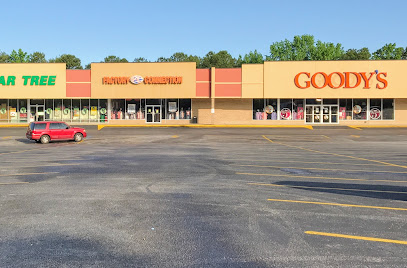
Gifts from Nature
35.9 km
Discover organic delights and handmade treasures at Gifts from Nature in Jackson, Alabama – a shopper's paradise for eco-friendly enthusiasts.
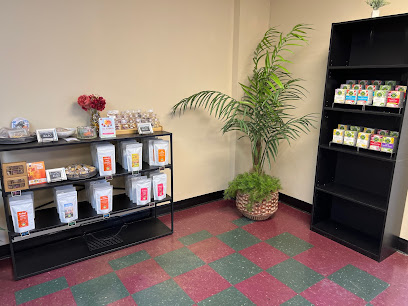
Howell Shoe's N Things
35.9 km
Explore Howell Shoe's N Things in Jackson, AL, for a stylish selection of footwear perfect for all occasions and a unique local shopping experience.
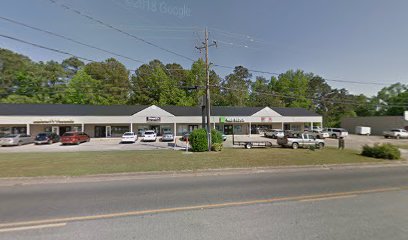
The Rusty Rose
35.9 km
Discover unique antiques and vintage treasures at The Rusty Rose in Jackson, Alabama, where every item tells a story of its own.
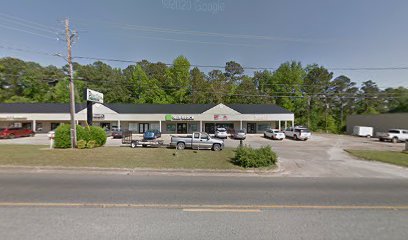
Moms + Pops
36.0 km
Discover unique finds and local charm at Moms + Pops, your go-to department store in Jackson, Alabama for an unforgettable shopping experience.
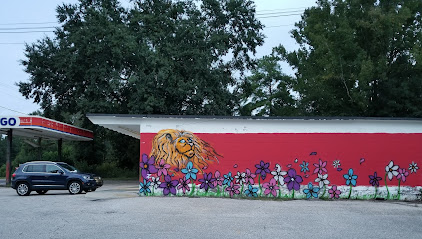
The Little Boutique LLC
36.1 km
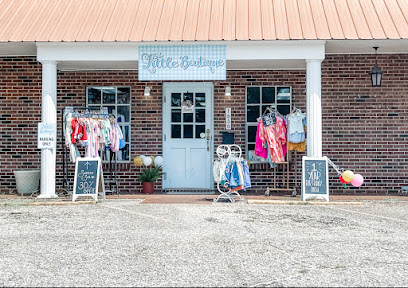
Discover unique fashion and local artisan treasures at The Little Boutique LLC in Jackson, Alabama, your go-to stop for stylish finds.
Kierston's Bougie Boutique
36.2 km
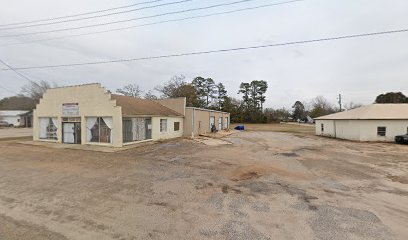
Explore Kierston's Bougie Boutique in Jackson, Alabama for unique fashion and accessories that embody Southern style and elegance.

Nifty & Thrifty
36.3 km
Explore Nifty & Thrifty, a unique thrift store in Jackson, Alabama, offering treasures that tell stories while promoting sustainable shopping.
Essential bars & hidden hideouts

Reed's Bar & Grill
18.3 km
Discover the flavors of the South at Reed's Bar & Grill in Monroeville, Alabama, where comfort food meets a warm, inviting atmosphere.
Mi Casa Mexican Restaurant
34.3 km
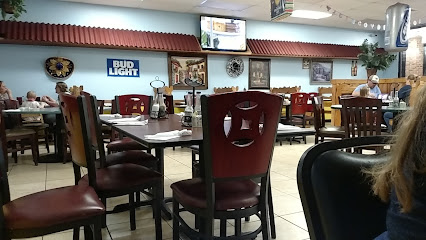
Experience authentic Mexican cuisine at Mi Casa Mexican Restaurant, where vibrant flavors and a welcoming atmosphere meet in Jackson, Alabama.
Manna Restaurant and General Store
34.7 km
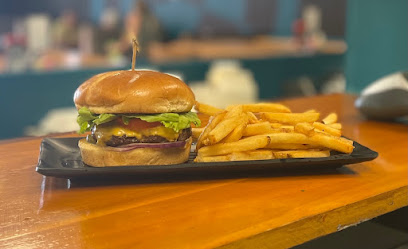
Discover the flavors of Southern cuisine at Manna Restaurant and General Store, a local favorite in Jackson, Alabama, blending dining with a unique shopping experience.
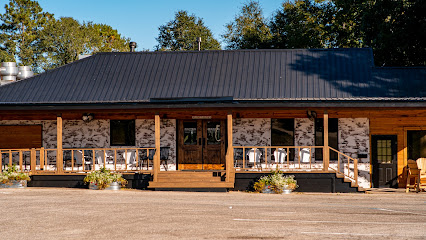
Ed's Drive-In
35.2 km
Discover Ed's Drive-In, where classic American fast food meets a nostalgic atmosphere in the heart of Jackson, Alabama.
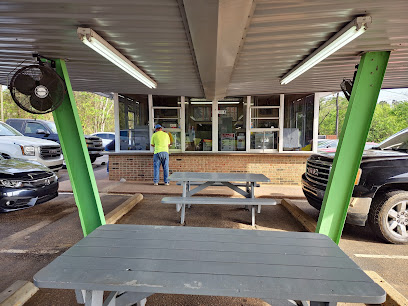
Jailhouse Pizza & BBQ
36.2 km
Experience the best of Southern dining at Jailhouse Pizza & BBQ, where delicious pizza meets smoky BBQ delicacies in a vibrant atmosphere.
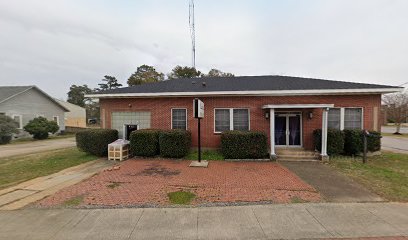
Shuckers Seafood and Oyster Bar
36.2 km
Discover the flavors of the ocean at Shuckers Seafood and Oyster Bar in Jackson, Alabama, where fresh seafood meets a lively atmosphere.
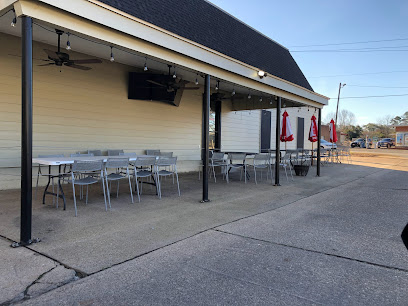
Lil' Touch Of Cajun Grill
36.4 km
Experience authentic Cajun cuisine at Lil' Touch Of Cajun Grill in Jackson, AL, where bold flavors and a warm atmosphere await every food lover.
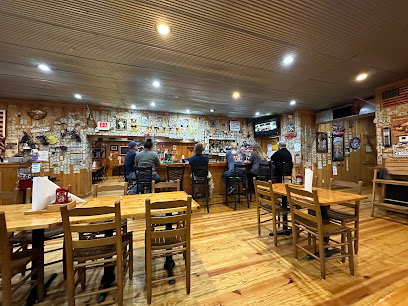
Minnie Mae's
36.4 km
Experience the charm of Minnie Mae's in Jackson, AL, featuring classic burgers and shakes that celebrate American comfort food.
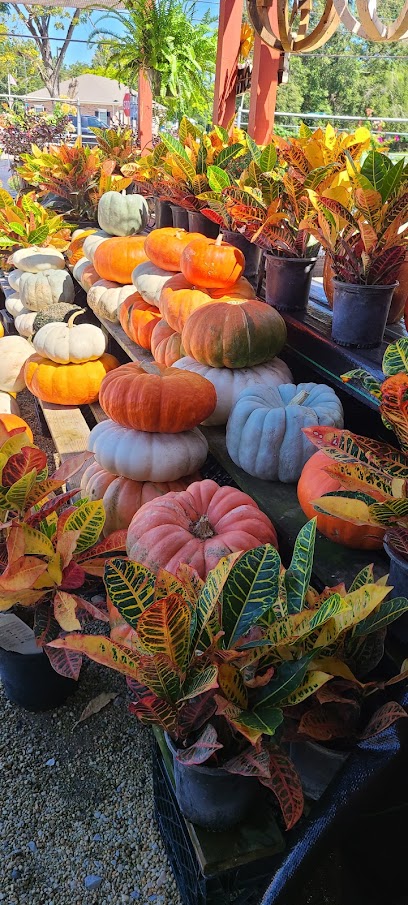
B's Burger House
36.4 km
Discover the delectable tastes of B's Burger House in Jackson, Alabama, where delicious burgers and friendly service await every visitor.
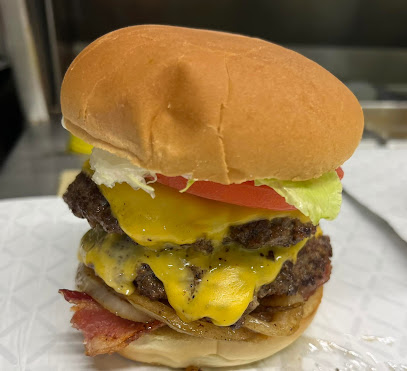
Reeves Bar
45.3 km
Experience the vibrant atmosphere and unique reef-themed decor at Reeves Bar, a must-visit bar in Alabama for relaxation and local charm.
Conecuh County Rest Area
47.8 km
Discover a peaceful haven at Conecuh County Rest Area on I-65, where travelers can relax and recharge amidst the beauty of Alabama.
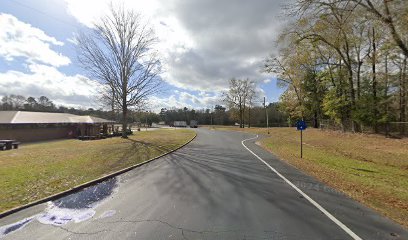
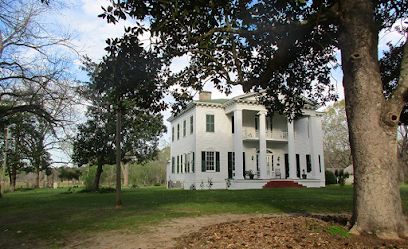
Liberty Hall Bed and Breakfast
50.5 km
Discover the charm of Southern hospitality at Liberty Hall Bed and Breakfast in Camden, Alabama, where comfort meets history.
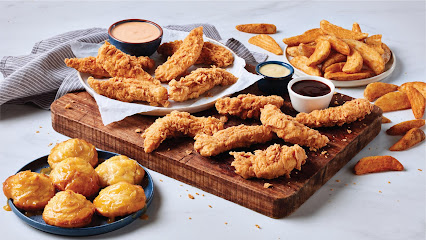
Krispy Krunchy Chicken
51.3 km
Discover the taste of authentic Southern fried chicken at Krispy Krunchy Chicken in Grove Hill, Alabama, where every bite is a crispy delight.
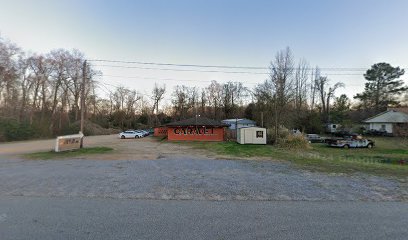
Caravel Inc
53.4 km
Experience the vibrant nightlife at Caravel Inc in Camden, AL, where music and dance blend for an unforgettable evening.
Boondock's Billiard & Lounge
54.0 km
Experience Camden's nightlife at Boondock's Billiard & Lounge, where great drinks and good friends come together in a lively atmosphere.