
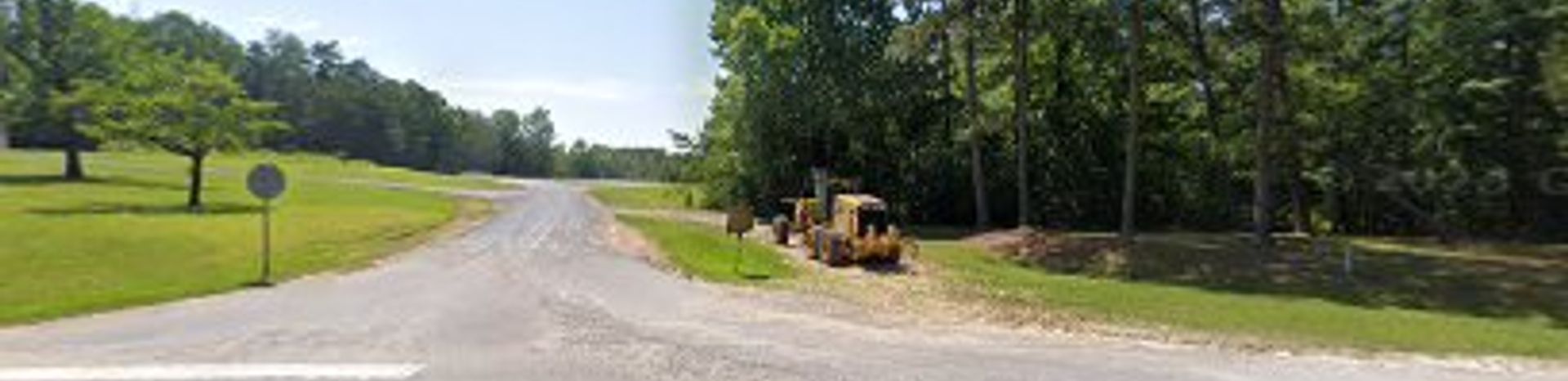
Warrior Mountain Historic Marker
Discover the historical significance of the Warrior Mountains at this informative marker, a gateway to exploring the natural beauty and rich heritage of Bankhead National Forest in Alabama.
The Warrior Mountain Historic Marker, located in Moulton, Alabama, commemorates the rich history of the Warrior Mountains region. This area, nestled within the southern highlands of Lawrence County, has been home to Native Americans, early settlers, and their descendants for millennia. The marker highlights the region's significance as a geographical boundary and a vital part of the Black Warrior Forest, now known as the William B. Bankhead National Forest. Visitors can explore the surrounding Bankhead National Forest, known for its stunning bluffs, canyons, waterfalls, and lakes, offering a glimpse into Alabama's natural beauty and historical past. The marker serves as a reminder of the diverse cultures and events that have shaped this unique landscape, inviting travelers to delve deeper into the area's captivating story.
A brief summary to Warrior Mountain Historic Marker
- 3718 AL-33, Moulton, Alabama, 35650, US
Local tips
- Combine your visit with a trip to the nearby Bankhead National Forest for hiking and scenic views.
- Visit the Warrior Mountains Trading Co. for information about the area and canoe rentals.
- Explore the Sipsey Wilderness, known as the 'Land of a Thousand Waterfalls,' for a unique outdoor experience.

Getting There
-
Driving
The Warrior Mountain Historic Marker is located on AL-33, approximately 11.4 miles south of the intersection of AL Hwy 24 and AL Hwy 33 in Moulton. From Moulton, head south on AL-33. The marker is located at 3718 AL-33, Moulton, AL 35650, near the Bankhead National Forest-Central Firetower. Parking is available nearby.
Discover more about Warrior Mountain Historic Marker
Iconic landmarks you can’t miss

Cheatham Road Historical Marker
2.6 km
Explore the Cheatham Road Historical Marker in Moulton, Alabama, and uncover the stories that shaped the local landscape and heritage.
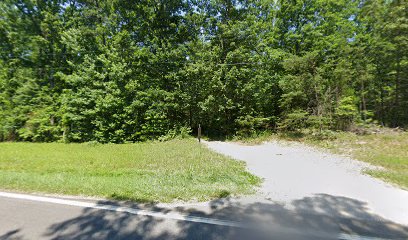
William B. Bankhead National Forest
24.7 km
Discover Alabama's natural paradise in Bankhead National Forest: hike to stunning waterfalls, explore the Sipsey Wilderness, and immerse yourself in the beauty of the 'Land of a Thousand Waterfalls'.

Crooked Creek Civil War Museum
35.8 km
Explore the Crooked Creek Civil War Museum in Vinemont, Alabama - a unique destination for history lovers and curious travelers.
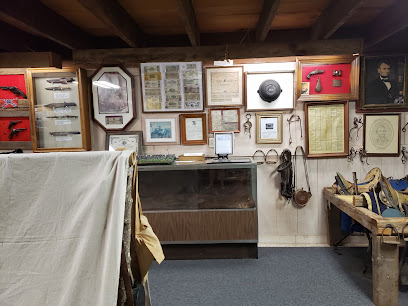
Decatur Mall
38.9 km
Decatur Mall: A long-standing retail destination in Decatur, Alabama, offering a mix of shopping, dining, and entertainment for the whole family, with anchor stores and community events.
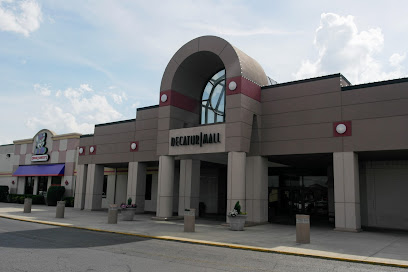
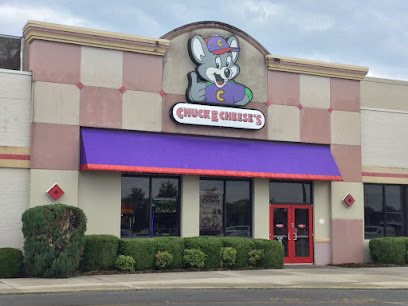
Chuck E. Cheese
38.9 km
Experience the ultimate family fun at Chuck E. Cheese in Decatur, AL! Enjoy tasty pizza, exciting games, and unforgettable entertainment for all ages.
The Moody Crab
41.3 km
Dive into Decatur's freshest seafood at The Moody Crab, where Cajun-inspired boils and a lively atmosphere create a memorable dining experience near Point Mallard Park.
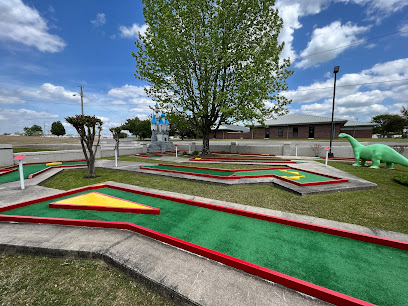
Funland Mini Golf
41.6 km
Experience the joy of adventure at Funland Mini Golf in Decatur, Alabama – a classic and affordable destination where fun meets creativity on every hole, creating lasting memories for families and friends.
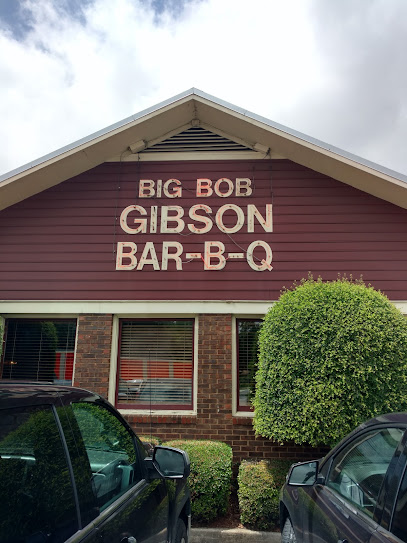
Big Bob Gibson Bar-B-Q
42.1 km
Experience a century of award-winning Southern barbecue at Big Bob Gibson Bar-B-Q in Decatur, Alabama, where hickory-smoked meats and the legendary white sauce await.
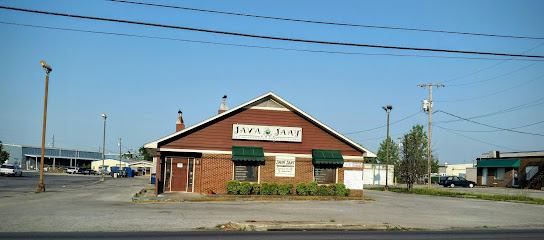
Java Jaay Cafe
42.2 km
Experience Decatur's cozy coffee culture at Java Jaay Cafe, where quality coffee, delicious treats, and a welcoming atmosphere create a perfect community hub for locals and tourists alike.
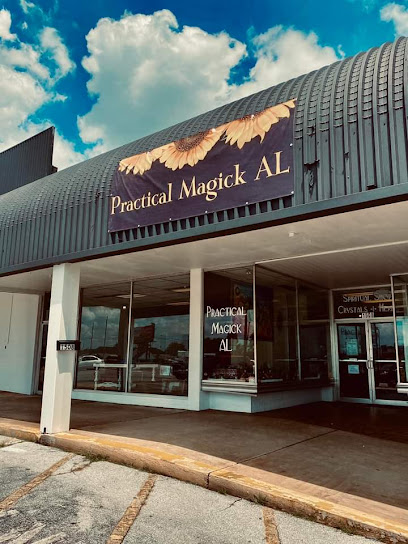
Practical Magick AL New Age
42.4 km
Discover Decatur's enchanting Practical Magick AL New Age: a metaphysical haven with crystals, herbs, workshops, and unique spiritual gifts for an inspiring journey of self-discovery.
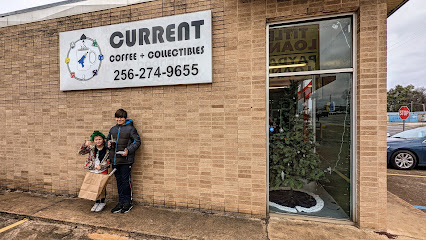
Current: Coffee + Collectibles
42.5 km
Decatur's Current: Coffee + Collectibles is a unique fusion of coffee culture and collectible treasures, offering a welcoming space for enthusiasts and casual visitors alike to connect and explore.
Matt Sandlin Mountain
43.1 km
Experience the natural beauty and historical significance of Matt Sandlin Mountain, a must-visit landmark in Crane Hill, Alabama.
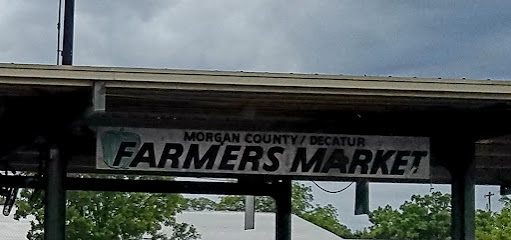
The Morgan County-Decatur Farmers Market
43.1 km
Discover fresh, local produce, handcrafted goods, and community spirit at the Morgan County-Decatur Farmers Market, a downtown Decatur tradition since 1937.
Albany Heritage Neighborhood Historic District
43.1 km
Discover Decatur's Albany Heritage Neighborhood Historic District: A captivating blend of Victorian architecture, historical charm, and Southern hospitality in a beautifully preserved residential setting.
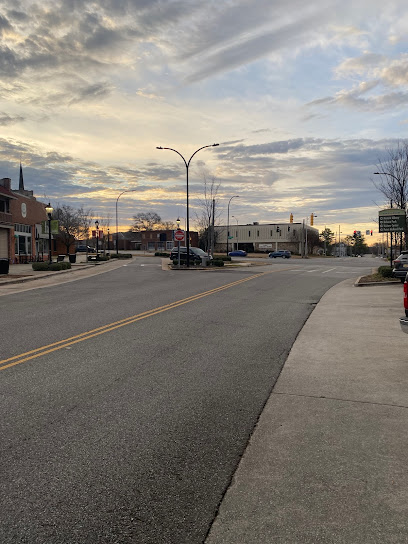
High Point Market
43.2 km
Experience Decatur's charm at High Point Market: a blend of local artisan goods, Honduran coffee, and community spirit in a cozy downtown setting, showcasing Alabama's hospitality.
Unmissable attractions to see

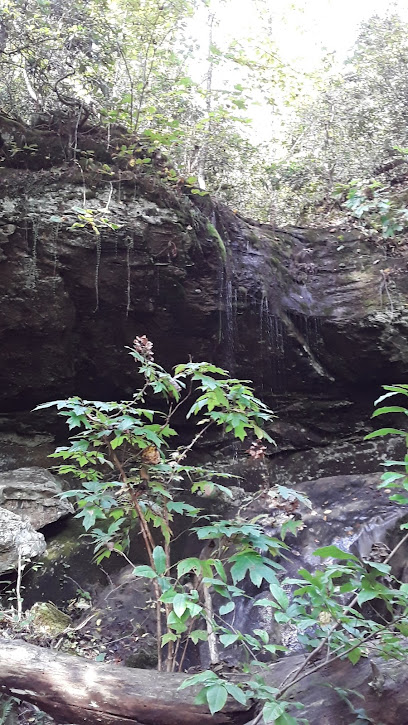
McDougle Hunter Camp
1.0 km
Escape to McDougle Hunter Camp in Bankhead National Forest for a rustic camping experience, offering direct access to the Sipsey Wilderness and its natural beauty, perfect for hiking and disconnecting.
Pine Torch Trailhead
2.7 km
Explore Alabama's Bankhead National Forest from Pine Torch Trailhead: Hike, bike, or ride through scenic trails, discover waterfalls, and immerse yourself in nature's beauty.
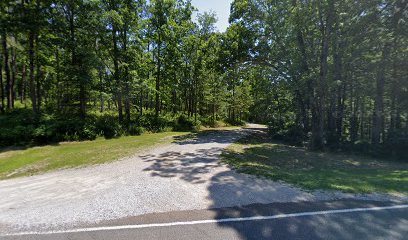
Flannagin Trailhead
3.6 km
Discover Alabama's natural beauty at Flannagin Trailhead, your gateway to hiking adventures in Bankhead National Forest and the Sipsey Wilderness.
Alred Hunt Camp
4.2 km
Explore Alred Hunt Camp: A serene national forest retreat in Alabama, perfect for nature lovers and outdoor adventures.
Gum Pond Trailhead
5.2 km
Discover the serene beauty of Gum Pond Trailhead in Bankhead National Forest, a perfect escape for hiking, horseback riding, and immersing yourself in Alabama's natural wonders.
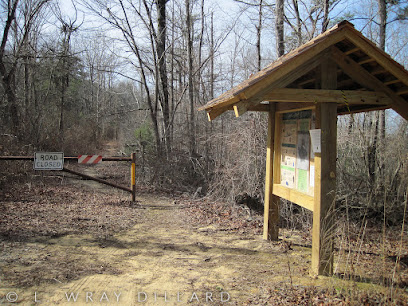
Borden Trailhead
6.2 km
Explore the rugged beauty of Alabama's Sipsey Wilderness via Borden Trailhead, offering hiking trails for all skill levels amidst stunning waterfalls and lush forests.
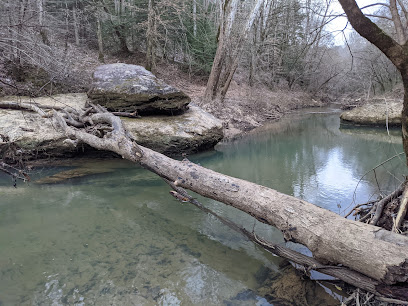
Brushy Creek Trailhead
7.1 km
Explore the natural beauty of Bankhead National Forest at Brushy Creek Trailhead: Hike scenic trails, discover diverse wildlife, and immerse yourself in Alabama's serene wilderness.
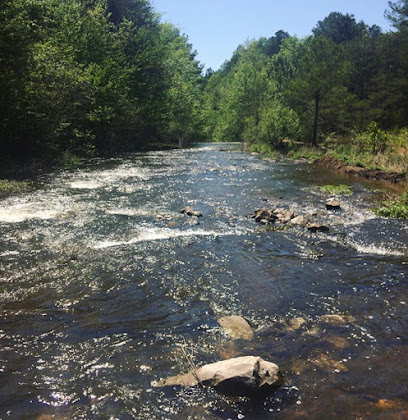
Shangri-La Falls Trailhead
7.7 km
Discover the hidden paradise of Shangri-La Falls in Bankhead National Forest, Alabama, where a moderate hike leads to a stunning waterfall and refreshing turquoise pool.
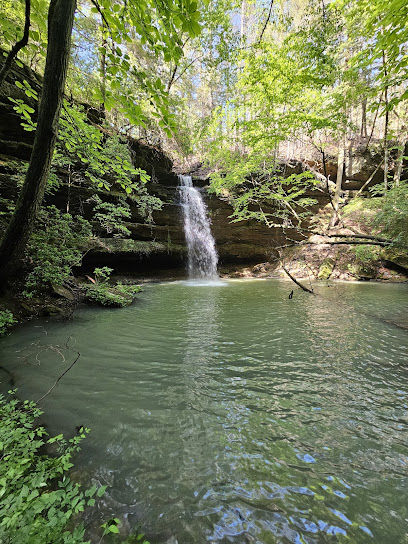
Fall Creek Falls
8.2 km
Discover the serene beauty of Fall Creek Falls in Alabama's Bankhead National Forest: Hike scenic trails, witness stunning waterfalls, and immerse yourself in nature's tranquility.
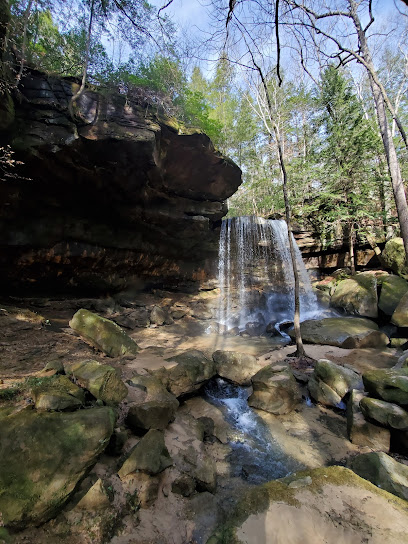
Brushy Lake Dam
8.5 km
Escape to Brushy Lake Dam in Alabama's Bankhead National Forest for camping, fishing, hiking, and tranquil nature experiences, a perfect getaway for outdoor enthusiasts seeking serenity.
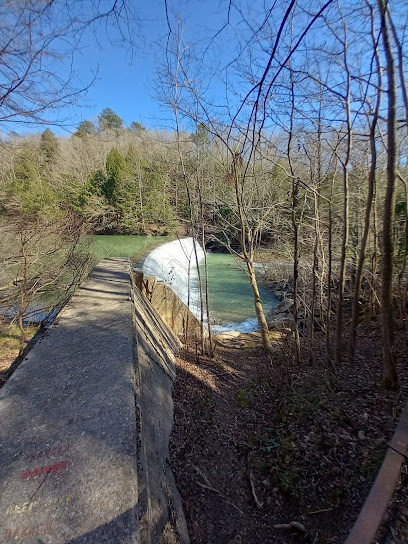
Sipsey River Picnic Area
8.6 km
Discover the serene beauty of Sipsey River Picnic Area in Bankhead National Forest, Alabama, offering hiking, swimming, and a peaceful escape into nature's embrace along the Sipsey Fork.
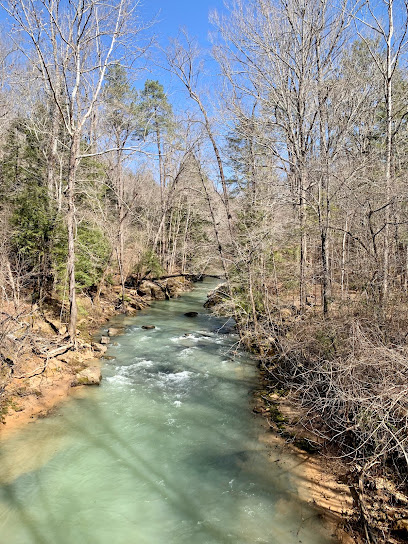
Mize Mills Falls Trailhead
8.6 km
Discover the serene beauty of Mize Mills Falls in Bankhead National Forest, a hidden gem offering a tranquil escape and picturesque waterfall views in Double Springs, Alabama.
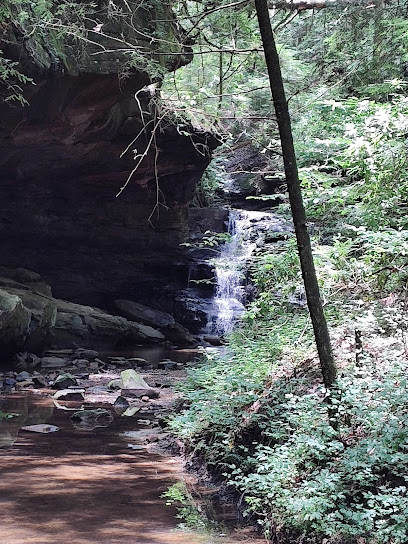
Sipsey Wilderness
8.8 km
Discover Alabama's Sipsey Wilderness: Hike through ancient forests, witness cascading waterfalls, and experience the raw beauty of nature in this pristine sanctuary within Bankhead National Forest.
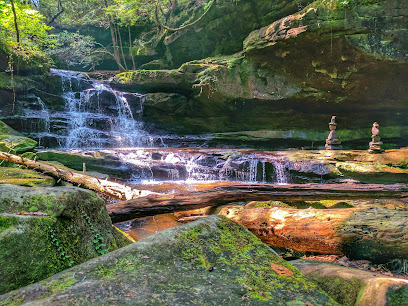
Braziel Trailhead
9.1 km
Discover the untamed beauty of Alabama's Sipsey Wilderness, where hiking trails lead to towering trees, cascading waterfalls, and serene creek-side campsites in Bankhead National Forest.
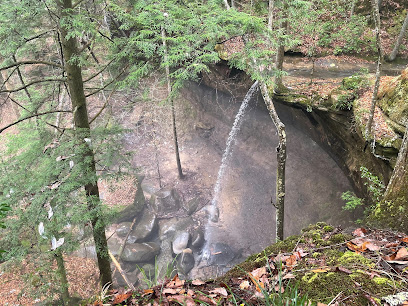
Mize Mill Falls
9.2 km
Discover the serene beauty of Mize Mill Falls in Double Springs, Alabama. A hidden gem within Bankhead National Forest, perfect for nature lovers and peaceful escapes.
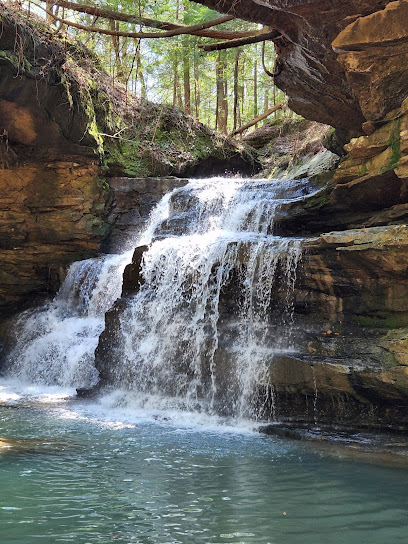
Essential places to dine

Jack's
21.9 km
Discover the heart of Southern fast food at Jack's in Double Springs – where delicious breakfasts meet mouthwatering burgers.
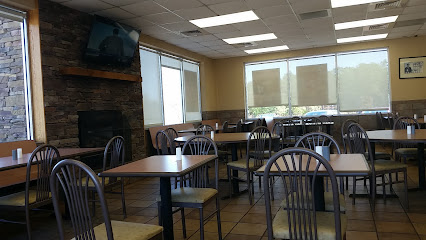
Lakeshore Inn Restaurant
22.8 km
Discover Lakeshore Inn Restaurant: where American cuisine meets stunning lakeside views in Double Springs, Alabama.
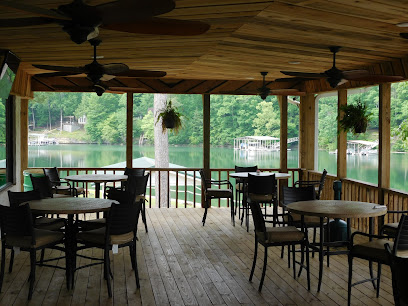
Chili's Grill & Bar
38.8 km
Experience vibrant American and Tex-Mex cuisine at Chili's Grill & Bar in Decatur - perfect for families and casual gatherings.
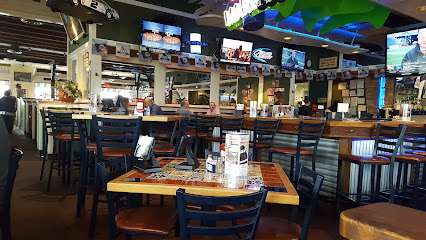
Chick-fil-A
39.0 km
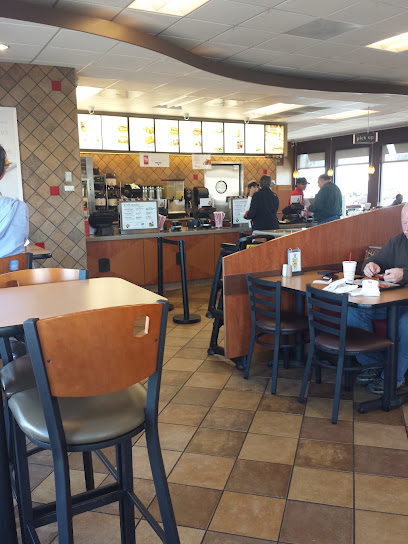
Savor the flavors of Southern hospitality at Chick-fil-A in Decatur - where every meal is made with care.
L Patron Mexican Grill and Cantina
39.0 km
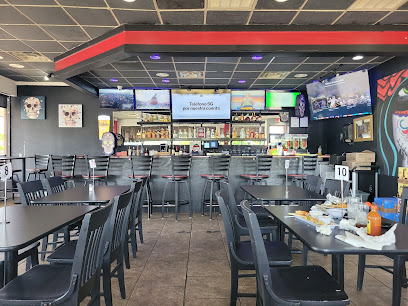
Savor authentic Mexican cuisine at L Patron Mexican Grill and Cantina in Decatur – where every meal is a festive celebration of flavor!
Chow King Grill & Buffet
39.0 km
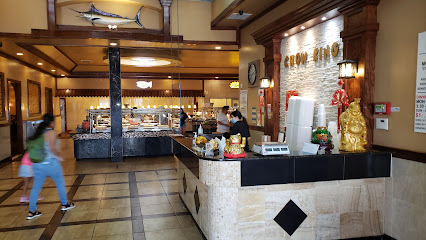
Savor an all-you-can-eat adventure at Chow King Grill & Buffet in Decatur - where diverse cuisines meet affordability!
Las Vias - 1000 Beltline Rd Ste. Q
39.1 km
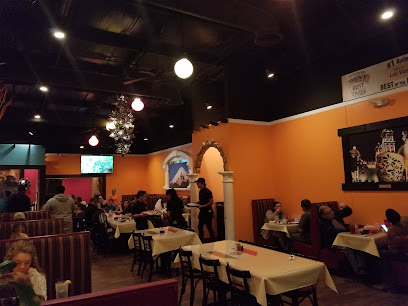
Experience authentic Mexican flavors at Las Vias in Decatur, Alabama – where every dish tells a story.
Applebee's Grill + Bar
39.1 km
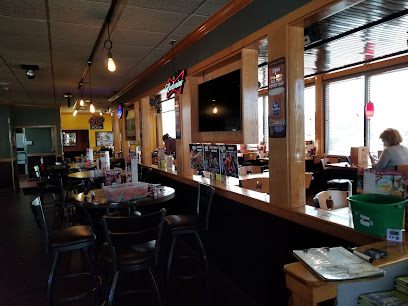
Experience American cuisine at its best at Applebee's Grill + Bar in Decatur - where flavor meets family-friendly fun!
Wings and seafood
39.2 km
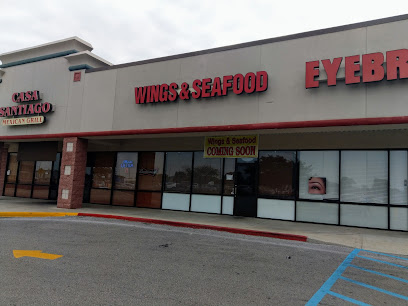
Experience fresh seafood delights in Decatur at Wings and Seafood – where flavor meets Southern charm in every bite.
Logan's Roadhouse
39.3 km
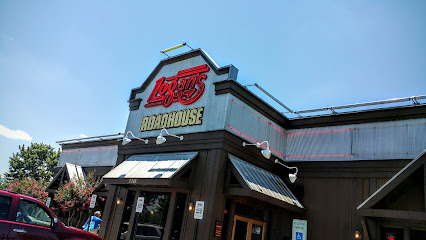
Experience hearty American cuisine at Logan's Roadhouse in Decatur – where every meal feels like home!
Alfonso's Pizza & Italian Restaurant
39.5 km
Savor the taste of Italy at Alfonso's Pizza & Italian Restaurant in Decatur, where every slice tells a story of tradition and flavor.
Serrano's Mexican
39.7 km
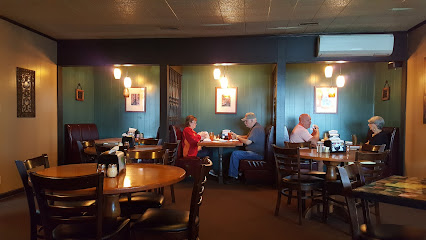
Discover the rich flavors of Mexico at Serrano's Mexican in Decatur – where every meal is a fiesta!
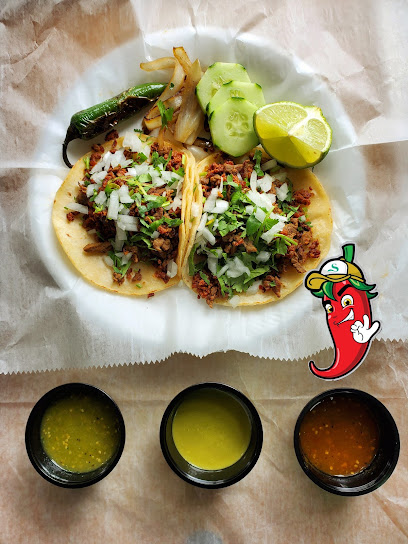
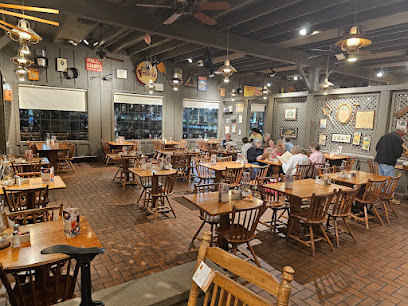
Cracker Barrel Old Country Store
39.8 km
Experience authentic Southern comfort food and unique gifts at Cracker Barrel Old Country Store in Decatur - where every meal feels like home.
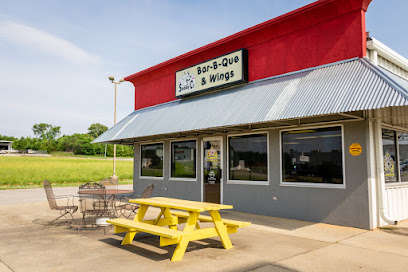
Smokey C's Bar-B-Que & Wings
40.3 km
Experience the authentic taste of Southern barbecue at Smokey C's Bar-B-Que & Wings in Decatur, AL – where flavor meets hospitality.
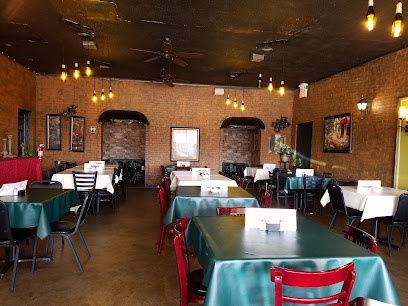
Francesco's Italian Restaurant
41.0 km
Discover authentic Italian cuisine at Francesco's Italian Restaurant in Decatur, AL - where every dish tells a story.
Markets, malls and hidden boutiques

Basse Trading Company
15.7 km
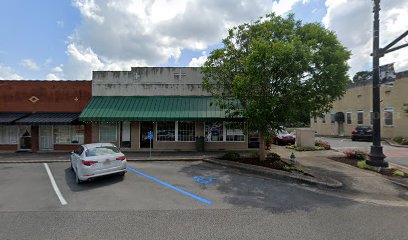
Explore the rich history and unique antiques at Basse Trading Company, a hidden gem in Moulton, Alabama.
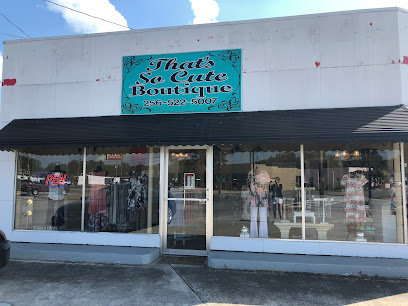
That’s so cute boutique
15.8 km
Explore unique fashion and accessories at That’s So Cute Boutique, a charming shopping destination in Moulton, Alabama.
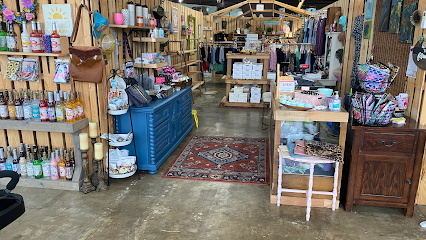
The Market
16.0 km
Unearth unique antiques and local treasures at The Market in Moulton, Alabama - a charming shopping destination for every traveler.
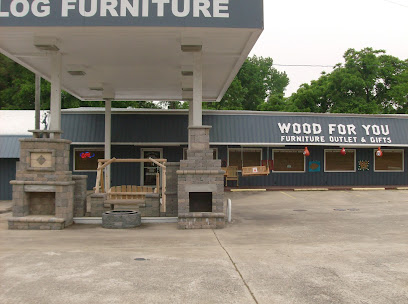
Wood For You Furniture Outlet & Gifts
21.2 km
Explore the charm of Wood For You Furniture Outlet & Gifts, where unique furnishings meet delightful gifts in Haleyville, Alabama.
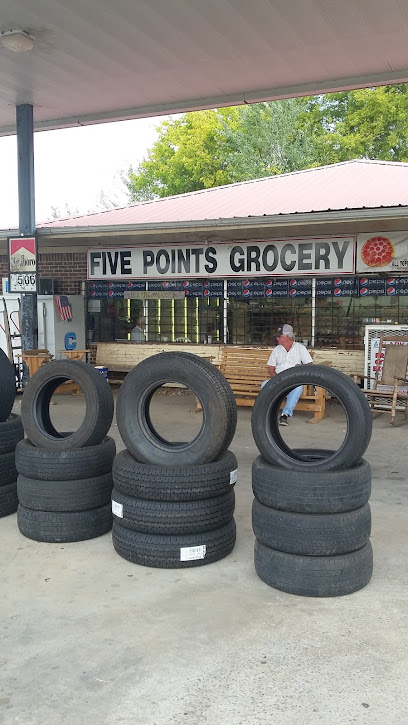
Five Points Grocery
22.2 km
Explore local flavors and essentials at Five Points Grocery, your friendly neighborhood convenience store in Moulton, Alabama.
DG Market
23.1 km
Explore DG Market in Addison, Alabama – your go-to dollar store for groceries, party supplies, and more at unbeatable prices.
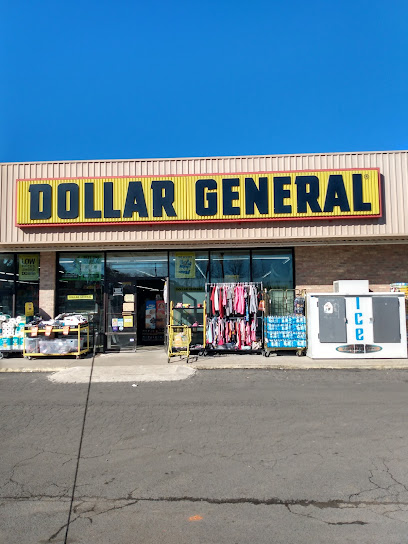
Dollar General
26.0 km
Explore Dollar General in Haleyville for great deals on everyday essentials, beauty supplies, and seasonal goods—perfect for budget-conscious travelers!
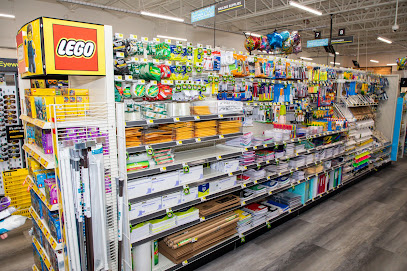
Walmart Supercenter
26.5 km
Explore Walmart Supercenter in Haleyville: A comprehensive shopping experience with groceries, clothing, electronics, and more.

Dollar Tree
26.6 km
Explore Dollar Tree in Haleyville for unbeatable deals on everything from groceries to party supplies, all at just one dollar each.
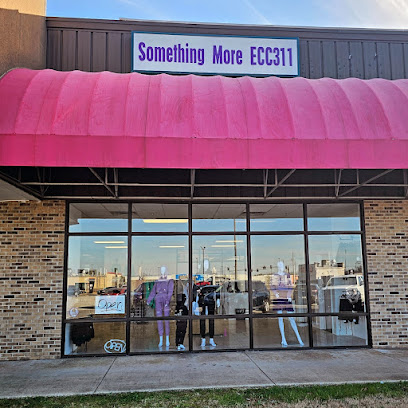
Something More ECC311
26.6 km
Explore the unique charm of Something More ECC311 in Haleyville, Alabama, where local crafts and treasures await every visitor.
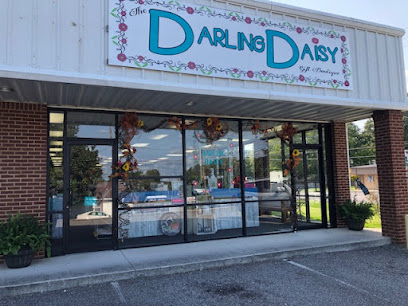
The Darling Daisy
28.4 km
Discover unique local crafts and stylish finds at The Darling Daisy, the charming boutique in Haleyville, Alabama that captures the essence of Southern hospitality.
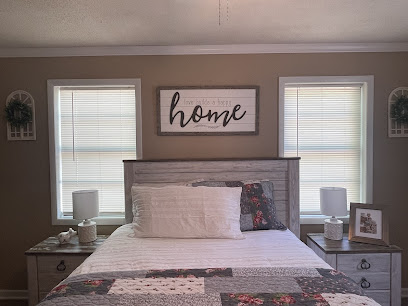
Farmers Home Furniture | Haleyville, AL
28.4 km
Discover quality furniture, appliances, and home goods at Farmers Home Furniture in Haleyville, AL – a shopper's paradise for home essentials.
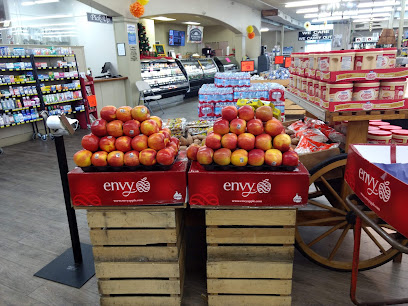
Goar's Supermarket
28.8 km
Discover local flavors and fresh produce at Goar's Supermarket in Haleyville, Alabama, a must-visit for grocery shopping and regional specialties.
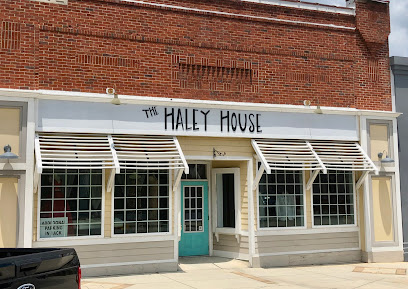
Haley House
29.2 km
Explore Haley House in Haleyville, Alabama for exceptional formal wear, personalized styling, and an unforgettable shopping experience.
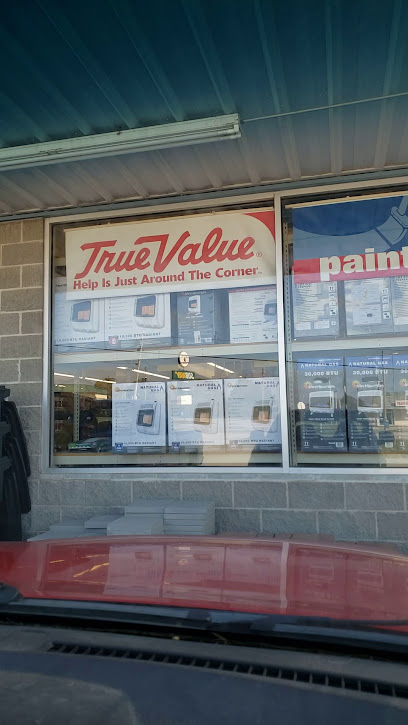
Elliott True Value
29.4 km
Explore Elliott True Value in Haleyville, Alabama, your go-to destination for DIY supplies, tools, and expert home improvement advice.
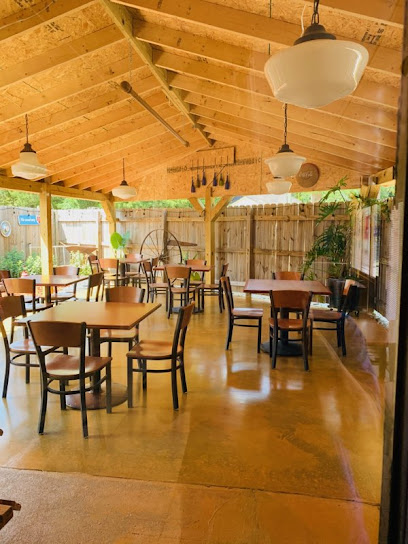
Essential bars & hidden hideouts

The Hot Spot
15.2 km
Experience the best of Southern cuisine at The Hot Spot, a must-visit restaurant in Moulton, Alabama, offering delicious dishes and a warm atmosphere.
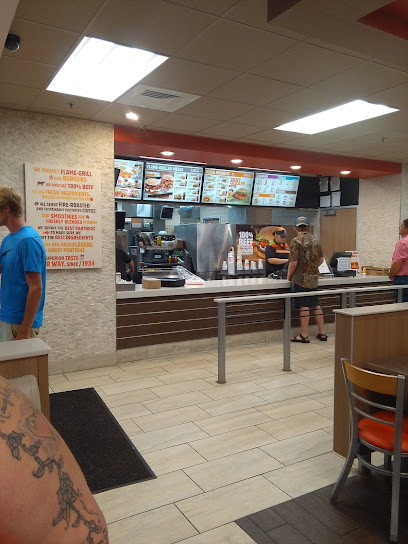
Burger King
16.0 km
Enjoy delicious flame-grilled burgers and fast-food favorites at Burger King in Moulton, Alabama, perfect for a quick and satisfying meal on the go.
Bankhead Ranger District
20.1 km
Discover the serene landscapes and vibrant wildlife of Bankhead Ranger District, Alabama's premier outdoor adventure destination.
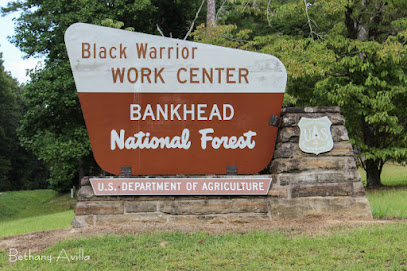
Sapore Grill
21.4 km
Experience authentic Italian flavors at Sapore Grill, where fresh ingredients meet traditional recipes in a warm, inviting atmosphere.
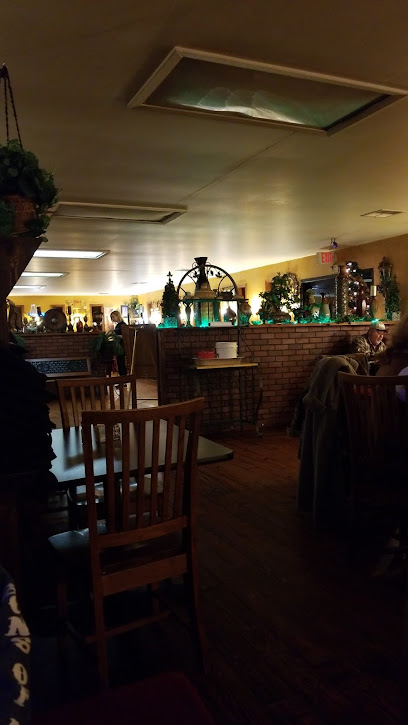
The Food Shack
21.5 km
Discover The Food Shack in Addison, AL – a cozy spot for delicious hamburgers, tasty sandwiches, and delightful ice cream treats.
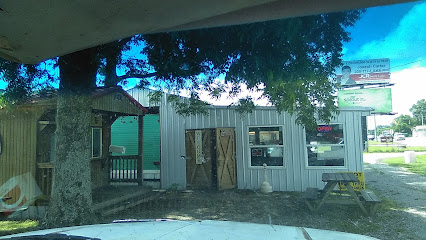
Buena Vista
21.7 km
Discover the authentic flavors of Mexico at Buena Vista, a beloved restaurant in Double Springs, Alabama, perfect for every taco lover.
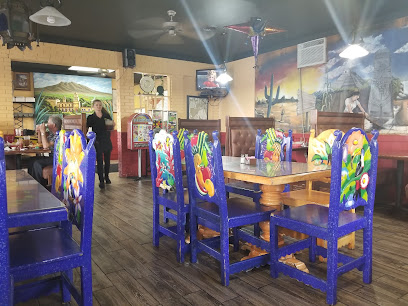
Subway
21.8 km
Discover fresh, customizable sandwiches and quick meals at Subway in Double Springs, Alabama, perfect for tourists craving delicious flavors.
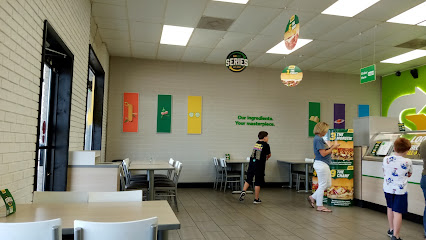
Vincents Downtown DELI AND BAKERY
22.7 km
Discover the heart of Southern hospitality and homemade flavors at Vincent's Downtown Deli and Bakery in Double Springs, Alabama.
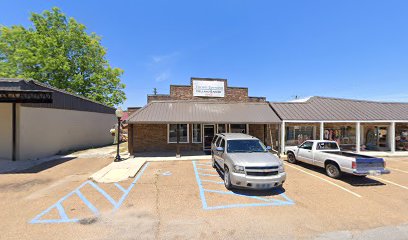
Lakeshore Inn Marina
22.8 km
Discover the tranquility of Lakeshore Inn Marina, where Southern hospitality meets stunning lake views in Double Springs, Alabama.
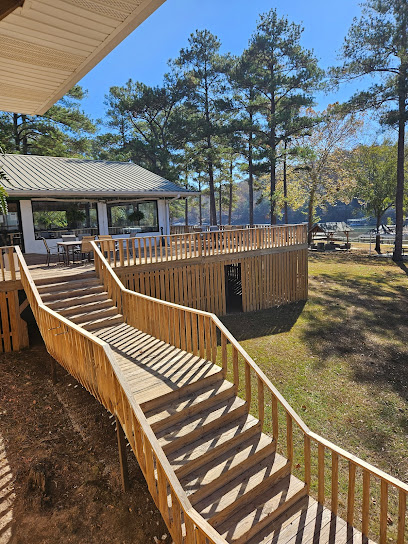
Goldiggers Bar & Grill
22.8 km
Experience Southern hospitality at Goldiggers Bar & Grill, where delicious food meets a welcoming atmosphere in Double Springs, Alabama.

Chef Troy's Talk of the Town
23.8 km
Discover Chef Troy's Talk of the Town, a seafood treasure in Houston, Alabama, offering delightful breakfasts and a cozy dining atmosphere.
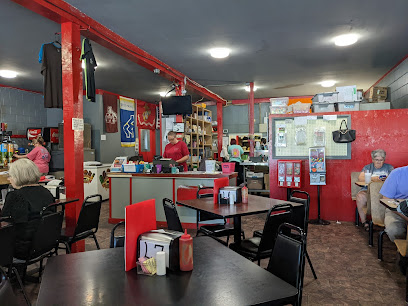
Rockin' P. BBQ & Catfish
25.2 km
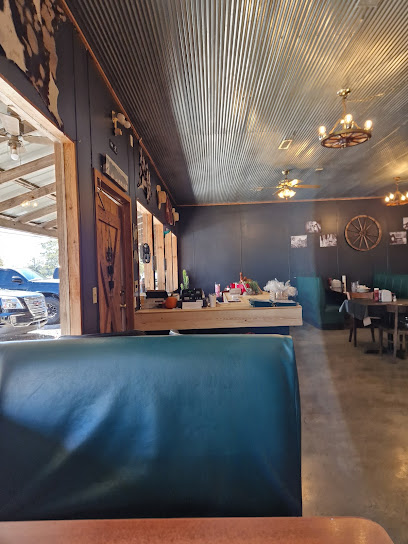
Experience the mouthwatering flavors of Southern barbecue and fresh catfish at Rockin' P. BBQ & Catfish in Haleyville, Alabama.
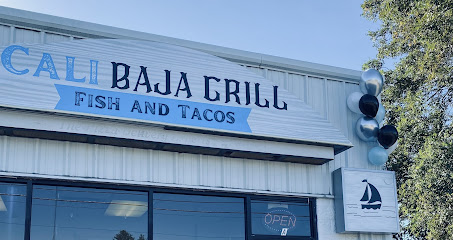
Cali Baja Grill
25.8 km
Discover the vibrant flavors of Baja California at Cali Baja Grill, where Mexican and American cuisines meet in a delightful dining experience.
B and J Cafe
26.2 km
Discover the heart of Southern cuisine at B and J Cafe in Phil Campbell, Alabama, where comfort food and warm hospitality await.
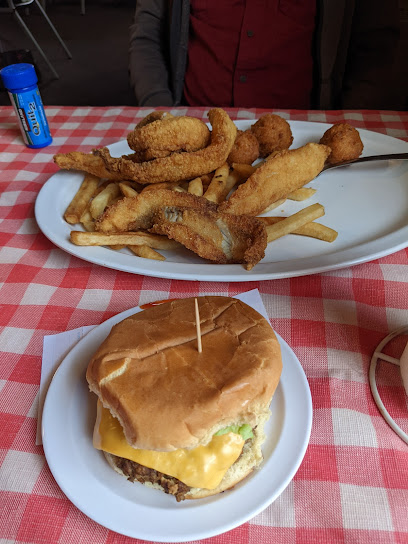
Guthries
26.6 km
Experience the rich flavors of Southern hospitality at Guthries, where delicious fried chicken meets a warm, inviting atmosphere in Haleyville, Alabama.


