

Free Tuscaloosa Travel Guide & Mobile App
Plan your Tuscaloosa trip with Evendo. Get free guides to top attractions, restaurants, hotels, and bars. Web access or download the mobile app.


Tuscaloosa, Alabama combines Black Warrior River scenery, University of Alabama traditions, Civil Rights history, museums, live music and Southern food.
A Black Warrior River City
Tuscaloosa occupies a broad bend of the Black Warrior River in west-central Alabama, where wooded riverbanks, limestone bluffs and a lively university culture shape the city's identity. The river remains central to local life, with the Tuscaloosa Riverwalk offering a paved route for walking and cycling beside the water, while the Tuscaloosa Amphitheater brings concerts and outdoor events to the riverfront. Downtown, restored historic buildings, cafés, bars and independent shops give the city a compact centre that is particularly easy to explore on foot.Read more about Tuscaloosa
The University and Its Traditions
History in the Urban Landscape
When is the best time to visit Tuscaloosa?
Best: April–May, October · 24–28°C| Month | High (°C) | Rainfall (mm) |
|---|---|---|
| January | 13 | 92 |
| February | 15 | 102 |
| March | 20 | 105 |
| April (best) | 24 | 95 |
| May (best) | 28 | 95 |
| June | 32 | 100 |
| July | 34 | 105 |
| August | 33 | 95 |
| September | 30 | 90 |
| October (best) | 24 | 80 |
| November | 18 | 95 |
| December | 14 | 100 |
Getting to and around Tuscaloosa
How to get there
Transportation
Best attractions in Tuscaloosa
Tuscaloosa's attractions range from university traditions to riverfront recreation and local history. The University of Alabama campus rewards a walk through its historic core, where museums, landscaped grounds and the imposing scale of Bryant-Denny Stadium convey the importance of college football in the city. Along the Black Warrior River, the Tuscaloosa Riverwalk offers open views, walking paths and access to the Tuscaloosa Amphitheater, a major venue for outdoor performances. Downtown museums include the Paul R. Jones Museum, known for its African American art collection, while the Battle-Friedman House and Jemison-Van de Graaff Mansion preserve different aspects of nineteenth-century Tuscaloosa. Stillman College adds another important educational and cultural address. Just outside the city, Moundville Archaeological Park presents monumental earthworks, museum collections and the deep Indigenous history of the Black Warrior Valley.
-
Park
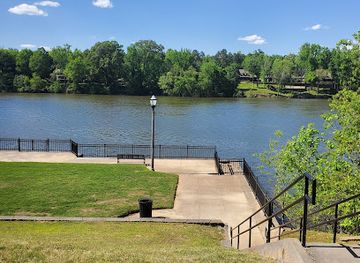
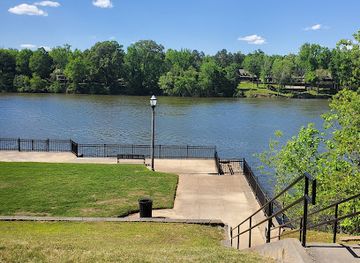
Tuscaloosa River Walk
Enjoy a scenic walk, local markets, and vibrant events along the Black Warrior River at the Tuscaloosa River Walk.
8 min walk · 0.6 km from city centre
-
Bowling alley
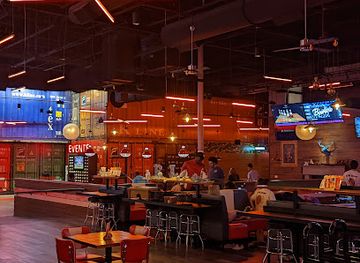
Bowlero Tuscaloosa
Upscale entertainment featuring blacklight bowling, arcade games, a sports bar, and delicious food near the University Mall in Tuscaloosa.
14 min drive · 4.7 km from city centre
-
Tourist attraction
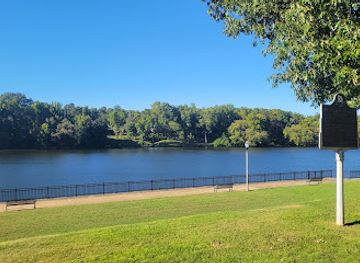
Park at Manderson Landing
A scenic park on the Black Warrior River, offering walking trails, historical markers, and a connection to Tuscaloosa's vibrant history.
7 min drive · 2.4 km from city centre
-
Tourist attraction
Paul W. Bryant Museum
Explore the history of Alabama football at the Paul W. Bryant Museum in Tuscaloosa, celebrating the Crimson Tide's legacy and Coach 'Bear' Bryant.
8 min drive · 2.8 km from city centre

Best landmarks in Tuscaloosa
Tuscaloosa's landmarks reveal the city's civic, educational and architectural history. Bryant-Denny Stadium is the most conspicuous modern symbol, its immense seating bowl representing the cultural force of University of Alabama football. On campus, Foster Auditorium is associated with the university's desegregation crisis of 1963, while the Malone-Hood Plaza commemorates Vivian Malone and James Hood, whose enrolment marked a decisive moment in the institution's history. The Battle-Friedman House, built in 1835, is a surviving example of antebellum domestic architecture, and the Jemison-Van de Graaff Mansion illustrates the scale and confidence of Tuscaloosa's nineteenth-century civic society. Stillman College provides an important African American educational landmark, while the Black Warrior River and its bridges remain fundamental elements of the city's physical identity. Together, these places connect local architecture with Alabama's wider political and social history.
-
Stadium
Bryant-Denny Stadium
Visit Bryant-Denny Stadium in Tuscaloosa, Alabama, where college football traditions come alive amidst a sea of passionate fans and thrilling game day experiences.
5 min drive · 1.8 km from city centre
-
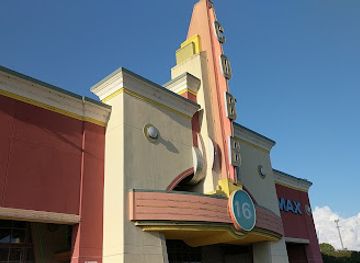
Movie theater
CMX Hollywood 16 & IMAX
Experience the ultimate in cinema at CMX Hollywood 16 & IMAX: stadium seating, cutting-edge technology, and a wide selection of movies!
15 min drive · 5.0 km from city centre
-
Park
Tuscaloosa River Walk
Enjoy a scenic walk, bike ride, or picnic along the Black Warrior River on this beautiful 4.5-mile trail in Tuscaloosa, Alabama.
8 min walk · 0.6 km from city centre
-
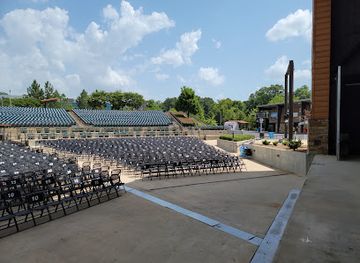
Live Music
Mercedes-Benz Amphitheater
Discover unforgettable live music experiences at the Mercedes-Benz Amphitheater in Tuscaloosa, Alabama, where entertainment meets scenic beauty.
7 min walk · 0.5 km from city centre
Explore Tuscaloosa on the map
Plan your Tuscaloosa trip on one map. See where the top attractions, landmarks, restaurants, bars and hotels are, find what's near where you're staying, and book hotels and experiences in a few clicks.
Best hotels in Tuscaloosa
Best restaurants in Tuscaloosa
Tuscaloosa's food culture combines Alabama barbecue, Southern home cooking, university-town dining and an increasingly varied collection of independent restaurants. Barbecue is central to the local identity, with smoked pork, ribs, white bread and classic sides appearing at long-established venues such as Dreamland Bar-B-Que, which began in Tuscaloosa in 1958. Downtown and the area around the university offer casual cafés, burgers, international food, bakeries and restaurants suited to both students and visiting families. Local menus commonly draw on Southern ingredients such as fried green tomatoes, catfish, greens, biscuits and pecan-based sweets, while the region's agricultural traditions support seasonal produce. The River Market and farmers' market provide opportunities to encounter local growers and prepared foods, and Northport, across the river, adds further dining choices within the closely connected urban area.
-
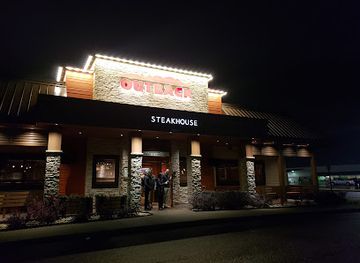
Steak
Outback Steakhouse
Experience authentic Australian flavors at Outback Steakhouse in Tuscaloosa – where every meal feels like an adventure!
15 min drive · 5.0 km from city centre
-
Italian
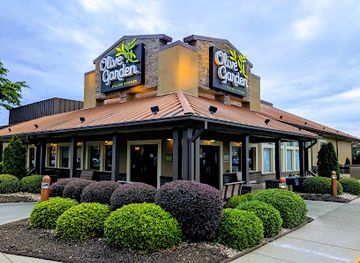
Olive Garden Italian Restaurant
Discover authentic Italian cuisine at Olive Garden in Tuscaloosa – perfect for family gatherings and memorable meals.
13 min drive · 4.4 km from city centre
-
Japanese
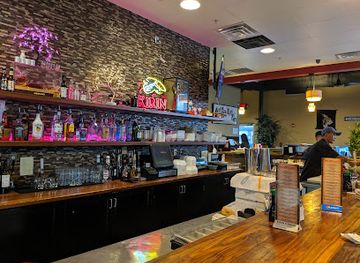
Hokkaido
Discover the best of Japanese cuisine at Hokkaido - where sushi meets tradition in the heart of Tuscaloosa.
12 min drive · 4.1 km from city centre
-
Breakfast
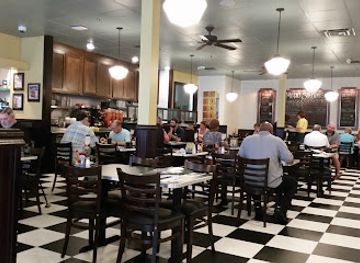
Metro Diner
Experience authentic Southern hospitality at Metro Diner - your go-to spot for breakfast and brunch in Tuscaloosa.
13 min drive · 4.3 km from city centre
Best bars in Tuscaloosa
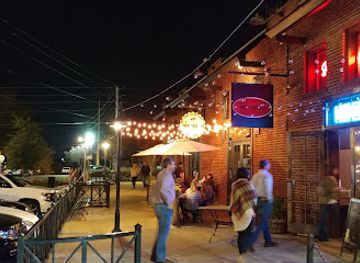
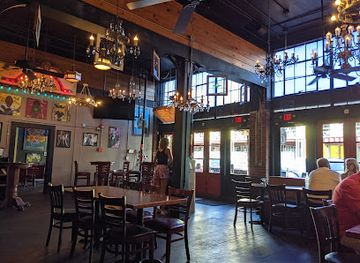
Tuscaloosa's evening life is shaped by the University of Alabama, downtown's compact entertainment area and a steady programme of concerts at the Tuscaloosa Amphitheater. Around University Boulevard and the Strip, bars, casual venues and student-oriented establishments become particularly active during the academic year and on football weekends. Downtown and the Temerson Square area offer a more mixed audience, with places for craft beer, cocktails, live music and relaxed conversation in restored commercial buildings. The city also has an established connection with live performance, from touring music at the amphitheater to events at smaller venues and university spaces. Nightlife is energetic during major sporting and cultural events but comparatively restrained at other times, and visitors should plan transport carefully after drinking rather than relying on long walks between dispersed districts.
-
American
Avenue Pub - Downtown Tuscaloosa
Experience the vibrant atmosphere and delicious American cuisine at Avenue Pub, Downtown Tuscaloosa's culinary hotspot.
3 min walk · 0.2 km from city centre
-
American
FIVE Tuscaloosa
Discover the charm of American cuisine at FIVE Tuscaloosa, where taste meets Southern hospitality in a delightful dining experience.
2 min walk · 0.2 km from city centre
-
Bar
Loosa Brews
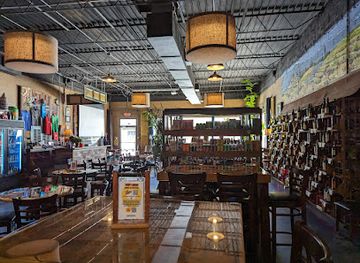
Discover the vibrant craft beer scene at Loosa Brews, a popular bar in Tuscaloosa offering a vast selection of brews and a welcoming atmosphere.
7 min walk · 0.6 km from city centre
-
Restaurant
Urban Bar & Kitchen
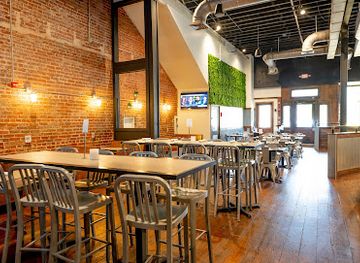
Discover Urban Bar & Kitchen in Tuscaloosa – a blend of innovative dishes, creative cocktails, and a lively atmosphere for every occasion.
2 min walk · 0.1 km from city centre
Best nightclubs in Tuscaloosa
Tuscaloosa's evening life is shaped by the University of Alabama, downtown's compact entertainment area and a steady programme of concerts at the Tuscaloosa Amphitheater. Around University Boulevard and the Strip, bars, casual venues and student-oriented establishments become particularly active during the academic year and on football weekends. Downtown and the Temerson Square area offer a more mixed audience, with places for craft beer, cocktails, live music and relaxed conversation in restored commercial buildings. The city also has an established connection with live performance, from touring music at the amphitheater to events at smaller venues and university spaces. Nightlife is energetic during major sporting and cultural events but comparatively restrained at other times, and visitors should plan transport carefully after drinking rather than relying on long walks between dispersed districts.
-
Night club
The Houndstooth
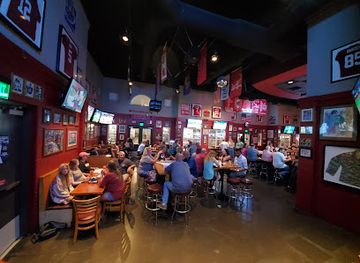
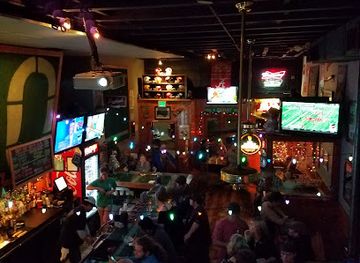
Experience the ultimate sports bar vibe at The Houndstooth in Tuscaloosa, where great food, drinks, and live sports come together.
17 min walk · 1.4 km from city centre
-
Cocktail bar
Catch 22
Discover Catch 22, Tuscaloosa's premier cocktail bar, offering a cozy atmosphere and innovative drinks for an unforgettable night out.
2 min walk · 0.2 km from city centre
-
Live music bar
Copper Top
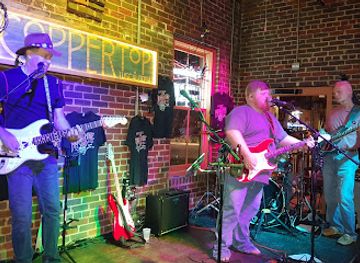
Discover Copper Top in Tuscaloosa, AL - a lively live music bar perfect for enjoying local bands and vibrant nightlife without straining your budget.
3 min walk · 0.2 km from city centre
-
Bar
Rounders
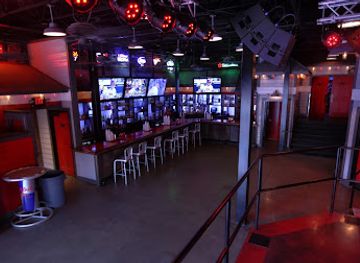
Discover the lively nightlife at Rounders in Tuscaloosa, a vibrant bar offering drinks, live music, and a fun atmosphere for all visitors.
18 min walk · 1.4 km from city centre
Best shops in Tuscaloosa
Shopping in Tuscaloosa is concentrated around downtown, University Boulevard and the city's newer commercial districts. Downtown streets and Temerson Square are the best places to browse independent shops, gifts, books, clothing and locally oriented goods in a walkable historic setting, while the university area has retailers serving students and visitors. The Tuscaloosa Farmers' Market at the River Market brings together regional produce, baked goods, prepared food and handmade items when in season, offering a more direct connection with west Alabama agriculture. Larger retail clusters, including Midtown Village, provide national brands and everyday shopping beyond the centre. Useful local purchases include Alabama food products, barbecue-related goods, university merchandise and work by regional artists and makers. Visitors should distinguish Tuscaloosa's municipal shopping areas from Northport's nearby retail streets, which are close but separately governed.
-
Shopping mall
Tuscaloosa Midtown Village
Explore Tuscaloosa Midtown Village: A shopping paradise blending local charm with a variety of retail and dining experiences.
13 min drive · 4.2 km from city centre
-
Shopping mall
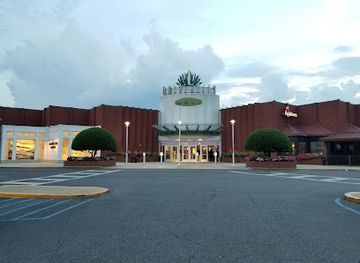
University Mall
Experience Tuscaloosa's premier shopping destination at University Mall, featuring diverse retail, dining, and entertainment options for everyone.
14 min drive · 4.7 km from city centre
-
Shopping mall
McFarland Plaza
Discover the diverse shopping and dining experiences at McFarland Plaza, Tuscaloosa's premier shopping destination.
14 min drive · 4.7 km from city centre
-
Shopping mall
Shoppes at Legacy Park
Discover the vibrant shopping and dining experience at Shoppes at Legacy Park, Tuscaloosa's premier destination for tourists and locals alike.
12 min drive · 4.1 km from city centre
Get your free copy of our complete guide to Tuscaloosa, delivered straight to you.
Everything on this page, from attractions and restaurants to essentials and local phrases, in one PDF you can read offline, print or share.
Already have an account? Sign in
Your Tuscaloosa guide is ready.
We'll send it to · Not you? Sign out

Getting your guide ready…
We are putting together a fresh copy of the Tuscaloosa guide. This can take up to a minute.
This can take a few moments. If your browser asks, choose Allow so the download can start. You'll find the guide in your Downloads folder.
Nothing happened? Download it again
Sorry, the guide is taking longer than usual. Please try again in a minute, or get it by email instead.
Tuscaloosa essentials
Currency and Payment
Safety
Emergency Situations
Do's and Don'ts
Local Tips
From Eve
Local phrases worth knowing
You don't need to get them perfect. A few words go a long way, and locals appreciate the effort.
Basics
| English | Local | Say it |
|---|---|---|
| Hello | Hey y'all | [Hey y'all] |
| Goodbye | See y'all later | [See y'all later] |
| Yes | Yessir/Yessum | [Yessir/Yessum] |
| No | Nah | [Nah] |
| Please/You're welcome | Please/Sure thing | [Please/Sure thing] |
| Thank you | Thank ya kindly | [Thank ya kindly] |
| Excuse me/Sorry | Pardon me/I'm sorry | [Pardon me/I'm sorry] |
| How are you? | How y'all doin'? | [How y'all doin'?] |
| Fine. And you? | Fine. How 'bout you? | [Fine. How 'bout you?] |
| Do you speak English? | Ya speak English? | [Ya speak English?] |
| I don't understand | I don't reckon I understand | [I don't reckon I understand] |
Eating & Drinking
| English | Local | Say it |
|---|---|---|
| I'd like to see the menu, please | Can I see the menu please | [Can I see the menu please] |
| I don't eat meat | I don't eat no meat | [I don't eat no meat] |
| Cheers! | Cheers! | [Cheers!] |
| I would like to pay, please | I'm fixin' to pay, please | [I'm fixin' to pay, please] |
Emergencies
| English | Local | Say it |
|---|---|---|
| Help! | Help! | [Help!] |
| Go away! | Git! | [Git!] |
| Call the Police! | Call the Po-lice! | [Call the Po-lice!] |
| Call a doctor! | Call a doc! | [Call a doc!] |
| I'm lost | I'm plumb lost | [I'm plumb lost] |
| I'm ill | I'm feelin' poorly | [I'm feelin' poorly] |
Shopping
| English | Local | Say it |
|---|---|---|
| I'd like to buy... | I reckon I'll buy... | [I reckon I'll buy...] |
| I'm just looking | I'm just browsin' | [I'm just browsin'] |
| How much is it? | How much does it cost? | [How much does it cost?] |
| That's too expensive | That's too highfalutin | [That's too highfalutin] |
| Can you lower the price? | Can ya cut the price? | [Can ya cut the price?] |
Time & Numbers
| English | Local | Say it |
|---|---|---|
| What time is it? | What time's it? | [What time's it?] |
| It's one o'clock | It's one o'clock | [It's one o'clock] |
| Half past (10) | Half past ten | [Half past ten] |
| Morning | Mornin' | [Mornin'] |
| Afternoon | Afternoon | [Afternoon] |
| Evening | Evenin' | [Evenin'] |
| Yesterday | Yest'day | [Yest'day] |
| Today | Today | [Today] |
| Tomorrow | Tomorrer | [Tomorrer] |
| 1 | One | [One] |
| 2 | Two | [Two] |
| 3 | Three | [Three] |
| 4 | Four | [Four] |
| 5 | Five | [Five] |
| 6 | Six | [Six] |
| 7 | Seven | [Seven] |
| 8 | Eight | [Eight] |
| 9 | Nine | [Nine] |
| 10 | Ten | [Ten] |
Transport & Directions
| English | Local | Say it |
|---|---|---|
| Where's a/the...? | Where's a/the...? | [Where's a/the...?] |
| What's the address? | What's the address? | [What's the address?] |
| Can you show me (on the map)? | Can you show me (on the map)? | [Can you show me (on the map)?] |
| When's the next (bus)? | When's the next (bus)? | [When's the next (bus)?] |
| A ticket (to ....) | A ticket (to ....) | [A ticket (to ....)] |
History of Tuscaloosa
Indigenous Black Warrior Valley
The Tuscaloosa area lies within the historic landscape of the Black Warrior River valley, which was shaped for centuries by Indigenous communities, including the ancestors of groups associated with the Mississippian cultural tradition. Moundville, a major archaeological settlement south of present-day Tuscaloosa, flourished from approximately the eleventh to the sixteenth centuries and remains one of the most important archaeological sites in the southeastern United States. The name Tuscaloosa is generally connected with Tuskaloosa, a sixteenth-century paramount chief encountered by the Spanish expedition led by Hernando de Soto, although the details of that encounter belong to a wider regional history rather than to the later city itself. These earlier settlements and political networks provide essential context for understanding the river valley before American incorporation.
The Founding of Tuscaloosa
Tuscaloosa was incorporated in 1819, the year Alabama entered the Union, and developed around the Black Warrior River as a centre for trade, transportation and government. Its location connected plantations and settlements in the surrounding countryside with river traffic, while the growing town became an administrative focus for west-central Alabama. In 1826, Tuscaloosa was selected as the state capital, prompting the construction of public buildings and reinforcing its civic importance. The capital period lasted until 1846, when Montgomery replaced Tuscaloosa because of its more central position within the state and better connections to emerging rail networks. The Jemison-Van de Graaff Mansion and other surviving nineteenth-century buildings reflect the prosperity and architectural ambition of this period.
University and Antebellum Expansion
The University of Alabama opened in Tuscaloosa in 1831, adding an enduring educational institution to a city already developing as a river and commercial centre. Antebellum Tuscaloosa was part of Alabama's slaveholding society, and its economy was linked to cotton production, river transport and the labour of enslaved African Americans. Civic buildings, houses and university structures expanded as the city grew in importance. The Battle-Friedman House, built in 1835, is among the notable surviving residences from this era and reflects Tuscaloosa's nineteenth-century domestic architecture. The university's presence later became central to the city's public identity, but its early history must also be understood within Alabama's unequal social and political order.
Civil War Destruction and Reconstruction
During the American Civil War, Tuscaloosa served the Confederacy as a regional centre and included military-related facilities associated with the university and the town's strategic position. In April 1865, Union cavalry under Brigadier General John T. Croxton entered the city and destroyed important buildings, including much of the University of Alabama campus, as well as industrial and government property. Reconstruction brought political, economic and social upheaval across Alabama. Tuscaloosa gradually rebuilt its civic institutions and commercial life, while the university eventually resumed teaching. The destruction and subsequent rebuilding help explain why relatively few antebellum structures survive in the city and why its historic landscape combines restored houses with later layers of development.
A Growing Industrial and Educational City
After the Civil War, Tuscaloosa expanded beyond its earlier river-based economy. Rail connections, manufacturing, education and the continuing development of nearby coal and iron resources helped strengthen the city as a commercial centre for west Alabama. The University of Alabama grew in importance, while Stillman College, founded in Tuscaloosa in 1876, became a significant institution for African American higher education. The city's population and built environment changed through the late nineteenth and twentieth centuries as new neighbourhoods, roads and public facilities appeared. This period also saw the consolidation of Tuscaloosa's relationship with neighbouring Northport across the Black Warrior River, creating a linked urban area with distinct municipal identities.
Civil Rights and the Modern City
Tuscaloosa occupies an important place in the history of American civil rights. In 1956, Autherine Lucy became the first African American student to enrol at the University of Alabama, but violence and institutional resistance led to her expulsion after only a short period. In 1963, Vivian Malone entered Foster Auditorium to register as the university's first African American student, while Governor George Wallace attempted to block integration. The university was subsequently desegregated, though the events remain a difficult part of its history. Today, campus markers, museum collections and regional cultural institutions help preserve these stories. Tuscaloosa has also experienced major recent change, including extensive rebuilding after the tornado outbreak of April 2011.
Tuscaloosa in Photos
Browse through our photo collection highlighting the charm and character of the destination.
Cities near Tuscaloosa
The closest cities to Tuscaloosa, if you have time for more than one stop.
-

-

-

-

-


Swipe for more cities
Explore more

Explore more of Alabama
Discover Alabama: A Southern state rich in history, culture, and natural beauty, offering unforgettable experiences from vibrant cities to serene beaches and majestic mountains.
Explore Alabama