

Southeast Alaska, Alaska Travel Guide
Discover the wild beauty and cultural richness of Southeast Alaska, where rugged landscapes meet indigenous heritage and endless outdoor adventures await.
Southeast Alaska is a place of wild beauty and awe-inspiring landscapes. Known for its rugged coastline, dense forests, and towering mountains, this region is a haven for nature lovers and adventure seekers alike. It is home to the stunning Inside Passage, a network of waterways that offers some of the most dramatic and serene views in the world. Whether you are sailing on a cruise ship or navigating in a kayak, the pristine waters and abundant wildlife will leave you mesmerized. Whales, seals, and eagles are just a few of the creatures you might encounter on your journey. The area is also rich in cultural history, with many native Tlingit, Haida, and Tsimshian communities. Visitors can explore totem parks, visit cultural centers, and learn about the traditions and history of the indigenous peoples. The towns of Juneau, Ketchikan, and Sitka are popular stops, each offering unique experiences. Juneau, the state capital, is accessible only by boat or plane and is known for its glacial landscapes and vibrant arts scene. Ketchikan, often referred to as the 'Salmon Capital of the World,' boasts the largest collection of standing totem poles. Sitka is known for its Russian heritage and beautiful historical sites. Outdoor activities abound in Southeast Alaska. Hiking, fishing, and wildlife viewing are just a few of the ways you can immerse yourself in the natural beauty of the region. The Tongass National Forest, the largest national forest in the United States, offers countless trails and opportunities for exploration. For those seeking a more relaxed experience, the hot springs and scenic viewpoints provide perfect spots for unwinding and taking in the magnificent surroundings.

Know before you go
Hi, I'm Eve. Here are a few practical things to know before exploring Southeast Alaska.
- Pack layers; the weather can change quickly, and it can get chilly even in summer.
- Book guided tours in advance, especially during peak season, to ensure availability.
- Bring binoculars for wildlife viewing; you won't want to miss the whales, eagles, and other animals.
- Respect local customs and traditions when visiting indigenous communities.
- Carry insect repellent, particularly if you plan to hike or spend time in the forest.


Best bars in Southeast Alaska
Top-rated picks
Best Bars

Castaway
Experience the best of steak and seafood dining at Castaway, Burbank's upscale culinary retreat with stunning views and exquisite flavors.

Von's 1000 Spirits
Experience the vibrant flavors of American cuisine at Von's 1000 Spirits in Seattle's Central Business District, where every dish is a celebration of local ingredients.

Cindy's Rooftop
Experience rooftop dining at its finest with stunning city views and artisanal cocktails at Cindy's Rooftop in Chicago.

Fahrenheit Charlotte
Discover the elevated taste of modern American cuisine with stunning skyline views at Fahrenheit Charlotte, a top dining destination in the heart of the city.


Best shops in Southeast Alaska
Top-rated picks
Best Shops

The Mammoth Site
Explore the Ice Age at The Mammoth Site, a fascinating museum and archaeological dig showcasing ancient mammoth remains and prehistoric wonders.

Midway Mall
Explore Midway Mall in Sherman, Texas - a vibrant hub for shopping, dining, and entertainment that showcases local culture and community spirit.

World Market
Discover unique furniture, decor, and gourmet foods at World Market - your one-stop shop for global charm in Glendale.

Patagonia
Explore Patagonia in Denver: Your gateway to sustainable outdoor gear and apparel in a vibrant arts district.

Explore Southeast Alaska on the Map
A handpicked selection of must-see spots in Southeast Alaska, mapped for you.
Southeast Alaska Essentials
-
Southeast Alaska is most commonly accessed via air or sea. The primary entry point by air is Juneau International Airport (JNU), which has regular flights from major cities like Seattle and Anchorage. For those who prefer sea travel, the Alaska Marine Highway System (AMHS) offers ferry services connecting various ports in Southeast Alaska, including Juneau, Ketchikan, and Sitka. Cruise ships also frequently visit the region during the summer months, providing a scenic and leisurely travel option.
-
Within Southeast Alaska, transportation options vary depending on your location. In larger towns like Juneau and Ketchikan, public buses and taxis are readily available. Renting a car is another viable option, especially if you plan to explore areas outside of town. For inter-town travel, the AMHS ferries are a convenient way to move between communities. Additionally, small planes and seaplanes operate between many of the smaller towns and villages, offering a quicker but more expensive mode of transport.
-
The official currency in Southeast Alaska is the US Dollar (USD). Credit and debit cards are widely accepted in hotels, restaurants, and shops across the region. However, it's advisable to carry some cash, especially if you plan to visit more remote areas where card readers may not be available. ATMs are accessible in most larger towns, allowing you to withdraw cash as needed.
-
Southeast Alaska is generally considered safe for tourists, with low crime rates. However, it's always wise to take standard precautions. Avoid isolated areas at night and be cautious with your belongings in crowded places. There are no specific neighborhoods with high crime rates targeting tourists, but staying vigilant is always a good practice. When engaging in outdoor activities, be mindful of wildlife and follow local guidelines to ensure your safety.
-
In case of an emergency, dial 911 for immediate assistance. Southeast Alaska towns typically have local police stations and medical facilities. Travel insurance that covers medical emergencies is recommended. For minor health issues, pharmacies are available in larger towns where you can purchase over-the-counter medications. In remote areas, emergency services might take longer to reach, so always be prepared and carry a first-aid kit.
-
Fashion: Do dress in layers, as the weather can change rapidly. Waterproof clothing is essential. Avoid wearing overly flashy or formal attire. Religion: Do respect local customs and practices, particularly those of the indigenous Tlingit, Haida, and Tsimshian peoples. Public Transport: Do be courteous to drivers and other passengers. Don't be loud or disruptive. Greetings: Do greet people with a friendly smile and handshake. Locals appreciate politeness. Eating & Drinking: Do try local seafood and other delicacies. Don't waste food, as it is considered disrespectful.
-
To experience Southeast Alaska like a local, visit local markets and try fresh seafood, particularly salmon and halibut. Participate in community events and festivals to get a sense of local culture. Engage with locals, who are generally friendly and willing to share insights about the area's history and traditions. For a unique experience, take a guided tour to learn about the region's rich Native American heritage. Explore the area's natural beauty by hiking, kayaking, or taking a boat tour to see glaciers and wildlife.
When is the best time to visit Southeast Alaska?
History of Southeast Alaska
-
Long before European explorers set foot in Southeast Alaska, the Tlingit and Haida peoples had established rich and complex societies in the region. The Tlingit, known for their totem poles, clan houses, and potlatch ceremonies, have inhabited the coastal areas for thousands of years. The Haida, skilled in seafaring and known for their elaborate art and architecture, primarily settled on the islands of what is now known as the Alexander Archipelago. Both cultures have a deep connection to the land and sea, with traditions, languages, and practices that continue to influence the region today.
-
The late 18th century saw the arrival of European explorers in Southeast Alaska. Notable among them was Captain James Cook, who sailed along the coast in 1778. However, it was the Spanish explorer, Alejandro Malaspina, who conducted one of the most comprehensive surveys of the region in 1791. The arrival of Europeans brought significant changes, including the introduction of new trade goods, diseases, and eventually, the establishment of trading posts and settlements.
-
In the early 19th century, Russian traders established a foothold in Southeast Alaska, driven by the lucrative fur trade, particularly sea otter pelts. The Russian-American Company, founded by the Russian Empire, built several outposts, with Sitka becoming the capital of Russian America in 1808. The influence of Russian culture can still be seen in the region, particularly in the architecture and the Russian Orthodox Church, which has a presence in several communities.
-
In 1867, the United States purchased Alaska from Russia for $7.2 million, a transaction often referred to as 'Seward's Folly' after U.S. Secretary of State William H. Seward, who negotiated the deal. The acquisition marked the beginning of a new era for Southeast Alaska, as American settlers began to move into the region, seeking opportunities in fishing, mining, and logging. The transfer of power was formally conducted in Sitka, which remained a key administrative center for the new American territory.
-
The Klondike Gold Rush of the late 1890s had a profound impact on Southeast Alaska. Thousands of prospectors passed through the region on their way to the goldfields of the Yukon, with ports like Skagway and Dyea becoming bustling hubs of activity. The influx of people and goods led to the rapid development of infrastructure, including the construction of the White Pass and Yukon Route Railroad. Although the gold rush was relatively short-lived, its legacy is still evident in the historic buildings and vibrant cultural heritage of towns like Skagway.
-
World War II brought significant military activity to Southeast Alaska, as the U.S. sought to secure its northern territories against potential threats. The construction of the Alaska Highway, primarily to facilitate the movement of troops and supplies, had a lasting impact on the region's connectivity. Additionally, the establishment of military bases and airfields, such as those on Annette Island and in Sitka, introduced new infrastructure and economic opportunities. The war years also saw increased interaction between Native Alaskans and the military, leading to social and cultural changes.
-
Today, Southeast Alaska is a vibrant region that balances its rich cultural heritage with contemporary development. The fishing and tourism industries play a significant role in the local economy, drawing visitors from around the world to experience the natural beauty and cultural richness of the area. The Alaska Native Claims Settlement Act of 1971 has also empowered Native communities by granting land and financial resources, leading to a resurgence of cultural pride and economic development. Modern Southeast Alaska is a testament to the resilience and adaptability of its people, echoing the stories of those who have called this place home for millennia.
Neighbouring Regions of Southeast Alaska
The closest regions to Southeast Alaska, if you have time for more than one.


Your all‑in‑one travel companion app
Explore expert travel guides, compare and book tours, experiences, hotels, and more—all from the palm of your hand. Download now for seamless trip planning wherever your wanderlust takes you.


Explore More of Alaska

Looking beyond Southeast Alaska? Discover Alaska for broader travel guides, local hot-spots, and regional highlights.
Explore AlaskaSoutheast Alaska in Photos
Browse through our photo collection highlighting the charm and character of the destination.


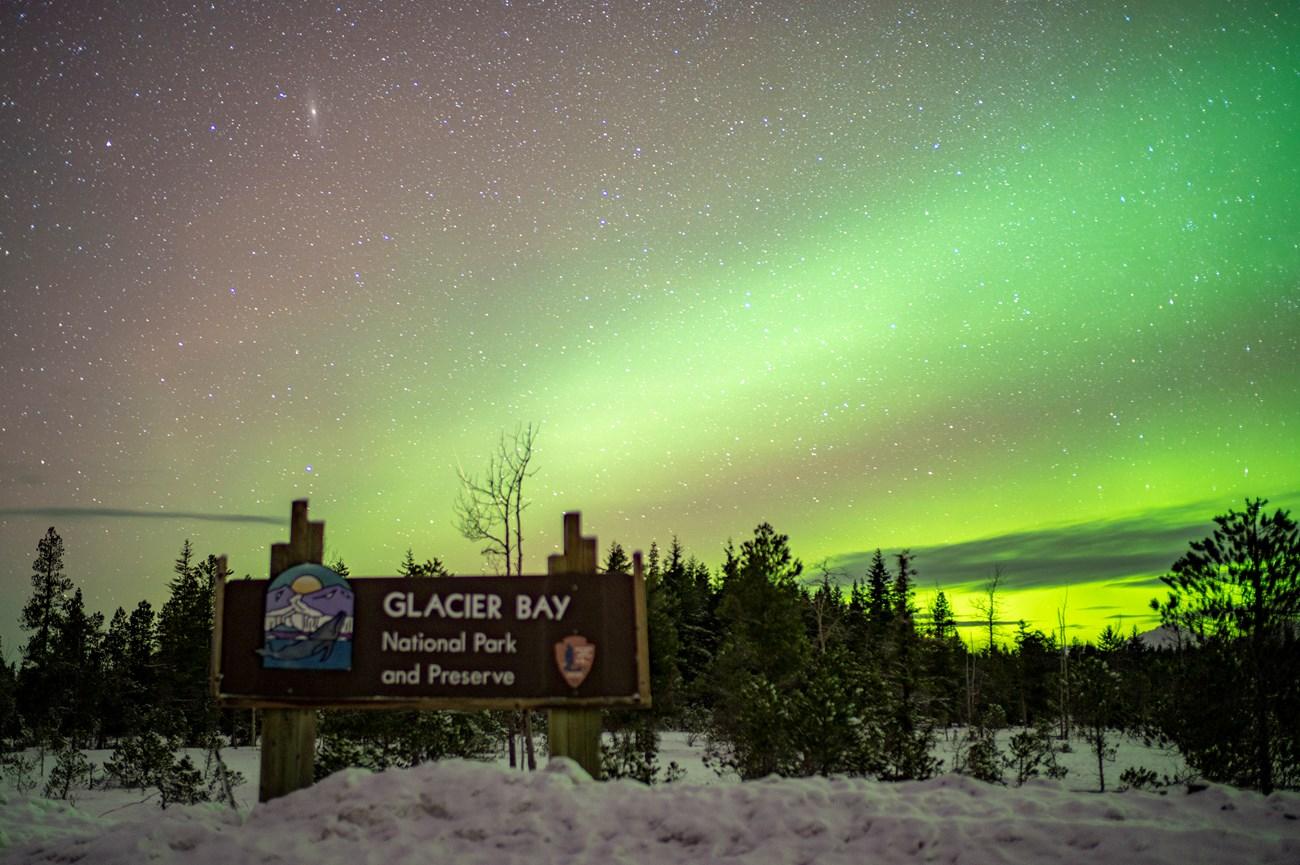
The Wild Beauty of Southeast Alaska
Southeast Alaska is a place of wild beauty and awe-inspiring landscapes. Known for its rugged coastline, dense forests, and towering mountains, this region is a haven for nature lovers and adventure seekers alike. It is home to the stunning Inside Passage, a network of waterways that offers some of the most dramatic and serene views in the world. Whether you are sailing on a cruise ship or navigating in a kayak, the pristine waters and abundant wildlife will leave you mesmerized. Whales, seals, and eagles are just a few of the creatures you might encounter on your journey. The area is also rich in cultural history, with many native Tlingit, Haida, and Tsimshian communities. Visitors can explore totem parks, visit cultural centers, and learn about the traditions and history of the indigenous peoples. The towns of Juneau, Ketchikan, and Sitka are popular stops, each offering unique experiences. Juneau, the state capital, is accessible only by boat or plane and is known for its glacial landscapes and vibrant arts scene. Ketchikan, often referred to as the 'Salmon Capital of the World,' boasts the largest collection of standing totem poles. Sitka is known for its Russian heritage and beautiful historical sites. Outdoor activities abound in Southeast Alaska. Hiking, fishing, and wildlife viewing are just a few of the ways you can immerse yourself in the natural beauty of the region. The Tongass National Forest, the largest national forest in the United States, offers countless trails and opportunities for exploration. For those seeking a more relaxed experience, the hot springs and scenic viewpoints provide perfect spots for unwinding and taking in the magnificent surroundings.