
Korab-Koritnik Nature Park, Albania Travel Guide
Explore the wild beauty and rich cultural heritage of Korab-Koritnik Nature Park, Albania's gem for nature enthusiasts and adventurous travelers.
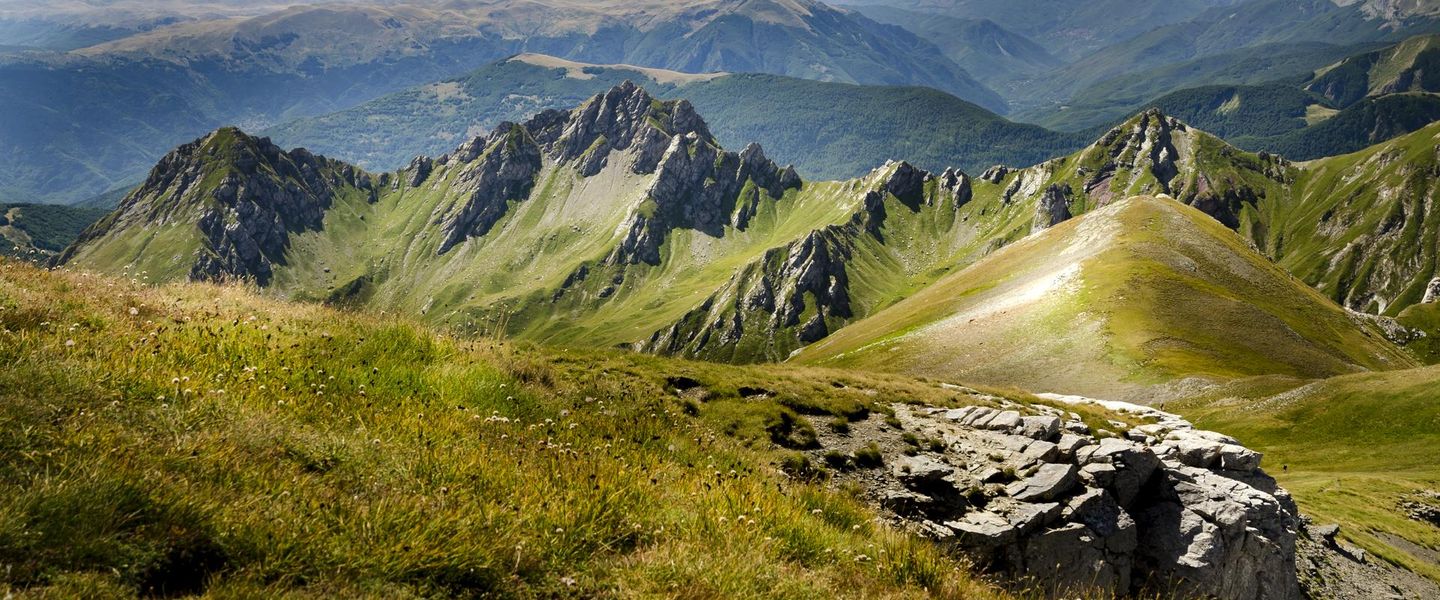
Korab-Koritnik Nature Park, nestled in the northern regions of Albania, offers a pristine escape for nature lovers and adventure seekers alike. Spanning over 55,550 hectares, this expansive park is home to a diverse array of flora and fauna, making it a haven for biodiversity. The park’s rugged landscapes, adorned with dense forests, alpine meadows, and glacial lakes, provide a picturesque backdrop for outdoor activities such as hiking, wildlife watching, and photography. The park is dominated by the imposing Mount Korab, the highest peak in Albania and the fourth highest in the Balkans, standing at an elevation of 2,764 meters. For those looking to conquer this majestic giant, the trek to its summit is both challenging and rewarding, offering panoramic views that stretch across the borders of Albania and North Macedonia. Along the way, visitors may encounter rare species such as the Balkan lynx, brown bear, and golden eagle, further enhancing the allure of this natural wonder. In addition to its natural splendor, Korab-Koritnik Nature Park is steeped in cultural heritage. The surrounding villages, with their traditional stone houses and ancient customs, offer a glimpse into the rich history and culture of the region. Local hospitality is warm and inviting, with opportunities to indulge in authentic Albanian cuisine and experience the rhythms of rural life. Whether you are seeking solitude in nature or a deeper connection with local traditions, Korab-Koritnik Nature Park promises an unforgettable journey through one of Albania’s most treasured landscapes.

Know before you go
Hi, I'm Eve. Here are a few practical things to know before exploring Korab-Koritnik Nature Park.
- Best time to visit is late spring to early autumn when the weather is mild and the trails are accessible.
- Wear sturdy hiking boots and bring appropriate gear for mountain trekking.
- Hire a local guide to enhance your experience and ensure safety during hikes.
- Visit nearby villages to experience local culture and cuisine.
- Carry sufficient water and snacks as amenities within the park are limited.
Explore Korab-Koritnik Nature Park: Things to Do, Places to Eat, Hotels & More
Handpicked recommendations for top attractions, local dining, accommodations, and more

Best attractions in Korab-Koritnik Nature Park
Top-rated picks
Best Attractions

#FUSHESTUDEN
Explore the enchanting Fushë Studë, a serene Albanian paradise filled with stunning landscapes and rich local culture, perfect for every traveler.

D&D Location
Discover Skanderbeg Square, Tirana's vibrant heart: a blend of history, culture, and national pride in Albania's capital city.

Mali i Krujës
Hike through history on Mali i Krujës, Albania, and discover panoramic views and ancient fortifications in the heart of Skanderbeg's homeland.

Ujëvara e Rrogamit - Rrogami Waterfall
Discover the pristine beauty of Ujëvara e Rrogamit, a hidden waterfall in the Albanian Alps, offering a tranquil escape into nature.


Best restaurants in Korab-Koritnik Nature Park
Top-rated picks
Best Restaurants

Kazerma e Cerenit
Discover authentic Albanian flavors at Kazerma e Cerenit - where tradition meets taste in Tirana's vibrant culinary scene.

Artigiano at Vila
Experience authentic Mediterranean cuisine at Artigiano at Vila - where every meal is a celebration of flavor and tradition.

Dajti Balcony's
Discover breathtaking views and delicious traditional cuisine at Dajti Balcony, a must-visit restaurant in Albania's stunning mountain landscape.

Kodra e Kuajve
Experience exquisite dining at Kodra e Kuajve in Durrës—where stunning views meet exceptional Albanian cuisine.

Best bars in Korab-Koritnik Nature Park
Top-rated picks
Best Bars

New Irish Pub
Discover the lively New Irish Pub in Tirana – a perfect blend of Irish charm, delicious food, and vibrant entertainment.

Hemingway Bar Tirana
Experience the vibrant jazz scene at Hemingway Bar Tirana, where music and great drinks create unforgettable memories in Albania's capital.

Colonial Cocktails Academy Tirana
Explore the vibrant cocktail culture at Colonial Cocktails Academy Tirana, where every drink tells a story of creativity and flavor.

Bunker1944 Lounge
Experience a unique blend of history and modernity at Bunker1944 Lounge, Tirana's vibrant social hub for tourists and locals alike.

Best nightclubs in Korab-Koritnik Nature Park
Top-rated picks
Best Nightclubs

Anzola Lounge Bar
Discover the cozy charm of Anzola Lounge Bar in Peshkopi, where delightful drinks and a warm atmosphere await every traveler.
Bar kafe Endi
Discover local flavors and a vibrant atmosphere at Bar Kafe Endi in Sllovë, Albania, the perfect spot for relaxation and socializing.

D.O.N Coffe Bar & Lounge
Explore the charm of D.O.N Coffee Bar & Lounge in Peshkopi, where exceptional coffee and a cozy atmosphere await your visit.

Korab-Koritnik Nature Park / Parku natyror “Korab-Koritnik”
Uncover the stunning beauty and rich biodiversity of Korab-Koritnik Nature Park, a natural preserve perfect for outdoor adventures in Albania.

Best shops in Korab-Koritnik Nature Park
Top-rated picks
Best Shops

Tirana Ring Center
Explore Tirana Ring Center for an unforgettable shopping and dining experience in the heart of Albania's vibrant capital.

Souvenir Albania
Discover the heart of Albania at Souvenir Albania, where the rich culture comes alive through unique crafts and memorable keepsakes.

Market Dhori
Experience the heart of Albanian culture at Market Dhori, a vibrant market filled with fresh produce, traditional foods, and local flavors.

CREW SHOP TIRANA
Explore CREW SHOP TIRANA – your ultimate destination for marine supplies in the heart of Albania's vibrant capital.

Explore Korab-Koritnik Nature Park on the Map
A handpicked selection of must-see spots in Korab-Koritnik Nature Park, mapped for you.
Korab-Koritnik Nature Park Essentials
-
Korab-Koritnik Nature Park is located in northern Albania, close to the border with North Macedonia. The nearest major city is Tirana, which also hosts the Tirana International Airport (TIA), approximately 180 kilometers away. From Tirana, you can rent a car or take a bus to Peshkopi or Kukës, smaller towns near the park. The journey typically takes around 3 to 4 hours by road. Alternatively, you can arrange for private transfers or guided tours that include transportation to the park.
-
Once in the vicinity of Korab-Koritnik Nature Park, the most convenient way to explore the park is by renting a car or hiring a local guide with a vehicle. Public transportation options within the park are limited, so having your own means of transport will give you the flexibility to explore at your own pace. For those who prefer not to drive, guided tours are available that cover major attractions and hiking trails.
-
The official currency in Albania is the Albanian Lek (ALL). Credit cards are accepted in some hotels, restaurants, and shops in larger towns like Peshkopi and Kukës, but it is advisable to carry cash, especially when venturing into the park or smaller villages. ATMs are available in these towns, but it's wise to withdraw sufficient cash before entering the park. Currency exchange services are also available in major towns.
-
Korab-Koritnik Nature Park is generally a safe destination for tourists. However, as with any travel destination, it is advisable to take standard precautions. Avoid walking alone at night in unfamiliar areas and keep an eye on your belongings in crowded places. There are no specific high-crime areas targeting tourists, but staying vigilant and aware of your surroundings is always recommended.
-
In case of emergency, dial 112 for immediate assistance. Local police stations and medical facilities are available in Peshkopi and Kukës. It is recommended to have travel insurance that covers medical emergencies. For minor health issues, there are pharmacies in these towns where you can purchase over-the-counter medications.
-
Fashion: Do dress appropriately for outdoor activities; sturdy boots and layered clothing are essential. Religion: Do respect local customs and traditions, especially in religious sites. Cover your head and dress modestly when visiting mosques or churches. Public Transport: Do be respectful to other passengers and avoid loud conversations. Don't eat or drink on public transport. Greetings: Do greet people with a handshake and a smile. A slight nod of the head is also a sign of respect. Eating & Drinking: Do try local delicacies and accept food offerings graciously. Don’t refuse hospitality, as it is considered impolite.
-
To experience Korab-Koritnik Nature Park like a local, consider visiting during local festivals or events, which often feature traditional music, dance, and food. Engage with locals, as they are usually friendly and willing to share stories about the area's history and culture. Don't miss exploring the traditional villages within the park, where you can see authentic Albanian architecture and lifestyle. Hiking is a popular activity, so be sure to check out trails like the Korab peak trail for stunning views.
When is the best time to visit Korab-Koritnik Nature Park?
Useful Local Phrases for Korab-Koritnik Nature Park
You don't need to speak the language perfectly. Even learning a few simple words can make conversations warmer—and locals usually appreciate the effort.
— Eve

Here are the phrases I use most often in Korab-Koritnik Nature Park. Try a few—you'll be surprised how far they go! 😊
❤️
-
- HelloPërshëndetje
[puhr-shuhn-deht-yeh] - GoodbyeMirupafshim
[mee-roo-pahf-sheem] - YesPo
[poh] - NoJo
[yoh] - Please/You're welcomeJu lutem
[yoo loo-tehm] - Thank youFaleminderit
[fah-leh-meen-deh-reet] - Excuse me/SorryMë falni
[muh fahl-nee] - How are you?Si jeni?
[see yeh-nee] - Fine. And you?Mirë. Dhe ti?
[mee-reh dhe tee] - Do you speak English?Flisni anglisht?
[flees-nee ahn-gleesht] - I don't understandNuk kuptoj
[nook koop-toy]
- HelloPërshëndetje
-
- I'd like to see the menu, pleaseDo të doja të shikoja menynë, ju lutem
[doh tuh doh-yah tuh shee-koh-yah meh-nyeh, yoo loo-tehm] - I don't eat meatUnë nuk ha mish
[oo-neh nook hah meesh] - Cheers!Gëzuar!
[geh-zoo-ahr] - I would like to pay, pleaseDo të doja të paguaja, ju lutem
[doh tuh doh-yah tuh pah-gwah-yah, yoo loo-tehm]
- I'd like to see the menu, pleaseDo të doja të shikoja menynë, ju lutem
-
- Help!Ndihmë!
[ndee-muh] - Go away!Ik!
[eek] - Call the Police!Thirrni policin!
[theer-nee poh-lee-tseen] - Call a doctor!Thirrni një mjek!
[theer-nee nyuh myek] - I'm lostJam humbur
[yahm hoom-boor] - I'm illJam i sëmurë
[yahm ee suh-moo-ruh]
- Help!Ndihmë!
-
- I'd like to buy...Do të doja të blija...
[doh tuh doh-yah tuh blee-yah] - I'm just lookingPo thjesht shikoj
[poh thyesht shee-koy] - How much is it?Sa kushton?
[sah koosh-tohn] - That's too expensiveËshtë shumë i shtrenjtë
[ehs-teh shoo-muh ee shtrehn-jteh] - Can you lower the price?A mund të ulni çmimin?
[ah moond tuh ool-nee chmee-meen]
- I'd like to buy...Do të doja të blija...
-
- What time is it?Sa është ora?
[sah ehs-teh oh-rah] - It's one o'clockËshtë një orë
[ehs-teh nyuh oh-ruh] - Half past (10)Njëzet e gjysmë
[nyuh-zet eh gjuh-smuh] - MorningMëngjes
[muhn-gyes] - AfternoonPasdite
[pahs-dee-teh] - EveningMbrëmje
[mbruhm-yeh] - YesterdayDje
[djeh] - TodaySot
[soht] - TomorrowNesër
[neh-sehr] - 1një
[nyuh] - 2dy
[duh] - 3tre
[treh] - 4katër
[ka-tuhr] - 5pesë
[peh-suh] - 6gjashtë
[gyahsht] - 7shtatë
[shtah-tuh] - 8tetë
[teh-tuh] - 9nëntë
[nuhn-tuh] - 10dhjetë
[thyeh-tuh]
- What time is it?Sa është ora?
-
- Where's a/the...?Ku është një/ai...?
[koo ehs-teh nyuh/ai] - What's the address?Cila është adresa?
[chee-lah ehs-teh ah-dreh-sah] - Can you show me (on the map)?A mund të më tregoni (në hartë)?
[ah moond tuh muh troh-nyee (nuh hahr-teh)] - When's the next (bus)?Kur është autobusi i ardhshëm?
[koor ehs-teh ahw-toh-boo-see ee ahrd-shuhm] - A ticket (to ....)Një biletë (për ....)
[nyuh bee-leh-tuh puh]
- Where's a/the...?Ku është një/ai...?
History of Korab-Koritnik Nature Park
-
Korab-Koritnik Nature Park has a rich history dating back to the times of the Illyrian tribes. The region was home to several Illyrian settlements, which were known for their unique culture and advanced metalwork. Archaeological findings in the area suggest that the Illyrians used the park's natural resources extensively for their daily needs and rituals.
-
During the first century AD, the Roman Empire expanded its reach into the region encompassing Korab-Koritnik Nature Park. The Romans brought with them their architectural prowess, road networks, and fortifications. Traces of Roman roads and artifacts have been discovered in the area, indicating the strategic importance of the region during Roman times.
-
In the medieval period, the region saw the construction of several fortresses to protect against invasions. The arrival of the Ottoman Empire in the 15th century marked a new era for Korab-Koritnik. The Ottomans left an indelible mark on the region's culture, architecture, and infrastructure, including the establishment of trade routes that passed through the park.
-
Korab-Koritnik played a significant role during World War II as a strategic location for Albanian partisans fighting against Axis forces. The rugged terrain of the park provided an ideal hiding place and base of operations for resistance fighters. Several skirmishes and battles took place in and around the park, leaving behind a legacy of bravery and resilience.
-
The Korab-Koritnik region was officially designated as a nature park in 2011. This designation aimed to protect the unique biodiversity, landscapes, and cultural heritage of the area. The park now serves as a sanctuary for numerous plant and animal species and as a place where visitors can explore the rich history and natural beauty of Albania.
Neighbouring destination travel guides
Browse our curated selection of top destinations, scenic points, and must-visit spots in the area.



Your all‑in‑one travel companion app
Explore expert travel guides, compare and book tours, experiences, hotels, and more—all from the palm of your hand. Download now for seamless trip planning wherever your wanderlust takes you.


Explore More of Dibra

Looking beyond Korab-Koritnik Nature Park? Discover Dibra for broader travel guides, local hot-spots, and regional highlights.
Explore DibraExplore More of Albania

Looking beyond Korab-Koritnik Nature Park? Discover Albania for broader travel guides, local hot-spots, and regional highlights.
Explore AlbaniaKorab-Koritnik Nature Park in Photos
Browse through our photo collection highlighting the charm and character of the destination.




Discover the Untamed Beauty of Korab-Koritnik Nature Park
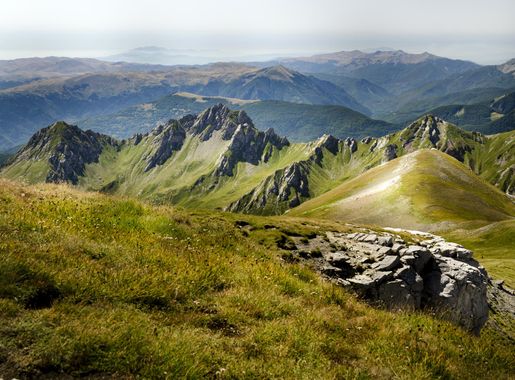
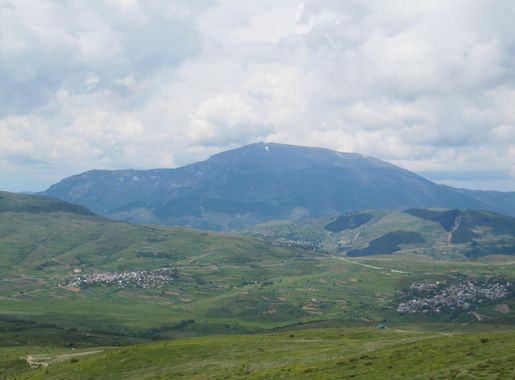
Korab-Koritnik Nature Park, nestled in the northern regions of Albania, offers a pristine escape for nature lovers and adventure seekers alike. Spanning over 55,550 hectares, this expansive park is home to a diverse array of flora and fauna, making it a haven for biodiversity. The park’s rugged landscapes, adorned with dense forests, alpine meadows, and glacial lakes, provide a picturesque backdrop for outdoor activities such as hiking, wildlife watching, and photography. The park is dominated by the imposing Mount Korab, the highest peak in Albania and the fourth highest in the Balkans, standing at an elevation of 2,764 meters. For those looking to conquer this majestic giant, the trek to its summit is both challenging and rewarding, offering panoramic views that stretch across the borders of Albania and North Macedonia. Along the way, visitors may encounter rare species such as the Balkan lynx, brown bear, and golden eagle, further enhancing the allure of this natural wonder. In addition to its natural splendor, Korab-Koritnik Nature Park is steeped in cultural heritage. The surrounding villages, with their traditional stone houses and ancient customs, offer a glimpse into the rich history and culture of the region. Local hospitality is warm and inviting, with opportunities to indulge in authentic Albanian cuisine and experience the rhythms of rural life. Whether you are seeking solitude in nature or a deeper connection with local traditions, Korab-Koritnik Nature Park promises an unforgettable journey through one of Albania’s most treasured landscapes.