
Lura Lakes, Albania Travel Guide
Discover the serene beauty and untouched nature of the Lura Lakes in Albania, a hidden gem nestled within the breathtaking Lura National Park.
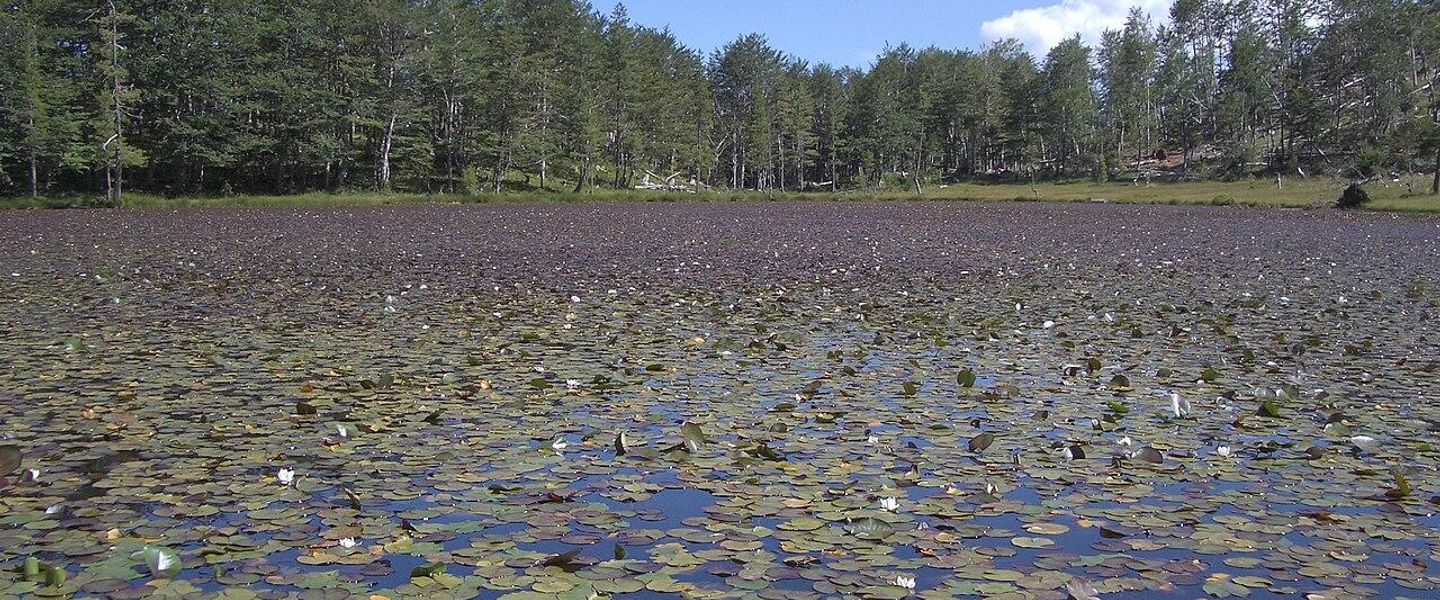
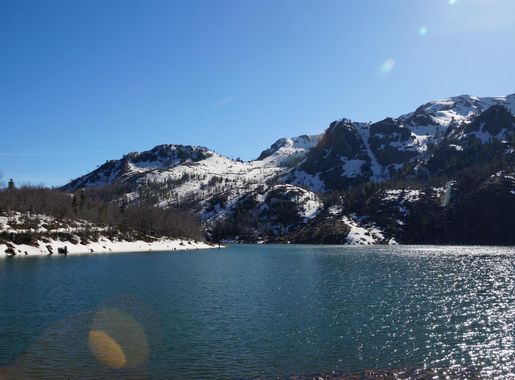
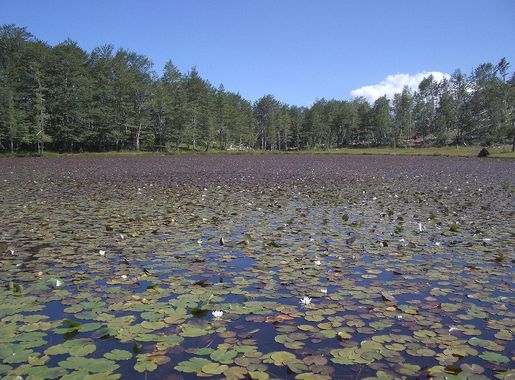
Nestled within the heart of the Lura National Park, the Lura Lakes in Albania are a hidden gem waiting to be discovered by nature enthusiasts and adventure seekers alike. This stunning series of glacial lakes, surrounded by dense forests and rugged mountains, offers a tranquil and picturesque escape from the hustle and bustle of everyday life. Each of the twelve lakes, known collectively as the Lura Lakes, has its own unique charm and beauty. The larger lakes like the Big Lake and Black Lake are perfect for a serene boat ride or a refreshing swim, while the smaller ones provide ideal spots for picnicking and basking in the untouched natural beauty. The clear, blue waters reflect the surrounding greenery and the peaks of the Dajti Mountain, creating a breathtaking panorama that is perfect for photography. The area is also rich in biodiversity, making it a haven for bird watchers and wildlife enthusiasts. You might catch glimpses of rare species like the golden eagle or the Balkan lynx. Hiking trails crisscross the landscape, offering varying levels of difficulty for both casual walkers and serious hikers. The trails lead through ancient forests of pine and beech, past cascading waterfalls, and up to vantage points with spectacular views of the lakes and the surrounding mountains. Whether you are looking to immerse yourself in nature, enjoy outdoor activities, or simply relax in a peaceful setting, the Lura Lakes provide a perfect destination. Their serene beauty and natural splendor make them a must-visit for anyone traveling through Albania.

Know before you go
Hi, I'm Eve. Here are a few practical things to know before exploring Lura Lakes.
- Best visited in late spring to early autumn when the weather is mild and the lakes are most accessible.
- Bring sturdy hiking shoes as the terrain can be rugged in places.
- Pack a picnic and plenty of water, as there are limited facilities within the park.
- Consider hiring a local guide to learn more about the area's flora, fauna, and history.
- Keep an eye out for local wildlife, but maintain a safe distance to avoid disturbing them.
Explore Lura Lakes: Things to Do, Places to Eat, Hotels & More
Handpicked recommendations for top attractions, local dining, accommodations, and more

Best attractions in Lura Lakes
Top-rated picks
Best Attractions

Lura - Mt. Dejës National Park
Discover Lura-Dejës National Park: A pristine Albanian escape with glacial lakes, hiking trails, and stunning mountain views.

National Park of Lura
Discover Albania's hidden gem: Lura National Park, a breathtaking landscape of glacial lakes, lush forests, and diverse wildlife.

Lura National Park Albania
Discover Albania's hidden gem: Lura National Park, a breathtaking landscape of glacial lakes, lush forests, and diverse wildlife.

Best landmarks in Lura Lakes
Top-rated picks
Best Landmarks

Lura - Mt. Dejës National Park
Discover Albania's hidden gem: glacial lakes, rugged peaks, and pristine forests in Lura-Mt. Dejës National Park.

National Park of Lura
Discover Lura National Park: A pristine Albanian escape with stunning glacial lakes, diverse wildlife, and untouched alpine scenery in the Dibër region.

Lura Hotel
Experience the tranquility and natural beauty of Fushë-Lurë at Lura Hotel, where comfort meets adventure in stunning Albania.

Best shops in Lura Lakes
Top-rated picks
Best Shops

Lura - Mt. Dejës National Park
Explore the breathtaking landscapes and vibrant ecosystems of Lura - Mt. Dejës National Park, a hidden gem in Albania's natural heritage.

National Park of Lura
Experience the majestic landscapes and rich biodiversity of Lura National Park, a pristine nature preserve in the heart of Albania's Alps.

Explore Lura Lakes on the Map
A handpicked selection of must-see spots in Lura Lakes, mapped for you.
Lura Lakes Essentials
-
Lura Lakes are located in the Lura National Park in northeastern Albania. The nearest international airport is Tirana International Airport (TIA), approximately 120 kilometers away. From Tirana, you can rent a car or take a bus to Peshkopi, the nearest town to Lura Lakes. The journey by road typically takes around 3 to 4 hours. From Peshkopi, you will need to hire a local guide or arrange for a 4x4 vehicle as the terrain can be rugged and challenging.
-
Given the remote location of Lura Lakes, the most practical way to explore the area is by renting a 4x4 vehicle. Local guides are also available and highly recommended for navigating the rugged terrain. Public transport options within the park are limited, so having a personal vehicle or hiring a guide will provide more flexibility. Biking and hiking are popular ways to explore the lakes for those who enjoy outdoor activities.
-
The official currency in Albania is the Albanian Lek (ALL). While larger towns and cities may accept credit cards, it is advisable to carry cash, especially when visiting remote areas like Lura Lakes. ATMs are available in Peshkopi, so ensure you withdraw sufficient cash before heading into the national park.
-
Lura Lakes are generally safe for tourists. However, it is essential to take standard precautions. Avoid hiking alone and always inform someone of your plans. Keep an eye on your belongings, especially in crowded areas. There are no specific high-crime areas targeting tourists, but it’s always wise to stay vigilant and aware of your surroundings. Be cautious of the natural environment, as the terrain can be rugged and potentially hazardous.
-
In case of emergency, dial 112 for immediate assistance. There are limited medical facilities within Lura National Park, so it is advisable to have travel insurance that covers medical emergencies. For minor health issues, bring a first aid kit and necessary medications with you. The nearest hospital is in Peshkopi, which is the closest town to the park.
-
Fashion: Do wear comfortable and durable clothing suitable for hiking and outdoor activities. Layering is advisable due to variable weather conditions. Religion: Do respect local customs and traditions. While Lura Lakes is not a heavily populated area, it is still advisable to dress modestly when interacting with locals. Public Transport: Do be prepared for limited public transport options. Renting a vehicle or hiring a guide is recommended. Greetings: Do greet locals with a friendly 'Mirëdita' (Good day) and a handshake. Eating & Drinking: Do try local delicacies and accept food offerings graciously. Don't refuse hospitality, as it is considered impolite.
-
To experience Lura Lakes like a local, consider hiring a local guide who can provide insights into the area's history and natural environment. Visit during the spring or autumn for the most pleasant weather and fewer crowds. Engage with local communities in nearby villages and towns to learn about their way of life. Pack a picnic and enjoy a meal by the lakeside, taking in the stunning natural scenery. Don’t miss the opportunity to hike to the various lakes, each offering unique landscapes and experiences.
When is the best time to visit Lura Lakes?
Useful Local Phrases for Lura Lakes
You don't need to speak the language perfectly. Even learning a few simple words can make conversations warmer—and locals usually appreciate the effort.
— Eve

Here are the phrases I use most often in Lura Lakes. Try a few—you'll be surprised how far they go! 😊
❤️
-
- HelloPërshëndetje
[per-SHEN-det-yeh] - GoodbyeMirupafshim
[mee-roo-paf-SHEEM] - YesPo
[poh] - NoJo
[yo] - Please/You're welcomeJu lutem
[yoo loo-TEM] - Thank youFaleminderit
[fa-le-min-deh-reet] - Excuse me/SorryMë falni
[muh fahl-NEE] - How are you?Si jeni?
[see YEH-nee] - Fine. And you?Mirë. Dhe ju?
[mee-ruh. theh yoo?] - Do you speak English?Flisni anglisht?
[flees-nee ahn-GLISHT] - I don't understandNuk kuptoj
[nook koo-TOY]
- HelloPërshëndetje
-
- I'd like to see the menu, pleaseDo të doja të shikoja menunë, ju lutem
[doh tuh DOH-jah tuh shee-KOH-yah meh-NOO-neh, yoo loo-TEM] - I don't eat meatUnë nuk ha mish
[oo-nuh nook hah meesh] - Cheers!Gëzuar!
[ge-ZOO-ahr] - I would like to pay, pleaseDo të doja të paguaj, ju lutem
[doh tuh DOH-jah tuh pah-GWAH, yoo loo-TEM]
- I'd like to see the menu, pleaseDo të doja të shikoja menunë, ju lutem
-
- Help!Ndihmë!
[ndee-MEH] - Go away!Shko larg!
[shko lar-guh] - Call the Police!Thirrni policinë!
[theer-NEE poh-lee-SEEN] - Call a doctor!Thirrni një doktor!
[theer-NEE nyuh dohk-tohr] - I'm lostJam humbur
[yam hoom-BOOR] - I'm illJam i sëmurë
[yam ee suh-MOO-ruh]
- Help!Ndihmë!
-
- I'd like to buy...Do të doja të blej...
[doh tuh DOH-jah tuh blehj] - I'm just lookingPo shikoj vetëm
[poh shee-KOY veh-TEM] - How much is it?Sa kushton?
[sah KOO-shton] - That's too expensiveKjo është shumë e shtrenjtë
[kyo ehshteh shoo-muh eh shtren-jteh] - Can you lower the price?A mund ta ulni çmimin?
[ah moon-d tah OOL-nee chmee-meen]
- I'd like to buy...Do të doja të blej...
-
- What time is it?Sa është ora?
[sah ehshteh oh-rah] - It's one o'clockËshtë një e orës
[ehshteh nyuh eh oh-rehs] - Half past (10)Njëzet e gjysmë
[nyuh-zet eh joo-sme] - MorningMëngjes
[muhn-JES] - AfternoonPasdite
[pahs-DEE-teh] - EveningMbrëmje
[mbruhm-yeh] - YesterdayDje
[djeh] - TodaySot
[soht] - TomorrowNesër
[neh-sur] - 1Një
[nyuh] - 2Dy
[duh] - 3Tre
[treh] - 4Katër
[ka-ter] - 5Pesë
[peh-suh] - 6Gjashtë
[gyahsht] - 7Shtatë
[shta-tuh] - 8Tetë
[teh-tuh] - 9Nëntë
[nun-tuh] - 10Dhjetë
[theh-tuh]
- What time is it?Sa është ora?
-
- Where's a/the...?Ku është një/...?
[koo ehshteh nyuh/...?] - What's the address?Cila është adresa?
[tsee-lah ehshteh ah-DREH-sah?] - Can you show me (on the map)?A mund të më tregoni (në hartë)?
[ah moon-d tuh muh troh-GOH-nee (nuh hahr-tuh)?] - When's the next (bus)?Kur është autobusi i ardhshëm?
[koor ehshteh ah-oh-BOO-see ee ahrdhshehm] - A ticket (to ....)Një biletë (për ...)
[nyuh bee-leh-teh (puhr ...)]
- Where's a/the...?Ku është një/...?
History of Lura Lakes
-
The Lura Lakes, located in northeastern Albania, were formed during the last Ice Age, around 10,000 years ago. These glacial lakes are nestled within the Lura National Park, a stunning expanse of natural beauty that spans approximately 1,280 hectares. The region's geological history has given rise to a series of twelve lakes, each varying in size and depth, surrounded by dense forests and alpine meadows.
-
During the Byzantine era, the Lura region saw the establishment of small settlements that were primarily engaged in agriculture and livestock rearing. The strategic location of the Lura Lakes, amidst mountain ranges and fertile lands, made it an attractive area for early settlers. Archaeological findings suggest that these communities thrived by utilizing the natural resources available in the region.
-
The Ottoman Empire's expansion into the Balkans in the 15th century brought significant cultural and architectural influences to the Lura region. The Ottomans introduced new agricultural practices, improved infrastructure, and fostered a blend of Islamic and Christian traditions that can still be observed in the local culture today. The Lura Lakes became a critical resource for irrigation and sustenance for the communities living in the area.
-
In the mid-20th century, the Albanian government recognized the ecological and cultural importance of the Lura Lakes and the surrounding landscape. Lura National Park was officially established in 1966 to protect the unique biodiversity and natural beauty of the area. Conservation efforts have focused on preserving the pristine condition of the lakes, the dense beech and pine forests, and the diverse wildlife that inhabits the park.
-
Today, Lura Lakes have become a popular destination for eco-tourism and outdoor enthusiasts. The natural beauty of the lakes, combined with the rich cultural heritage of the region, attracts visitors from around the world. Hiking, bird-watching, fishing, and camping are some of the popular activities that allow tourists to immerse themselves in the tranquil and picturesque environment of Lura National Park. The local communities have embraced sustainable tourism practices to ensure the preservation of this natural treasure for future generations.
Neighbouring destination travel guides
Browse our curated selection of top destinations, scenic points, and must-visit spots in the area.



Your all‑in‑one travel companion app
Explore expert travel guides, compare and book tours, experiences, hotels, and more—all from the palm of your hand. Download now for seamless trip planning wherever your wanderlust takes you.


Explore More of Mirdita
Looking beyond Lura Lakes? Discover Mirdita for broader travel guides, local hot-spots, and regional highlights.
Explore MirditaExplore More of Albania

Looking beyond Lura Lakes? Discover Albania for broader travel guides, local hot-spots, and regional highlights.
Explore AlbaniaLura Lakes in Photos
Browse through our photo collection highlighting the charm and character of the destination.





Enchanting Serenity: The Lura Lakes of Albania
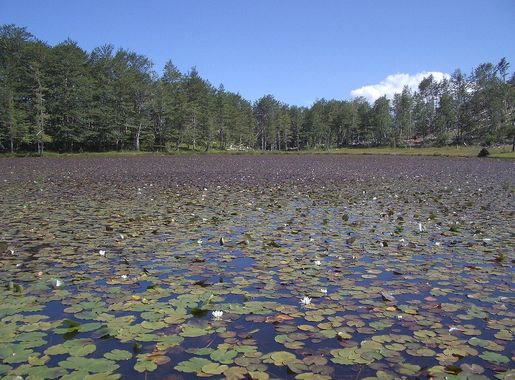
Nestled within the heart of the Lura National Park, the Lura Lakes in Albania are a hidden gem waiting to be discovered by nature enthusiasts and adventure seekers alike. This stunning series of glacial lakes, surrounded by dense forests and rugged mountains, offers a tranquil and picturesque escape from the hustle and bustle of everyday life. Each of the twelve lakes, known collectively as the Lura Lakes, has its own unique charm and beauty. The larger lakes like the Big Lake and Black Lake are perfect for a serene boat ride or a refreshing swim, while the smaller ones provide ideal spots for picnicking and basking in the untouched natural beauty. The clear, blue waters reflect the surrounding greenery and the peaks of the Dajti Mountain, creating a breathtaking panorama that is perfect for photography. The area is also rich in biodiversity, making it a haven for bird watchers and wildlife enthusiasts. You might catch glimpses of rare species like the golden eagle or the Balkan lynx. Hiking trails crisscross the landscape, offering varying levels of difficulty for both casual walkers and serious hikers. The trails lead through ancient forests of pine and beech, past cascading waterfalls, and up to vantage points with spectacular views of the lakes and the surrounding mountains. Whether you are looking to immerse yourself in nature, enjoy outdoor activities, or simply relax in a peaceful setting, the Lura Lakes provide a perfect destination. Their serene beauty and natural splendor make them a must-visit for anyone traveling through Albania.