

Puka Region, Albania Travel Guide
Discover the unspoiled beauty and rich cultural heritage of the Puka Region in northern Albania, a haven for nature lovers, history enthusiasts, and adventure seekers.
Nestled in the northern highlands of Albania, the Puka Region is a destination brimming with natural beauty and cultural richness. This unspoiled area offers visitors a chance to immerse themselves in stunning landscapes, from rolling hills and lush forests to pristine lakes and winding rivers. The serene environment makes it an ideal spot for those seeking tranquility and a deep connection with nature. Puka is not just about breathtaking vistas; it is also steeped in history and tradition. The region is home to charming villages where you can experience authentic Albanian culture. Local hospitality is warm and welcoming, and you can savor traditional dishes that have been passed down through generations. The rich folklore and customs of the Puka people add a layer of depth to your visit, making it a memorable cultural journey. Adventure seekers will find plenty to do in Puka. Hiking trails abound, leading you through verdant landscapes and offering panoramic views that are truly unforgettable. The region's rivers and lakes provide opportunities for fishing and kayaking. Whether you are an avid nature lover, a history buff, or an adventure enthusiast, the Puka Region has something unique and captivating to offer.

Know before you go
Hi, I'm Eve. Here are a few practical things to know before exploring Puka Region.
- Visit during spring or autumn for the best weather and fewer tourists.
- Wear sturdy hiking boots as many trails can be rough and uneven.
- Learn a few basic Albanian phrases; locals appreciate the effort.
- Try local dishes like 'fërgesë' and 'tavë kosi' for an authentic culinary experience.
- Bring cash, as ATMs and card payment options can be scarce in remote areas.

Best landmarks in Puka Region
Top-rated picks
Best Landmarks

Rozafa Castle
Explore the ancient Rozafa Castle in Shkodër: a historic fortress with panoramic views, rich Illyrian, Venetian, and Ottoman heritage, and the legend of Rozafa.

Përparim Laçi Guesthouse
Experience authentic Albanian hospitality at Përparim Laçi Guesthouse, surrounded by stunning mountain scenery and delicious local cuisine in Pukë.
Hotel Turizmi Puka
Experience comfort and local flavor at Hotel Turizmi Puka, your gateway to the Albanian Alps and the cultural heart of Puka.

Puka City
Escape to Puka City Park: A serene Albanian retreat with lush landscapes, cultural charm, and breathtaking natural beauty.


Best shops in Puka Region
Top-rated picks
Best Shops

Gift Shop Souvenir Albania
Explore the heart of Shkodër at Gift Shop Souvenir Albania, your destination for authentic souvenirs and unique jewelry that capture the spirit of Albania.

boutique pearl
Discover Boutique Pearl in Shkodër, Albania: A shopping haven featuring local crafts, international brands, and a taste of Albanian culture.

Explore Puka Region on the Map
A handpicked selection of must-see spots in Puka Region, mapped for you.
Puka Region Essentials
-
Puka Region is located in northern Albania. The nearest international airport is Tirana International Airport Nënë Tereza, approximately 120 kilometers away. From Tirana, you can take a bus or hire a private taxi to reach Puka. The journey typically takes around 3 hours by road. Alternatively, you can rent a car and drive yourself, which allows for flexibility and the opportunity to explore the scenic routes.
-
Puka Region is relatively small, and many attractions are within walking distance. For longer trips, local taxis are available, though it is advisable to agree on the fare beforehand. Public buses operate within the region and connect to nearby villages. Renting a car can also be a convenient option for exploring the area at your own pace. Keep in mind that road conditions can vary, so a vehicle with good suspension is recommended.
-
The official currency in Albania is the Albanian Lek (ALL). Credit cards are accepted in some hotels, restaurants, and shops, but it is advisable to carry cash, especially in smaller establishments and rural areas. ATMs are available in Puka, but it is wise to withdraw sufficient cash before traveling to ensure you have enough funds. Some places may also accept Euros, but it’s best to have local currency.
-
Puka Region is generally a safe destination for tourists. However, like any travel destination, it is advisable to take standard precautions. Avoid walking alone at night in unfamiliar areas and keep an eye on your belongings in crowded places. While there are no specific high-crime areas targeting tourists, it is always best to stay vigilant and aware of your surroundings.
-
In case of emergency, dial 112 for immediate assistance. The local police station and medical facilities are available in Puka. It is recommended to have travel insurance that covers medical emergencies. For minor health issues, there are pharmacies in the town where you can purchase over-the-counter medications. English may not be widely spoken, so having a translation app or phrasebook could be useful.
-
Fashion: Do dress modestly, especially when visiting religious sites. Avoid wearing revealing clothing. Religion: Do respect local customs and traditions. Always cover your head when entering churches and other religious sites. Public Transport: Do be respectful and give up your seat to elderly passengers. Don’t eat or drink on public transport. Greetings: Do greet people with a handshake. A slight bow of the head is also a sign of respect. Eating & Drinking: Do try local delicacies and accept food offerings graciously. Don’t refuse hospitality, as it is considered impolite.
-
To experience Puka Region like a local, visit the local markets where you can buy fresh produce and traditional Albanian goods. Engage with locals, as they are often friendly and willing to share stories about the region's history and culture. Don’t miss visiting the Puka Lake and the surrounding pine forests, which offer breathtaking natural beauty. For a unique experience, try the local cuisine, especially dishes like 'Fërgesë' and 'Tavë Kosi'.
When is the best time to visit Puka Region?
Useful Local Phrases for Puka Region
You don't need to speak the language perfectly. Even learning a few simple words can make conversations warmer—and locals usually appreciate the effort.
— Eve

Here are the phrases I use most often in Puka Region. Try a few—you'll be surprised how far they go! 😊
❤️
-
- HelloMirëdita
[mee-reh-dee-tah] - GoodbyeMirupafshim
[mee-roo-pahf-sheem] - YesPo
[poh] - NoJo
[yoh] - Please/You're welcomeJu lutem
[yoo loo-tehm] - Thank youFaleminderit
[fah-leh-meen-deh-reet] - Excuse me/SorryMë falni
[muh fahl-nee] - How are you?Si jeni?
[see yeh-nee] - Fine. And you?Mirë. Dhe ju?
[mee-reh. dhe yoo] - Do you speak English?Flisni anglisht?
[flees-nee ahng-leesht] - I don't understandNuk kuptoj
[nook koop-toy]
- HelloMirëdita
-
- I'd like to see the menu, pleaseDo të doja të shikoja menunë, ju lutem
[doh tuh doh-yah tuh shee-koh-yah meh-noo-nuh yoo loo-tehm] - I don't eat meatNuk ha mish
[nook hah meesh] - Cheers!Gëzuar!
[geh-zoo-ahr] - I would like to pay, pleaseDo të doja të paguaja, ju lutem
[doh tuh doh-yah tuh pah-gwah-yah yoo loo-tehm]
- I'd like to see the menu, pleaseDo të doja të shikoja menunë, ju lutem
-
- Help!Ndihmë!
[ndee-muh] - Go away!Shko larg!
[sh-koh lahrg] - Call the Police!Thirrni Policinë!
[theer-nee poh-lee-tsee-nuh] - Call a doctor!Thirrni një doktor!
[theer-nee nyuh dohk-tohr] - I'm lostJam humbur
[yahm hoom-boor] - I'm illJam i sëmurë
[yahm ee suh-moo-ruh]
- Help!Ndihmë!
-
- I'd like to buy...Do të doja të blija...
[doh tuh doh-yah tuh bleeh-yah] - I'm just lookingPo vetëm shikoj
[poh veh-tehm shee-koy] - How much is it?Sa kushton?
[sah koosh-tohn] - That's too expensiveKy është shumë i shtrenjtë
[koo ehs-teh shoo-muh ee shtrehn-jteh] - Can you lower the price?A mund të ulni çmimin?
[ah moon-deh tuh ool-nee chmee-meen]
- I'd like to buy...Do të doja të blija...
-
- What time is it?Sa është ora?
[sah ehs-teh oh-rah] - It's one o'clockËshtë një ora
[ehs-teh nyuh oh-rah] - Half past (10)Njëmbëdhjetë
[nyuhm-behdh-yeh-teh] - MorningMëngjes
[muhn-jehs] - AfternoonPasdite
[pahs-dee-teh] - EveningMbrëmje
[uhm-brehm-yeh] - YesterdayDje
[djeh] - TodaySot
[soht] - TomorrowNesër
[neh-sahr] - 1Një
[nyuh] - 2Dy
[doo] - 3Tërë
[tehr] - 4Katër
[kah-ter] - 5Pesë
[peh-suh] - 6Gjashtë
[g-yahsht] - 7Shtatë
[sh-taht] - 8Tetë
[teh-tuh] - 9Nëntë
[nuhn-tuh] - 10Dhjetë
[dh-yeh-teh]
- What time is it?Sa është ora?
-
- Where's a/the...?Ku është një/...?
[koo ehs-teh nyuh/...?] - What's the address?Çfarë është adresa?
[ch-fah-reh ah-dreh-sah] - Can you show me (on the map)?A mund të më tregoni (në hartë)?
[ah moon-deh tuh muh tro-goh-nee (nuh hahr-teh)] - When's the next (bus)?Kur është autobusi i ardhshëm?
[koor ehs-teh aow-boos-ee ee ahrd-shuhm] - A ticket (to ....)Një biletë (për ....)
[nyuh bee-leh-teh (puhr ....)]
- Where's a/the...?Ku është një/...?
History of Puka Region
-
The Puka Region has a rich history dating back to ancient times. Archaeological findings suggest that the area was inhabited by Illyrian tribes. Their presence is evidenced by the numerous tumuli and other artifacts found near the village of Koman. These early settlers laid the groundwork for the region's future development and cultural evolution.
-
During the Medieval period, Puka became part of the Byzantine Empire and later fell under the control of various feudal lords. The region's strategic location made it a target for Ottoman expansion in the 15th century. Under Ottoman rule, Puka experienced significant changes, including the introduction of Islam and the construction of important architectural structures like mosques and bridges, many of which still stand today.
-
The Puka Region played a crucial role in Albania's struggle for independence from the Ottoman Empire in the late 19th and early 20th centuries. Local leaders and warriors from Puka were actively involved in uprisings and resistance movements. The area became a hotbed of nationalist activity, contributing to the eventual establishment of an independent Albanian state in 1912.
-
Following World War II, Albania fell under communist rule, and Puka, like the rest of the country, experienced significant social and economic transformations. The regime focused on developing infrastructure and industry, leading to the construction of roads, schools, and healthcare facilities in the region. The collectivization of agriculture and the promotion of atheism also left a lasting impact on the local culture and way of life.
-
With the fall of communism in the early 1990s, Puka entered a period of cultural revival and economic transition. Efforts have been made to preserve the region's rich cultural heritage, including traditional crafts, music, and folklore. The local government and various organizations have worked to promote tourism, highlighting Puka's natural beauty and historical significance as key attractions for visitors.
Neighbouring destination travel guides
Browse our curated selection of top destinations, scenic points, and must-visit spots in the area.




Your all‑in‑one travel companion app
Explore expert travel guides, compare and book tours, experiences, hotels, and more—all from the palm of your hand. Download now for seamless trip planning wherever your wanderlust takes you.


Explore More of Puka
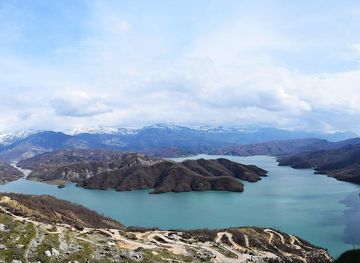
Looking beyond Puka Region? Discover Puka for broader travel guides, local hot-spots, and regional highlights.
Explore PukaExplore More of Albania

Looking beyond Puka Region? Discover Albania for broader travel guides, local hot-spots, and regional highlights.
Explore AlbaniaPuka Region in Photos
Browse through our photo collection highlighting the charm and character of the destination.
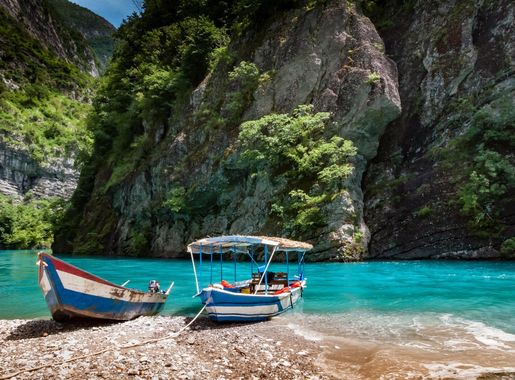


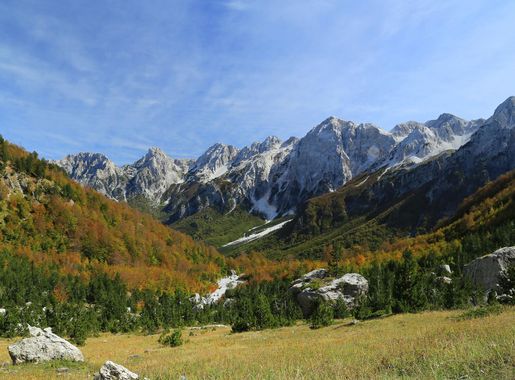


The Enchanting Puka Region: Albania's Hidden Gem
Nestled in the northern highlands of Albania, the Puka Region is a destination brimming with natural beauty and cultural richness. This unspoiled area offers visitors a chance to immerse themselves in stunning landscapes, from rolling hills and lush forests to pristine lakes and winding rivers. The serene environment makes it an ideal spot for those seeking tranquility and a deep connection with nature. Puka is not just about breathtaking vistas; it is also steeped in history and tradition. The region is home to charming villages where you can experience authentic Albanian culture. Local hospitality is warm and welcoming, and you can savor traditional dishes that have been passed down through generations. The rich folklore and customs of the Puka people add a layer of depth to your visit, making it a memorable cultural journey. Adventure seekers will find plenty to do in Puka. Hiking trails abound, leading you through verdant landscapes and offering panoramic views that are truly unforgettable. The region's rivers and lakes provide opportunities for fishing and kayaking. Whether you are an avid nature lover, a history buff, or an adventure enthusiast, the Puka Region has something unique and captivating to offer.