

Free Krujë Travel Guide & Mobile App
Plan your Krujë trip with Evendo. Get free guides to top attractions, restaurants, hotels, and bars. Web access or download the mobile app.


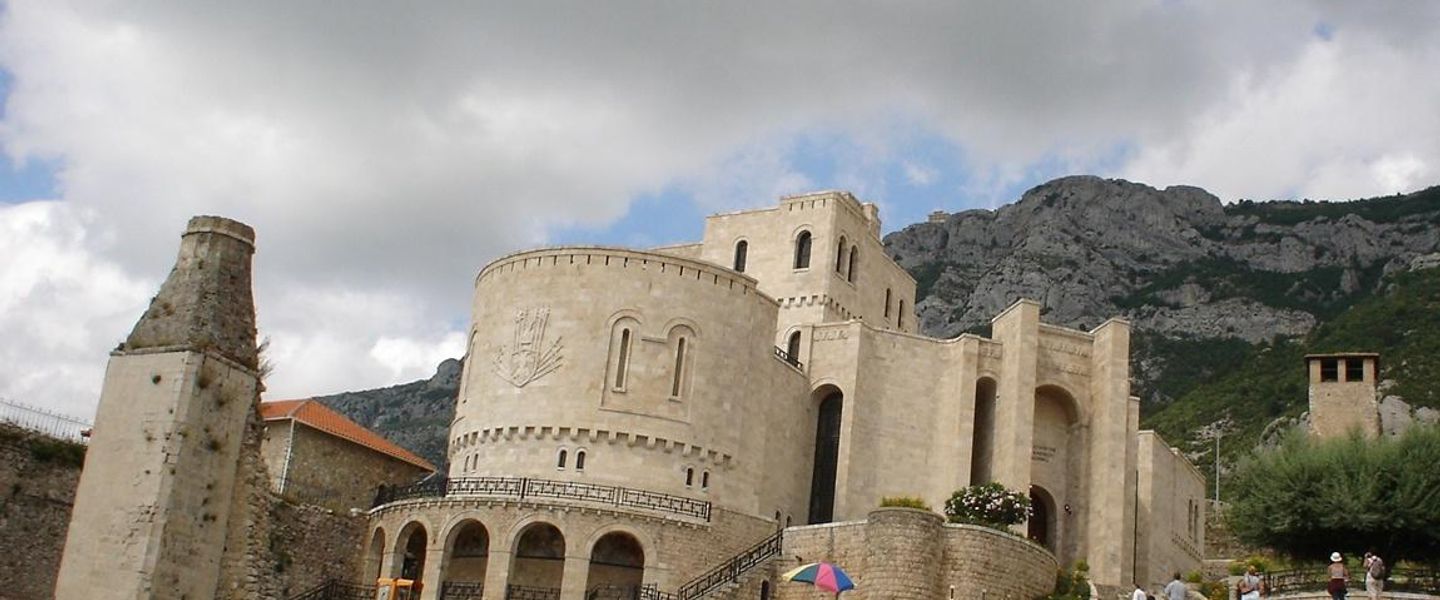


Krujë, Albania, pairs Skanderbeg’s castle, mountain views, Ottoman-era streets, museums and artisan bazaars with a powerful national history.
A Citadel Above the Plain
Krujë rises on the lower slopes of Mount Krujë, where steep limestone country gives way to the broad coastal plain north of Tirana. Its castle walls, compact old town and long views towards the Adriatic make the city feel both fortified and open to the landscape. The historic centre is small enough to explore on foot, yet its layered past gives every street added depth: Illyrian and medieval associations, the memory of Albania’s national hero George Kastrioti Skanderbeg, Ottoman-era commerce and the religious traditions of Bektashi Islam all remain visible.Read more about Krujë
Skanderbeg’s City
Mountain Culture and Living Tradition
When is the best time to visit Krujë?
Best: June–August · 27–29°C| Month | High (°C) | Rainfall (mm) |
|---|---|---|
| January | 8 | 100 |
| February | 9 | 100 |
| March | 15 | 100 |
| April | 20 | 100 |
| May | 24 | 100 |
| June (best) | 27 | 40 |
| July (best) | 29 | 40 |
| August (best) | 29 | 40 |
| September | 25 | 100 |
| October | 20 | 100 |
| November | 15 | 100 |
| December | 9 | 100 |
Getting to and around Krujë
How to get there
Transportation
Best attractions in Krujë
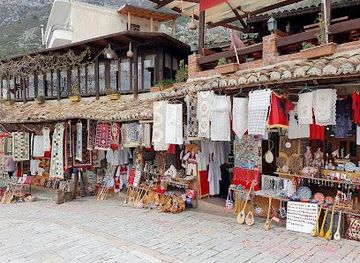
Krujë’s principal attractions are concentrated around its hilltop castle and the historic streets below. The Skanderbeg Museum uses dramatic architecture, artefacts and historical interpretation to present George Kastrioti’s fifteenth-century resistance to Ottoman expansion, while the National Ethnographic Museum occupies an Ottoman-era house and introduces domestic life, crafts and furnishings from the region. The Old Bazaar descends from the fortress in a narrow, atmospheric line of timber-fronted shops and workshops selling textiles, carpets, carved objects, copperware and souvenirs. Within the castle precinct, the remains of the Dollma Tekke and the ruined Fatih Mosque add religious and architectural dimensions to the visit. Higher on Mount Krujë, the Sari Salltik shrine offers a major Bektashi pilgrimage site and expansive views over the central Albanian plain. Together, these places make Krujë a compact destination where national history, mountain scenery, religious tradition and living craft culture can be explored within a short walking circuit.
-
Tourist attraction
Skanderbeg Square
Discover Skanderbeg Square in Tirana: a vibrant hub of history, culture, and modern life, honoring Albania's national hero and rich heritage.
40 min drive · 20 km from city centre
-
Castle
Castle of Kruja
Explore Kruja Castle: a historic Albanian fortress offering stunning views, rich museums, and a vibrant bazaar.
3 min walk · 0.2 km from city centre
-
Museum
Bunk'Art 2
Explore Albania's secretive past in a Cold War-era bunker turned museum, revealing the chilling history of political persecution.
40 min drive · 20 km from city centre
-
City park
Tirana Park
Escape to Tirana's Grand Park: A green sanctuary with a lake, gardens, and historical monuments, perfect for recreation and relaxation.
42 min drive · 22 km from city centre


Best landmarks in Krujë
Krujë Castle is the city’s defining landmark, occupying a strategic ridge above the plain and preserving defensive walls, religious remains and buildings connected with its long political history. The Skanderbeg Museum, designed in a monumental modern style within the fortress area, gives the citadel its strongest national symbolism, while the National Ethnographic Museum is significant for its preservation of an Ottoman-era urban house and regional domestic culture. The Dollma Tekke represents the Bektashi presence that has shaped Krujë’s religious identity, and the remains of the Fatih Mosque recall the town’s Ottoman period. Above the settlement, the Sari Salltik shrine is both a sacred site and a geographical marker on the mountain. The Old Bazaar, with its narrow alignment, timber details and craft premises, is an architectural reminder of Krujë’s historic commercial life and the route linking town to fortress.
-
Castle
Castle of Kruja
Discover the historic Castle of Kruja, Albania's symbol of resistance. Explore museums, wander ancient walls, and enjoy stunning panoramic views.
3 min walk · 0.2 km from city centre
-
Cultural landmark
Tirana Castle
Explore Tirana Castle: A blend of Byzantine history, Ottoman influence, and modern Albanian culture in the heart of Tirana.
40 min drive · 20 km from city centre
-
Museum
Gjergj Kastrioti National Museum (Skanderbeg)
Explore the life and legacy of Albania's national hero, Skanderbeg, within the walls of the historic Krujë Castle. A journey through Albanian history.
3 min walk · 0.2 km from city centre
-
Tourist attraction
Kruja Bazaar
Explore Kruja Bazaar: A historic marketplace with vibrant Albanian crafts, culture, and unique souvenirs, nestled beneath the iconic Kruja Castle.
2 min walk · 0.2 km from city centre

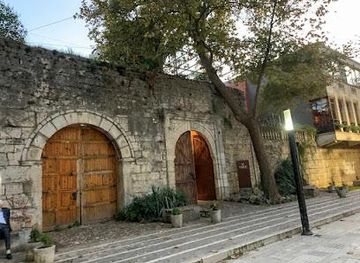


Explore Krujë on the map
Plan your Krujë trip on one map. See where the top attractions, landmarks, restaurants, bars and hotels are, find what's near where you're staying, and book hotels and experiences in a few clicks.
Best hotels in Krujë
Best restaurants in Krujë
Krujë’s food reflects central and northern Albanian cooking, with mountain produce, grilled meats, fresh salads, yoghurt, beans, peppers and seasonal vegetables commonly appearing on menus. Traditional restaurants around the castle and lower town often serve dishes such as tavë kosi, a baked lamb and yoghurt preparation, qofte, byrek and slow-cooked meat, while bread, olives and local dairy products provide familiar accompaniments. The surrounding countryside contributes fruit, herbs and preserves, and coffee remains an important part of the day. Dining near the historic centre often comes with broad views across the plain, although the most atmospheric settings may be reached by sloping streets. Choices are generally more traditional than experimental, with menus aimed at visitors as well as local families. Vegetarian dishes are available, but travellers with strict dietary requirements should explain them clearly, since recipes and ingredients can vary between establishments.
-
Restaurant
Bar Restorant Bardhi Agroturizëm
Discover delicious traditional Albanian cuisine and outstanding pizza at Bar Restorant Bardhi Agroturizëm in scenic Krujë.
4 min walk · 0.3 km from city centre
-
 Restaurant
Nord Park Resort
Discover Nord Park Resort: A perfect blend of culinary delights and nature's beauty in Fushë-Krujë, Albania.
27 min drive · 9.0 km from city centre
-
Restaurant
Brazil Restaurant
Discover authentic Brazilian cuisine at Brazil Restaurant in Arrameras, where every dish tells a story of flavor and tradition.
23 min drive · 7.6 km from city centre
-
Restaurant
Bar Restaurant Horizont Kruje
Experience exquisite dining at Bar Restaurant Horizont in Krujë, offering stunning views and a diverse menu blending local flavors and classic pizzas.
16 min walk · 1.3 km from city centre


Best bars in Krujë
Krujë has a restrained evening scene rather than a major club district. After the day’s visitors depart, cafés and restaurants around the lower town and castle approach provide the main opportunities for coffee, conversation, local beer or a glass of Albanian wine. Evenings are more social and unhurried than entertainment-led, and many visitors spend their time walking the quieter lanes or enjoying views from hillside restaurants. Traditional music may feature at cultural events or in venues presenting Albanian cuisine, but large-scale nightclub programming is limited compared with Tirana or the coastal resorts. The Old Bazaar is primarily a daytime shopping area, so its atmosphere changes after the workshops close. Visitors heading into the mountain should arrange return transport beforehand, as late options can be limited outside the central streets.
-
Restaurant
Bar Restorant Bardhi Agroturizëm
Experience the flavors of Albania at Bar Restorant Bardhi Agroturizëm, where delicious pizzas and warm hospitality await in charming Krujë.
4 min walk · 0.3 km from city centre
-
Bar
Bar Restaurant Horizont Kruje
Discover the flavors of Albania at Bar Restaurant Horizont in Kruje, with stunning views and delicious cuisine that will delight every palate.
16 min walk · 1.3 km from city centre
-
Bar
Bar Restaurant Horizont & Free Camping Kruje
Discover the flavors of Albania at Bar Restaurant Horizont & Free Camping, where delicious food meets stunning natural beauty in Krujë.
16 min walk · 1.3 km from city centre
-
Restaurant
Restaurant KROI
Experience the rich flavors of Albanian cuisine at Restaurant KROI, a culinary gem in Krujë offering traditional dishes and stunning views.
2 min walk · 0.2 km from city centre


Best nightclubs in Krujë
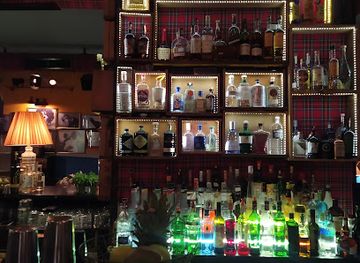
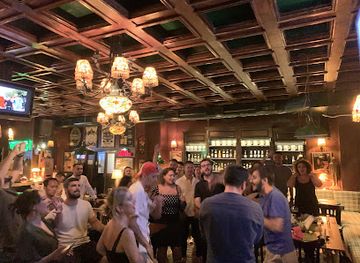
Krujë has a restrained evening scene rather than a major club district. After the day’s visitors depart, cafés and restaurants around the lower town and castle approach provide the main opportunities for coffee, conversation, local beer or a glass of Albanian wine. Evenings are more social and unhurried than entertainment-led, and many visitors spend their time walking the quieter lanes or enjoying views from hillside restaurants. Traditional music may feature at cultural events or in venues presenting Albanian cuisine, but large-scale nightclub programming is limited compared with Tirana or the coastal resorts. The Old Bazaar is primarily a daytime shopping area, so its atmosphere changes after the workshops close. Visitors heading into the mountain should arrange return transport beforehand, as late options can be limited outside the central streets.
-
Cocktail bar
Radio bar Tirana
Discover the lively spirit of Tirana at Radio Bar, where expertly crafted cocktails and vibrant nightlife await!
41 min drive · 21 km from city centre
-
Irish pub
New Irish Pub
Discover the vibrant atmosphere of New Irish Pub in Tirana, where Irish hospitality meets live music and delicious cuisine.
41 min drive · 21 km from city centre
-
Jazz
Hemingway Bar Tirana
Immerse yourself in the rhythmic vibes of jazz and vibrant nightlife at Hemingway Bar Tirana, a cultural hub for music lovers.
40 min drive · 20 km from city centre
-
Bar
Bar Restaurant Horizont & Free Camping Kruje
Experience the perfect blend of delicious cuisine and scenic camping in Krujë, Albania at Bar Restaurant Horizont.
16 min walk · 1.3 km from city centre


Best shops in Krujë
Shopping in Krujë centres on the Old Bazaar, where small workshops and stalls occupy the historic route below the castle. Visitors will find Albanian textiles, woven rugs, embroidered items, carved wood, copperware, filigree-style jewellery, ceramics and souvenirs associated with Skanderbeg and national history. Quality and provenance vary, so it is sensible to examine handmade goods carefully and ask what has been produced locally. Traditional garments and decorative fabrics reflect regional craft traditions, while olive oil, raki, honey and other food products offer practical gifts when properly packaged for travel. The bazaar is more intimate than a modern shopping centre, with independent sellers and family businesses shaping the experience. The lower town has ordinary shops for daily needs, but the historic quarter remains the main place to browse craft goods and observe how commerce continues within Krujë’s heritage setting.
-
Shopping mall
Toptani
Explore Toptani Shopping Mall in Tiranë for a unique blend of shopping, dining, and cultural experiences in the heart of Albania.
40 min drive · 20 km from city centre
-
Bazar
Kruja Bazaar
Explore the rich history and vibrant culture of Kruja Bazaar, a bustling market showcasing the best of Albanian crafts and cuisine.
2 min walk · 0.2 km from city centre
-
Souvenir store
Souvenir Albani
Explore Souvenir Albani in Krujë for authentic Albanian crafts and unique jewelry that captures the essence of your travels.
2 min walk · 0.2 km from city centre
-
Bazar
Pazari i vjetër
Discover Pazari i Vjetër in Krujë, a captivating bazaar filled with local crafts, delicious food, and rich Albanian culture for an unforgettable visit.
2 min walk · 0.2 km from city centre



Get your free copy of our complete guide to Krujë, delivered straight to you.
Everything on this page, from attractions and restaurants to essentials and local phrases, in one PDF you can read offline, print or share.
Already have an account? Sign in
Your Krujë guide is ready.
We'll send it to · Not you? Sign out

Getting your guide ready…
We are putting together a fresh copy of the Krujë guide. This can take up to a minute.
This can take a few moments. If your browser asks, choose Allow so the download can start. You'll find the guide in your Downloads folder.
Nothing happened? Download it again
Sorry, the guide is taking longer than usual. Please try again in a minute, or get it by email instead.
Krujë essentials
Currency and Payment
Safety
Emergency Situations
Do's and Don'ts
Local Tips
From Eve
Local phrases worth knowing
You don't need to get them perfect. A few words go a long way, and locals appreciate the effort.
Basics
| English | Local | Say it |
|---|---|---|
| Hello | Përshëndetje | [Pur-shen-de-tye] |
| Goodbye | Mirupafshim | [Mee-roo-paf-sheem] |
| Yes | Po | [Po] |
| No | Jo | [Yo] |
| Please/You're welcome | Ju lutem | [Yoo loo-tem] |
| Thank you | Faleminderit | [Fa-le-meen-de-reet] |
| Excuse me/Sorry | Më falni | [Muh fal-nee] |
| How are you? | Si jeni? | [See ye-nee?] |
| Fine. And you? | Mirë. Dhe ti? | [Mee-ruh. The tee?] |
| Do you speak English? | Flisni anglisht? | [Flee-snee ahng-leesht?] |
| I don't understand | Nuk kuptoj | [Nook koop-toy] |
Eating & Drinking
| English | Local | Say it |
|---|---|---|
| I'd like to see the menu, please | Do të doja të shikoja menynë, ju lutem | [Do tuh do-ya tuh shee-koy-a meh-nye, yoo loo-tem] |
| I don't eat meat | Nuk ha mish | [Nook ha meesh] |
| Cheers! | Gëzuar! | [Guh-zoo-ar] |
| I would like to pay, please | Do të doja të paguaja, ju lutem | [Do tuh do-ya tuh pah-gwah-ya, yoo loo-tem] |
Emergencies
| English | Local | Say it |
|---|---|---|
| Help! | Ndihmë! | [Ndee-muh] |
| Go away! | Shko larg! | [Shko lar-g] |
| Call the Police! | Thirr policinë! | [Theer poh-lee-seen] |
| Call a doctor! | Thirr një doktor! | [Theer nyuh dohk-tor] |
| I'm lost | Jam i humbur | [Yam ee hoom-boor] |
| I'm ill | Jam i sëmurë | [Yam ee suh-moo-ruh] |
Shopping
| English | Local | Say it |
|---|---|---|
| I'd like to buy... | Do të doja të blaja... | [Do tuh do-ya tuh bla-ya] |
| I'm just looking | Po vetëm shikoj | [Po ve-tem shee-koy] |
| How much is it? | Sa kushton? | [Sah koosh-ton] |
| That's too expensive | Është shumë e shtrenjtë | [Uh-shtuh shoo-muh eh shtren-jteh] |
| Can you lower the price? | A mund të ulni çmimin? | [Ah moon-duh tuh ool-nee ch-mee-meen] |
Time & Numbers
| English | Local | Say it |
|---|---|---|
| What time is it? | Sa është ora? | [Sah uh-shtuh oh-rah] |
| It's one o'clock | Është një e ora | [Uh-shtuh nyuh eh oh-rah] |
| Half past (10) | Njëçerek pas (10) | [Nyuh-chuh-rek pahs] |
| Morning | Mëngjes | [Muhn-gyes] |
| Afternoon | Pasdite | [Pahs-dee-teh] |
| Evening | Mbrëmje | [Mbruhm-ye] |
| Yesterday | Dje | [Dyeh] |
| Today | Sot | [Sot] |
| Tomorrow | Nesër | [Neh-suh] |
| 1 | Një | [Nyuh] |
| 2 | Dy | [Duh] |
| 3 | Tre | [Treh] |
| 4 | Katër | [Ka-ter] |
| 5 | Pesë | [Peh-suh] |
| 6 | Gjashtë | [Gyahsht] |
| 7 | Shtatë | [Shtah-tuh] |
| 8 | Tetë | [Tuh-tuh] |
| 9 | Nëntë | [Nuhn-tuh] |
| 10 | Dhjetë | [Dyeh-tuh] |
Transport & Directions
| English | Local | Say it |
|---|---|---|
| Where's a/the...? | Ku është një/ai...? | [Koo uh-shtuh nyuh/ai] |
| What's the address? | Çfarë është adresa? | [Ch-fah-ruh uh-shtuh a-dre-sa] |
| Can you show me (on the map)? | A mund të ma tregoni (në hartë)? | [Ah moon-duh tuh mah tro-go-nee (nuh har-tuh)] |
| When's the next (bus)? | Kur është autobusi i ardhshëm? | [Koor uh-shtuh ow-toh-boo-see ee ar-dh-shem] |
| A ticket (to ....) | Një biletë (për ....) | [Nyuh bee-le-teh (puhr)] |
History of Krujë
Early Settlement and Arbanon
The Krujë area has ancient Illyrian roots, although the surviving town developed through several later phases rather than from one clearly documented foundation. Its position above the route between the coastal plain and the interior gave the hill strategic value. In the late twelfth and early thirteenth centuries, Krujë became associated with the medieval Principality of Arbanon, traditionally linked with Progon and his successors. Byzantine, local Albanian and later regional powers competed for influence across this frontier landscape. The castle’s commanding position and the settlement around it reflect Krujë’s enduring role as a defensive and administrative centre. Medieval references establish the city as one of the important seats of early Albanian political organisation, long before its later fame as the stronghold of Skanderbeg.
The Kastrioti Stronghold
During the fourteenth and early fifteenth centuries, Krujë was connected with the Kastrioti family, whose lands extended across parts of central and northern Albania. George Kastrioti, known as Skanderbeg, had served in the Ottoman military before returning to Albania in 1443 and taking control of Krujë. From the castle he organised resistance against Ottoman expansion and became the leading figure of an alliance of Albanian princes. The Assembly of Lezhë in 1444 created a broader military coalition, while Krujë served as its principal symbolic and strategic centre. Skanderbeg’s leadership later became central to Albanian national identity, though the fifteenth-century struggle also belonged to the wider conflicts between the Ottoman Empire and European powers in the Balkans.
Sieges and Ottoman Conquest
Krujë endured several major Ottoman assaults during Skanderbeg’s campaigns. The siege of 1450 was repelled, and further attempts followed in 1466 and 1467. These confrontations made the fortress famous across contemporary Europe and turned Krujë into a powerful symbol of resistance. After Skanderbeg’s death in 1468, the defensive position became increasingly difficult to maintain. Ottoman forces captured Krujë in 1478, bringing the city firmly into the imperial system. The conquest altered its political importance, population patterns and institutions, but did not erase its strategic value. The castle and the memory of the sieges continued to shape local identity, while Ottoman rule introduced new administrative, commercial and religious influences.
Ottoman Town and Sacred Traditions
Under Ottoman rule, Krujë developed as a provincial town connected to rural communities, mountain routes and the markets of central Albania. The Old Bazaar grew as a place for trade and craft production, with its narrow alignment and small workshops reflecting the commercial form of an Ottoman-era settlement. Mosques, tekkes and other religious institutions contributed to the town’s social landscape. The Dollma Tekke, associated with the Bektashi tradition, remains an important reminder of the religious diversity that shaped Krujë. The Sari Salltik shrine above the city also continues as a place of pilgrimage. These traditions survived changing political circumstances and form an essential part of Krujë’s history beyond the military story of the castle.
National Memory and Modern Krujë
During the nineteenth and early twentieth centuries, Albanian intellectual and political movements increasingly treated Skanderbeg and Krujë as symbols of national history. After Albania’s independence in 1912 and the political changes that followed, the city’s heritage gained renewed public importance. The Skanderbeg Museum, opened in 1982 within the castle complex, presents a strongly national interpretation of the fifteenth-century struggle, while the National Ethnographic Museum records domestic architecture and material culture from the region. Modern Krujë has consequently developed around heritage tourism without losing its function as a living town. Its reconstructed and conserved historic areas, religious sites and mountain setting now connect medieval memory with contemporary craft, trade and everyday life.
Krujë in Photos
Browse through our photo collection highlighting the charm and character of the destination.
Cities near Krujë
The closest cities to Krujë, if you have time for more than one stop.
-

-

-

-

-


Swipe for more cities
Explore more

Explore more of Albania
Discover Albania: A land of untamed beauty, rich history, and warm hospitality, offering stunning beaches, rugged mountains, and vibrant cities.
Explore Albania