

Free Berat Travel Guide & Mobile App
Plan your Berat trip with Evendo. Get free guides to top attractions, restaurants, hotels, and bars. Web access or download the mobile app.


Berat, Albania, pairs Ottoman-era quarters, castle views, Byzantine art and river walks with distinctive cuisine and culture in a historic hillside setting.
Hillside History
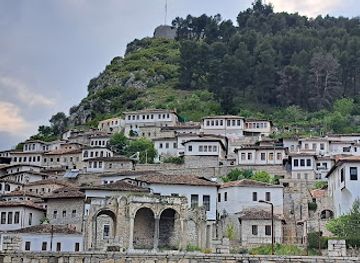
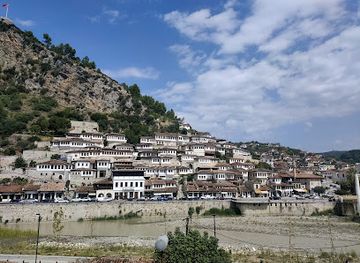
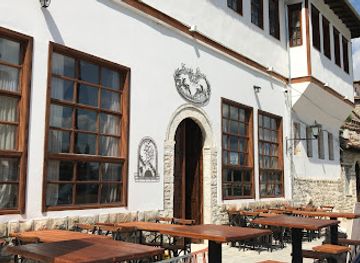
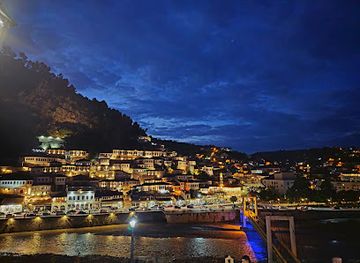
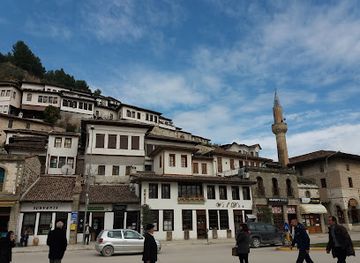
Berat rises above the Osum River in south-central Albania, its white Ottoman houses climbing the slopes beneath the ancient citadel of Kalaja. The city is known as the “City of a Thousand Windows”, a description inspired by the tightly grouped façades and repeated windows of Mangalem, where houses appear to overlap in tiers above the river. Across the water, the Gorica quarter offers a quieter contrast, with stone lanes, traditional homes and views back towards the castle hill.Read more about Berat
Castle and Culture
River Landscapes
When is the best time to visit Berat?
Best: May–June, October · 23–29°C| Month | High (°C) | Rainfall (mm) |
|---|---|---|
| January | 12 | 100 |
| February | 14 | 80 |
| March | 16 | 80 |
| April | 20 | 60 |
| May (best) | 24 | 40 |
| June (best) | 29 | 20 |
| July | 32 | 20 |
| August | 32 | 20 |
| September | 29 | 40 |
| October (best) | 23 | 60 |
| November | 18 | 80 |
| December | 13 | 100 |
Getting to and around Berat
How to get there
Transportation
Best attractions in Berat
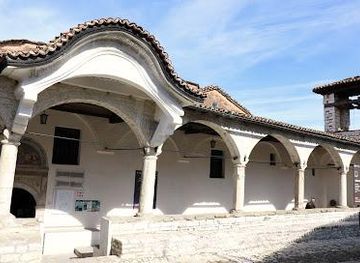
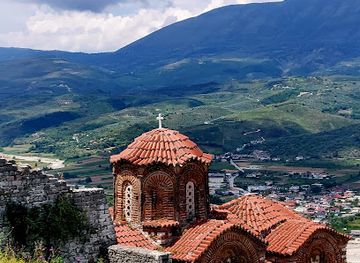
Berat’s principal attraction is Kalaja, the extensive hilltop citadel whose lanes contain churches, traditional houses and viewpoints over the Osum valley. Inside the walls, the Onufri Museum occupies the Church of the Dormition of Saint Mary and displays important Orthodox icons and ecclesiastical art. Below the fortress, Mangalem is best explored slowly, following steep lanes between white Ottoman-era houses whose windows face the river. Across the water, the Gorica quarter offers a more residential atmosphere, while the historic Gorica Bridge creates one of the city’s defining views. The Ethnographic Museum presents domestic life in a traditional Berat house, with rooms arranged around a courtyard and objects associated with local crafts and customs. Riverside walks provide a change of pace, and the nearby countryside introduces vineyards, villages and access routes towards the Osum Canyon.
-
Castle
Berat Castle
Explore Berat Castle, a UNESCO World Heritage Site, where ancient history meets vibrant culture and breathtaking views of Albania's 'City of a Thousand Windows'.
9 min walk · 0.7 km from city centre
-
Bridge
Gorica Bridge
Cross the historic Gorica Bridge in Berat for stunning views, Ottoman-era charm, and a connection to the city's vibrant past. A must-see landmark!
9 min walk · 0.7 km from city centre
-
Art museum
Muzeu Kombëtar Ikonografik Onufri
Discover Albania's rich artistic heritage at the Onufri National Iconographic Museum, showcasing centuries of Byzantine and post-Byzantine art.
8 min walk · 0.7 km from city centre
-
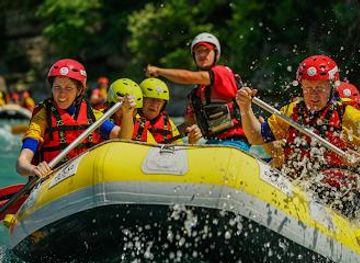
Rafting
Albania Rafting Group Tours
Experience thrilling outdoor adventures with Albania Rafting Group in Berat. Rafting, canyoning, hiking, and more in Albania's stunning landscapes.
5 min drive · 1.6 km from city centre


Best landmarks in Berat
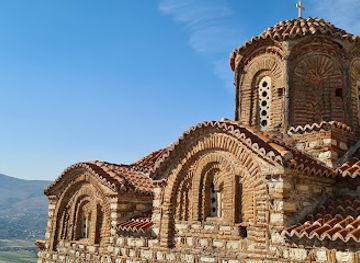
The Castle of Berat is the city’s defining landmark, occupying a fortified hill above the Osum and enclosing a living historic quarter rather than a single monumental building. Its churches include the Church of the Dormition of Saint Mary, home to the Onufri Museum, and the Church of the Holy Trinity, which stands dramatically on the slope. In the lower town, the Lead Mosque and the King Mosque represent the Ottoman-era Islamic heritage of Berat, while the Halveti Tekke reflects the city’s Sufi traditions. The white façades of Mangalem form an architectural landmark in their own right, arranged in close tiers towards the river. Across the water, the stone Gorica Bridge has long linked the two historic sides and remains one of Berat’s most recognisable civic structures.
-
Castle
Berat Castle
Explore Berat Castle, a UNESCO World Heritage Site: a living fortress with ancient roots, stunning views, and a unique blend of history and culture.
9 min walk · 0.7 km from city centre
-
Historical landmark
Old Town Berat
Discover Berat's Old Town: A UNESCO-listed gem with stunning Ottoman architecture and a rich, layered history waiting to be explored.
3 min walk · 0.2 km from city centre
-
Bridge
Gorica Bridge
Cross the historic Gorica Bridge in Berat, Albania, for stunning views, cultural immersion, and a glimpse into the city's rich Ottoman past.
9 min walk · 0.7 km from city centre
-
Art museum
Muzeu Kombëtar Ikonografik Onufri
Discover Albania's rich artistic heritage at the Onufri Iconographic Museum in Berat Castle, showcasing centuries of Byzantine and post-Byzantine art.
8 min walk · 0.7 km from city centre
Explore Berat on the map
Plan your Berat trip on one map. See where the top attractions, landmarks, restaurants, bars and hotels are, find what's near where you're staying, and book hotels and experiences in a few clicks.
Best hotels in Berat
Best restaurants in Berat
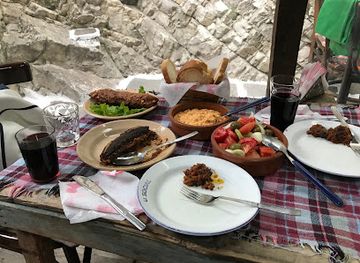
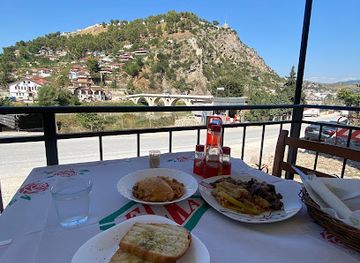
Berat’s food reflects central and southern Albanian traditions, with grilled meats, seasonal vegetables, beans, fresh salads, yoghurt-based dishes and baked specialities appearing in home-style menus. Tavë kosi, a baked dish of lamb and yoghurt associated with Albanian cuisine, is widely encountered, while byrek, qofte and stuffed peppers provide familiar casual choices. Restaurants in Mangalem and around the lower town often occupy renovated stone houses or terraces overlooking the Osum, while family-run eateries serve generous portions of regional cooking rather than elaborate tasting menus. Local olive oil, mountain herbs, fruit preserves and wine from the surrounding Berat region are important parts of the food culture. Cafés are central to daily social life, and the market area is useful for seeing seasonal produce, cheeses and other ingredients used in domestic cooking.
-
Restaurant
Homemade Food Lili
Discover the authentic taste of Albania at Homemade Food Lili – where every dish tells a story.
4 min walk · 0.3 km from city centre
-
Traditional restaurant
Eni Traditional Food Berat
Savor authentic Albanian flavors at Eni Traditional Food in Berat – where tradition meets taste in every bite.
10 min walk · 0.8 km from city centre
-
Restaurant
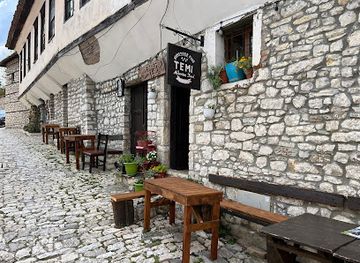
Temi Albanian Food
Experience authentic Albanian cuisine at Temi Albanian Food in Berat - where every dish tells a story.
8 min walk · 0.6 km from city centre
-
Restaurant
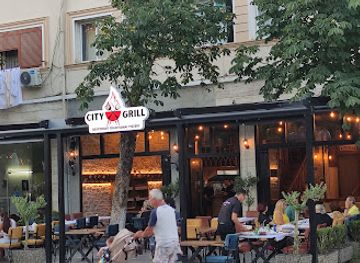
City Grill Berat - Bar&Restaurant
Discover the taste of Albania at City Grill Berat - where tradition meets flavor in an unforgettable dining experience.
2 min walk · 0.1 km from city centre
Best bars in Berat
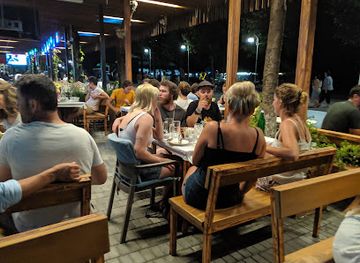
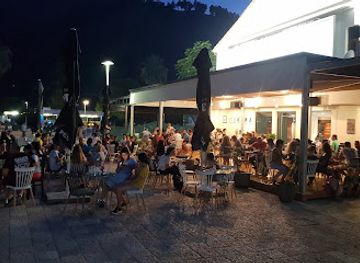
Berat’s evenings are generally sociable and relaxed rather than centred on large nightclubs. Cafés and small bars around the lower town, the riverside and the approaches to Mangalem fill with conversation, coffee, local beer and Albanian or international wine, while terraces provide views towards the illuminated castle. Some restaurants and bars in the historic quarters offer live music or informal evening performances, particularly during the warmer months, though schedules are seasonal and changeable. The atmosphere becomes quieter inside Kalaja after daytime sightseeing, where the narrow lanes and stone buildings suit a calm drink more than a late-night party. Cultural evenings, including performances and festivals when scheduled, can offer a stronger connection to local music and traditions than a conventional club scene.
-
Traditional restaurant
Eni Traditional Food Berat
Discover the unique flavors of Albanian cuisine at Eni Traditional Food, a gem in the heart of Berat, renowned for its authentic dishes and inviting ambiance.
10 min walk · 0.8 km from city centre
-
Restaurant
Piccolo Grande Amore
Discover the authentic flavors of Albania at Piccolo Grande Amore, a charming restaurant near Berat's iconic Saint Demetrius Cathedral.
6 min walk · 0.5 km from city centre
-
Restaurant
Zonja Gjene
Experience authentic Albanian cuisine at Zonja Gjene in Berat, where tradition meets flavor in a warm and inviting atmosphere.
5 min walk · 0.4 km from city centre
-
Restaurant
Antigoni
Experience the rich flavors of Albania at Antigoni, a charming restaurant in Berat known for its authentic dishes and inviting atmosphere.
5 min walk · 0.4 km from city centre
Best nightclubs in Berat
Berat’s evenings are generally sociable and relaxed rather than centred on large nightclubs. Cafés and small bars around the lower town, the riverside and the approaches to Mangalem fill with conversation, coffee, local beer and Albanian or international wine, while terraces provide views towards the illuminated castle. Some restaurants and bars in the historic quarters offer live music or informal evening performances, particularly during the warmer months, though schedules are seasonal and changeable. The atmosphere becomes quieter inside Kalaja after daytime sightseeing, where the narrow lanes and stone buildings suit a calm drink more than a late-night party. Cultural evenings, including performances and festivals when scheduled, can offer a stronger connection to local music and traditions than a conventional club scene.
-
Night club
Bazar Bar Berat
Discover the energy of Bazar Bar Berat, where nightlife, delicious cuisine, and refreshing drinks come together for an unforgettable experience in Albania.
3 min walk · 0.3 km from city centre
-
Bar
Bar Shpëtimi
Experience the vibrant nightlife of Berat at Bar Shpëtimi, where traditional Albanian drinks meet contemporary style in a welcoming atmosphere.
2 min walk · 0.2 km from city centre
-
Bar
Bar Te Albani
Discover the vibrant atmosphere and local flavors at Bar Te Albani, a top bar in Berat, Albania, perfect for unwinding after a day of exploration.
3 min walk · 0.3 km from city centre
-
Cocktail bar
CINEMA Cocktail Bar
Discover the vibrant ambiance of CINEMA Cocktail Bar in Berat, where exquisite cocktails and a cozy coffee shop vibe await every visitor.
4 min walk · 0.3 km from city centre


Best shops in Berat
Shopping in Berat is concentrated around the lower town, the market area and small streets leading towards the historic quarters rather than large modern retail complexes. Visitors can browse family-run shops and stalls for olive oil, honey, raki, preserves, herbs, wine and other produce from the surrounding countryside. Traditional textiles, embroidered items, woven goods and small handmade souvenirs may be found in craft shops, guesthouses and market settings, although selection and opening patterns vary. The old quarters also contain workshops and boutiques selling locally inspired ceramics, woodwork or decorative objects, while ordinary bakeries and food shops offer a more everyday view of local life. Bargaining is not a universal requirement, and a courteous approach is more appropriate than treating every handmade item as a market negotiation.
-
Handicraft
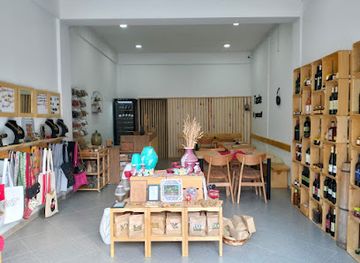
Solidarity Shop Berat
Explore unique handicrafts, herbal remedies, and local wines at Solidarity Shop Berat, a true reflection of Albanian culture and craftsmanship.
1 min walk · 0.1 km from city centre
-
Souvenir store
Gift Shop Mio
Explore Gift Shop Mio in Berat for unique hand-made souvenirs that capture the spirit of Albania, perfect for travelers seeking authentic keepsakes.
1 min walk · 0.1 km from city centre
-
Supermarket
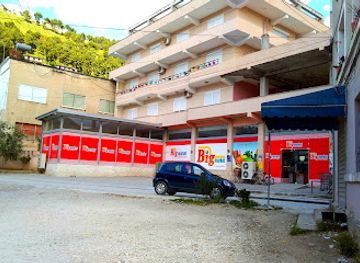
Big Market
Explore the vibrant Big Market in Berat, where local flavors meet international products in a delightful shopping experience.
12 min walk · 1.0 km from city centre
-
Shopping mall
Sports House
Discover the ultimate shopping experience at Sports House in Berat, where style meets affordability and local culture comes alive.
2 min walk · 0.1 km from city centre
Get your free copy of our complete guide to Berat, delivered straight to you.
Everything on this page, from attractions and restaurants to essentials and local phrases, in one PDF you can read offline, print or share.
Already have an account? Sign in
Your Berat guide is ready.
We'll send it to · Not you? Sign out

Getting your guide ready…
We are putting together a fresh copy of the Berat guide. This can take up to a minute.
This can take a few moments. If your browser asks, choose Allow so the download can start. You'll find the guide in your Downloads folder.
Nothing happened? Download it again
Sorry, the guide is taking longer than usual. Please try again in a minute, or get it by email instead.
Berat essentials
Currency and Payment
Safety
Emergency Situations
Do's and Don'ts
Local Tips
From Eve
Local phrases worth knowing
You don't need to get them perfect. A few words go a long way, and locals appreciate the effort.
Basics
| English | Local | Say it |
|---|---|---|
| Hello | Mirëmëngjes | [mee-rum-un-gyes] |
| Goodbye | Mirupafshim | [mee-roo-pahf-sheem] |
| Yes | Po | [poh] |
| No | Jo | [yoh] |
| Please/You're welcome | Ju lutem | [yoo loo-tem] |
| Thank you | Faleminderit | [fa-le-min-dee-reet] |
| Excuse me/Sorry | Më falni | [muh fahl-nee] |
| How are you? | Si jeni? | [see yeh-nee] |
| Fine. And you? | Mirë. Dhe ju? | [mee-rum deh yoo] |
| Do you speak English? | A flisni anglisht? | [ah flees-nee ahn-gleesht] |
| I don't understand | Nuk kuptoj | [nook koop-toy] |
Eating & Drinking
| English | Local | Say it |
|---|---|---|
| I'd like to see the menu, please | Dëshiroj të shoh menunë, ju lutem | [duh-shee-roy tuh shoh meh-noo-nuh yoo loo-tem] |
| I don't eat meat | Unë nuk ha mish | [oo-nuh nook hah meesh] |
| Cheers! | Gëzuar! | [geh-zoo-ar] |
| I would like to pay, please | Dua të paguaj, ju lutem | [doo-ah tuh pah-gwah yoo loo-tem] |
Emergencies
| English | Local | Say it |
|---|---|---|
| Help! | Ndihmë! | [ndee-muh] |
| Go away! | Shko larg! | [shkoh lahrg] |
| Call the Police! | Thirrni policinë! | [theer-nee poh-lee-tsee-nuh] |
| Call a doctor! | Thirrni një doktor! | [theer-nee nyuh dohk-tohr] |
| I'm lost | Jam i humbur | [yahm ee hoom-boor] |
| I'm ill | Jam i sëmurë | [yahm ee suh-moo-ruh] |
Shopping
| English | Local | Say it |
|---|---|---|
| I'd like to buy... | Dua të blej... | [doo-ah tuh bleh] |
| I'm just looking | Po shikoj vetëm | [poh shee-koy veht-uhm] |
| How much is it? | Sa kushton? | [sah kooshton] |
| That's too expensive | Kjo është shumë e shtrenjtë | [kyoh esh-tuh shoo-muh eh shtrehn-jteh] |
| Can you lower the price? | A mund ta ulni çmimin? | [ah moon-d tah ool-nee chmee-meen] |
Time & Numbers
| English | Local | Say it |
|---|---|---|
| What time is it? | Sa është ora? | [sah esh-tuh oh-rah] |
| It's one o'clock | Është një ora | [esh-teh nyuh oh-rah] |
| Half past (10) | Njëmbëdhjetë | [nyuhm-buh-dhyet] |
| Morning | Mëngjes | [muhn-gyes] |
| Afternoon | Pasdite | [pahs-dee-teh] |
| Evening | Mbrëmje | [mbruhm-yeh] |
| Yesterday | Dje | [djeh] |
| Today | Sot | [sot] |
| Tomorrow | Nesër | [neh-sahr] |
| 1 | Një | [nyuh] |
| 2 | Dy | [duh] |
| 3 | Tre | [treh] |
| 4 | Katër | [ka-ter] |
| 5 | Pesë | [peh-seh] |
| 6 | Gjashtë | [gyahsht] |
| 7 | Shtatë | [sh-tah-tuh] |
| 8 | Tetë | [teh-tuh] |
| 9 | Nëntë | [nuhn-tuh] |
| 10 | Dhjetë | [dhyeh-tuh] |
Transport & Directions
| English | Local | Say it |
|---|---|---|
| Where's a/the...? | Ku është një/...? | [koo esh-tuh nyuh] |
| What's the address? | Cila është adresa? | [chee-lah esh-tuh ah-dreh-sah] |
| Can you show me (on the map)? | A mund të më trego (në hartë)? | [ah moon-d tuh muh troh-go (nuh hahr-tuh)] |
| When's the next (bus)? | Kur është autobusi tjetër? | [koor esh-tuh ah-oo-toh-boo-see tyeh-ter] |
| A ticket (to ....) | Një biletë (në ....) | [nyuh bee-leh-tuh (nuh)] |
History of Berat
Antipatreia and Early Settlement
The area around Berat was inhabited in antiquity, and the settlement is generally identified with Antipatreia, a fortified town associated with the Dassaretae and later incorporated into the Macedonian sphere. Its position beside the Osum River made it significant as a route through the interior of southern Illyria. Roman rule brought the wider region into a larger Mediterranean political and commercial system, although the surviving medieval city owes much of its visible form to later centuries. The castle hill remained the fundamental strategic feature: a defensible height overlooking the river valley and the approaches between the coast and inland settlements.
Byzantine and Medieval Berat
After the division of the Roman Empire, Berat developed within the Byzantine world and became known as Pulcheriopolis, a name linked to the Byzantine empress Pulcheria. The fortress and its churches remained important as political authority shifted across the region. Medieval Berat passed through periods of Byzantine, Bulgarian and Serbian influence before becoming associated with Albanian noble families, including the Muzaka dynasty. Religious buildings within and around the castle preserve evidence of Orthodox Christian life during these centuries, while the settlement’s elevated position continued to give it military value and helped shape its compact urban form.
Ottoman Rule and Urban Growth
Berat became part of the Ottoman Empire in the fifteenth century, after the Ottoman conquest of Albanian territories, and its urban character changed over the following centuries. Mangalem expanded on the hillside below the castle, while Gorica developed on the opposite bank of the Osum. Ottoman civic and religious buildings joined the older Christian structures, producing the layered townscape visible today. Houses were built in close-set rows adapted to the slope, with broad windows facing the river and valley. Trade, craft production and administration supported the town, while its religious communities maintained churches, mosques and associated institutions.
Onufri and the City’s Religious Art
Berat became an important centre of Orthodox religious culture, particularly through the work associated with Onufri, a sixteenth-century icon painter celebrated for expressive faces and the use of a distinctive deep red pigment often called “Onufri red”. The Church of the Dormition of Saint Mary within the castle contains the Onufri Museum, whose collection includes icons and ecclesiastical objects from Berat and the surrounding region. The city’s religious heritage also reflects the coexistence of Muslim and Christian communities under Ottoman rule. Churches, mosques and surviving domestic buildings together reveal how spiritual, artistic and everyday life occupied the same small urban landscape.
Modern Albania and Heritage Protection
Berat entered the modern Albanian state in the early twentieth century and experienced the political and social changes that transformed Albania during the interwar, communist and post-communist periods. Unlike many historic settlements, substantial parts of its hillside quarters survived with their traditional form. In 1961, Berat was designated a museum city by the Albanian authorities, strengthening efforts to protect its historic architecture. The historic centres of Berat and Gjirokastër were inscribed together on the UNESCO World Heritage List in 2005, recognising their Ottoman-period townscapes and the way their buildings express a long tradition of urban and cultural exchange.
Travel experiences inspired by this city


Swipe for more travel diaries
Berat in Photos
Browse through our photo collection highlighting the charm and character of the destination.
Cities near Berat
The closest cities to Berat, if you have time for more than one stop.
-

-

-

-

-


Swipe for more cities
Explore more

Explore more of Albania
Discover Albania: A land of untamed beauty, rich history, and warm hospitality, offering stunning beaches, rugged mountains, and vibrant cities.
Explore Albania