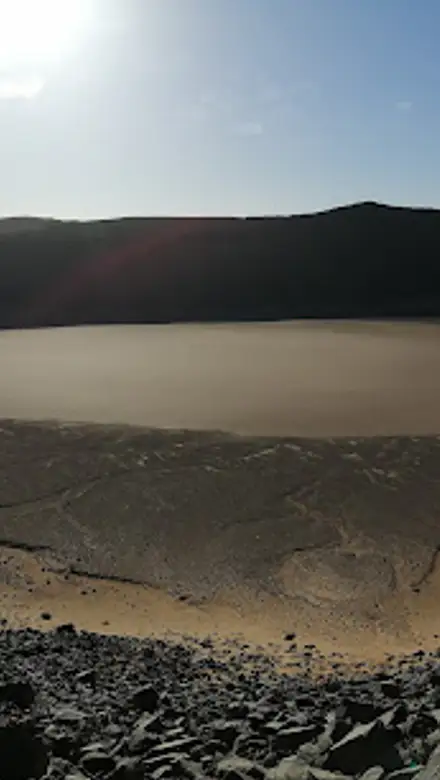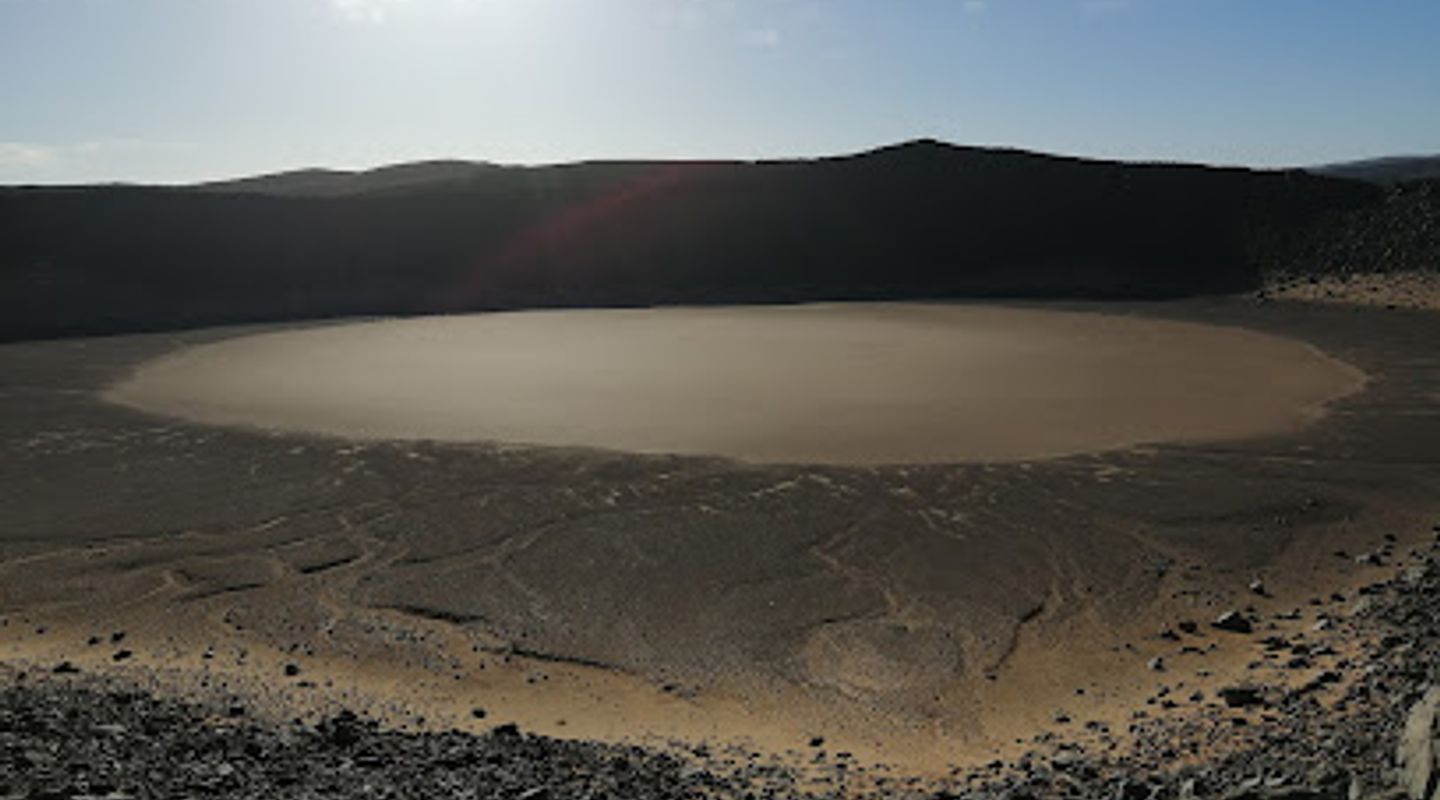
Amguid crater, Saharan Atlas Travel Guide
Explore the remote Amguid Crater in the Algerian Sahara, a stunningly preserved meteorite impact site for adventurous travelers and geology enthusiasts.
Amguid Crater, a remote and remarkably well-preserved meteorite impact crater in the Algerian Sahara, offers a unique glimpse into the Earth's geological past. Its isolation and dramatic circular form make it a compelling destination for adventurous travelers and geology enthusiasts alike.
A brief summary to Amguid crater
- In Amguel, DZ

Know before you go
Hi, I'm Eve. Here are a few practical things to know before exploring Amguid crater.
- Visit during the cooler months (October to April) to avoid the intense Saharan heat.
- Bring ample water, high-energy snacks, and sun protection due to the desert environment.
- Wear sturdy hiking boots suitable for navigating rocky and uneven terrain.
- Consider hiring a local guide for safe passage and insights into the region's geology and history.
- Inform local authorities or a trusted contact about your travel plans due to the remoteness of the area.
Do you manage this location?
Take control to get all the benefits, like improved information, better appearance, and stronger visibility across AI-powered discovery. Learn more about listing your business on Evendo
Activate your presenceOther nearby places you may find interesting
The closest places of the same kind, if this one is not quite what you had in mind.

Explore Amguid crater on the Map
A handpicked selection of must-see spots near Amguid crater, mapped for you.
Getting There
-
Car
The most practical approach to the Amguid Crater involves driving a 4x4 vehicle from In Amguel, the nearest town. Head southeast on the N1 main road towards the desert for approximately 30 kilometers until you spot signs for the crater. Be aware that the final 10 kilometers require navigating unpaved paths, so a high-clearance 4x4 is essential. Ensure you have sufficient fuel, water, and supplies, as services are extremely limited in this area. There are no parking fees. Guided tours from In Amguel can cost around 3000 DZD per person, including transport and lunch.
-
Public Transport
Travel to In Amguel by bus from Tell Atlas. Bus schedules may be infrequent, so verify in advance. Upon arrival in In Amguel, hire a local taxi or motorbike taxi for the remaining 10 kilometers to the Amguid Crater. Negotiate the fare beforehand; expect to pay around 500 DZD. Note that public transport options are limited, and a private arrangement from In Amguel is almost essential.
-
Walking
For a truly adventurous experience, consider trekking to the Amguid Crater from Arak on the Trans-Saharan Highway. This 120-mile (193 km) walk takes approximately 10 days and requires a guide, cook, and camel caravan to carry provisions. Waterholes are available along the route, but there is no human habitation. This option demands significant preparation and physical endurance. Costs will vary greatly depending on the outfitter and services required.
Discover more about Amguid crater













Your all‑in‑one travel companion app
Explore expert travel guides, compare and book tours, experiences, hotels, and more—all from the palm of your hand. Download now for seamless trip planning wherever your wanderlust takes you.


Explore More of Saharan Atlas
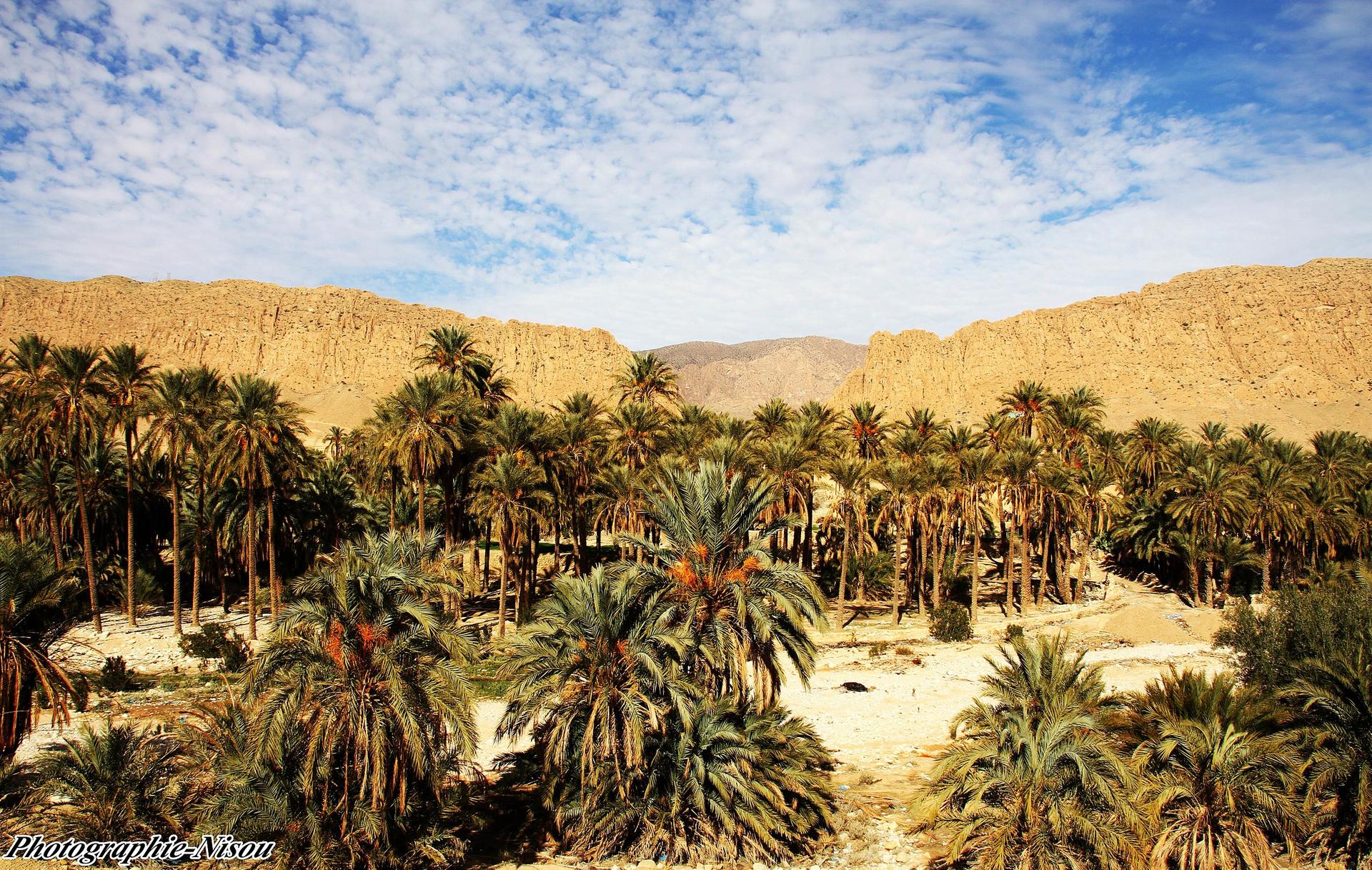
Looking beyond Amguid crater? Discover Saharan Atlas for broader travel guides, local hot-spots, and regional highlights.
Explore Saharan Atlas