

Free Saharan Atlas Travel Guide & Mobile App
Explore Saharan Atlas with free travel guides. Discover regional history, expert tips, proposed trips, and audio guides on web or mobile app.


Explore Algeria’s Saharan Atlas for high steppe landscapes, ancient rock art, fortified ksour, oasis towns and mountain routes between the plateau and Sahara.
Read more about Saharan Atlas
When is the best time to visit Saharan Atlas?
Best: May, September–October · 24–30°C| Month | High (°C) | Rainfall (mm) |
|---|---|---|
| January | 12 | 30 |
| February | 14 | 25 |
| March | 17 | 30 |
| April | 20 | 25 |
| May (best) | 26 | 20 |
| June | 32 | 10 |
| July | 35 | 5 |
| August | 35 | 5 |
| September (best) | 30 | 10 |
| October (best) | 24 | 20 |
| November | 16 | 25 |
| December | 12 | 30 |
Getting to and around Saharan Atlas
How to get there
Transportation
Destinations in Saharan Atlas
Resorts, valleys and scenic spots worth a trip of their own.

Swipe for more destinations
Best attractions in Saharan Atlas
The Saharan Atlas offers landscape-led travel rather than a concentrated circuit of major monuments. Mountain roads around Djebel Amour, the Djebel Ouled Naïl and the western Ksour ranges reveal high steppe, dry ravines, escarpments and broad horizons, with changes in colour and vegetation after seasonal rain. Djelfa and El Bayadh are useful bases for exploring prehistoric rock engravings and the archaeological record of pastoral communities, though many sites require local guidance and careful access. Near the desert edge, Laghouat combines mountain scenery with oasis landscapes and traditional settlement patterns. The old ksour of the western and central ranges provide a powerful introduction to earthen architecture, water management and caravan-era communities. Outdoor activities are generally low-impact: short hikes, scenic drives, birdwatching around wetlands and seasonal watercourses, landscape photography and culturally sensitive visits to villages and markets. The attraction is the relationship between terrain and human adaptation, not a sequence of heavily developed visitor facilities. Travellers should expect limited signage, sparse services and considerable distances between sites.
-
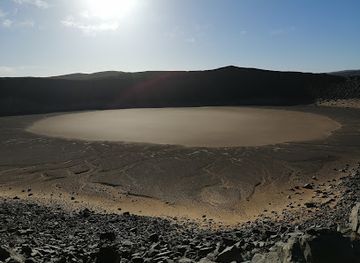
Crater
Amguid crater
Explore the remote Amguid Crater in the Algerian Sahara, a stunningly preserved meteorite impact site for adventurous travelers and geology enthusiasts.
Best landmarks in Saharan Atlas
The Saharan Atlas is marked less by a single emblematic monument than by a sequence of geological and historic forms. Djebel Amour and the Djebel Ouled Naïl provide the principal mountain identities of the central region, their ridges rising above steppe and dry valleys. The Ksour ranges in the west are associated with fortified earthen settlements whose compact streets, storage spaces and religious buildings reflect the need to protect water, harvests and trade goods. Laghouat’s position at the meeting point of mountain country and oasis terrain gives it particular visual significance, while the plateau landscapes around Djelfa express the scale of the interior steppe. Prehistoric engravings in the Djelfa and El Bayadh areas are landmarks of cultural rather than monumental architecture, preserving images of animals and people from earlier climatic periods. In the eastern approaches, the transition towards Biskra and the Aurès reveals how the Saharan Atlas dissolves into lower oases and more rugged mountain systems. These places matter because they show geography, settlement and history as a connected regional story.
-
 Historical landmark
Martyrs Memorial
A towering monument in Algiers honoring the brave martyrs of the Algerian War of Independence, offering panoramic views and a poignant historical experience.
-
Botanical garden
Botanical Garden Hamma
Discover a world of plants and tranquility in the heart of Algiers at the historic Hamma Botanical Garden.
-
Historical landmark
Beni Add Ain Fezza Caves
Discover the cool depths of Beni Add Ain Fezza Caves in Aïn Fezza, Algeria: a natural and historical wonder waiting to be explored.
-
Historical place
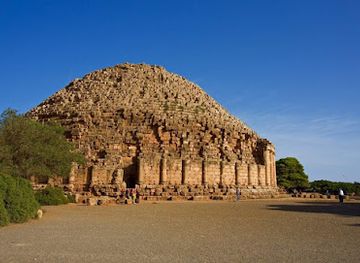
Royal Mausoleum of Mauritania
Explore the Royal Mausoleum of Mauritania, an ancient Berber monument with Hellenistic and Egyptian influences, near Sidi Rached, Algeria.

Explore Saharan Atlas on the map
Plan your trip on one map. See where the top cities, national parks and sights are, and book hotels and experiences in a few clicks.
Best hotels in Saharan Atlas
Best restaurants in Saharan Atlas
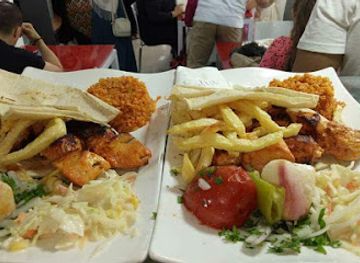
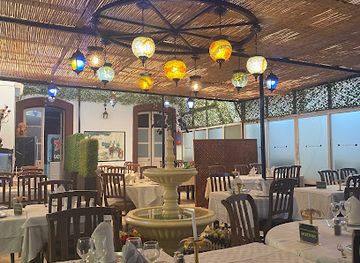
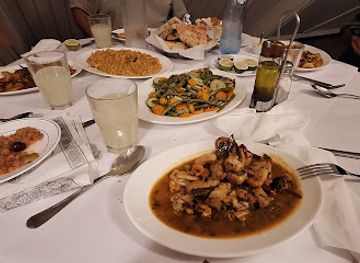
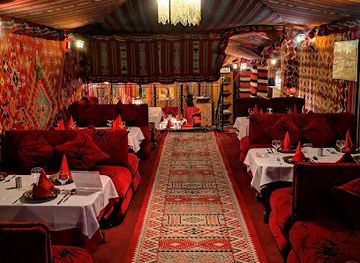
Food in the Saharan Atlas reflects steppe pastoralism, oasis cultivation and the wider Algerian kitchen. Couscous, often served with mutton or vegetables, is common, as are hearty stews, semolina breads, flatbreads, dates and sweet tea. In Djelfa, Aflou, Laghouat and El Bayadh, modest restaurants and cafés provide practical meals, while family hospitality offers a deeper connection with local food customs when appropriately arranged. Sheep products, milk, yoghurt and dried or preserved ingredients are more characteristic of the interior than the seafood associated with Algeria’s coast. Oasis settlements add dates and other irrigated produce to the table, though availability varies by season. Markets are useful for buying bread, fruit, nuts and dates for road journeys. Food service can be informal and opening patterns may change, so travellers should eat in larger towns before remote excursions and carry provisions for long drives.
-
Restaurant
مطعم ارابيسك الجزائر & Restaurant Arabesque Alger
Experience authentic Algerian flavors at Restaurant Arabesque Alger in Sidi M'Hamed – where every dish tells a story.
-
Restaurant
Caracoya
Experience authentic Algerian flavors at Caracoya in Sidi M'Hamed - where tradition meets culinary excellence.
-
Restaurant
Restaurant El Kahina
Experience authentic Algerian cuisine at Restaurant El Kahina in Aïn Bénian - where every meal is a taste of tradition.
-
Country food restaurant
La Palmeraie Restaurant مطعم النخيل
Experience authentic Moroccan flavors at La Palmeraie Restaurant in Dély Ibrahim - where every meal is a celebration of tradition.
Best bars in Saharan Atlas
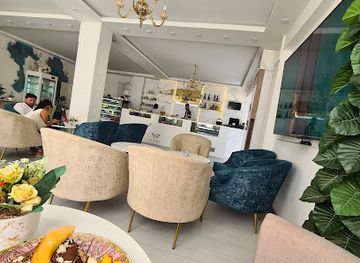
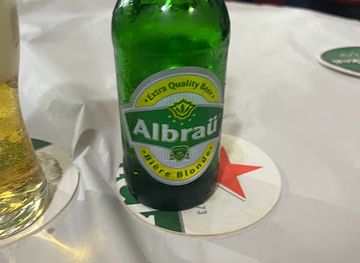
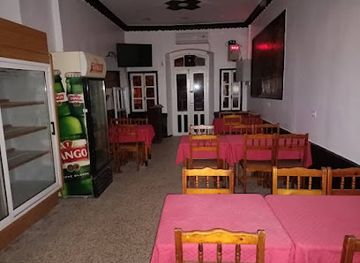
Nightlife in the Saharan Atlas is restrained and town-based rather than centred on clubs. In Djelfa, Laghouat, Aflou and El Bayadh, evening life generally revolves around cafés, tea rooms, family restaurants, hotel lounges and busy public squares, with conversation and social meetings continuing after sunset. Traditional music and local celebrations may appear at weddings or community events, but these are not usually permanent tourist entertainment. Alcohol is not central to the region’s public culture, and licensed availability is limited compared with Algeria’s larger coastal cities. In smaller settlements, evenings become quiet early, particularly outside warmer months. Travellers staying in remote areas should expect to spend the night enjoying the landscape, reading, stargazing where conditions permit or sharing tea with hosts rather than seeking a formal nightlife district.
-
Restaurant
Atlas Memoria
Discover Atlas Memoria in Chrea, Algeria - a delightful restaurant offering a diverse menu of hamburgers, pizzas, and steaks in a charming atmosphere.
-
Lounge
Aura Lounge
Experience relaxation at Aura Lounge in Ouled Fayet, where vibrant culture meets tranquil ambiance for an unforgettable visit.
-
Restaurant
Le Tonneau - Bar
Experience the vibrant atmosphere of Le Tonneau, a local bar in Sidi M'Hamed renowned for its friendly ambiance and delicious drink selection.
-
Brasserie
Bar Restaurant L'îlot
Discover the flavors of Algeria at Bar Restaurant L'îlot in Tigzirt, where exquisite dining meets scenic coastal views.

Best nightclubs in Saharan Atlas
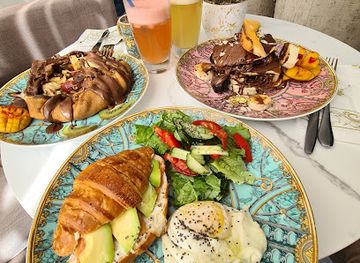
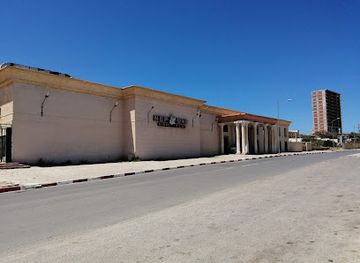
Nightlife in the Saharan Atlas is restrained and town-based rather than centred on clubs. In Djelfa, Laghouat, Aflou and El Bayadh, evening life generally revolves around cafés, tea rooms, family restaurants, hotel lounges and busy public squares, with conversation and social meetings continuing after sunset. Traditional music and local celebrations may appear at weddings or community events, but these are not usually permanent tourist entertainment. Alcohol is not central to the region’s public culture, and licensed availability is limited compared with Algeria’s larger coastal cities. In smaller settlements, evenings become quiet early, particularly outside warmer months. Travellers staying in remote areas should expect to spend the night enjoying the landscape, reading, stargazing where conditions permit or sharing tea with hosts rather than seeking a formal nightlife district.
-
Lounge
Aura Lounge
Discover Aura Lounge in Ouled Fayet: Your perfect retreat for exquisite drinks, delectable snacks, and a relaxing ambiance.
-
Night club
Solazur Club
Discover the vibrant nightlife of Ain El Turk at Solazur Club, where music, dancing, and stunning views create an unforgettable experience.
-
Night club
NEPTUNE CLUB
Discover the vibrant nightlife of Ain El Turk at Neptune Club, the ultimate destination for dancing and entertainment in Algeria.
-
Disco club
Club Pacha Nightclub
Discover the vibrant nightlife of Algiers at Club Pacha Nightclub, where electrifying music meets unforgettable experiences.


Best shops in Saharan Atlas
Shopping in the Saharan Atlas is concentrated in the principal towns and weekly markets rather than in purpose-built retail districts. Djelfa, Laghouat, Aflou and El Bayadh offer ordinary high-street goods, household markets, cafés and small independent shops, while rural markets are more closely tied to livestock, provisions and local exchange. Travellers can look for dates, nuts, spices, woollen items, woven textiles, leather goods and regional breads, although selection and quality vary between sellers. Traditional crafts are best bought directly from established artisans or reputable shops, with fair negotiation and no pressure to purchase. The region is more associated with pastoral products and desert-edge foodstuffs than with luxury shopping. Buy water and road provisions in larger centres before visiting remote areas, and remember that smaller shops may operate according to local routines rather than fixed tourist-oriented hours.
-
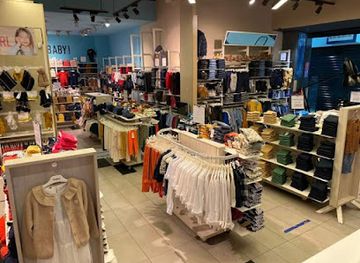
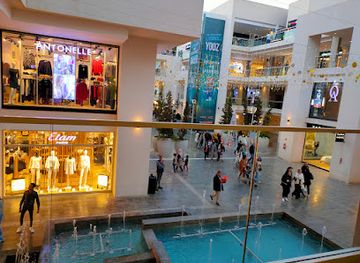
Shopping mall
Bab Ezzouar Mall
Discover Bab Ezzouar Mall, where shopping meets dining in a vibrant atmosphere filled with local culture and modern conveniences.
-
Shopping mall
Garden City Mall
Experience the best of shopping, dining, and entertainment at Garden City Mall, Algeria's premier retail destination.
-
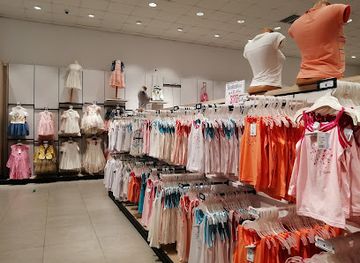
Clothing store
Le Printemps Mohammadia
Explore style and elegance at Le Printemps Mohammadia, where fashion meets quality in a vibrant shopping atmosphere.
-
Shopping mall
Le Printemps Blida
Discover the dynamic shopping experience at Le Printemps Blida, where fashion, cuisine, and entertainment come together in one vibrant destination.

Get your free copy of our complete guide to Saharan Atlas, delivered straight to you.
Everything on this page, from attractions and restaurants to essentials and local phrases, in one PDF you can read offline, print or share.
Already have an account? Sign in
Your Saharan Atlas guide is ready.
We'll send it to · Not you? Sign out

Getting your guide ready…
We are putting together a fresh copy of the Saharan Atlas guide. This can take up to a minute.
This can take a few moments. If your browser asks, choose Allow so the download can start. You'll find the guide in your Downloads folder.
Nothing happened? Download it again
Sorry, the guide is taking longer than usual. Please try again in a minute, or get it by email instead.
Saharan Atlas essentials
Currency and Payment
Safety
Emergency Situations
Do's and Don'ts
Local Tips
From Eve
Local phrases worth knowing
You don't need to get them perfect. A few words go a long way, and locals appreciate the effort.
Basics
| English | Local | Say it |
|---|---|---|
| Hello | سلام | [Salam] |
| Goodbye | وداعا | [Wadaa] |
| Yes | نعم | [Na'am] |
| No | لا | [La] |
| Please/You’re welcome | من فضلك | [Min fadlik] |
| Thank you | شكرا | [Shukran] |
| Excuse me/Sorry | عفوا | [Afwan] |
| How are you? | كيف حالك؟ | [Kayfa halak?] |
| Fine. And you? | بخير. وأنت؟ | [Bikhayr. Wa anta?] |
| Do you speak English? | هل تتحدث الإنجليزية؟ | [Hal tatahaddath al-ingliziyya?] |
| I don't understand | لا أفهم | [La afham] |
Eating & Drinking
| English | Local | Say it |
|---|---|---|
| I’d like to see the menu, please | أود رؤية القائمة، من فضلك | [Awad ru'yat al-qa'ima, min fadlik] |
| I don’t eat meat | لا آكل اللحم | [La akul al-lahm] |
| Cheers! | في صحتك! | [Fi sihtik!] |
| I would like to pay, please | أود الدفع، من فضلك | [Awad al-daf', min fadlik] |
Emergencies
| English | Local | Say it |
|---|---|---|
| Help! | نجدة! | [Najda!] |
| Go away! | ابتعد! | [Ibta'id!] |
| Call the Police! | اتصل بالشرطة! | [Ittasil bil-shurta!] |
| Call a doctor! | اتصل بطبيب! | [Ittasil bi-tabeeb!] |
| I’m lost | أنا ضائع | [Ana da'i'] |
| I’m ill | أنا مريض | [Ana marid] |
Shopping
| English | Local | Say it |
|---|---|---|
| I’d like to buy... | أود شراء... | [Awad shira'...] |
| I’m just looking | أنا فقط أنظر | [Ana faqat anzur] |
| How much is it? | كم ثمنه؟ | [Kam thamanuh?] |
| That’s too expensive | هذا مكلف جدا | [Hatha mukallaf jidan] |
| Can you lower the price? | هل يمكنك تخفيض السعر؟ | [Hal yumkinuka takhfid al-si'r?] |
Time & Numbers
| English | Local | Say it |
|---|---|---|
| What time is it? | كم الساعة؟ | [Kam al-sa'a?] |
| It’s one o’clock | الساعة الواحدة | [Al-sa'a al-wahida] |
| Half past (10) | نصف (10) | [Nisf (10)] |
| Morning | صباح | [Sabah] |
| Afternoon | بعد الظهر | [Ba'd al-zuhur] |
| Evening | مساء | [Masa'] |
| Yesterday | أمس | [Ams] |
| Today | اليوم | [Al-yawm] |
| Tomorrow | غدا | [Ghadan] |
| 1 | 1 | [1] |
| 2 | 2 | [2] |
| 3 | 3 | [3] |
| 4 | 4 | [4] |
| 5 | 5 | [5] |
| 6 | 6 | [6] |
| 7 | 7 | [7] |
| 8 | 8 | [8] |
| 9 | 9 | [9] |
| 10 | 10 | [10] |
Transport & Directions
| English | Local | Say it |
|---|---|---|
| Where's a/the...? | أين...؟ | [Ayn...?] |
| What’s the address? | ما هو العنوان؟ | [Ma huwa al-unwan?] |
| Can you show me (on the map)? | هل يمكنك أن تريني (على الخريطة)؟ | [Hal yumkinuka an turini (ala al-kharita)?] |
| When's the next (bus)? | متى يكون الباص التالي؟ | [Mata yakun al-bas al-tali?] |
| A ticket (to ....) | تذكرة (إلى....) | [Tadhkira (ila....)] |
History of Saharan Atlas
Prehistoric rock art and early pastoral life
The Saharan Atlas contains evidence of human occupation stretching back thousands of years. Rock engravings and paintings in the wider steppe and desert-edge zones depict wild animals, cattle and hunting scenes, recording periods when the climate was wetter and the landscape supported different forms of pastoralism. Sites associated with the Djelfa and El Bayadh areas are especially important for understanding the relationship between prehistoric communities and changing environments. These images are not simply decorative curiosities: they help trace the transformation from greener prehistoric landscapes to the arid conditions that shaped later nomadic and settled life.
Antiquity and the northern African frontier
The Saharan Atlas occupied a frontier position between the settled agricultural zones of northern Algeria and the more mobile communities of the steppe and desert. Numidian political traditions preceded the Roman period, while Roman influence was strongest around the northern approaches and established routes rather than throughout the most remote mountain interiors. Roads, forts and market networks helped connect the high plateaux with the Tell and the oases. The archaeological record is uneven, but the region’s strategic role is clear: control of passes, water sources and movement across the steppe mattered more than dense urban settlement.
Islamisation, caravan routes and the ksour
From the early medieval period, Islamisation and Arab migration reshaped the political and cultural geography of the Saharan Atlas. Trade routes linked the northern plains with oasis towns and the trans-Saharan world, while religious scholars, marabouts and local dynasties influenced networks of settlement. In valleys and around reliable water sources, fortified ksour developed as compact communities with storage areas, houses, mosques and defensive features. Their earthen architecture reflects both limited materials and the need to protect food, water and trade goods in a challenging environment.
Pastoral societies and the steppe economy
For centuries, pastoral groups moved seasonally across the high plateaux and mountain foothills, managing sheep, goats and camels according to rainfall, pasture and access to wells. The economy combined mobility with agriculture in suitable valleys and oasis margins. Markets in towns such as Djelfa, Laghouat, Aflou and El Bayadh connected herders to wider networks, exchanging livestock, wool, hides, grain and dates. Seasonal movement was never isolated from settled life; it depended on agreements, trading relationships and access to established water points.
French conquest and resistance in the nineteenth century
French expansion into the Algerian interior during the nineteenth century brought military campaigns, new administrative boundaries, land pressures and efforts to control movement across the steppe. The Saharan Atlas was difficult terrain for colonial authorities because mountain passes, scattered settlements and pastoral routes did not fit easily into a tightly governed agricultural model. Resistance associated with figures such as Emir Abdelkader affected western and central Algeria, while later uprisings and local opposition continued in different forms. Colonial roads, posts and mapping projects nevertheless altered the region’s systems of travel and administration.
Colonial infrastructure and modern towns
During the colonial period and after independence, roads, rail connections where available, schools, administrative centres and state services encouraged the growth of towns in the Saharan Atlas. Djelfa, Laghouat, Aflou and El Bayadh became more significant as commercial and governmental centres, while many nomadic households adopted more settled patterns of life. Modern development also brought pressure on grazing lands and water resources. The region’s present character therefore reflects both older pastoral and oasis traditions and the twentieth-century transition towards urban employment, public administration and motorised transport.
Independent Algeria and the management of fragile landscapes
Since Algerian independence in 1962, the Saharan Atlas has been incorporated into national programmes of road building, education, agriculture and regional development. Towns have expanded, but pastoralism, livestock markets, date cultivation and local craft traditions remain important. The central challenge is environmental as well as economic: irregular rainfall, groundwater pressure, soil erosion and overgrazing can affect a landscape already close to its ecological limits. Contemporary interest in rock art, ksour, steppe biodiversity and responsible desert-edge tourism offers ways to value the region without reducing it to a backdrop for adventure travel.
Saharan Atlas in Photos
Browse through our photo collection highlighting the charm and character of the destination.
Neighbouring regions of Saharan Atlas
The closest regions to Saharan Atlas, if you have time for more than one.
-

-

-

-

-


Swipe for more regions
Explore more
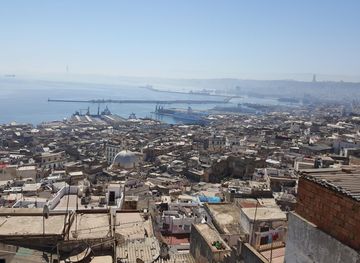
Explore more of Algeria
Discover Algeria: A captivating blend of ancient history, stunning landscapes, and vibrant culture. From the Sahara desert to Mediterranean coasts, adventure awaits.
Explore Algeria