

Free Tassili n'Ajjer Travel Guide & Mobile App
Explore Tassili n'Ajjer with free travel guides. Discover regional history, expert tips, proposed trips, and audio guides on web or mobile app.


Explore Tassili n'Ajjer in Algeria for UNESCO-listed rock art, sandstone plateaux, Tuareg-guided treks and profound Sahara landscapes.
Read more about Tassili n'Ajjer
When is the best time to visit Tassili n'Ajjer?
Best: March–April, November · 22–28°C| Month | High (°C) | Rainfall (mm) |
|---|---|---|
| January | 14 | 1 |
| February | 17 | 1 |
| March (best) | 22 | 2 |
| April (best) | 28 | 2 |
| May | 33 | 2 |
| June | 38 | 1 |
| July | 41 | 1 |
| August | 40 | 1 |
| September | 36 | 1 |
| October | 30 | 1 |
| November (best) | 22 | 1 |
| December | 16 | 1 |
Getting to and around Tassili n'Ajjer
How to get there
Transportation
Destinations in Tassili n'Ajjer
Resorts, valleys and scenic spots worth a trip of their own.

Swipe for more destinations
Best attractions in Tassili n'Ajjer
-
National park
Tassili N'Ajjer National Park
Explore a stunning Saharan plateau with ancient rock art, unique geological formations, and a window into prehistoric life.
-
National park
Ahaggar National Park
Explore Algeria's Ahaggar National Park: a dramatic Saharan landscape of volcanic mountains, ancient rock art, and rich Tuareg culture.
-
Mountain range
Tassili n'Ajjer
Explore Tassili n'Ajjer: A Sahara treasure with ancient rock art, stunning landscapes, and a window into prehistoric life.
-
National park
Parc culturel du Tassili
Explore ancient rock art & stunning landscapes in Algeria's Tassili n'Ajjer, a UNESCO World Heritage Site revealing Sahara's prehistoric past.
Best landmarks in Tassili n'Ajjer
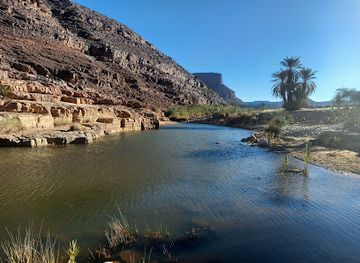
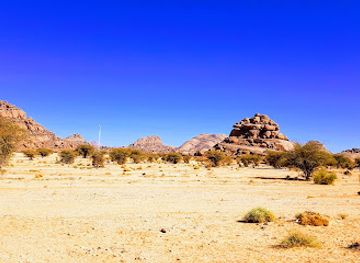
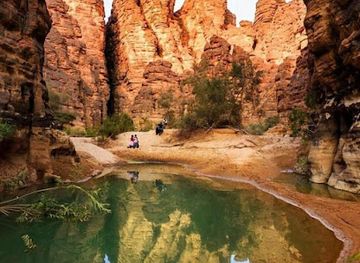
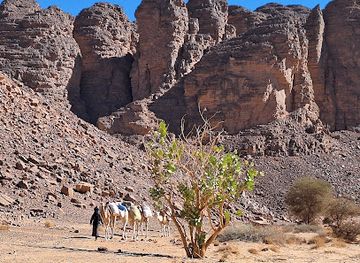
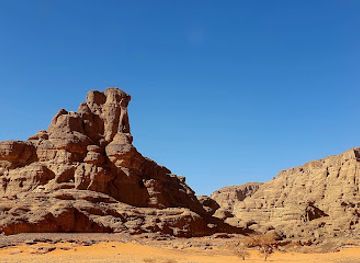
The defining landmarks of Tassili n'Ajjer are geological and archaeological rather than monumental buildings. The sandstone escarpments and deeply eroded corridors of the plateau form a vast natural architecture of cliffs, pillars, arches and narrow passages, with changing colours under low desert light. Sefar is particularly significant for its extensive concentration of prehistoric rock art and its maze-like setting among eroded formations. Jabbaren is another important art area, known for panels depicting human figures and animals in a remote highland environment. Tin Tazarift and the rock shelters around Tamrit add further evidence of the long sequence of Saharan artistic traditions. These places matter not simply as scenic viewpoints but as fragile archaeological landscapes that preserve records of former climates, animals and societies. The protected plateau itself is the region’s principal landmark, while Djanet’s oasis setting provides the human counterpoint: cultivated palms, established routes and a settled community at the edge of an immense stony desert. Exact routes and site access should be confirmed locally, since conservation rules, security conditions and seasonal arrangements can affect where expeditions travel.
-
National park
Tassili N'Ajjer National Park
Explore a stunning Sahara landscape and discover ancient rock art at Tassili N'Ajjer National Park, a UNESCO World Heritage Site in Algeria.
Explore Tassili n'Ajjer on the map
Plan your trip on one map. See where the top cities, national parks and sights are, and book hotels and experiences in a few clicks.
Best hotels in Tassili n'Ajjer
Best restaurants in Tassili n'Ajjer
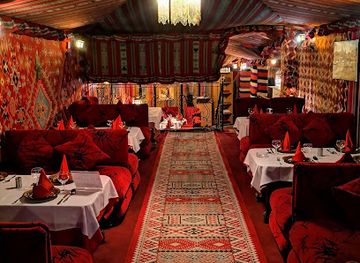
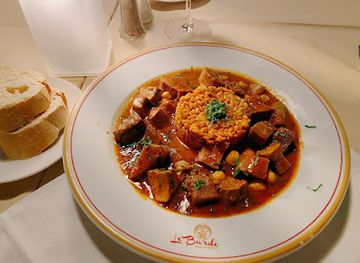
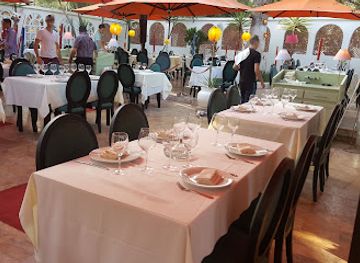
Dining in Tassili n'Ajjer is concentrated in Djanet and in simple expedition camps rather than in a developed restaurant circuit. Meals on guided journeys are generally practical camp cooking, often based on couscous, rice, pasta, bread, vegetables, pulses and meat, with tea served as an important part of desert hospitality. In Djanet, visitors can look for Algerian and Saharan dishes, including couscous, soups, grilled meats, dates and other oasis produce, although choice and opening arrangements may be limited. Local hosts and guides are often the best source of information about dependable meals and food suitable for a particular expedition. Carry personal snacks and any specialist dietary supplies from a larger Algerian city or obtain them before leaving Djanet, since remote camps cannot provide a broad substitute menu. Visitors should also clarify drinking-water arrangements, dietary restrictions and meal timings with an operator in advance. Food in the region reflects both national Algerian cooking and the practical traditions of desert travel rather than a separate restaurant-defined cuisine.
-
Country food restaurant
La Palmeraie Restaurant مطعم النخيل
Experience the rich flavors of Morocco at La Palmeraie Restaurant in Dély Ibrahim – where every meal is a celebration of tradition.
-
Restaurant
Le Bardo Restaurant مطعم الباردو
Experience authentic Algerian flavors at Le Bardo Restaurant in Sidi M'Hamed - where every dish tells a story.
-
Restaurant
Auberge du moulin
Discover authentic Algerian flavors at Auberge du Moulin - where tradition meets culinary excellence in Chéraga.
-
Restaurant
Le Tantra restaurant
Discover Le Tantra: A culinary gem in El Madania blending traditional Algerian flavors with modern dining aesthetics.

Best bars in Tassili n'Ajjer
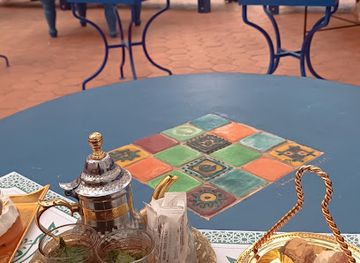
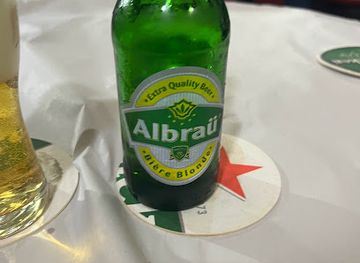
Nightlife in Tassili n'Ajjer is centred on desert evenings, conversation and the night sky rather than bars or nightclubs. In Djanet, evening activity is modest and may revolve around cafés, restaurants, tea and informal social gatherings; visitors should not expect a large late-night entertainment district. On the plateau, organised camps provide the main evening setting, with shared meals, Tuareg music or storytelling when arranged by local hosts, and quiet observation of stars far from urban light. Alcohol is not central to local hospitality, and visitors should respect Algerian law, local customs and the policies of their accommodation or expedition. Bring only what an operator permits and avoid imposing a party atmosphere on remote camps or nearby communities. Seasonal conditions also matter: cold nights, early departures and the distances between camps naturally make evenings unhurried and relatively early.
-
Cafe
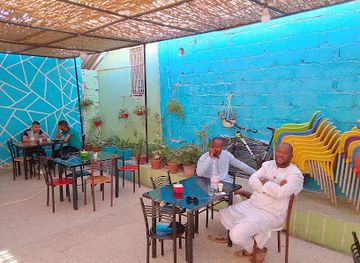
مقهى الطاسيلي Tassili Café
Discover the warm hospitality and delightful flavors of Tassili Café in Djanet, Algeria - a perfect stop for travelers exploring the Sahara.
-
Traditional restaurant
Dwiret El azz دويرة العز
Experience the rich flavors of traditional Algerian cuisine at Dwiret El Azz in Hydra, Algiers, where every dish tells a story.
-
Restaurant
Le Tonneau - Bar
Experience the vibrant flavors and lively atmosphere at Le Tonneau - Bar in Sidi M'Hamed, the perfect dining spot for tourists seeking local cuisine.
-
Lodging
Camping ZERIBA
Discover the beauty of the Sahara Desert at Camping ZERIBA, a unique lodging experience in Djanet, Algeria, perfect for adventure and relaxation.
Best nightclubs in Tassili n'Ajjer
Nightlife in Tassili n'Ajjer is centred on desert evenings, conversation and the night sky rather than bars or nightclubs. In Djanet, evening activity is modest and may revolve around cafés, restaurants, tea and informal social gatherings; visitors should not expect a large late-night entertainment district. On the plateau, organised camps provide the main evening setting, with shared meals, Tuareg music or storytelling when arranged by local hosts, and quiet observation of stars far from urban light. Alcohol is not central to local hospitality, and visitors should respect Algerian law, local customs and the policies of their accommodation or expedition. Bring only what an operator permits and avoid imposing a party atmosphere on remote camps or nearby communities. Seasonal conditions also matter: cold nights, early departures and the distances between camps naturally make evenings unhurried and relatively early.
-
Disco club
Club Pacha Nightclub
Dive into the electrifying nightlife of Algiers at Club Pacha Nightclub, the ultimate disco destination for music lovers and party enthusiasts.
-
Adult entertainment club
مكان لتسلية
Discover the electrifying ambiance of مكان لتسلية, Taguedit's premier adult entertainment club offering unforgettable performances and vibrant nightlife.


Best shops in Tassili n'Ajjer
Shopping in Tassili n'Ajjer is limited and practical, with the main opportunities found in Djanet rather than on the plateau. Visitors can look for Tuareg-influenced jewellery, leatherwork, woven items, decorative metalwork and small desert-themed handicrafts, but should ask about provenance and buy respectfully rather than removing archaeological objects or natural specimens. Djanet’s shops and local markets are also useful for dates, tea, bread, bottled supplies, toiletries and expedition provisions. There is no extensive luxury retail scene or purpose-built shopping district, and product availability can vary. Souvenirs should be purchased through established local sellers or directly from craftspeople where possible, supporting contemporary work rather than encouraging the sale of rock fragments, fossils or ancient artefacts. Carry essential specialist equipment from northern Algeria or from home, since outdoor clothing, medicines and technical camping supplies may be difficult to replace locally. Bargaining may occur in informal markets, but it should remain courteous and proportionate.
-
Store
Points de vente tassili num4
Explore authentic local products and treasures at Points de vente tassili num4 in Maâtkas, a unique shopping experience for every traveler.
-
Shopping mall
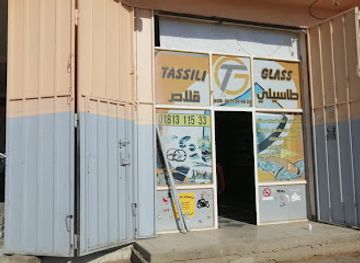
زجاج و أكسسوار السيارات Tassili Glass
Explore Tassili Glass in Illizi for exceptional automotive glass and accessories, blending local culture with quality service.
Get your free copy of our complete guide to Tassili n'Ajjer, delivered straight to you.
Everything on this page, from attractions and restaurants to essentials and local phrases, in one PDF you can read offline, print or share.
Already have an account? Sign in
Your Tassili n'Ajjer guide is ready.
We'll send it to · Not you? Sign out

Getting your guide ready…
We are putting together a fresh copy of the Tassili n'Ajjer guide. This can take up to a minute.
This can take a few moments. If your browser asks, choose Allow so the download can start. You'll find the guide in your Downloads folder.
Nothing happened? Download it again
Sorry, the guide is taking longer than usual. Please try again in a minute, or get it by email instead.
Tassili n'Ajjer essentials
Currency and Payment
Safety
Emergency Situations
Do's and Don'ts
Local Tips
From Eve
Local phrases worth knowing
You don't need to get them perfect. A few words go a long way, and locals appreciate the effort.
Basics
| English | Local | Say it |
|---|---|---|
| Hello | Azul | [ah-zool] |
| Goodbye | Saha | [sah-hah] |
| Yes | Ih | [eeh] |
| No | Ula | [oo-lah] |
| Please/You're welcome | Afek | [ah-fek] |
| Thank you | Tanemmirt | [tah-nem-mirt] |
| Excuse me/Sorry | Smahli | [smah-lee] |
| How are you? | Amek? | [ah-meck] |
| Fine. And you? | Dagh yella. Wek? | [dahg yeh-lah. weh-k] |
| Do you speak English? | Tzint a nglish? | [tzeent ah en-glish] |
| I don't understand | Ur tzemregh | [oor tzehm-regh] |
Eating & Drinking
| English | Local | Say it |
|---|---|---|
| I'd like to see the menu, please | Nekni ad akken a d-yuf, afek | [nek-nee ahd ak-ken ah dee-oof, ah-fek] |
| I don't eat meat | Ur nekni a d-kkal | [oor nek-nee ah dee-kal] |
| Cheers! | Sahha! | [sah-hah] |
| I would like to pay, please | Nekni ad akken a d-sed, afek | [nek-nee ahd ak-ken ah dee-sed, ah-fek] |
Emergencies
| English | Local | Say it |
|---|---|---|
| Help! | Ahed! | [ah-hed] |
| Go away! | S-ikka! | [see-kah] |
| Call the Police! | S-sra a la police! | [s-srah ah lah po-lees] |
| Call a doctor! | S-sra a d-agh! | [s-srah ah dah-gh] |
| I'm lost | Nekni d-tfawet | [nek-nee dee-tfa-wet] |
| I'm ill | Nekni d-agh | [nek-nee dee-agh] |
Shopping
| English | Local | Say it |
|---|---|---|
| I'd like to buy... | Nekni ad akken a d-berr... | [nek-nee ahd ak-ken ah dee-ber] |
| I'm just looking | Nekni d-uffir | [nek-nee dee-oo-feer] |
| How much is it? | Amek ad ssi? | [ah-meck ahd see] |
| That's too expensive | Ahi yella d-ttuweh | [ah-hee yeh-lah dee-too-weh] |
| Can you lower the price? | Tzint t-nuf a d-tili? | [tzeent t-noof ah dee-tee-lee] |
Time & Numbers
| English | Local | Say it |
|---|---|---|
| What time is it? | Amek a d-yuf? | [ah-meck ah dee-oof] |
| It's one o'clock | Yella d-ksum | [yeh-lah dee-ksoom] |
| Half past (10) | S-senna d-ksum | [s-sen-nah dee-ksoom] |
| Morning | Tazdayt | [tahz-dayt] |
| Afternoon | Ittij | [ee-teej] |
| Evening | Tazdayt n-wakht | [tahz-dayt n-wahkht] |
| Yesterday | Kurd | [koord] |
| Today | Nekni | [nek-nee] |
| Tomorrow | Lahk | [lahk] |
| 1 | Yid | [yeed] |
| 2 | Sni | [snee] |
| 3 | Kra | [krah] |
| 4 | Kfour | [kfour] |
| 5 | Khamis | [khah-mees] |
| 6 | Sdis | [sdees] |
| 7 | Sebaa | [seh-bah] |
| 8 | Tamaniya | [ta-mah-nee-yah] |
| 9 | Tessaa | [teh-sah] |
| 10 | Ashra | [ah-shrah] |
Transport & Directions
| English | Local | Say it |
|---|---|---|
| Where's a/the...? | Wen-a d-...? | [wen-ah dee-...] |
| What's the address? | Amek ad t-adris? | [ah-meck ahd tah-drees] |
| Can you show me (on the map)? | Tzint t-shufni (a d-mapa)? | [tzeent t-shoof-nee ah dee-mah-pah] |
| When's the next (bus)? | Amek a d-ttiwal (bus)? | [ah-meck ah dee-tee-wahl bus] |
| A ticket (to ....) | Tiket (a ...) | [tee-ket ah ...] |
History of Tassili n'Ajjer
Early hunter-gatherers and a greener Sahara
The earliest human presence represented in Tassili n'Ajjer belongs to periods when the central Sahara was considerably wetter than today. Rock engravings and paintings show wild cattle, giraffes, elephants, rhinoceroses and other animals that could not survive in the present desert climate. These images, made over long periods rather than as a single artistic tradition, help demonstrate how communities adapted to changing water, vegetation and migration patterns across the plateau.
The pastoral and cattle-herding period
Much of the celebrated painted art is associated with prehistoric pastoral communities that kept cattle and moved through a landscape of seasonal water and grassland. Human figures, herds and ritual scenes provide evidence of social organisation and changing beliefs, although interpretations remain cautious. The art is especially important because it records a vanished environment as well as human activity, linking the archaeology of Tassili n'Ajjer to the wider prehistory of the Sahara.
Horsemen and desert transformation
Later panels depict horses, chariots and armed figures, reflecting technological and social changes in the Sahara after the pastoral period. As aridity intensified, routes, settlement patterns and economies altered, and communities increasingly depended on knowledge of oases and long-distance movement. The imagery across Tassili n'Ajjer is varied and was produced over centuries, so it should not be read as a single historical episode or as a complete narrative of the region.
Camel routes and trans-Saharan exchange
The spread of camel transport transformed travel across the Sahara from late antiquity onwards. Although Tassili n'Ajjer is not a single caravan city, its valleys and nearby oases belonged to a wider world of routes linking the central Sahara with North Africa and the Sahel. Salt, livestock, dates and other goods circulated through these networks, while desert knowledge, languages and religious influences travelled with merchants, pastoralists and guides.
Tuareg Kel Ajjer and oasis society
The Tuareg communities known as the Kel Ajjer developed social, pastoral and trading relationships across the region around Djanet and the Tassili plateau. Their knowledge of wells, passes, seasonal movement and local place names remains central to understanding the landscape. Islam, older desert customs and oasis agriculture have shaped the region’s cultural history, while Djanet became an important settled centre beside routes crossing the south-eastern Algerian Sahara.
French colonial exploration and archaeological attention
During the colonial period, European travellers, soldiers and researchers increasingly documented the central Sahara and its prehistoric art. The remoteness of Tassili n'Ajjer limited large-scale development, but mapping and archaeological recording brought the plateau to wider scholarly attention. Some early interpretations were shaped by colonial assumptions, making modern conservation and local participation important parts of how the region’s heritage is now managed and presented.
National protection and UNESCO recognition
After Algeria’s independence, the archaeological and environmental importance of Tassili n'Ajjer received stronger national protection. Tassili n'Ajjer National Park was established to conserve the plateau’s geology, wildlife and cultural remains, and UNESCO inscribed the site as a World Heritage property in 1982. The designation reflects the exceptional concentration of prehistoric art and the way the region preserves evidence of major climatic and cultural changes in the Sahara.
Tassili n'Ajjer in Photos
Browse through our photo collection highlighting the charm and character of the destination.
Neighbouring regions of Tassili n'Ajjer
The closest regions to Tassili n'Ajjer, if you have time for more than one.
-

-

-

-

-


Swipe for more regions
Explore more
Explore more of Algeria
Discover Algeria: A captivating blend of ancient history, stunning landscapes, and vibrant culture. From the Sahara desert to Mediterranean coasts, adventure awaits.
Explore Algeria