

Saharan Desert, Algeria Travel Guide
Discover the vast and mysterious Saharan Desert in Algeria: ancient rock art, towering sand dunes, and the unique culture of the Tuareg people.
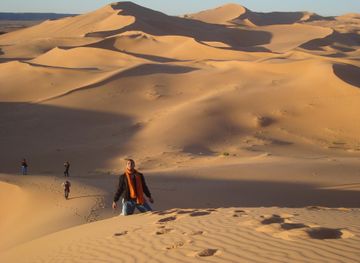
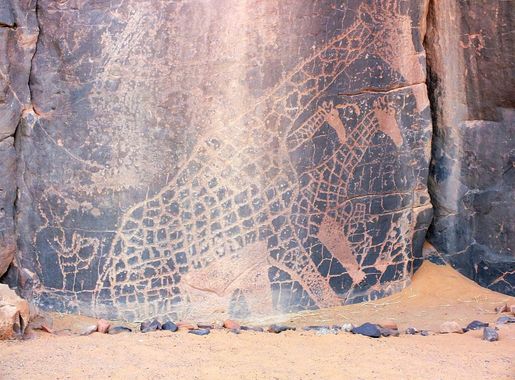
The Saharan Desert in Algeria is a majestic and vast landscape that stretches as far as the eye can see. It offers an otherworldly experience that is both humbling and exhilarating. The desert is known for its towering sand dunes, some of which can reach up to 180 meters in height. These dunes create an ever-changing landscape that seems to shift with the wind, offering a different view every time you glance at the horizon. The Sahara is not just about endless sand; it is a land rich in history and culture. Ancient rock art, dating back thousands of years, can be found in various parts of the desert, telling stories of a time when the Sahara was a fertile land. Additionally, the desert is home to the Tuareg people, who have adapted to the harsh conditions of the desert for centuries. Their unique culture, traditional music, and craftwork are a fascinating aspect of any visit. Despite its harsh conditions, the Saharan Desert is teeming with life. From the resilient flora and fauna to the occasional oasis that offers a refreshing respite from the heat, the Sahara is a testament to nature's ability to thrive in even the most challenging environments. A visit to the Sahara is not complete without experiencing a night under the stars. The clear, unpolluted skies offer one of the best stargazing opportunities in the world, making it a perfect destination for both adventure seekers and those looking to reconnect with nature.

Know before you go
Hi, I'm Eve. Here are a few practical things to know before exploring Saharan Desert.
- Visit during the cooler months from October to April to avoid the extreme heat.
- Hire a local guide to explore the desert safely and learn more about its history and culture.
- Carry plenty of water and sun protection; the desert sun can be unforgiving.
- Experience a night in a desert camp to fully appreciate the stunning starlit sky.
- Don't miss the ancient rock art sites, especially those in the Tassili n'Ajjer region.
Top City Travel Guides in Saharan Desert
The cities of Saharan Desert, and the easiest places to base yourself.


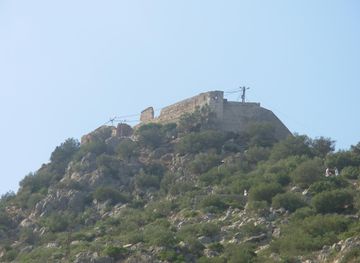


Destinations in Saharan Desert
Resorts, valleys and scenic spots worth a trip of their own.


Explore Saharan Desert: Things to Do, Places to Eat, Hotels & More
Handpicked recommendations for top attractions, local dining, accommodations, and more

Top Attractions & Sightseeing in Saharan Desert
Top-rated picks
Best Attractions

Farouk Land Park
Experience thrilling rides and family fun at Farouk Land Park, Annaba's premier amusement destination for all ages!

متحف هيبون
استكشف كنوزًا أثرية وتاريخًا عريقًا في متحف هيبون بعنابة، الجزائر. اكتشف الفسيفساء الرومانية والتحف القديمة.

Ruins of Hippo (Hippo Regius)
Explore the ancient city of Hippo Regius near Annaba, where Roman ruins and Christian history intertwine on Algeria's Mediterranean coast.

ساحة الثورة
Discover Annaba's Revolution Square: a vibrant hub of history, culture, and community in the heart of the city.

Best landmarks in Saharan Desert
Top-rated picks
Best Landmarks

Farouk Land Park
Experience thrilling rides and family fun at Farouk Land Park in Annaba, a vibrant amusement park with attractions for all ages.

Saint Augustin Basilica
Discover the architectural marvel of Saint Augustin Basilica in Annaba, a testament to faith, history, and cultural fusion.

COURS DE LA RÉVOLUTION
Discover Annaba's vibrant heart at Cours de la Révolution: a historical landmark offering culture, commerce, and architectural beauty.
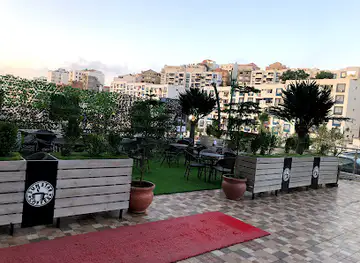
Sunstar Coffee
A charming Annaba café serving delightful coffee, pizzas, and tacos in a cozy atmosphere on the scenic Route de la Baie des Corailleurs.

Best restaurants in Saharan Desert
Top-rated picks
Best Restaurants

Restaurant Tabarka
Discover authentic Algerian cuisine at Restaurant Tabarka in Annaba – where every meal tells a story.
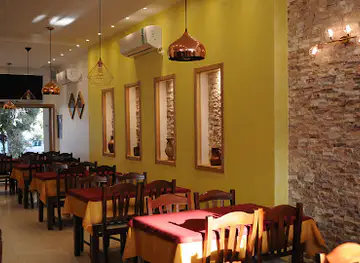
El-Walima
Discover authentic Algerian cuisine at El-Walima in Annaba – where every dish is a taste of tradition.

Restaurant La Perle
Discover Restaurant La Perle in Annaba – where authentic Algerian flavors meet delightful culinary experiences in an inviting setting.

Red Pepper
Discover authentic Algerian cuisine at Red Pepper in Annaba—where every dish tells a story.

Best bars in Saharan Desert
Top-rated picks
Best Bars

Aura Lounge
Discover the tranquil ambiance and delightful refreshments at Aura Lounge, a perfect retreat in Ouled Fayet.

Le Tonneau - Bar
Experience the vibrant flavors and warm ambiance at Le Tonneau - Bar, a must-visit culinary destination in Sidi M'Hamed.

The D&K Lounge
Discover the flavors of Algeria at The D&K Lounge in Annaba, where grilled dishes meet a cozy atmosphere for an unforgettable dining experience.

Jet set lounge
Experience the vibrant flavors of Ouled Rahmoune at Jet Set Lounge, where grilled delicacies meet a cozy atmosphere for an unforgettable dining experience.

Best nightclubs in Saharan Desert
Top-rated picks
Best Nightclubs

Djawhara
Experience the electrifying nightlife at Djawhara, the premier night club in Ain El Turk, where music and culture unite in an unforgettable dance party.

Solazur Club
Discover the vibrant nightlife at Solazur Club in Ain El Turk, where music and dance create an unforgettable experience.

Club Pacha Nightclub
Explore the pulsating nightlife of El Mouradia at Club Pacha Nightclub, where unforgettable parties and electrifying music await.

Sun Club House
Discover the exhilarating nightlife at Sun Club House, Ain El Turk's premier disco club offering unforgettable music and vibrant atmosphere.

Best shops in Saharan Desert
Top-rated picks
Best Shops

Bab Ezzouar Mall
Explore Bab Ezzouar Mall: Algiers' premier shopping destination with diverse shops, dining, and entertainment for an unforgettable experience.

Le Printemps Mohammadia
Discover the ultimate shopping experience at Le Printemps Mohammadia, where fashion meets tradition in the heart of Algeria.

Family Shop
Explore Family Shop in Blida for a diverse shopping experience featuring local and international products suitable for families and tourists.

Tassili N'Ajjer National Park
Discover the stunning landscapes and ancient rock art of Tassili N'Ajjer National Park, a UNESCO World Heritage Site in the heart of the Sahara.

Explore Saharan Desert on the Map
A handpicked selection of must-see spots in Saharan Desert, mapped for you.
Saharan Desert Essentials
-
The Saharan Desert in Algeria can be accessed through several entry points. The closest major city is Tamanrasset, which has an airport (Aguenar – Hadj Bey Akhamok Airport) receiving flights from Algiers and other regional hubs. Alternatively, you can arrive in Algiers Houari Boumediene Airport and take a domestic flight to Tamanrasset. Overland travel from Algiers to Tamanrasset is also possible but involves a long and challenging journey through remote areas.
-
Within the Saharan Desert, transportation options include 4x4 vehicles, which are highly recommended due to the rough terrain. Organized tours often provide these vehicles along with experienced drivers. For more adventurous travelers, camel treks offer a traditional and immersive way to explore the desert. Public transportation within the desert itself is limited, so private transport or guided tours are the most reliable options.
-
The official currency of Algeria is the Algerian Dinar (DZD). Credit cards are accepted in larger hotels and some tourist shops in cities, but cash is essential for transactions in remote areas and smaller establishments. ATMs are available in major cities like Tamanrasset, but it is advisable to withdraw sufficient cash before heading into the desert. Carrying smaller denominations can be helpful for tipping and minor purchases.
-
While the Saharan Desert in Algeria is generally safe for tourists, it is essential to take standard precautions. Avoid traveling alone and always inform someone of your travel plans. Some areas have reported instances of crime and banditry, so it is crucial to stay with reputable tour operators and avoid traveling at night. Be cautious with your belongings in crowded places and avoid displaying valuables.
-
In case of an emergency, dial 14 for police assistance or 17 for medical emergencies. In remote desert areas, assistance may not be immediately available, so travel insurance that covers medical evacuation is highly recommended. Carry a first aid kit, sufficient water, and a satellite phone or other reliable communication devices. For less severe health issues, pharmacies in larger towns like Tamanrasset offer over-the-counter medications.
-
Fashion: Do wear lightweight, loose-fitting clothing to protect against the sun and sand. Avoid wearing shorts or sleeveless tops; modesty is appreciated. Religion: Do respect local customs and religious practices. Avoid photographing religious ceremonies without permission. Public Transport: Do be patient with the limited and often delayed public transport options. Don’t rely solely on public transport for desert exploration. Greetings: Do greet people with a handshake and a smile. In rural areas, a slight bow may be appreciated. Eating & Drinking: Do try local dishes and drink plenty of water to stay hydrated. Don’t refuse food or drink offered by locals, as this can be considered impolite.
-
To experience the Saharan Desert like a local, consider staying in traditional accommodations such as desert camps or guesthouses run by local families. Participate in camel treks, and join local guides for a deeper understanding of the desert's history and culture. Visit local markets to buy handcrafted goods and unique souvenirs. Engage with the Tuareg people, known for their hospitality and rich cultural heritage, and share a meal or tea with them for an authentic experience.
When is the best time to visit Saharan Desert?
Useful Local Phrases for Saharan Desert
You don't need to speak the language perfectly. Even learning a few simple words can make conversations warmer—and locals usually appreciate the effort.
— Eve

Here are the phrases I use most often in Saharan Desert. Try a few—you'll be surprised how far they go! 😊
❤️
-
- Helloسلام
[Salam] - Goodbyeوداعا
[Wada'an] - Yesنعم
[Na'am] - Noلا
[La] - Please/You're welcomeمن فضلك
[Min fadlik] - Thank youشكرا
[Shukran] - Excuse me/Sorryعفوا
[Afwan] - How are you?كيف حالك؟
[Kayfa halak?] - Fine. And you?بخير. وأنت؟
[Bikhayr. Wa anta?] - Do you speak English?هل تتحدث الإنجليزية؟
[Hal tatahaddath al-ingliziyya?] - I don't understandلا أفهم
[La afham]
- Helloسلام
-
- I'd like to see the menu, pleaseأود رؤية القائمة، من فضلك
[Awad ru'ya al-qa'ima, min fadlik] - I don't eat meatلا أتناول اللحم
[La atanaawal al-lahm] - Cheers!في صحتك!
[Fi sihatak!] - I would like to pay, pleaseأود الدفع، من فضلك
[Awad al-daf', min fadlik]
- I'd like to see the menu, pleaseأود رؤية القائمة، من فضلك
-
- Help!النجدة!
[Al-najda!] - Go away!ابتعد!
[Ibt'id!] - Call the Police!اتصل بالشرطة!
[Ittasil bil-shurtah!] - Call a doctor!اتصل بطبيب!
[Ittasil bi-tabib!] - I'm lostأنا ضائع
[Ana da'i'] - I'm illأنا مريض
[Ana marid]
- Help!النجدة!
-
- I'd like to buy...أود شراء...
[Awad shira...] - I'm just lookingأنا فقط أبحث
[Ana faqat abhas] - How much is it?كم ثمنه؟
[Kam thamanuh?] - That's too expensiveهذا مكلف جدا
[Hatha mukallif jidan] - Can you lower the price?هل يمكنك تخفيض السعر؟
[Hal yumkinuka takhfid al-si'r?]
- I'd like to buy...أود شراء...
-
- What time is it?كم الساعة؟
[Kam al-saa'a?] - It's one o'clockالساعة واحدة
[Al-saa'a wahida] - Half past (10)نصف الساعة (10)
[Nisf al-saa'a (10)] - Morningصباحا
[Sabahan] - Afternoonبعد الظهر
[Ba'd al-zuhri] - Eveningمساء
[Masa'a] - Yesterdayأمس
[Ams] - Todayاليوم
[Al-yawm] - Tomorrowغدا
[Ghad] - 1واحد
[Wahid] - 2اثنان
[Ithnan] - 3ثلاثة
[Thalatha] - 4أربعة
[Arba'a] - 5خمسة
[Khamsa] - 6ستة
[Sitta] - 7سبعة
[Sab'a] - 8ثمانية
[Thamaniya] - 9تسعة
[Tis'a] - 10عشرة
[Ashara]
- What time is it?كم الساعة؟
-
- Where's a/the...?أين الـ...؟
[Ayn al...?] - What's the address?ما هو العنوان؟
[Ma huwa al-'unwan?] - Can you show me (on the map)?هل يمكنك إظهار لي (على الخريطة)؟
[Hal yumkinuka izhar li (ala al-kharita)?] - When's the next (bus)?متى تأتي الحافلة القادمة؟
[Mata ta'ti al-hafilah al-qadimah?] - A ticket (to ....)تذكرة (إلى....)
[Tadhkira (ila....)]
- Where's a/the...?أين الـ...؟
History of Saharan Desert
-
The Saharan Desert in Algeria has been a crucial part of ancient trade routes, particularly the trans-Saharan trade that connected North Africa to sub-Saharan Africa. Caravans loaded with gold, salt, ivory, and slaves traversed these routes, facilitated by the use of camels. These trade routes were not only vital for commerce but also for the exchange of cultures, ideas, and technologies.
-
The Garamantes were an ancient Berber people who lived in the Sahara Desert in what is now modern-day Algeria and Libya. They thrived between 500 BC and 700 AD and were known for their advanced irrigation systems, including underground tunnels called 'foggaras.' These innovations allowed them to cultivate crops and sustain large populations in the otherwise arid desert.
-
Starting in the 7th century, the spread of Islam profoundly influenced the Saharan Desert region. The religion brought new cultural and social norms, as well as architectural styles to the area. Mosques and madrasas were established, and the Arabic language became predominant. This period saw the rise of several influential Islamic states and empires in the region, including the Almoravid and Almohad dynasties.
-
During the late 19th and early 20th centuries, the Saharan Desert came under French colonial rule. French explorers and military expeditions mapped the desert, and colonial authorities established control over the region. The imposition of colonial rule disrupted traditional nomadic lifestyles and brought about significant social and economic changes.
-
The Tuareg people, indigenous to the Saharan Desert, have a long history of resistance against external control, including French colonial rule and later the governments of modern nation-states. Several rebellions have taken place, most notably in the 20th and 21st centuries, as the Tuareg sought greater autonomy and control over their ancestral lands.
-
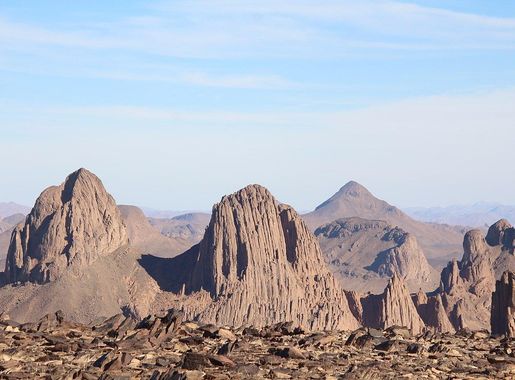
In recent decades, the Saharan Desert in Algeria has become a destination for adventure tourism and scientific exploration. Archaeologists have discovered ancient rock engravings and artifacts, shedding light on the region's prehistoric past. The stunning landscapes, including the towering sand dunes of the Grand Erg Occidental and the otherworldly rock formations of the Tassili n'Ajjer, attract tourists from around the globe.
Neighbouring Regions of Saharan Desert
The closest regions to Saharan Desert, if you have time for more than one.


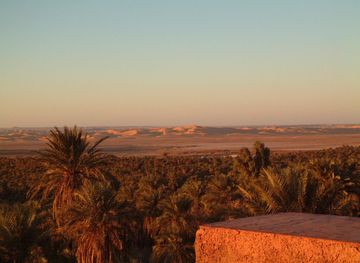


Your all‑in‑one travel companion app
Explore expert travel guides, compare and book tours, experiences, hotels, and more—all from the palm of your hand. Download now for seamless trip planning wherever your wanderlust takes you.


Explore More of Algeria
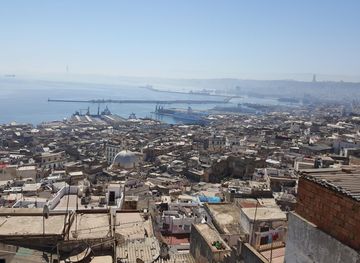
Looking beyond Saharan Desert? Discover Algeria for broader travel guides, local hot-spots, and regional highlights.
Explore AlgeriaSaharan Desert in Photos
Browse through our photo collection highlighting the charm and character of the destination.





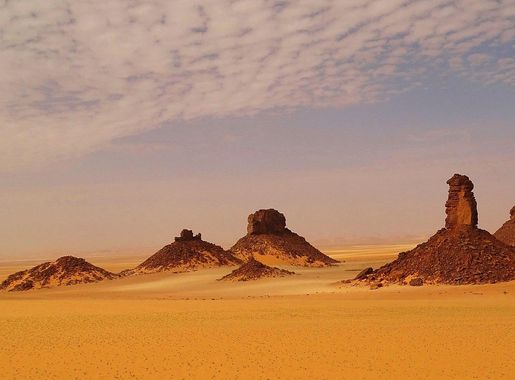

The Enigmatic Saharan Desert of Algeria
The Saharan Desert in Algeria is a majestic and vast landscape that stretches as far as the eye can see. It offers an otherworldly experience that is both humbling and exhilarating. The desert is known for its towering sand dunes, some of which can reach up to 180 meters in height. These dunes create an ever-changing landscape that seems to shift with the wind, offering a different view every time you glance at the horizon. The Sahara is not just about endless sand; it is a land rich in history and culture. Ancient rock art, dating back thousands of years, can be found in various parts of the desert, telling stories of a time when the Sahara was a fertile land. Additionally, the desert is home to the Tuareg people, who have adapted to the harsh conditions of the desert for centuries. Their unique culture, traditional music, and craftwork are a fascinating aspect of any visit. Despite its harsh conditions, the Saharan Desert is teeming with life. From the resilient flora and fauna to the occasional oasis that offers a refreshing respite from the heat, the Sahara is a testament to nature's ability to thrive in even the most challenging environments. A visit to the Sahara is not complete without experiencing a night under the stars. The clear, unpolluted skies offer one of the best stargazing opportunities in the world, making it a perfect destination for both adventure seekers and those looking to reconnect with nature.