
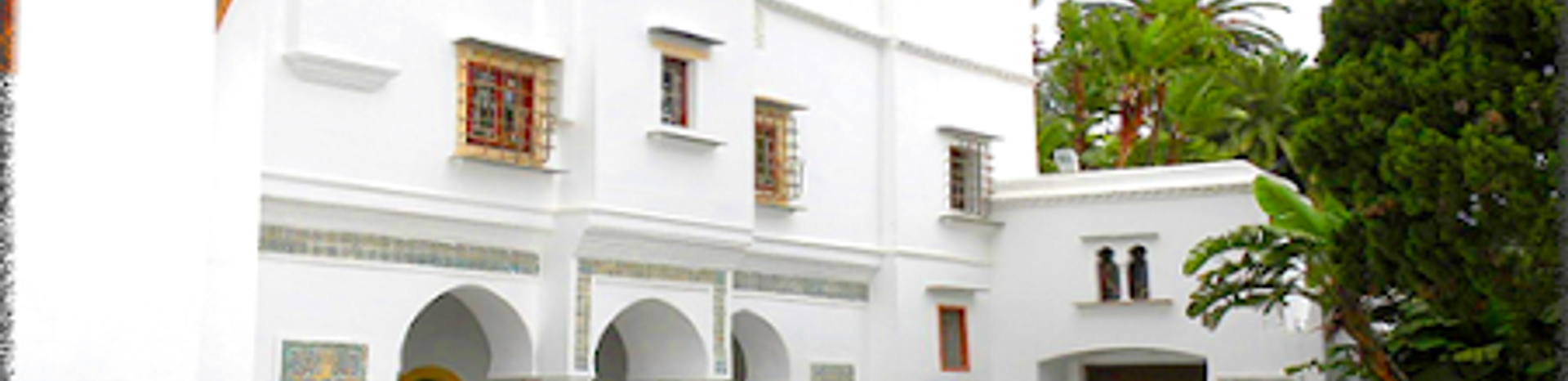
Bardo National Museum: A Journey Through Algerian History
Explore Algeria's prehistoric and ethnographic heritage at Algiers' Bardo National Museum. A captivating journey through time and culture.
The Bardo National Museum of Prehistory and Ethnography in Algiers offers a captivating glimpse into Algeria's rich history, from prehistoric times to the present. Housed in a stunning Moorish villa, the museum showcases a diverse collection of artifacts, including ancient tools, pottery, and ethnographic displays, providing insights into the lives and cultures of Algeria's early inhabitants.
A brief summary to Bardo National Museum of Prehistory and Ethnography
- 03 Ave Franklin Roosevelt, Alger, Mustapha Superieur, 16000, DZ
- +21321647641
- Visit website
- Monday 9 am-5 pm
- Tuesday 9 am-5 pm
- Wednesday 9 am-5 pm
- Thursday 9 am-5 pm
- Friday 2 pm-6 pm
- Saturday 10 am-5 pm
Local tips
- Visit during the spring (April to June) or autumn (September to November) for pleasant weather.
- Check the museum's schedule for temporary exhibitions and cultural events.
- Allow at least 1.5-2 hours to fully explore the museum's extensive collection.
- Combine your visit with a trip to the nearby National Museum of Antiquities or the Martyrs' Memorial.

Getting There
-
Public Transport
The Bardo National Museum is accessible via Algiers' public transportation system. You can take the metro, tram, or bus to reach the museum. Bus and tram fares are around 30 DZD. A 10-trip ticket for both buses and the metro costs approximately 400 DZD. From the nearest bus or tram stop, it's a short walk to the museum entrance.
-
Taxi
Taxis are readily available in Algiers. A short taxi ride to the Bardo National Museum from the city center will typically cost between 290 and 500 DZD, depending on the distance and traffic. It's advisable to agree on the fare with the driver before starting your journey.
-
Walking
If you are already in the Mustapha Superieur area, walking to the Bardo National Museum is a viable option. From the Franklin Roosevelt Avenue, the museum is easily accessible on foot. Be mindful of the weather conditions, especially during the hotter months.
Discover more about Bardo National Museum of Prehistory and Ethnography
Iconic landmarks you can’t miss

Al-Rahma Mosque
0.9 km
Discover Al-Rahma Mosque in Algiers: a historical landmark blending Byzantine architecture with Islamic tradition in the heart of the city.
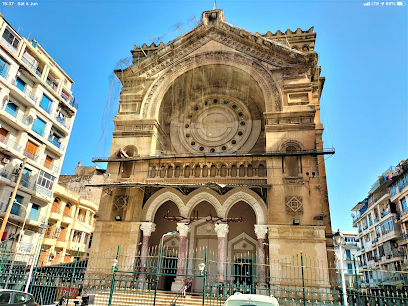
Voirol
0.9 km
Discover Voirol, a historical landmark in Algiers' El Mouradia, showcasing Algeria's rich heritage and captivating architecture.

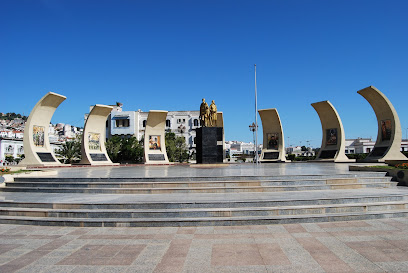
Resistance Square
1.1 km
A historic square in Algiers, symbolizing Algerian resistance and the ongoing pursuit of social justice and freedom.
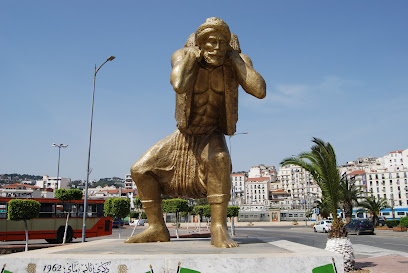
Monument the Docker The Martyrs of May 2, 1962
1.2 km
A memorial in Algiers honoring the dockworkers who lost their lives in the May 2, 1962 attack during the Algerian War of Independence.
Place EL QODS
1.6 km
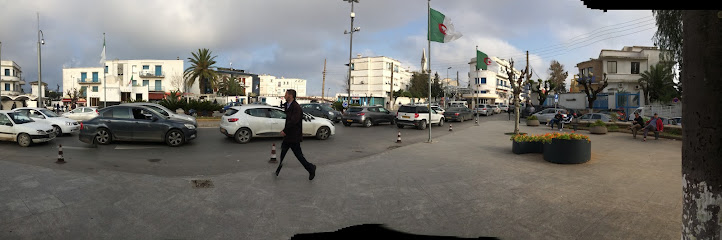
Experience the vibrant atmosphere of Place El Qods in Hydra, Algiers, a cultural hub blending history and modernity. A must-see destination!
مسجد القدس
1.7 km
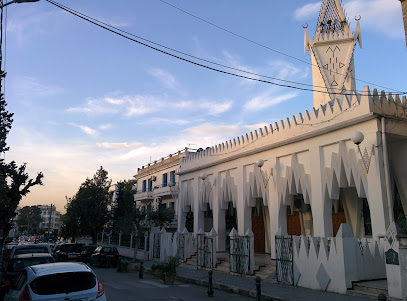
Discover Masjid Al-Quds in Algiers: A serene mosque in Hydra, blending Islamic art with modern architecture for a peaceful cultural experience.
Movie theater Ibn Khaldoun
1.7 km
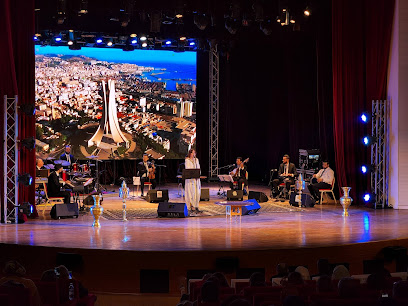
Experience cinematic art in a historic setting at Ibn Khaldoun Theater, a cultural gem in the heart of Algiers.
Place LAPERRINE
2.0 km
Experience the vibrant heart of Hydra at Place LAPERRINE: culture, cafes, and stunning architecture await in this Algerian town square.
Emir Abdelkader Place
2.0 km
Discover Emir Abdelkader Place in Algiers: A vibrant square honoring Algeria's hero, blending history, culture, and local life.
ساحة الشهيد بوجمعة حمّار
2.2 km
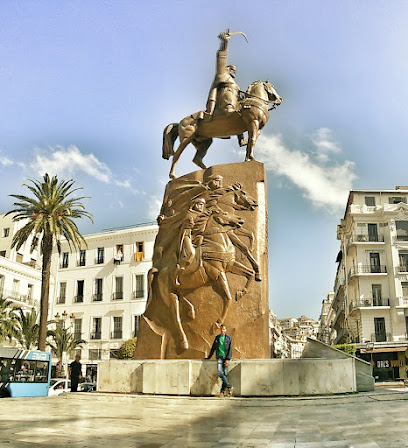
A historical square in Algiers commemorating Algeria's independence struggle, offering a space for reflection and remembrance.
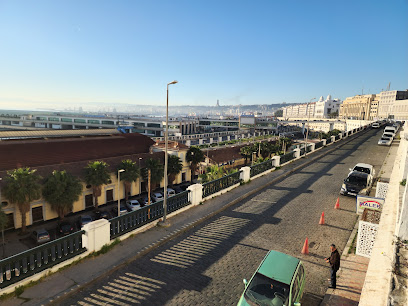
Places des vingt deux
2.5 km
Discover the historical beauty of Places des Vingt Deux in Algiers, a captivating landmark offering a glimpse into Algeria's rich past and vibrant culture.
Port Saïd Square
2.6 km
Experience the vibrant heart of Algiers at Port Saïd Square, a historic crossroads where culture, commerce, and community converge.
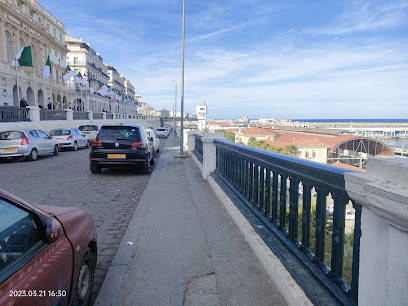
The new door
2.7 km
Step through history at The New Door, a captivating gateway to the Casbah of Algiers, a UNESCO World Heritage site brimming with culture and tradition.
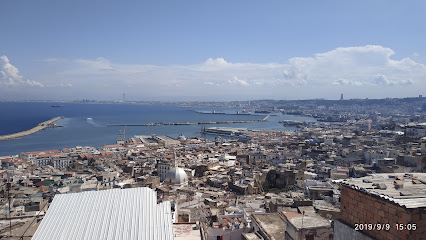
Enclosure wall of the Casbah
2.8 km
Explore the historic Enclosure Wall of the Casbah in Algiers, a UNESCO World Heritage site showcasing Algeria's rich cultural heritage and architectural beauty.
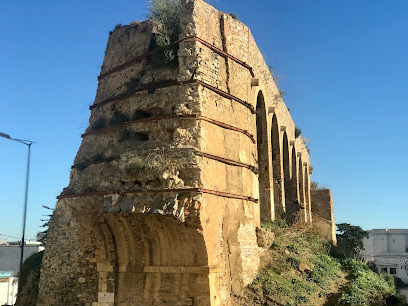
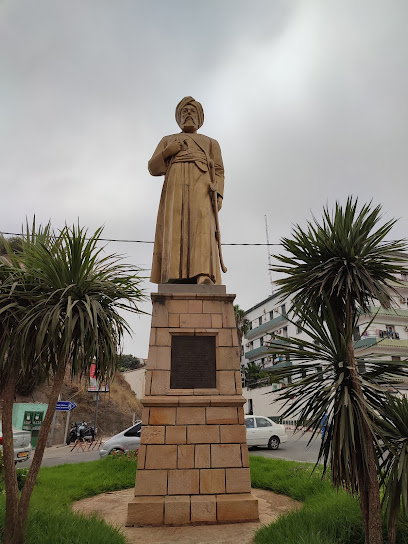
Statue of Bologhine ibn Ziri
2.9 km
Visit the Statue of Bologhine ibn Ziri in Algiers' Casbah, a tribute to the city's founder and a gateway to Algerian history and culture.
Unmissable attractions to see

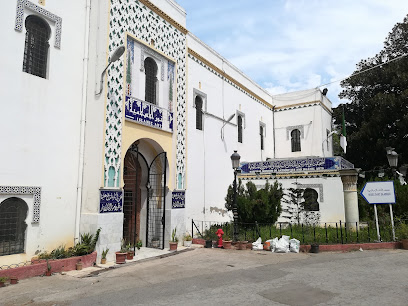
National Museum of Antiquities and Islamic Art
0.1 km
Discover Algeria's rich heritage at the National Museum of Antiquities and Islamic Art, showcasing artifacts from the Libyan-Punic era to the 20th century.
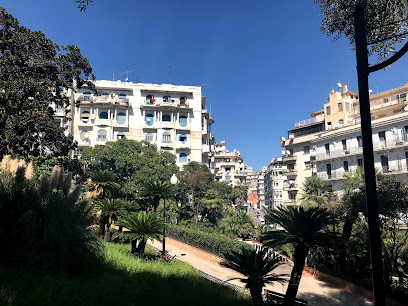
Freedom Park
0.2 km
Escape to Freedom Park in Algiers: a serene garden oasis offering tranquility, natural beauty, and cultural events in the city center.
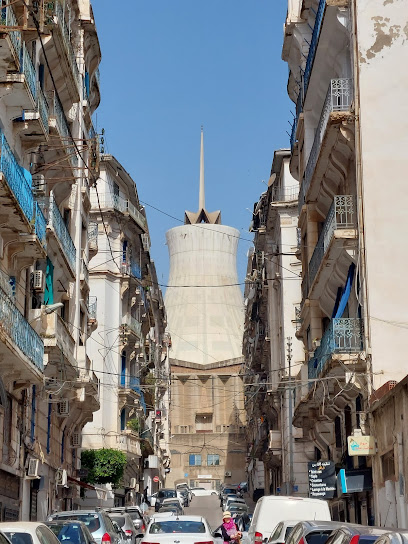
Sacred Heart Cathedral
0.4 km
Discover Algiers' Sacred Heart Cathedral: a blend of modern architecture, rich history, and serene spirituality in the heart of the city.
Tifariti - Laperlier Garden
0.7 km
Escape to tranquility in Algiers at Tifariti - Laperlier Garden, a serene oasis with lush greenery, playgrounds, and picturesque views.
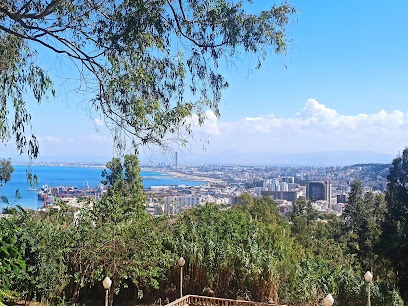
Beyrouth Parc
0.8 km
Escape to the tranquility of Beyrouth Parc in Algiers, a perfect green retreat for relaxation and cultural engagement in the city center.
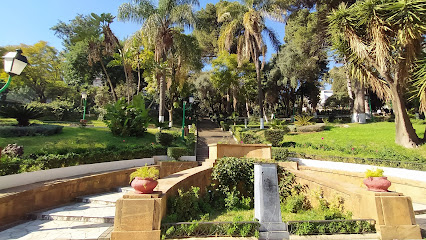
Place du 1er Mai
0.9 km
Experience the vibrant heart of Algiers at Place du 1er Mai, a bustling hub connecting the city's past and present.
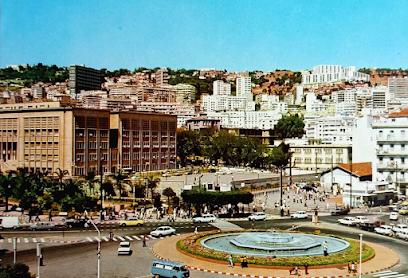
Atlas Forest
1.2 km
Escape to the serene Atlas Forest in Algiers for lush greenery, peaceful walks, and a refreshing natural retreat.
Əlcəzair
1.2 km
Explore the cultural richness of Ţlçezair in Algiers, where history, architecture, and local flavors come together in a vibrant atmosphere.
Alger
1.3 km
Discover Algiers' architectural gem: a neo-Moorish masterpiece blending history and culture in the heart of the capital.
Aqueduct Ain Zeboudja
1.5 km
Explore the Aqueduct Ain Zeboudja in Algiers, a historic landmark showcasing Ottoman-era engineering and Algeria's rich cultural heritage.
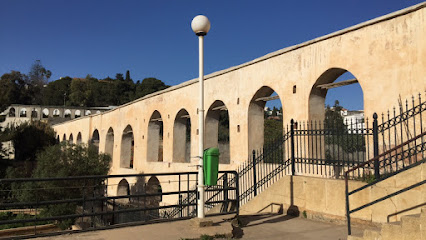
Flower Clock Garden
1.7 km
Discover a tranquil oasis in Algiers at the Flower Clock Garden, a vibrant display of nature's artistry and horticultural beauty.
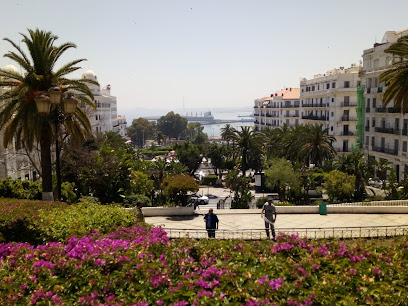
I love Algiers
1.7 km
Discover a unique floral clock in Algiers, a tranquil garden escape on historic Pasteur Avenue, blending nature and horology.
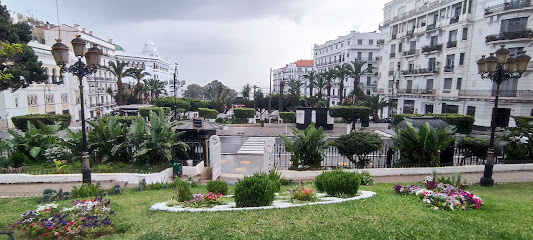
Le boulevard d'alger
2.0 km
Experience the vibrant atmosphere of Algiers on Le boulevard d'Alger, a historic thoroughfare blending colonial architecture with modern Algerian life.
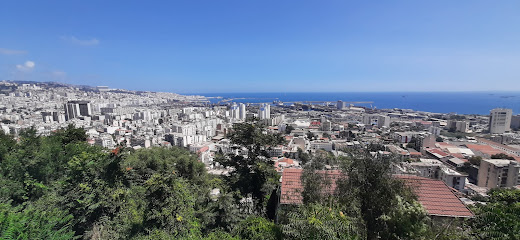
Algiers port sight
2.0 km
Explore Algiers Port, a historic Mediterranean hub, and gateway to Algeria's vibrant culture and rich past. Discover the Kasbah and local flavors!
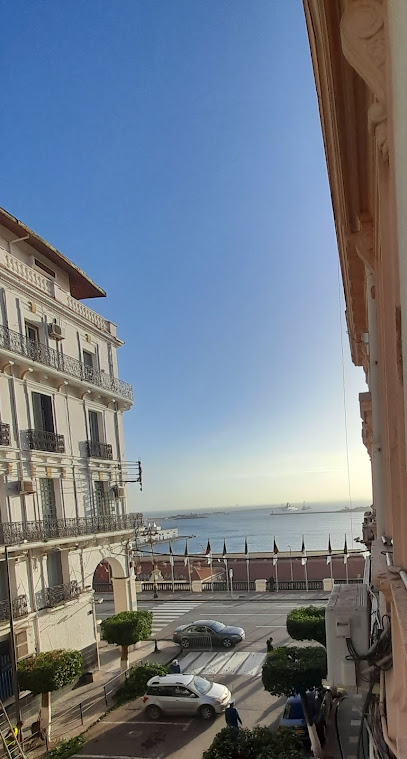
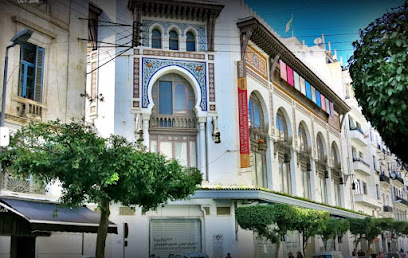
Museum of Modern Art of Algiers
2.1 km
Discover modern and contemporary Algerian art in a stunning neo-Moorish building in the heart of Algiers. A cultural gem since 2007.
Essential places to dine

Restaurant El Djenina مطعم الجنينة
0.1 km
Discover the essence of Algerian cuisine at Restaurant El Djenina – where every dish tells a story.
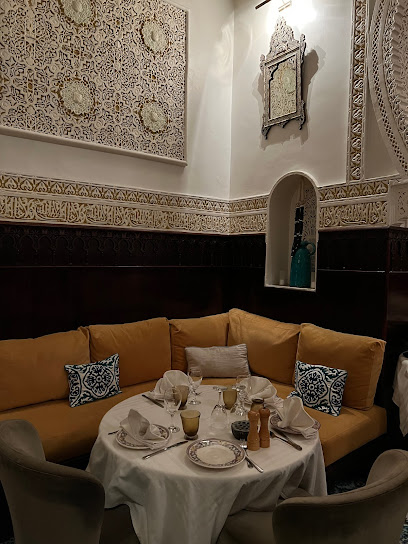
Le Bardo Restaurant مطعم الباردو
0.1 km
Experience authentic Algerian cuisine at Le Bardo Restaurant - a culinary delight in Sidi M'Hamed with rich flavors and warm hospitality.
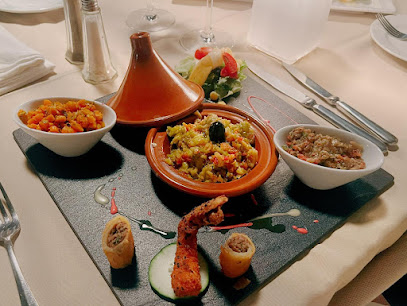
Fun - Salon De Thé - Pizzeria
0.2 km
Experience exceptional pizza and tea at Fun - Salon De Thé - Pizzeria in Sidi M'Hamed – where culinary traditions meet modern tastes.
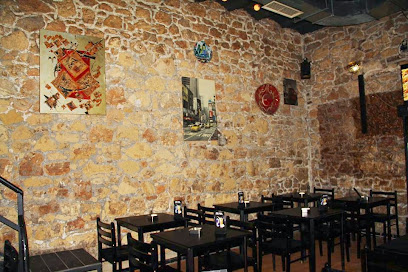
مطعم رسيم
0.2 km
Discover authentic Algerian flavors at Racym Restaurant in Algiers – where every meal tells a story.
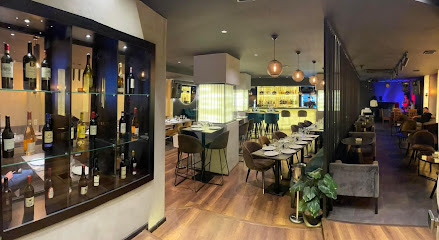
Restaurant la paix
0.4 km
Discover authentic Algerian flavors at Restaurant La Paix in Sidi M'Hamed, where tradition meets warm hospitality.
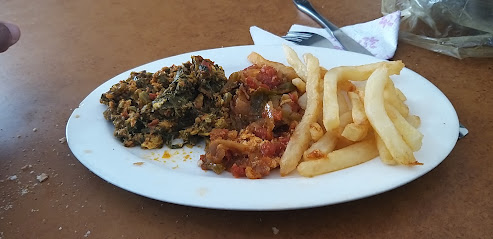
Kheimat Essaoura
0.4 km
Discover the authentic taste of Algeria at Kheimat Essaoura - where tradition meets flavor in El Djazair's vibrant dining scene.
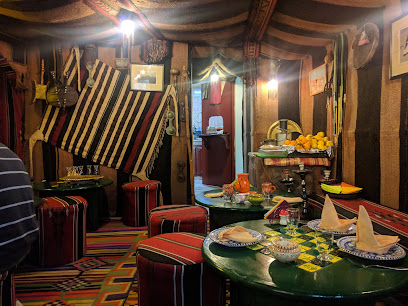
restaurant saoura
0.4 km
Experience authentic Algerian cuisine at Restaurant Saoura in Algiers – a delightful blend of tradition and taste.
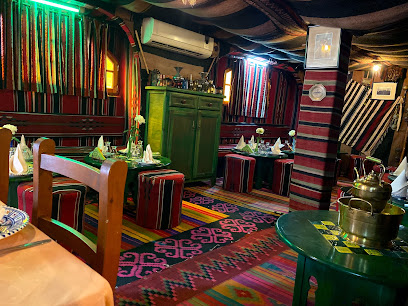
Hollywood pizza
0.5 km
Experience delicious pizza at Hollywood Pizza in Sidi M'Hamed - where every slice tells a story of authentic flavors.
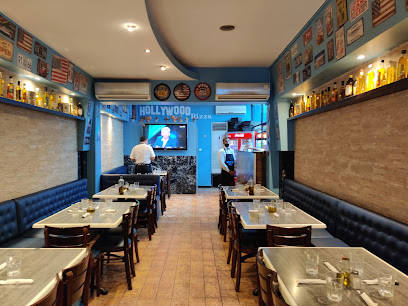
La Calabraise
0.6 km
Experience authentic Italian cuisine at La Calabraise in Algiers—a culinary oasis blending tradition with local charm.
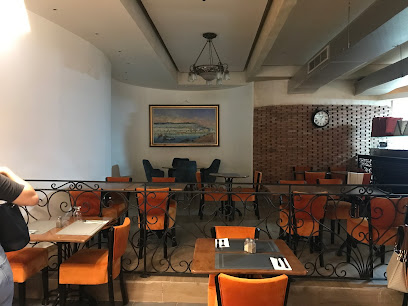
Restaurant Le Caid
0.6 km
Discover authentic Algerian cuisine at Restaurant Le Caid in El Djazair, where every dish tells a story of flavor and tradition.
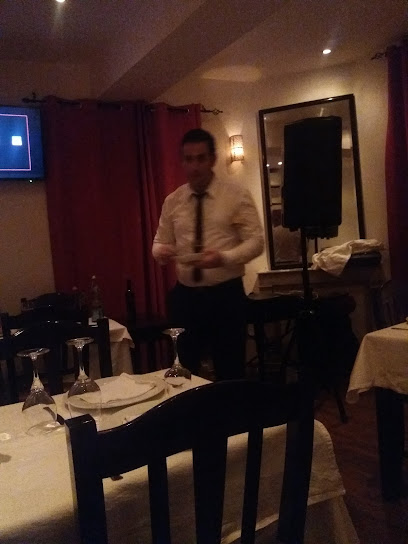
Restaurant aladin
0.6 km
Discover authentic Algerian cuisine at Restaurant Aladin in Sidi M'Hamed, where tradition meets flavor in every dish.
Restaurant sidi fredj
0.7 km
Experience authentic Algerian cuisine at Restaurant Sidi Fredj in El Djazair, where traditional flavors meet warm hospitality.
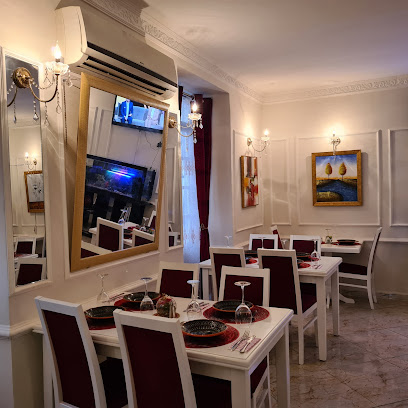
Gazza Restaurant
0.7 km
Discover authentic Algerian cuisine at Gazza Restaurant in Sidi M'Hamed – where tradition meets flavor in every dish.
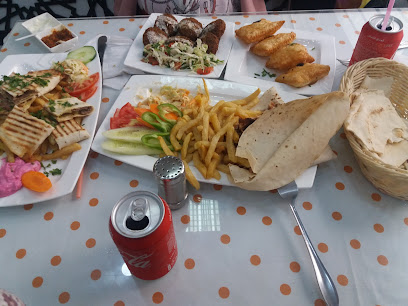
Restaurant Le Bearnais
0.7 km
Experience the authentic taste of Algeria at Restaurant Le Bearnais in El Djazair – where tradition meets contemporary cuisine.
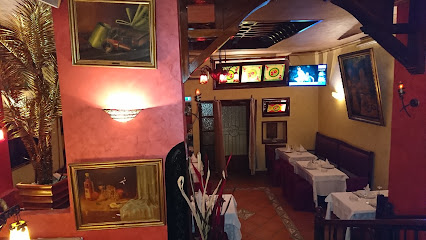
Restaurant Zidi مطعم زيدي
0.8 km
Experience authentic Algerian flavors at Restaurant Zidi in El Djazair – where culinary tradition meets warm hospitality.
Markets, malls and hidden boutiques

Algeria Moda
0.5 km
Explore Algeria Moda in Sidi M'Hamed for contemporary fashion infused with local culture, perfect for every style enthusiast.
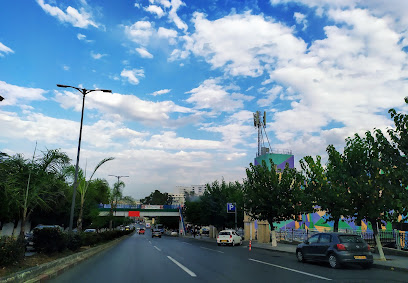
Mode bijoux m b
0.5 km
Explore Mode bijoux m b in El Djazair for unique gifts that embody the charm and artistry of Algerian culture, offering treasures to remember your journey.
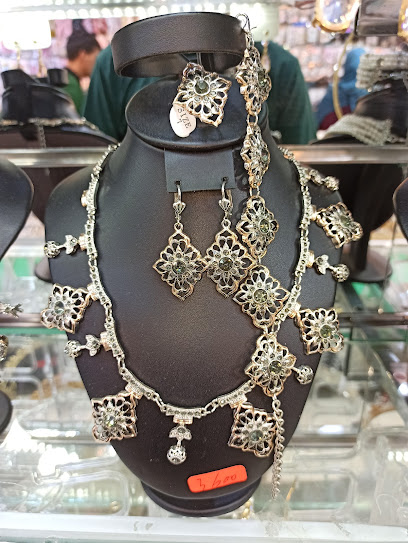
Mim Shopping Prêt-à-porter Féminin
0.6 km
Discover the essence of modern Algerian fashion at Mim Shopping Prêt-à-Porter Féminin, where style meets local culture in the heart of El Djazair.
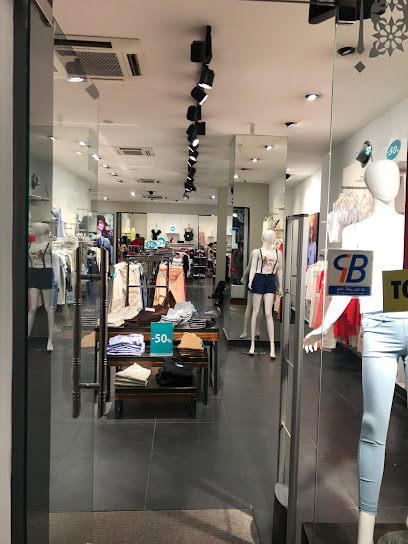
La Boutique Intique
0.6 km
Explore a unique collection of antiques and crafts at La Boutique Intique in Sidi M'Hamed, a treasure trove of Algerian heritage.
Glt Accessories
0.6 km
Explore Glt Accessories in Sidi M'Hamed for unique gifts and authentic Algerian souvenirs that capture the spirit of your travels.
El Nesry
0.8 km
Explore unique Algerian fashion at El Nesry, a clothing store in Sidi M'Hamed showcasing local craftsmanship and style.
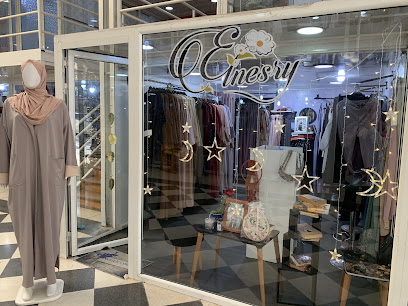
Souvenir, Gifts Shop / هدايا تذكارية
0.8 km
Discover unique souvenirs and local crafts at this charming gift shop in Sidi M'Hamed, a perfect stop for travelers seeking authentic treasures.
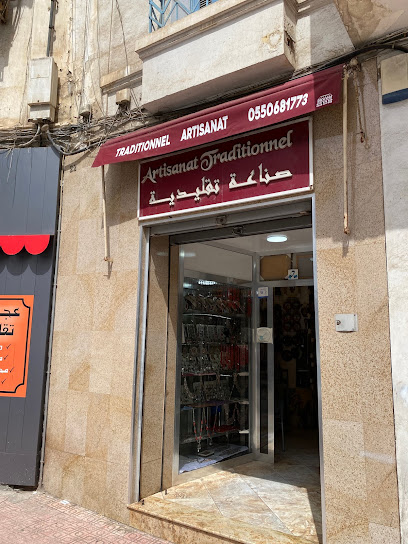
TWM vintage shop
0.9 km
Explore TWM Vintage Shop in Sidi M'Hamed for unique vintage clothing and a taste of Algiers' rich fashion heritage.
BCR boutique , rue 113 Hassiba ben bouali
1.1 km
Explore BCR Boutique in Algiers - A Unique Shopping Experience Blending Tradition and Modernity.
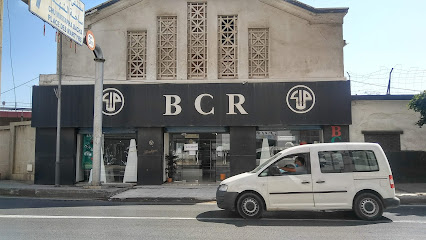
Souvenir Shop
1.2 km
Explore a vibrant souvenir shop in El Djazair, offering unique gifts and local crafts that embody the spirit of Algeria.
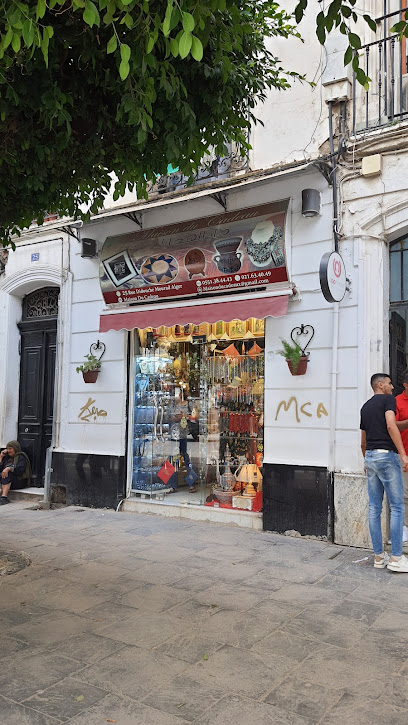
Unique store dz
1.2 km
Explore Unique Store dz in El Djazair for a vibrant selection of local crafts and souvenirs reflecting Algeria's rich cultural heritage.
ملابس واحذية
1.2 km
Uncover stylish clothing and footwear at ملابس واحذية, a top shopping destination in Mohamed Belouizdad, Algiers, for all your fashion needs.
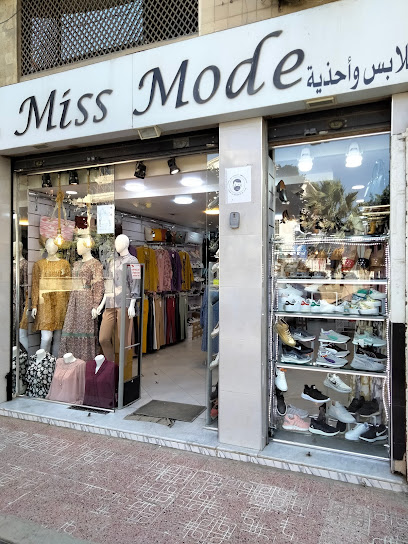
Joli
1.3 km
Experience modern shopping and dining at Joli Shopping Mall in Algiers, where local culture meets contemporary retail.
Aldo
1.3 km
Explore Aldo, the vibrant shopping mall in Sidi M'Hamed, Algiers, where local culture meets modern retail and dining experiences.
L'Emporium
1.3 km
Explore L'Emporium, Algiers' premier perfume store, offering a captivating selection of local and international fragrances in an aromatic paradise.
Essential bars & hidden hideouts

Le Tonneau - Bar
0.5 km
Experience the vibrant atmosphere of Le Tonneau, a local bar in Sidi M'Hamed renowned for its friendly ambiance and delicious drink selection.
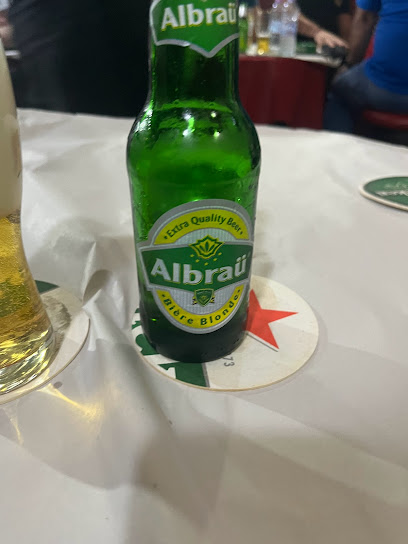
Brasserie La Toison D'or
0.5 km
Experience the vibrant atmosphere of Brasserie La Toison D'or, where Algerian flavors and hospitality come together in the heart of El Djazair.
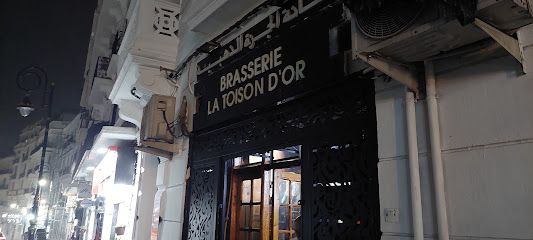
Bar El Dey
0.7 km
Experience the vibrant atmosphere of Bar El Dey in El Mouradia, where locals and visitors come together to enjoy drinks and socialize in a lively setting.
Club Pacha Nightclub
0.7 km
Discover the electrifying nightlife of Algiers at Club Pacha Nightclub, where music, dance, and unforgettable moments come together.

restaurant
0.9 km
Experience the vibrant nightlife of Algiers at this local bar, where culture meets relaxation in a cozy atmosphere filled with laughter and music.
أخصائي كبدة
1.2 km
Discover the authentic flavors of Algeria at أخصائي كبدة, a vibrant bar in El Djazair specializing in delicious liver dishes.
Ggh'ht
1.3 km
Discover the vibrant nightlife of Algiers at Ggh'ht, a cozy bar in Sidi M'Hamed offering a unique blend of local culture and refreshing beverages.
كلاسيك لاونج
1.5 km
Experience the vibrant fast food culture at كلاسيك لاونج in El Djazair, where delightful flavors and a lively atmosphere await every visitor.
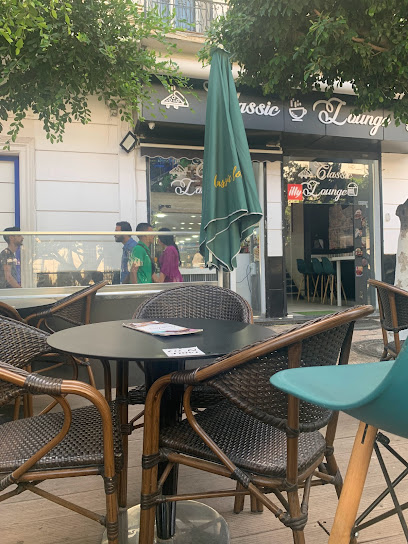
Bell'ys sktbox & Burger
1.6 km
Discover the delightful taste of burgers and friendly service at Bell'ys sktbox & Burger in Hydra, Algeria.
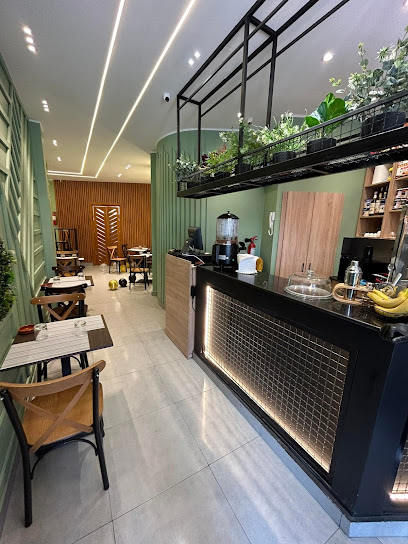
Alger bar
1.8 km
Discover the heartbeat of El Djazair at Alger Bar, where live music and vibrant culture create an unforgettable nightlife experience.
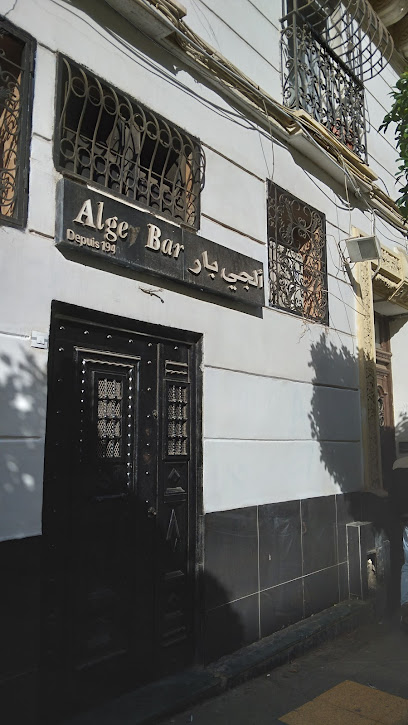
مطعم القوس
1.8 km
Discover the authentic flavors of Algeria at مطعم القوس, a charming restaurant in Hydra, perfect for an unforgettable dining experience.
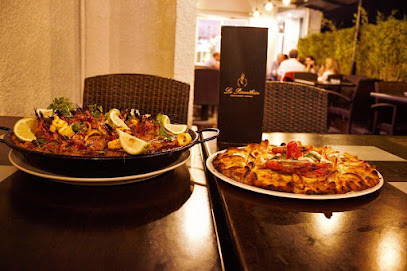
Grial Hydra
1.9 km
Experience authentic Algerian cuisine at Grial Hydra in El Biar, a must-visit restaurant for food lovers in Algiers.
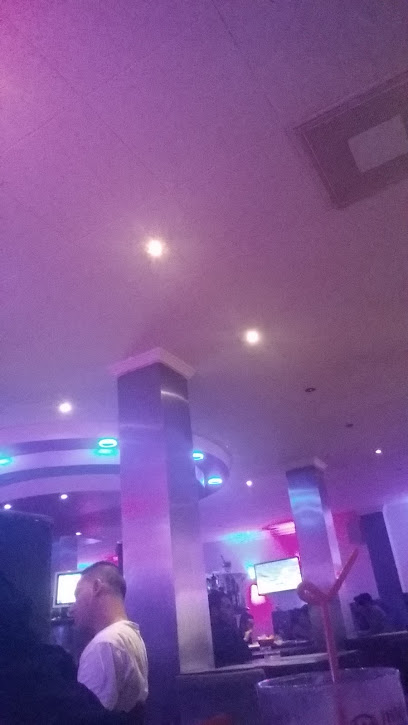
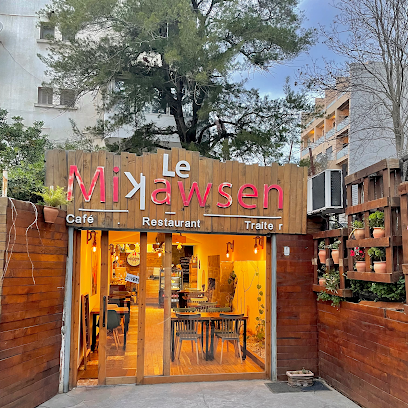
Le Mikawsen Restaurant, Café
1.9 km
Experience the rich flavors of Algeria at Le Mikawsen Restaurant, Café in El Biar, where traditional dishes meet modern culinary artistry.
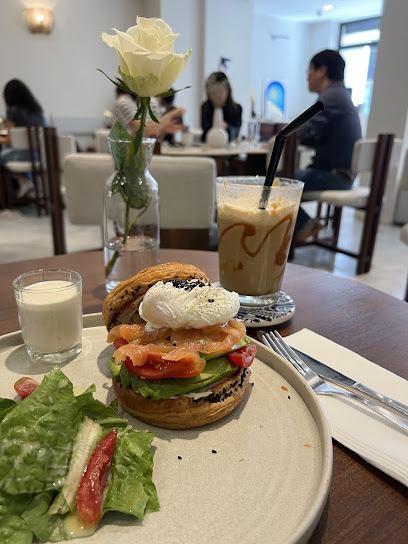
Masagran Algérie - Coffee & Brunch
2.0 km
Experience the best of Algerian coffee culture at Masagran Algérie - a must-visit café in El Biar for brunch lovers and coffee enthusiasts.
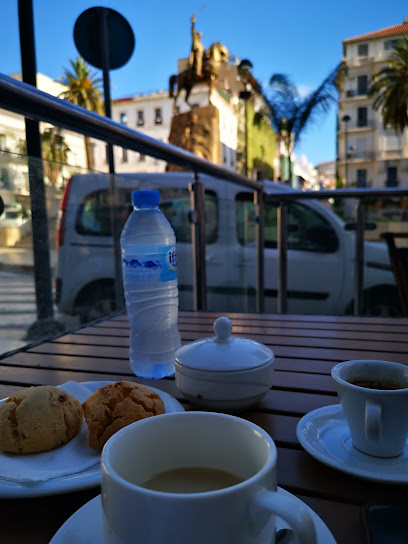
Milk-bar
2.0 km
Experience the cozy ambiance of Milk-bar in Algiers, where local flavors and a welcoming atmosphere await every visitor.
Nightclubs & after hour spots

Hotel El Djazair
0.8 km
Discover the perfect blend of luxury, nightlife, and culinary delights at Hotel El Djazair in Algiers.
حومة الحسادين
2.3 km
Discover the charm of حومة الحسادين, a cozy lounge in Kouba, offering a perfect blend of relaxation and local Algerian hospitality.
Green Club
2.3 km
Discover the pulsating nightlife of El Madania at Green Club, where music, dance, and vibrant energy create an unforgettable experience.
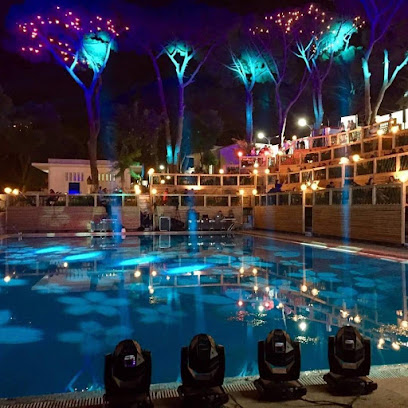
Cavalli club esplanade sofitel
2.5 km
Immerse yourself in the luxurious nightlife of Algiers at Cavalli Club Esplanade Sofitel, where exquisite dining meets vibrant entertainment.
Triangle night club
2.6 km
Experience unforgettable nights filled with music, dance, and excitement at Triangle Night Club in El Madania, the heart of Algeria's nightlife.
الكوزينة
3.3 km
Discover the vibrant culture and lively performances at الكوزينة, a premier cabaret club in Mohamed Belouizdad, Algiers.
Les Arcades Sixteen 16
3.3 km
Discover the lively nightlife at Les Arcades Sixteen, a premier night club and lounge in El Madania, perfect for unwinding and enjoying local music.
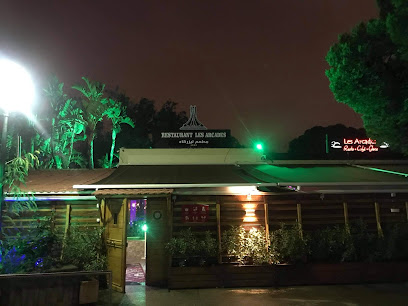
PianoPiano.dz
3.3 km
Discover a harmonious blend of culinary excellence and live music at PianoPiano.dz in El Madania, where every meal is a melodious celebration.
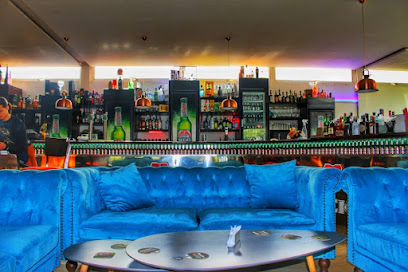
Cosmopolitain
3.4 km
Experience the vibrant atmosphere and exquisite tapas at Cosmopolitain, the ultimate dining spot in Alger for food lovers and socialites alike.
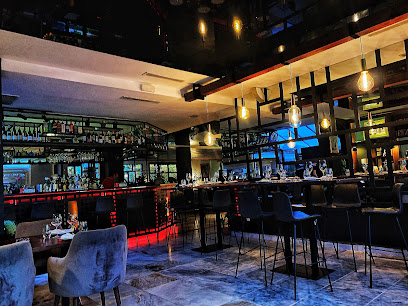
Dar Gnawa
4.5 km
Discover the vibrant culinary and musical heritage of Algeria at Dar Gnawa, where every meal is a celebration of local culture.
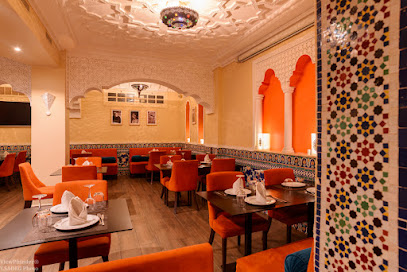
Virage
4.6 km
Discover the energy of Ben Aknoun's nightlife at Virage, a premier cabaret club showcasing vibrant performances and local culture.
FANATIZ ET LES GWEENS
4.6 km
Discover the vibrant nightlife at FANATIZ ET LES GWEENS, Rass's premier cabaret club, where culture and entertainment come alive.
1600 ronji
6.7 km
Discover the vibrant nightlife at 1600 Ronji, a premier night club in Saoula, where music and dance create unforgettable memories.
جماعة تمعجيز
7.3 km
Explore the vibrant nightlife of جماعة تمعجيز in Djasr Kasentina, where music, dancing, and fun come together for an unforgettable experience.
Salle des Fetes el Khayma Bazar Hamza
7.6 km
Dive into the thrilling nightlife of Algiers at Salle des Fetes el Khayma Bazar Hamza, where music and culture merge for an unforgettable experience.


