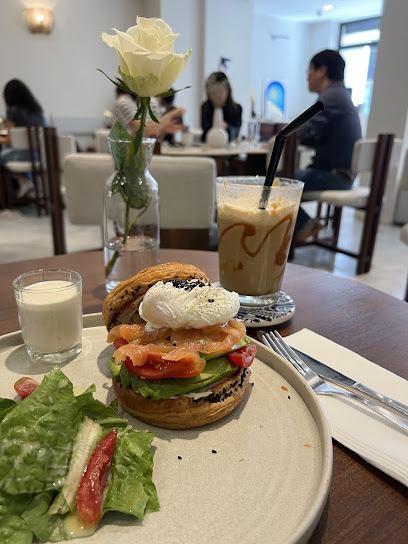
National Museum of Antiquities and Islamic Art: A Journey Through Algerian History
Discover Algeria's rich heritage at the National Museum of Antiquities and Islamic Art, showcasing artifacts from the Libyan-Punic era to the 20th century.
The National Museum of Antiquities and Islamic Art in Algiers, the oldest museum in Algeria and Africa, showcases a rich collection spanning from the Libyan-Punic era to the 20th century. Divided into two sections, Antiquities and Islamic Art, the museum offers insights into Algeria's diverse cultural heritage through mosaics, sculptures, ceramics, and more.
A brief summary to National Museum of Antiquities and Islamic Art
- 177 Bd Colonel Krim Belkacem, El Djazair, Agha, 16000, DZ
- +21323470851
- Visit website
- Monday 9 am-12 pm
- Tuesday 9 am-12 pm
- Wednesday 9 am-12 pm
- Thursday 9 am-12 pm
- Friday 10 am-12 pm
- Saturday 10 am-12 pm
Local tips
- Visit during the week to avoid weekend crowds and have a more intimate experience with the exhibits.
- Check the museum's website for temporary exhibitions and special events to enhance your visit.
- Allow at least 2-3 hours to fully explore both the Antiquities and Islamic Art sections.
- Photography is allowed in some areas, but be sure to check with museum staff regarding any restrictions.

Getting There
-
Public Transport
From the Alger Centre, take the bus lines 19 or 36. Ask the driver to let you know when you arrive at Boulevard Colonel Krim Belkacem. The museum is a short walk from the bus stop at 177 Boulevard Colonel Krim Belkacem. A single bus ticket costs approximately DZD 20-30.
-
Taxi
Take a taxi from anywhere in Algiers. Request the driver to take you to the National Museum of Antiquities and Islamic Art at 177 Boulevard Colonel Krim Belkacem. Taxis are readily available, but it's wise to negotiate the fare before starting your journey. A short taxi ride in Algiers typically costs around DZD 290.
-
Walking
From the center of Algiers, head towards Boulevard Colonel Krim Belkacem. The museum is located at 177 Boulevard Colonel Krim Belkacem. Look for signs directing you to the Park of Liberty, where the museum is located. Allow approximately 15-20 minutes to walk from the city center.
Discover more about National Museum of Antiquities and Islamic Art
Iconic landmarks you can’t miss

Al-Rahma Mosque
0.9 km
Discover the spiritual heart of Algiers at Al-Rahma Mosque, a stunning architectural marvel and a serene place of worship.
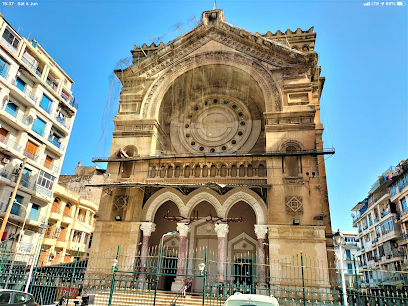
Voirol
1.0 km
Discover Voirol, a historical landmark in El Mouradia, Algeria, showcasing the rich heritage and captivating architecture of the region.

Resistance Square
1.2 km
A historic square in Algiers, symbolizing Algeria's fight for independence and its people's enduring spirit of resistance.
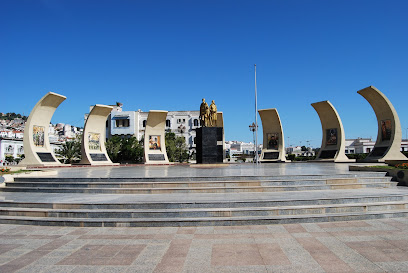
خميسات
1.5 km
Explore Khémisset, a historical landmark in Hydra, Algiers, where rich heritage and stunning architecture unite to tell Algeria's captivating story.
Place EL QODS
1.6 km
Experience the vibrant atmosphere of Place EL QODS in Hydra, Algiers, a cultural hub blending history and modernity. A must-see destination!
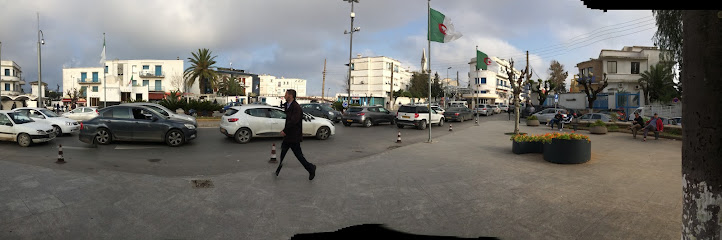
مسجد القدس
1.7 km
Discover the serene beauty and cultural richness of مسجد القدس in Hydra, Algiers, a must-visit landmark for spiritual reflection and architectural appreciation.
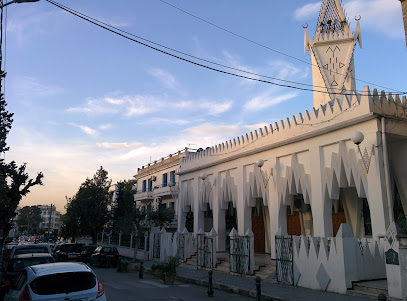
Movie theater Ibn Khaldoun
1.7 km
Experience cinematic art in a historic setting at Ibn Khaldoun Theater, a cultural gem in the heart of Algiers.
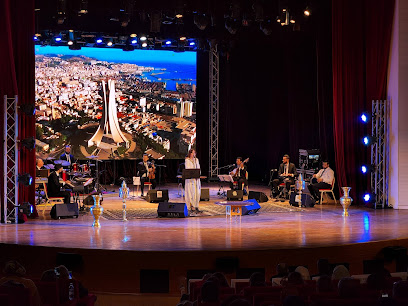
أطلس تايمز Atlas Times
1.9 km
Explore Atlas Times in Algiers: Where Media, Culture, and Community Converge in a Dynamic Hub of Innovation.
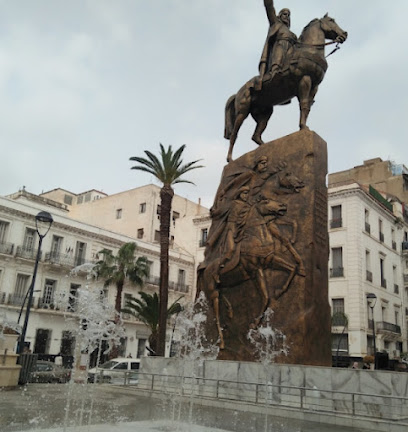
Emir Abdelkader Place
2.0 km
Discover Algiers' vibrant heart at Emir Abdelkader Place, a landmark celebrating Algerian history, culture, and the legacy of a national hero.
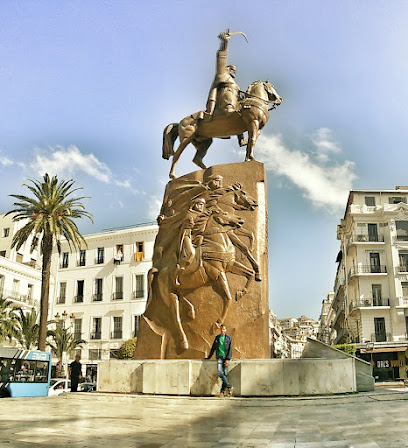
Place LAPERRINE
2.0 km
Experience the lively atmosphere of Place LAPERRINE, a central town square in Algiers' upscale Hydra district, offering a taste of local culture.
ساحة الشهيد بوجمعة حمّار
2.2 km
Explore the Memorial Square of Martyrs in Algiers - a historical monument commemorating those who sacrificed their lives for Algeria's independence.
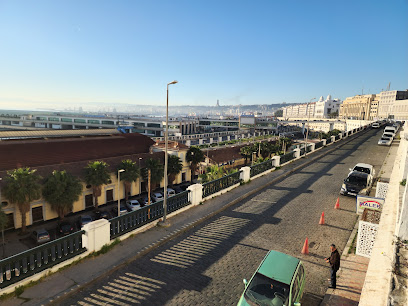
Port Saïd Square
2.6 km
Experience the vibrant heart of Algiers at Port Saïd Square, a historic hub where culture, architecture, and local life converge.
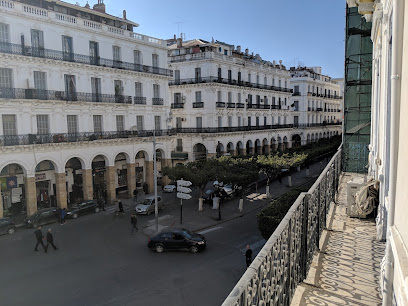
Places des vingt deux
2.7 km
Discover the rich heritage and stunning architecture of Places des Vingt Deux, a captivating historical landmark in El Madania, Algeria.
الخميسات
2.7 km
Explore Algeria's cultural heritage at الخميستات in Hydra, a blend of history, architecture, and serene beauty in a prestigious Algiers neighborhood.
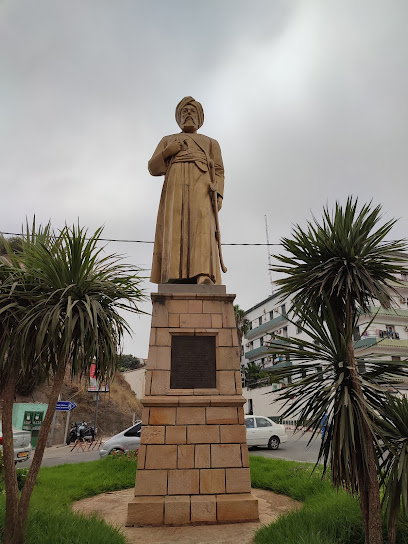
Statue of Bologhine ibn Ziri
2.8 km
A tribute to the founder of Algiers, nestled in the heart of the historic Casbah. A symbol of Algerian heritage and leadership.
Unmissable attractions to see

Freedom Park
0.1 km
Escape to tranquility in Algiers' Freedom Park, a historic green space offering relaxation and cultural events in the city center.
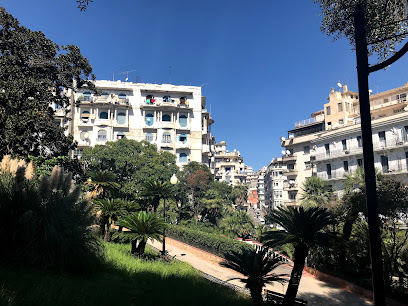
Bardo National Museum of Prehistory and Ethnography
0.1 km
Discover Algeria's rich history at the Bardo National Museum of Prehistory and Ethnography, a treasure trove of artifacts in a stunning historic setting.
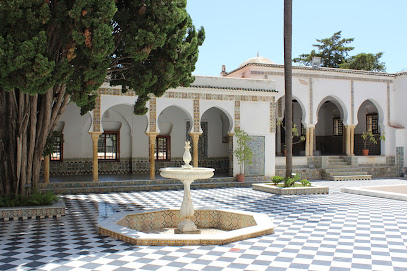
Sacred Heart Cathedral
0.3 km
Discover Algiers' Sacred Heart Cathedral: a stunning blend of modern architecture, faith, and history in the heart of the city.
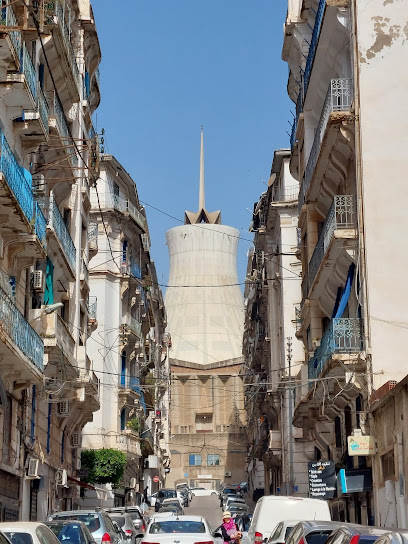
Tifariti - Laperlier Garden
0.5 km
Escape to tranquility in Algiers at Tifariti - Laperlier Garden, a serene oasis with lush greenery, playgrounds, and picturesque views.
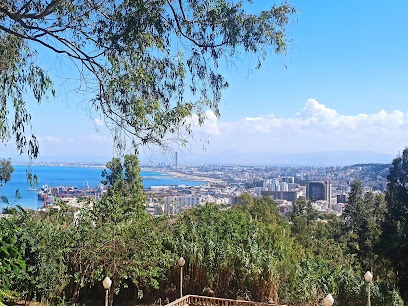
Beyrouth Parc
0.8 km
Escape to tranquility in the heart of Algiers at Beyrouth Parc, a serene green space perfect for relaxation and recreation.
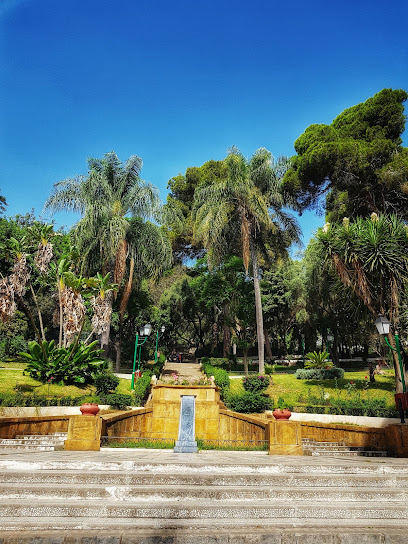
Place du 1er Mai
1.0 km
Experience the vibrant heart of Algiers at Place du 1er Mai, a bustling hub connecting the city's past and present.
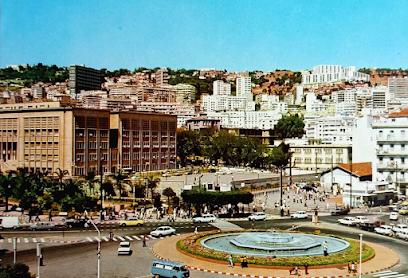
Atlas Forest
1.2 km
Escape to the serene Atlas Forest in Algiers for lush greenery, peaceful walks, and a refreshing natural retreat.
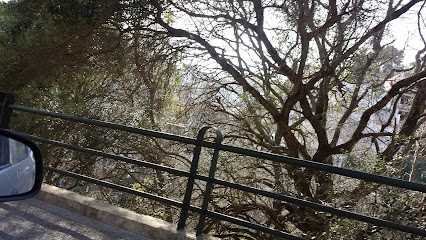
Monument the Docker The Martyrs of May 2, 1962
1.2 km
Explore the Monument to the Martyrs of May 2, 1962, a solemn tribute to Algeria's fight for independence and a must-visit historical landmark.
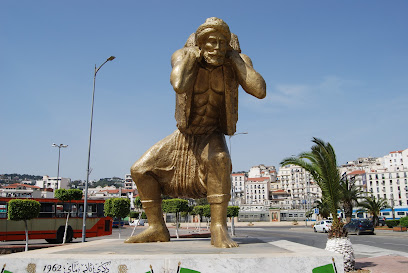
Place Maurice Audin
1.3 km
Explore the vibrant Place Maurice Audin in El Djazair, a lively town square rich in culture, history, and local flavors.
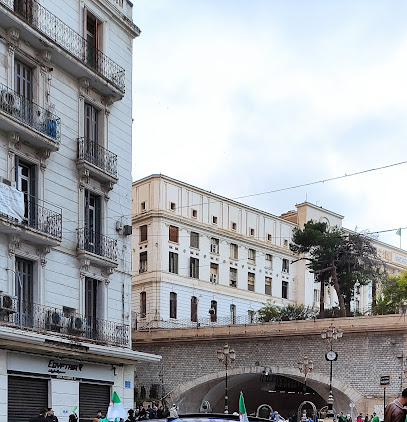
Əlcəzair
1.3 km
Explore the cultural richness of Ţlçezair in Algiers, where history, architecture, and local flavors come together in a vibrant atmosphere.
Alger
1.4 km
Discover Algiers' architectural gem: a neo-Moorish masterpiece blending history and culture in the heart of the capital.
Aqueduct Ain Zeboudja
1.4 km
Explore the Aqueduct Ain Zeboudja in Algiers, a historic landmark showcasing Ottoman-era engineering and Algeria's rich cultural heritage.
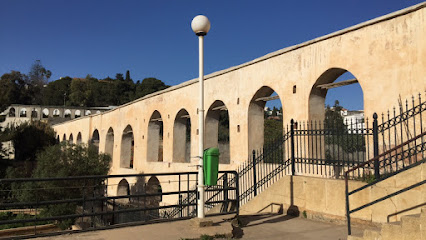
Flower Clock Garden
1.7 km
Discover a tranquil oasis in Algiers at the Flower Clock Garden, a vibrant display of nature's artistry and horticultural beauty.
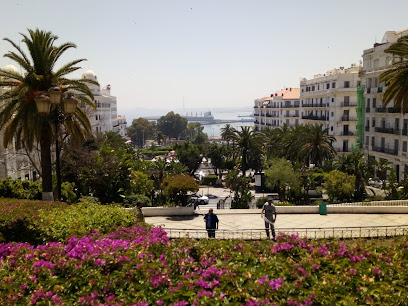
I love Algiers
1.7 km
Discover a unique floral clock in Algiers, a tranquil garden escape on historic Pasteur Avenue, blending nature and horology.
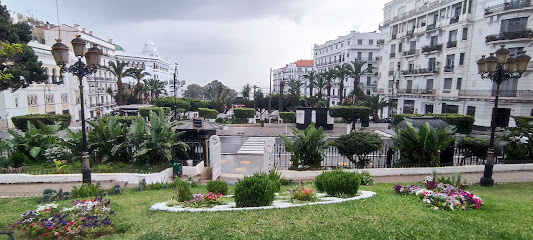
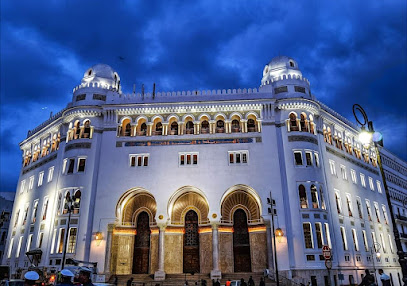
Place de la Grande Poste
1.7 km
Discover the vibrant culture and stunning architecture of Place de la Grande Poste, the heart of Algiers where history meets modern life.
Essential places to dine

Restaurant El Djenina مطعم الجنينة
0.1 km
Discover the essence of Algerian cuisine at Restaurant El Djenina – where every dish tells a story.
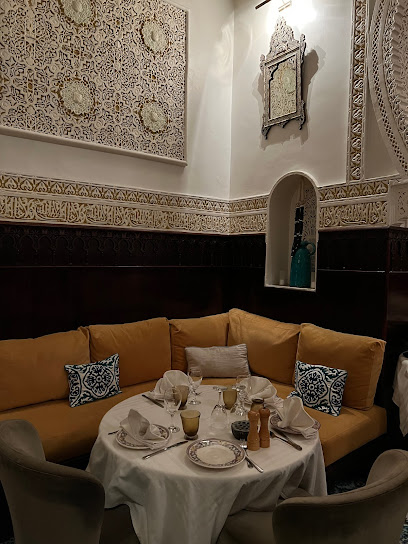
Le Bardo Restaurant مطعم الباردو
0.2 km
Experience authentic Algerian cuisine at Le Bardo Restaurant - a culinary delight in Sidi M'Hamed with rich flavors and warm hospitality.
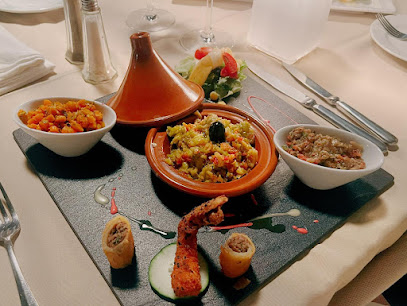
مطعم رسيم
0.2 km
Discover authentic Algerian flavors at Racym Restaurant in Algiers – where every meal tells a story.
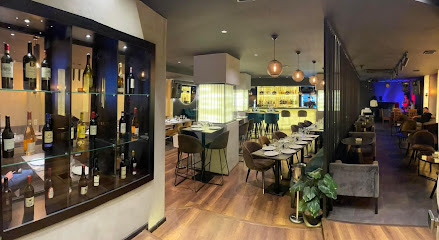
Fun - Salon De Thé - Pizzeria
0.3 km
Experience exceptional pizza and tea at Fun - Salon De Thé - Pizzeria in Sidi M'Hamed – where culinary traditions meet modern tastes.
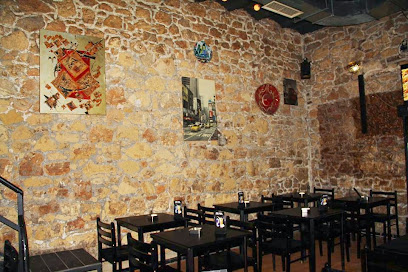
Kheimat Essaoura
0.4 km
Discover the authentic taste of Algeria at Kheimat Essaoura - where tradition meets flavor in El Djazair's vibrant dining scene.
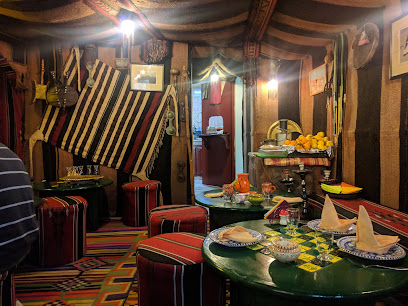
restaurant saoura
0.4 km
Experience authentic Algerian cuisine at Restaurant Saoura in Algiers – a delightful blend of tradition and taste.
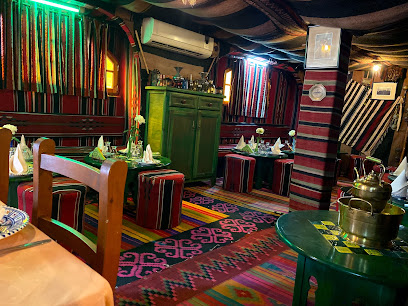
Restaurant la paix
0.5 km
Discover authentic Algerian flavors at Restaurant La Paix in Sidi M'Hamed, where tradition meets warm hospitality.
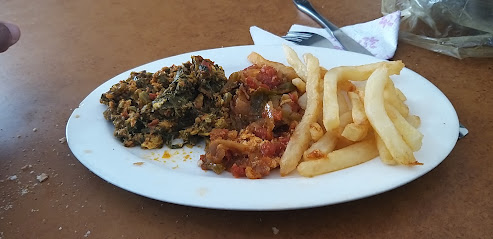
Restaurant Le Caid
0.6 km
Discover authentic Algerian cuisine at Restaurant Le Caid in El Djazair, where every dish tells a story of flavor and tradition.
La Calabraise
0.6 km
Experience authentic Italian cuisine at La Calabraise in Algiers—a culinary oasis blending tradition with local charm.
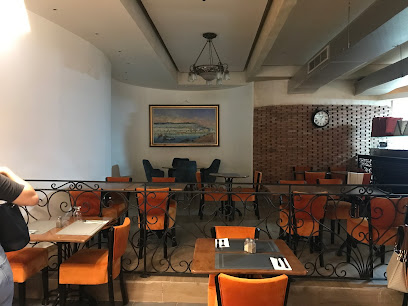
Restaurant aladin
0.6 km
Discover authentic Algerian cuisine at Restaurant Aladin in Sidi M'Hamed, where tradition meets flavor in every dish.
Hollywood pizza
0.7 km
Experience delicious pizza at Hollywood Pizza in Sidi M'Hamed - where every slice tells a story of authentic flavors.
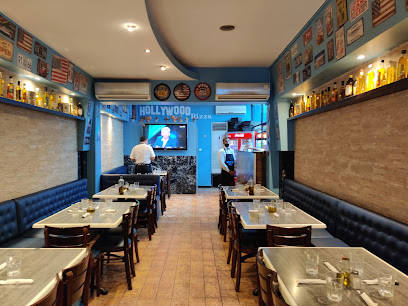
Restaurant sidi fredj
0.7 km
Experience authentic Algerian cuisine at Restaurant Sidi Fredj in El Djazair, where traditional flavors meet warm hospitality.
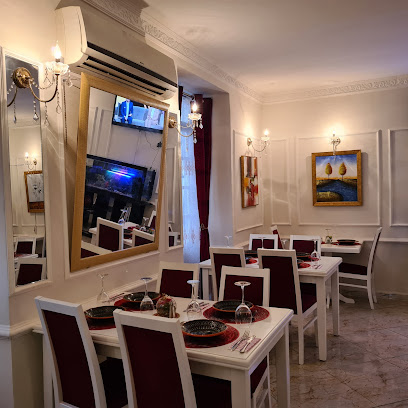
Restaurant Le Bearnais
0.8 km
Experience the authentic taste of Algeria at Restaurant Le Bearnais in El Djazair – where tradition meets contemporary cuisine.
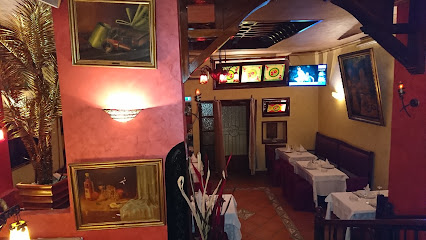
Restaurant Zidi مطعم زيدي
0.8 km
Experience authentic Algerian flavors at Restaurant Zidi in El Djazair – where culinary tradition meets warm hospitality.
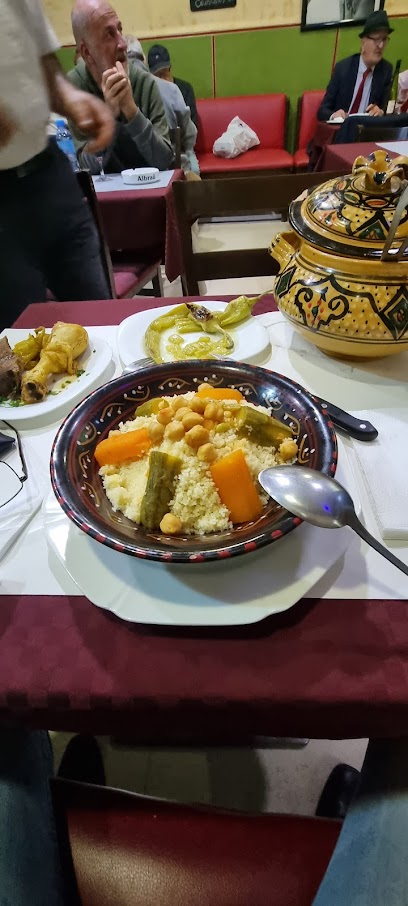
Gazza Restaurant
0.8 km
Discover authentic Algerian cuisine at Gazza Restaurant in Sidi M'Hamed – where tradition meets flavor in every dish.
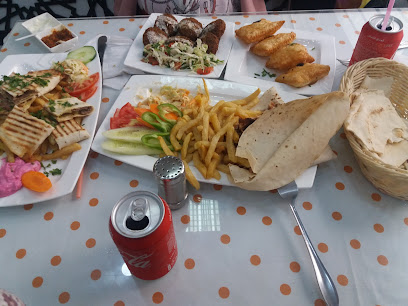
Markets, malls and hidden boutiques

Mode bijoux m b
0.5 km
Explore Mode bijoux m b in El Djazair for unique gifts that embody the charm and artistry of Algerian culture, offering treasures to remember your journey.
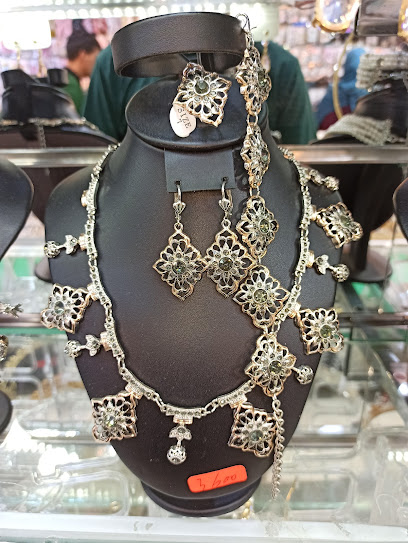
Algeria Moda
0.6 km
Explore Algeria Moda in Sidi M'Hamed for contemporary fashion infused with local culture, perfect for every style enthusiast.
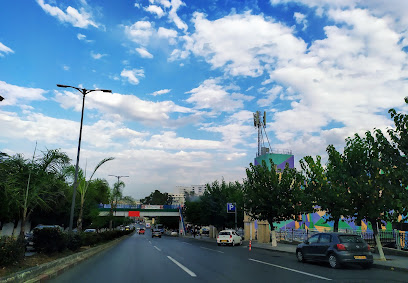
Mim Shopping Prêt-à-porter Féminin
0.6 km
Discover the essence of modern Algerian fashion at Mim Shopping Prêt-à-Porter Féminin, where style meets local culture in the heart of El Djazair.
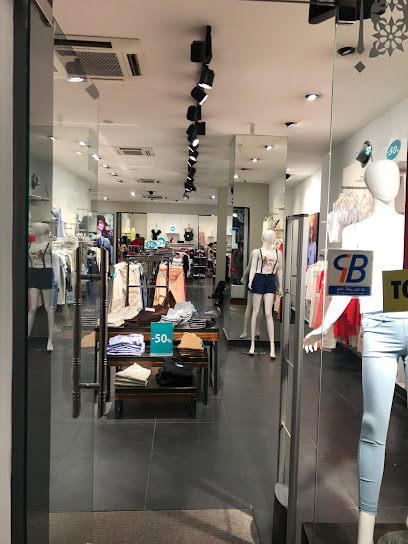
Glt Accessories
0.6 km
Explore Glt Accessories in Sidi M'Hamed for unique gifts and authentic Algerian souvenirs that capture the spirit of your travels.
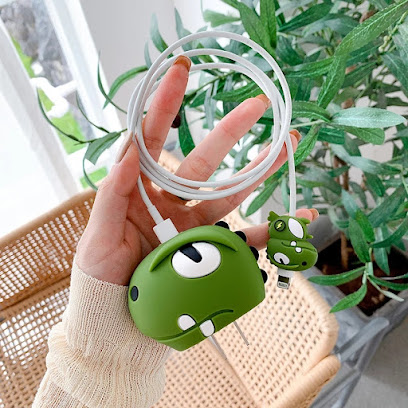
La Boutique Intique
0.7 km
Explore a unique collection of antiques and crafts at La Boutique Intique in Sidi M'Hamed, a treasure trove of Algerian heritage.
Souvenir, Gifts Shop / هدايا تذكارية
0.8 km
Discover unique souvenirs and local crafts at this charming gift shop in Sidi M'Hamed, a perfect stop for travelers seeking authentic treasures.
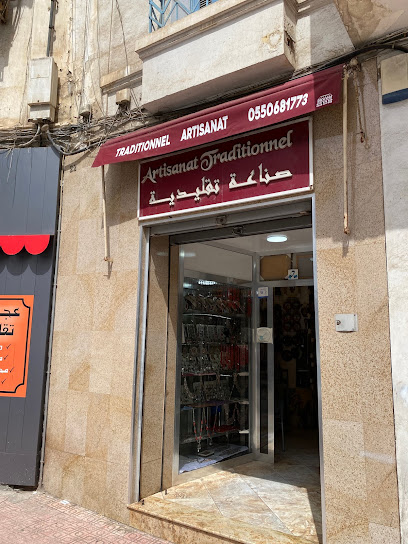
El Nesry
0.9 km
Explore unique Algerian fashion at El Nesry, a clothing store in Sidi M'Hamed showcasing local craftsmanship and style.
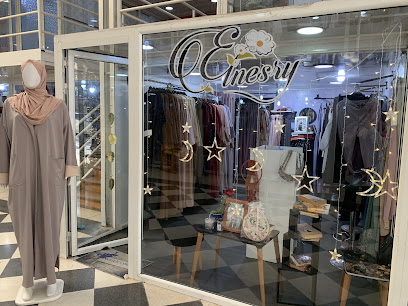
TWM vintage shop
1.0 km
Explore TWM Vintage Shop in Sidi M'Hamed for unique vintage clothing and a taste of Algiers' rich fashion heritage.
Souvenir Shop
1.2 km
Explore a vibrant souvenir shop in El Djazair, offering unique gifts and local crafts that embody the spirit of Algeria.
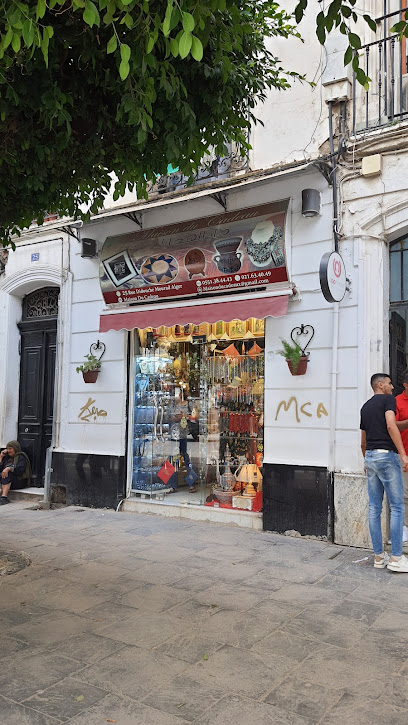
Unique store dz
1.2 km
Explore Unique Store dz in El Djazair for a vibrant selection of local crafts and souvenirs reflecting Algeria's rich cultural heritage.
BCR boutique , rue 113 Hassiba ben bouali
1.2 km
Explore BCR Boutique in Algiers - A Unique Shopping Experience Blending Tradition and Modernity.
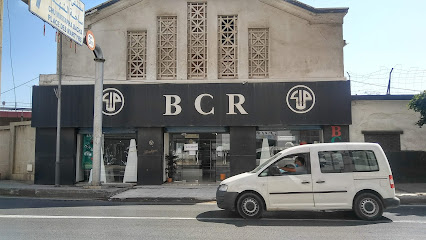
دار ڨاوار
1.3 km
Explore the vibrant gifts of دار ڨاوار, a traditional market in El Djazair offering handcrafted treasures and authentic Algerian souvenirs.
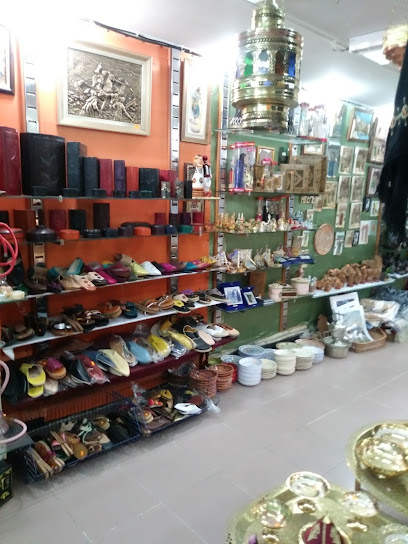
ملابس واحذية
1.3 km
Uncover stylish clothing and footwear at ملابس واحذية, a top shopping destination in Mohamed Belouizdad, Algiers, for all your fashion needs.
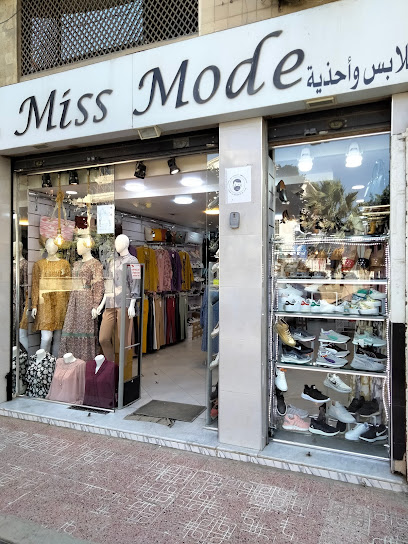
Joli
1.4 km
Experience modern shopping and dining at Joli Shopping Mall in Algiers, where local culture meets contemporary retail.
Aldo
1.4 km
Explore Aldo, the vibrant shopping mall in Sidi M'Hamed, Algiers, where local culture meets modern retail and dining experiences.
Essential bars & hidden hideouts

Le Tonneau - Bar
0.4 km
Experience the vibrant atmosphere of Le Tonneau, a local bar in Sidi M'Hamed renowned for its friendly ambiance and delicious drink selection.
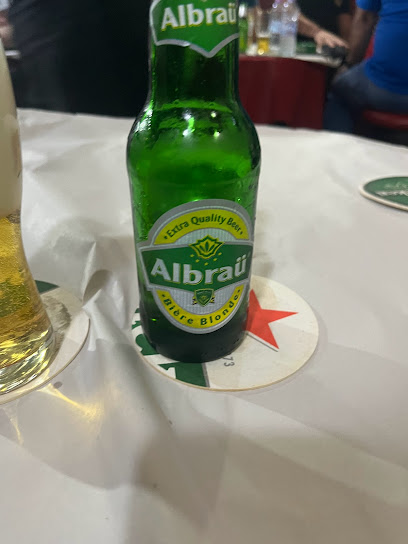
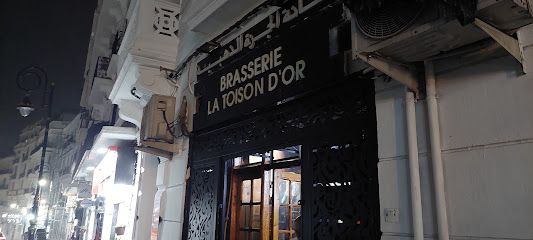
Brasserie La Toison D'or
0.5 km
Experience the vibrant atmosphere of Brasserie La Toison D'or, where Algerian flavors and hospitality come together in the heart of El Djazair.
Bar El Dey
0.8 km
Experience the vibrant atmosphere of Bar El Dey in El Mouradia, where locals and visitors come together to enjoy drinks and socialize in a lively setting.
Club Pacha Nightclub
0.8 km
Discover the electrifying nightlife of Algiers at Club Pacha Nightclub, where music, dance, and unforgettable moments come together.

restaurant
0.9 km
Experience the vibrant nightlife of Algiers at this local bar, where culture meets relaxation in a cozy atmosphere filled with laughter and music.
أخصائي كبدة
1.2 km
Discover the authentic flavors of Algeria at أخصائي كبدة, a vibrant bar in El Djazair specializing in delicious liver dishes.
أخصائي كبدة
1.2 km
Experience the authentic flavors of El Djazair at أخصائي كبدة, a bar specializing in exquisite liver dishes that will tantalize your taste buds.
Ggh'ht
1.4 km
Discover the vibrant nightlife of Algiers at Ggh'ht, a cozy bar in Sidi M'Hamed offering a unique blend of local culture and refreshing beverages.
كلاسيك لاونج
1.5 km
Experience the vibrant fast food culture at كلاسيك لاونج in El Djazair, where delightful flavors and a lively atmosphere await every visitor.
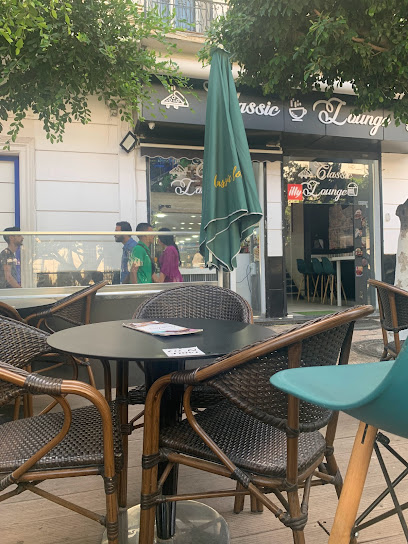
Bell'ys sktbox & Burger
1.6 km
Discover the delightful taste of burgers and friendly service at Bell'ys sktbox & Burger in Hydra, Algeria.
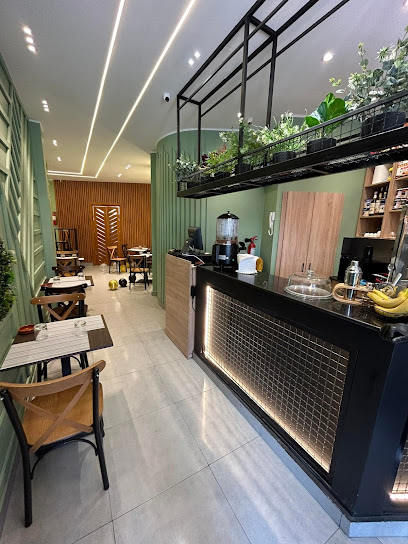
مطعم القوس
1.8 km
Discover the authentic flavors of Algeria at مطعم القوس, a charming restaurant in Hydra, perfect for an unforgettable dining experience.
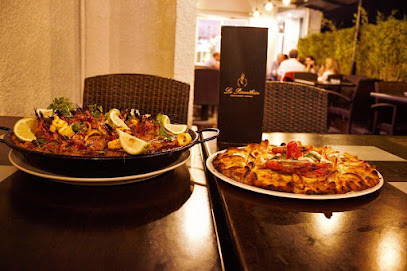
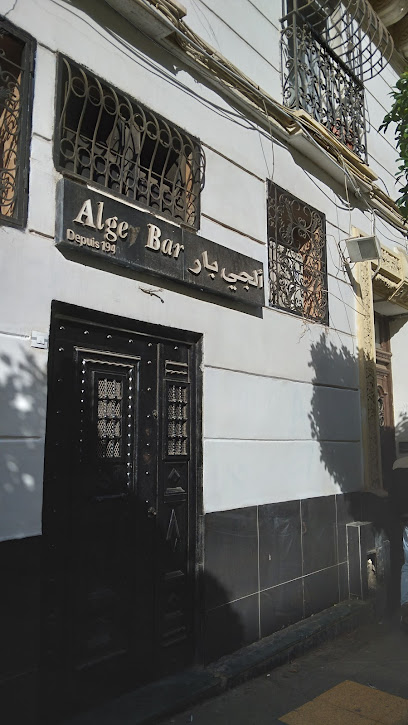
Alger bar
1.8 km
Discover the heartbeat of El Djazair at Alger Bar, where live music and vibrant culture create an unforgettable nightlife experience.
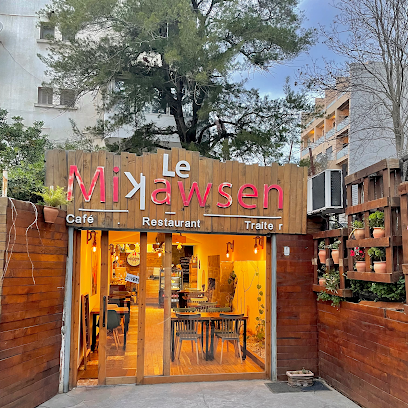
Le Mikawsen Restaurant, Café
1.8 km
Experience the rich flavors of Algeria at Le Mikawsen Restaurant, Café in El Biar, where traditional dishes meet modern culinary artistry.
Grial Hydra
1.8 km
Experience authentic Algerian cuisine at Grial Hydra in El Biar, a must-visit restaurant for food lovers in Algiers.
Masagran Algérie - Coffee & Brunch
1.9 km
Experience the best of Algerian coffee culture at Masagran Algérie - a must-visit café in El Biar for brunch lovers and coffee enthusiasts.