
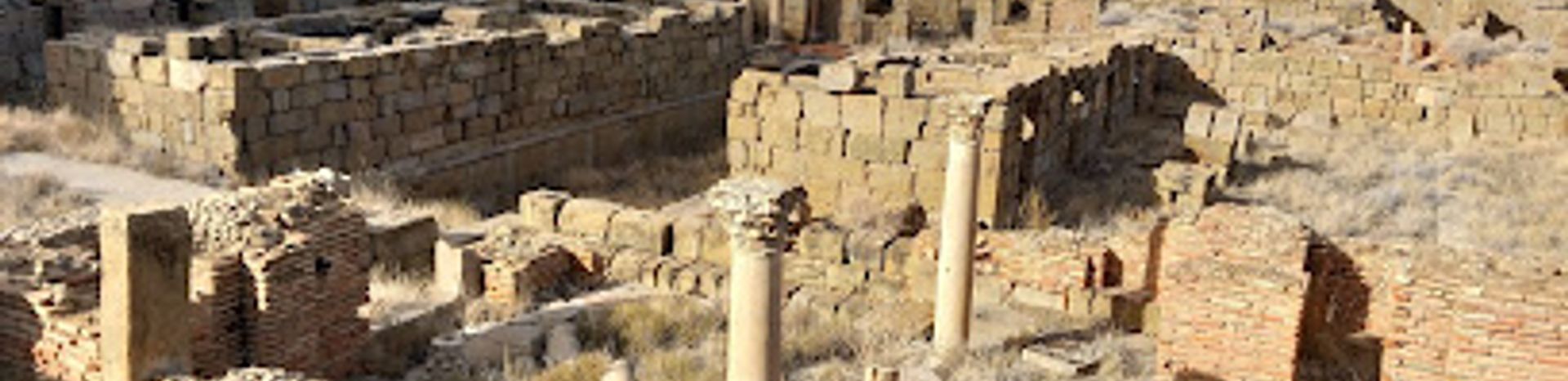
Byzantine Fort: A Sentinel of Timgad's Enduring Legacy
Explore the Byzantine Fort in Timgad, a powerful reminder of the Roman city's strategic importance and enduring legacy through the ages.
The Byzantine Fort, constructed in 539 AD, stands as a testament to Timgad's strategic importance long after the Roman Empire's decline. Built by Byzantine General Solomon, the fort repurposed Roman stones to defend against Berber incursions, offering a glimpse into the city's layered history.
A brief summary to Byzantine Fort on the Aqua Septimiana Felix
- Byzantine Fort, Timgad, DZ
Local tips
- Visit early in the morning to avoid crowds and experience a peaceful exploration of the fort and surrounding ruins.
- Wear comfortable shoes, as the terrain around the fort can be uneven and requires some walking.
- Bring a camera to capture the panoramic views of the Timgad ruins and the surrounding Aures Mountains from the fort's ramparts.

Getting There
-
Walking
From the central area of the Timgad ruins, head southeast towards the visible structure of the Byzantine Fort. The walk is approximately 1.5 km and should take around 20 minutes. The path is well-trodden but can be uneven in places, so wear appropriate footwear.
-
Car
If arriving by car, follow signs within the Timgad archaeological site towards the Byzantine Fort. The fort is about 1.5 km from the main entrance. Designated parking areas are available near the fort. Parking fees may vary.
Discover more about Byzantine Fort on the Aqua Septimiana Felix
Iconic landmarks you can’t miss

Tigagunte
7.2 km
Explore Tigagunte, a serene tourist attraction in Oued Taga, where natural beauty and authentic culture await your discovery.

Aqueduc de ain drine
19.0 km
Explore the historic Aqueduc de Ain Drine in Tazoult, Algeria, a stunning example of ancient engineering and a peaceful landmark.
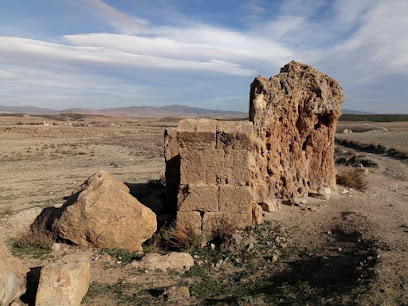
Ex eglise de tazoult
19.1 km
Explore the historical charm of Ex Église de Tazoult, a captivating landmark that reflects Algeria's rich cultural heritage and architectural beauty.
Aurès Mountains
24.0 km
Explore the rugged beauty and rich Berber heritage of the Aurès Mountains in Algeria, a land of dramatic landscapes and ancient history.
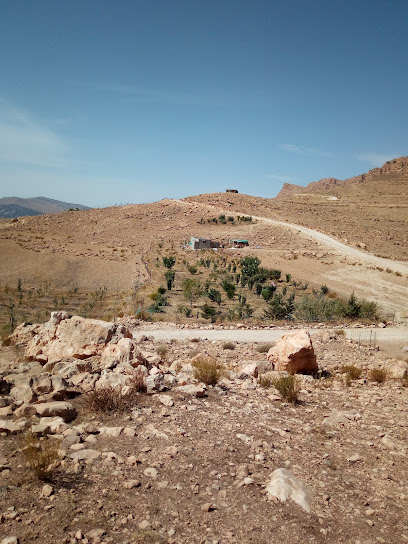
Montagne ouarsenis - بوثلغمين
27.0 km
Explore the serene landscapes and rich biodiversity of Montagne Ouarsenis, Algeria's breathtaking mountain retreat for nature lovers and adventure seekers.
Taqliɛt Hiza ⵜⴰⵇⵍⵉⵄⵜ ⵃⵉⵣⴰ
52.7 km
Discover the heart of Berber culture at Taqliɛt Hiza in Ghassira, Algeria. Experience authentic traditions and connect with local heritage.
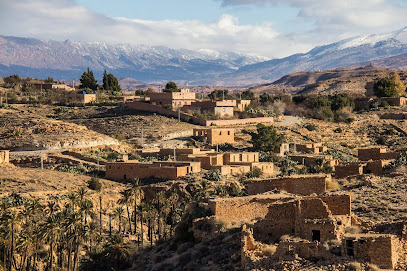
Tajebbant n waddar n teslit مقبرة الشهداء كاف لعروس
56.6 km
Explore the Memorial of Martyrs in Kef El Arous, a profound tribute to the heroes who fought for freedom, inviting reflection and appreciation for historical sacrifices.
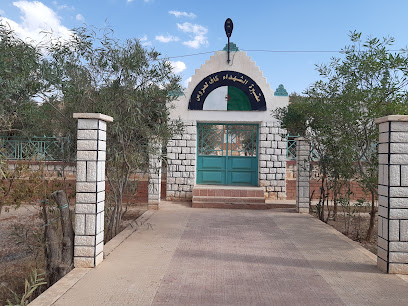
Touillt ou Amara طويلة ؤ عمارة
76.0 km
Discover Touillt ou Amara in El Mahmal, Algeria: A blend of scenic beauty and rich cultural experiences awaits in this hidden gem.
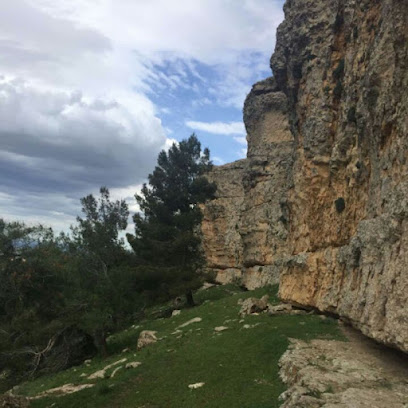
Grottes minières oued seguene
81.5 km
Former iron mines serving as a somber reminder of Algeria's colonial past, holding the remains of hundreds.
Zénith de Constantine
91.8 km
Experience world-class performances at Constantine's premier modern performing arts venue, hosting concerts, theater, and cultural events.
tunnel zouaghi
93.4 km
Discover the engineering marvel of Tunnel Zouaghi in Constantine, Algeria, where history and breathtaking views converge in an unforgettable experience.
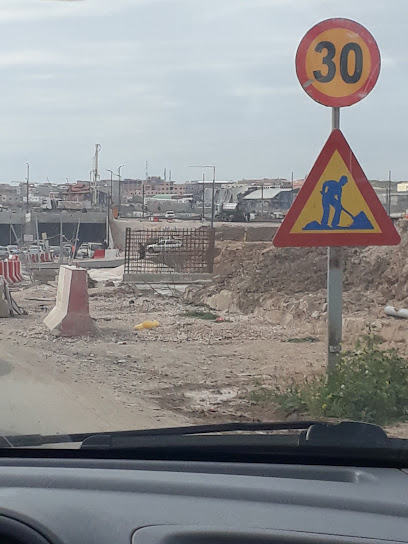
Salah Bey Viaduct
98.5 km
Experience the 'Eighth Wonder' of Constantine: The Salah Bey Viaduct, a modern bridge with breathtaking views and historical significance.
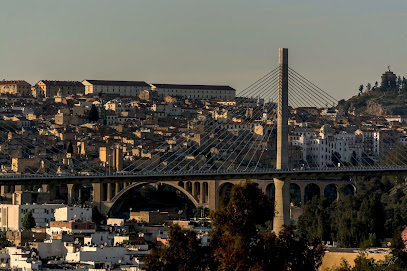
algeria
98.8 km
Discover Constantine, Algeria: A city of breathtaking bridges, ancient history, and vibrant culture perched atop a dramatic rocky plateau.
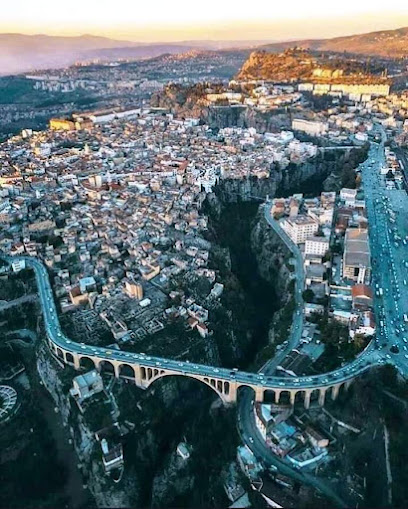
French Cultural Centre of Constantine CCF
98.8 km
A vibrant hub promoting French language and culture in the heart of Constantine, Algeria, with diverse events and activities.
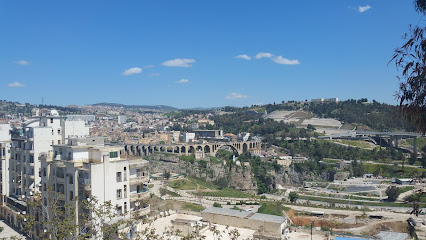
Mohamed Laid El Khalifa
99.1 km
Experience the vibrant arts and culture of Constantine at the Mohamed Laid El Khalifa Cultural Center, a hub for creativity and Algerian heritage.
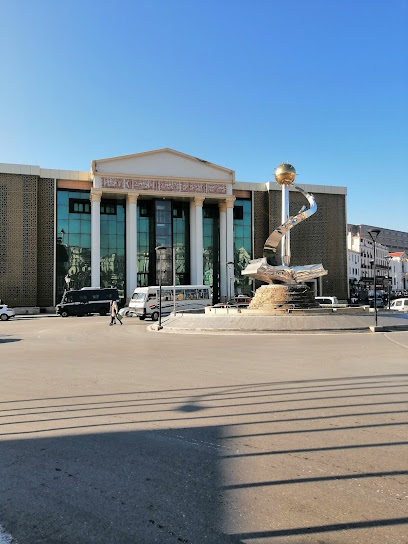
Unmissable attractions to see

Cemetery of Timgad
0.4 km
Explore the ancient Roman Cemetery of Timgad in Algeria, where elaborate tombs and inscriptions reveal insights into the lives and beliefs of its people.
مدرج تيمقاد
0.5 km
Explore the ancient ruins of Timgad, a UNESCO World Heritage site in Algeria showcasing Roman architecture and vibrant mosaics.
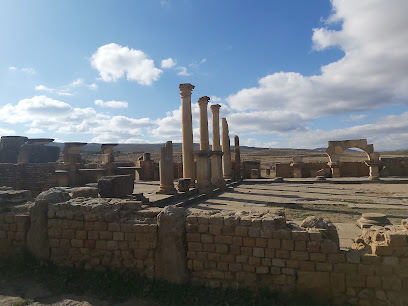
Donatiste Basilica
0.5 km
Explore the Donatiste Basilica in Timgad, a window into early Christian history and Roman architectural grandeur in North Africa.
Small central Bath
0.5 km
Explore the Small Central Bath in Timgad, a captivating historical landmark revealing the grandeur of ancient Roman life and architecture.
Trajan's Arch
0.6 km
Marvel at Trajan's Arch in Timgad, Algeria: A stunning Roman triumphal arch and iconic symbol of this ancient city's rich history.
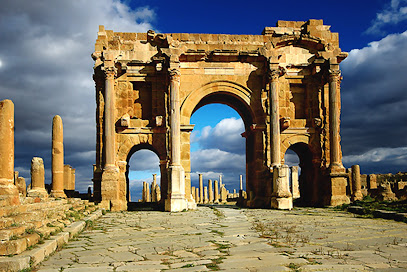
Ruins of the library of Timgad
0.7 km
Discover the captivating ruins of the Library of Timgad, an emblem of Roman heritage and historical significance in Algeria.
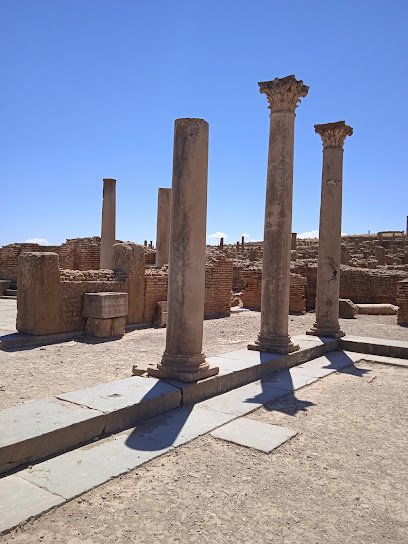
Mascula Door
0.7 km
Discover the historical marvel of the Mascula Door in Timgad, Algeria, a gateway to ancient Roman civilization and architectural brilliance.
Cirta's Door (Northern Door)
0.8 km
Discover Cirta's Door in Timgad, an iconic Roman landmark showcasing ancient architecture amidst the extraordinary ruins of a vibrant civilization.
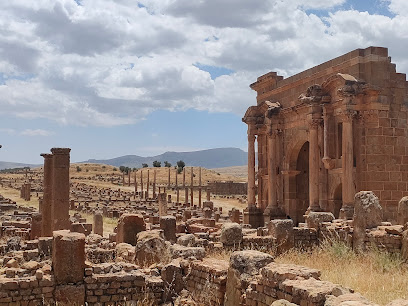
Bath of the Filadelfes
0.9 km
Explore the well-preserved ruins of the Baths of the Filadelfes in Timgad, a window into ancient Roman leisure and social life.
Roman Ruins of Timgad
0.9 km
Explore the Roman Ruins of Timgad, a UNESCO World Heritage site showcasing the splendor of ancient Roman architecture and culture in Algeria.
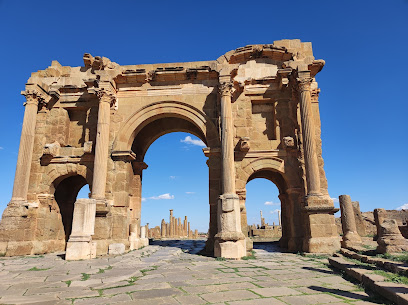
MUSÉE DE TIMGAD
1.0 km
Explore the rich history of ancient Rome at Musée de Timgad, an archaeological museum showcasing stunning artifacts and ruins in Algeria.
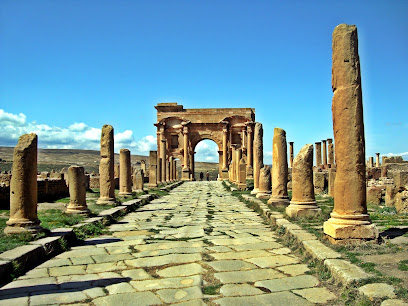
مدخل لموقع الآثار الرومانية تيمقاد
1.0 km
Explore Timgad's stunning Roman ruins, a UNESCO World Heritage Site, where history and culture come alive amidst extraordinary ancient architecture.
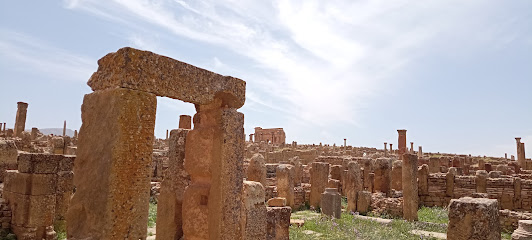
Timgad Theater
1.1 km
Explore the Timgad Theater, a remarkable historical landmark that embodies the grandeur of ancient Roman architecture in Algeria.
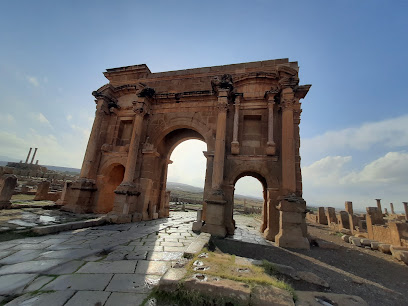
Timgad
1.7 km
Explore Timgad, a breathtaking UNESCO World Heritage site showcasing ancient Roman architecture and rich historical heritage in Algeria.
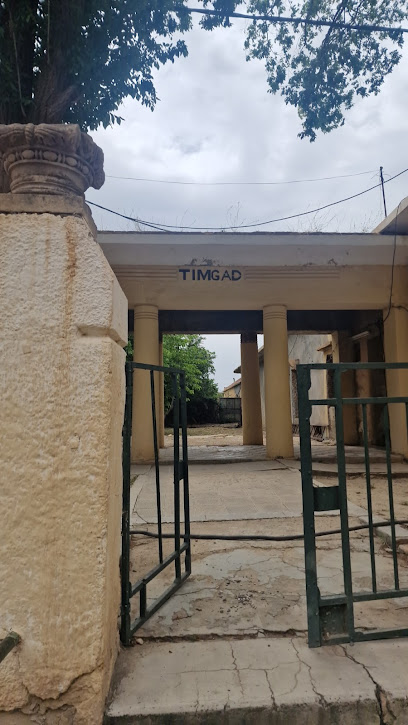
Ancient Lambaesis. Roman Capitolium. (Tazoult)
18.1 km
Discover Ancient Lambaesis in Tazoult, Algeria: A captivating journey through Roman history and architectural marvels.
Essential places to dine

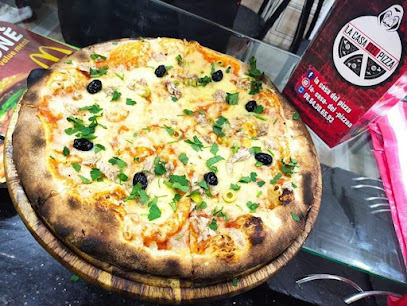
La casa del pizza
1.3 km
Discover authentic Italian flavors at La Casa del Pizza in Timgad – where each slice tells a story.
TIMGAD FOOD
1.6 km
Experience authentic Algerian cuisine at Timgad Food - where tradition meets taste in a welcoming atmosphere.
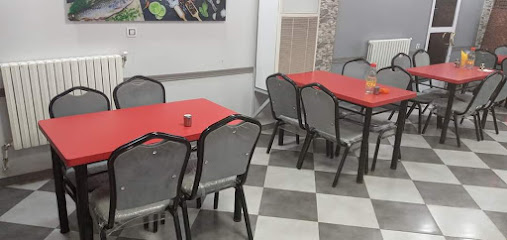
Shelia Restaurant
1.6 km
Experience authentic Algerian cuisine at Shelia Restaurant in Timgad – where every dish tells a story.
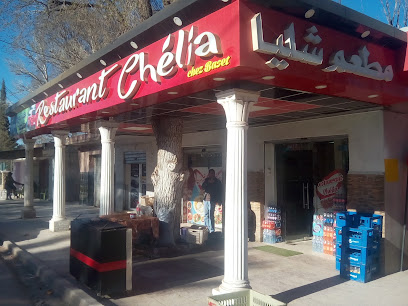
Tourist Restaurant
37.2 km
Experience authentic local cuisine amidst stunning natural beauty at this charming Oued Chaaba restaurant.
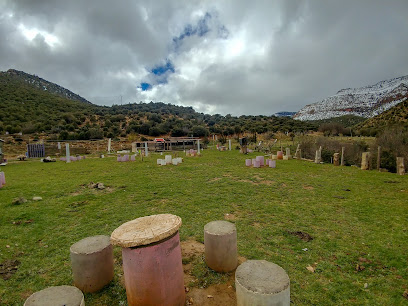
Restaurant
55.6 km
Discover authentic Algerian cuisine at this charming restaurant in Ghassira - a delightful stop for every traveler seeking local flavors.
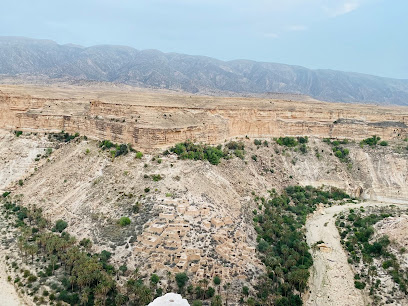
Restaurant naouo
61.0 km
Savor authentic Algerian flavors at Restaurant Naouo in Khenchela - a must-visit culinary gem for every traveler.
MasSiFOOD
66.8 km
Discover authentic Algerian cuisine at MasSiFOOD in Babar – where tradition meets flavor in every dish.
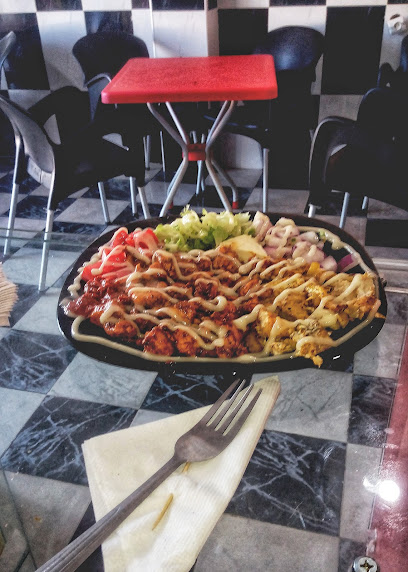
مطعم RANDOO
66.8 km
Discover the authentic taste of local cuisine at مطعم RANDOO in Taxlent, where every dish tells a story.

Restaurant Tassili chez ZENOU
73.2 km
Discover authentic Algerian flavors at Restaurant Tassili chez ZENOU in Oum El Bouaghi – where every meal tells a story.
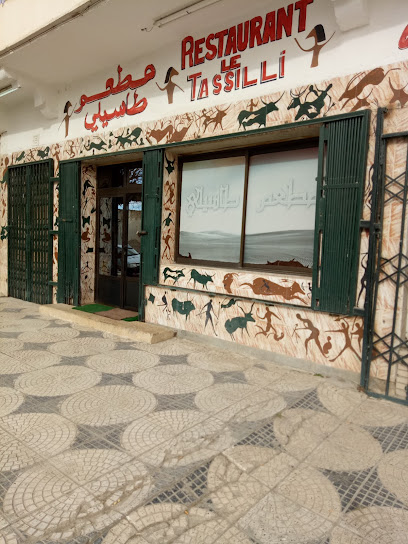
Hope Restaurant
75.9 km
Experience the flavors of Algeria at Hope Restaurant in El Kantara - where every dish tells a story.
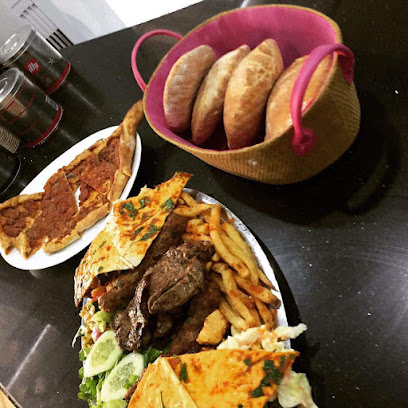
Restaurant Grilado
78.8 km
Discover family-friendly dining at Restaurant Grilado in Oued Seguen—where fresh ingredients meet local flavors for an unforgettable meal.
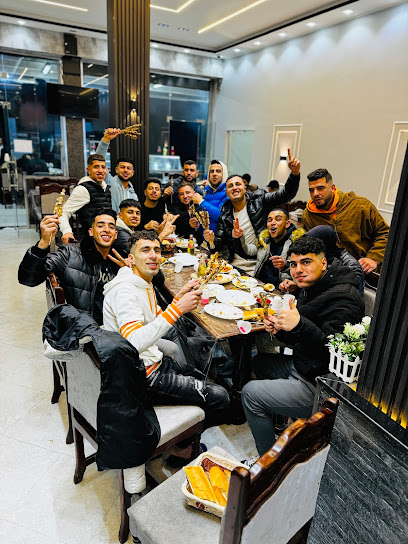
Resto Oued El Othmania
85.9 km
Discover authentic Algerian flavors at Resto Oued El Othmania in Oued Athmania - A must-visit for food lovers seeking local cuisine.
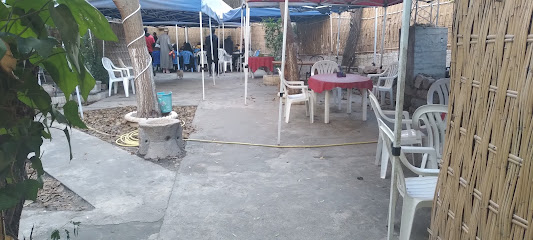
Restaurant Delices
87.1 km
Experience authentic Algerian cuisine at Restaurant Delices in El Khroub – where every dish tells a story.
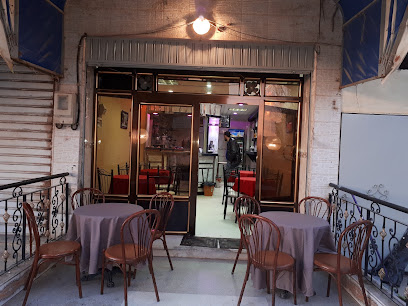
La cresta food&drink
87.1 km
Discover delightful dishes and warm hospitality at La Cresta Food & Drink in El Khroub - a must-visit for every foodie.
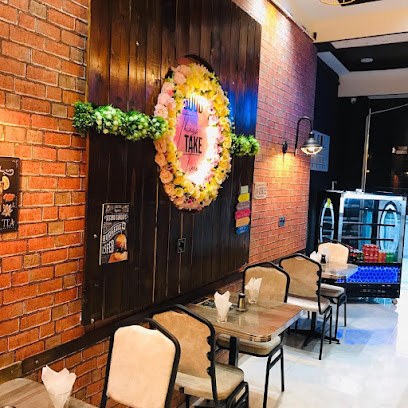
RESTAURANT LE GRAND BLEU
87.4 km
Experience authentic Algerian flavors at Restaurant Le Grand Bleu in La Nouvelle Ville Ali Mendjeli – where every meal is a celebration of culinary art.
Markets, malls and hidden boutiques

Timgad shop
1.5 km
Explore Timgad Shop for a unique blend of traditional and modern fashion reflecting the rich Algerian heritage.
Touffana Magasin KB
14.1 km
Experience authentic Algerian culture and local craftsmanship at Touffana Magasin KB in Ouled Fadel.
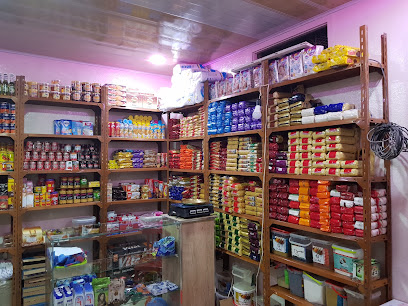
Boutique
14.2 km
Discover the essence of fine cigars at Boutique in Ouled Fadel, where quality meets passion in a welcoming atmosphere.
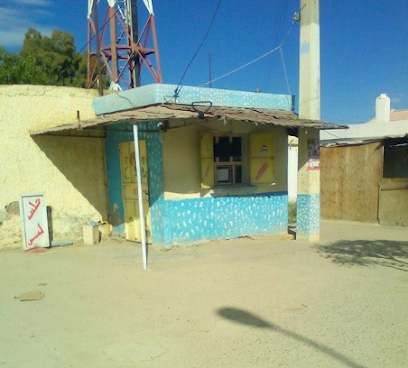
Boutique H A
18.5 km
Explore Boutique H A in El Madher for stylish clothing and unique fashion pieces that embody local culture.
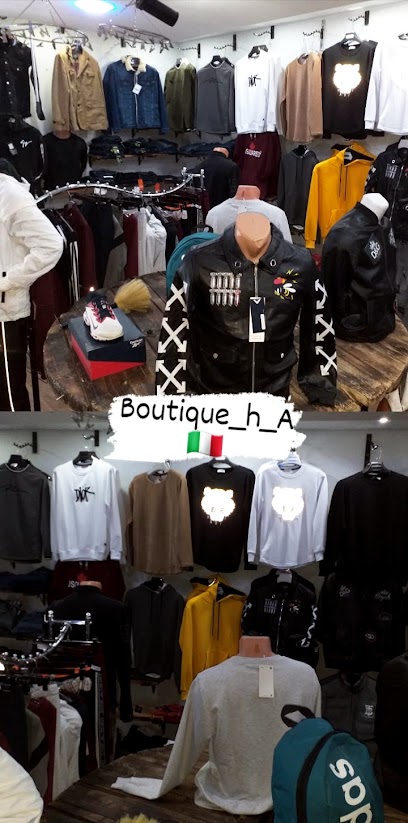
Romaissa Boutique
18.5 km
Discover the vibrant charm of Romaissa Boutique, a must-visit store in Ghazlan for unique local crafts and stylish fashion.

Nezzar Shop
18.6 km
Explore Nezzar Shop in El Madher for trendy apparel and exceptional value, perfect for every fashion enthusiast visiting Algeria.
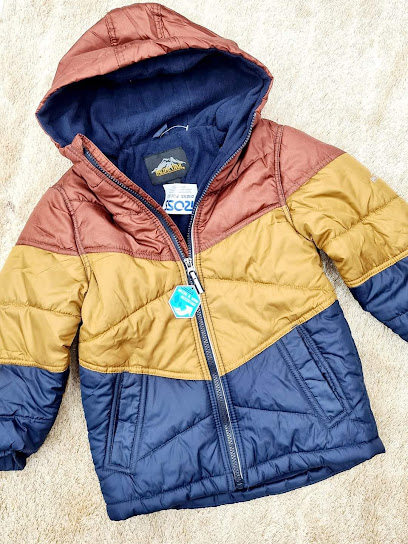
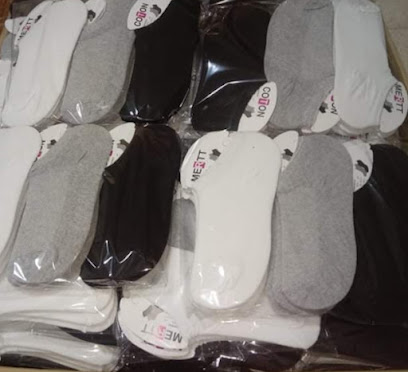
Aures Socks
26.0 km
Explore Aures Socks in Batna for a unique array of stylish, comfortable socks that celebrate Algerian culture.
Gouaoura
26.3 km
Explore Gouaoura in Chemora for an authentic shopping experience featuring local fashion and unique clothing options.
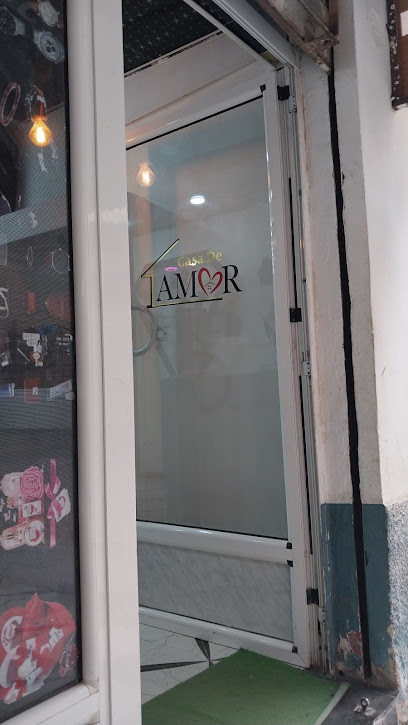
Casa de l'amor
26.4 km
Explore Casa de l'amor in Chemora for unique local gifts and handcrafted treasures that capture the spirit of the region.
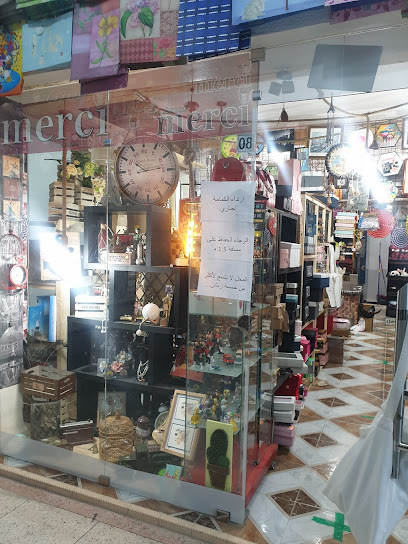
Centre Commercial Zidani Hechani
27.6 km
Discover fashion and culture at Centre Commercial Zidani Hechani, a premier clothing store in Batna, Algeria, offering diverse styles for every shopper.
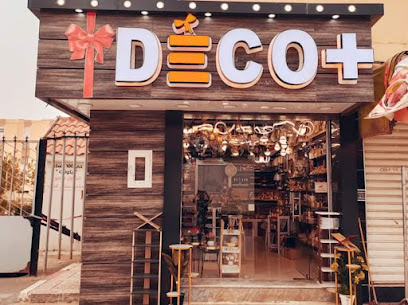
Déco+
34.3 km
Discover unique gifts and home goods at Déco+, the charming gift shop in Oued Chaaba, perfect for tourists seeking special souvenirs.
Moffok shopping
34.5 km
Explore Moffok Shopping for a unique supermarket experience in Oued Chaaba, featuring local products and cool prices.
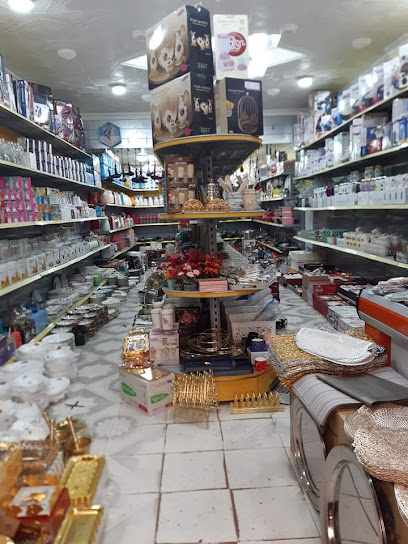
BELTAIB ABDELLAH (The cooker)
39.9 km
Explore authentic Algerian crafts and unique gifts at BELTAIB ABDELLAH in Tkoutt, a treasure trove of culture and creativity.
Boutique de joie
41.7 km
Explore Boutique de Joie in Kais for unique gifts and local crafts that capture the spirit of Algerian culture.
El Ghãdir boutique 40
61.3 km
Discover unique Algerian gifts and souvenirs at El Ghãdir Boutique 40 in Khenchela, where local craftsmanship meets charm.
Essential bars & hidden hideouts

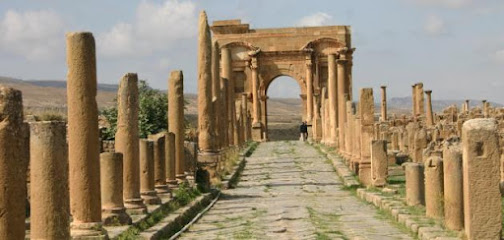
Library of Timgad, Algeria
0.7 km
Discover the ancient Library of Timgad, a historic site showcasing the rich intellectual legacy of Roman civilization in Algeria.
Café Sportif
1.6 km
Discover the charm of Timgad at Café Sportif, a cozy bar offering local drinks and a great atmosphere for tourists.
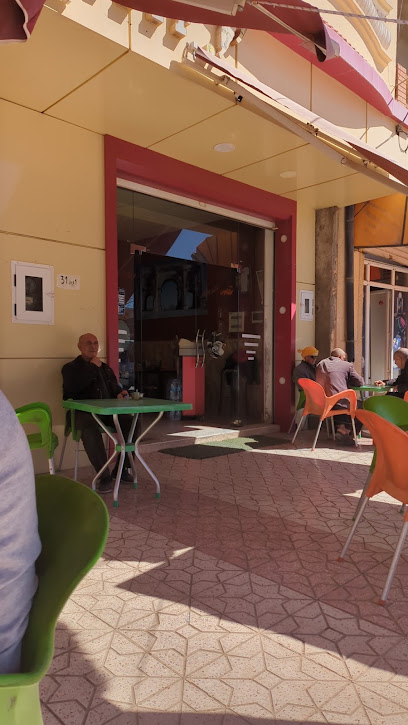
Dar troli sohaib
26.9 km
Discover the vibrant ambiance and local flavors at Dar Troli Sohaib, a must-visit bar in Batna, Algeria for a delightful evening out.
Fruizo
26.9 km
Discover the vibrant nightlife of Batna at Fruizo, a local bar offering refreshing drinks and a lively atmosphere for an unforgettable experience.
Bevanda
28.2 km
Experience the vibrant nightlife at Bevanda, Batna's top bar, renowned for its exquisite drinks and lively atmosphere.
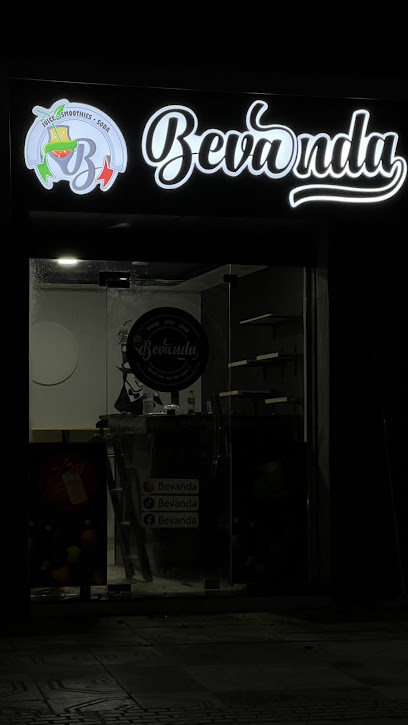
café et restaurant gaza
32.7 km
Experience the essence of Aïn Yagout with delicious grilled dishes and a warm atmosphere at Café et Restaurant Gaza.
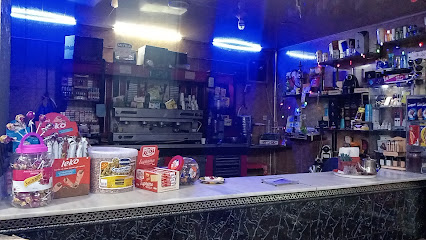
RESTAURANT NIZAR
34.3 km
Discover the culinary charm of Restaurant Nizar, where local flavors meet modern cuisine in a cozy gastropub setting in Oued Chaaba.
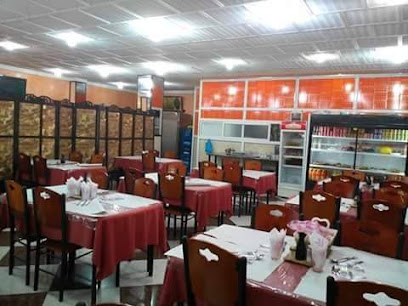
قاعة العاب Adel R
40.9 km
Discover the lively atmosphere and rich beer selection at قاعة العاب Adel R, a must-visit beer hall in El Fedjouz Boughrara Saoudi.
Amrani pub
41.6 km
Discover the vibrant charm of Amrani Pub in Kais, where local culture and lively atmosphere create unforgettable experiences.
Azou bira
46.6 km
Delve into the lively nightlife of Souk Naamane at Azou Bira, where vibrant drinks and local culture collide.
riadguellati
53.2 km
Experience the vibrant energy of Riad Guellati, a premier dart bar in Aïn Kercha, Algeria, where fun games and great company await.
Hakman Gaming Lounge kafi
61.9 km
Explore the vibrant Hakman Gaming Lounge in Khenchela for an unforgettable gaming experience amidst comfort and camaraderie.
pub time
71.7 km
Discover the lively atmosphere of Pub Time in Oum El Bouaghi, where local culture meets vibrant nightlife for an unforgettable experience.
Saif
72.4 km
Discover Saif Bar in Oum El Bouaghi, a vibrant destination for drinks, culture, and unforgettable nightlife experiences.
Bar
72.9 km
Discover Teleghma's lively live music bar, where local rhythms and vibrant nightlife create unforgettable experiences.


