Christ the King Statue Travel Guide
Free Guide: A towering symbol of faith and history, offering panoramic views of Lubango and a glimpse into Angola's rich cultural heritage.


A brief summary of Christ the King Statue
A towering symbol of faith and history, offering panoramic views of Lubango and a glimpse into Angola's rich cultural heritage.
The Christ the King statue in Lubango, Angola, is a towering monument inspired by Rio de Janeiro's Christ the Redeemer. Built in 1957, it offers panoramic city views and serves as a symbol of faith and Angolan heritage.
Opening hours
- Every dayOpen 24 hours
Opening hours as listed on the venue’s Google Business Profile. Hours can change for services and special events, so check with the venue before you go.
- Address
- 3G56+XQJ, Lubango
Getting there
Taxi
Public Transport
Walking
Discover more about Christ the King Statue
Overview
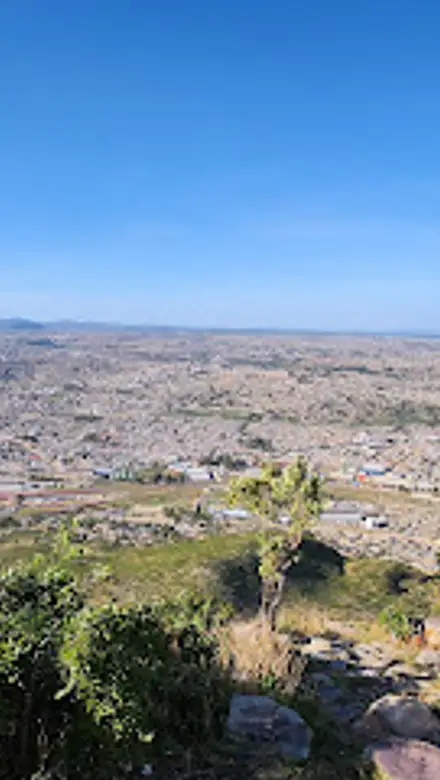
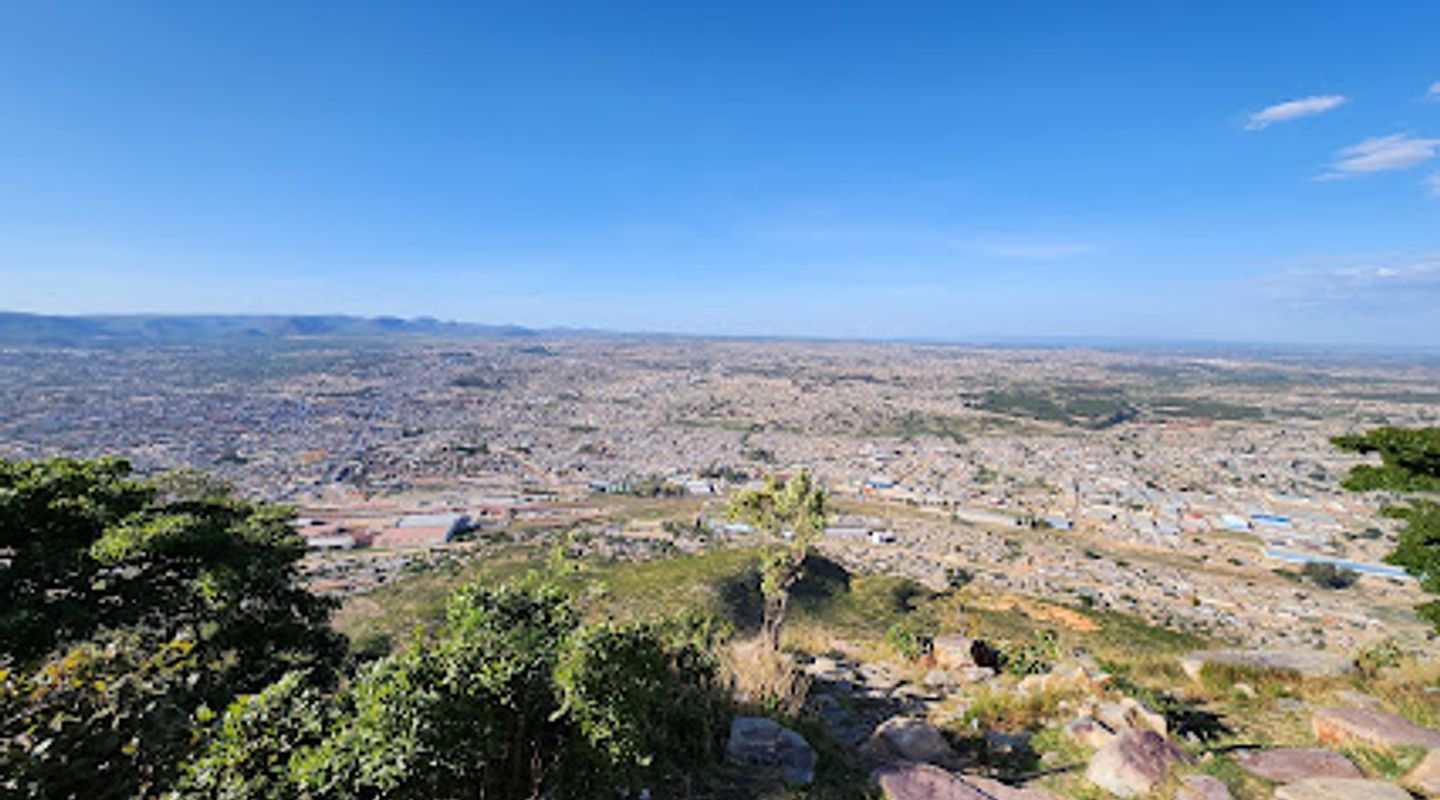
Perched atop a hill overlooking Lubango, the Christ the King statue (Cristo Rei) stands as a beacon of faith and a testament to Angola's colonial past. Inspired by the iconic Christ the Redeemer in Rio de Janeiro, this 30-meter-high white marble statue was erected in 1957 by settlers from Madeira, Portugal.More than just a religious monument, Cristo Rei offers visitors a privileged 360-degree view of Lubango and the surrounding valley. The statue is built on a base of cement and hydraulic lime, resting on a foundation of stones, cement, and brick. Two levels support a staircase that leads to the top, where you can admire the vista. The site also features the city's name in monumental letters, reminiscent of the Hollywood sign.While the statue is a Catholic landmark, it also represents the colonial history of Angola. Today, it's a major tourist attraction and a site for religious pilgrimages. Visitors may encounter members of local tribes, such as the Mumuilas, who come to the site to interact with tourists.
Evendo Review Centre
 Google
Guest reviews
Explore Christ the King Statue on the map
A handpicked selection of must-see spots near Christ the King Statue, mapped for you.
Get your free copy of our complete guide to Christ the King Statue, delivered straight to you.
Everything on this page, from opening hours and how to get there to Eve’s tips and the best time to go, in one PDF you can read offline, print or share.
Already have an account? Sign in
Your Christ the King Statue guide is ready.
We'll send it to · Not you? Sign out

Getting your guide ready…
We are putting together a fresh copy of the Christ the King Statue guide. This can take up to a minute.
This can take a few moments. If your browser asks, choose Allow so the download can start. You'll find the guide in your Downloads folder.
Nothing happened? Download it again
Sorry, the guide is taking longer than usual. Please try again in a minute, or get it by email instead.
Other nearby places you may find interesting
The closest places of the same kind, if this one is not quite what you had in mind.
-
-
-

-
-


Swipe for more places
More to explore near Christ the King Statue

 Best experiences near Christ the King Statue
 Best hotels near Christ the King Statue
 Best landmarks near Christ the King Statue
 Best attractions near Christ the King Statue
 Best shops near Christ the King Statue
 Best restaurants near Christ the King Statue
 Best bars near Christ the King Statue
Do you manage this location?
Take control to get all the benefits, like improved information, better appearance, and stronger visibility across AI-powered discovery.
Explore more

Explore more of Serra da Leba
Discover Serra da Leba in Angola: A blend of breathtaking mountain views, thrilling drives, and rich cultural experiences in one stunning destination.
Explore Serra da Leba
Explore more of Angola
Discover Angola's vibrant cities, stunning coastlines, and rich cultural heritage. An African destination that combines urban excitement with natural wonders.
Explore Angola