
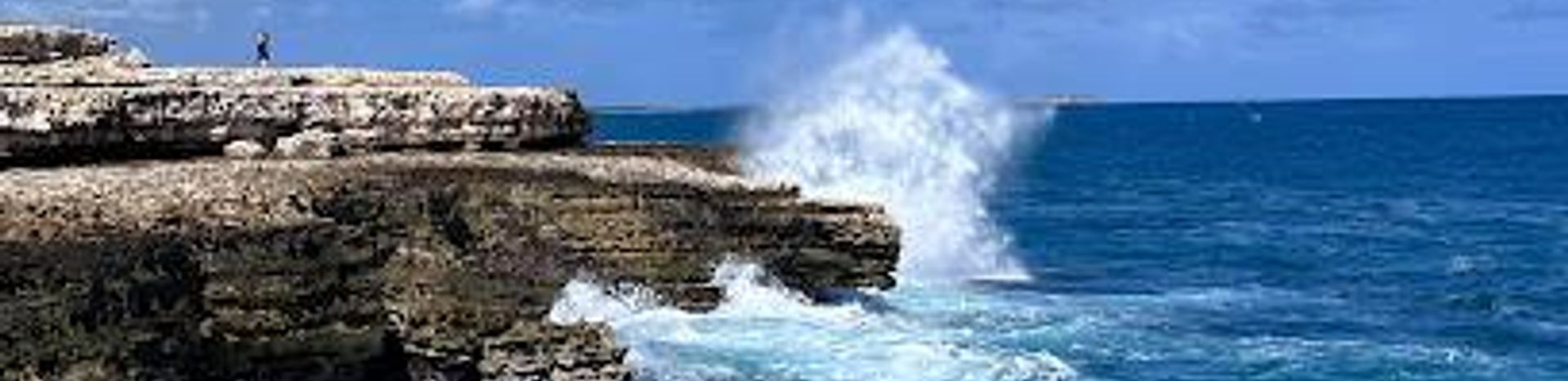
Devil's Bridge National Park: Antigua's Coastal Wonder
Witness the power of nature at Antigua's Devil's Bridge National Park, a stunning coastal landmark shaped by the Atlantic Ocean and steeped in history.
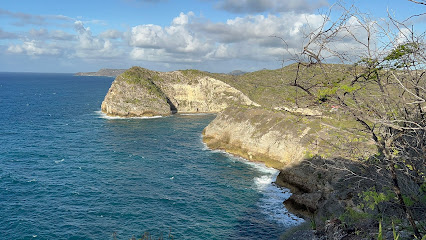
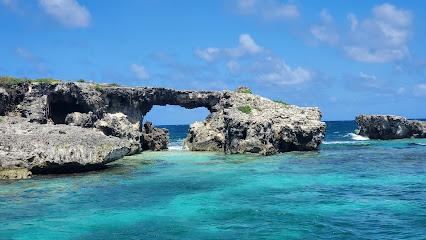
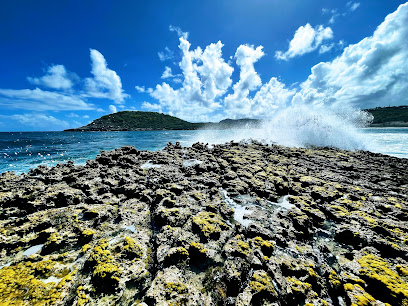
Devil's Bridge National Park on Antigua's eastern coast is a geological marvel featuring a natural limestone arch carved by the Atlantic Ocean. Explore the rugged coastline, blowholes, and historical significance of this compact national park.
A brief summary to Devil's Bridge National Park
- 482C+6J4, Willikies, AG
- Monday 12 am-12 am
- Tuesday 12 am-12 am
- Wednesday 12 am-12 am
- Thursday 12 am-12 am
- Friday 12 am-12 am
- Saturday 12 am-12 am
- Sunday 12 am-12 am
Local tips
- Visit during the dry season (mid-December to mid-April) for the most pleasant weather and clear views.
- Wear sturdy shoes with good grip, as the rocks around Devil's Bridge can be slippery.
- Bring a camera to capture the dramatic scenery, especially the blowholes in action.
- Stay aware of your surroundings and heed warning signs, as the waves can be powerful and unpredictable.
- Combine your visit with a trip to nearby Long Bay Beach for a relaxing swim after exploring the park.

Getting There
-
Driving
From St. John's, take the Sir George Walter Highway (Highway 25) eastward. Continue onto the A1 road towards Willikies. Follow signs for Devil's Bridge National Park. There is free parking available on-site.
-
Public Transport
From the East Bus Station in St. John's, take a Line 33 bus towards Willikies. The journey takes approximately 50 minutes. Ask the driver to drop you off near Devil's Bridge. From the bus stop, it's a short walk to the park entrance. The bus fare is approximately $2 USD.
Discover more about Devil's Bridge National Park
Iconic landmarks you can’t miss

Hammock Cove Resort & Spa
0.4 km
Discover luxury and tranquility at Hammock Cove Resort & Spa, where breathtaking views and world-class amenities await in Antigua.

The Verandah Resort & Spa, Antigua
0.9 km
Experience luxury and adventure at The Verandah Resort & Spa, where stunning beaches meet exceptional hospitality in Antigua.
Pineapple Beach Club
1.4 km
Experience the ultimate tropical retreat at Pineapple Beach Club, where stunning beaches and luxurious amenities await in Antigua's paradise.
Long Bay
1.4 km
Experience the stunning beauty and tranquil atmosphere of Long Bay in Antigua, a perfect paradise for sun-seekers and adventure enthusiasts alike.
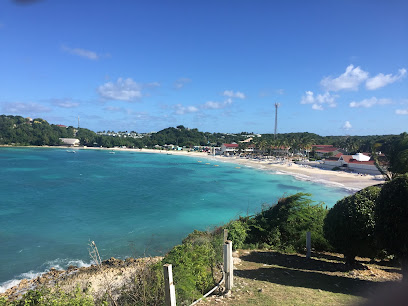
Codrington Island
2.3 km
Explore the serene beauty of Codrington Island, a hidden paradise in Antigua and Barbuda, perfect for relaxation and adventure amidst stunning landscapes.
Nonsuch Bay
3.0 km
Discover the serene beauty of Nonsuch Bay in Antigua, where azure waters and lush landscapes create an idyllic tropical escape.
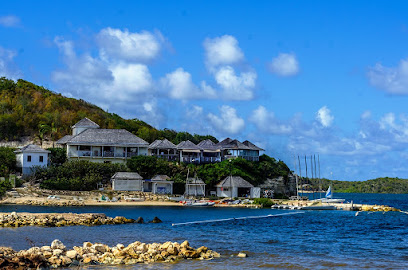
Tropical Time Out Ice Cream Parlour & Deli
3.2 km
Experience the ultimate sweet escape at Tropical Time Out Ice Cream Parlour & Deli in Willikies, where delightful flavors meet a charming Caribbean atmosphere.
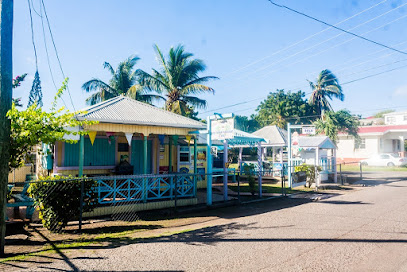
The Escape at Nonsuch Bay Resort
4.1 km
Experience luxury and tranquility at The Escape at Nonsuch Bay Resort, your perfect Caribbean getaway with stunning views and exceptional amenities.
Easternmost point of Antigua and Barbuda
4.2 km
Explore the Easternmost Point of Antigua and Barbuda, a breathtaking historical landmark offering stunning views and rich cultural heritage.
Antigua Nature Tours
5.0 km
Discover Antigua's stunning landscapes and rich biodiversity with expert local guides through Antigua Nature Tours, your gateway to eco-friendly exploration.
The Great House Antigua
6.2 km
Discover the beauty of Antigua at The Great House, a serene hotel blending history and luxury amidst lush gardens and pristine beaches.
Smiling Harry's Thirst Quencher
6.8 km
Discover authentic Caribbean flavors at Smiling Harry's Thirst Quencher, where every meal is a celebration of Antiguan culture and cuisine.
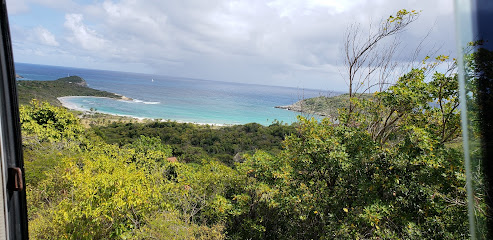
Beach Bum Bar & Cafe
6.8 km
Discover the vibrant flavors and relaxing atmosphere at Beach Bum Bar & Cafe, a must-visit destination in FreeTown, Antigua for every traveler.
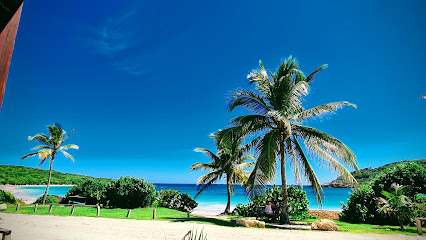
Soldier Point
7.4 km
Discover the stunning landscapes and tranquil hiking trails of Soldier Point in FreeTown, a perfect spot for nature lovers and adventure seekers.
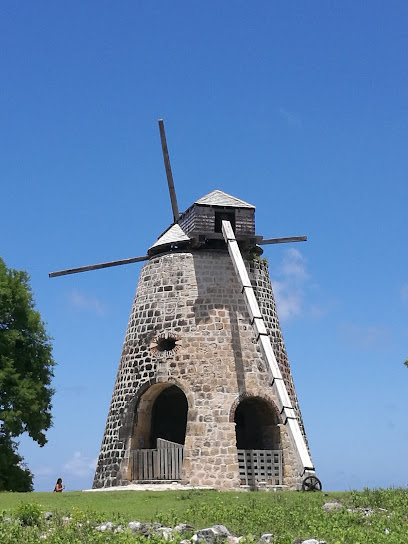
Betty's Hope Historic Sugar Plantation
7.5 km
Discover the historical significance of Betty's Hope Historic Sugar Plantation, a key site that narrates Antigua's colonial sugar industry and cultural heritage.
Unmissable attractions to see

Indian Town Point
0.1 km
Explore Antigua's rugged coastline at Indian Town Point, home to the legendary Devil's Bridge and stunning natural beauty.
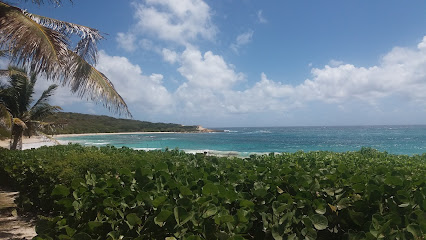
Long Bay Beach
1.2 km
Discover Long Bay Beach in Antigua: A serene paradise with soft sands, clear waters, and breathtaking sunsets, perfect for relaxation and adventure.
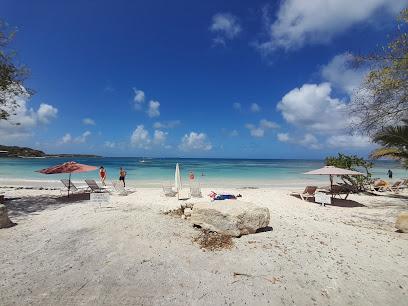
Nonsuch Bay Emerald Cove
2.2 km
Discover Nonsuch Bay Emerald Cove: Antigua's serene paradise with turquoise waters, lush landscapes, and thrilling water sports.
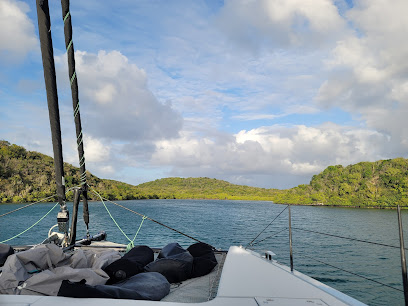
Green Island
3.4 km
Discover Green Island, Antigua: Unspoiled beaches, vibrant marine life, and tranquil escape in the heart of the Caribbean.
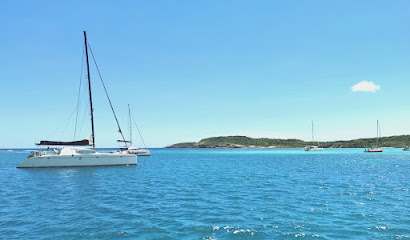
Marassa Cove
4.0 km
Discover the serene beauty of Marassa Cove in Willikies, Antigua – a hidden gem offering tranquility and natural charm for a perfect beach escape.
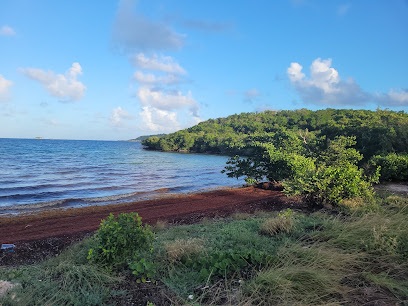
Browns Bay
4.0 km
Discover the serene beauty of Browns Bay in FreeTown, Antigua. Relax on the sandy shores and soak up the Caribbean sunshine.
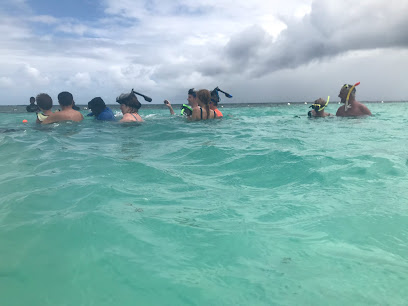
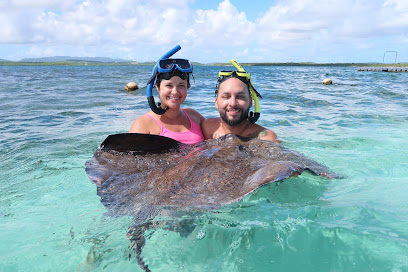
Stingray Antigua
4.4 km
Interact with gentle stingrays in their natural habitat, creating unforgettable memories in Antigua's beautiful Caribbean waters.
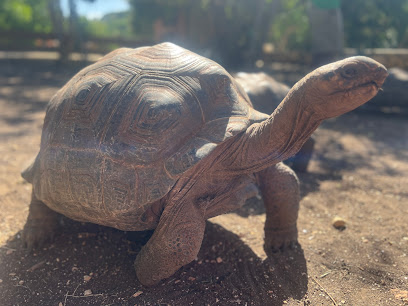
Laviscount Island
4.8 km
Encounter giant tortoises and explore pristine nature on Laviscount Island, a unique wildlife sanctuary off Antigua's coast.
Stingray City Antigua
5.0 km
Swim with gentle stingrays in their natural habitat at Stingray City Antigua. An unforgettable marine adventure for all ages!
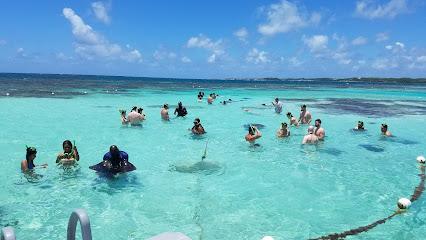
Island Explorer Antigua Tours
5.2 km
Explore Antigua like never before with Island Explorer Tours, your gateway to unforgettable adventures in paradise.
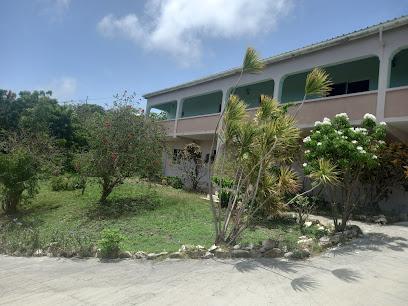
Sea Breeze Reception Hall
5.3 km
Celebrate special moments at Sea Breeze Reception Hall in Antigua, offering stunning views and exceptional service for unforgettable events.
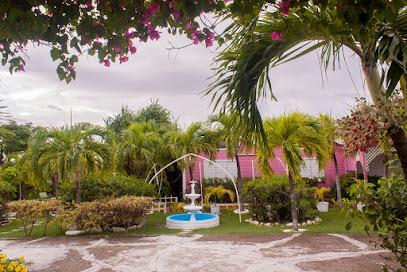
Exchange Bay
6.1 km
Discover tranquility at Exchange Bay, a picturesque Antiguan beach with golden sands, clear waters, and vibrant marine life near Freetown.
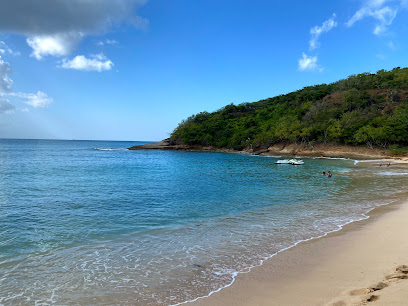
Hells Gate Island
6.5 km
Discover Antigua's Hells Gate Island: a natural limestone arch, vibrant marine life, and untouched beauty await your exploration.
Proper Snapper beach chair rental
6.7 km
Unwind in comfort at Dickenson Bay with Proper Snapper's premium beach chair rentals. Your perfect Caribbean beach day starts here!
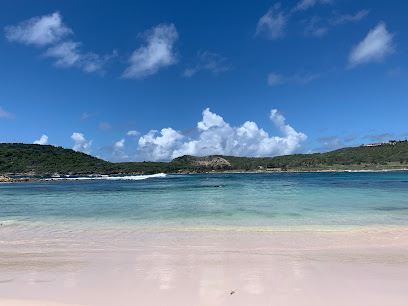
La scogliera di Half Moon Bay Antigua
6.8 km
Discover Antigua's serene coastal beauty at La Scogliera di Half Moon Bay: beaches, views, and tranquility await near Freetown.
Essential places to dine

Mama Pasta
1.2 km
Experience authentic Italian cuisine at Mama Pasta in Willikies - where every bite takes you on a flavorful journey.
The Pineapple Grill
1.4 km
Experience the best of American cuisine with a tropical twist at The Pineapple Grill in Willikies.
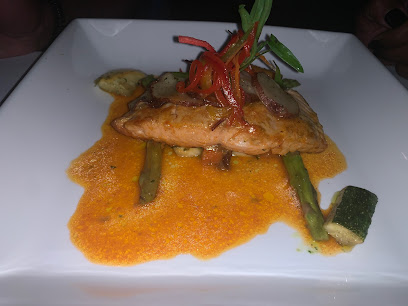
Chef Pietro
1.4 km
Experience authentic Italian cuisine at Chef Pietro in Willikies, where every dish tells a story of tradition and flavor.
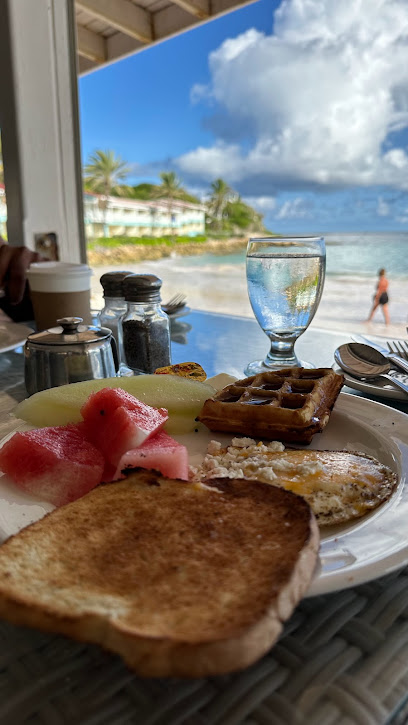
The Beach Grill
2.6 km
Experience authentic Caribbean cuisine at The Beach Grill in Willikies, where fresh flavors meet stunning coastal views for an unforgettable dining experience.
Reef Restaurant
3.2 km
Experience authentic Caribbean flavors at Reef Restaurant on Green Island - where every meal is a journey into local culinary traditions.
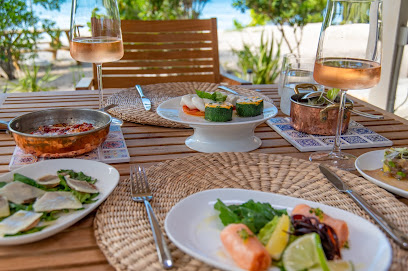
Reggaevillage East
3.3 km
Discover authentic Caribbean cuisine at Reggaevillage East - a vibrant restaurant in Willikies blending flavors and reggae rhythms.
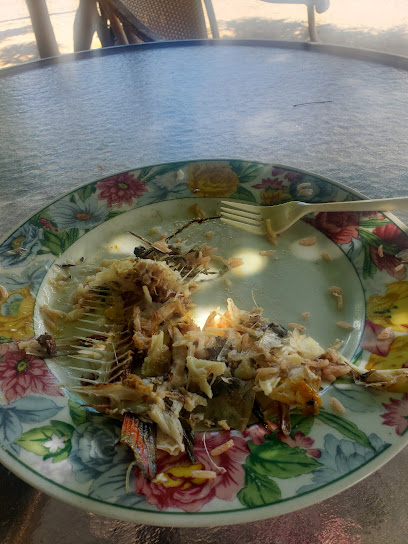
Rokuni
3.8 km
Discover the rich flavors of Asia at Rokuni, an exquisite dining destination in Willikies, Antigua.
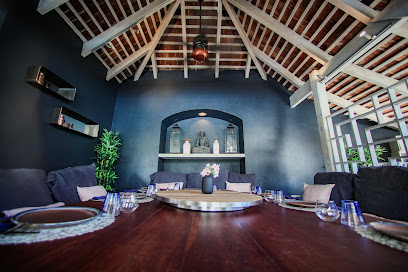
Harmony Hall
4.2 km
Discover the flavors of Italy at Harmony Hall in FreeTown—where culinary excellence meets serene ambiance.
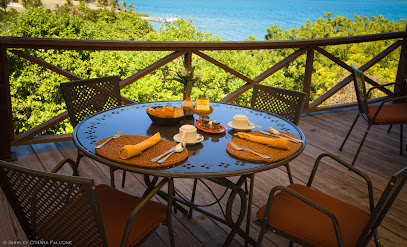
Seaview Restaurant and Bar
5.2 km
Discover breathtaking views and exquisite local cuisine at Seaview Restaurant and Bar in Willikies - a must-visit culinary gem.
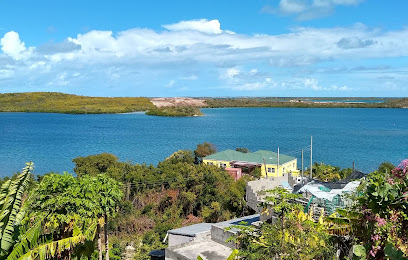
Road House Restaurant And Bar
7.4 km
Discover local flavors at Road House Restaurant And Bar in Newfield, Antigua – where vibrant ambiance meets delicious Caribbean cuisine.
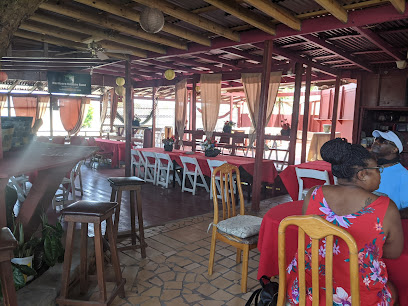
Maxie's Flavor & Decor
8.9 km
Experience authentic Caribbean cuisine at Maxie's Flavor & Decor in St. Peter's - where every dish tells a story.
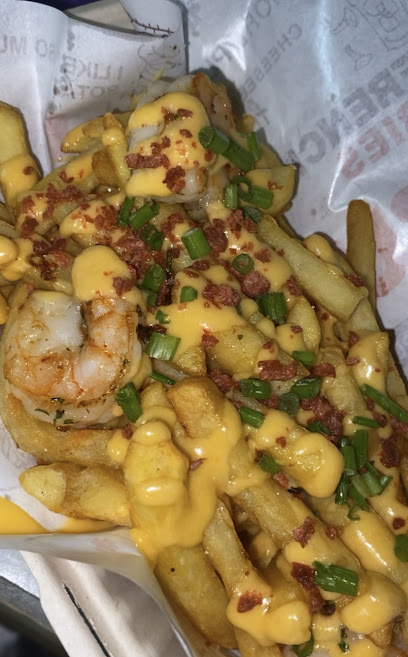
EPJ CAFE
9.3 km
Experience the warmth and flavors of Antigua at EPJ Cafe in St. Peter’s – where every meal is a celebration.
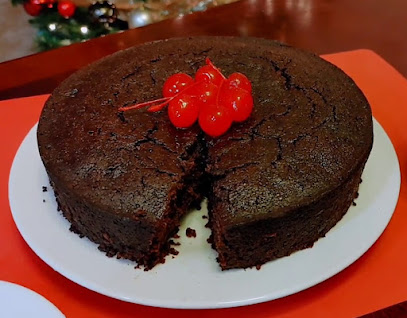
Jack Idle Bar and Restaurant
10.8 km
Discover the vibrant flavors of Caribbean cuisine at Jack Idle Bar and Restaurant in St. John's.
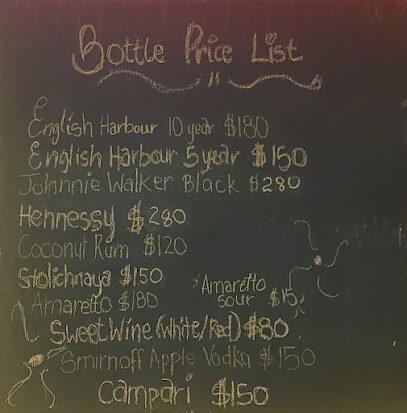
Boundary Bites by Twos Ltd
11.3 km
Discover authentic Antiguan cuisine at Boundary Bites by Twos Ltd inside Sir Vivian Richards Stadium—where flavor meets excitement!
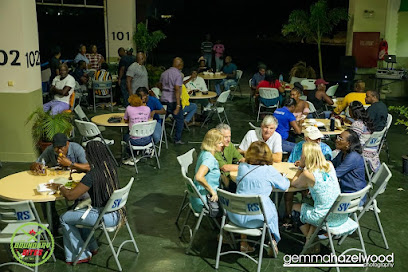
Nigels at the pitch
11.3 km
Discover authentic Caribbean flavors at Nigels at the Pitch - where every meal is a celebration of island life and culture.
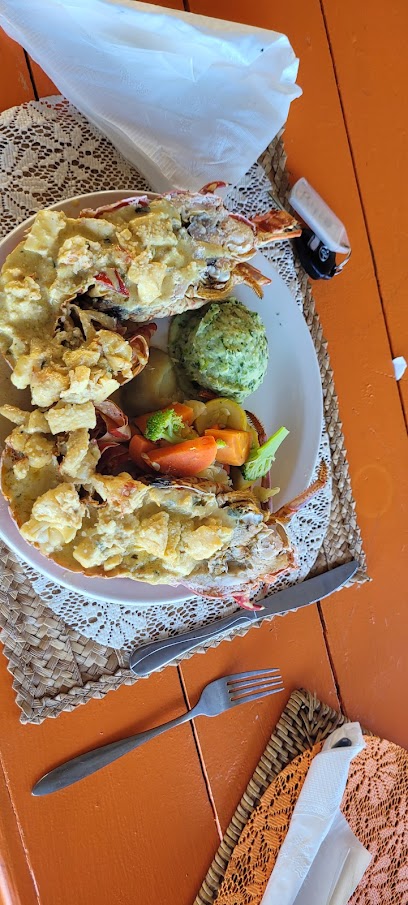
Markets, malls and hidden boutiques

Mahi's Creations
3.1 km
Discover Mahi's Creations, the premier bakery in Willikies, Antigua, where every bite is a taste of island paradise with freshly baked sweets and local flavors.

Muffy's Eastside Grocery
5.1 km
Explore Muffy's Eastside Grocery in Willikies – your local stop for fresh produce and essential goods while enjoying the Caribbean vibe.
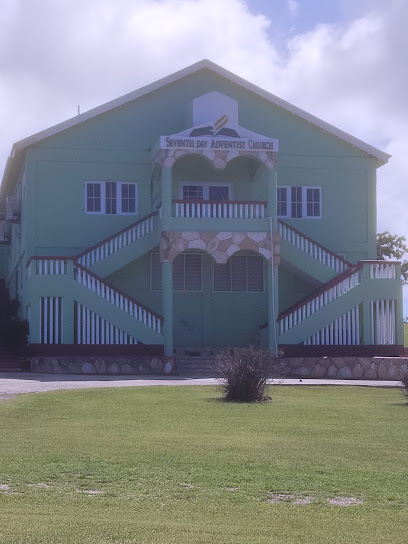
People's Place
6.7 km
Explore People's Place in FreeTown for a unique shopping experience, featuring local goods, friendly staff, and a taste of Antiguan culture.
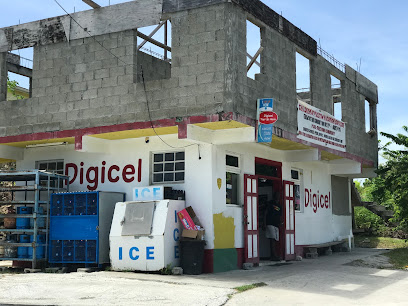
BALLOON OCCASIONS Decorating Service And Party Store
8.1 km
Explore BALLOON OCCASIONS in Pares, Antigua for unique balloon decorations and party essentials that make your celebrations unforgettable.
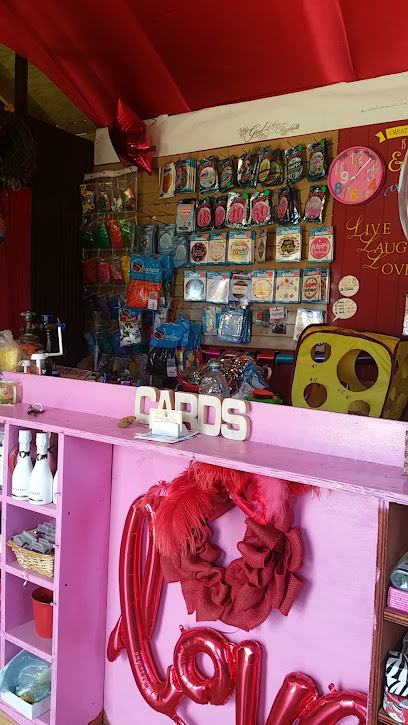
East Coast Warehouse
8.5 km
Explore East Coast Warehouse in Pares for unique local crafts, island essentials, and a taste of authentic Antiguan culture.
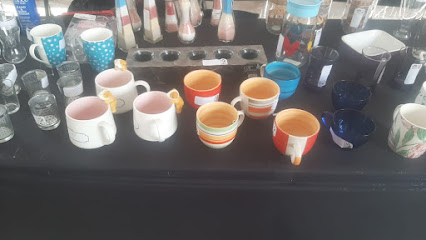
The Posh Pirate
8.6 km
Discover unique antiques and vintage treasures at The Posh Pirate in Parham, where history meets charm in every corner.
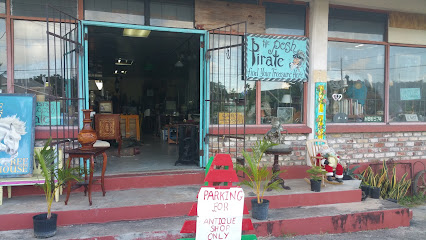
The Posh Pirate Antique Store
11.0 km
Explore The Posh Pirate Antique Store in Liberta for unique treasures and a glimpse into Caribbean history.
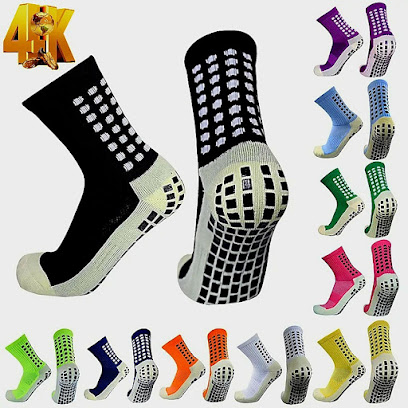
4K Sports Accessories +
12.0 km
Explore the best sportswear selection at 4K Sports Accessories + in All Saints, your ultimate destination for quality athletic gear.
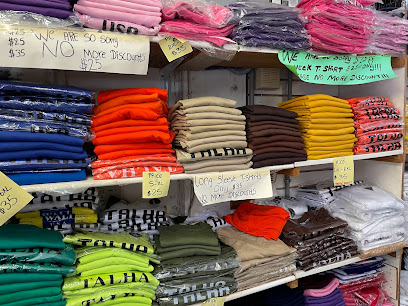
The Cotton House
12.1 km
Discover unique Caribbean-inspired clothing at The Cotton House in Piccadilly, where local craftsmanship meets vibrant style.
Bold Kloset
12.1 km
Explore the vibrant fashion scene at Bold Kloset in St. John's, where unique styles await every traveler seeking to elevate their wardrobe.

Bargains Antigua
12.3 km
Explore an extensive range of stylish footwear at Bargains Antigua, where quality meets affordability in the heart of the island.
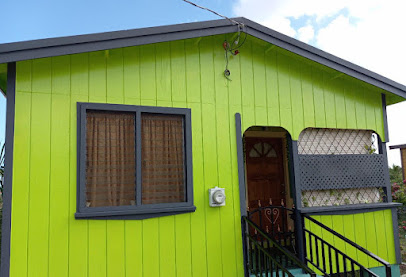
Rae-el Collection
12.4 km
Discover Rae-el Collection in St. Paul’s for unique stationery, art supplies, and memorable gifts that capture the essence of All Saints.

Buy n' Sell Antigua
12.7 km
Explore Buy n' Sell Antigua for the best in mobile devices and accessories in the heart of St. John's.
SHurstEnterprises
12.7 km
Explore All Saints with ease at SHurstEnterprises, your go-to convenience store for essentials, snacks, and local delights.
Kikz n bitz 268
12.7 km
Discover unique fashion at Kikz n bitz 268 in St. Paul's, offering a vibrant selection of clothing that reflects the Caribbean spirit.
Essential bars & hidden hideouts

The Verandah Resort & Spa Beach Bar
0.7 km
Experience the serene Caribbean vibes at The Verandah Resort & Spa Beach Bar, where relaxation meets stunning ocean views.
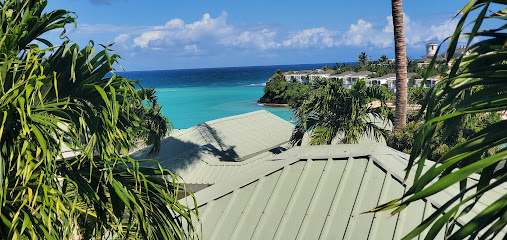
The Locos Enterprise
3.4 km
Experience the vibrant Caribbean nightlife at The Locos Enterprise, Willikies' premier bar, offering cocktails, local brews, and unforgettable entertainment.
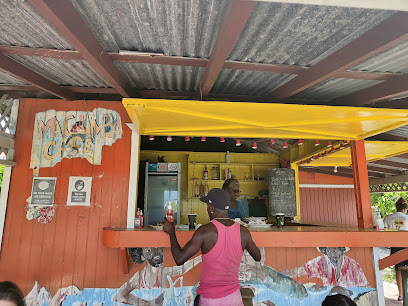
Galloway's 8-Ball Sport Bar
12.2 km
Experience the spirited atmosphere at Galloway's 8-Ball Sport Bar, where sports lovers unite over drinks and games in Piggotts.
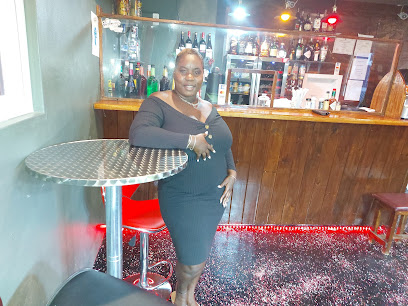
Cecilia's Bar and Lounge
12.4 km
Experience the heart of Caribbean nightlife at Cecilia's Bar and Lounge in St. John's – a vibrant spot for drinks, music, and local culture.
SIDEVIEW BAR & GRILL
12.6 km
Experience the vibrant nightlife of All Saints at Sideview Bar & Grill, where cocktails, local flavors, and stunning views come together.
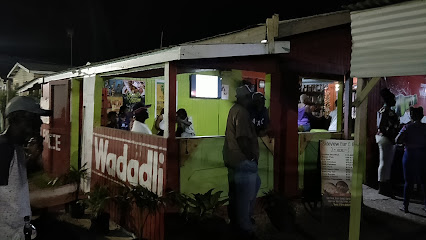
Garrot Blacks Bar & Lounge
12.8 km
Experience the vibrant nightlife of English Harbour at Garrot Blacks Bar & Lounge, where cocktails and camaraderie come together in a stunning setting.
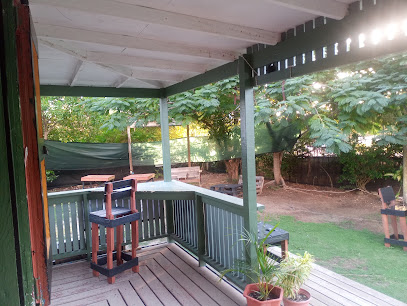
Do Sometin Snackette & Bar
13.3 km
Experience the vibrant flavors of Caribbean cuisine at Do Sometin Snackette & Bar in AG, a must-visit for culinary enthusiasts.
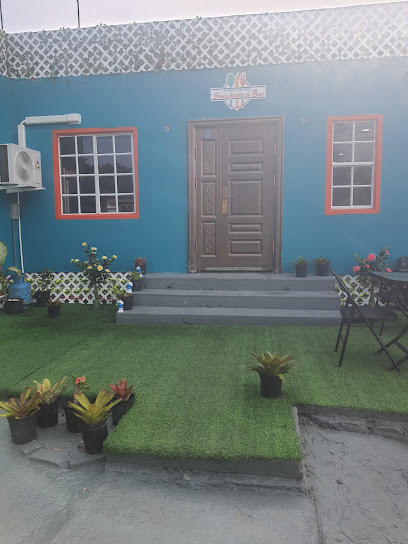
Hibiscus Sports Bar
13.3 km
Experience the vibrant nightlife at Hibiscus Sports Bar in Antigua, where great drinks, live music, and friendly locals come together.
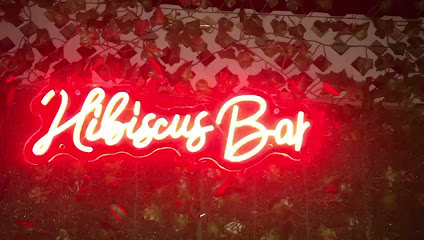
Sweet-Ts
13.3 km
Experience the authentic tastes of the Caribbean at Sweet-Ts in Piccadilly, where delicious food meets an inviting atmosphere.
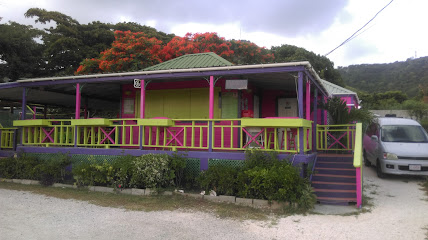
That's Life
13.4 km
Experience the flavors of the Caribbean at That's Life, a top grill restaurant in Falmouth Harbour, known for its fresh dishes and vibrant atmosphere.
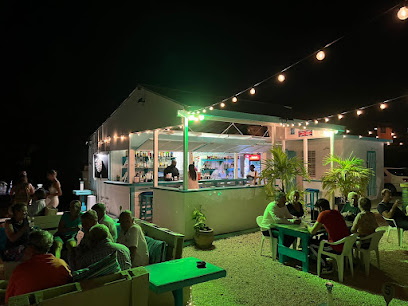
MINALVA
13.5 km
Experience the vibrant nightlife of Osbourn at Minalva, a lively bar offering delicious drinks and live music in a welcoming atmosphere.
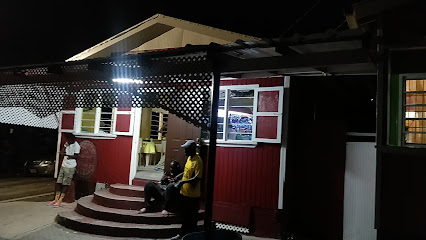
Cloggy's
13.6 km
Discover Cloggy's at Catamaran Marina for a culinary journey filled with Caribbean flavors and breathtaking waterfront views.
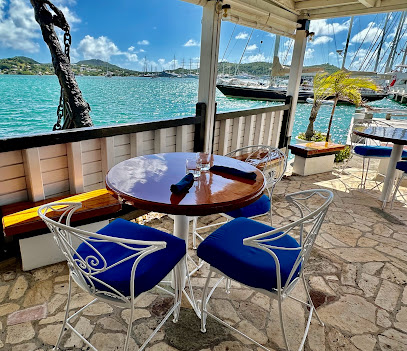
ROSEENS BAR
13.6 km
Experience the vibrant atmosphere and refreshing drinks at Roseens Bar, the perfect spot to unwind in Liberta, Antigua.
Shirley Heights Lookout
13.6 km
Experience stunning vistas, delicious cuisine, and vibrant atmosphere at Shirley Heights Lookout in English Harbour, Antigua.
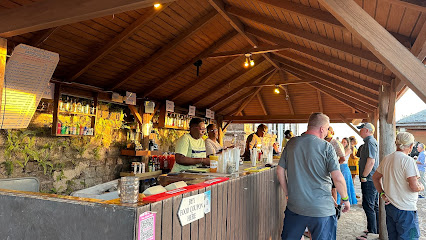
Stickz Bar and Restaurant
13.6 km
Experience the unique flavors of the Caribbean at Stickz Bar and Restaurant, a perfect blend of great food and vibrant atmosphere in All Saints.
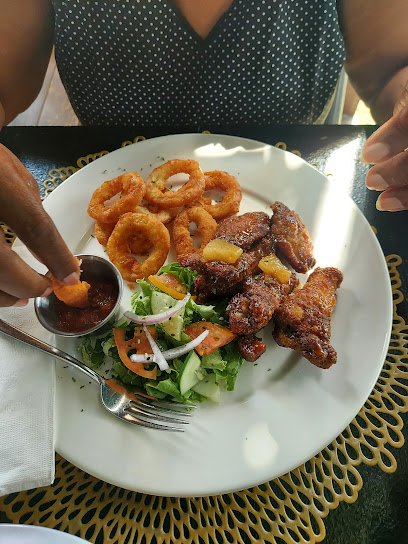
Nightclubs & after hour spots

Colibri Bistro Bar Lounge
13.7 km
Discover the vibrant atmosphere and exquisite cuisine at Colibri Bistro Bar Lounge, Antigua's premier destination for dining and nightlife.
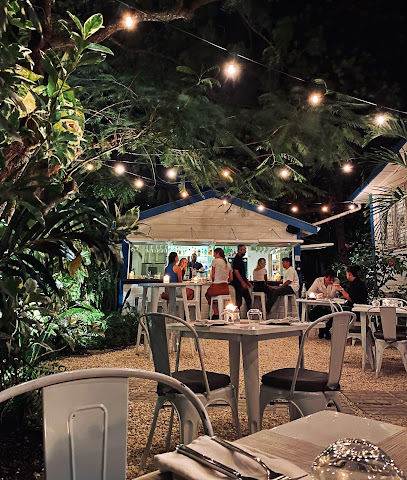
Yala Bar
13.7 km
Experience the vibrant nightlife at Yala Bar in English Harbour, where delicious cocktails and lively atmosphere await every visitor.
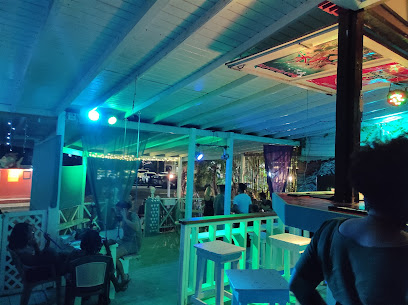
The Galley Bar
13.7 km
Experience the best of Caribbean cuisine at The Galley Bar, nestled in the scenic Nelson's Dockyard Marina of English Harbour.
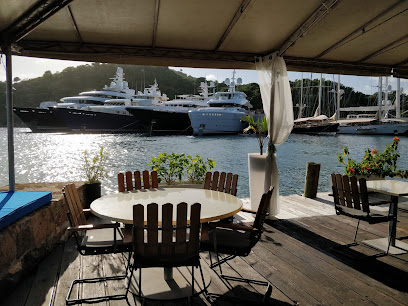
The Lime
13.7 km
Discover the vibrant nightlife at The Lime in English Harbour, Antigua – a bar serving exquisite cocktails in a lively atmosphere.
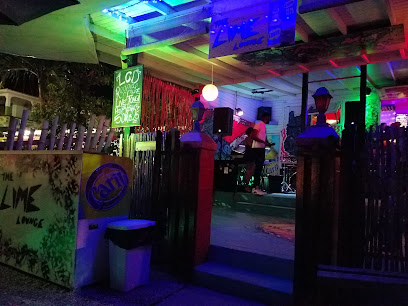
NUNCY BAR
13.8 km
Discover the vibrant nightlife and refreshing local drinks at Nuncy Bar in Swetes, the perfect place for relaxation and fun.
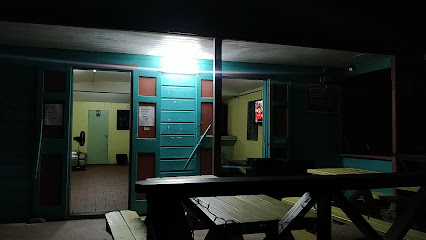
SILVER DOLLAR TAVERN
13.8 km
Experience the lively spirit of Swetes at Silver Dollar Tavern, where drinks, music, and local culture come together for an unforgettable night out.
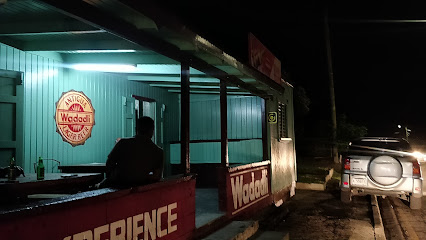
The plug ️ Junior king and the party boys
13.8 km
Discover vibrant nightlife at The Plug in Falmouth Harbour, where cocktails and Caribbean vibes create unforgettable moments.
Gege’s bench
13.9 km
Experience the vibrant atmosphere of Gege’s Bench, the perfect bar for refreshing drinks and stunning views in English Harbour.
Abracadabra
13.9 km
Experience the magic of Italian cuisine at Abracadabra, where every dish tells a story amidst the vibrant vibes of English Harbour.
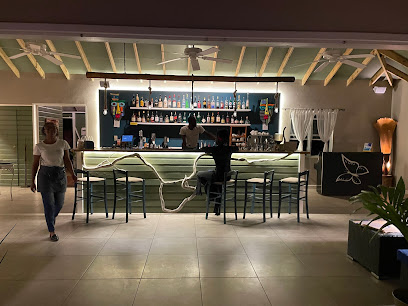
Club House
13.9 km
Experience exquisite sushi and stunning ocean views at Club House in Falmouth, Antigua, a top dining destination for tourists.
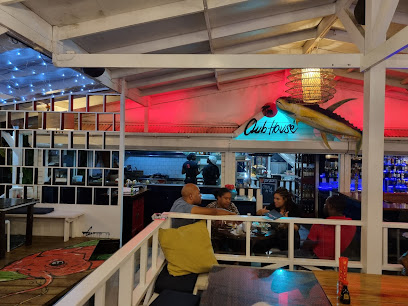
Liberta Sports Club
14.0 km
Discover the vibrant sports culture at Liberta Sports Club, where locals and tourists unite for thrilling games and camaraderie in Antigua.
MAIA Restaurant Lounge Sushi Bar
14.0 km
Experience exquisite sushi and vibrant nightlife at MAIA Restaurant Lounge Sushi Bar in English Harbour, the ultimate destination for culinary delights.
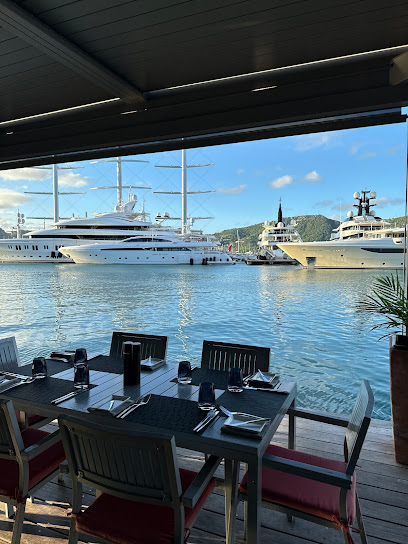
CHRISTIAN SUNSHINE BAR
14.9 km
Experience the vibrant atmosphere of Christian Sunshine Bar in Piggotts, Antigua, where refreshing drinks and friendly vibes await every visitor.
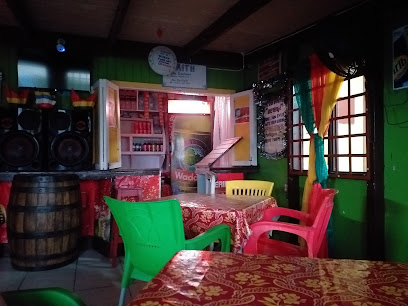
Eden's Secret
15.1 km
Discover the enchanting atmosphere and tropical drinks at Eden's Secret, a bar in St. George's that captures the essence of Caribbean nightlife.
Stables Bar
15.2 km
Discover the lively atmosphere of Stables Bar in Cassada Gardens, where locals and tourists mingle over delicious drinks and vibrant nightlife.


