

Free Liberta Travel Guide & Mobile App
Plan your Liberta trip with Evendo. Get free guides to top attractions, restaurants, hotels, and bars. Web access or download the mobile app.


Liberta, Antigua and Barbuda, offers village history, emancipation heritage and easy access to English Harbour, Nelson’s Dockyard and southern Antigua.
A Village Shaped by Freedom
Liberta lies in St Paul Parish in south-central Antigua, a small settlement whose identity is closely connected to the island’s history of emancipation. Established in 1835 on land associated with former plantations, it became one of Antigua’s earliest communities created by formerly enslaved people after the abolition of slavery. Its name, derived from liberty, remains an important expression of that history. Rather than a resort centre, Liberta is a lived-in village of residential streets, churches, small businesses and community spaces, where the experience is grounded in local life rather than a concentration of conventional attractions.Read more about Liberta
Between Village Life and Harbour Country
Everyday Antigua
When is the best time to visit Liberta?
Best: February–April · 30–31°C| Month | High (°C) | Rainfall (mm) |
|---|---|---|
| January | 30 | 55 |
| February (best) | 30 | 50 |
| March (best) | 30 | 45 |
| April (best) | 31 | 40 |
| May | 31 | 35 |
| June | 32 | 30 |
| July | 32 | 30 |
| August | 32 | 35 |
| September | 31 | 40 |
| October | 31 | 45 |
| November | 30 | 50 |
| December | 30 | 55 |
Getting to and around Liberta
How to get there
Transportation
Best attractions in Liberta
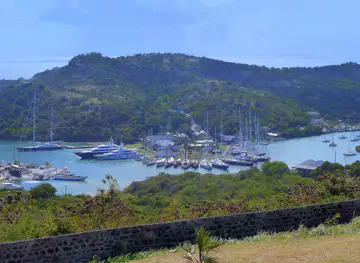
Liberta’s principal attraction is its lived-in historical character rather than a dense collection of ticketed sites. Walking through the village reveals the setting of Antigua’s first major post-emancipation community, with churches, homes, small shops and the community playing field providing points of orientation. The village is also a convenient starting point for exploring the southern peninsula. Nearby Falmouth and English Harbour offer waterfront promenades, sailing activity and access to Nelson’s Dockyard National Park, whose restored naval buildings and museum explain Antigua’s colonial maritime history. Shirley Heights, reached beyond English Harbour, adds panoramic views across the harbour and coast, although it is a separate destination rather than a Liberta landmark. The contrast between Liberta’s residential streets and the carefully preserved heritage landscape around English Harbour is itself instructive, showing how modern communities and colonial sites occupy the same part of the island.
-
Museum
Nelson's Dockyard
Explore Antigua's naval history at Nelson's Dockyard, a UNESCO World Heritage Site with stunning Georgian architecture and a bustling marina.
14 min drive · 4.7 km from city centre
-
Tourist attraction
Stingray City Antigua
Interact with gentle stingrays in their natural Caribbean habitat at Stingray City Antigua, a unique and unforgettable marine experience.
30 min drive · 9.8 km from city centre
-
Stadium
Sir Vivian Richards Stadium
Home to cricket in Antigua, named for the legendary Sir Viv Richards. A modern stadium hosting international matches and events.
22 min drive · 7.3 km from city centre
-
 Resort hotel
Royalton Antigua, An Autograph Collection All-Inclusive Resort
Experience luxury and relaxation at Royalton Antigua, an all-inclusive resort in Five Islands Village with stunning beachfront views and world-class amenities.
33 min drive · 13 km from city centre


Best landmarks in Liberta
Liberta’s landmarks are primarily communal rather than monumental. Its churches, village playing field and surviving settlement pattern express the institutions created by formerly enslaved residents after emancipation, while the name Liberta itself is a historical marker of the community’s origins. The most significant formal landmarks nearby belong to the wider southern heritage landscape: Nelson’s Dockyard contains restored Georgian-era naval and store buildings associated with Britain’s Caribbean fleet, and Shirley Heights preserves a former military lookout and signal station above English Harbour. Falmouth Harbour adds a modern maritime setting, though it is a working and yachting waterfront rather than a historic monument. These places should not be conflated with Liberta, but together they explain the area’s layered identity, linking post-emancipation village life with plantation-era commerce, naval power and contemporary sailing.
-
Cruise terminal
Heritage Quay Complex
Discover the vibrant Heritage Quay Complex in St. John's, Antigua – a shopping and dining paradise with stunning harbor views.
31 min drive · 11 km from city centre
-
Museum
Nelson's Dockyard
Explore the historical charm of Nelson's Dockyard, a stunning museum and landmark showcasing Antigua's rich maritime heritage amidst breathtaking Caribbean scenery.
14 min drive · 4.7 km from city centre
-
Shopping mall
Redcliffe Quay
Explore the vibrant Redcliffe Quay in St. John's, Antigua, where shopping, dining, and local culture come together in a picturesque setting.
31 min drive · 11 km from city centre
-
Restaurant
Shirley Heights Lookout
Experience breathtaking views and vibrant local culture at Shirley Heights Lookout, a must-visit destination in Antigua.
18 min drive · 5.9 km from city centre


Explore Liberta on the map
Plan your Liberta trip on one map. See where the top attractions, landmarks, restaurants, bars and hotels are, find what's near where you're staying, and book hotels and experiences in a few clicks.
Best hotels in Liberta
Best restaurants in Liberta
Dining in Liberta is modest and local in character, centred more on small eateries, village shops and home-style cooking than on a concentrated restaurant district. Antigua’s food reflects West African, British, Caribbean and wider regional influences, with staples such as fungie and pepper, seasoned fish, rice, peas, ducana and salted fish appearing across the island. Fresh seafood, chicken, goat and locally grown vegetables are common foundations for everyday meals, while sweet breads, cakes and fruit drinks provide simpler options. For a broader choice of sit-down restaurants, cafés and waterfront dining, visitors generally travel towards Falmouth and English Harbour, where menus range from Caribbean cooking to international fare shaped by the yachting community. Food markets and roadside vendors should be approached with normal care about freshness, storage and drinking water.
-
Restaurant
Shirley Heights Lookout
Antigua's iconic hilltop lookout: historic gun battery turned sunset party haven with unbeatable harbor panoramas, live music, barbecue feasts, and Caribbean vibes.
18 min drive · 5.9 km from city centre
-
Restaurant
Sweet-Ts
Discover the culinary charm of Sweet-Ts in Piccadilly – where every dish tells a story of flavor and tradition.
8 min drive · 2.7 km from city centre
-
Restaurant
Cloggy's
Experience exquisite dining at Cloggy's in Catamaran Marina – where Caribbean flavors meet stunning waterfront views.
8 min drive · 2.8 km from city centre
-
Ice Cream
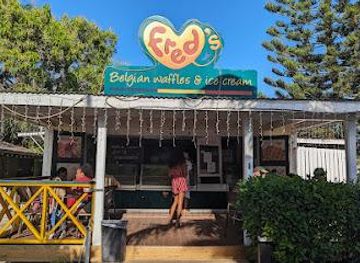
Fred's Belgian Waffles and Ice Cream
Freshly made Belgian waffles and artisanal ice cream in a historic waterfront setting.
30 min drive · 10 km from city centre


Best bars in Liberta
Liberta has a quiet evening atmosphere, with social life focused on local bars, family gatherings, church activities and community events rather than a large club scene. The more established nightlife of the south is found in Falmouth and English Harbour, where bars and restaurants serve the sailing community and visitors, and evenings may include live music or informal Caribbean entertainment. Shirley Heights is also associated with organised sunset gatherings and music, but it lies outside Liberta and operates according to event schedules rather than as a permanent village nightlife quarter. In the settlement itself, visitors should expect limited late-night facilities, modest venues and a relaxed pace. Taxis or a designated driver are sensible when travelling between villages after dark, and local customs favour courteous behaviour in community spaces.
-
Bar
Shirley Heights Lookout
Experience breathtaking views and vibrant culture at Shirley Heights Lookout, an iconic bar and restaurant in English Harbour, Antigua.
18 min drive · 5.9 km from city centre
-
Restaurant
Sweet-Ts
Discover the flavors of Piccadilly at Sweet-Ts, where affordable dining meets warm hospitality and a diverse menu for all tastes.
8 min drive · 2.7 km from city centre
-
Grill
The Nest -Beach Bar, Antigua
Unwind at The Nest Beach Bar in Antigua, where delicious grill dishes meet stunning ocean views in a vibrant beach setting.
30 min drive · 10 km from city centre
-
Restaurant
Darkwood Beach Bar and Restaurant
Experience the flavors of Antigua at Darkwood Beach Bar and Restaurant, where delicious cuisine meets breathtaking ocean views.
30 min drive · 10 km from city centre


Best nightclubs in Liberta
Liberta has a quiet evening atmosphere, with social life focused on local bars, family gatherings, church activities and community events rather than a large club scene. The more established nightlife of the south is found in Falmouth and English Harbour, where bars and restaurants serve the sailing community and visitors, and evenings may include live music or informal Caribbean entertainment. Shirley Heights is also associated with organised sunset gatherings and music, but it lies outside Liberta and operates according to event schedules rather than as a permanent village nightlife quarter. In the settlement itself, visitors should expect limited late-night facilities, modest venues and a relaxed pace. Taxis or a designated driver are sensible when travelling between villages after dark, and local customs favour courteous behaviour in community spaces.
-
Grill
Loose Cannon Beach Bar
Discover the perfect blend of delicious grills, refreshing cocktails, and stunning ocean views at Loose Cannon Beach Bar in English Harbour.
16 min drive · 5.4 km from city centre
-
Bar
Garrot Blacks Bar & Lounge
Experience the vibrant nightlife of English Harbour at Garrot Blacks Bar & Lounge, where refreshing drinks and a lively atmosphere await.
11 min drive · 3.7 km from city centre
-
Bar
The Lime
Experience the lively nightlife of English Harbour at The Lime, where tropical drinks and vibrant music create unforgettable memories.
12 min drive · 4.1 km from city centre
-
Night club
The Boardroom - The Premium Gentleman's Club
Experience upscale nightlife at The Boardroom, Jolly Harbour's premier gentleman's club, where elegance meets captivating entertainment.
30 min drive · 9.8 km from city centre


Best shops in Liberta
Shopping in Liberta is practical and small-scale, with village shops supplying everyday goods rather than a dedicated retail district. Visitors may find local snacks, drinks and basic provisions, while more distinctive souvenirs and craft products are easier to locate in St John’s, English Harbour and the island’s organised markets. Antigua is associated with locally made rum, woven items, batik and other Caribbean-inspired crafts, although quality and availability vary between sellers. The markets and independent shops around larger settlements offer more choice in art, jewellery, clothing and food products than Liberta itself. Bargaining should not be assumed in ordinary shops, and visitors should distinguish locally made goods from imported souvenirs. Cash remains useful for small purchases, particularly away from the main tourist areas.
-
Cruise terminal
Heritage Quay Complex
Discover the vibrant Heritage Quay Complex in St. John's, where shopping meets Caribbean charm, offering a unique blend of local crafts and international brands.
31 min drive · 11 km from city centre
-
Shopping mall
Redcliffe Quay
Discover Redcliffe Quay, the vibrant shopping mall in St. John's, Antigua, featuring unique shops, delightful dining, and an unforgettable atmosphere.
31 min drive · 11 km from city centre
-
Bakery
VJ'S Bakery
Discover VJ'S Bakery in Liberta, a local treasure for fresh pastries and bread that captures the essence of Antiguan culinary delight.
3 min walk · 0.3 km from city centre
-
Supermarket
Spencer's Supermarket
Explore the vibrant offerings at Spencer's Supermarket in Liberta, Antigua – your go-to destination for local and international products.
6 min walk · 0.5 km from city centre


Get your free copy of our complete guide to Liberta, delivered straight to you.
Everything on this page, from attractions and restaurants to essentials and local phrases, in one PDF you can read offline, print or share.
Already have an account? Sign in
Your Liberta guide is ready.
We'll send it to · Not you? Sign out

Getting your guide ready…
We are putting together a fresh copy of the Liberta guide. This can take up to a minute.
This can take a few moments. If your browser asks, choose Allow so the download can start. You'll find the guide in your Downloads folder.
Nothing happened? Download it again
Sorry, the guide is taking longer than usual. Please try again in a minute, or get it by email instead.
Liberta essentials
Currency and Payment
Safety
Emergency Situations
Do's and Don'ts
Local Tips
From Eve
Local phrases worth knowing
You don't need to get them perfect. A few words go a long way, and locals appreciate the effort.
Basics
| English | Local | Say it |
|---|---|---|
| Hello | Wadadli | [wah-DAHD-lee] |
| Goodbye | Leh we see | [lay wee see] |
| Yes | Yes | [yes] |
| No | Noh | [noh] |
| Please/You're welcome | Pleez/Tank yuh | [pleez/tank yuh] |
| Thank you | Tank yuh | [tank yuh] |
| Excuse me/Sorry | X-kyooz mi/Saari | [ex-kyooz mee/sah-ree] |
| How are you? | How yuh duh? | [how yuh doo] |
| Fine. And you? | Ai ai. An yuh? | [eye eye. an yuh] |
| Do you speak English? | Yuh speak Ingglish? | [yuh speak in-glish] |
| I don't understand | Ai doh ondastan | [eye doh un-duh-stan] |
Eating & Drinking
| English | Local | Say it |
|---|---|---|
| I'd like to see the menu, please | Ah wah see deh menuh, pleez | [ah wah see deh meh-nyoo, pleez] |
| I don't eat meat | Ai doh eat meet | [eye doh eet meet] |
| Cheers! | Cherz! | [cherz] |
| I would like to pay, please | Ah wah pay, pleez | [ah wah pay, pleez] |
Emergencies
| English | Local | Say it |
|---|---|---|
| Help! | Aid! | [ayd] |
| Go away! | Goh weh! | [goh way] |
| Call the Police! | Call deh Police! | [call deh police] |
| Call a doctor! | Call a doctah! | [call a doc-tah] |
| I'm lost | Ai loss | [eye loss] |
| I'm ill | Ai sick | [eye sik] |
Shopping
| English | Local | Say it |
|---|---|---|
| I'd like to buy... | Ah wah buy... | [ah wah buy...] |
| I'm just looking | Ai just lukin | [eye just look-in] |
| How much is it? | How much fuh dis? | [how much fuh diss] |
| That's too expensive | Dat too much money | [dat too much muh-nee] |
| Can you lower the price? | Yuh cud drop deh price? | [yuh kud drop deh price] |
Time & Numbers
| English | Local | Say it |
|---|---|---|
| What time is it? | Wa time it be? | [wah time it be] |
| It's one o'clock | It be one o'clock | [it be one o-clock] |
| Half past (10) | Haaf past ten | [haff past ten] |
| Morning | Mownin | [moh-nin] |
| Afternoon | Aftanoon | [af-tuh-noon] |
| Evening | Eevinin | [ee-ven-in] |
| Yesterday | Yessideh | [yes-si-deh] |
| Today | Tudeh | [too-deh] |
| Tomorrow | Tomorrer | [tom-or-er] |
| 1 | One | [wun] |
| 2 | Two | [too] |
| 3 | Tree | [tree] |
| 4 | Foah | [foh] |
| 5 | Five | [fahyv] |
| 6 | Six | [siks] |
| 7 | Seven | [sev-un] |
| 8 | Eight | [ayt] |
| 9 | Nine | [nyne] |
| 10 | Ten | [ten] |
Transport & Directions
| English | Local | Say it |
|---|---|---|
| Where's a/the...? | Weh deh...deh deh? | [weh deh...deh deh] |
| What's the address? | Wa deh address? | [wah deh address] |
| Can you show me (on the map)? | Yuh cud show me (pan deh map)? | [yuh kud show me (pan deh map)] |
| When's the next (bus)? | When deh nex (bus)? | [when deh nex (bus)] |
| A ticket (to ....) | A ticket (to ....) | [a ticket (to ....)] |
History of Liberta
The Island Before Liberta
Long before the modern settlement existed, Antigua was inhabited by Indigenous peoples, including communities associated with the Saladoid and later Arawakan traditions; Kalinago influence was also part of the wider eastern Caribbean setting. European colonisation altered the island’s population, economy and landscape, while English settlement from the seventeenth century established a plantation system dependent on African labour. The area that later became Liberta formed part of this broader agricultural and parish landscape rather than an independent town. Its later importance arose from the social changes that followed the collapse of slavery, when formerly enslaved Antiguans sought land, homes and institutions of their own.
Plantations and Colonial Antigua
During the seventeenth and eighteenth centuries, Antigua’s economy centred on sugar production, with estates supplied by an enslaved African workforce and linked by roads to ports and harbours. South-central Antigua, including the country around present-day Liberta, was shaped by cane fields, estate boundaries, livestock land and the water shortages that made cultivation demanding. British military and naval activity around English Harbour added strategic importance to the southern coast. The buildings and landscapes preserved in nearby Nelson’s Dockyard reflect this colonial economy, although Liberta itself developed later as a post-emancipation community rather than as a naval settlement.
Emancipation and the Founding of Liberta
Britain abolished slavery in most of its colonies in 1834, although a period of apprenticeship delayed complete freedom for many formerly enslaved people until 1838. In Antigua, where full emancipation came in 1834, the social order changed rapidly. Liberta was established in 1835 on land made available to formerly enslaved people, and its name expressed the meaning of freedom to its founders. The village became an important example of Black landholding and self-organisation in the post-emancipation Caribbean. Homes, churches, family networks and community institutions gradually replaced the plantation as the central framework of local life.
Community and Changing Work
After emancipation, Liberta’s residents combined small-scale cultivation, wage labour, domestic service, seafaring and other forms of work available in Antigua’s changing economy. The village’s churches and schools helped establish social structures independent of the former estates, while roads connected residents with Falmouth, English Harbour and St John’s. Sugar remained influential across Antigua during the nineteenth and early twentieth centuries, but its decline gradually encouraged occupational change and migration. Liberta’s history during this period was therefore shaped both by local community-building and by wider Caribbean patterns of movement, education and the search for secure livelihoods.
From Colony to Independent Nation
Twentieth-century Antigua brought improved transport, new public services, expanded education and a gradual shift from plantation agriculture towards tourism, government employment and service industries. Political change culminated in independence from Britain on 1 November 1981, when Antigua and Barbuda became a sovereign state. Liberta retained its identity as a village within St Paul Parish while nearby English Harbour developed into a major heritage and yachting centre. Today, the settlement’s historical significance lies in the continuity of its community and in the way its name, institutions and family histories preserve the memory of emancipation within modern Antigua.
Liberta in Photos
Browse through our photo collection highlighting the charm and character of the destination.
Cities near Liberta
The closest cities to Liberta, if you have time for more than one stop.
-
-

-

-

-


Swipe for more cities
Explore more
Explore more of Antigua and Barbuda
Discover Antigua and Barbuda's 365 beaches, vibrant culture, and rich history. Perfect for sun-seekers, nature lovers, and sailing enthusiasts in the Caribbean.
Explore Antigua and Barbuda