

Tramway Histórico de Buenos Aires, Buenos Aires Travel Guide
Step back in time on meticulously restored vintage trams at the Tramway Histórico de Buenos Aires, a living museum showcasing the city's transport history.
Experience a nostalgic journey through Buenos Aires' transportation history aboard meticulously restored vintage trams. Operated by Asociación Amigos del Tranvía, this living museum offers free rides on weekends and holidays, showcasing the city's cultural heritage and engineering prowess.
A brief summary to Tramway Histórico de Buenos Aires
- 1125, C1406GXA, Emilio Mitre 500, Buenos Aires, Caballito, Comuna 6, Buenos Aires, AR
- Click to display
- Click to display
- Saturday 4 pm-7 pm
- Sunday 10 am-1 pm

Know before you go
Hi, I'm Eve. Here are a few practical things to know before exploring Tramway Histórico de Buenos Aires.
- The tramway operates only on weekends and public holidays, so plan your visit accordingly.
- Admission is free, but donations are welcome to support the tramway's maintenance and restoration.
- Arrive at least an hour before closing time, as there can be high visitor traffic.
- Combine your visit with a stroll through the charming Caballito neighborhood.
Do you manage this location?
Take control to get all the benefits, like improved information, better appearance, and stronger visibility across AI-powered discovery. Learn more about listing your business on Evendo
Activate your presenceOther nearby places you may find interesting
The closest places of the same kind, if this one is not quite what you had in mind.
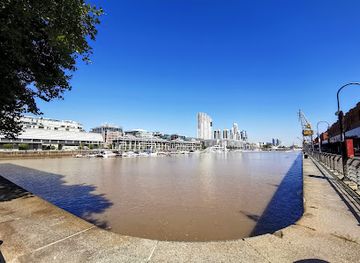
Explore Tramway Histórico de Buenos Aires on the Map
A handpicked selection of must-see spots near Tramway Histórico de Buenos Aires, mapped for you.
Getting There
-
Subte (Metro)
Take Line A to Primera Junta station. From the station, walk southwest on Av. Rivadavia for approximately 600 meters until you reach Emilio Mitre. Turn left and walk another 300 meters to Emilio Mitre 500, where the tramway is located. A single trip on the Subte costs AR$757 for registered SUBE users. A SUBE card is required.
-
Bus
Several bus lines stop near the Tramway Histórico. For example, take bus 99, 146, or 55 and get off at the 'Emilio Mitre' stop. From there, walk approximately 200 meters down Emilio Mitre to the tramway at Emilio Mitre 500. Bus fares start at AR$270. Payment is made using the SUBE card.
-
Taxi or Rideshare
Take a taxi or rideshare directly to Emilio Mitre 500, Buenos Aires. Taxi fares in Buenos Aires start at ARS 657, with an additional ARS 67.50 per 200 meters. A short trip around the city center typically costs between ARS 5,500 and ARS 11,000. Be aware that fares increase by 20% at night.
-
Walking
If you are in the Caballito area, the Tramway Histórico is easily accessible on foot. From the Caballito train station, walk east along Av. José María Moreno for about 300 meters. Turn left onto Emilio Mitre and walk for approximately 400 meters until you reach the tramway at Emilio Mitre 500. There is no cost associated with walking.
Discover more about Tramway Histórico de Buenos Aires
More to explore near Tramway Histórico de Buenos Aires
-

Best experiences near Tramway Histórico de Buenos Aires
-

Best hotels near Tramway Histórico de Buenos Aires
-

Best landmarks near Tramway Histórico de Buenos Aires
-

Best shops near Tramway Histórico de Buenos Aires
-

Best restaurants near Tramway Histórico de Buenos Aires
-

Best bars near Tramway Histórico de Buenos Aires







Your all‑in‑one travel companion app
Explore expert travel guides, compare and book tours, experiences, hotels, and more—all from the palm of your hand. Download now for seamless trip planning wherever your wanderlust takes you.


Explore More of Buenos Aires
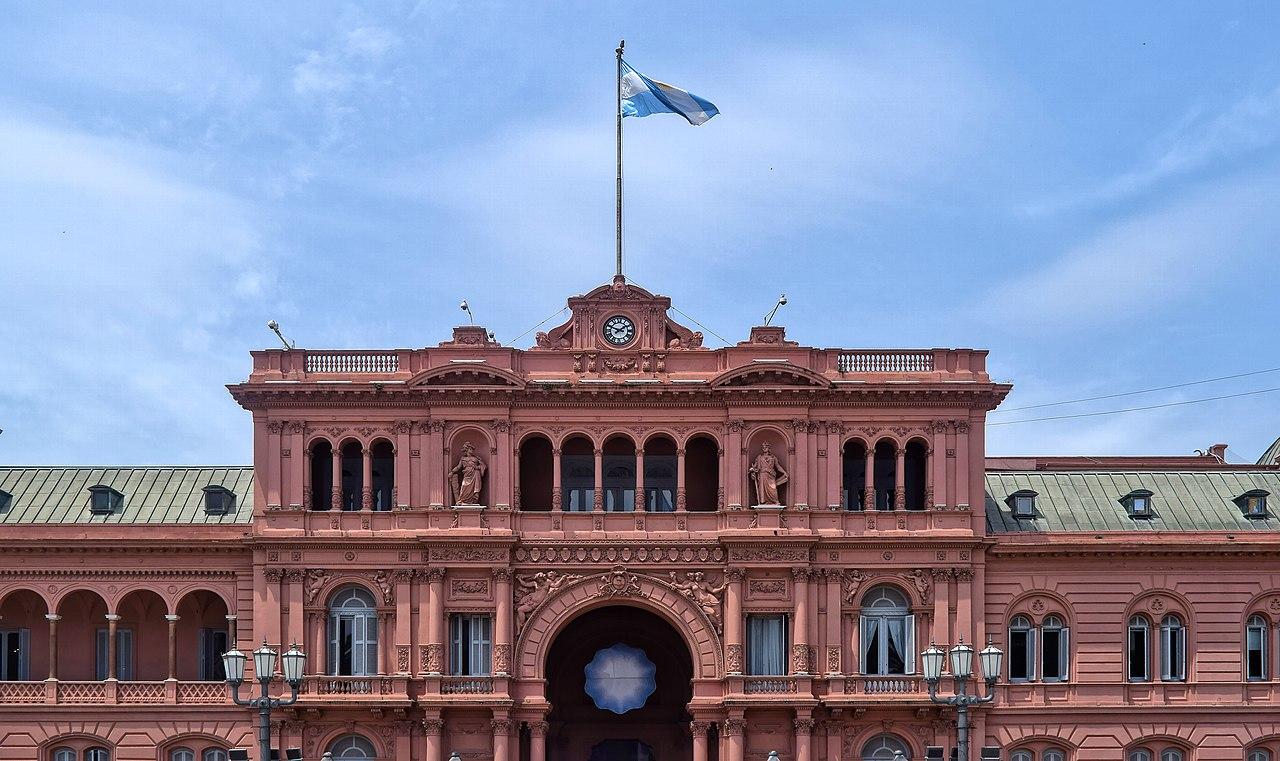
Looking beyond Tramway Histórico de Buenos Aires? Discover Buenos Aires for broader travel guides, local hot-spots, and regional highlights.
Explore Buenos Aires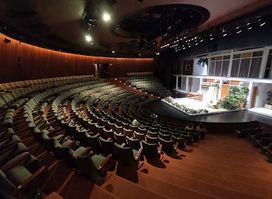
Experience the vibrant cultural heart of Buenos Aires at Teatro General San Martín, offering diverse performances and art exhibitions.
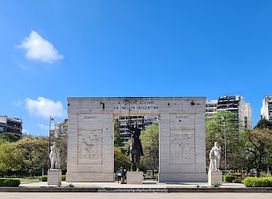
Discover the Monument to Simón Bolívar in Buenos Aires, a symbol of liberty and unity, nestled in the beautiful Parque Rivadavia.
