Cerro Siete Colores, Cuyo Travel Guide
Discover the breathtaking Cerro Siete Colores in Jujuy, Argentina: a geological masterpiece painted with millions of years of history.
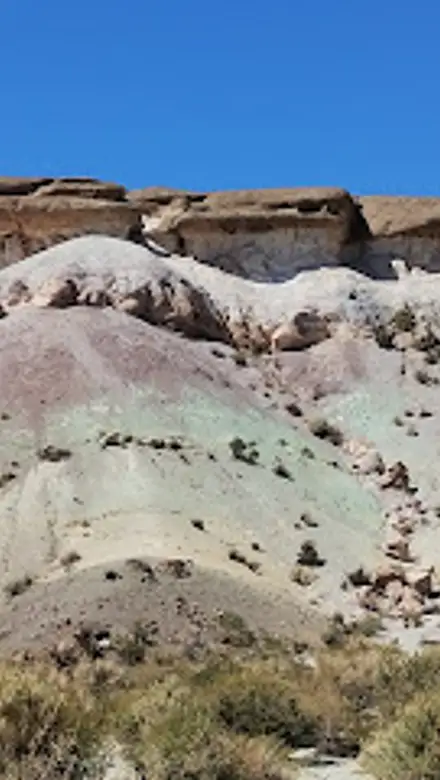
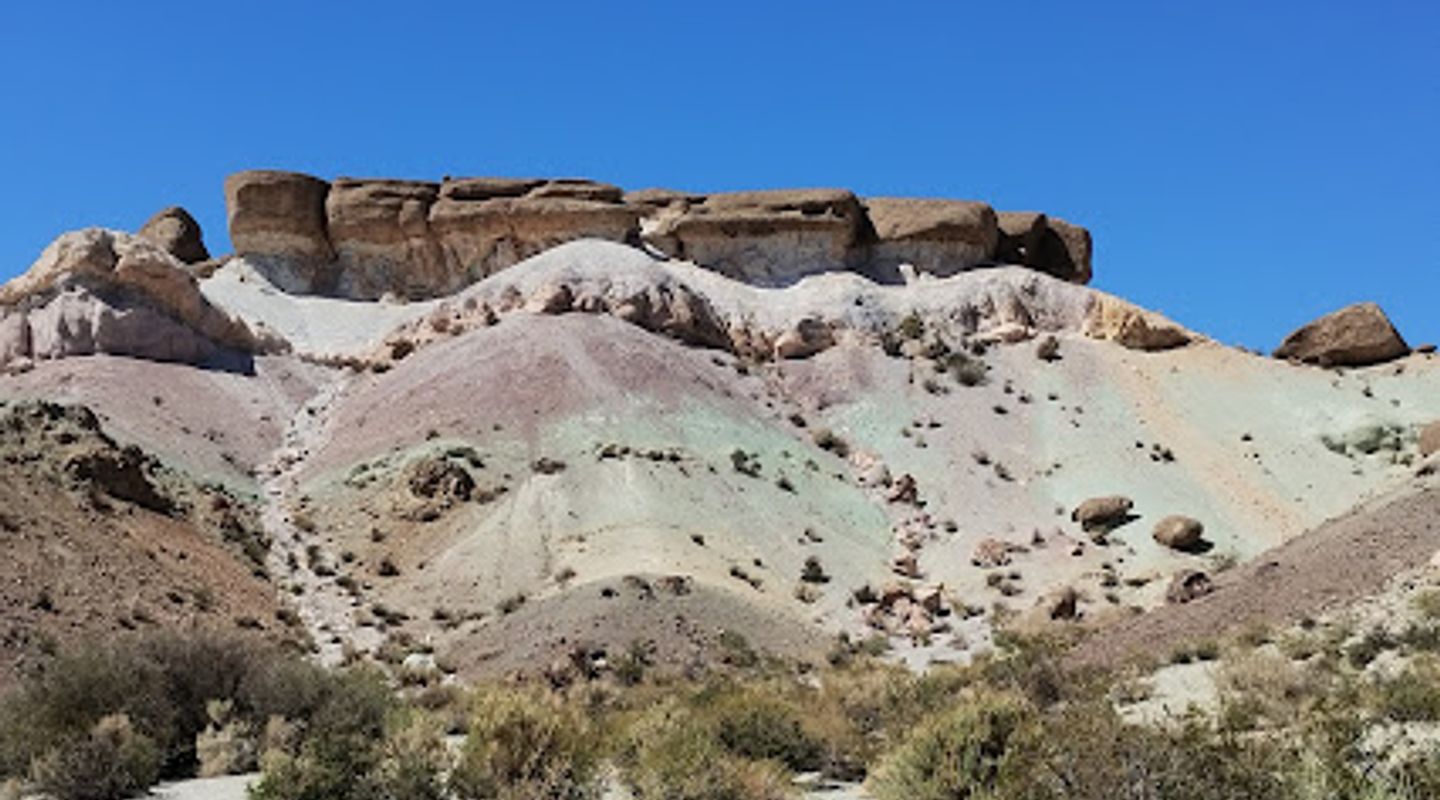
Cerro Siete Colores, or the Hill of Seven Colors, is a stunning geological formation in the province of Jujuy, Argentina, near the village of Purmamarca. Its slopes display a remarkable array of colors, a testament to millions of years of geological activity.
A brief summary to Cerro Siete Colores
- Las Heras, Mendoza Province, AR
- Click to display
- Click to display

Know before you go
Hi, I'm Eve. Here are a few practical things to know before exploring Cerro Siete Colores.
- Visit in the morning for the best light to see the vibrant colors of the mountain.
- Take a walk around the village of Purmamarca to appreciate the mountain from different angles.
- Wear sunscreen and stay hydrated, as the area can be sunny and dry.
Do you manage this location?
Take control to get all the benefits, like improved information, better appearance, and stronger visibility across AI-powered discovery. Learn more about listing your business on Evendo
Activate your presenceOther nearby places you may find interesting
The closest places of the same kind, if this one is not quite what you had in mind.
Explore Cerro Siete Colores on the Map
A handpicked selection of must-see spots near Cerro Siete Colores, mapped for you.
Unlock the Best of Cerro Siete Colores
Buy tickets
-
No tickets available
Book tours with entry


Book tours without entry

Getting There
-
Walking
From the center of Purmamarca, the Cerro Siete Colores is easily visible and accessible on foot. Walk west from the main plaza towards Calle Florida. You'll see many people on top of a small hill, Cerro El Porito, which marks the start of the walking circuit around the Hill of Seven Colors. The circuit is mostly flat and takes about an hour to complete. There is a small fee (approximately 100 Argentinian pesos) to enter Cerro El Porito.
-
Public Transport
To reach Purmamarca and Cerro Siete Colores from San Salvador de Jujuy, take a bus from the bus station. The journey takes approximately 1 hour and 10 minutes, and the bus fare ranges from 5900 to 6300 Argentinian pesos. Once in Purmamarca, the Cerro Siete Colores is easily accessible on foot from the town center.
Discover more about Cerro Siete Colores













Your all‑in‑one travel companion app
Explore expert travel guides, compare and book tours, experiences, hotels, and more—all from the palm of your hand. Download now for seamless trip planning wherever your wanderlust takes you.


Explore More of Cuyo
Looking beyond Cerro Siete Colores? Discover Cuyo for broader travel guides, local hot-spots, and regional highlights.
Explore Cuyo